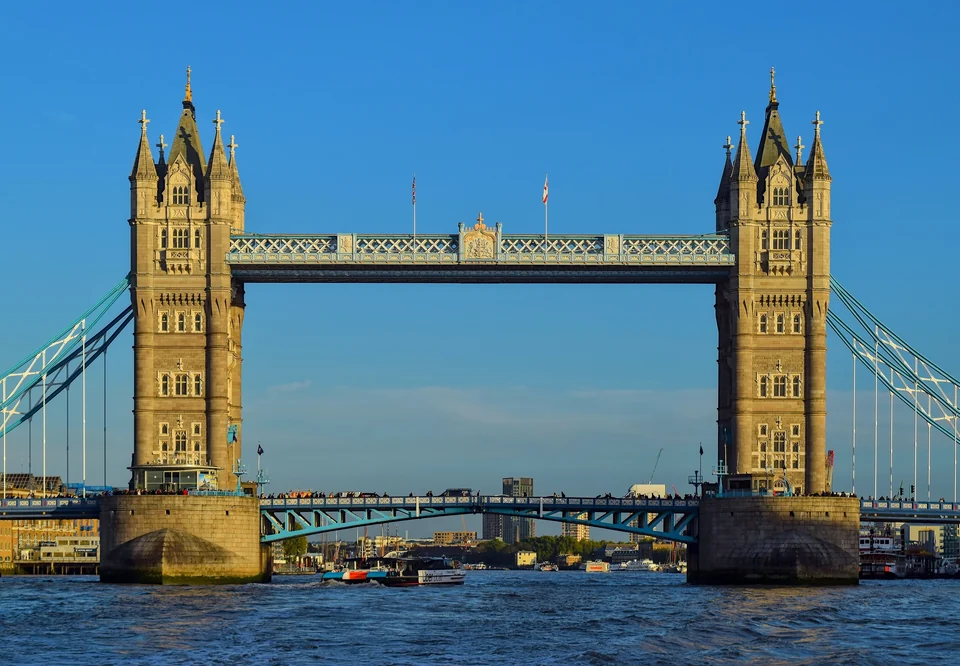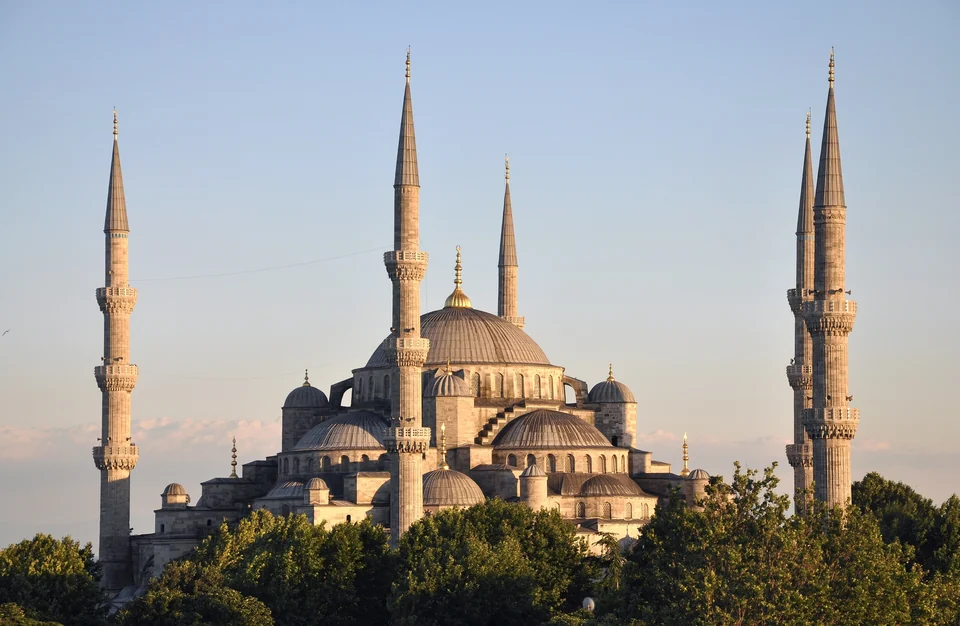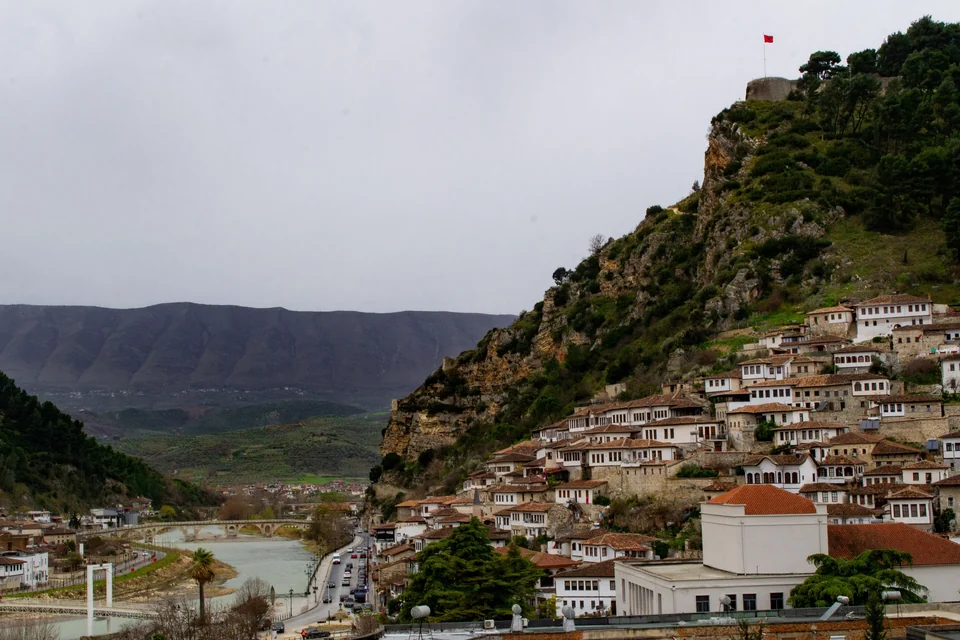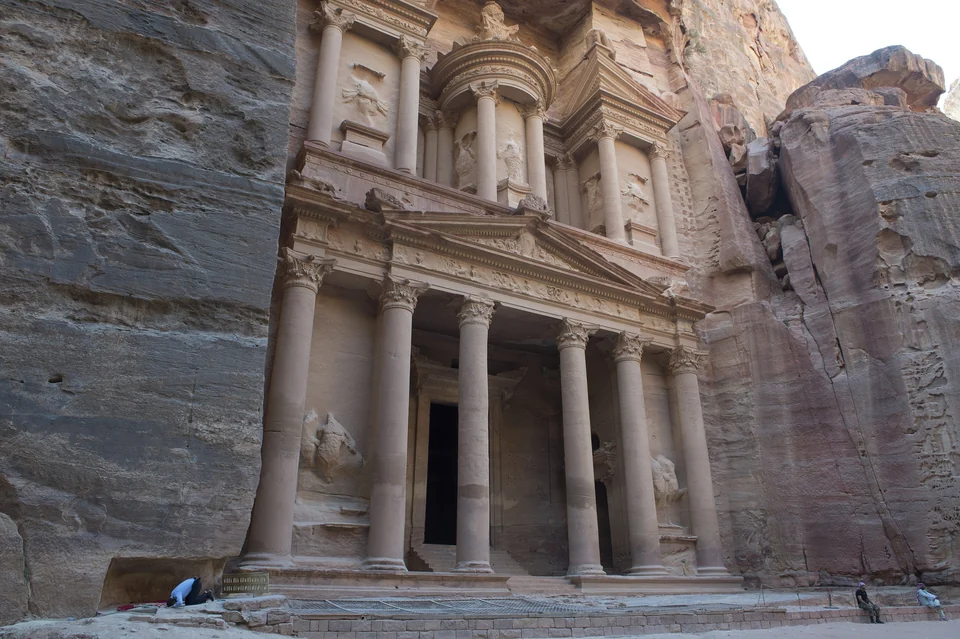
Jonas Weber approaches travel through structure, history and the spaces people inhabit. For him, cities are layered stories, built over centuries, shaped by architecture and preserved through cultural memory. His writing explores destinations by observing how design, history and daily life intersect.
With a long-standing interest in architecture and urban planning, Jonas brings a thoughtful, analytical perspective to travel writing. He pays close attention to city layouts, historic districts and the way old and new coexist, often revealing stories hidden in plain sight.
He specializes in historical cities, architectural landmarks and culturally significant environments. Rather than focusing only on famous sights, he examines the structures that define a place’s identity, from centuries-old streets to carefully preserved public spaces.
Focus areas
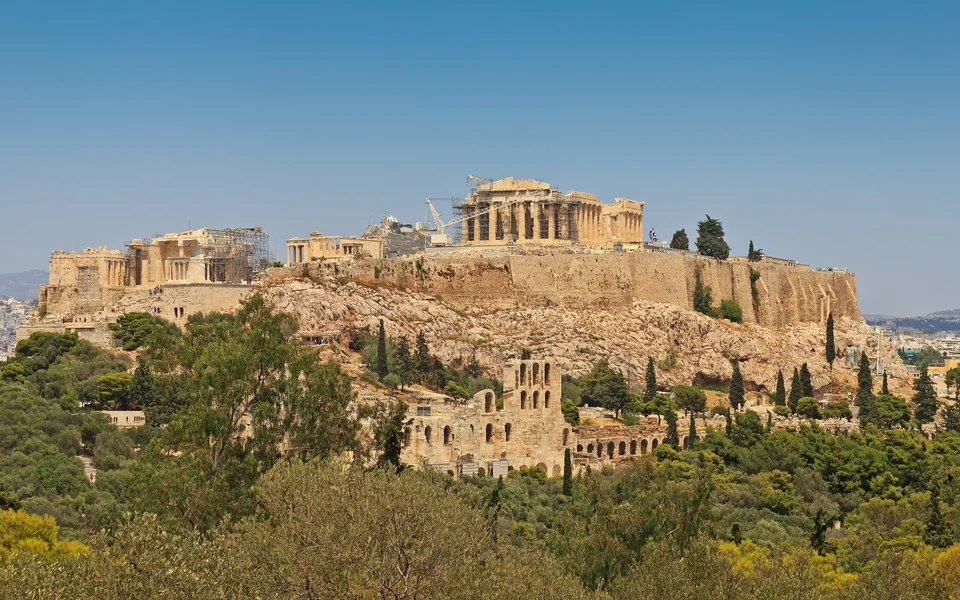
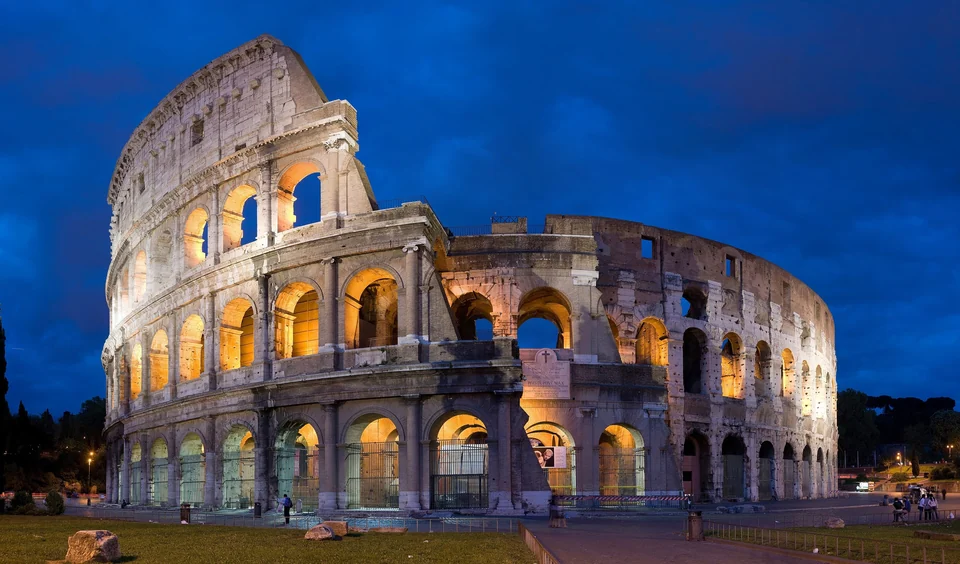
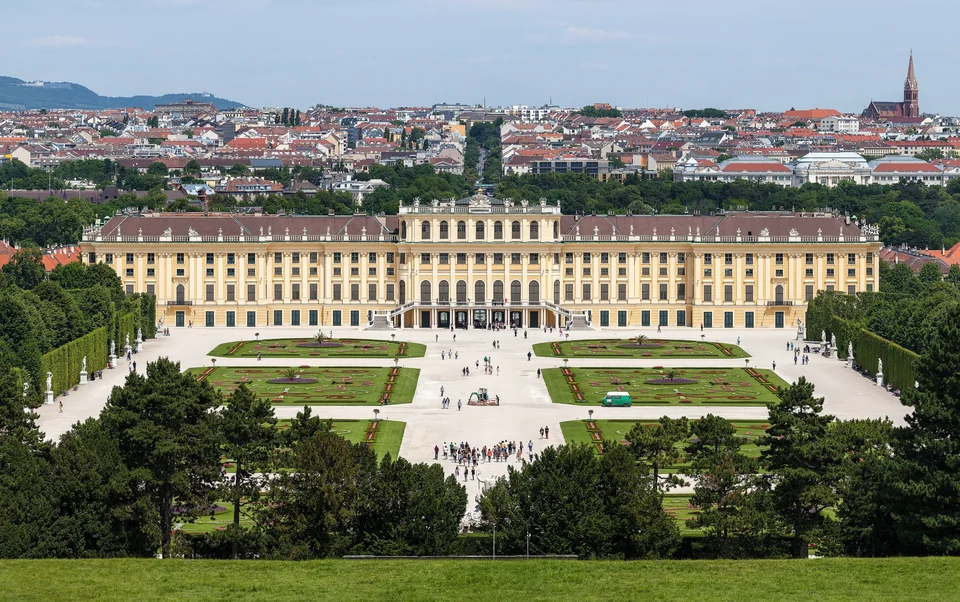
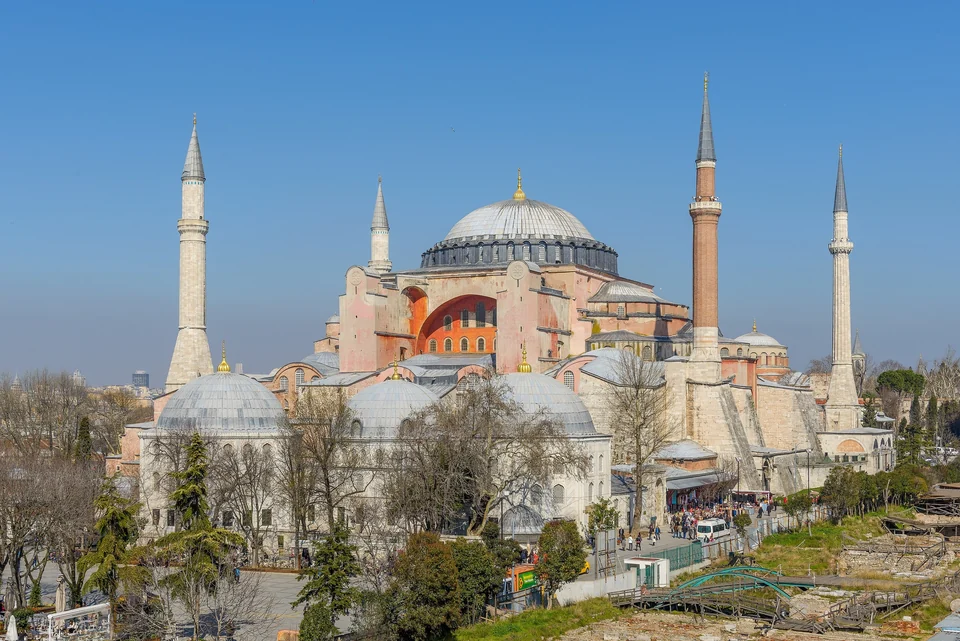
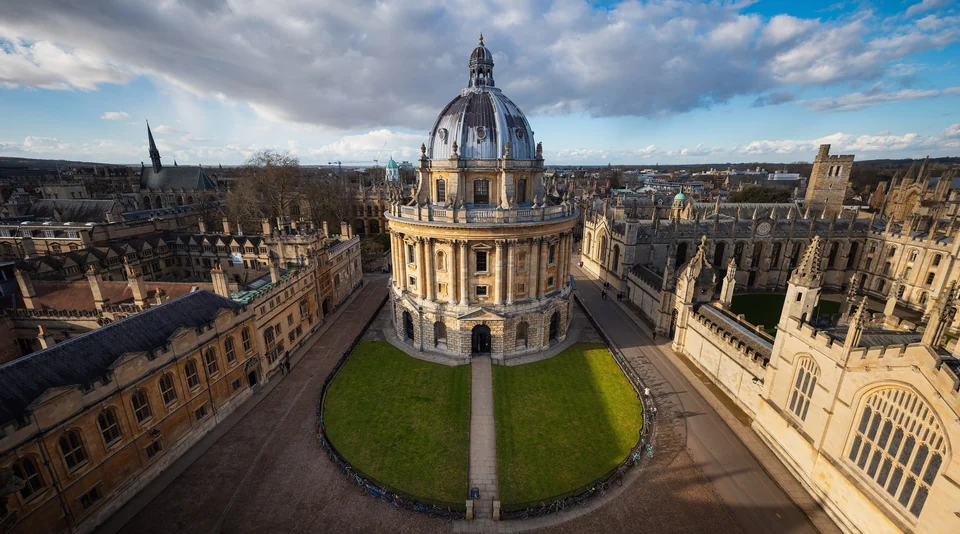
- Historic capitals — Rome, Athens, Istanbul, Vienna and London, plus Hagia Sophia on its own.
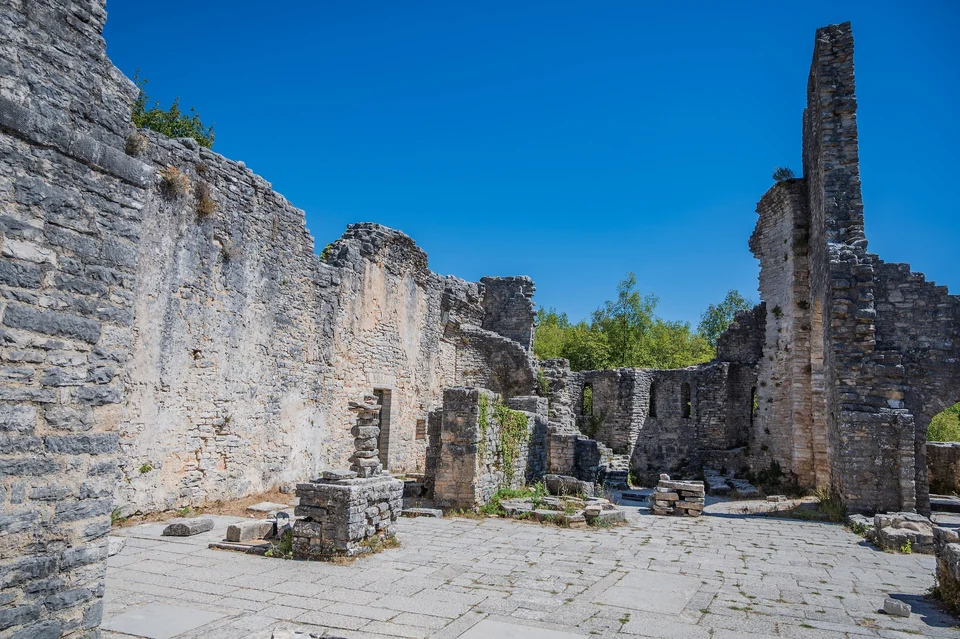
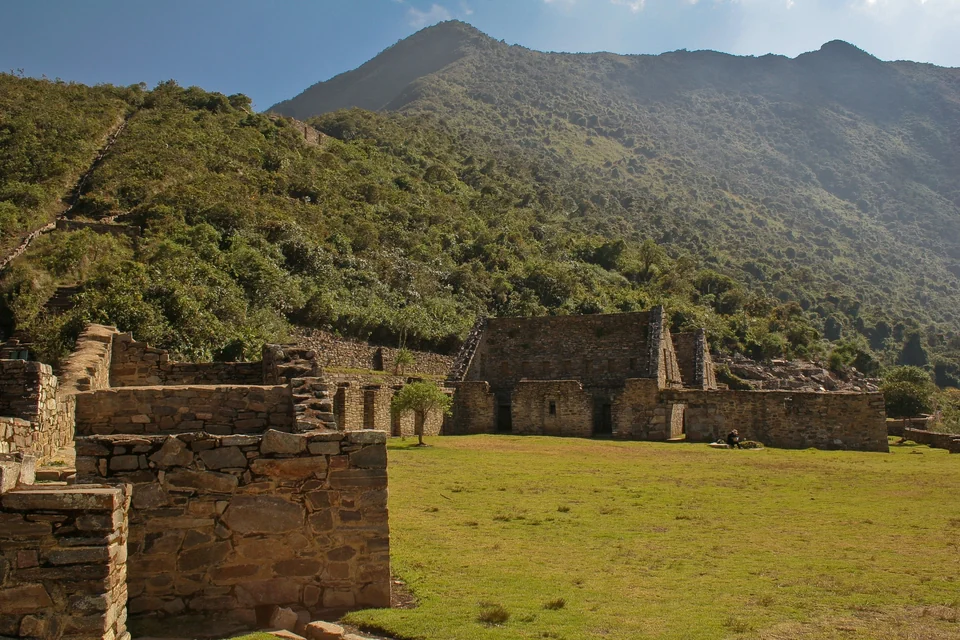
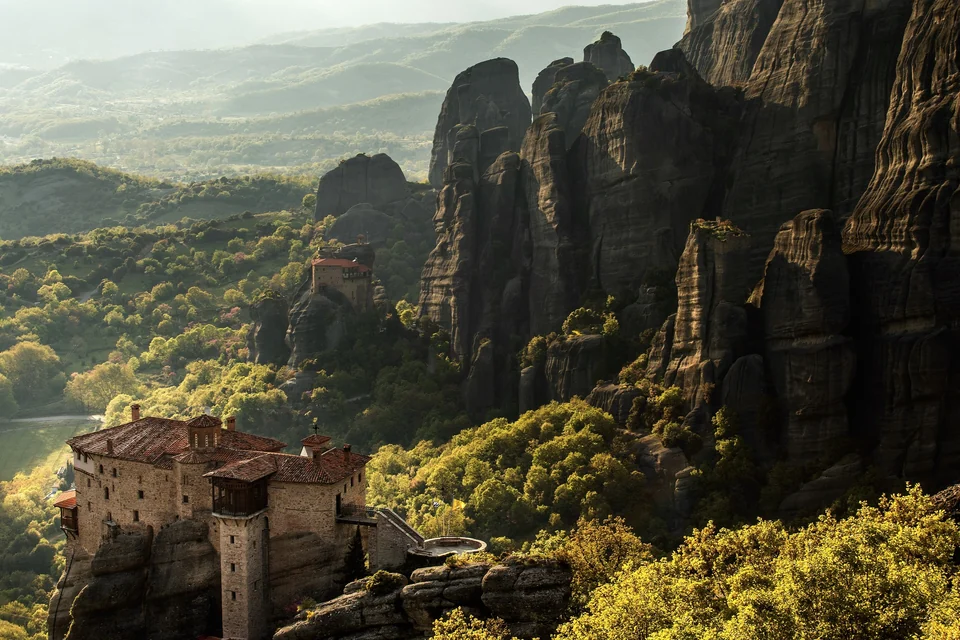
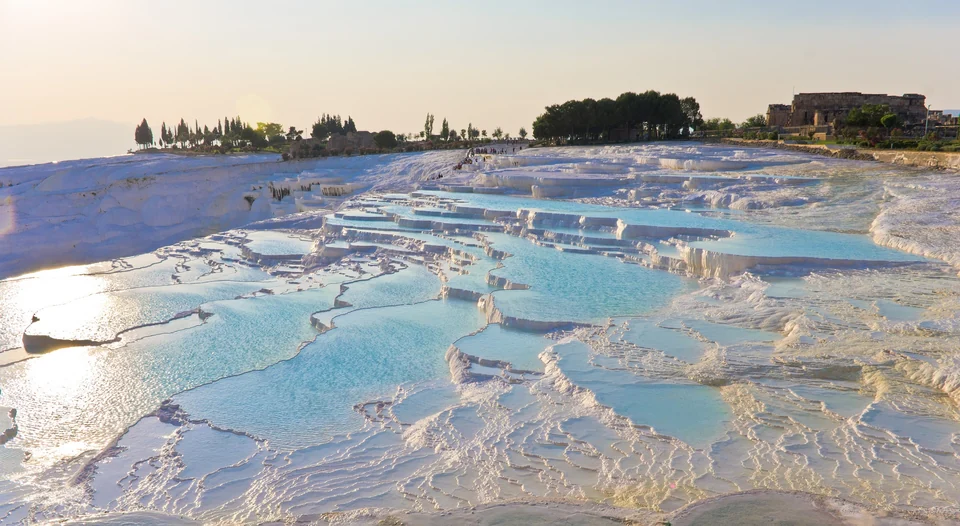
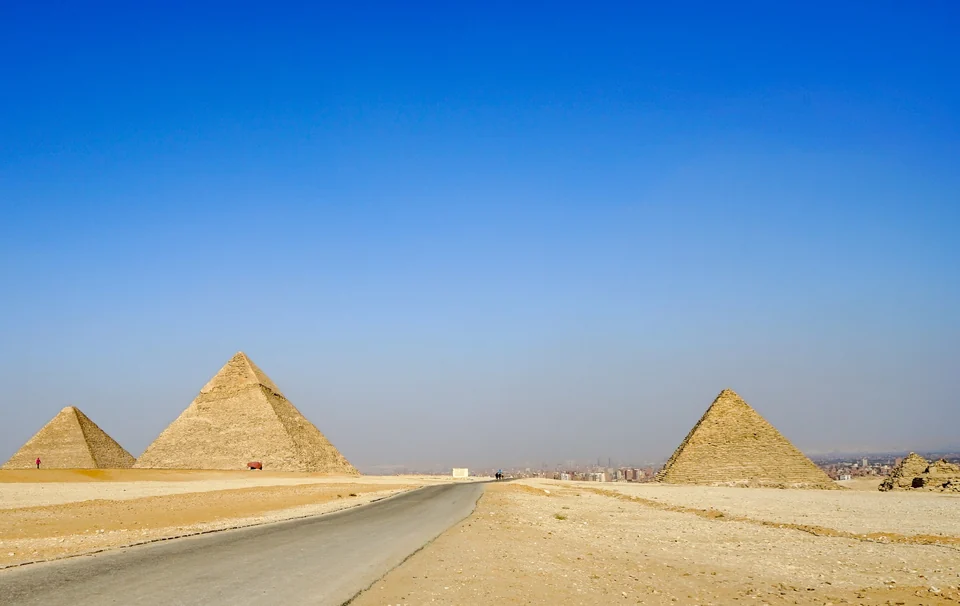
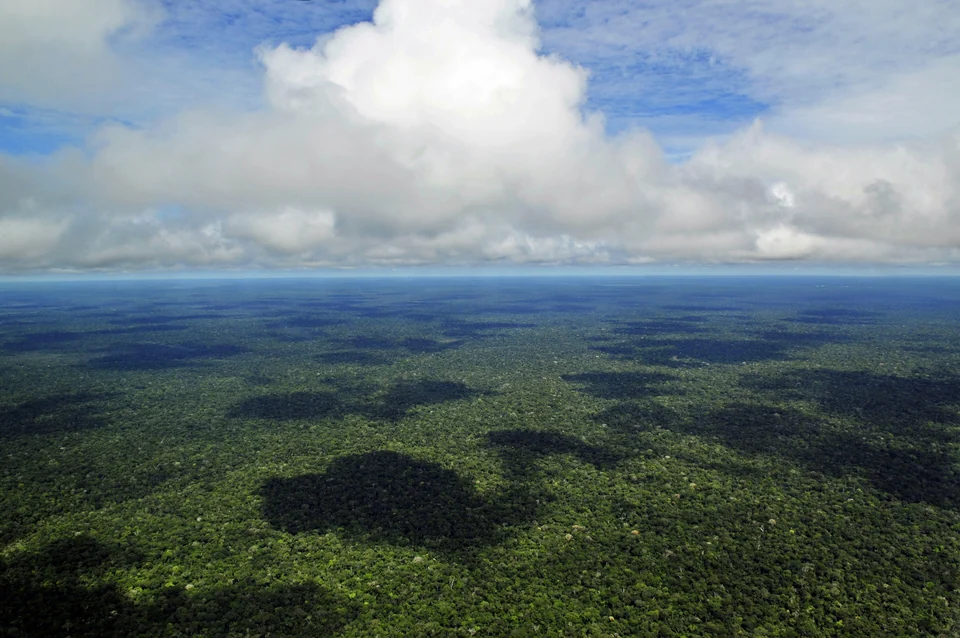
- Ancient and sacred places — Petra and Wadi Rum, Egypt, Meteora, Pamukkale and Hierapolis, Choquequirao, the Upano Valley and the lost cities of the Amazon.
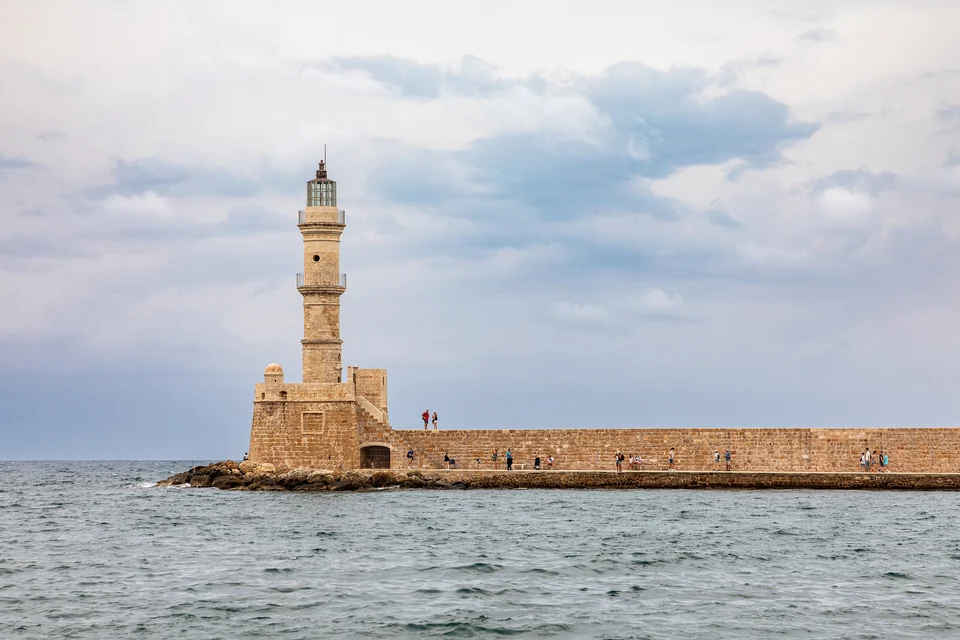
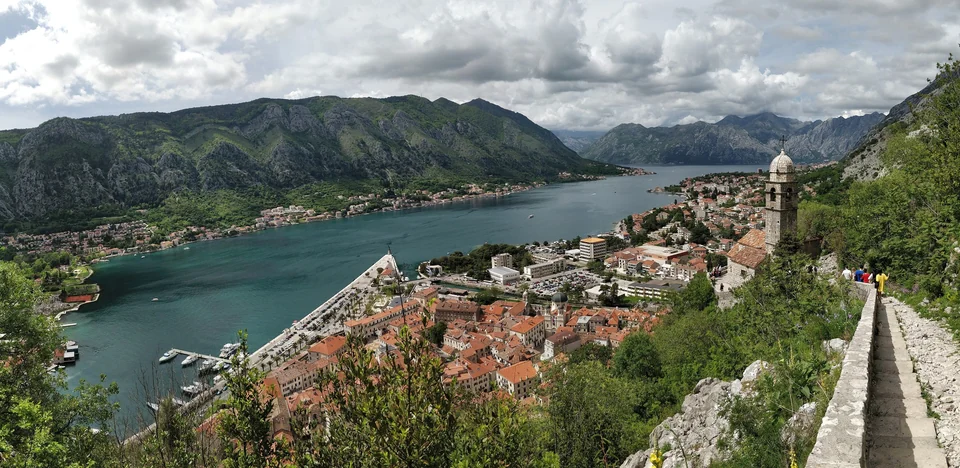
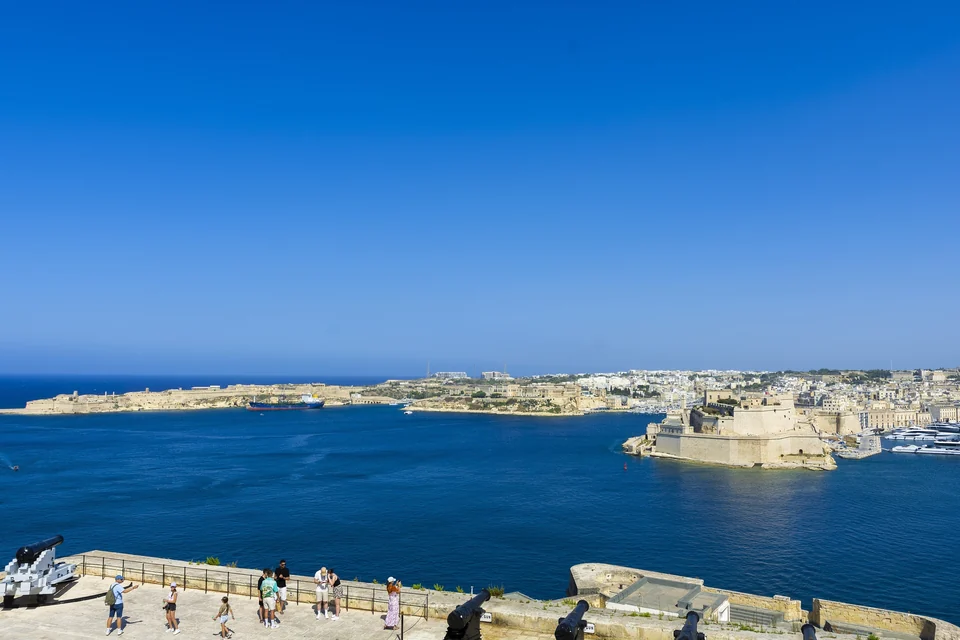
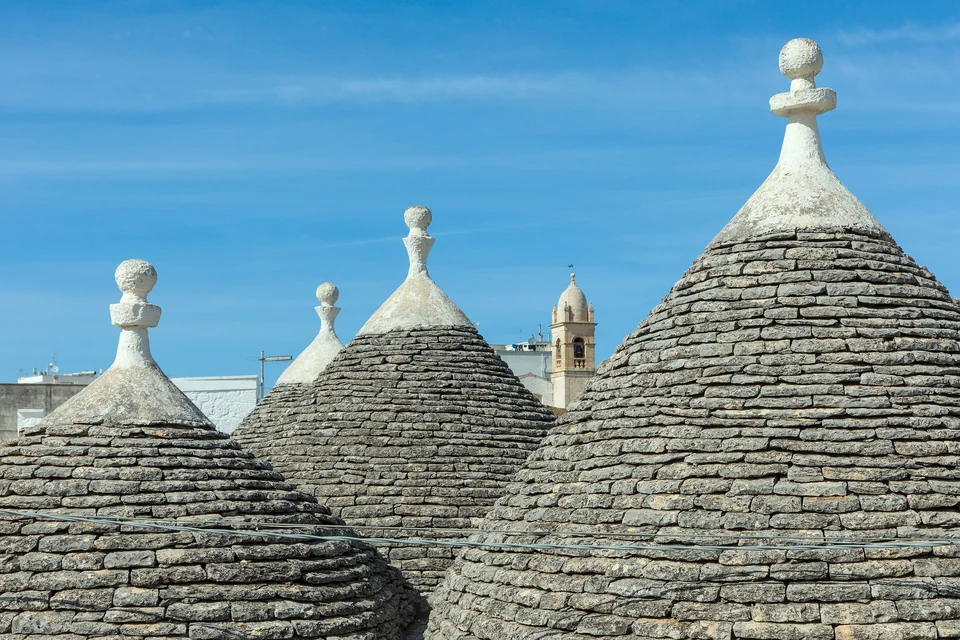
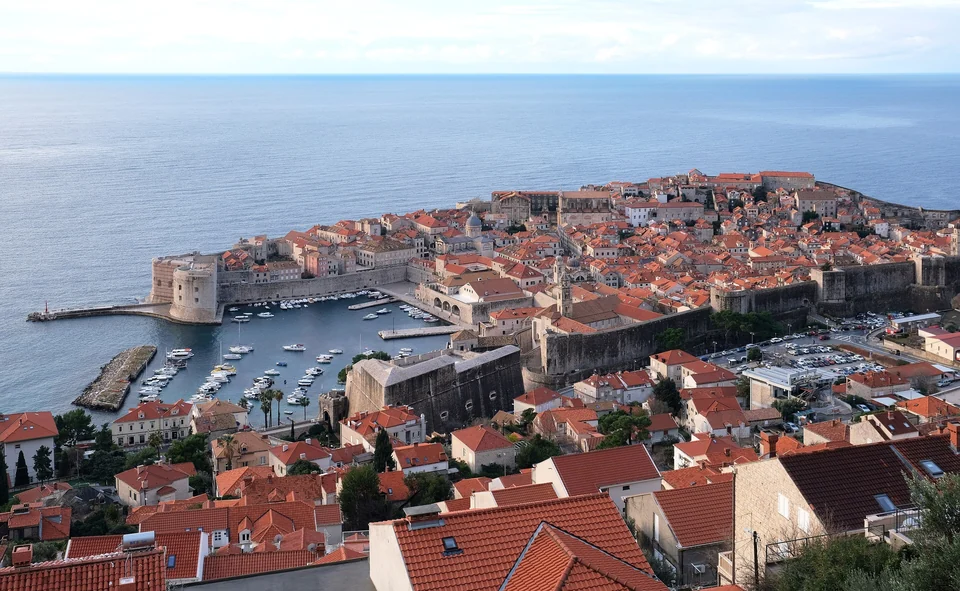
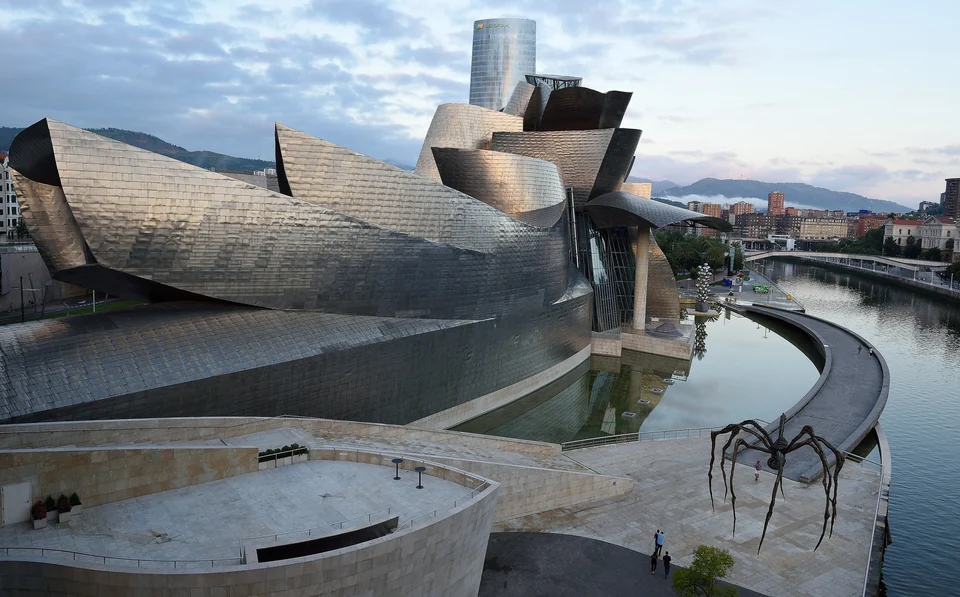
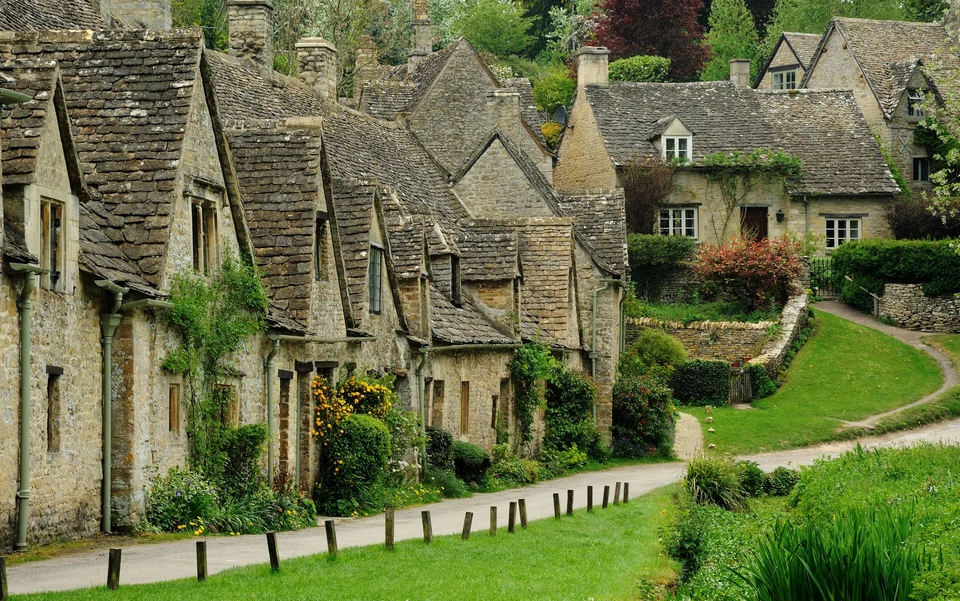
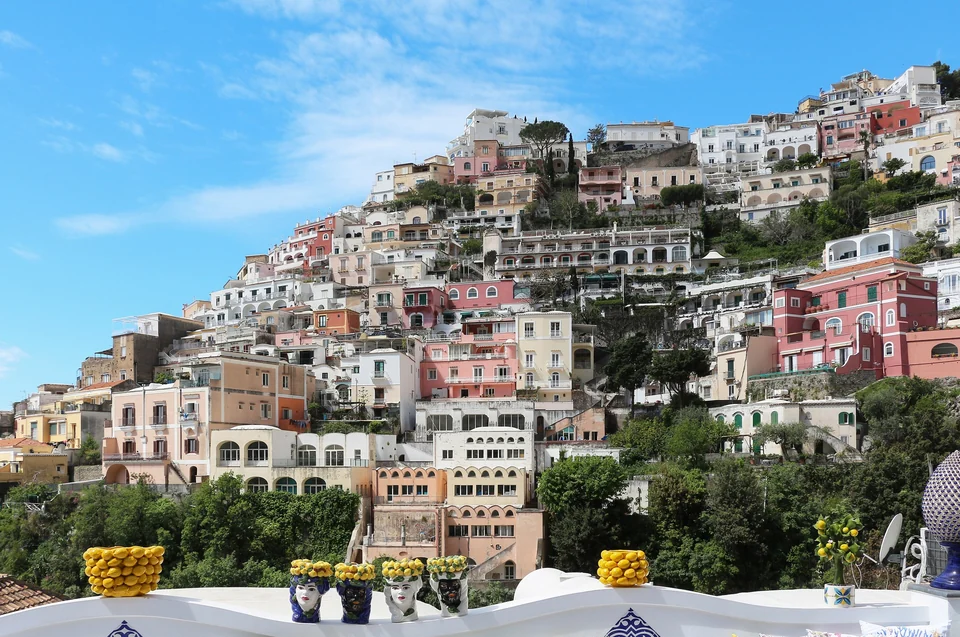
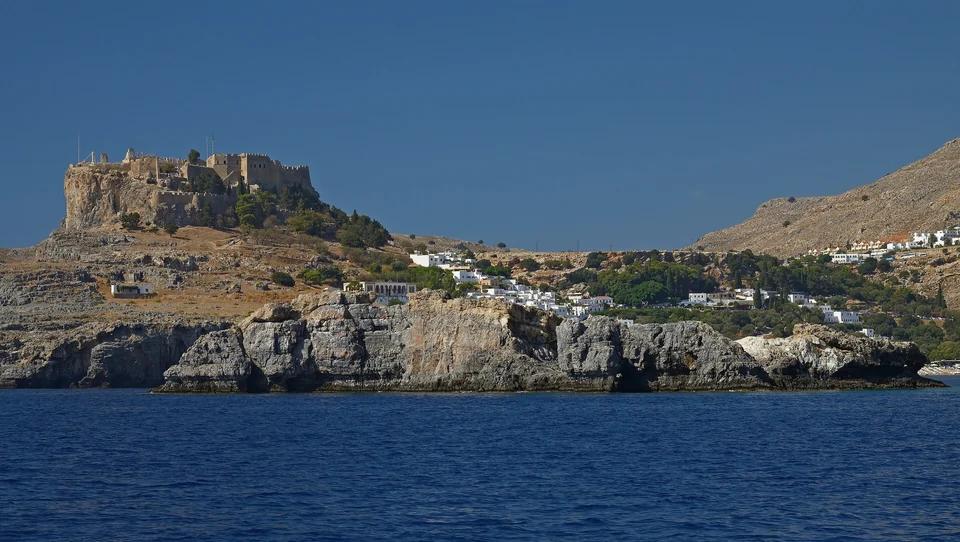
- Coasts, villages and islands — Crete, Rhodes, Malta, the Dalmatian Coast, Puglia, the Cotswolds and Bilbao.
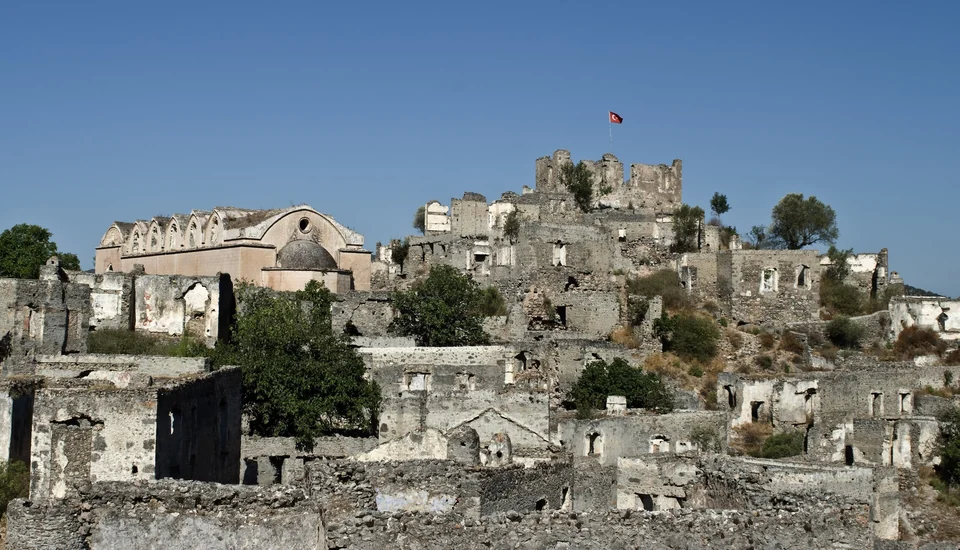
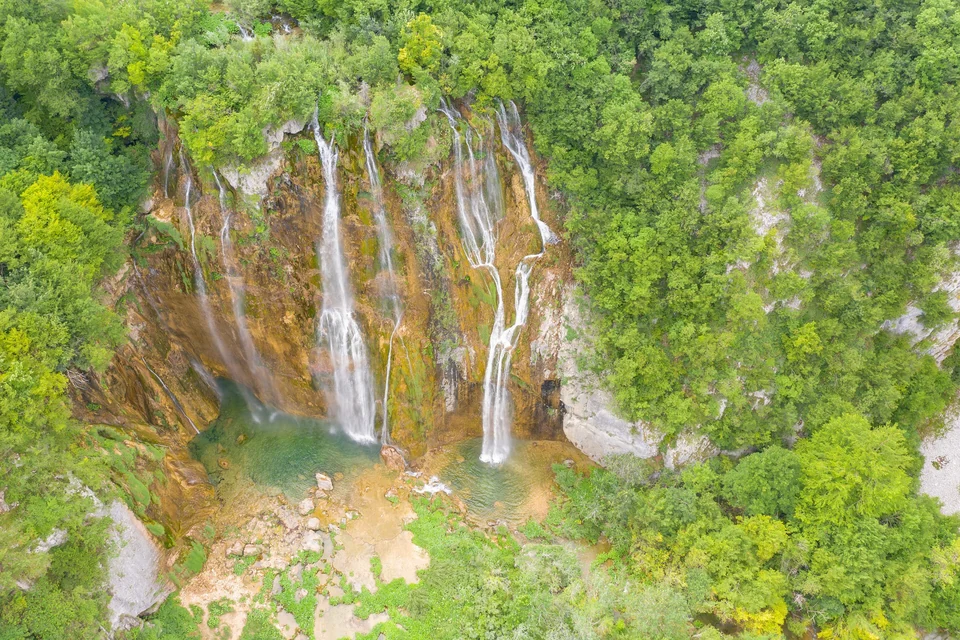
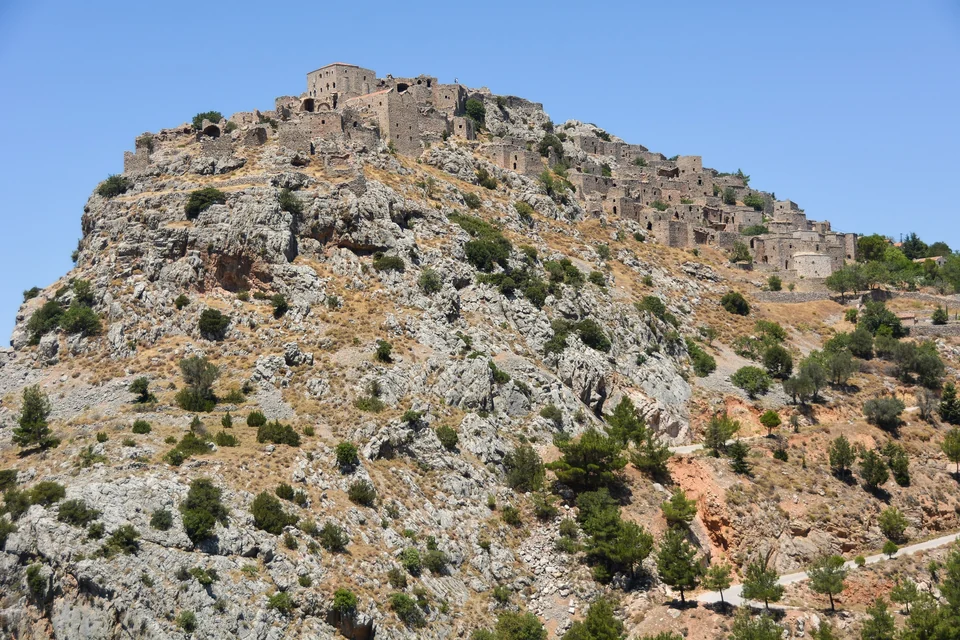
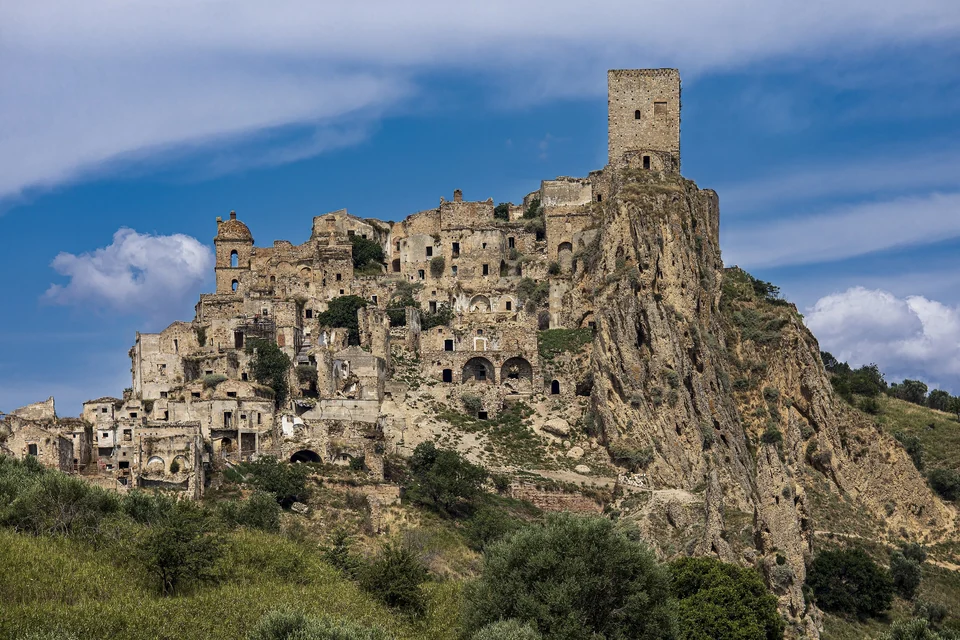
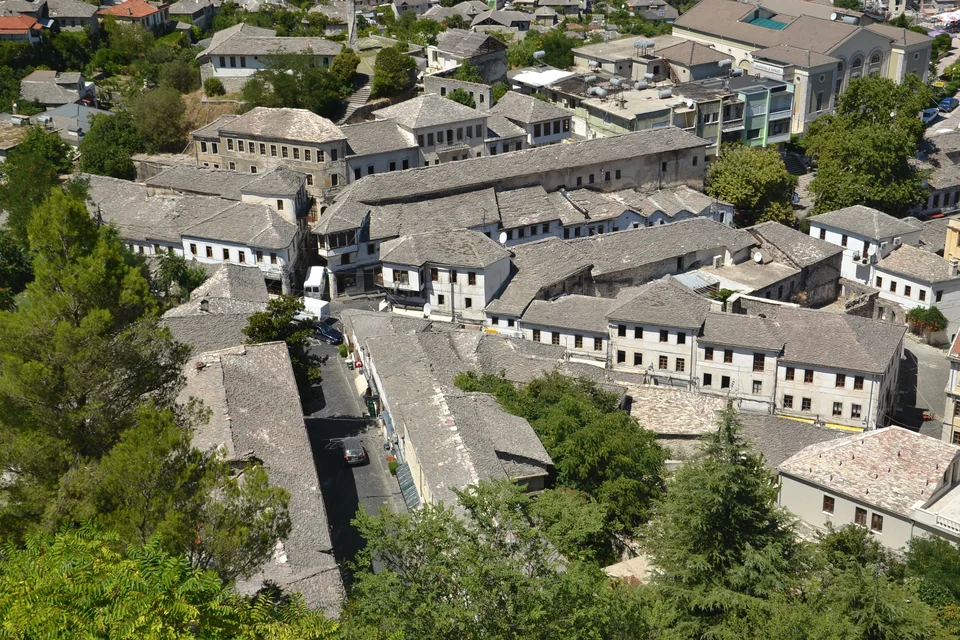
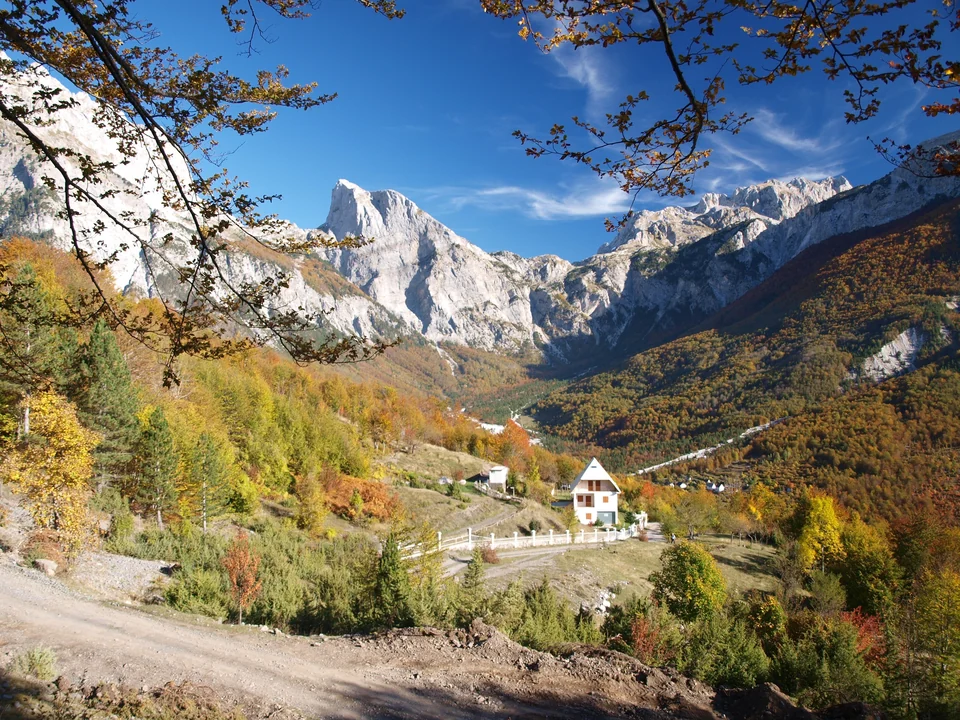
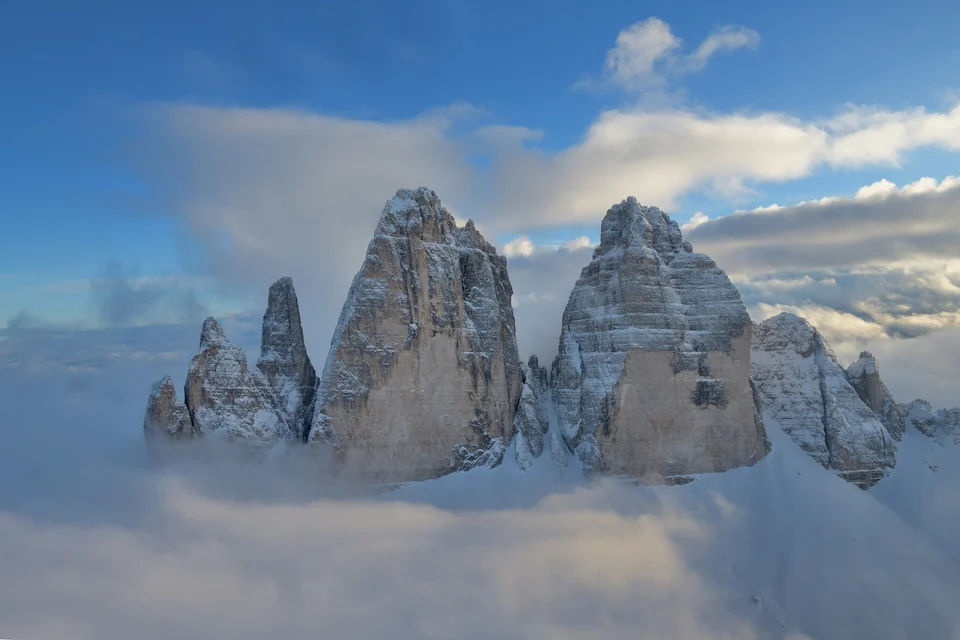
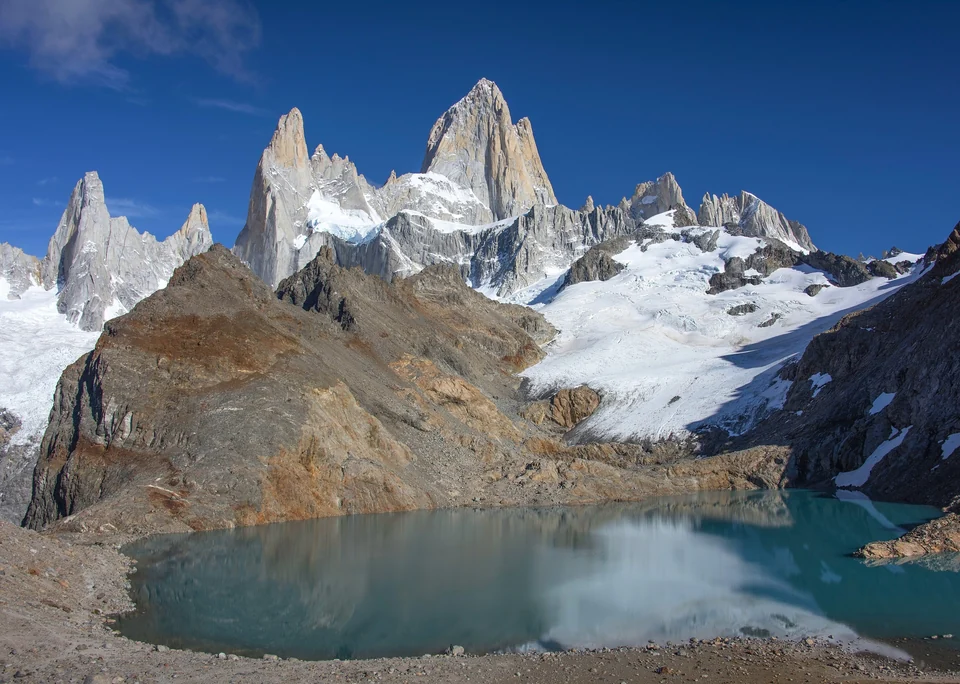
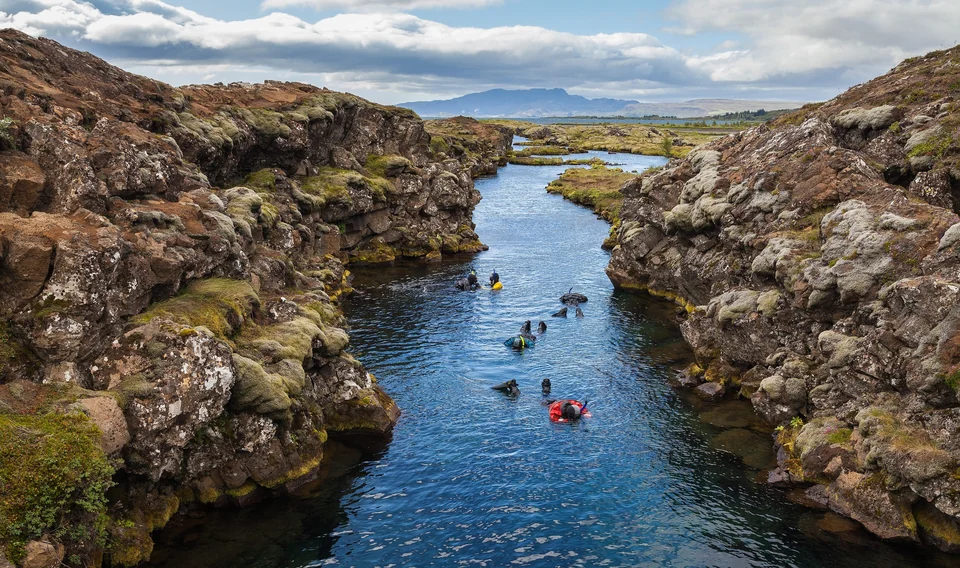
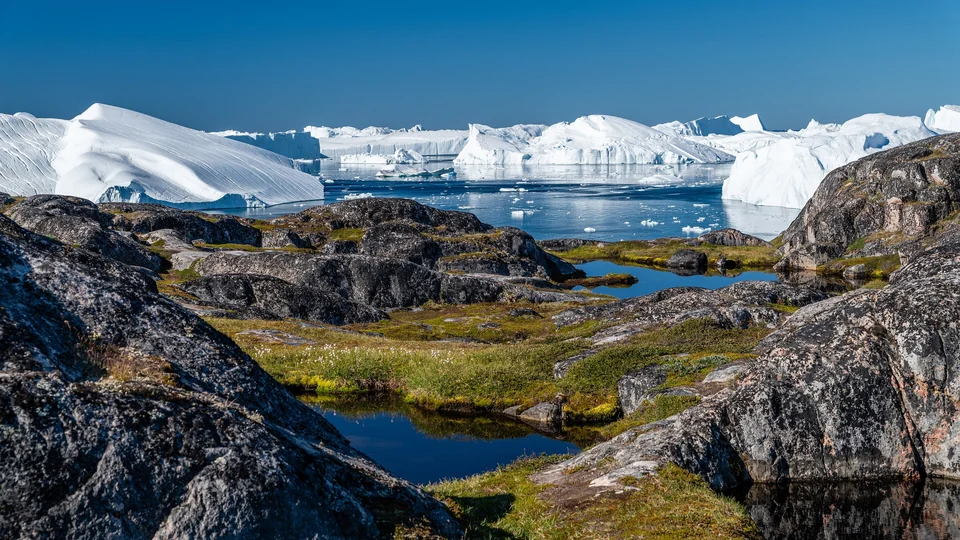
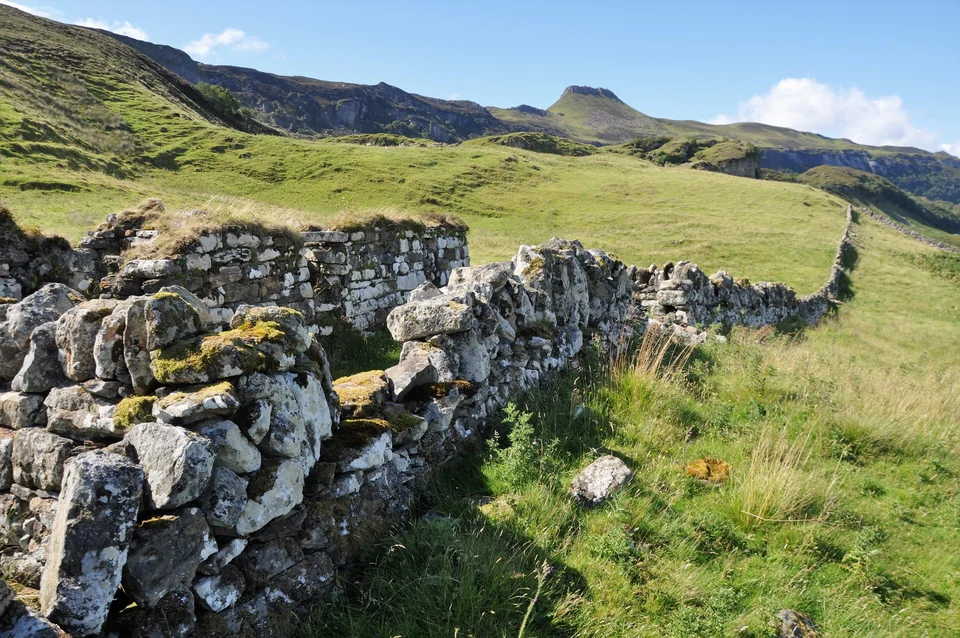
- Mountains and wild landscapes — the Dolomites, Montenegro, Albania and the Theth to Valbona hike, Patagonia, Greenland, Iceland and Scotland’s abandoned villages.
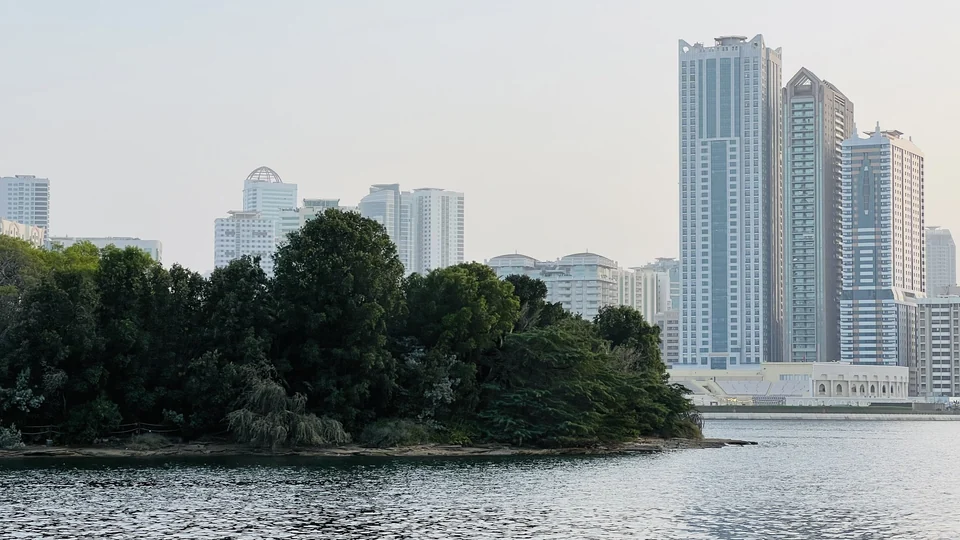
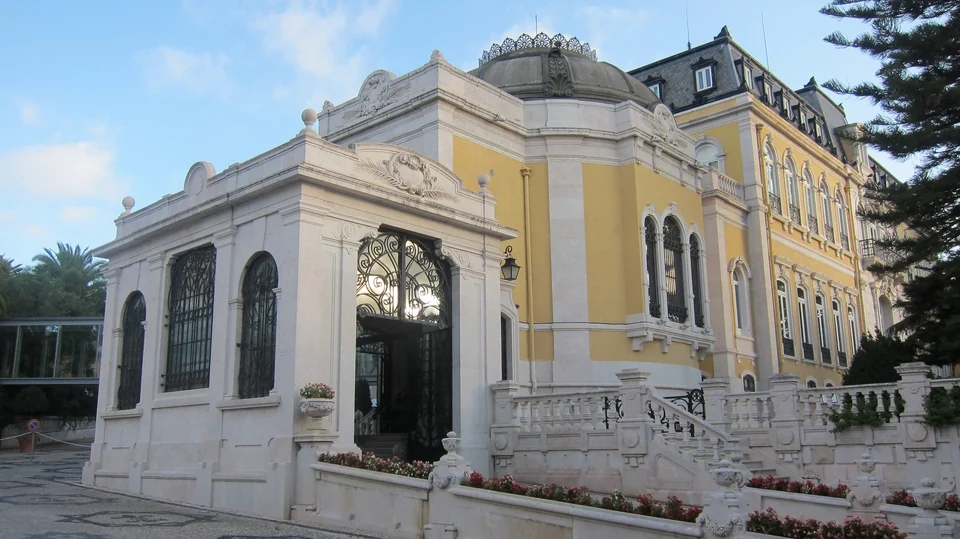
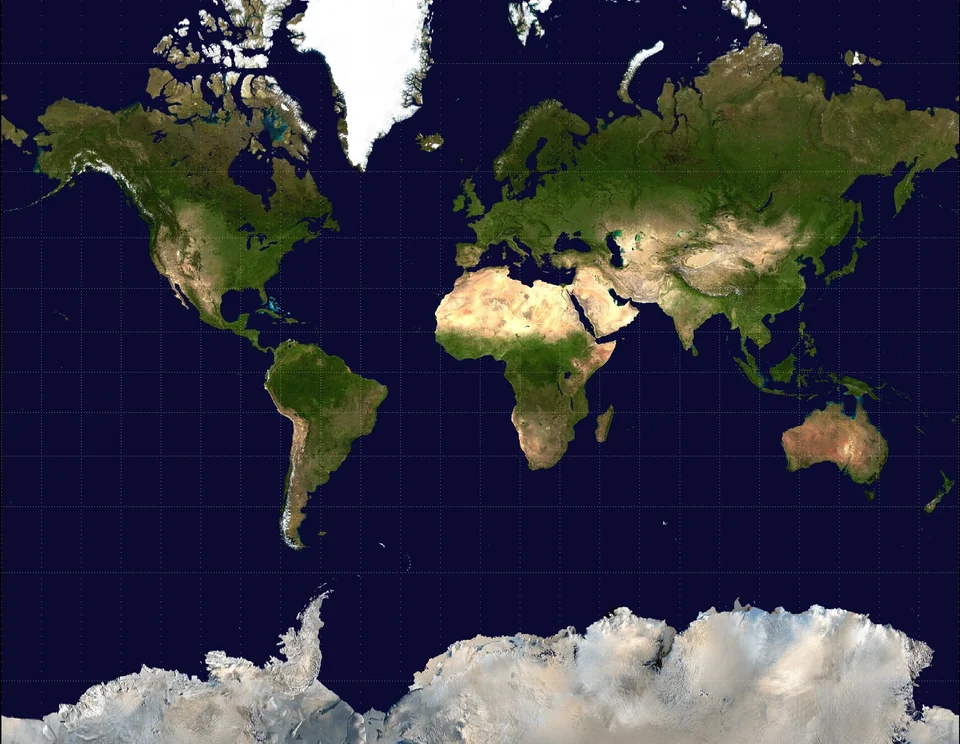
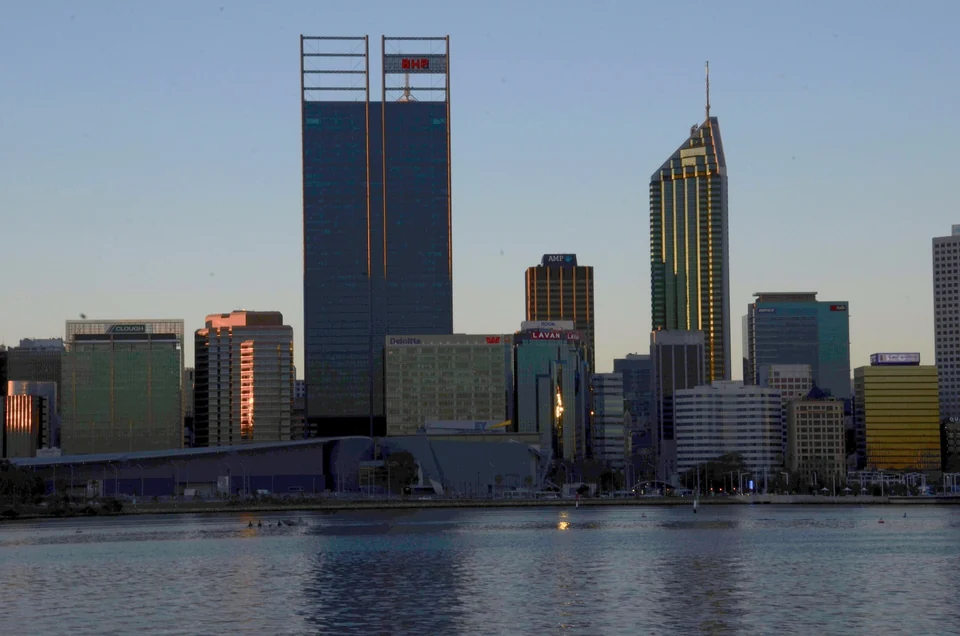
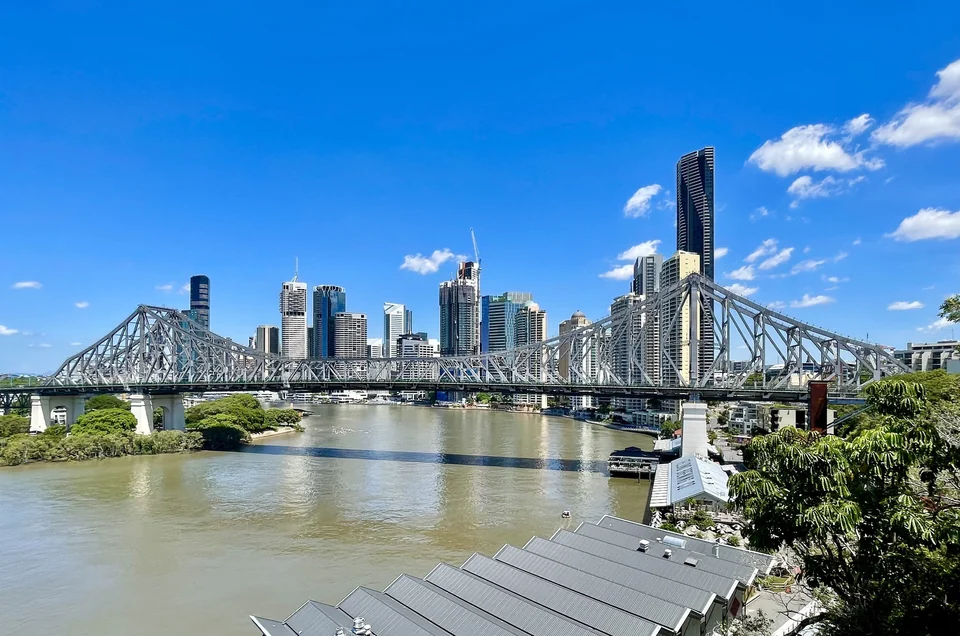
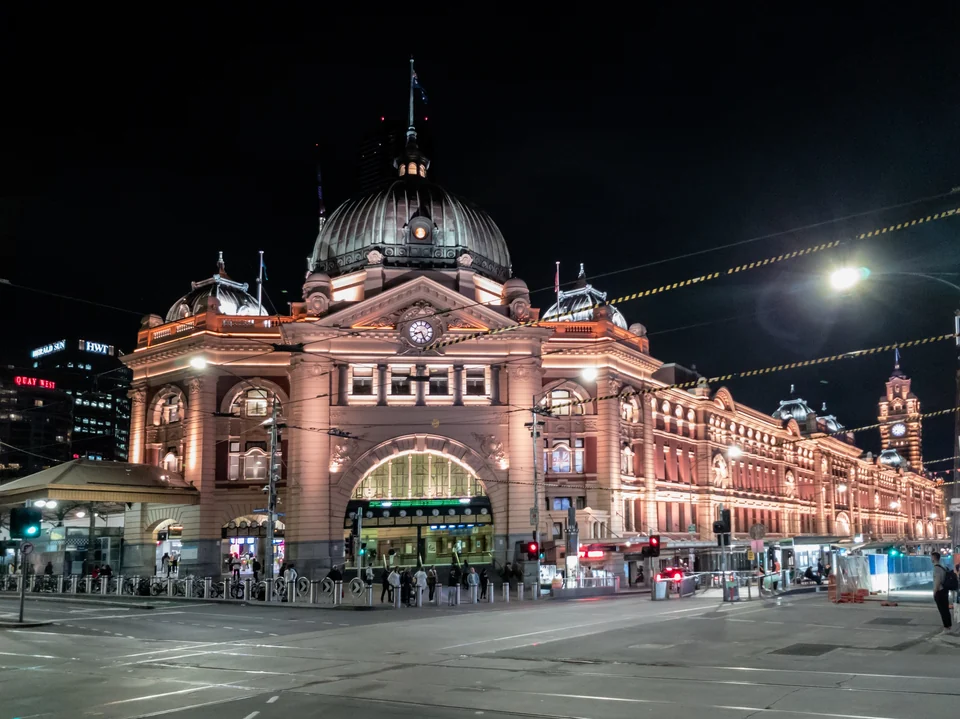
- Cities compared, hotels and ideas — Sydney vs Melbourne, Perth, Brisbane, Sharjah, the hotels Pestana Palace Lisboa and Hotel Hankyu International Osaka, and how world maps distort the globe.
How Jonas works
Jonas usually starts with a building, a map or a layer of history and works outward: who built it, what changed over the centuries, and what a visitor can actually see today. He separates what is documented from what is legend or estimate. His Choquequirao and Upano Valley guides say plainly how much is excavated, how much is only surveyed, and what is open to visitors.
For historic sites he leans on heritage listings, museum and park authorities, and cites them inside the text. When sources disagree, for example on dates, heights or measurements, he gives a range or says that figures vary rather than choosing one silently.
Where to start
To see his method, read Hagia Sophia or the truth behind world maps. For a trip with a lot of history in a short time, try Athens with a Meteora day trip.
Contact: [email protected]