


London is the biggest city in the United Kingdom and one of the easiest big cities in Europe to enjoy on a first visit, because so many of its headline sights sit within a few Tube stops of each other. The Tower of London, Westminster, St Paul's and the British Museum are all central, and several of the best museums cost nothing to enter.
Four days is a comfortable first visit; three works if you stay selective. This London travel guide covers the landmarks, the neighborhoods worth your time, markets and food, how the Tube and contactless payment work, free museums, day trips, where to stay by area, the best time to go and a day-by-day plan. For more on the country, see our United Kingdom travel guides.
London's Big Landmarks: Tower, Westminster and St Paul's
Tower of London
William the Conqueror began the White Tower soon after 1066, and the fortress has served as a royal palace, prison, armory and treasury ever since. It is a UNESCO World Heritage Site, listed in 1988. Inside, the Crown Jewels draw the longest queues, the Yeoman Warders (the Beefeaters) lead entertaining tours of the grounds, and the resident ravens strut about as if they own the place.
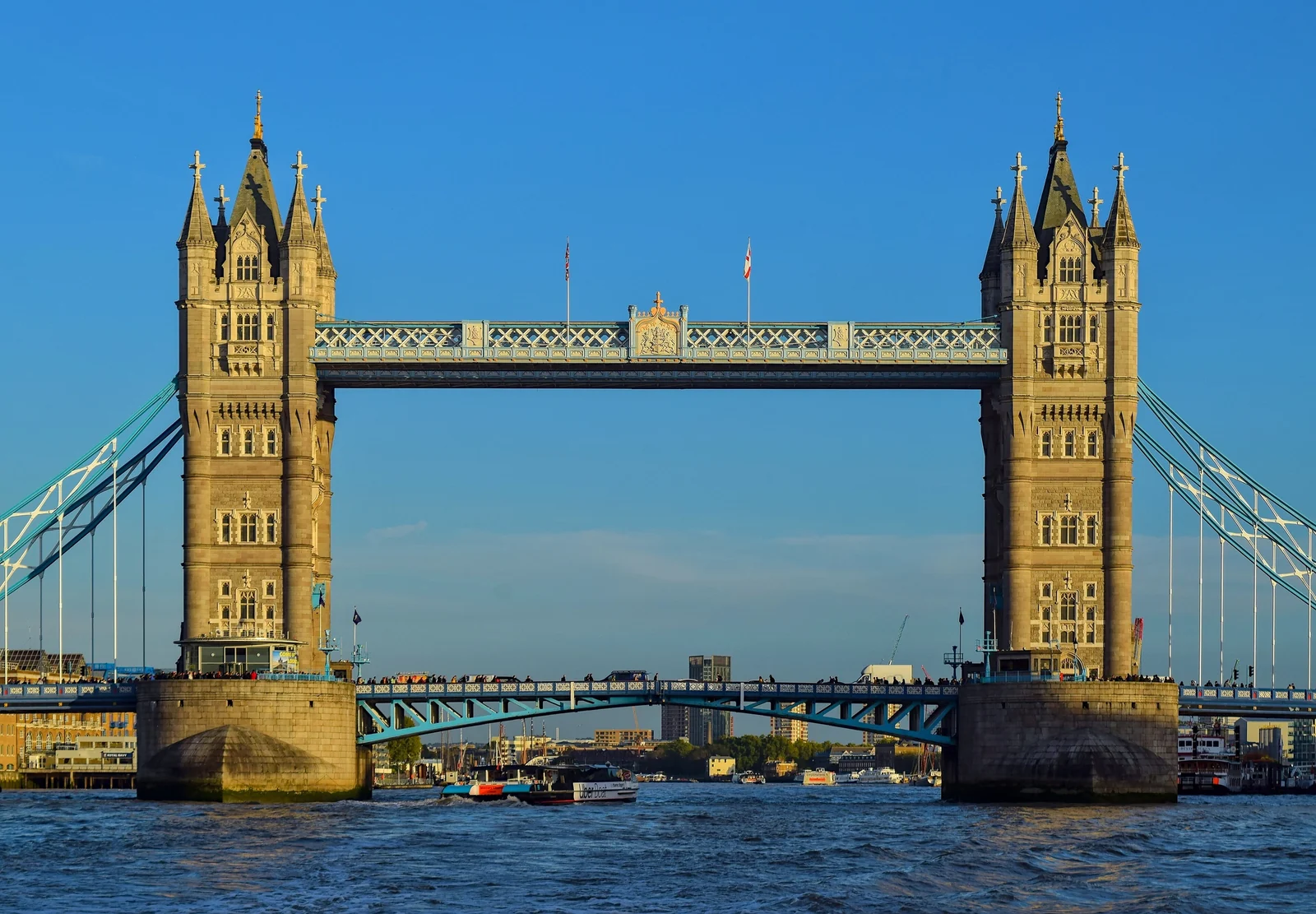
Go at opening time and head straight for the Crown Jewels before the crowds build, then do the rest in reverse. Allow at least half a day. The official Historic Royal Palaces page lists current hours and ticket options, and booking ahead online is the sensible move. Tower Bridge is a short walk away, and walking across it beats paying to go inside.
Westminster Abbey and the Houses of Parliament
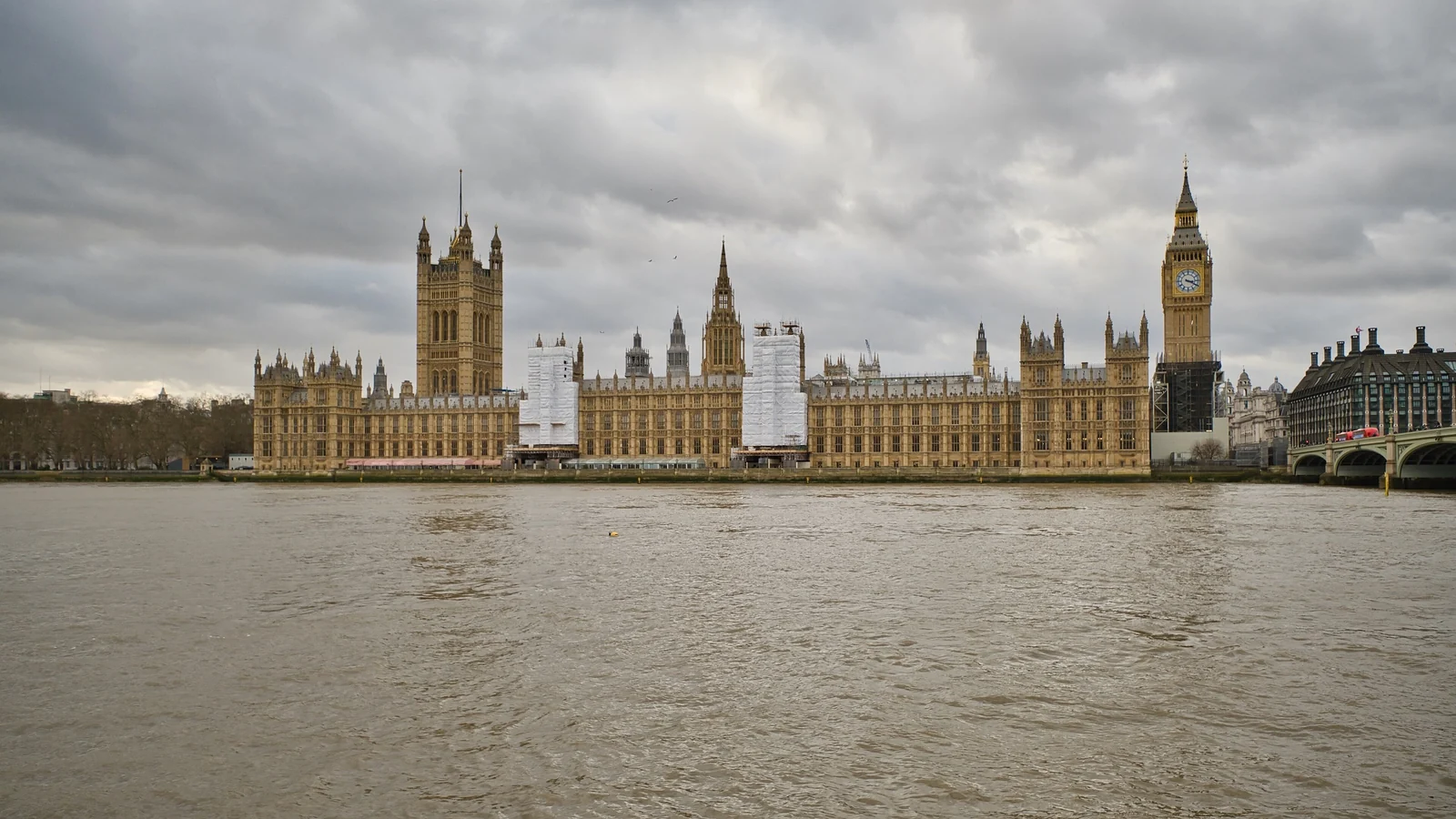
Take the Tube to Westminster and you step out beside Big Ben. That name belongs to the bell, by the way; the tower is officially the Elizabeth Tower. Opposite stands the Palace of Westminster, home to Parliament, and the best photo is from Westminster Bridge on the south bank.
A few minutes' walk away, Westminster Abbey has hosted coronations since 1066. Inside, Poets' Corner and the tombs of monarchs make it worth a proper visit rather than a glance. The Abbey, the palace and nearby St Margaret's Church share a UNESCO listing from 1987. Allow two hours for the Abbey, and check whether the Palace is running tours when you visit, as they depend on the parliamentary calendar.
St Paul's Cathedral
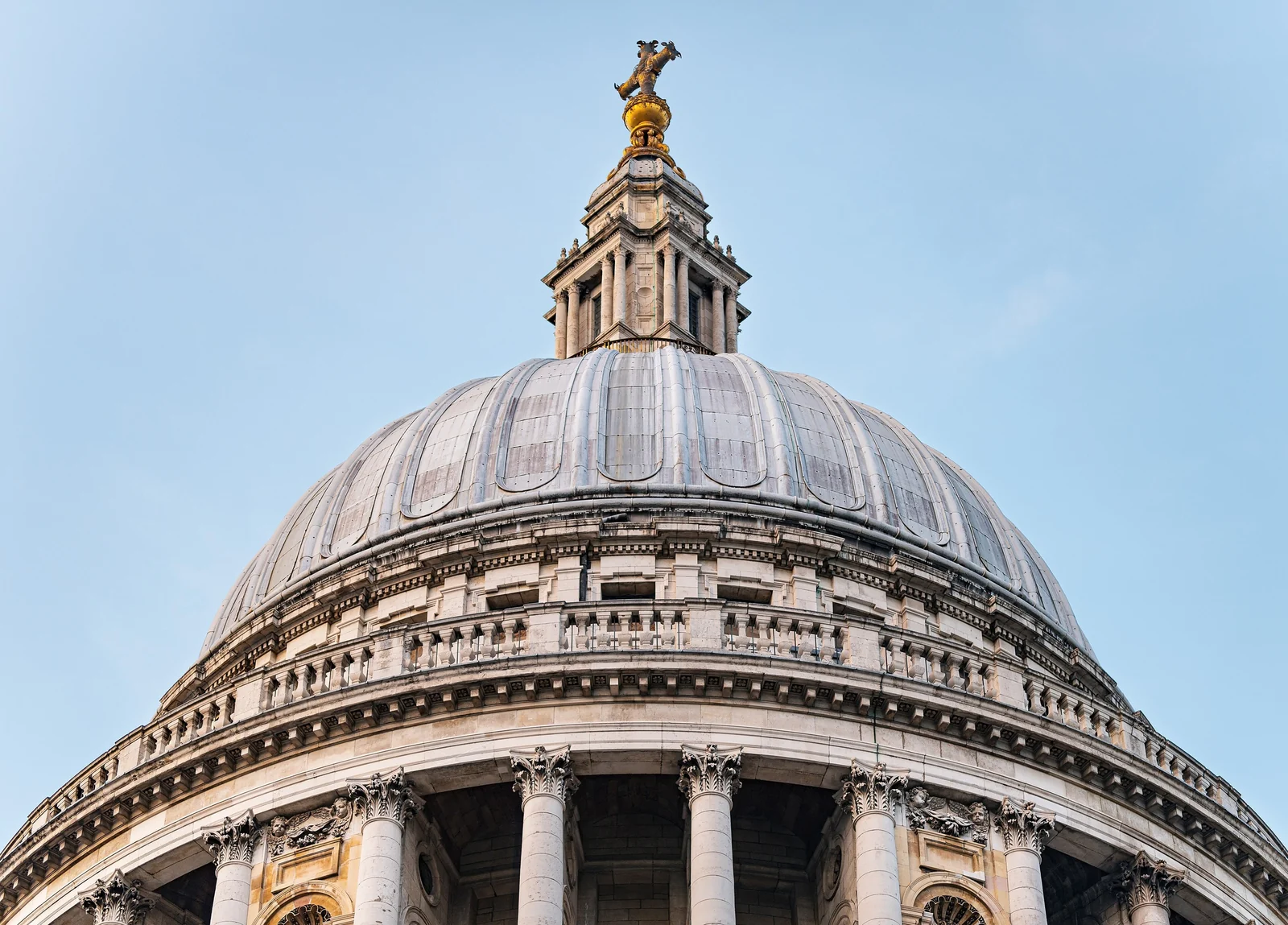
Sir Christopher Wren's masterpiece was completed in 1710, after the old cathedral was destroyed in the Great Fire of 1666. The dome is among the largest in the world, and the climb is worth it if you are fit: you pass the Whispering Gallery, then keep going past 500 steps in total to the outer galleries for a wide view of the City. The cathedral charges admission, and it can close to sightseers for services, so check the schedule first.
British Museum and Tate Modern
The British Museum, founded in 1753, holds some of the world's best-known objects, among them the Rosetta Stone, Egyptian mummies and sculptures from the Parthenon. It is free to enter, though special exhibitions are ticketed. It is also enormous. Pick three galleries, not thirty, and leave through the glass-roofed Great Court. See the museum's visitor page for current opening times.
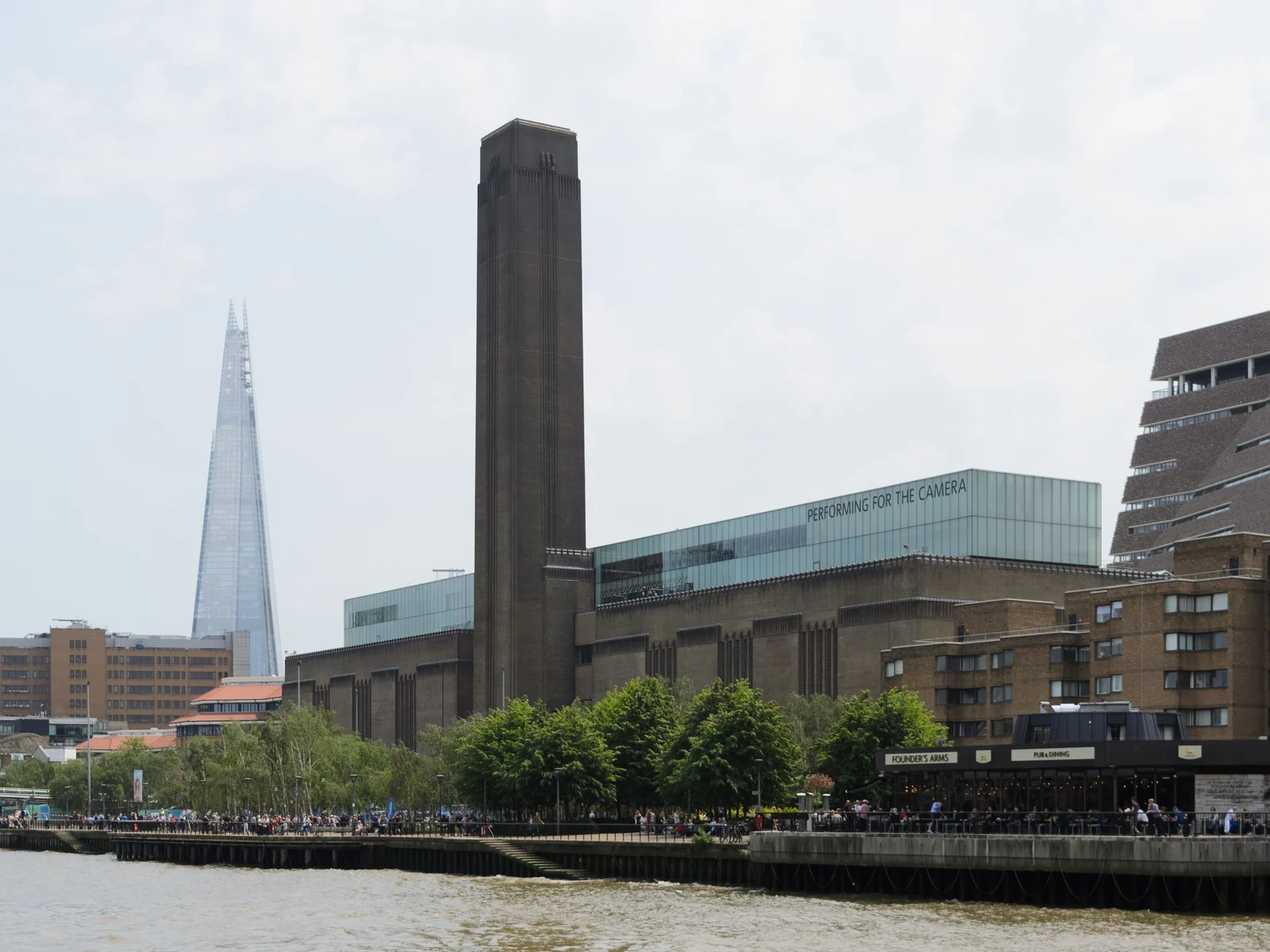
Across the river, Tate Modern fills the former Bankside Power Station and opened as a gallery in 2000. The permanent collection is free, and the vast Turbine Hall alone justifies the trip. Walk there from St Paul's over the Millennium Bridge, which makes a good link between the City and the south bank.
London Neighborhoods Worth Your Time
London is a patchwork of villages that grew together, and the character changes within a short walk. These are the districts most visitors enjoy.
- Westminster and St James's: the formal heart of the city, with royal parks, grand avenues and government buildings. Beautiful by day, quiet after dark.
- Covent Garden and Soho: theaters, street performers, restaurants and late-night bars. Busy and touristy, but handy and fun.
- Bloomsbury: garden squares, bookshops and the British Museum. Leafy and calm, with plenty of mid-range places to stay.
- The South Bank and Southwark: a riverside promenade past the National Theatre, Tate Modern, Shakespeare's Globe and Borough Market.
- The City and Shoreditch: finance towers beside Roman and medieval remains, then street art, vintage shops and nightlife a short way north-east.
- Notting Hill, Kensington and Chelsea: pastel terraces, the Portobello Road area, big museums and polished shopping.
- Camden: canal-side markets, music venues and a youthful, noisy feel. Best when you want a lively atmosphere.
Markets and Food in London
London's food scene is wide because the city is, with cooking from every corner of the world alongside very good British pubs. Markets are the easiest way to taste a lot in one go.
Borough Market
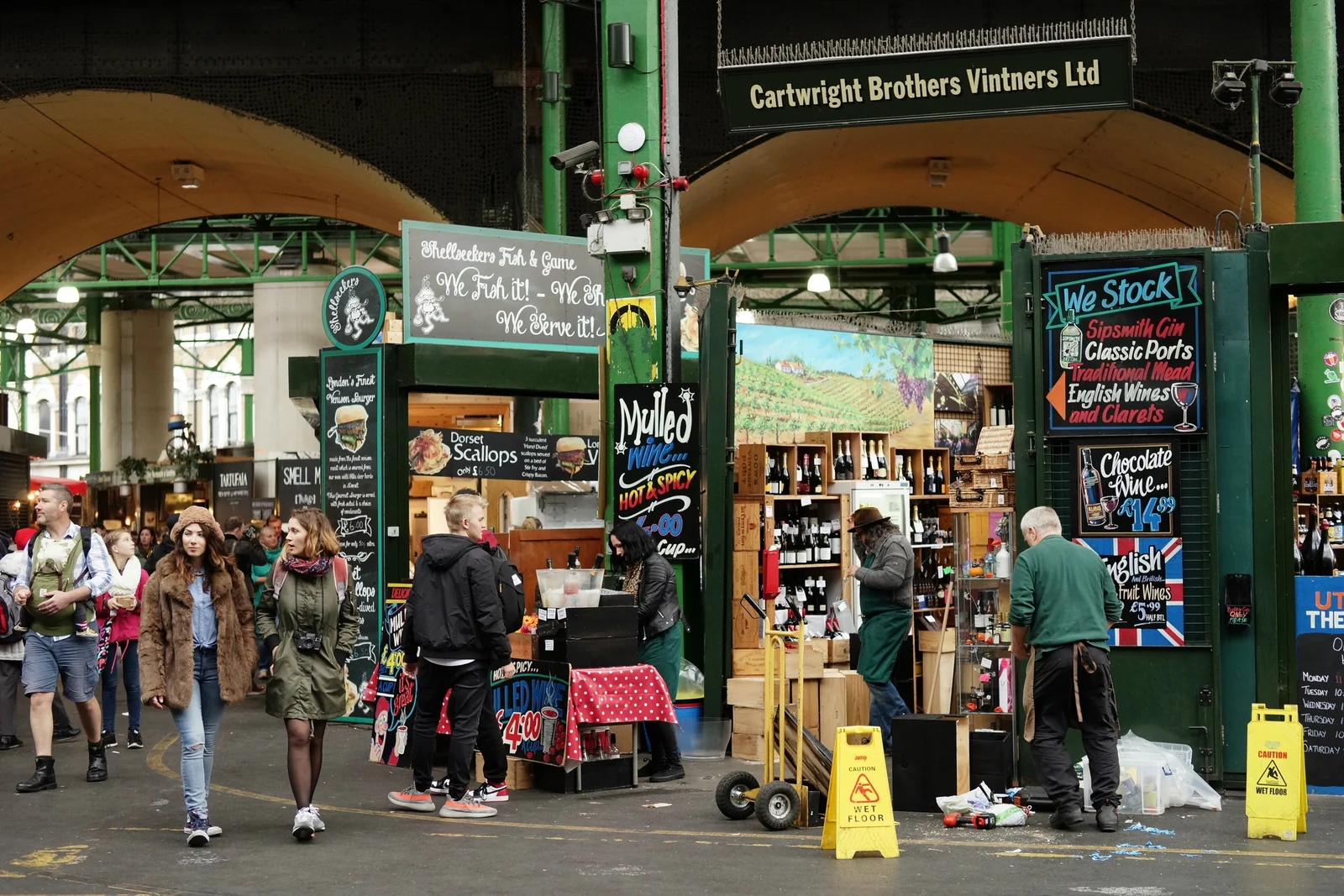
Trading on or near its present site by London Bridge for hundreds of years, Borough Market is the city's best-known food market, with produce stalls, cheese, bakeries and hot street food. It gets very crowded at lunchtime on weekends, so go early or on a weekday, and check trading days before you set out.
Other Markets and What to Eat
Old Spitalfields and Brick Lane in the East End combine market stalls with curry houses and bagel shops. Columbia Road's flower market runs on Sunday mornings. Camden Market is the place for street food from many cuisines.
Beyond the markets, try a traditional pub meal such as a Sunday roast or fish and chips, an afternoon tea if you fancy a splurge, and the capital's superb Indian, Turkish and Chinese restaurants. Many pubs take food orders at the bar rather than at your table, and a service charge is often added to restaurant bills, so read the bill before you tip.
The Tube, Oyster and Contactless Payment
The London Underground, known as the Tube, is the fastest way across the city, and it is easy once you learn three habits: tap in and out at the gates, check which line runs your direction, and stand on the right on escalators. The Elizabeth line, the newer cross-city route, links Heathrow with central London. The Transport for London website has the live maps, fares and status.
You do not need paper tickets. Use a contactless bank card, a phone with a wallet app, or an Oyster card, tapping on the yellow reader when you enter and exit. Fares are capped daily, and weekly caps also apply, so you will not pay more than the cap however many trips you take. Use the same card or device each time, because a different one counts as a separate journey. Overseas cards work, though your bank may add foreign transaction fees, so a visitor Oyster card is worth considering if that bothers you.
| Option | Best for | Notes |
|---|---|---|
| Contactless card or phone | Most visitors | No setup; fare capping applies; use the same card each time |
| Oyster card | Longer stays or avoiding foreign card fees | Needs a refundable deposit; top up at stations or online |
| Buses | Sightseeing from the top deck | Tap in only; they do not take cash |
| River boats | Greenwich and Westminster by water | Check which payment types the operator accepts |
Free Museums and Cheap Things to Do
London is generous to budget travelers. Many national collections are free to enter, which lets you build days around art and history without buying a ticket for each. Donations are welcome, and special exhibitions usually cost extra.
- British Museum: world history under one roof, from Egypt to the Parthenon.
- National Gallery: Trafalgar Square's collection of European painting, from the 13th to the early 20th century.
- Natural History Museum: dinosaurs, a blue whale skeleton and a grand Victorian building in South Kensington.
- Victoria and Albert Museum: design and decorative arts, a short walk from the Natural History Museum.
- Tate Modern and Tate Britain: modern and British art, free to see the permanent collections.
The royal parks are free too. Hyde Park, St James's Park and Regent's Park all have good walking, and the changing of the guard at Buckingham Palace is a free spectacle, if a crowded one. Check times and cancellations on the official royal website before planning around it.
Day Trips from London: Greenwich, Windsor, Oxford and Cambridge
London has excellent rail links, so the best short breaks outside the city are simple to organize. Check the current timetable and fares on the National Rail website for your date.
| Destination | How to get there | Approx. travel time | Best for |
|---|---|---|---|
| Greenwich | DLR, train or river boat | About 20 to 30 minutes | Maritime history, the Prime Meridian, the park |
| Windsor | Train from Paddington or Waterloo | About 30 to 60 minutes | Windsor Castle and the Thames |
| Oxford | Train from Paddington | About 1 hour | Colleges, libraries, museums |
| Cambridge | Train from King's Cross | About 50 minutes to 1 hour | Colleges, the Backs, punting |
Greenwich
Greenwich is the easiest escape, and a UNESCO World Heritage Site since 1997. The tall ship Cutty Sark, the Royal Observatory on the Prime Meridian and the Painted Hall make a strong half-day. The park lawns are a great place for a picnic, and the view back toward Canary Wharf from the hill is a classic. Arriving by boat down the Thames is more fun than the train.
Windsor
Windsor Castle is the oldest and largest inhabited castle in the world, a working royal residence that you can tour on most days when no events are taking place. Eton College is just across the river. Check castle opening days before you travel, since it closes for state occasions.
Oxford and Cambridge
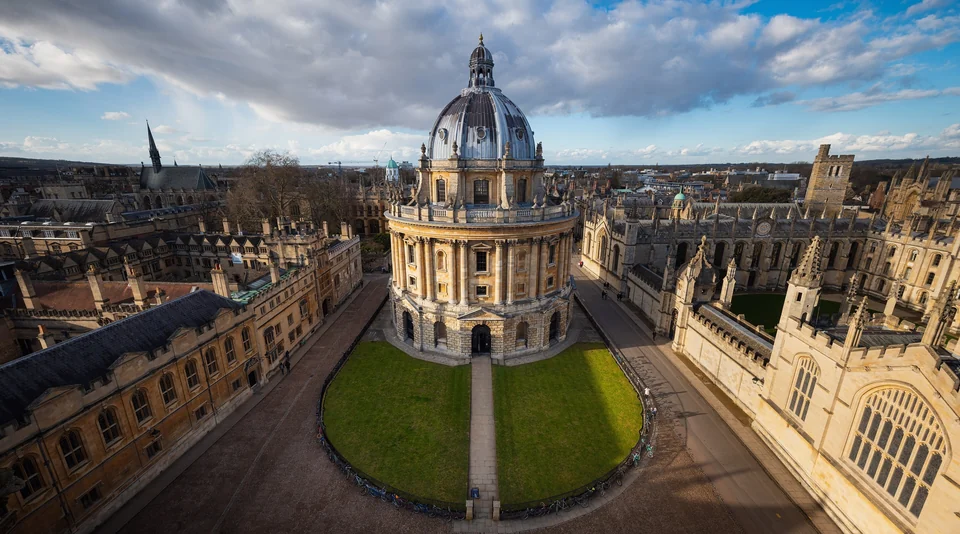
Oxford and Cambridge are among the oldest university towns in the English-speaking world, and each is a rewarding day trip. In Oxford, look for the Bodleian Library, the Radcliffe Camera and Christ Church. In Cambridge, walk along the Backs, visit King's College Chapel and consider a punting tour. Read more in our guide to UK universities that are hard to get into. If you would rather leave the city behind for stone villages and walking, our Cotswolds guide is the next step.
Where to Stay in London by Area
London hotels are expensive compared with many European cities, so location and transport links matter more than a fancy lobby. Prices vary a lot by season, so compare rates across areas for your dates.
- South Kensington and Kensington: museums on your doorstep and easy Tube links. Polished and comfortable, often pricier.
- Bloomsbury and King's Cross: central, quiet streets and strong rail links, handy for Cambridge and the Eurostar.
- Covent Garden and Soho: maximum energy and walkability. Expect noise late at night.
- Southwark and the South Bank: good for first-timers who want river walks and markets.
- Paddington and Bayswater: practical for Heathrow trains and trips to Windsor or Oxford, often with better value.
- Shoreditch and the East End: trendy, food-focused and lively at night.
Best Time to Visit London
London has a mild climate, with rain possible in any month. Pack layers and a compact umbrella whatever the season.
- April to June: blossom in the parks, lengthening days and fewer crowds than midsummer.
- July and August: the warmest weather, long evenings and the biggest crowds and hotel prices.
- September and October: often the best mix of calm weather, good light and sensible prices.
- November to March: short, gray days but cheaper rooms, cozy pubs and festive lights in the weeks before Christmas.
The official Visit London site lists events by month, which helps if you want a festival or concert during your stay. For wider planning, browse our guides to European destinations.
A 4-Day London Itinerary
Day 1: Westminster and the South Bank
Start at Westminster with Big Ben, the Abbey and the view from Westminster Bridge. Walk through St James's Park toward Buckingham Palace, then follow the Thames along the South Bank to the Globe and Tate Modern. Finish with dinner near Borough Market.
Day 2: The City, the Tower and the East End
Climb St Paul's dome in the morning, then walk to the Tower of London for the afternoon. Cross Tower Bridge and keep going to Borough Market, or head the other way into Spitalfields for an East End evening.
Day 3: Museums and Parks
Spend the morning at the British Museum, then take a lunch break around Bloomsbury and Covent Garden. In the afternoon, choose the National Gallery or move to South Kensington for the Natural History Museum and the V&A. Walk it all off in Hyde Park.
Day 4: A Day Trip
Pick Greenwich for a relaxed day, Windsor for a castle, or Oxford or Cambridge for college courtyards. Return in time for a last pub supper or a West End show.
London Travel FAQ
How many days do you need in London?
Three days cover the top landmarks and one museum or market. Four days let you add a day trip to Greenwich, Windsor, Oxford or Cambridge without rushing. A week gives you time for neighborhoods and slower museum visits.
Is the Tube safe and easy for visitors?
Yes. It is widely used and well signposted, and it runs most of the day and evening. Keep a hand on your phone and bag in crowds, and check Transport for London for planned closures and service hours before you travel.
Do you need an Oyster card in London?
Not necessarily. Most visitors simply tap in and out with a contactless bank card or phone, and fares are capped daily. An Oyster card helps mainly if your bank charges foreign transaction fees or you want a separate card for the trip.
Which London museums are free?
The British Museum, National Gallery, Natural History Museum, Science Museum, V&A, Tate Modern and Tate Britain all offer free entry to their permanent collections. Special exhibitions usually require a ticket, so check before you go.
What is the best day trip from London?
Greenwich is the easiest and quickest, Windsor is best for a castle, and Oxford and Cambridge suit anyone who loves old colleges and libraries. All can be done by train in about an hour or less.
When is the best time to visit London?
Late spring and early autumn usually offer the best mix of mild weather, manageable crowds and sensible hotel prices. Summer is livelier and pricier, while winter is quieter and cheaper, with festive lights in December.
Do you need to book the Tower of London in advance?
It is not always required, but booking online is wise, especially at weekends and during holidays. Arriving at opening time also helps you reach the Crown Jewels before the crowds build.