If you only have room for one, pick Matera for a place that feels like a city dug out of the ground, and pick Alberobello for a short, photogenic stop among whitewashed stone cones. Both are UNESCO World Heritage towns in southern Italy, both are famous for homes that look like nothing else in Europe, and both end up on the same social feeds. They are still very different trips.
The Sassi of Matera were inscribed in 1993, the trulli of Alberobello in 1996. Matera sits in Basilicata, Alberobello in Puglia, and they are not neighbors in any practical sense: expect roughly an hour and a half of driving between them. Below is how they compare on atmosphere, time needed, crowds, sleeping and eating, plus a straight answer on whether you can do both in a day.
Matera vs Alberobello at a Glance
| Matera | Alberobello | |
|---|---|---|
| Region | Basilicata | Puglia |
| UNESCO listing | 1993 (the Sassi and the rock churches) | 1996 (the trulli) |
| What you see | Two districts of cave dwellings stacked down a ravine | Dry-stone houses with conical roofs, mostly in two districts |
| Feels like | A real town with a dramatic old core | A compact, very pretty village with plenty of souvenir shops |
| Time it deserves | 1–2 days, with at least one night | A half day; a night only if you want evenings without day-trippers |
| Best for | Landscape, history, atmosphere after dark | Quick photos, trullo stays, a base for the Itria Valley |
| Easiest from | Bari | Bari, Brindisi, Lecce |
What Each Town Actually Is
Matera: a city dug into a ravine
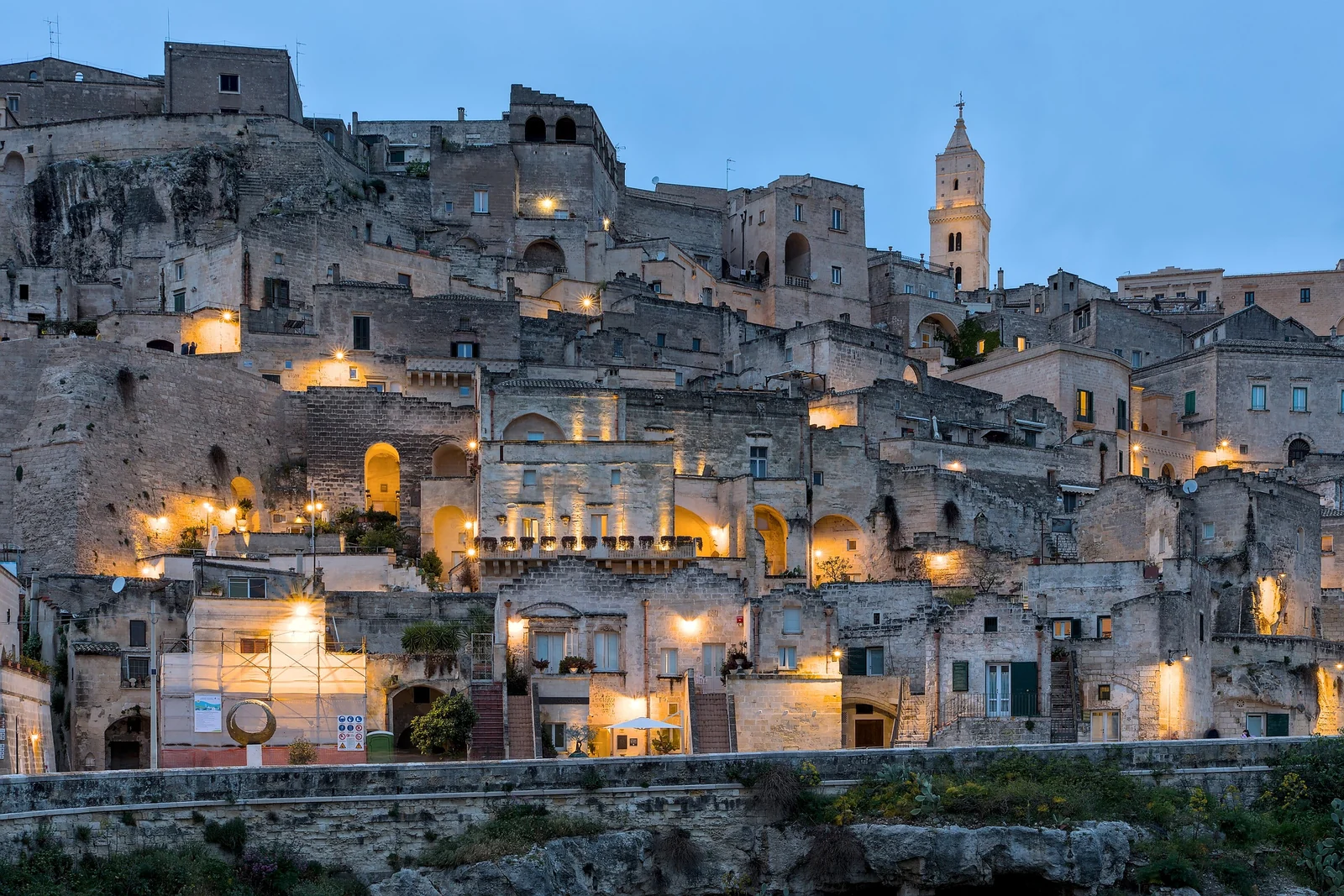
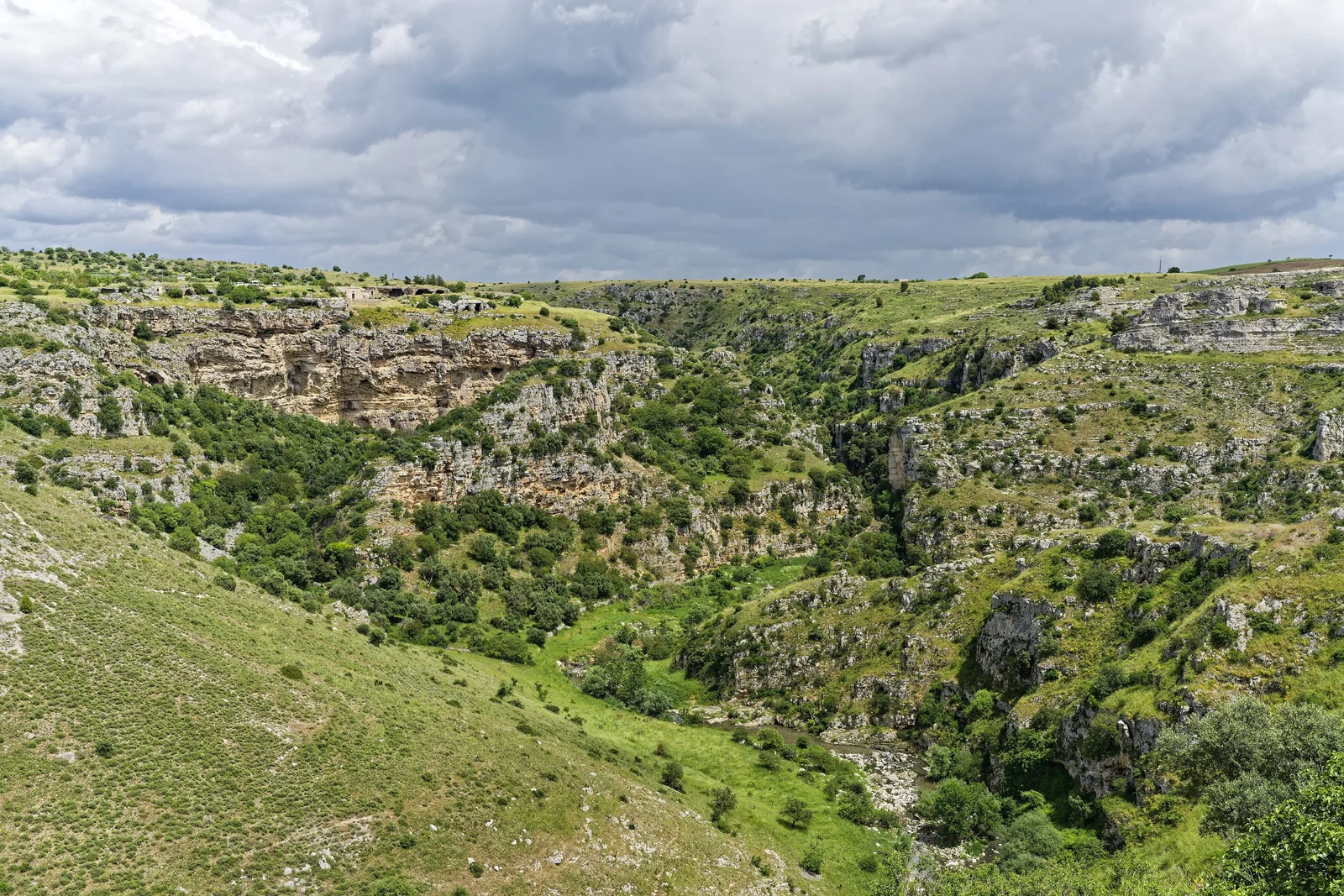
The Sassi are two old districts, Sasso Barisano and Sasso Caveoso, built where the ground drops into a gorge. Many homes were carved into the soft rock and extended outward with masonry, so streets often run across the roofs of the houses below. Churches were cut into the cliff as well, some with faded frescoes.
For decades the Sassi were a place the state wanted people out of, and the districts were largely emptied in the 1950s. Restoration, the UNESCO listing and later Matera's year as a European Capital of Culture in 2019 turned them into one of the south's biggest draws. Our full Matera travel guide covers the sights in detail.
Alberobello: a village of stone cones
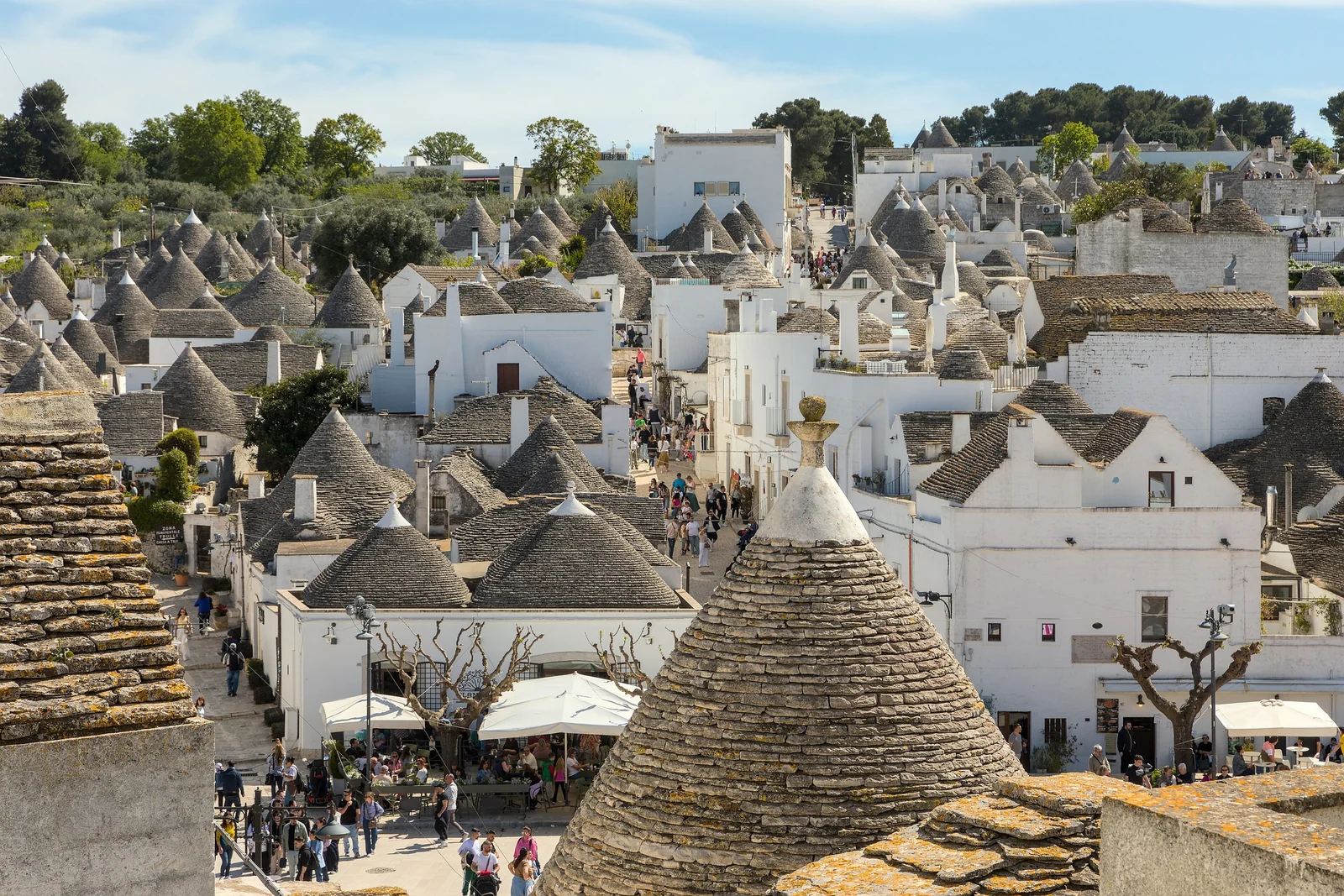
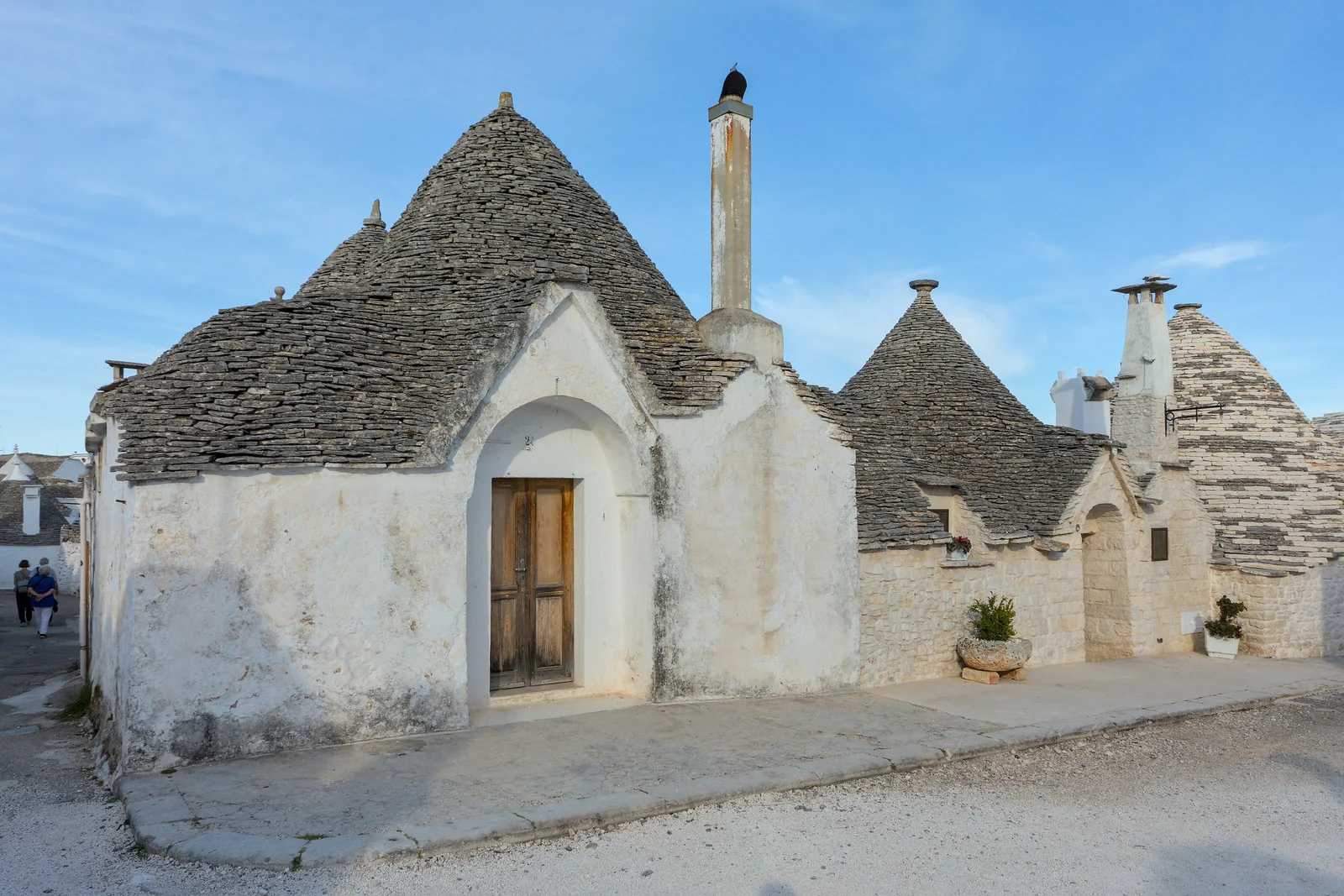
A trullo is a dry-stone building, put together without mortar and topped by a cone of overlapping limestone slabs. Alberobello has the densest cluster, and UNESCO protects it as an outstanding example of this building tradition. The two main zones are Rione Monti, a hillside crowded with trulli that now mostly house shops and cafes, and Aia Piccola, smaller and quieter, where more of the trulli are still homes.
It is a small place. You can walk the heart of it in an hour or two and have seen the point. That is not a criticism so much as a planning note, and it is the main reason the two towns do not deserve equal time.
Where They Are and Whether You Can Do Both
How far apart they are
Basilicata and Puglia touch on the map, but the two towns sit on different sides of a rural plateau. By car, plan on about 1 to 1.5 hours between Matera and Alberobello, depending on the route and traffic. Public transport between them is awkward enough that a rental car or a private driver makes the combination far easier.
Most people arrive through Puglia's airports, and that shapes the decision.
- From Bari: the easiest hub for both. Matera is roughly an hour or a little more by car, and regional trains and buses also run there. Alberobello is about an hour by car, and a regional rail line serves it.
- From Brindisi: Alberobello is the natural first stop, roughly an hour by road. Matera is farther, so treat it as a longer drive or a separate day.
- From Lecce: both are long day trips, and Alberobello is the closer of the two. If you are based in Salento, Alberobello fits on the way north; Matera usually deserves a night of its own.
Check current timetables and journey times on the operators' own sites before you commit, since regional rail schedules change. For the wider region, the Puglia travel guide covers Lecce, Salento and the trulli country in more depth.
Can You See Both in One Day?
You can, but it is a poor trade. A realistic day looks like this: start early in Alberobello before the coaches arrive, leave by late morning, drive to Matera, and reach the Sassi in the afternoon. That gives you perhaps two hours in Alberobello and three or four in Matera, with around three hours behind the wheel once you add parking and a lunch stop.
It works if you are on a fixed schedule, say a short stay based in Bari. But Matera is the one that suffers. The Sassi reward slow walking, a sunset from a viewpoint, and the quiet after day-trippers leave. Seeing them between mid-afternoon and dusk and then driving back in the dark misses the best of it. If you have to shorten one, shorten Alberobello.
How Many Hours Each Deserves, and When the Crowds Hit
Matera: one full day minimum, ideally a night
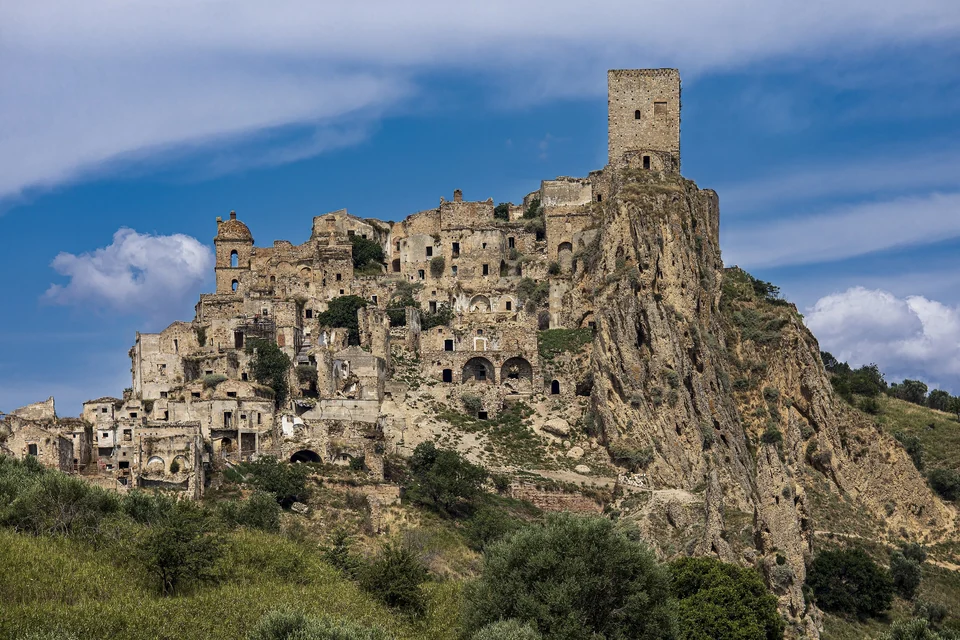
A day lets you cross both Sassi, step into a cave church or two, and see the view back from the opposite side of the ravine. A night adds the evening light and a calmer morning, which is when the town is at its best. If you like climbing steep stone stairs and wandering without a list, a second day will not feel padded. Craco, an abandoned hill town nearby, is a good extra: see our Craco day trip from Matera.
Alberobello: a half day is plenty
Two to four hours covers Rione Monti, Aia Piccola, a coffee and a slow wander. If you stay for dinner after the tour groups have left, the village is noticeably calmer. Beyond that, Alberobello is better treated as the doorway to the Itria Valley's countryside, where you can drive between farmland, white hill towns and trulli scattered through the fields.
Crowds and Tour-Bus Timing
Both towns get day-trip traffic, but it plays out differently. Alberobello is small, so a few coaches make it feel full. Rione Monti in particular can be shoulder to shoulder in the middle of the day, and many of the trulli there are shops. Aia Piccola is calmer. Early morning and the hours after the day groups leave are the best times; midday is the weakest.
Matera is larger and more spread out, so crowds thin as you move away from the main viewpoints and squares. The busiest stretch is usually late morning to mid-afternoon, and the lanes empty noticeably once the tours head out. The simplest rule in either place is the same: go early or stay late, and avoid the middle of the day.
Peak summer adds heat to the crowds, which hurts most in Matera, where much of the sightseeing is on exposed stone steps. Coach schedules shift with the season, so do not plan around a fixed hour; plan around the pattern.
Where to Stay: Cave Hotels vs Trullo Stays
The accommodation is half the appeal in both places, and neither is a standard hotel experience.
In Matera
The Sassi have cave hotels and guesthouses, with rooms built into the rock, often with vaulted stone ceilings. They are atmospheric and tend to stay cool in summer, though some rooms get little daylight and many involve stairs and uneven paths, so look at access before you book. Sleeping inside the Sassi is also the best way to see the district empty.
In Alberobello and the Itria Valley
Trullo stays range from small apartments in the village to restored farm trulli in the countryside. The countryside option is usually the better experience: more space, quiet evenings, and a pool at some properties. The in-town options put you in the middle of the day-trip crowds by day and in a very calm place after dark.
Prices vary widely with season and property type, so compare current rates rather than relying on any guide's figure. Book early for spring and early autumn weekends.
Food: What to Eat in Each
Matera is known for its bread. Pane di Matera carries protected geographical status in the EU, and you will see the big, characteristic loaves in local bakeries. Basilicata's cooking is rustic, built on bread, vegetables, legumes and cured meats, and restaurants in the Sassi often serve it in cave dining rooms.
In Puglia, the pasta shape you will keep meeting is orecchiette, small ear-shaped pasta often served with greens or tomato sauce. Alberobello's restaurants lean toward Apulian staples, with plenty of simple vegetable dishes and local olive oil. In both places, the better meals are usually a street or two away from the main photo spots.
If food is your main reason for a southern Italian trip, neither town is the answer on its own. Treat them as good places to eat well while sightseeing, and save the deeper restaurant research for Lecce or Bari.
Best Season and Practical Tips for Both
When to go
Spring and early autumn are the sweet spot for both: warm enough for evenings outside, cooler than the middle of summer, and less crowded. Summer is hot, and the stone holds the heat, so plan sightseeing for mornings and evenings. Winter is quiet and can be cool and damp; both towns still work, but some businesses may keep reduced hours.
In the Sassi, the light on the stone at sunrise and dusk does most of the work, so the season matters less than your timing within the day. In Alberobello, a quiet weekday outside summer beats any weekend in July.
Practical tips
- Rent a car in Bari or Brindisi if you plan to visit both; public transport between the two towns is slow.
- Wear shoes with good grip. Matera's stone steps and Alberobello's lanes are uneven.
- Pack water and sun protection in summer; there is little shade at the Sassi viewpoints.
- Arrive early or stay late in both places to avoid the middle-of-the-day crowds.
- Check opening hours and ticket rules for rock churches and museums on official local sources, and see the official Italian tourism site for general planning.
- If you stay in a cave or trullo, ask about stairs, heating or cooling, and luggage access when you book.
UNESCO's own pages for the Sassi of Matera and the Trulli of Alberobello explain what each listing protects and why.
Who Should Choose Which
| Traveler | Better pick | Why |
|---|---|---|
| First time in southern Italy, one stop only | Matera | Bigger, more varied, more memorable |
| Photographers | Both, different light | Matera at dusk, Alberobello at first light |
| Families with young children | Alberobello | Compact and quick to see |
| History and culture lovers | Matera | Rock churches and a long story of inhabited caves |
| Road-trippers through Puglia | Alberobello | Fits easily between Bari and Lecce |
| Anyone who dislikes stairs | Alberobello | Matera involves many steep steps |
| Couples wanting atmosphere | Matera | Cave hotels and a lively evening scene |
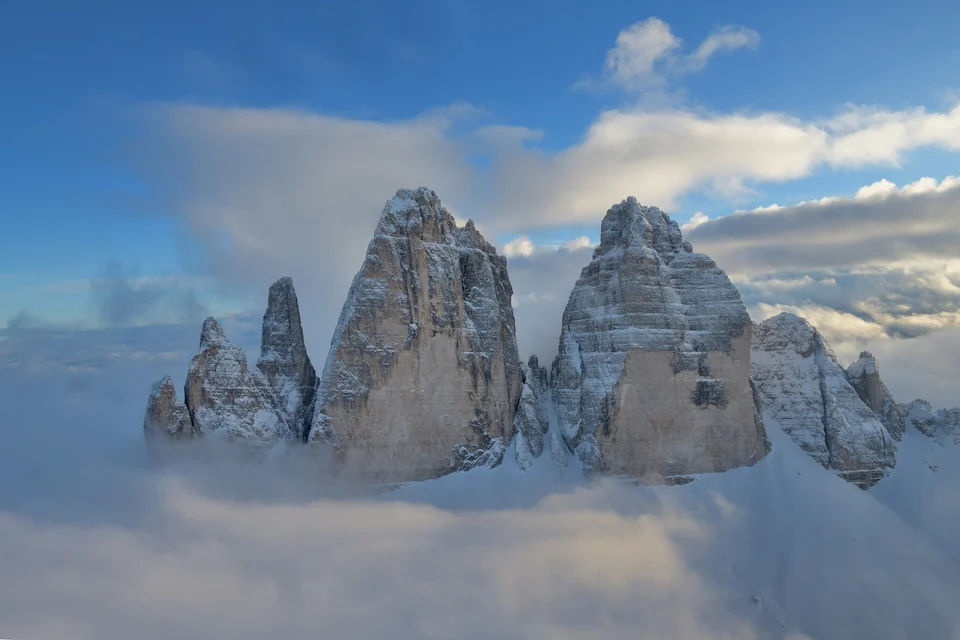
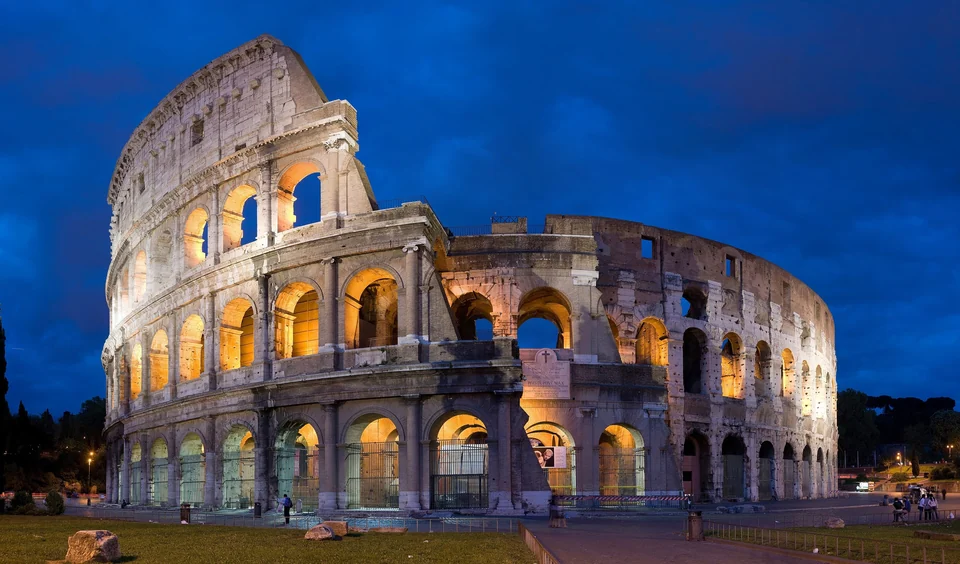
If you are building a wider Italian itinerary, these two sit in a different world from the ruins in our Rome guide, the cliff villages of the Amalfi Coast guide, or the mountain scenery in our Dolomites guide. The south is slower and less polished, and that is part of the point. If you are weighing coast against inland, our guide to the best islands in Italy is another contrast.
Our Verdict: Matera or Alberobello?
Matera wins if you can only pick one. It is the more impressive place, it rewards a night, and it gives you something to look at in every direction. Alberobello is lovely and easy, but it is a quick stop, not a destination to build a trip around. It is best seen as a morning on the way somewhere else, or as a base for exploring the Itria Valley.
The ideal plan, if you have the time, is simple: a night in Matera, a half day in Alberobello, and a rental car to connect them. If you only have a single day, choose Matera and skip the rush.
Matera vs Alberobello FAQ
Is Matera or Alberobello better?
Matera is the stronger choice for most travelers because it is larger, more dramatic and more rewarding overnight. Alberobello is better for a short, easy stop or for families who want something compact. If you can, visit both.
How far apart are Matera and Alberobello?
Roughly 1 to 1.5 hours by car, depending on the route and traffic. They are in different regions, Basilicata and Puglia. Public transport between them is slow, so a car makes the pairing much easier.
Can you visit Matera and Alberobello in one day?
Yes, with an early start and a car, but you will rush. Alberobello needs only a few hours, while Matera is better with a full day or a night. If you must trim something, trim Alberobello.
When did UNESCO list Matera and Alberobello?
The Sassi of Matera were inscribed in 1993, and the trulli of Alberobello in 1996. Both listings recognize traditional ways of building and living in southern Italy, one carved into rock, the other built from dry stone.
Which is closer to Bari, Brindisi and Lecce?
From Bari, both are about an hour or a little more by car. From Brindisi, Alberobello is closer. From Lecce, both are long trips, with Alberobello the nearer. Always check current journey times before you set out.
Should I stay overnight in Matera or Alberobello?
Matera is worth a night for the evening light and quieter streets. Alberobello can be done in a half day, but a night in a trullo, ideally in the countryside nearby, is a good way to enjoy it without the crowds.