
A good holiday is one you come home from rested. That sounds simple, but it depends on choosing the right kind of holiday, going at the right time and keeping the plan light enough to enjoy.
This guide covers how to plan a relaxing holiday: beach, city, island and nature breaks, when to go, how long to stay and how to budget sensibly. For wider trip planning, start with our travel planning guide.
What Makes a Holiday Different From a Trip
A holiday puts rest first. Where an exploring trip might cover several cities in a week, a holiday usually means one or two bases, fewer transfers and more unplanned time. The measure of success is how you feel, not how much you saw.
- Fewer moves. Every change of hotel costs time and energy. For a week, one base is often enough.
- Short travel days. A shorter journey leaves more of your time off for the holiday itself.
- Anchors, not schedules. Plan one highlight a day at most and let the rest happen.
- Comfort where it counts. A quiet room, a good bed and easy access to the beach, old town or trailhead matter more than extras.
Types of Holidays
Beach Holidays
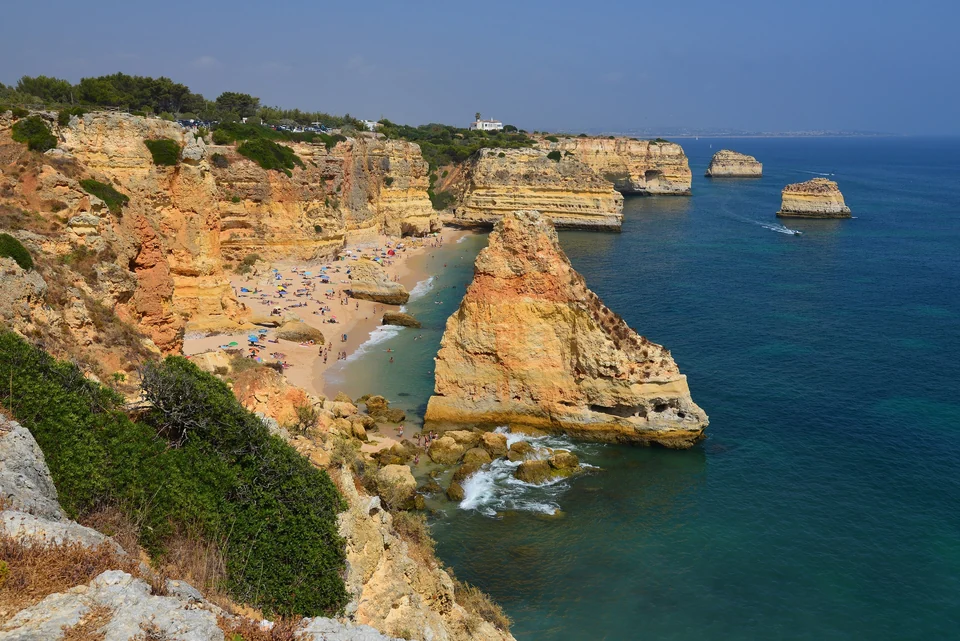
Beach holidays are the classic way to switch off. Look at water temperature and sea conditions for your dates, not just air temperature, and check whether beaches are sandy, rocky or best reached by boat. Families should look for sheltered bays with lifeguards in season.
For ideas, see our guides to the Maldives, the best islands in Italy and Rhodes in Greece, which combines beaches with a medieval old town.
City Breaks
A city break is the easiest holiday to fit into a long weekend. Stay central so you can walk, rest in the afternoon and head out again in the evening. Choose two or three neighborhoods to explore properly rather than crossing the city for every sight.
Cities with walkable old centers, good food and nearby coast or countryside make especially relaxed breaks, such as Lisbon.
Countryside and Nature Holidays
Rural and mountain holidays trade nightlife for space, quiet and walking. A farmhouse, village guesthouse or lakeside base lets you take easy day walks, cycle or simply read outside. Regions like Provence in southern France pair small villages with markets and scenic drives.
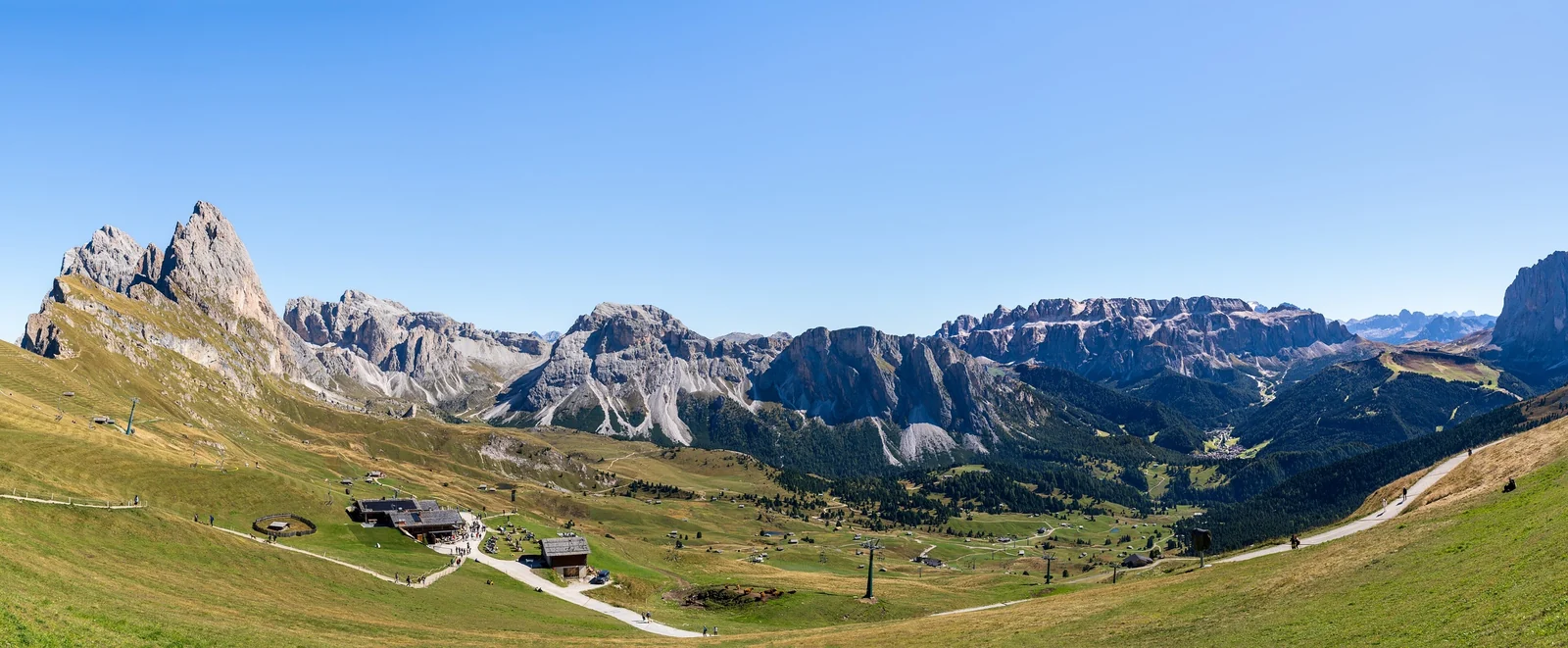
In the mountains, check when lifts, huts and seasonal roads open and close. Many alpine areas have a summer season and a separate winter ski season, with quieter periods in between.
Island Holidays
Islands add a sense of distance even when they are close to home. Check how you get there and how often ferries or flights run, especially outside peak season, and whether you will need a car, a scooter or just your feet once you arrive.
When to Go on Holiday
Timing matters more on a holiday than on most trips, because the whole point is to enjoy the conditions. Peak season brings the most reliable weather but also the highest demand. Shoulder season, just before or after the peak, is often the best compromise.
| Holiday type | Often best | Watch out for |
|---|---|---|
| Mediterranean beach | Late spring and early autumn | Midsummer heat and crowds; some resorts close in winter |
| Tropical island | The local dry season | Wet or storm seasons that vary by region |
| European city break | Spring and autumn | Summer heat in southern cities; short days in winter |
| Mountains and lakes | Early summer to early autumn for walking | Snow on high trails early in the season; lift closures between seasons |
| Australia and the southern hemisphere | Spring and autumn (reversed months) | Summer heat inland; wet season in the tropical north |
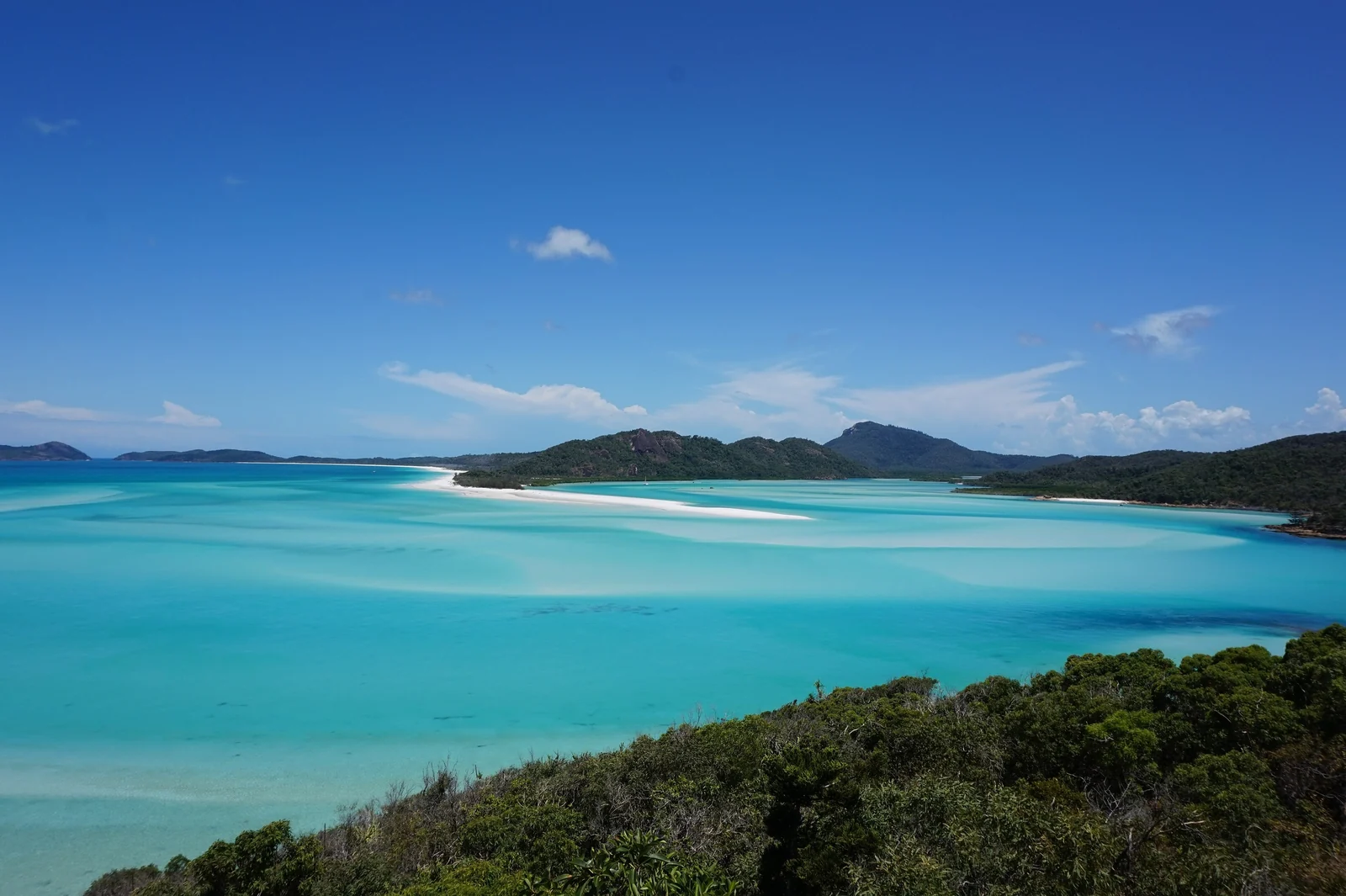
Seasons are reversed south of the equator, so a European winter can be the right moment for a beach holiday in Australia. Our guides to the best holiday destinations in Australia and Queensland cover the options there.
How Long Should a Holiday Be?
There is no ideal length, but there are useful patterns. Most people need a couple of days to leave work and routine behind, so very short breaks feel best when the journey is short too.
- Long weekend (2–4 nights): a nearby city, coast or countryside base with minimal travel time.
- One week: one base, or two if they are close together. Enough time to settle in and take a few day trips.
- Two weeks or more: room for a longer journey, two contrasting bases (for example, a city then a beach), or a destination with a big time difference.
If you are crossing several time zones, allow for jet lag in the plan and keep the first day or two light.
Budgeting for a Holiday
Prices vary widely by destination, season and style, so the useful approach is to know where money makes the biggest difference and where it does not.
| Cost | Where it is worth spending | Where you can often save |
|---|---|---|
| Accommodation | Location and a quiet room | Room size and extras you will not use |
| Transport | Direct routes on short holidays | Traveling midweek or outside school holidays |
| Food | A few memorable local meals | Markets, bakeries and simple lunches |
| Activities | One special experience | Free beaches, walks, viewpoints and public parks |
| Timing | Your preferred season if weather is the point | Shoulder season for lower demand |
Package deals can be good value for beach holidays, while independent booking often suits city and countryside breaks. Compare the total cost, including transfers, luggage and meals, rather than the headline price. Our hotel reviews can help you judge where to stay.
Holiday Planning Checklist
- Decide what kind of holiday you want: beach, city, island, countryside or a mix.
- Choose the season, then the destination that is at its best in that season.
- Pick one base, or two at most for a week.
- Check passport, visa and insurance requirements.
- Book transport and accommodation, then any timed tickets or special experiences.
- Keep at least half of each day unplanned.
Still deciding where to go? Our travel destinations guide lays out options by continent, season and style.
Holiday FAQ
What is the difference between a holiday and a vacation?
They mean the same thing. Holiday is the usual word in British and Australian English, vacation in American English. Both describe time away from work or routine for rest and enjoyment. On this site we use holiday for trips where relaxing, rather than sightseeing, is the main goal.
When is the cheapest time to go on holiday?
Demand drives prices, so the low and shoulder seasons are usually cheaper than peak season and school holidays. Traveling midweek can help too. The trade-off is weather and opening times, so check what is open and what conditions to expect before booking an off-season deal.
Is a package holiday or independent booking better?
Packages can be simple and good value for beach and resort holidays, and may offer extra protection if something goes wrong, depending on where you book. Independent booking gives more flexibility for city breaks, road trips and multi-stop holidays. Compare the full cost of both.
How do I make a holiday actually relaxing?
Limit hotel changes, keep travel days short, and plan no more than one main activity per day. Choose accommodation close to what you want to do, so you can return to rest. Allow time at the start to settle in, especially after a long journey.
What is a shoulder season?
Shoulder season is the period just before and after a destination’s peak season. Conditions are often still good, but there is less demand than at the height of the season. For many Mediterranean places, that means late spring and early autumn.
Where can I go for winter sun?
Look south of the equator, where the seasons are reversed, or to tropical destinations during their dry season. Australia, parts of South America and many Indian Ocean islands are options from December to February, depending on the region and its rainy season.