


Italy packs an extraordinary amount into one boot-shaped peninsula: ancient Rome, Renaissance Florence, the canals of Venice, the cliffside villages of the Amalfi Coast, the peaks of the Dolomites and some of the best food in the world. It has more than 60 UNESCO World Heritage Sites, the largest number of any country as of 2025.
The hard part is choosing. This Italy travel guide walks you through the main regions, the places that deserve your time, what to eat where, and the practical details that make a first trip smoother, so you can build a route that fits your days and your interests.
Rome and Vatican City
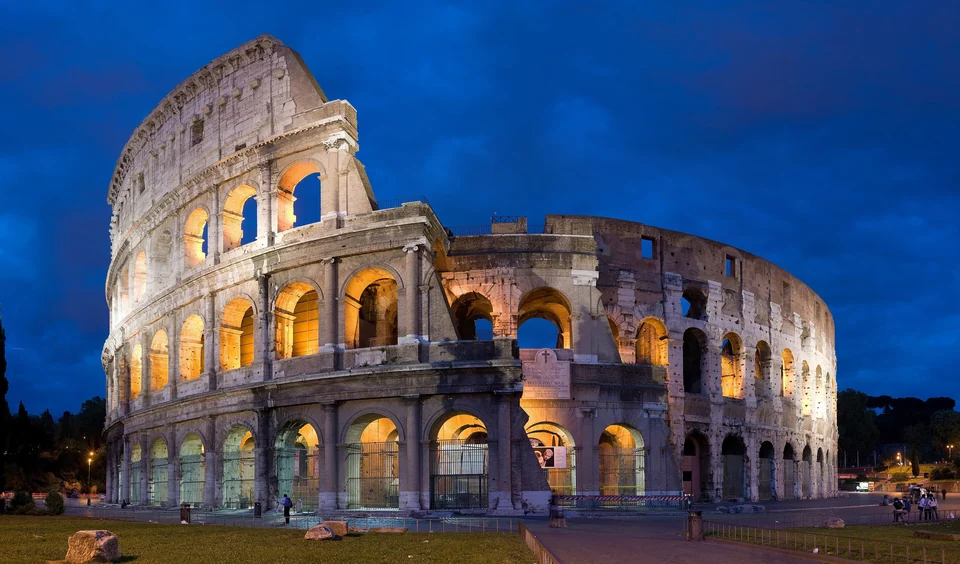
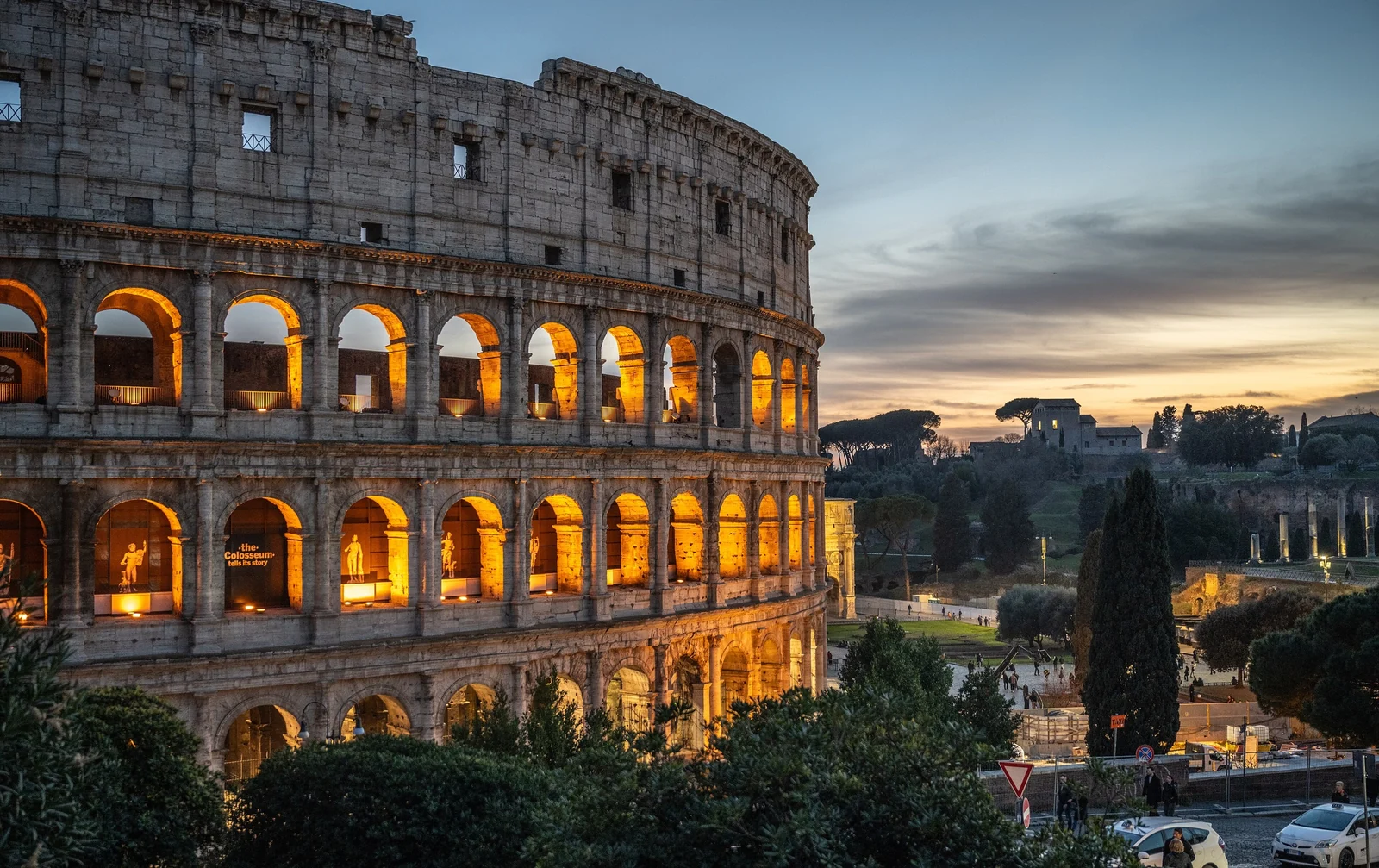
Rome is where most first trips to Italy begin. The Colosseum, inaugurated in AD 80, the Roman Forum and the Palatine Hill form one vast archaeological zone in the center of the city, and a combined ticket covers all three. Nearby, the Pantheon still stands under its original unreinforced concrete dome after almost 1,900 years.
Vatican City, the world’s smallest independent state, sits inside Rome. St. Peter’s Basilica is free to enter, while the Vatican Museums end in the Sistine Chapel, whose ceiling Michelangelo painted between 1508 and 1512. Book museum tickets in advance and dress modestly: shoulders and knees should be covered in churches across Italy.
Florence and Tuscany
Florence was the cradle of the Renaissance, and its compact center is a museum in itself. Brunelleschi’s dome crowns the cathedral, the Uffizi Gallery holds masterpieces such as Botticelli’s Birth of Venus, and Michelangelo’s David stands in the Galleria dell’Accademia. For the classic view, walk up to Piazzale Michelangelo at sunset.
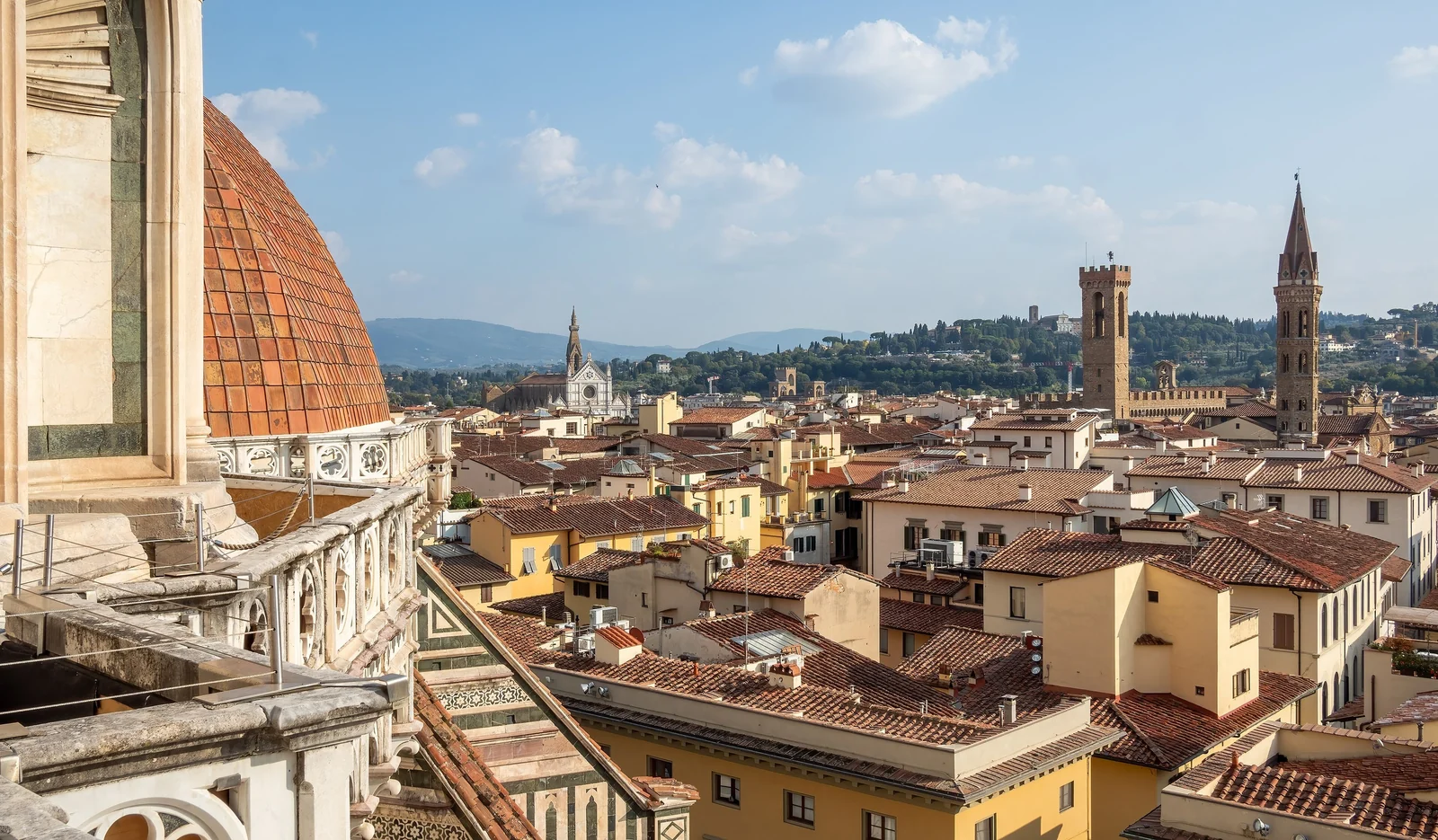
Beyond the city, Tuscany rewards slow travel. Siena has one of Italy’s most beautiful squares, the Piazza del Campo; San Gimignano is known for its medieval towers; and the Val d’Orcia, south of Siena, is a UNESCO-listed landscape of cypress-lined roads, hill towns and vineyards. Pisa, with its Leaning Tower, is an easy half-day trip by train.
Venice, the Lakes and the Dolomites
Venice
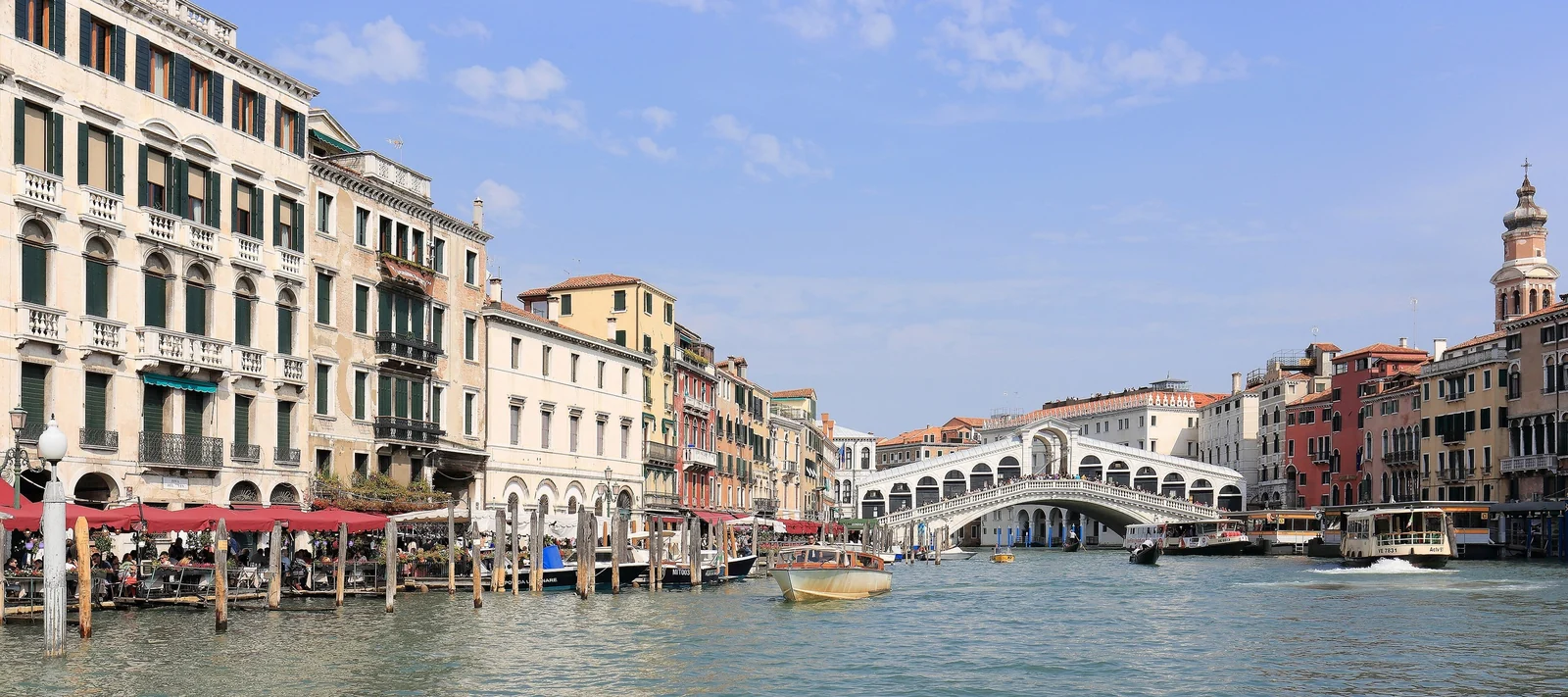
Built on islands in a lagoon, Venice has no cars, just canals, bridges and alleys. See St. Mark’s Basilica and the Doge’s Palace, ride a vaporetto (water bus) along the Grand Canal, and then get lost in quieter districts such as Cannaregio and Castello. On certain peak days, day-trippers must pay an access fee; check the dates on the official Venice access fee site before you go.
Milan and the Italian lakes
Milan is Italy’s fashion and business capital, with a vast Gothic cathedral and Leonardo da Vinci’s Last Supper, which can only be seen with a timed reservation. An hour or so away, Lake Como, Lake Maggiore and Lake Garda offer lakeside villages, gardens and ferry rides against a backdrop of mountains.
The Dolomites
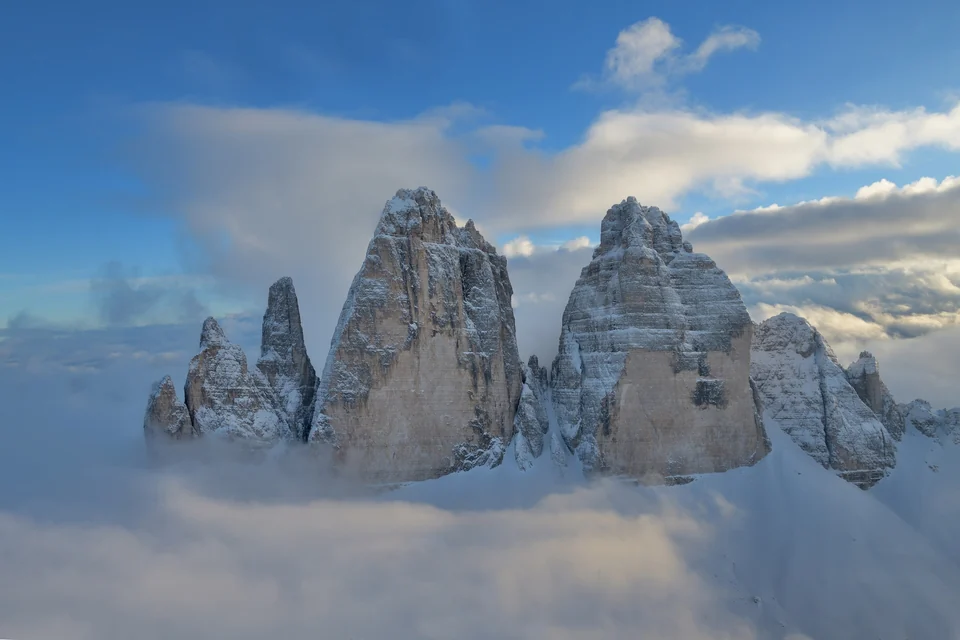
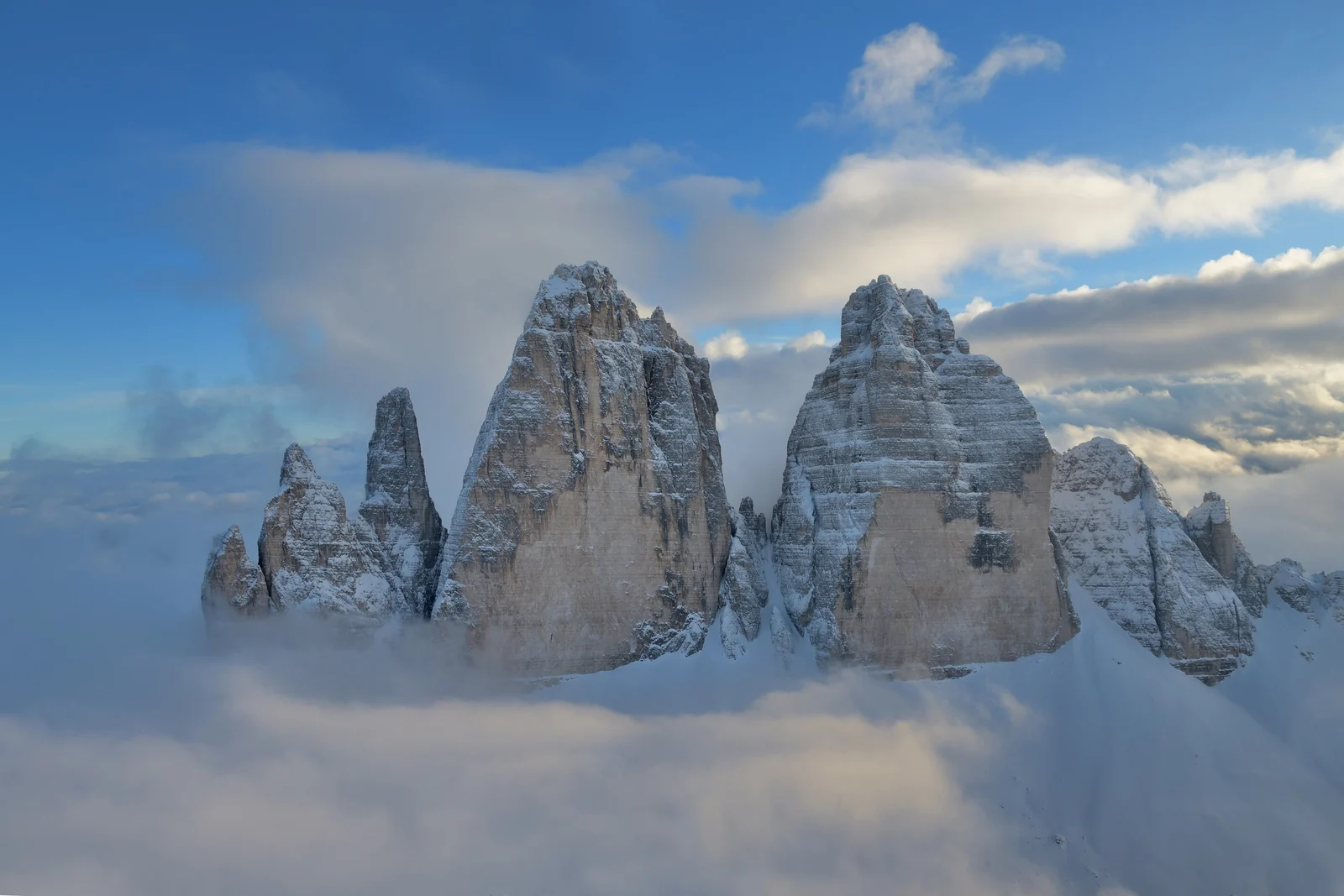
The pale, jagged peaks of the Dolomites, a UNESCO World Heritage Site since 2009, are Italy’s great mountain playground: hiking and via ferrata routes in summer, skiing in winter. The Tre Cime di Lavaredo loop and the high meadows of the Alpe di Siusi are two classic introductions. Just across the border to the east, our Slovenia travel guide covers Lake Bled and the quieter peaks of the Julian Alps.
Italy’s Coastlines: Cinque Terre and the Amalfi Coast
The Cinque Terre in Liguria are five fishing villages, Monterosso, Vernazza, Corniglia, Manarola and Riomaggiore, linked by a train line and by hiking trails through terraced vineyards. The area is a national park, and some trails require a park card or close after storms, so check conditions before setting out.
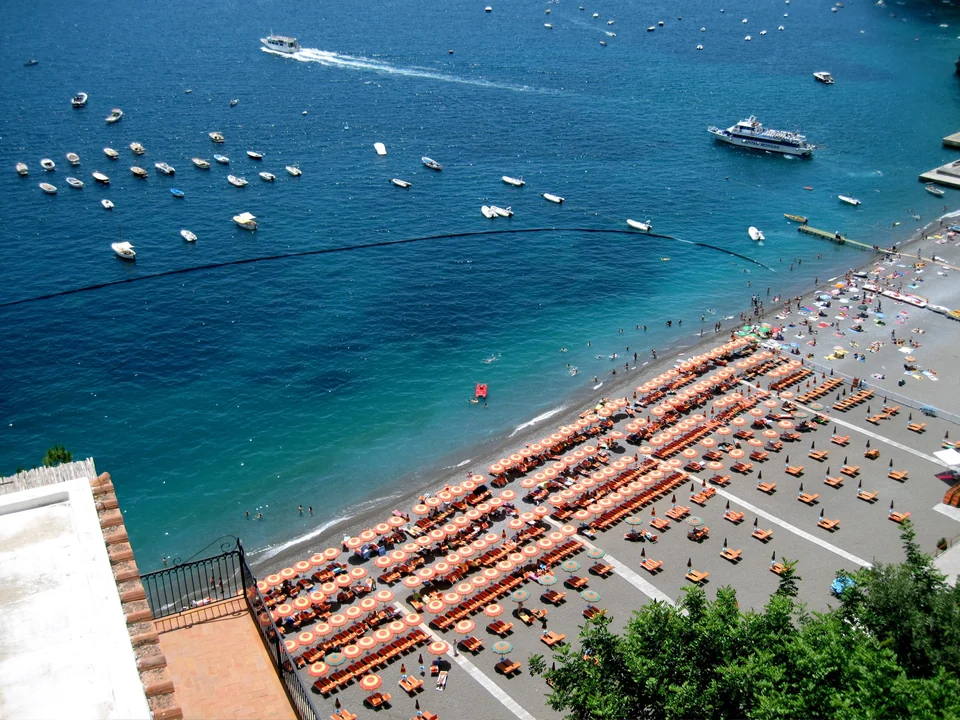
Further south, the Amalfi Coast, a UNESCO site since 1997, is a road of hairpin bends above the sea connecting Positano, Amalfi and Ravello. In summer the road is extremely busy, and ferries are often the most relaxing way to hop between towns.
Southern Italy and the Islands
- Naples: chaotic, vibrant and the home of pizza. Use it as a base for Pompeii and Herculaneum, the Roman towns buried by Vesuvius in AD 79.
- Matera: in Basilicata, its ancient cave dwellings, the Sassi, are a UNESCO World Heritage Site and among the oldest continuously inhabited settlements in Europe.
- Puglia: the heel of the boot, known for the trulli houses of Alberobello, whitewashed towns and baroque Lecce.
- Sicily and Sardinia: two very different islands, one layered with Greek, Arab and Norman history around Mount Etna, the other famous for turquoise beaches and ancient stone towers.
Italy has dozens of other islands, from Capri and Ischia to the volcanic Aeolian archipelago. Our guide to the best islands in Italy compares them in detail and helps you choose.
What to Eat in Italy, Region by Region
There is no single Italian cuisine, only regional ones. Eat what the place you are in is known for, and you will rarely go wrong.
| Region | Try |
|---|---|
| Rome (Lazio) | Cacio e pepe, carbonara, supplì, artichokes in spring |
| Tuscany | Bistecca alla fiorentina, ribollita, pecorino, Chianti wine |
| Emilia-Romagna | Parmigiano Reggiano, prosciutto di Parma, fresh egg pasta, balsamic vinegar of Modena |
| Campania | Neapolitan pizza, mozzarella di bufala, sfogliatella |
| Liguria | Pesto alla genovese, focaccia |
| Sicily | Arancini, cannoli, granita with brioche |
A few customs help: cappuccino is a breakfast drink, coffee at the bar counter usually costs less than at a table, and many restaurants add a small cover charge (coperto) to the bill.
Sample Italy Itineraries
| Trip length | Suggested route |
|---|---|
| 7 days | Rome (3 nights), Florence (2 nights) with a Tuscany day trip, Venice (2 nights) |
| 10 days | Add Cinque Terre or Lake Como between Florence and Venice |
| 14 days | Rome, Naples and the Amalfi Coast, Florence and Tuscany, Venice, with a few days in the Dolomites or the lakes |
Italy’s high-speed trains make the classic Rome–Florence–Venice route easy, with fast connections between the main cities and stations in the city centers. Rent a car only for rural areas such as the Tuscan countryside, Puglia or the Dolomites, and avoid driving into historic centers, which often have restricted traffic zones (ZTL) enforced by cameras. For a self-drive loop through the south, our Puglia road trip guide covers the trulli of Alberobello, baroque Lecce and the Salento coast.
Best Time to Visit Italy
Spring (April to June) and autumn (September to October) are the sweet spots, with warm weather and fewer crowds than midsummer. July and August are hot and busy in cities and on the coast, and many Italians take their holidays around mid-August. Winter is quiet and good value for cities and museums, and it is ski season in the Alps and Dolomites.
Practical Tips for Traveling in Italy
- Book the big sights ahead: the Vatican Museums, the Uffizi, the Accademia, the Last Supper and the Colosseum all use timed tickets that sell out in busy months.
- Validate regional train tickets: paper tickets for regional trains must usually be validated before boarding; high-speed tickets are for a specific train.
- Expect city taxes: most cities add a tourist tax per person per night, paid at your accommodation.
- Plan around closures: many museums close one day a week, often Monday, and smaller shops may close in the early afternoon.
- Watch for pickpockets: be careful on crowded buses, metro lines and around major landmarks, as in any big European city.
For official information on regions, events and travel rules, start with Italia.it, the national tourism portal. If you are planning a longer Mediterranean trip, our guides to Greece and Provence are natural next stops, and you can browse all our Italy guides.
Italy Travel FAQ
What is the best time to visit Italy?
April to June and September to October offer the best balance of pleasant weather, open attractions and manageable crowds. Summer is hot and busy, especially in August, while winter is quieter and cheaper for cities and ideal for skiing in the north.
How many days do you need in Italy?
A week is enough for the classic trio of Rome, Florence and Venice. With ten days to two weeks you can add the Amalfi Coast, the Cinque Terre, the lakes or the Dolomites without rushing. Choose fewer places and stay longer in each for a more relaxed trip.
Do I need a visa to visit Italy?
Italy is part of the Schengen Area. Many nationalities, including US, UK, Canadian and Australian citizens, can visit for short stays without a visa, but entry rules are changing with new European registration systems. Check the latest requirements with official government sources before you travel.
What currency is used in Italy?
Italy uses the euro. Cards and contactless payments are widely accepted, but it is useful to carry some cash for small cafés, markets, rural areas and tips.
Is it better to travel around Italy by train or car?
Trains are best between the major cities, with frequent high-speed services and central stations. A car is useful for countryside regions such as Tuscany, Puglia, Sicily and the Dolomites. Avoid driving into historic centers, where restricted traffic zones can result in fines.
Do you have to pay to enter Venice?
On a limited number of peak days, day-trippers visiting the historic center must pay an access fee during set daytime hours. Overnight guests and several other categories are exempt. Dates and rates change each year, so check the official Venice access fee website before your visit.