


Sharjah sits right next to Dubai, yet it feels like a different country. The third-largest emirate in the UAE spends its energy on museums, calligraphy, books and restored coral-stone houses instead of record-breaking towers. A Sharjah day trip from Dubai is easy by bus or taxi, and it works best as a culture day rather than a shopping run.
Here is the short version. Spend the morning in the Heart of Sharjah heritage quarter, add one or two museums, browse the Blue Souk in the afternoon and finish at the waterfront in Al Qasba or on Al Noor Island. This guide covers what to see, how to get there, what to wear, the alcohol rule, how opening hours work and a one-day plan. If you have not planned your Dubai days yet, start with our Dubai travel guide.
Why Sharjah Is Called the Cultural Capital of the UAE
The nickname is earned. Sharjah was named Cultural Capital of the Arab World in 1998 and Islamic Culture Capital in 2014, a title from ICESCO, the Islamic Educational, Scientific and Cultural Organization. UNESCO then named it World Book Capital for 2019. The emirate also hosts an art biennial, a large international book fair and a dense network of state museums.
One point of confusion is worth clearing up. The old town, Heart of Sharjah, is a restoration project, not a World Heritage Site. What UNESCO has listed is the Faya Palaeolandscape, a desert area in the emirate, inscribed in 2025. For a city day trip, think of Sharjah as a cultural capital by title and by habit, not a World Heritage town.
Sharjah vs Dubai: What Is Different
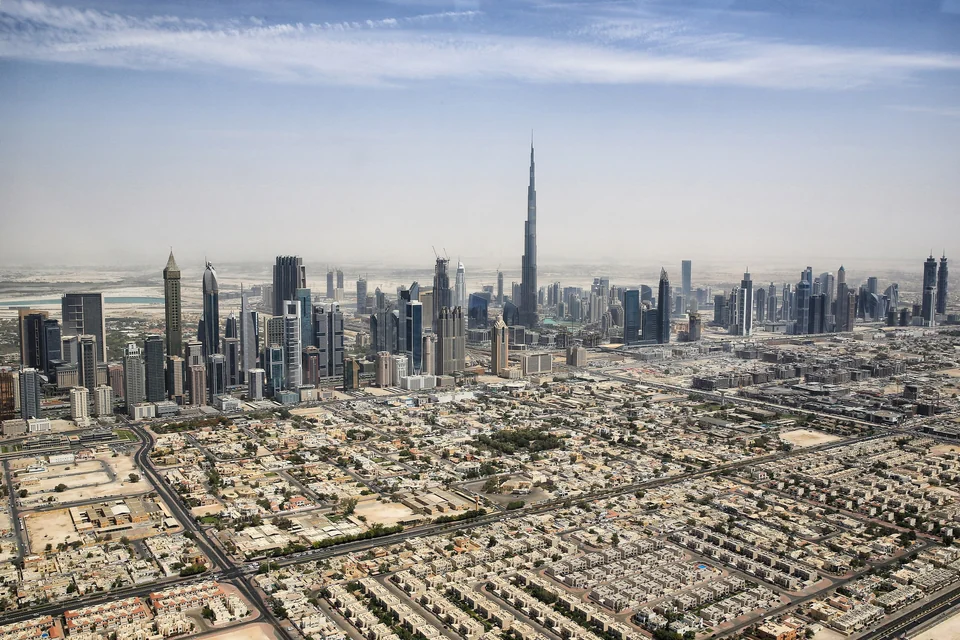
People ask whether Sharjah is worth a day when Dubai has so much. The two do not really compete. Dubai is about scale and polish; Sharjah is slower, older in feel and easier on the wallet to wander. The table sums up the differences that matter to a visitor.
| Dubai | Sharjah | |
|---|---|---|
| Main appeal | Skyscrapers, malls, beaches, nightlife | Museums, heritage quarter, souqs, waterfront |
| Pace | Fast and spread out | Slower, with a compact old-town core |
| Alcohol | Served in licensed hotels and venues | Not sold or served anywhere in the emirate |
| Dress | Relaxed in tourist areas | Modest dress expected in public |
| Friday | Busy, most venues open | Museums run shorter hours |
| Best for | A first look at the UAE | A cultural day or a calmer second visit |
Getting from Dubai to Sharjah
The two cities share a nearly continuous urban area, so the trip is short. The catch is traffic: the main roads between them jam badly at weekday rush hours. Plan to leave Dubai after the morning peak and to head back before the evening one, or accept a slow ride.
By public bus
Intercity buses run by Dubai's RTA are the cheapest option. Route E303 links Union Square bus station in Deira with Al Jubail bus station in Sharjah, with a journey of under an hour off-peak and longer in traffic. Services have been suspended and restored in the past, so confirm routes and fares on the RTA website or app before you go. From Al Jubail it is a short taxi ride to the old town.
By taxi or ride-hailing
A taxi is the simplest door-to-door choice, especially for two or more people. Expect roughly 30 to 60 minutes depending on traffic. An extra charge can apply when a Dubai taxi crosses the emirate border, so ask for an estimate first. Taxis inside Sharjah are easy to find for short hops between sights.
By car
Driving is fine with a rental, but parking in the old town and around the souqs can be tight. Most visitors find a bus or taxi less stressful, then use taxis once in Sharjah.
Heart of Sharjah: The Restored Old Town
The Heart of Sharjah is the reason to come. It is a heritage project that has been rebuilding and restoring the old quarter, with the aim of returning it to how it looked around the 1950s. It is a walkable area of lanes, courtyards, markets and houses built of coral stone, many with wind towers.
Al Hisn Sharjah (Sharjah Fort)
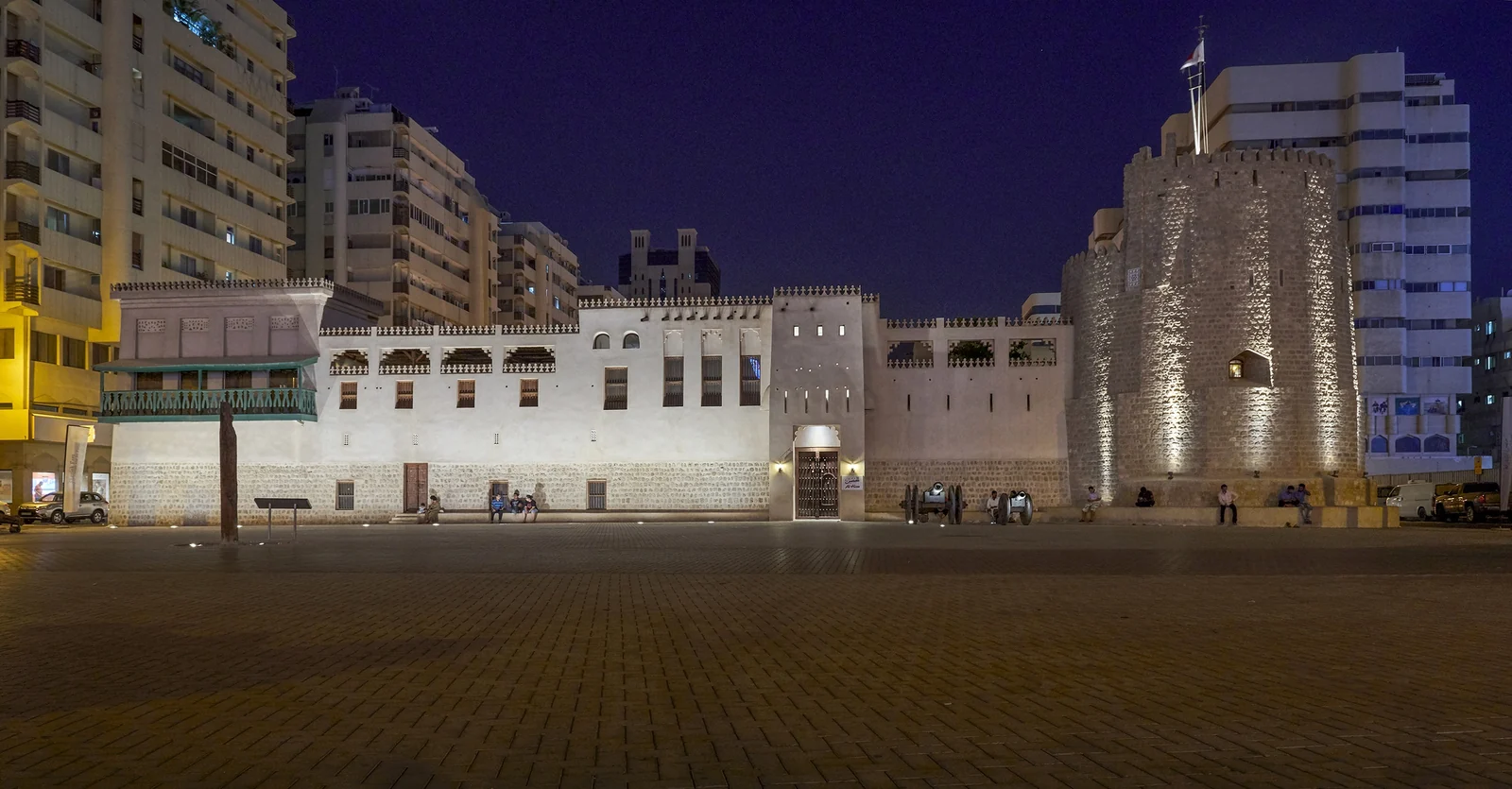
The fort is the anchor of the quarter. It was largely demolished in 1970 and rebuilt in the 1990s, and it now houses a museum. It is a good first stop because it gives you the story before you walk the lanes.
Souq Al Arsah and Bait Al Naboodah
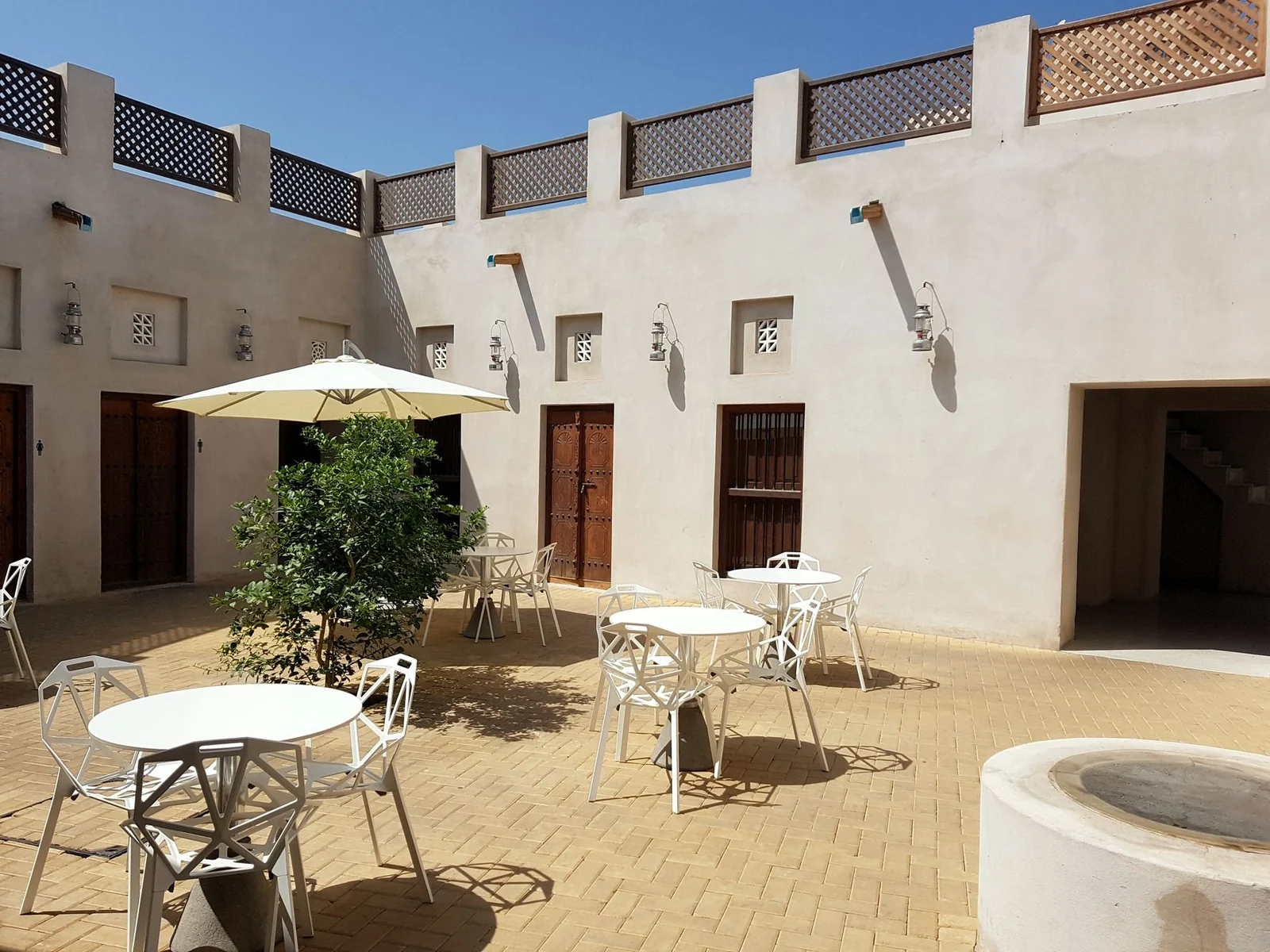
Souq Al Arsah is described by Sharjah's tourism authority as one of the UAE's oldest souqs, a covered lane of small shops selling spices, incense, textiles and souvenirs. Look for the traditional Arabic coffee served in and around it. Nearby, Bait Al Naboodah is a restored merchant's house, a good place to see how a well-off family lived around a courtyard.
Allow two to three hours for the quarter. Midday heat is real from late spring to early autumn, so start early.
The Museums Worth Your Time
Sharjah has many museums and you cannot do them all in a day. Pick two that suit you. Most are run by the Sharjah Museums Authority, whose site lists current hours and tickets.
Sharjah Museum of Islamic Civilization
If you choose only one, make it this one. It stands on the Corniche in the Al Majarrah area, in a building that began life as an indoor souq, and opened in its current form in 2008. It has seven galleries, including one on Islamic faith that holds a copy of the Quran of Uthman ibn Affan, and one on science and technology covering early clocks, navigational instruments and weapons. Allow about 90 minutes.
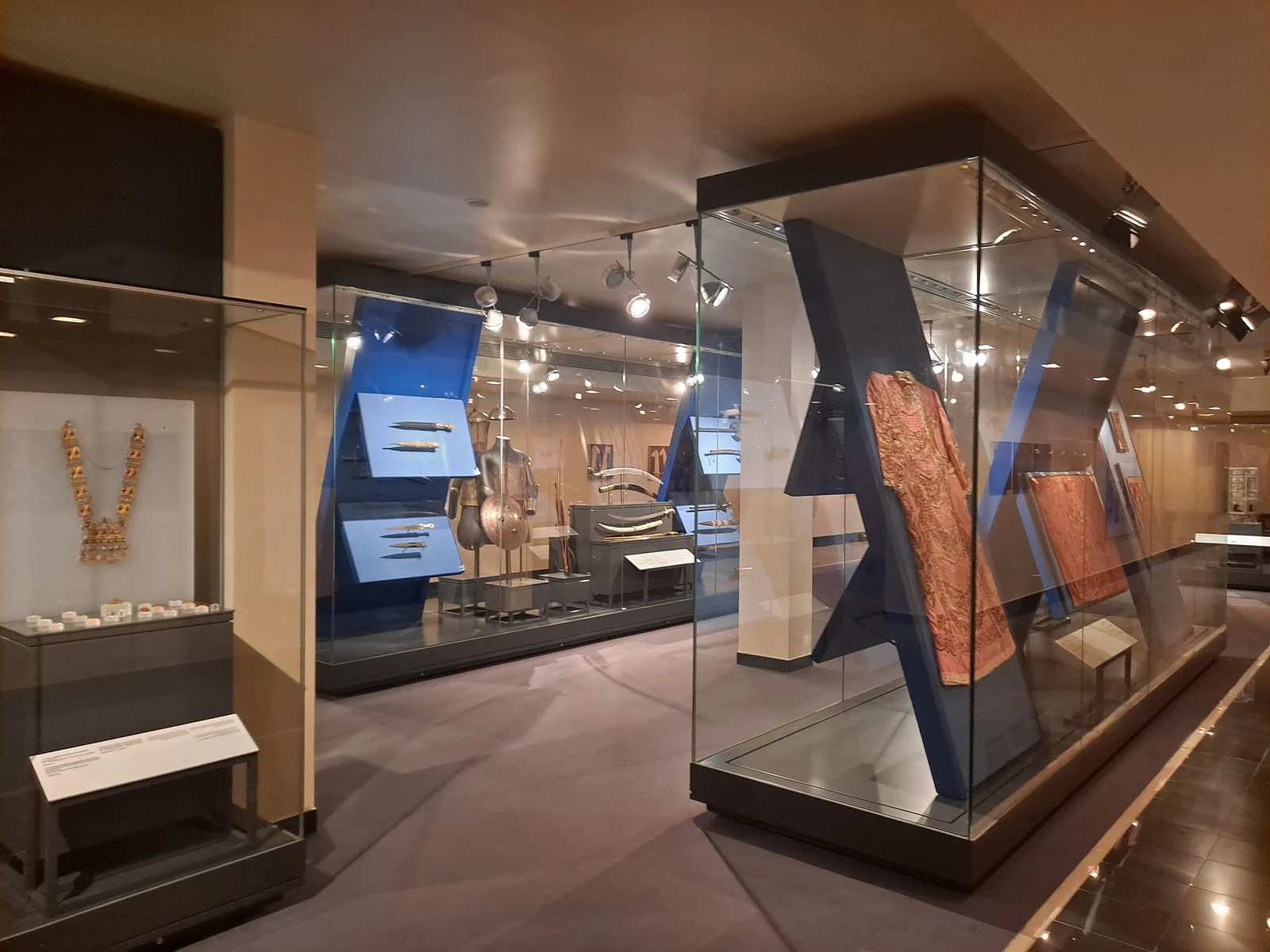
Sharjah Art Museum
The Art Museum shows modern and contemporary art from the UAE and across the Middle East, plus a permanent gallery drawn from the collection of Sharjah's Ruler. Its current building opened in 1997. Temporary exhibitions change, so check what is on. It is the better choice if Islamic history is not your thing, or if you want air-conditioned calm after the souq.
Sharjah Archaeology Museum
Further out in the Halwan district, this museum covers human settlement in the emirate from the Stone Age through the pre-Islamic era, with halls on the Bronze and Iron Ages, the ancient trade center of Mleiha and a Neolithic cemetery at Buhais. It suits visitors who like deep history. It is a short taxi ride from the center, so it is the one to skip if you are short on time.
Blue Souk (Central Souq) and Souq Al Arsah
The Blue Souk, also called the Central Souq, is a very different market from the lanes of the old town. It was completed in the late 1970s as two large buildings joined by bridges, faced with blue tile, and it holds hundreds of shops. Gold and jewelry are the headline, but you will also find carpets, perfumes, fabrics, brassware and souvenirs.
Prices are negotiable in many shops, and a polite counter-offer is normal. Look at several stalls before you buy, and ask about authenticity and return rules for gold. Souq Al Arsah is the better stop for atmosphere; the Blue Souk is the better stop for variety. Doing both takes about two hours.
Al Qasba and Al Noor Island: Sunset on the Water
Late afternoon is the time for the waterfront. Al Qasba is a canal-side leisure district of cafes, restaurants, walking paths and a theater, and it is livelier in the evening. The skyline view across the water is the reason most people stay.
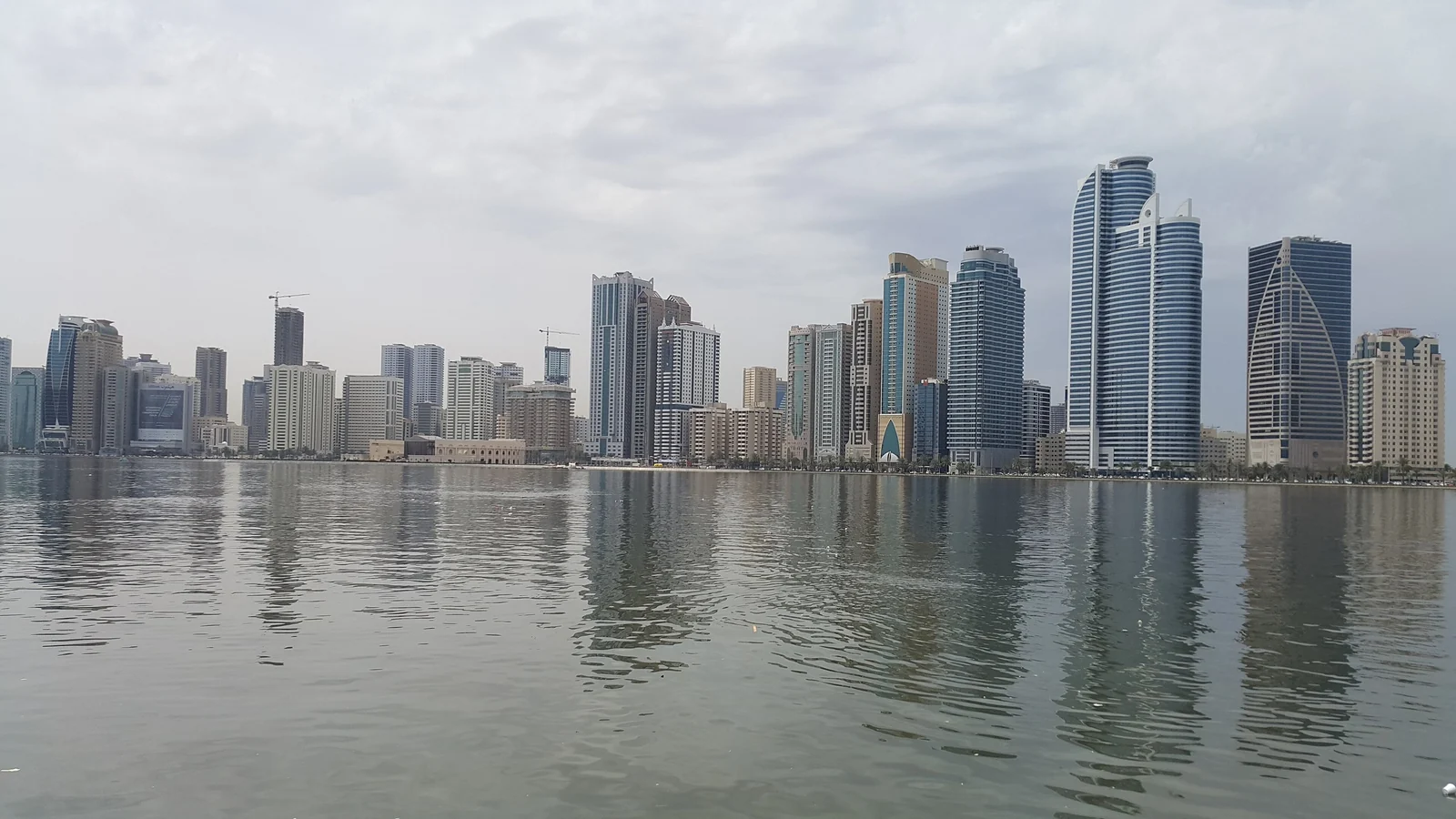
Al Noor Island, in Khalid Lagoon, is a landscaped island with gardens and a butterfly house. You can reach it by a pedestrian bridge from Al Noor Mosque. It is a quiet end to a museum-heavy day.
Mleiha and the Desert: An Optional Extra
If you have a day beyond the city, the Mleiha area in Sharjah's desert is a different Sharjah altogether. It is known for archaeological finds that show settlement and trade over a very long span, and the Mleiha Archaeological Centre gives the background. The wider Faya Palaeolandscape, which UNESCO inscribed on the World Heritage List in 2025, preserves evidence of human presence reaching back many thousands of years.
Mleiha is not a casual add-on. It lies well outside the city, so count on roughly an hour each way by car, and public transport is limited. Book a tour or a taxi, check what is open, and treat it as its own trip. Our Hatta day trip is another way to see the UAE beyond the city skyline, and you can browse more in our United Arab Emirates guides.
Etiquette: No Alcohol, Modest Dress and Friday Hours
Alcohol
Sharjah is a dry emirate. Alcohol is not sold or served in hotels, restaurants or shops, and you should not bring it in. Licensed venues in Dubai are a short ride away if that matters to you.
Dress
Modest dress is expected in public, for men and women. In practice that means covering shoulders and knees and avoiding tight or see-through clothing. Light, loose cotton works well in the heat. A scarf is handy if you visit a mosque. Swimwear belongs at the hotel pool or a private beach.
Friday and opening hours
Friday is the weekly day of prayer, and Sharjah's weekend rhythm has differed from Dubai's. Many museums open shorter hours on Fridays, often afternoon only, and hours change during Ramadan and public holidays. Do not build a Friday visit around a morning museum slot. Check the Sharjah Museums Authority and the official Visit Sharjah site for current times.
A One-Day Sharjah Itinerary from Dubai
- Morning: Arrive by bus or taxi and head straight to the Heart of Sharjah. Visit Al Hisn Fort, walk through Souq Al Arsah and see Bait Al Naboodah.
- Late morning: Take a short taxi to the Museum of Islamic Civilization on the Corniche.
- Lunch: Eat in the old town or near the Corniche.
- Early afternoon: Choose the Sharjah Art Museum for contemporary art, or the Archaeology Museum if history is your thing.
- Mid-afternoon: Browse the Blue Souk for gold, textiles and souvenirs.
- Sunset: Finish at Al Qasba or Al Noor Island, then head back to Dubai once the evening traffic eases.
Start early, carry water and keep a light layer for air-conditioned museums. If you want more than a day, the heritage quarter and the waterfront are both good areas to stay.
Sharjah Day Trip FAQ
Is Sharjah worth a day trip from Dubai?
Yes, if you like museums, heritage and markets. Sharjah is calmer and more traditional than Dubai, and a day covers the Heart of Sharjah, a museum or two, the Blue Souk and the waterfront. It is less suited to beaches, nightlife or big malls.
How long does it take to get from Dubai to Sharjah?
By taxi, roughly 30 to 60 minutes depending on traffic. The RTA E303 bus takes under an hour off-peak. Weekday rush hours can add a lot, so avoid the early morning and early evening peaks if you can.
Is Sharjah a UNESCO World Heritage Site?
The Heart of Sharjah old town is not; it is a restoration project. UNESCO did inscribe the Faya Palaeolandscape in Sharjah's desert in 2025, and Sharjah held the UNESCO World Book Capital title for 2019.
Can you drink alcohol in Sharjah?
No. Sharjah is a dry emirate, and alcohol is not sold or served in hotels, restaurants or shops. Do not bring it in. Licensed bars and restaurants in Dubai are nearby if you want a drink after the trip.
What should I wear in Sharjah?
Dress modestly: cover shoulders and knees, and avoid tight or transparent clothing. Light, loose cotton is comfortable in the heat. Carry a scarf for mosques. Swimwear is for the hotel pool or a private beach only.
Are Sharjah museums open on Fridays?
Often, but with shorter hours, usually in the afternoon. Hours also change during Ramadan and public holidays. Check the Sharjah Museums Authority site before you go, and plan outdoor sights for the morning.
Can you fit Mleiha into the same day as the city sights?
Not comfortably. Mleiha lies roughly an hour from the city by car and deserves its own trip. If you want it, pick only a few city sights or give the desert a separate day.