


Brisbane, the capital of Queensland, is a warm, subtropical city built around the looping Brisbane River. It pairs an outdoor riverside lifestyle with major galleries, a lively dining scene and some of Australia’s easiest wildlife encounters, and it is the natural gateway to the Gold Coast, the Sunshine Coast and the islands of Moreton Bay.
This Brisbane travel guide covers the best things to do in the city, how to get around by river, which day trips are worth your time and when to visit. The city stands on the lands of the Turrbal and Yuggera peoples, and its traditional name, Meanjin, is widely used today.
Why Visit Brisbane?
Brisbane is relaxed and easy to navigate, and its climate lets you spend most of the year outside. Tourism Australia notes that the city enjoys an average of around 261 sunny days a year. The river links most of the main sights, so a ferry ride is both transport and sightseeing.
It is also a good base. Within about an hour or two you can reach surf beaches, rainforest hinterland and sand islands, and many visitors combine the city with other parts of Queensland. Brisbane is set to host the 2032 Olympic and Paralympic Games, and new riverside precincts continue to open.
South Bank Parklands and Streets Beach
Across the river from the city center, South Bank Parklands is Brisbane’s favorite place to stroll. Paths shaded by a long bougainvillea arbor lead past lawns, rainforest plantings, restaurants and river views, and there is almost always something happening, from markets to outdoor events.
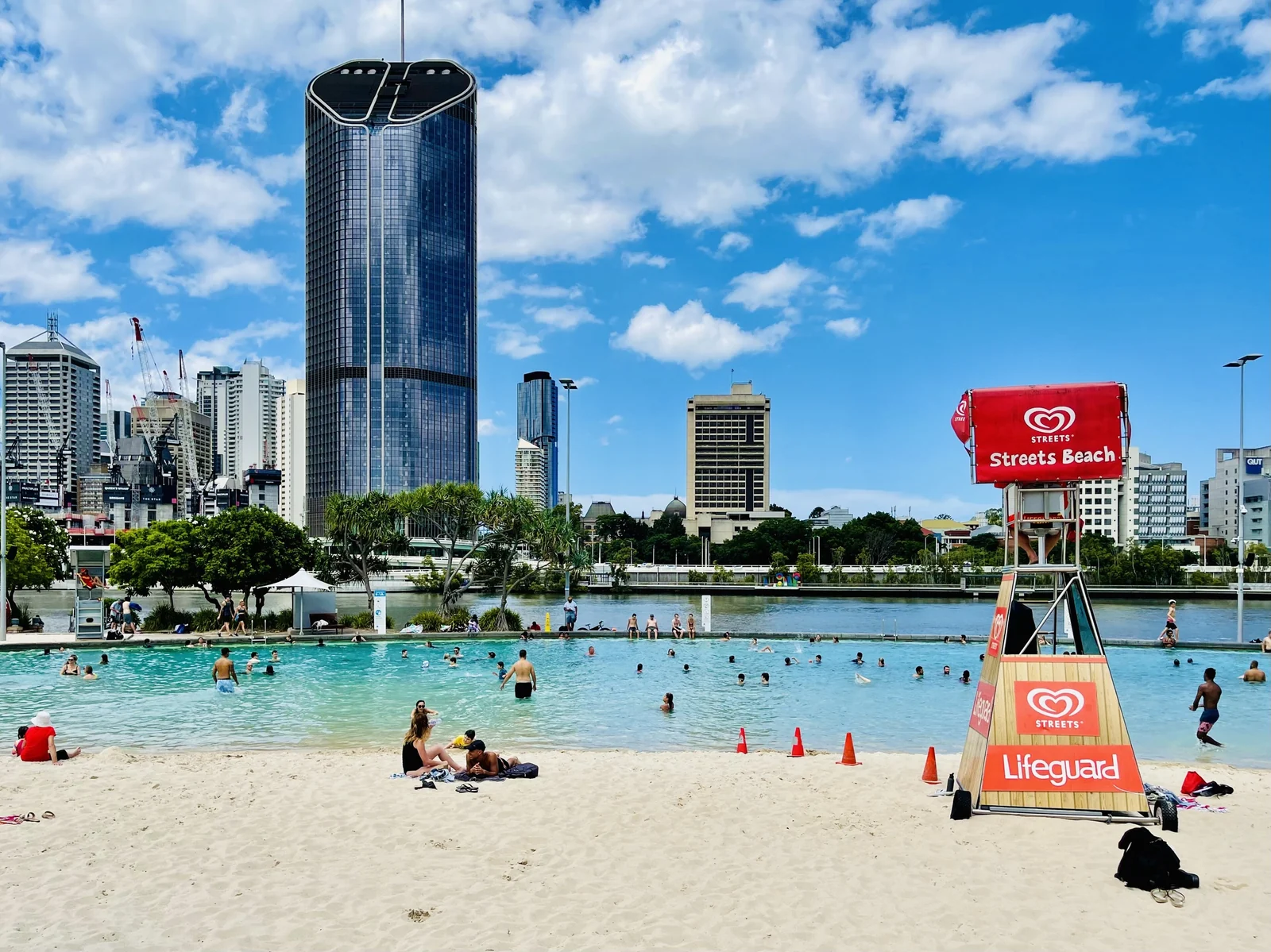
The highlight is Streets Beach, a man-made lagoon with a sandy shore right in the middle of the city. It is free to use and patrolled by lifeguards all year round, which makes it perfect for a cooling swim between sights, especially if you are traveling with children.
GOMA, the Queensland Museum and the Cultural Centre
Next to South Bank, the Queensland Cultural Centre brings several major institutions together along the river. It is one of the best cultural precincts in the country and a good choice for hot or rainy afternoons.
- Gallery of Modern Art (GOMA): opened in December 2006, it is Australia’s largest gallery of modern and contemporary art and is known for major exhibitions and the Asia Pacific Triennial.
- Queensland Art Gallery: GOMA’s sister gallery, with Australian, Indigenous and international collections; together they are known as QAGOMA.
- Queensland Museum: natural history, science and cultural collections, including dinosaurs and the story of Queensland’s First Nations peoples.
- State Library of Queensland: exhibitions, a reading room with river views and free public spaces.
- Queensland Performing Arts Centre: the city’s main stage for theater, ballet, opera and concerts.
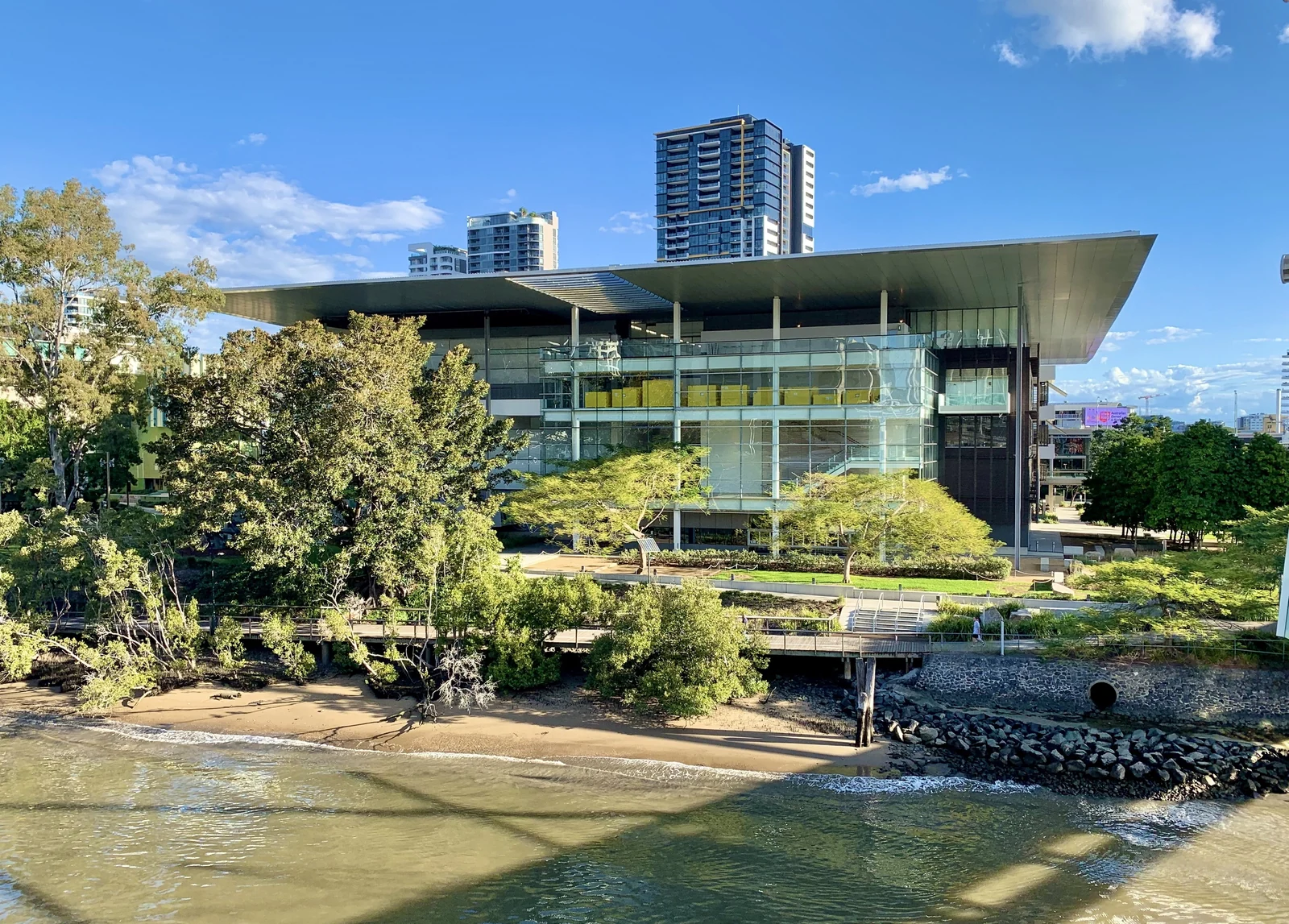
General entry to the permanent collections at QAGOMA is free, while some major exhibitions are ticketed. Check the QAGOMA visitor page for current exhibitions before you go.
The Brisbane River: CityCats, Story Bridge and Riverside Precincts
The fastest way to understand Brisbane is from the water. The CityCat catamaran ferries are part of the public transport network and run along a long stretch of the river, stopping at South Bank, the city, New Farm and the University of Queensland. Sit outside on the deck for the best views.
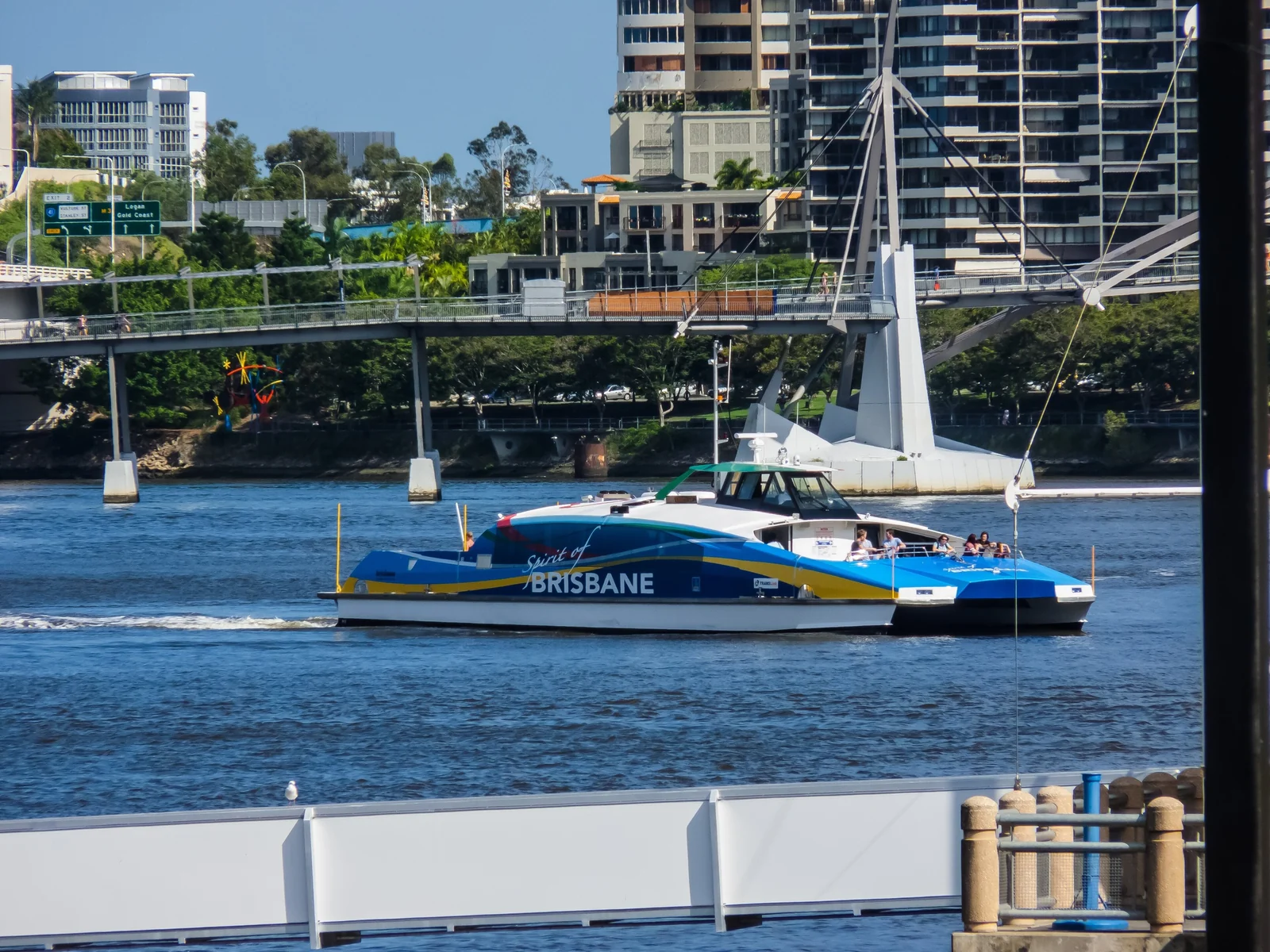
- Story Bridge: the steel cantilever bridge, opened in 1940, is the city’s landmark. Guided climbs to the top give 360-degree views over the river and skyline.
- Howard Smith Wharves: a riverside dining and events precinct directly beneath the Story Bridge.
- Kangaroo Point Cliffs: cliffs across the river from the city, popular for abseiling, rock climbing and sunset views.
- New Farm Park and the Brisbane Powerhouse: riverside lawns, jacaranda and rose gardens, and an arts venue in a former power station.
Koalas, Lookouts and Nature Close to the City
Lone Pine Koala Sanctuary
Founded in 1927, Lone Pine Koala Sanctuary in the suburb of Fig Tree Pocket is regarded as the oldest and largest koala sanctuary in the world. As well as koalas, you can see kangaroos, wombats, platypus and birds of prey. Note that Lone Pine stopped offering koala holding in July 2024; it now offers close-up koala encounters instead, so older guides that promise “koala cuddles” are out of date.
Mount Coot-tha and the botanic gardens
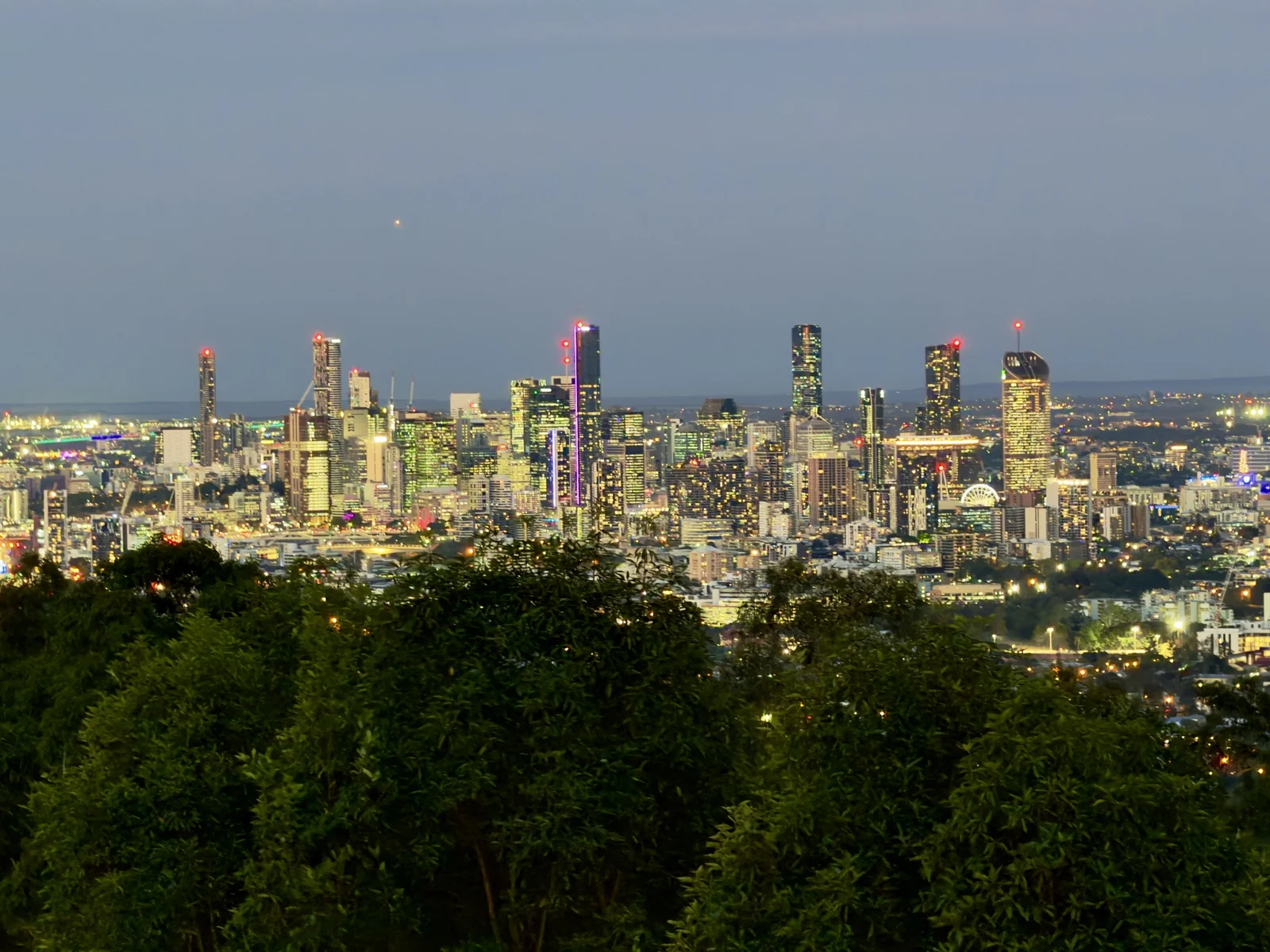
About 15 minutes’ drive west of the center, the Mount Coot-tha Summit Lookout gives the widest view of Brisbane, stretching over the city to Moreton Bay on clear days. It is especially good at dusk. Walking trails run through the surrounding bushland, and at the foot of the mountain the Brisbane Botanic Gardens Mount Coot-tha include a Japanese garden and a tropical display dome.
Brisbane Food and Neighborhoods
Brisbane’s food scene is spread across distinct neighborhoods, each with its own mood. Fortitude Valley is the nightlife hub, with bars, live music venues and Chinatown. West End, just beyond South Bank, has an independent, multicultural feel with cafes and casual restaurants. James Street and New Farm are more polished, with boutiques and neighborhood dining.
For something casual, look for the riverside night markets and weekend farmers markets that run around the city; opening days vary, so check before you go. Queensland produce to try includes Moreton Bay bugs (a type of slipper lobster), mud crab, mangoes in summer and local tropical fruit. For more ideas on eating well around the country, see our Australian food guide.
Best Day Trips from Brisbane
| Destination | Getting there | Why go |
|---|---|---|
| Gold Coast | About an hour south by car or train | Surf beaches, theme parks, Burleigh Heads |
| Gold Coast hinterland | Around 1.5 hours by car | Rainforest walks in Lamington and Springbrook national parks |
| Sunshine Coast and Noosa | Around 1.5 to 2 hours north by car | Relaxed beaches, Noosa National Park, the Glass House Mountains on the way |
| Moreton Island (Mulgumpin) | Passenger and vehicle ferries across Moreton Bay | Sand dunes, snorkeling, clear water |
| North Stradbroke Island (Minjerribah) | Ferry from Cleveland | Coastal walks, beaches and whale watching in season |
From roughly June to November, humpback whales migrate along the Queensland coast, and whale-watching cruises run from Brisbane’s bay islands and the Gold Coast. Tourism Australia’s Brisbane guide lists more ideas for the surrounding region.
When to Visit Brisbane and Where to Stay
Brisbane has a subtropical climate. Summer (December to February) is hot and humid, with afternoon storms and the highest rainfall. Winter (June to August) is dry, sunny and mild, and it is a very pleasant time for sightseeing. Spring brings purple jacaranda blossom in October and the Brisbane Festival, a major arts festival held in September. To match other parts of the country to your travel month, see our guide to the best holiday destinations in Australia.
- City center: the most convenient base for ferries, trains and shopping.
- South Bank and West End: close to the galleries, Streets Beach and relaxed dining.
- Fortitude Valley and New Farm: best for nightlife, restaurants and riverside parks.
- Getting in: Brisbane Airport is about 17 kilometers from the center, with a train link to the city.
Planning a longer trip? Compare Brisbane with our guides to Sydney and Perth.
Brisbane Travel FAQ
How many days do you need in Brisbane?
Three days covers the city well: one for South Bank and the galleries, one for the river, Story Bridge and neighborhoods, and one for Lone Pine and Mount Coot-tha. Add two or three days for the Gold Coast, the Sunshine Coast or a Moreton Bay island.
Can you still hold a koala in Brisbane?
Not at Lone Pine Koala Sanctuary, which ended koala holding in July 2024 and now offers close-up encounters instead. Rules and experiences at other Queensland wildlife parks vary, so check directly with the park before you visit.
Is Streets Beach in Brisbane free?
Yes. Streets Beach in South Bank Parklands is a free, man-made lagoon beach in the middle of the city, patrolled by lifeguards all year round. It is a popular spot for families and a convenient way to cool off between sights.
What is the best time to visit Brisbane?
Autumn, winter and spring, roughly April to November, offer the most comfortable weather, with dry, sunny days in winter. Summer is hot, humid and stormy, although it is a good time for beaches and islands if you do not mind the heat.
Is the CityCat a good way to see Brisbane?
Yes. The CityCat ferries are regular public transport, so a ride costs far less than a tour, and they pass many of the city’s landmarks, including South Bank, the central business district, the Story Bridge and riverside suburbs such as New Farm.
How far is the Gold Coast from Brisbane?
The Gold Coast is about an hour south of Brisbane by car, depending on traffic, and it is also reachable by train. That makes it an easy day trip for beaches, surfing or theme parks, though many visitors choose to spend a night or two.