Berlin is Germany's capital and its most layered city: a place where Prussian boulevards, Cold War scars, club culture and leafy neighborhoods sit within a few U-Bahn stops of each other. The essentials are the Brandenburg Gate, the glass dome of the Reichstag, the museums of Museum Island and the surviving stretches of the Berlin Wall, and you can see most of them on foot in two days.
This Berlin travel guide covers the main sights, the Wall and memorial sites, the districts worth your time, what to eat, how the U-Bahn and S-Bahn work, how many days to plan and where to go beyond the city. For the wider country, start with our Germany travel guides.
Why Berlin Is Worth a Trip
Berlin is not pretty in the way Prague or Vienna are. It was bombed, divided and rebuilt in pieces, and the result is a city of wide avenues, empty lots turned into parks, and grand buildings next to concrete blocks. That patchwork is the appeal. History is not behind glass here; it is on the street corner.
It is also big and spread out. Unlike many European capitals, Berlin has no single center, so plan by neighborhood rather than trying to cross town several times a day. If you are comparing capitals, our guides to Prague and Vienna show how different the feel can be.
Brandenburg Gate, Reichstag and Holocaust Memorial
Brandenburg Gate
The Brandenburg Gate was built between 1788 and 1791 as a neoclassical city gate and is topped by the Quadriga, a chariot drawn by four horses. During the division of the city it stood in the border zone, closed to both sides. Since 1989 it has become the symbol of reunification, and it is the natural place to start.
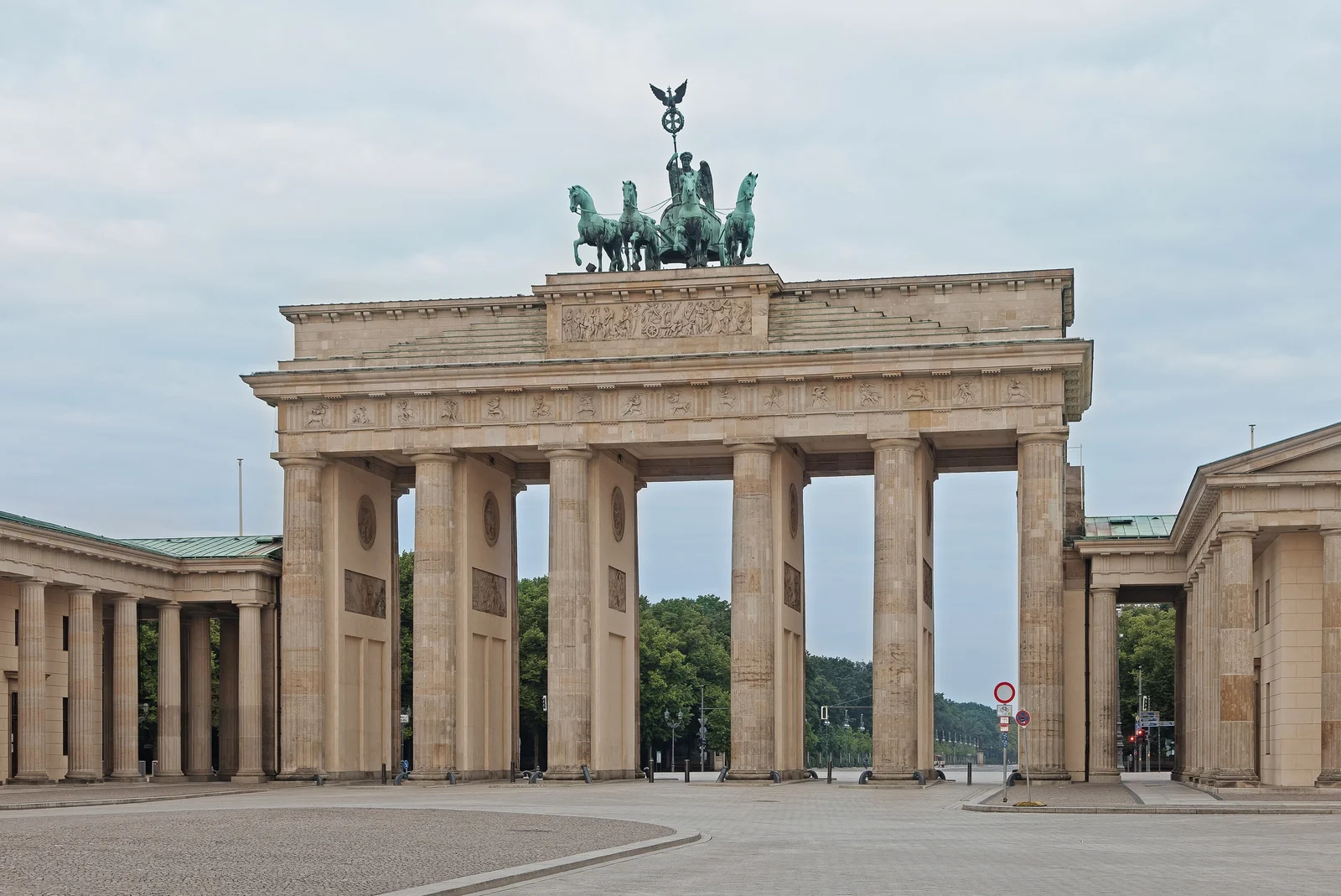
Go early. The square, Pariser Platz, fills with tour groups by mid-morning, and the light on the gate is best before the crowds arrive. From here it is a short walk in either direction to the Reichstag and the Holocaust memorial.
The Reichstag and Its Glass Dome
The Reichstag building, completed in 1894, houses the German parliament, the Bundestag. After the reunification of Germany it was rebuilt with a glass dome designed by Norman Foster, opened in 1999. Visitors can walk the spiral ramp inside the dome for a view over the government quarter.
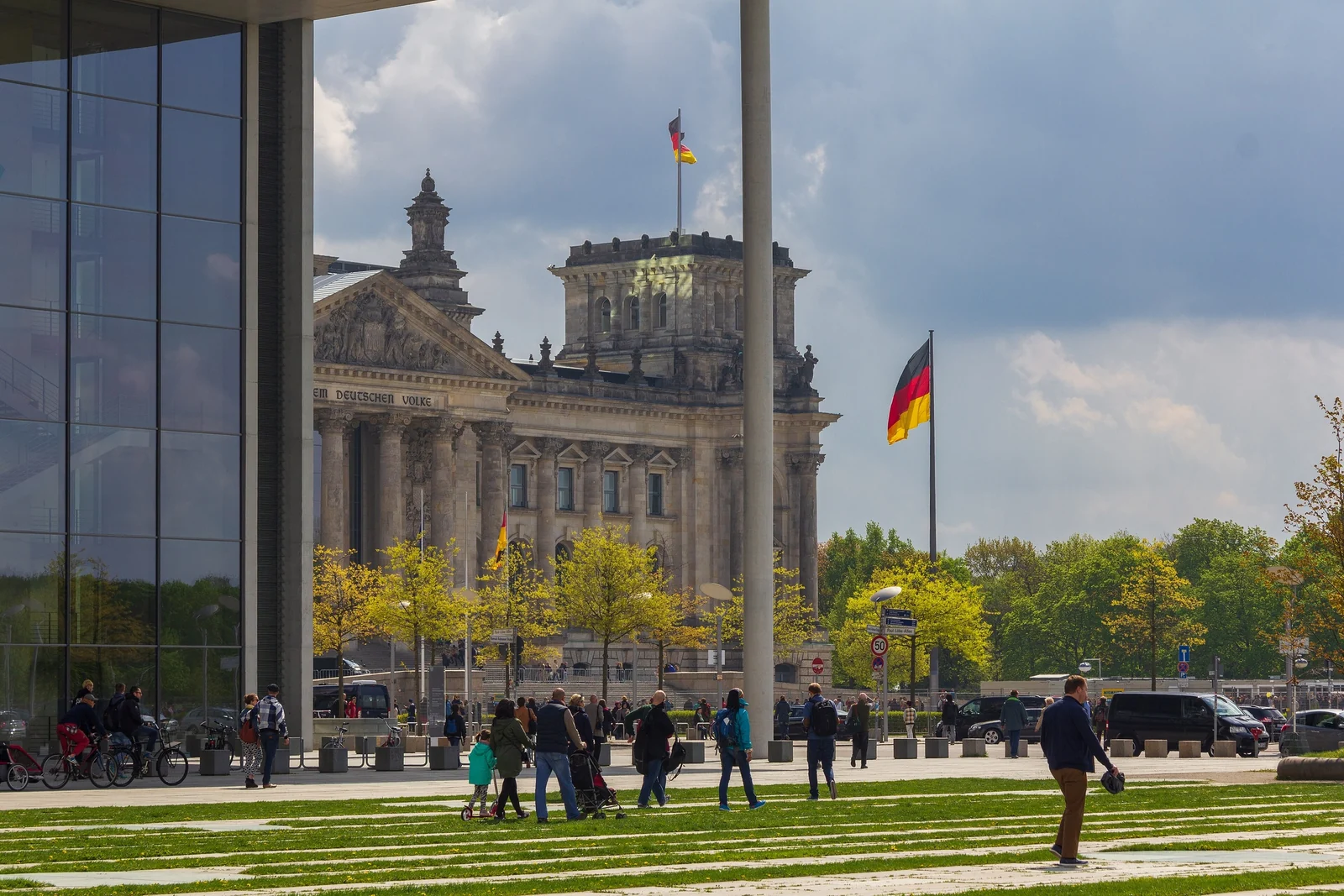
Visiting is free but needs advance registration through the Bundestag's official website, and slots can book out. Plan this before you travel, bring photo ID and check the current rules and security procedures on the Bundestag visitor pages.
Museum Island and Unter den Linden
Museum Island is a cluster of five major museums on an island in the Spree River, inscribed as a UNESCO World Heritage Site in 1999. The buildings were constructed across the nineteenth and early twentieth centuries and together cover everything from ancient Egypt to nineteenth-century painting.
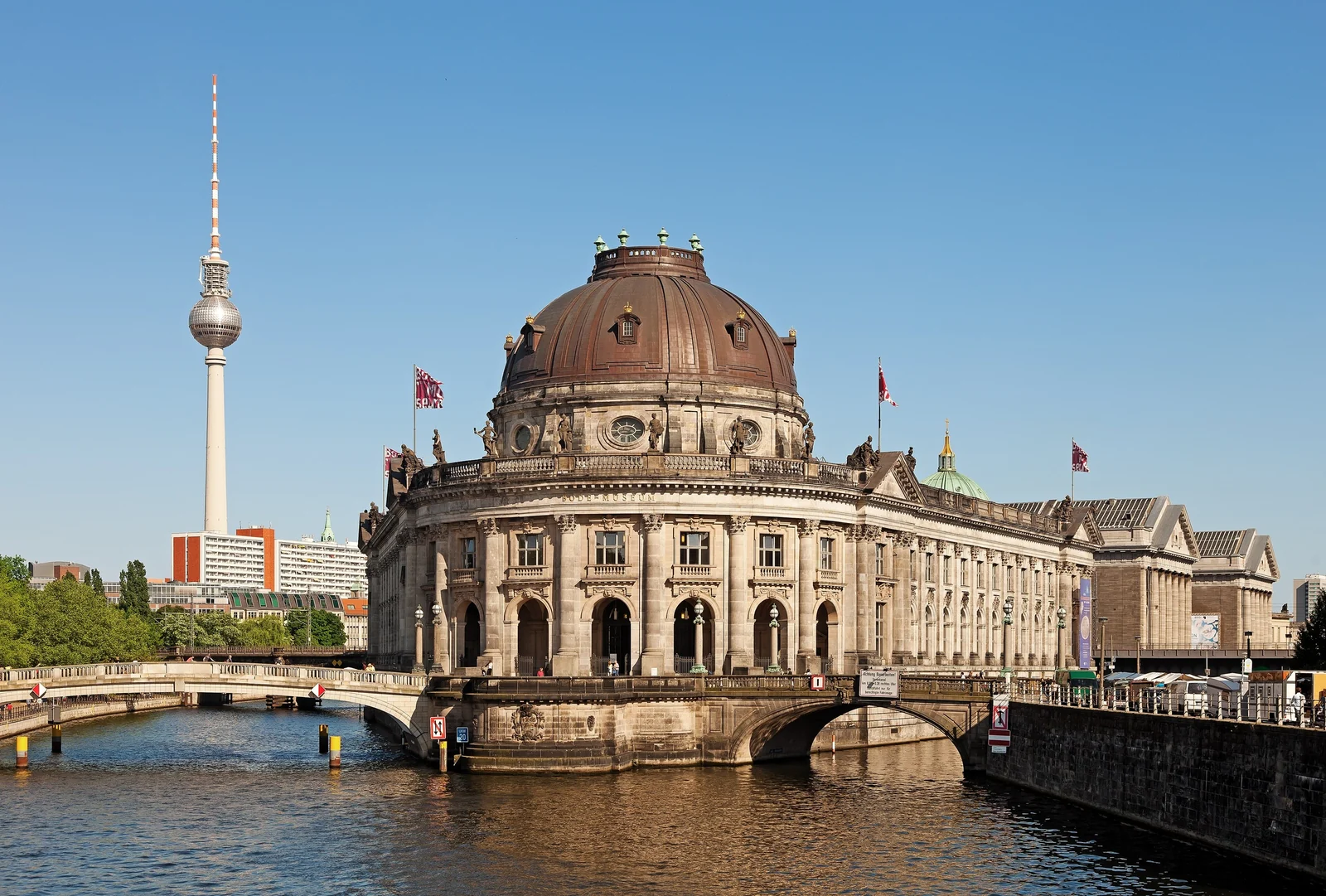
The Neues Museum is the one most people head for, because it holds the famous bust of Nefertiti. The Pergamon Museum, known for its monumental ancient architecture, has had long renovation work, so check which halls are open before you buy tickets. The Alte Nationalgalerie, the Altes Museum and the Bode Museum round out the group.
You cannot see everything in a day, and trying to is a mistake. Pick one or two museums, and spend the rest of the time outside. The Lustgarten lawn next to Berlin Cathedral is a good place to rest, and the boulevard Unter den Linden leads straight back west to the Brandenburg Gate. Opening hours, combined tickets and any closures are listed on the Staatliche Museen zu Berlin site.
The Berlin Wall: What to See
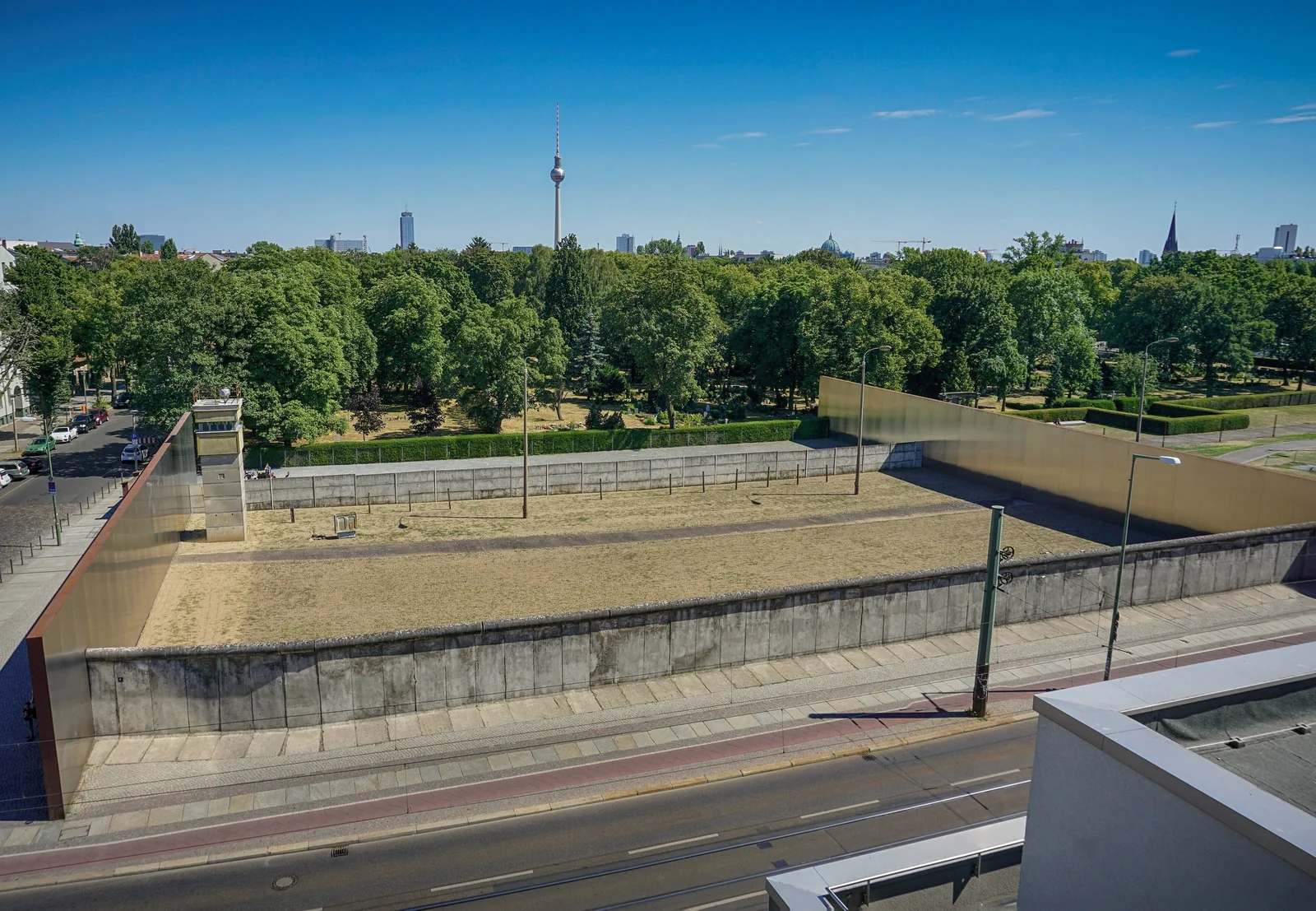
The Berlin Wall divided the city from 1961 until 1989. It ran for well over 100 miles around West Berlin and was backed by watchtowers and a wide border strip. Most of it is gone, but several stretches remain, and each tells a different part of the story.
Berlin Wall Memorial at Bernauer Strasse
This is the best place to understand how the border worked. A preserved section of the border strip, with a remaining stretch of wall, runs along Bernauer Strasse, together with a visitor center, a documentation center and open-air exhibits. It was here that people escaped from windows and through tunnels in the early years. If you only visit one Wall site, make it this one, and check current opening times on the official memorial site.
East Side Gallery
The East Side Gallery is a long surviving stretch of the Wall beside the Spree, covered in murals painted in 1990. It is one of the most visited Wall sites and gets very busy, so go early on a weekday. It is free to walk and links neatly with the Oberbaum Bridge, a few minutes away.
Checkpoint Charlie
Checkpoint Charlie was the crossing point for foreigners and Allied personnel between the American and Soviet sectors. Today the site is a reconstruction surrounded by souvenir stalls, and honestly it is the weakest of the Wall sites. Stop for a photo and a look at the outdoor panels, then spend your time at Bernauer Strasse instead.
The Holocaust Memorial
The Memorial to the Murdered Jews of Europe lies just south of the Brandenburg Gate. Designed by Peter Eisenman and opened in 2005, it is a field of concrete slabs of different heights on uneven ground. There is no single way to read it; most visitors simply walk in and feel the space change around them. An information center beneath the field tells personal stories and is worth the time.
Treat the site with respect. It is a memorial, not a playground, and visitors should avoid sitting or climbing on the slabs. The documentation center has its own opening hours and entry rules, which are listed on the official foundation website.
Neighborhoods: Mitte, Kreuzberg and Prenzlauer Berg
Berlin is a city of districts, and each has its own pace. These three give you a good spread.
- Mitte: the historic core, with the Brandenburg Gate, Museum Island, Unter den Linden and the Hackescher Markt courtyards. Polished and busy, and the easiest base for first-time visitors.
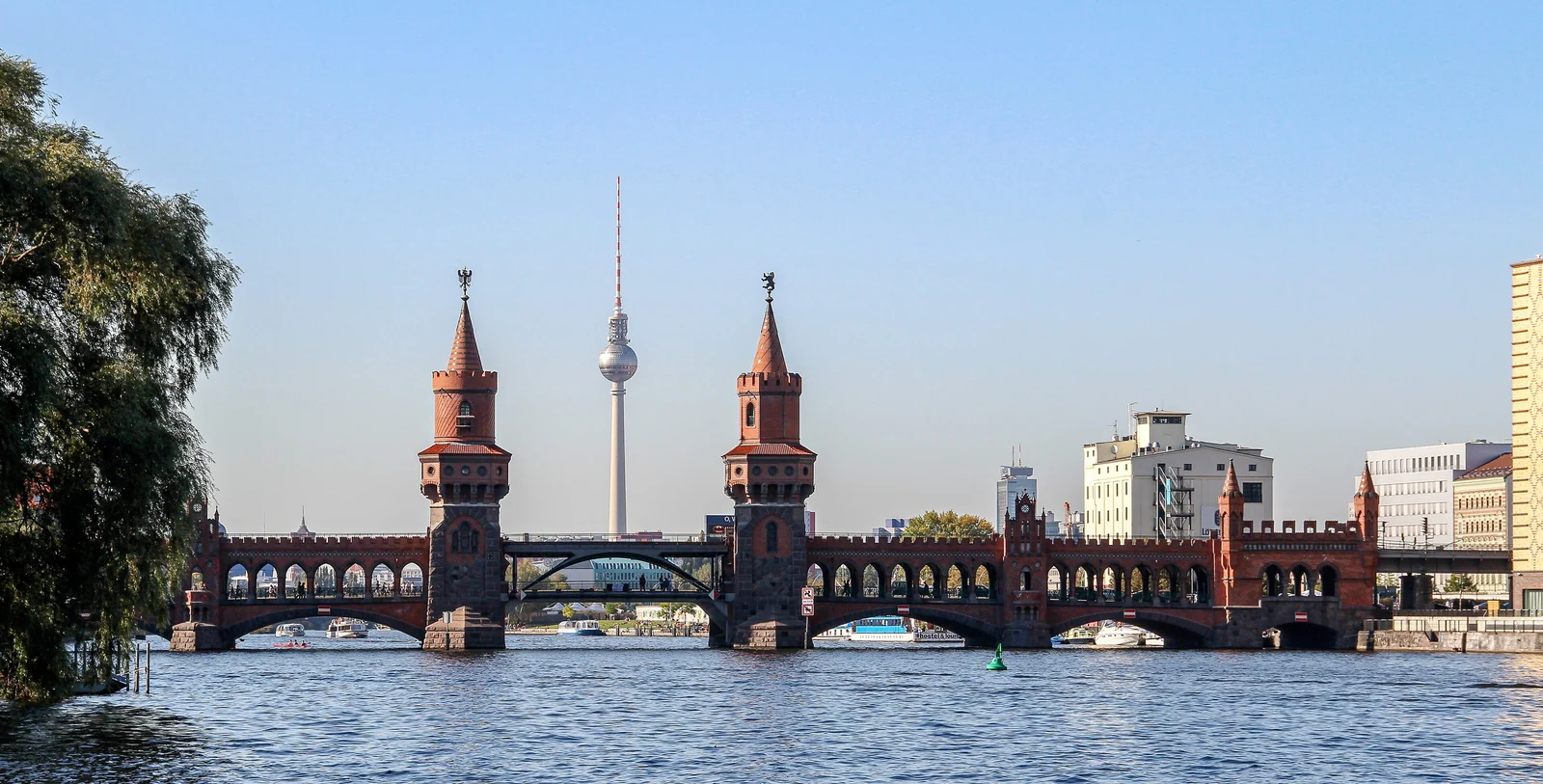
- Kreuzberg: the area around the Oberbaum Bridge and Bergmannstrasse, known for its Turkish markets, canal-side cafes, street art and nightlife. Younger, louder and more mixed than Mitte.
- Prenzlauer Berg: a former East Berlin district of tree-lined streets and renovated apartment blocks. Good for brunch, boutique shopping and a slower pace, plus Mauerpark for its Sunday flea market and karaoke.
What to Eat in Berlin
Berlin food is casual, and the best meals are often eaten standing up. Three staples cover most of the city.
- Currywurst: a sliced pork sausage under ketchup-based sauce and curry powder, usually with fries. It is the city's best-known fast food and is sold at stands everywhere.
- Doner kebab: the Berlin version, shaved meat in bread with salad and sauces, is often credited to Turkish immigrants in the city. Kreuzberg and Neukölln have some of the best stands.
- Markets and bakeries: weekly markets, bakeries with pretzels and rye bread, and Sunday brunch culture are all part of eating well here.
Berlin is also one of Europe's easier places for vegetarian and vegan food, and many restaurants list it clearly on the menu. Tipping is customary at sit-down places: round up or add a few percent when you pay.
Getting Around: U-Bahn, S-Bahn and Trams
Berlin's public transport is run in zones, and most visitors only need the central ones. The U-Bahn is the underground, the S-Bahn is the faster surface and elevated rail network, and trams and buses fill the gaps, especially in the former East. One ticket system covers them all.
- Tickets: buy before you ride, through the transport operator's app or at machines, and validate paper tickets where required. Inspectors do check.
- Zones: central Berlin sits in one zone, and the airport lies further out, so check which ticket covers your route on the BVG site.
- Walking and cycling: central sights are close enough to walk, and rental bikes are easy to find. Watch for bike lanes on the sidewalk.
Berlin Brandenburg Airport (BER) connects to the city by regional and S-Bahn trains. Long-distance trains arrive at Berlin Hauptbahnhof, the central station, which is a short walk from the Reichstag.
How Many Days and When to Go
How Many Days in Berlin?
| Time | What fits | Best for |
|---|---|---|
| 2 days | Brandenburg Gate, Reichstag, Holocaust memorial, Museum Island, one Wall site | First-timers on a short city break |
| 3 days | The above plus Kreuzberg, East Side Gallery, Bernauer Strasse and a long dinner | Most visitors, a comfortable pace |
| 4 to 5 days | All of it plus a day trip to Potsdam or Sachsenhausen and a slower neighborhood day | History lovers and repeat visitors |
Three days is the sweet spot. It lets you cover the headline sights without sprinting and leaves room for a neighborhood afternoon. A fourth day is best spent on a day trip.
Day Trips from Berlin
Potsdam
Potsdam is the former seat of the Prussian kings, just outside Berlin and reachable by regional train or S-Bahn. Its palaces and gardens, including Sanssouci, are part of a UNESCO World Heritage Site, listed in 1990. It is a good choice for a green, relaxed day.
Sachsenhausen Memorial
The Sachsenhausen concentration camp memorial lies in Oranienburg, north of Berlin and reachable by train. It is a serious, sobering visit and takes a good part of a day. Check current visiting information on the official memorial site before going.
Spreewald
The Spreewald is a network of tree-lined canals southeast of Berlin, known for punting-style boat trips, cycling and its pickled cucumbers. It suits a slow, rural day, and it is easier with a car or a regional train plus a local boat tour.
Best Time to Visit Berlin
- Spring (April to May): parks and canals turn green and the weather is mild, though it can still be chilly.
- Summer (June to August): long days, beer gardens and lake swimming. It is the busiest season, and sometimes hot.
- Autumn (September to October): often settled weather, golden light in the parks and fewer crowds.
- Winter (November to February): cold and gray, but Christmas markets in December and good museum weather make it worthwhile.
If you want the easiest conditions for sightseeing, aim for May, June or September.
Where to Stay in Berlin
Choose an area rather than a specific hotel. Mitte is the most convenient for first visits, with the main sights within walking distance. Kreuzberg suits those who want nightlife and food. Prenzlauer Berg works for a quieter stay with cafes and parks. Staying near a U-Bahn or S-Bahn line matters more than being in the exact center.
Berlin Travel FAQ
How many days do you need in Berlin?
Three days covers the Brandenburg Gate, Reichstag, Museum Island, a Wall memorial and a couple of neighborhoods at a comfortable pace. Two days works for a rushed highlights trip. Add a day for Potsdam or another excursion.
Is the Reichstag dome free to visit?
Yes, but you must register in advance through the Bundestag's official website, and you should bring photo ID. Slots can fill up, so book before your trip and check the current security rules and times on the official visitor pages.
What is the best Berlin Wall site to visit?
The Berlin Wall Memorial at Bernauer Strasse is the most informative, because it preserves part of the border strip and explains how it worked. The East Side Gallery is more visual, and Checkpoint Charlie is best treated as a quick stop.
How do you get around Berlin?
Use the U-Bahn, S-Bahn, trams and buses, which run on one ticket system by zone. Most visitors only need the central zones. Buy and validate your ticket before riding, and check the BVG site for current fares and passes.
What food is Berlin known for?
Currywurst, a sausage with curry-ketchup sauce, and doner kebab are the two classics. You will also find pretzels, rye bread, markets and a strong vegetarian scene. Many of the best meals are casual and eaten standing up.
Is Berlin worth visiting in winter?
Yes, if you like museums, cafes and Christmas markets. It is cold and gray, with short days, but the sights are quieter and many indoor attractions are at their best. Pack warm layers and plan outdoor sights for daylight.
What are the best day trips from Berlin?
Potsdam is the easiest, with its palaces and gardens. Sachsenhausen Memorial is a serious historical visit north of the city. The Spreewald canals suit a slow rural day. All three can be reached by public transport or a short drive.