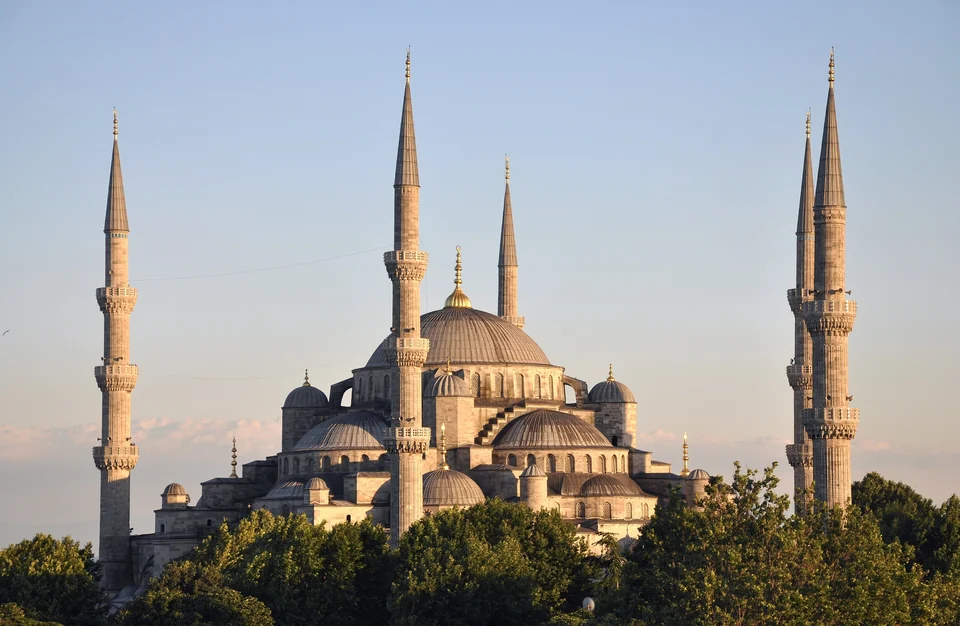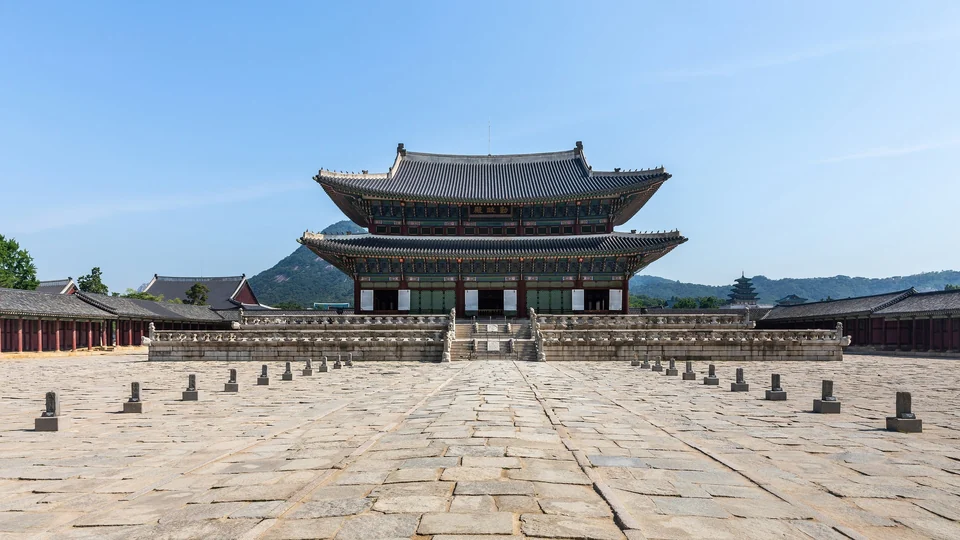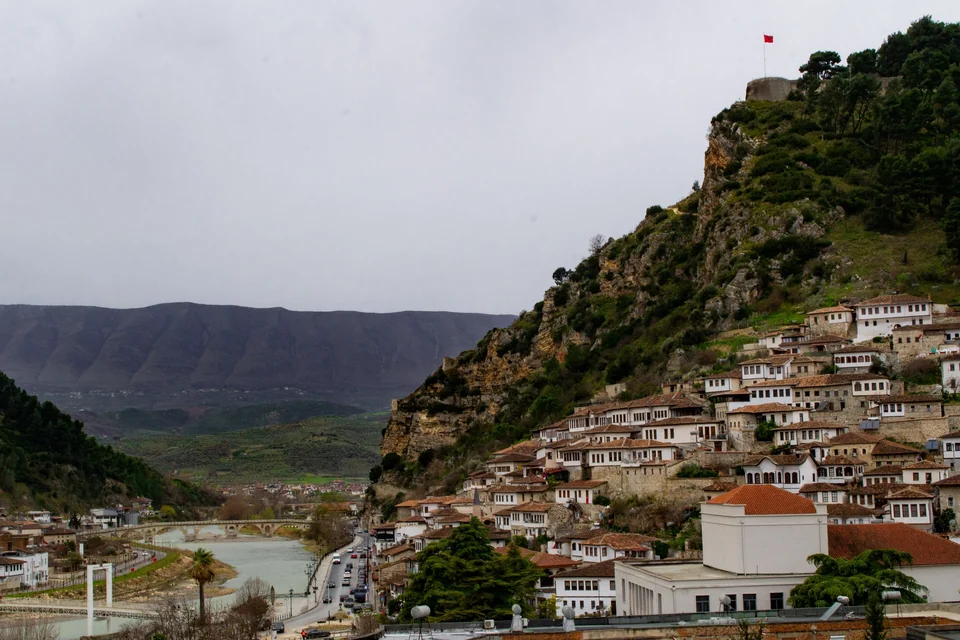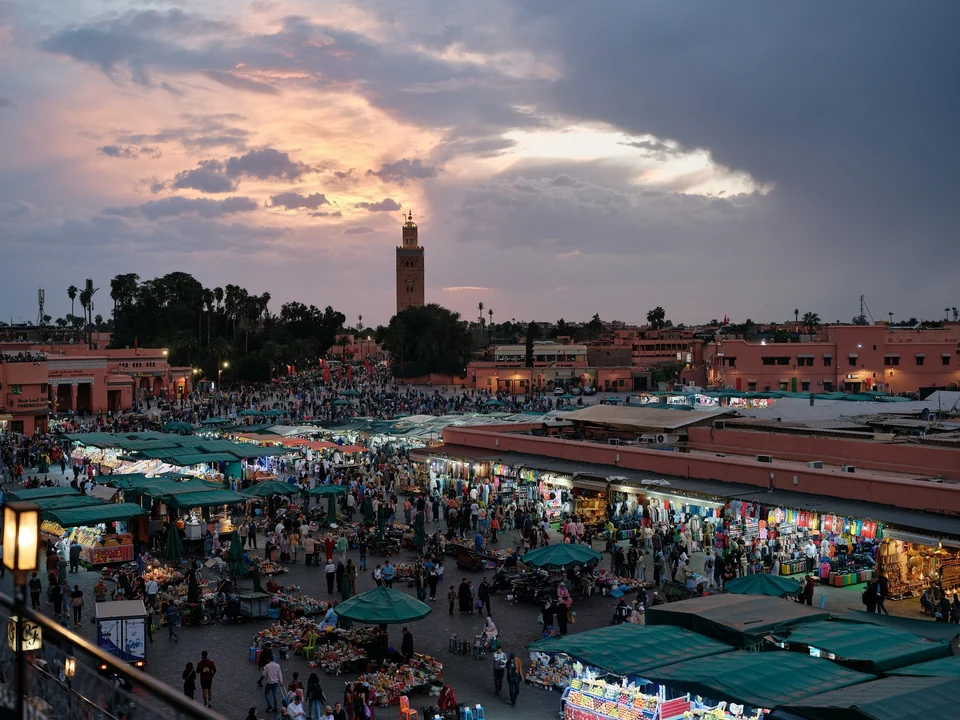

Choosing a travel destination is easier when you ask the right questions in the right order: what you want from the trip, when you can go, and how far you are willing to travel. The answers narrow a world of options to a short, realistic list.
This page gives you a simple method for choosing, then organizes our guides by continent, by season and by travel style. For the practical side of planning, see our travel planning guide.
How to Choose a Travel Destination
Work through these questions before you look at photos or deals. They keep you from choosing a place that looks perfect but does not fit your trip.
- What is the trip for? Rest, culture, food, nature, adventure or a mix. Write down the one thing that must happen.
- When can you go? Your dates decide which places are in season. Some destinations are superb for three months and difficult the rest of the year.
- How long do you have? Subtract travel days. A long journey for a short stay rarely feels worth it.
- How do you like to travel? Independently by train or car, with a tour, or from a single resort base.
- What are the practical limits? Budget, visas, health requirements, mobility and who is traveling with you.
- What is the tie-breaker? If two places both fit, choose the one that is easier to reach or at its best in your dates.
If what you want is mainly rest, our holiday planning guide is a better starting point, with beach, city and nature holidays compared.
Destinations by Continent
Each continent page collects our guides for that region. Use this table as a quick orientation.
| Continent | Known for | Good fit if you want |
|---|---|---|
| <a href="{{base}}/category/destinations/europe">Europe</a> | Historic cities, islands, rail travel, varied cuisine | Several places in one trip, easy connections |
| <a href="{{base}}/category/destinations/asia">Asia</a> | Temples, megacities, street food, volcanic landscapes | Strong contrasts between tradition and modern life |
| <a href="{{base}}/category/destinations/africa">Africa</a> | Deserts, waterfalls, wildlife, great rivers | Wild landscapes and long overland journeys |
| <a href="{{base}}/category/destinations/north-america">North America</a> | National parks, northern lights, large cities | Road trips and big open spaces |
| <a href="{{base}}/category/destinations/south-america">South America</a> | The Andes, the Amazon, Patagonia, salt flats | Mountains, ancient sites and remote nature |
| <a href="{{base}}/category/destinations/australia">Australia</a> | Coastal cities, reef islands, outback distances | Beaches and outdoor life, in reversed seasons |
| <a href="{{base}}/category/destinations/antarctica">Antarctica</a> | Ice, wildlife, expedition cruising | A once-in-a-lifetime expedition |
Destinations by Season
The same place can be ideal or disappointing depending on the month. These are broad patterns; always check conditions for your exact dates, since weather varies from year to year and by region.
| Season (northern hemisphere) | Why go | Ideas from our guides |
|---|---|---|
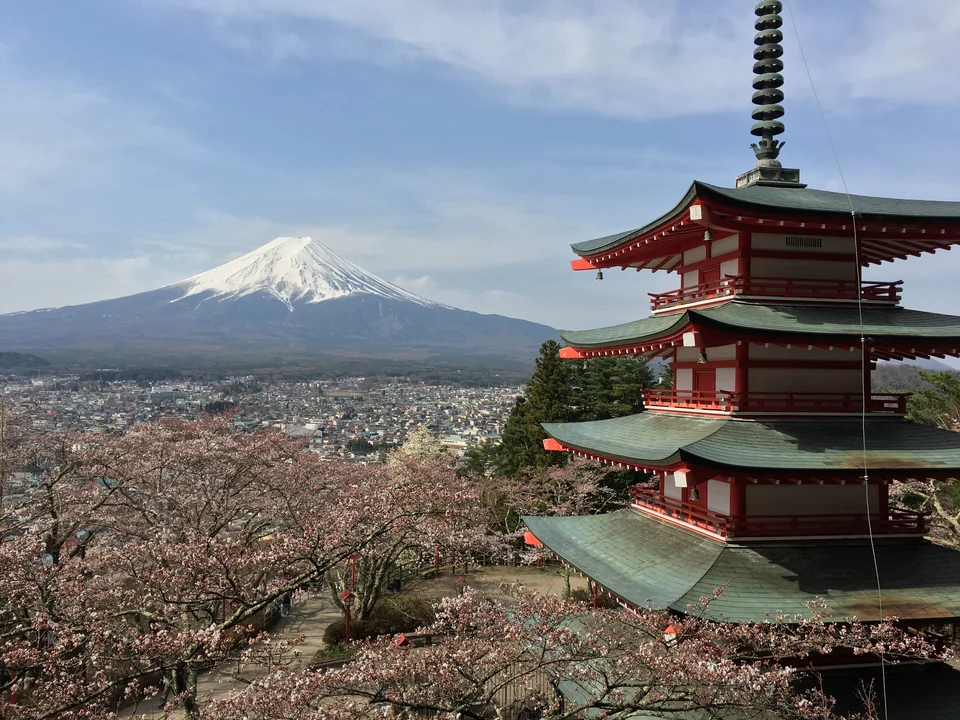
| Spring (March–May) | Blossoms, mild weather before summer crowds | Cherry blossom season in Japan, usually late March to early April around <a href="{{base}}/destinations/asia/japan/kyoto-where-ancient-traditions-meet-modern-japan">Kyoto</a> and Tokyo |
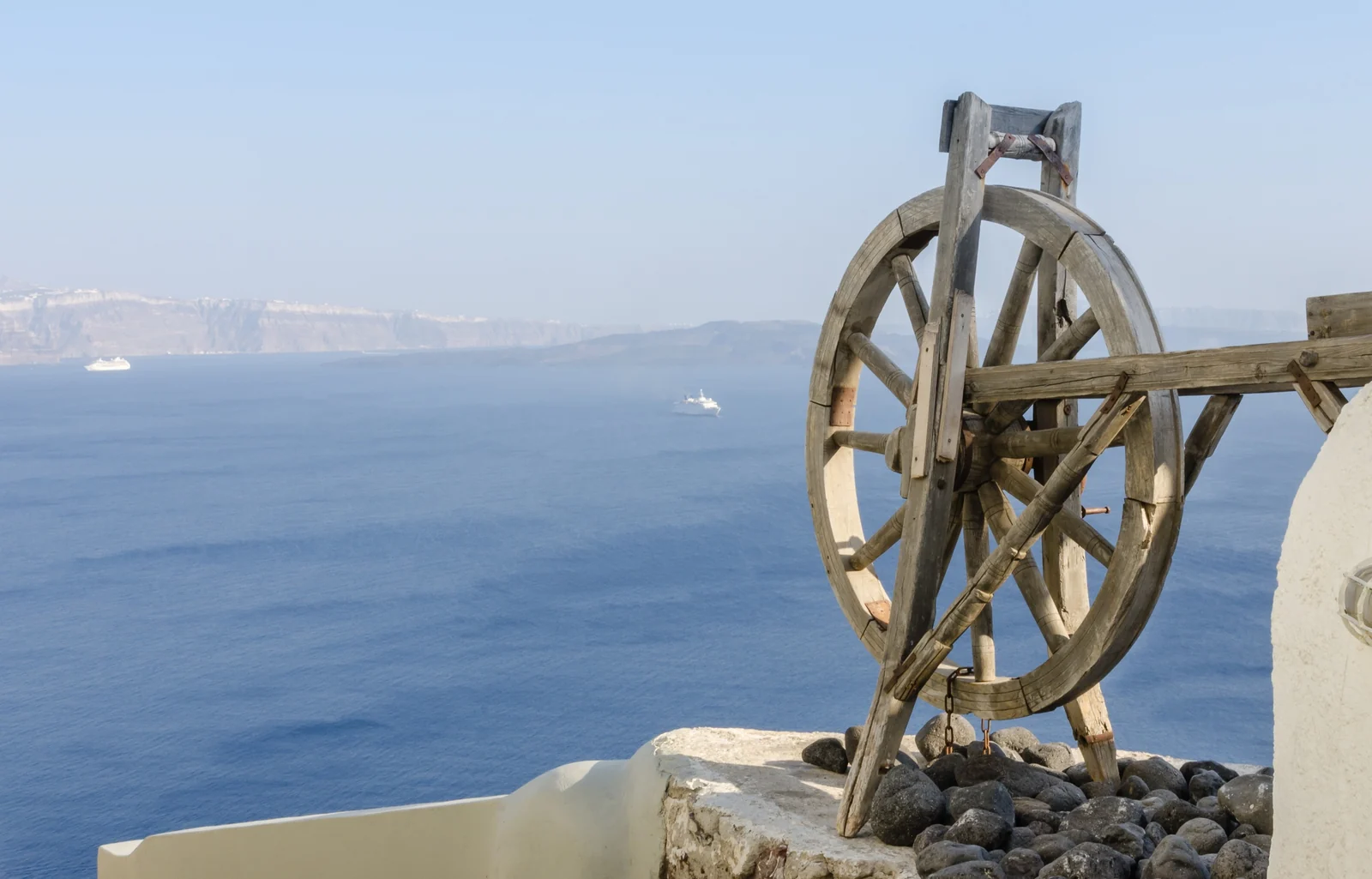
| Summer (June–August) | Long days, warm seas, open mountain passes | Greek islands such as <a href="{{base}}/destinations/europe/greece/exploring-the-enchanting-beauty-of-santorini">Santorini</a>, alpine walking, high-latitude cities |
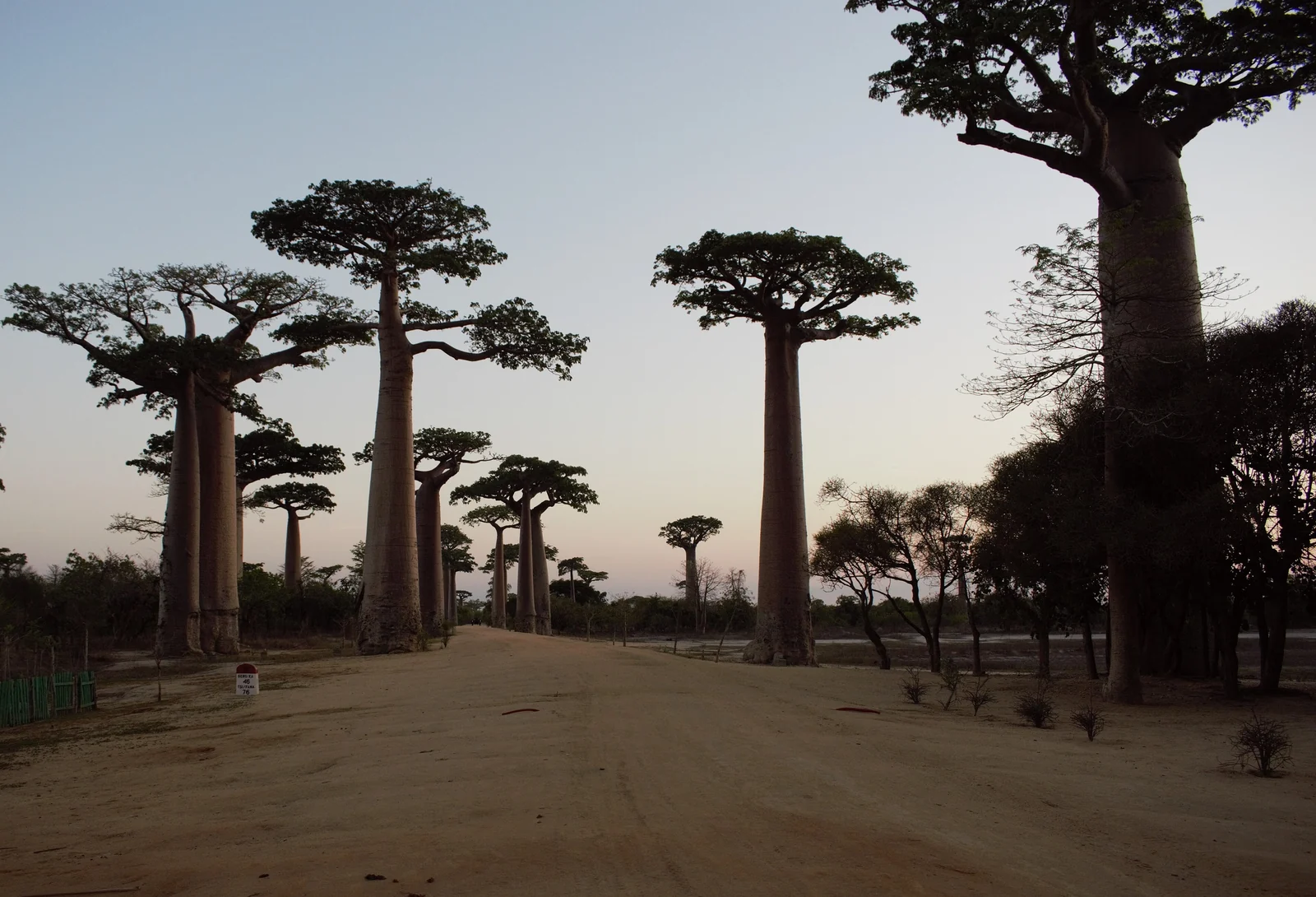
| Autumn (September–November) | Warm seas, harvest season, fewer crowds | The Mediterranean in shoulder season; dry-season trips to <a href="{{base}}/destinations/africa/madagascar/the-enchanting-roads-of-madagascar-lined-with-baobab-trees">Madagascar’s baobab avenues</a> |
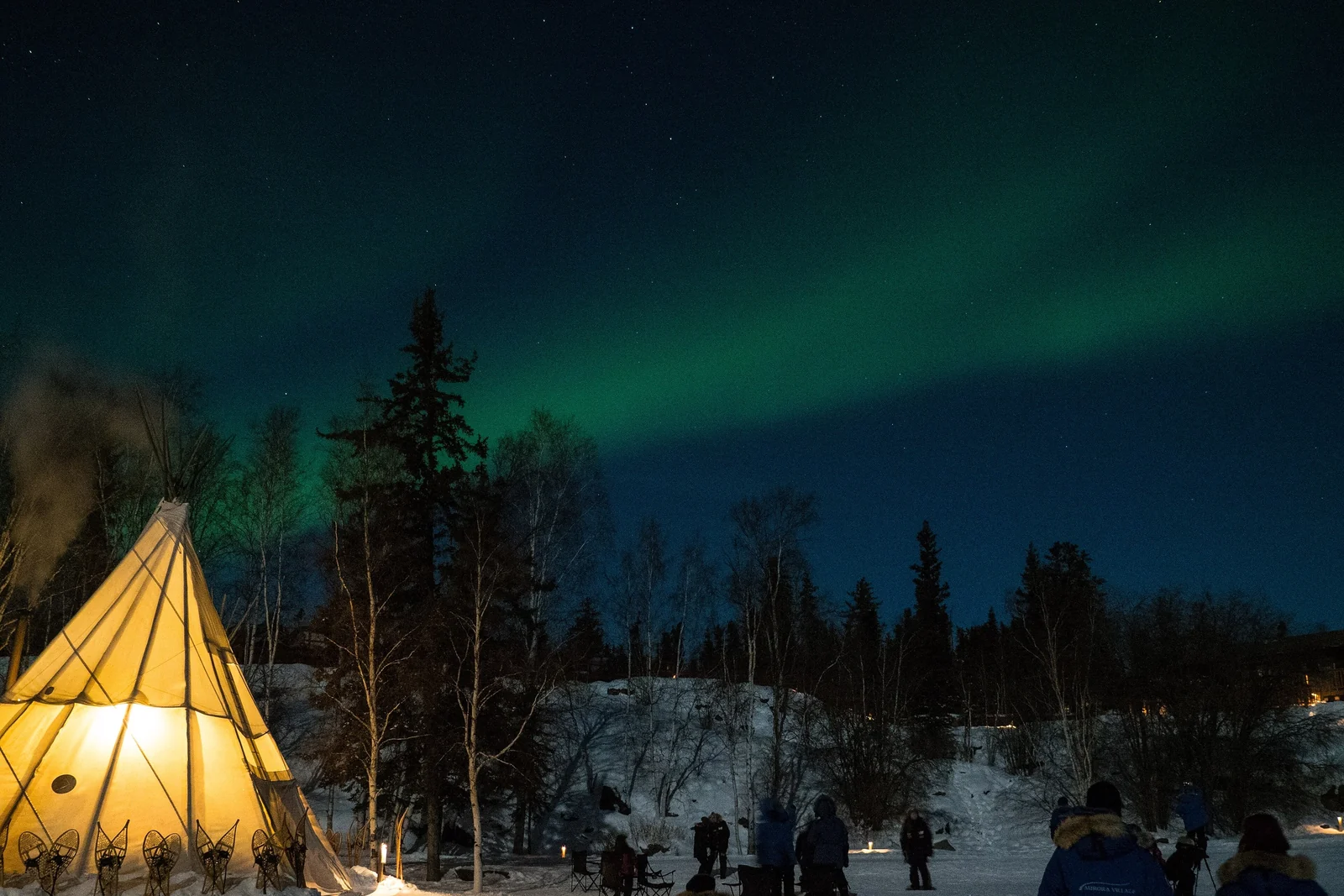
| Winter (December–February) | Dark skies, snow, and southern-hemisphere summer | <a href="{{base}}/destinations/north-america/canada/the-top-10-hidden-places-to-watch-the-northern-lights">Northern lights</a> in the Arctic; summer in Australia and the Antarctic cruise season |
Wet seasons can also be a reason to go. At Bolivia’s Salar de Uyuni, a thin layer of rainwater in the rainy months can turn the salt flat into a giant mirror, although some routes become harder to travel.
Destinations by Travel Style
Your travel style often matters more than geography. These groupings point you to the kinds of places that suit each approach.
Culture and History
Look for cities and regions where history is part of daily life: old towns, religious sites, archaeological parks and museums. Plan around opening days and timed tickets, and give major sites at least half a day.
Food and City Life
Big cities with strong food cultures reward walking and eating your way through neighborhoods. Markets, street food and local specialties can be the main itinerary rather than an extra.
Nature and the Outdoors
Mountains, national parks, coasts and deserts suit travelers who want to walk, hike or simply be outside. Season and access matter most here: trails, roads and huts may only be open for part of the year.
Remote and Once-in-a-Lifetime Trips
Polar regions, great deserts and remote islands need more planning, specialist operators and flexible dates. The reward is scenery that few people see. Allow extra days for weather, and book early, since capacity on expedition trips is limited.
Popular vs Lesser-Known Destinations
Famous places are famous for good reasons, and there is no need to avoid them. The trick is how you visit: go early or late in the day, stay overnight rather than day-tripping, and travel in shoulder season when you can.
Lesser-known destinations offer more space and often a more local feel, but may have fewer services, less frequent transport and less information in English. A balanced trip often pairs one well-known highlight with a quieter region nearby.
- Choose popular places when it is your first visit to a region, time is short, or you want easy logistics.
- Choose quieter places when you are flexible, comfortable with simpler infrastructure, and want to slow down.
- Mix both by basing yourself just outside a famous spot and visiting at off-peak hours.
Building Your Shortlist
Narrow your options to two or three and compare them side by side on the factors that matter for your dates.
- Season: is the destination at its best, acceptable or out of season when you can travel?
- Access: total journey time door to door, including connections and transfers.
- Entry: visa rules, passport validity and any health requirements for your nationality.
- Getting around: public transport, driving, or organized tours only.
- Cost for your dates: real quotes for transport and accommodation, not general impressions.
- Safety: current official travel advice from your government.
For a list of places recognized for their cultural or natural value, the UNESCO World Heritage List is a useful reference when you are researching a region.
Travel Destinations FAQ
How do I decide where to travel?
Start with the purpose of the trip and your dates, then shortlist places that are in season and reachable within your time frame. Compare two or three options on access, cost for your dates, entry rules and how easy they are to get around. Choose the one that fits best, not the one with the most sights.
Where is good to travel in winter?
It depends on what you want. For sun, look to the southern hemisphere, where December to February is summer, or tropical places in their dry season. For snow and the northern lights, winter is the main season in the Arctic, when nights are long and dark.
Should I choose a popular or a lesser-known destination?
Both can work. Popular destinations are easier to plan and ideal for first visits, but can be crowded at peak times. Lesser-known places offer more space but sometimes fewer services. Many travelers combine one famous highlight with a quieter area nearby.
How many destinations can I fit into one trip?
Fewer than you think. Each move takes part of a day for packing, transport and settling in. As a rough guide, allow at least two or three nights per base, and more if the place is far from the last one or you want day trips.
What is the best continent for a first international trip?
There is no single answer, but first-time travelers often choose regions with good public transport, plenty of visitor information and short distances between places. Parts of Europe and Japan are commonly chosen for these reasons. Pick what excites you, then plan around the practicalities.
How do seasons differ between hemispheres?
They are reversed. When it is summer in Europe and North America, it is winter in Australia, southern Africa and much of South America, and the other way around. In the tropics, wet and dry seasons usually matter more than temperature.