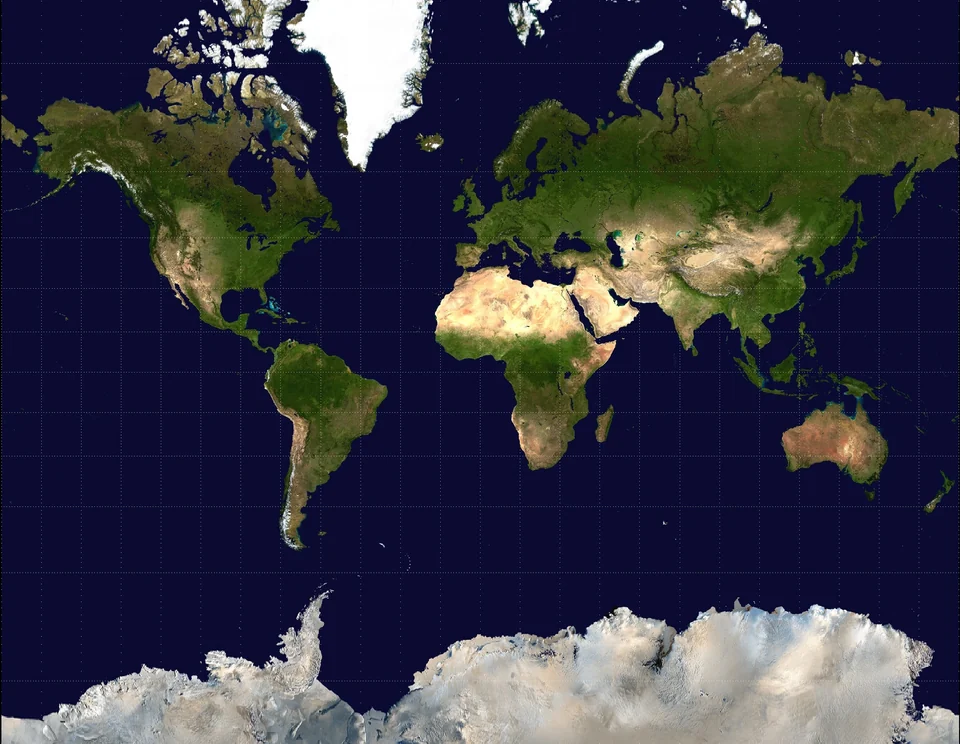



The Maldives is an island nation of 1,192 coral islands grouped into 26 atolls in the Indian Ocean, southwest of India and Sri Lanka. It is famous for overwater villas, powder-white sand and some of the clearest lagoons on the planet, but its real magic lies underwater, on reefs visited by manta rays, whale sharks and turtles.
It is also the lowest-lying country on Earth, with an average ground level of about 1.5 meters, which makes it both beautiful and fragile. This guide explains how the atolls work, how to choose between a resort and a local island, the best time to visit and the visa, tax and transfer details you need before you book.
Maldives Geography: Islands, Atolls and Reefs
An atoll is a ring of coral reef enclosing a lagoon, dotted with small sandy islands. The Maldives stretches across about 90,000 square kilometers of ocean, yet only around 298 square kilometers of that is dry land. For administration the 26 natural atolls are grouped into fewer divisions, each with a letter-and-name code you will see on maps.
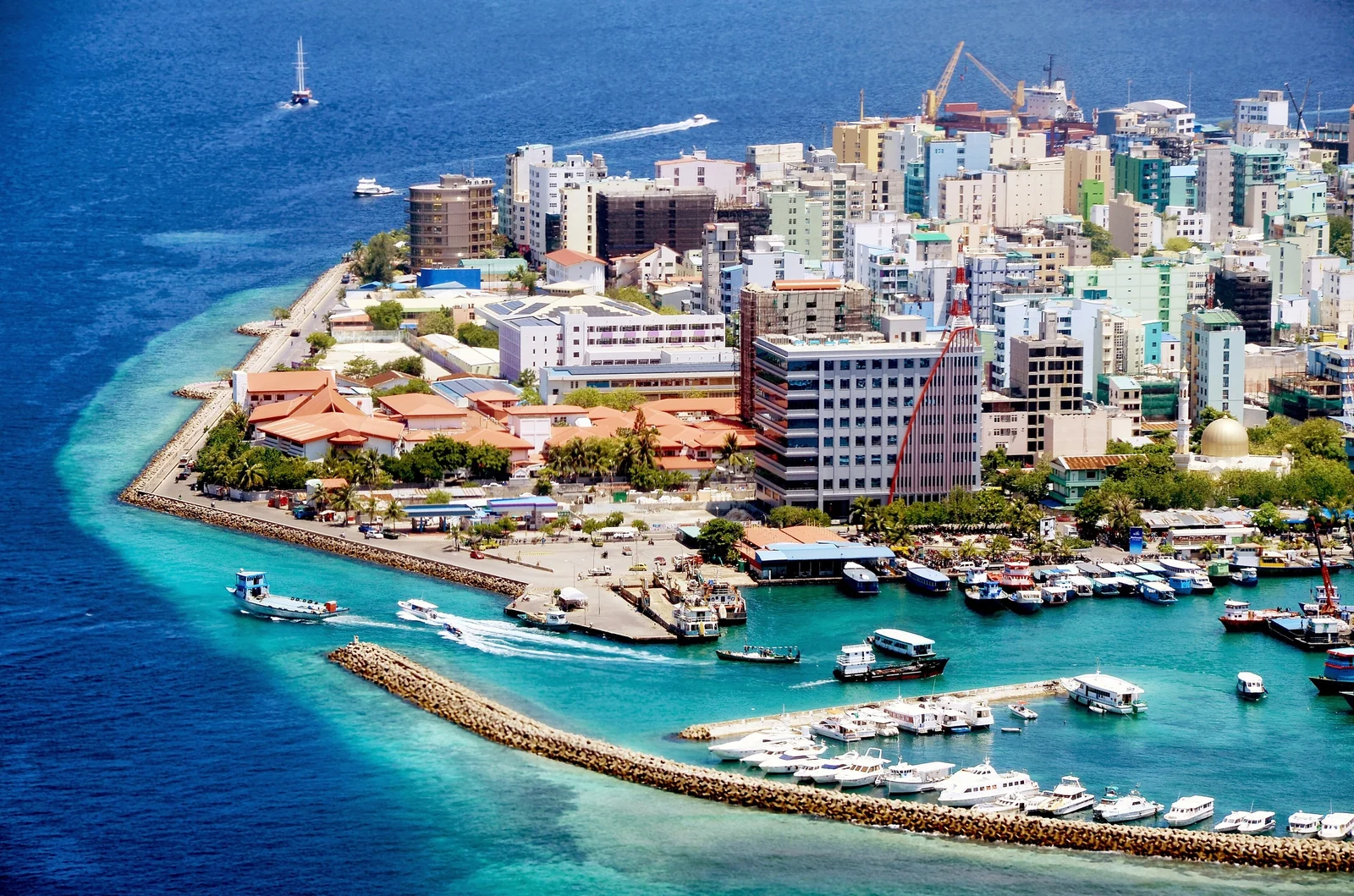
Around 200 islands are inhabited by Maldivians, while well over a hundred others are occupied by resorts, typically one resort per island. The capital, Malé, is one of the most densely populated cities in the world, its main island almost entirely covered by buildings, next to the airport island of Hulhulé.
Best Atolls to Visit in the Maldives
With so many islands, choosing an atoll is the first real decision. Each has a slightly different character, and distance from Malé determines how you get there.
North and South Malé atolls
Closest to the airport, these atolls are reachable by speedboat, often in under an hour. They have many resorts and most of the popular local islands for guesthouse stays, which makes them ideal for short trips or for travelers on a budget.
Ari Atoll
West of Malé, Ari Atoll is one of the most popular areas for diving and snorkeling. South Ari is known for encounters with whale sharks, which are seen there throughout the year, and there are several well-known manta cleaning stations. Most visitors arrive by seaplane or a longer speedboat ride.
Baa Atoll and Hanifaru Bay
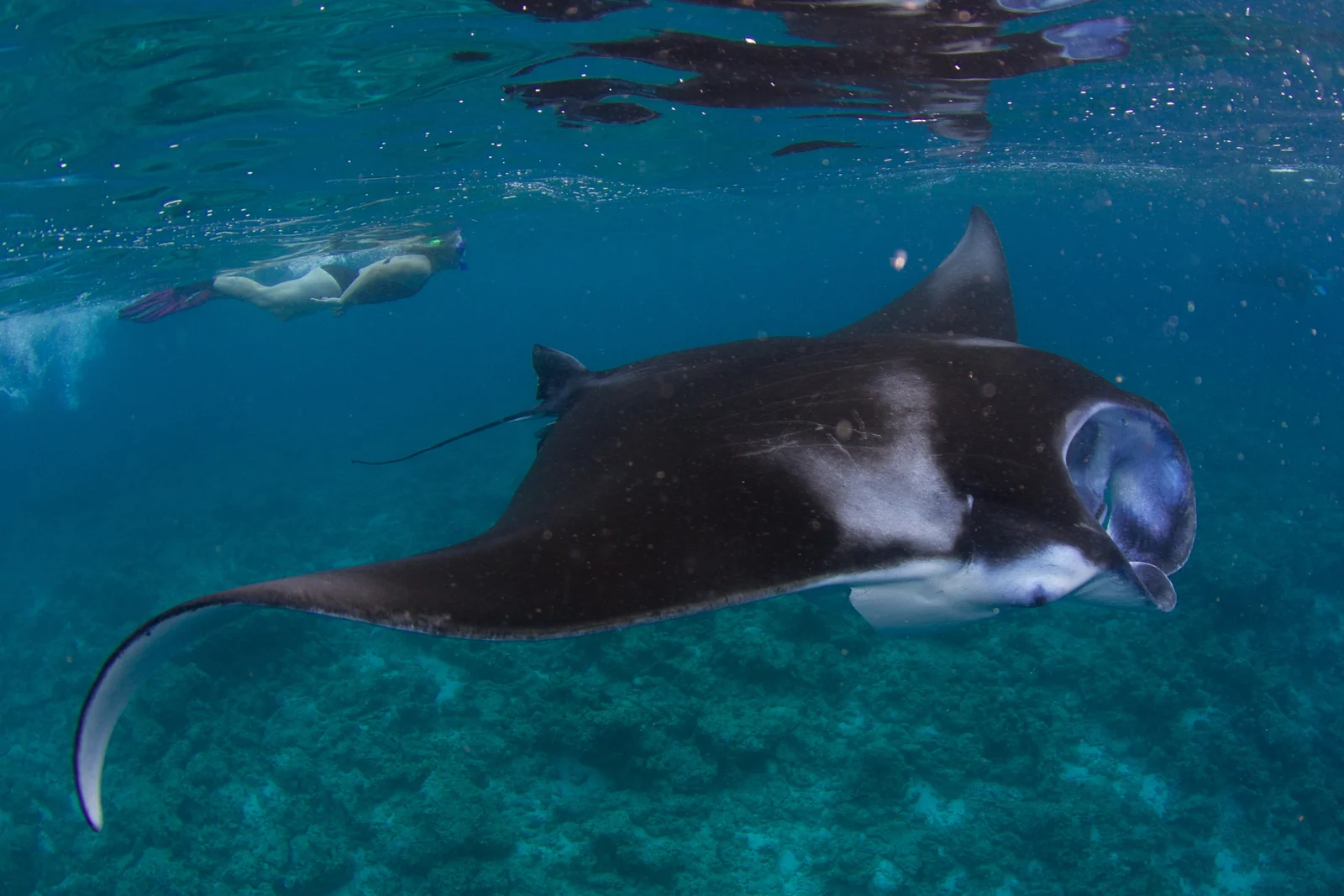
Baa Atoll was named a UNESCO Biosphere Reserve in 2011. Its Hanifaru Bay hosts one of the largest known manta ray feeding aggregations in the world during the southwest monsoon, roughly June to November, when plankton gathers in the bay. It is a protected area with snorkeling only, limited visitor numbers and licensed guides.
The far north and far south
Remote atolls such as Addu in the far south, just below the equator, and the northern atolls are reached by domestic flights. They offer quieter reefs and a stronger sense of isolation, at the cost of longer transfers.
Resorts vs Local Islands: Where to Stay
For decades tourists could stay only on resort islands. A change in regulations around 2009 allowed guesthouses on inhabited islands, opening the Maldives to independent and budget travelers. The two experiences are very different.
| Resort island | Local island guesthouse | |
|---|---|---|
| Setting | Private island, one property | Maldivian village with shops, mosque and school |
| Price level | Mid-range to very expensive | Generally much cheaper |
| Alcohol | Served at resorts | Not available; local laws follow Islam |
| Dress code | Relaxed, swimwear anywhere | Modest dress in the village; swimwear on designated bikini beaches |
| Getting there | Resort speedboat, seaplane or domestic flight | Public ferry, shared speedboat or domestic flight |
Many travelers mix both: a few nights on a local island to meet Maldivians and snorkel on day trips, then a splurge at a resort. Remember that Islam is the state religion, so respect local customs, especially during Ramadan.
Best Time to Visit the Maldives
The Maldives is warm all year, with two monsoon seasons that shape the weather and the wildlife.
| Season | Months | What to expect |
|---|---|---|
| Northeast monsoon (dry) | About December to April | Sunniest, calmest seas, clearest water; peak season and highest prices |
| Southwest monsoon (wet) | About May to November | More rain, wind and swell; lower prices, good surf, manta season in Baa Atoll |
The wet season rarely means constant rain; showers often come in short bursts. If you want calm water for snorkeling and photography, aim for January to April. If you want lower prices, surf or Hanifaru’s mantas, consider the southwest monsoon months.
Maldives Visa, Taxes and Transfers
Visa and entry rules
Tourists do not need to apply for a visa in advance. A free tourist visa of up to 30 days is issued on arrival, provided you hold a valid passport, a confirmed onward or return ticket, a confirmed booking at a registered property and enough funds for your stay. All travelers must also complete the online Traveller Declaration through the Maldives Immigration IMUGA portal within 96 hours before arrival. Since April 2025, entry is not granted on Israeli passports. Rules can change, so check the official site before you fly.
Tourist taxes
Room rates in the Maldives are usually quoted before taxes, which add up. Visitors pay a per-night Green Tax, which doubled in January 2025 to 12 US dollars per person per night at most resorts and hotels, with a lower rate for small guesthouses. A tourism goods and services tax and a service charge are added on top, and airport departure fees also apply. Confirm the all-in price before you book.
Getting to your island
International flights land at Velana International Airport on Hulhulé Island, next to Malé. From there you continue by speedboat, seaplane or domestic flight. Seaplanes fly only in daylight, so if you land late you may need a night near the airport before your transfer.
Climate Change and the Maldives’ Coral Reefs
With most land only a meter or two above the sea, the Maldives is on the front line of sea-level rise. Its reefs have also suffered major coral bleaching events, notably in 1998 and 2016, when marine heatwaves turned large areas of coral white. Some reefs have recovered well, others less so.
The country is responding with sea walls and land reclamation, including the artificial island of Hulhumalé, built higher than most natural islands. As a visitor you can help: use reef-safe sunscreen, never stand on or touch coral, choose operators that follow wildlife codes of conduct, and keep plastic use to a minimum. The same challenges face other atoll nations, as our guide to Tuvalu explains.
Tips for Your Maldives Trip
- Check the house reef. A resort with a good reef close to shore lets you snorkel every day without paying for boat trips.
- Compare meal plans. Resorts are isolated, so full-board or all-inclusive packages often work out cheaper than paying per meal.
- Time your flights. Arrive early enough for a same-day seaplane transfer, or plan a night near the airport.
- Bring cash for local islands. US dollars and Maldivian rufiyaa are useful for guesthouses, ferries and small shops.
- Protect your skin and eyes. The equatorial sun is intense, even on cloudy days.
Planning a wider island-hopping or reef trip? Compare the Maldives with the reefs in our guide to Queensland’s hidden gems, the Mediterranean in the best islands in Italy, or browse more Asia destinations.
Maldives FAQ
How many islands are in the Maldives?
The Maldives has 1,192 coral islands grouped into 26 natural atolls. Around 200 islands are inhabited by local communities, well over a hundred are resort islands, and the rest are uninhabited or used for industry and agriculture.
Do I need a visa for the Maldives?
Most visitors do not need to apply in advance. A free tourist visa for up to 30 days is issued on arrival if you have a valid passport, onward ticket, confirmed accommodation and sufficient funds. You must also complete the online IMUGA Traveller Declaration within 96 hours before arrival. Israeli passports are not accepted.
What is the best month to visit the Maldives?
February to April is often considered the best period, with dry weather, calm seas and excellent visibility. December and January are also dry but are the busiest and most expensive. May to November is wetter and cheaper and brings manta season in Baa Atoll.
Can you visit the Maldives on a budget?
Yes. Staying in guesthouses on local islands, using public ferries or shared speedboats and booking day trips locally can cost much less than a resort stay. Remember that alcohol is not available on local islands and that modest dress is expected outside designated bikini beaches.
Where can you see manta rays and whale sharks in the Maldives?
Hanifaru Bay in Baa Atoll is famous for large manta feeding aggregations, roughly June to November. South Ari Atoll is known for whale shark sightings throughout the year. Many other atolls have manta cleaning stations. Always follow your guide’s rules and keep your distance from wildlife.
Is the Maldives sinking?
The islands are not sinking, but the sea is rising around them. With an average elevation of about 1.5 meters, the Maldives is the lowest country in the world and highly exposed to sea-level rise, storm surges and coral loss. The government is building sea defenses and higher reclaimed land such as Hulhumalé.