Rome is the capital of Italy and one of the few cities where two thousand years of history sit on the same street corner as your morning espresso. The essentials are the Colosseum and Roman Forum, the Vatican with St Peter's and the Sistine Chapel, the Pantheon, and the lanes of Trastevere and the Jewish Ghetto, all reachable on foot or by a short metro or bus ride.
Three days is the realistic minimum for a first visit, and four is more comfortable. This Rome travel guide covers what each major site is actually like, how to book without getting stung, what to eat (and what to skip), a 3-day itinerary, three easy day trips, when to go and which neighborhood to sleep in. Rome also makes a strong start to a longer trip, so browse our Italy travel guides once you have your plan.
The Colosseum and the Roman Forum
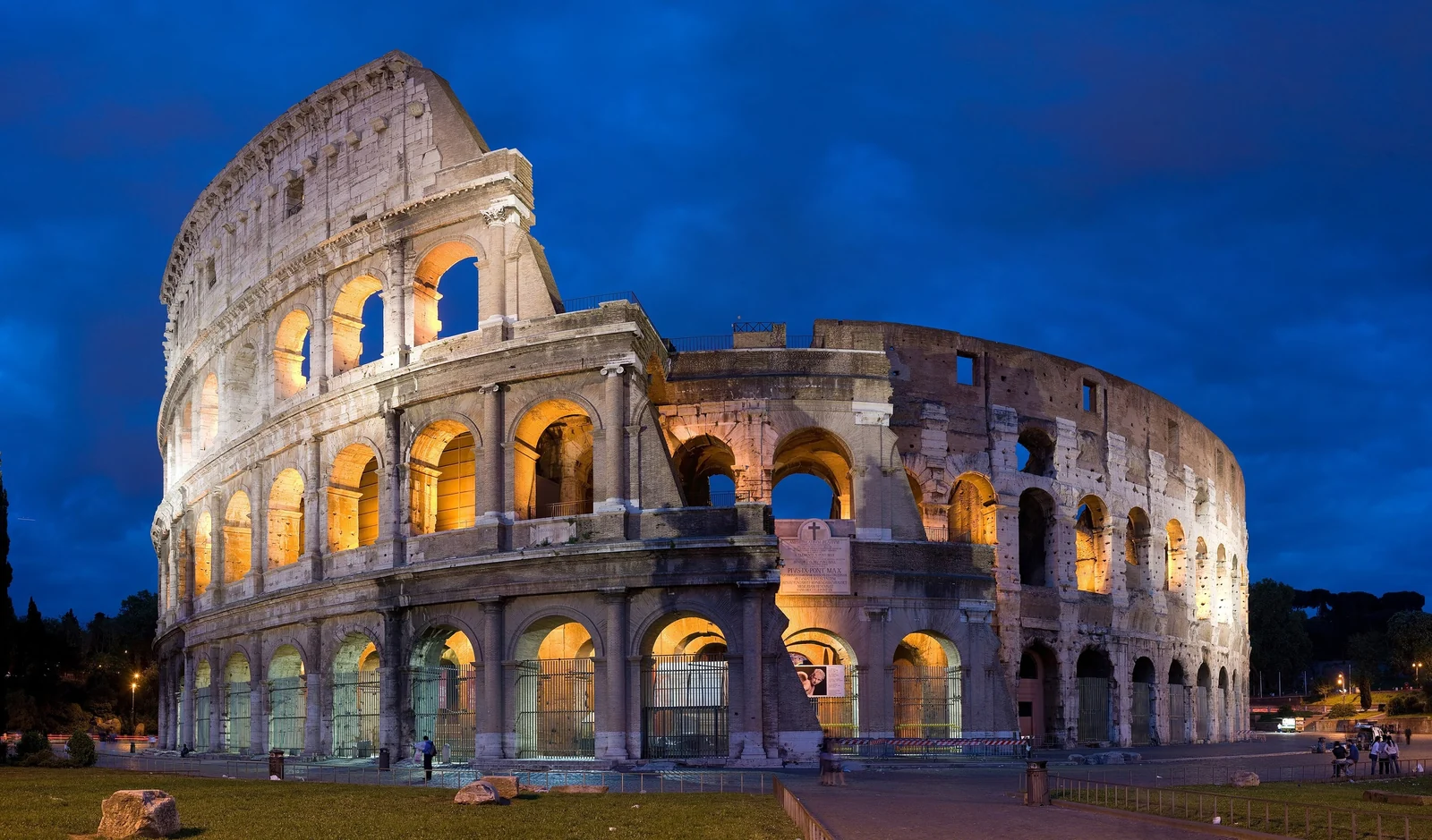
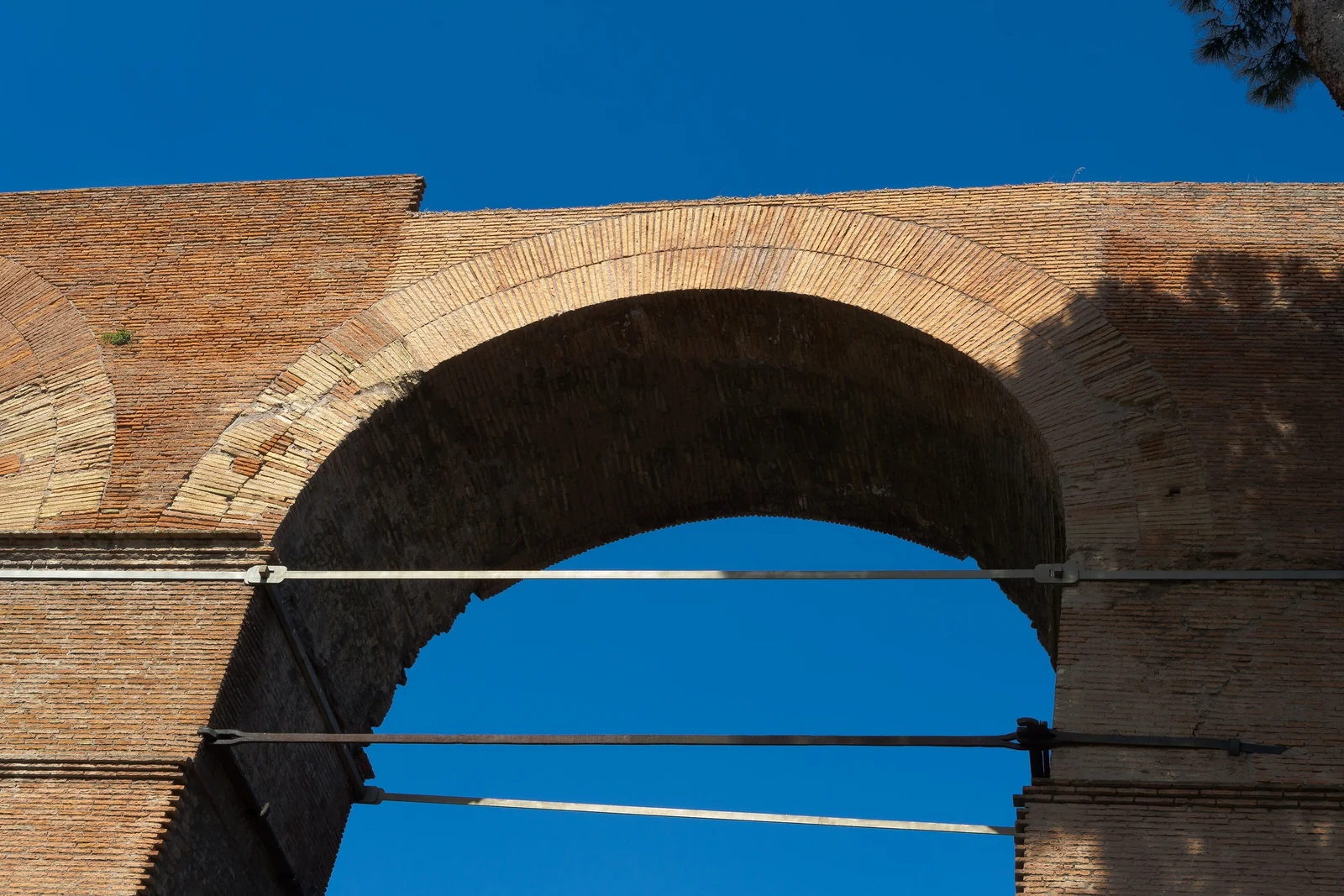
The Colosseum opened in AD 80 and could hold tens of thousands of spectators for gladiator fights and public spectacles. Even half-ruined, it is built on a scale that photos flatten. The outer wall is only part of the story: a ticket gets you onto the upper levels, and the exposed network of corridors beneath the arena floor shows where animals and machinery were kept.
Tickets are the first etiquette lesson of Rome. They are issued for a specific entry time, and the official ticketing site is the only place you should buy them; street resellers and look-alike websites charge a premium for the same thing. The Colosseum ticket normally covers the Roman Forum and Palatine Hill as well, but check the current terms, and any extra charge for the underground or upper tiers, on the official page.
Roman Forum and Palatine Hill
Walk the Via Sacra from the Arch of Titus and you are following the route of triumphal processions. The Forum was the political and religious center of the Roman world, but today it is a field of broken columns, so bring some context. Read a short guide beforehand or hire a licensed guide, because without explanation it can look like a very large pile of rubble.
Palatine Hill rises above it, with the remains of imperial palaces and good views back over the Forum. This is one of the most exposed areas of the city, with little shade, so go early in summer and carry water.
The Vatican: Museums, Sistine Chapel and St Peter's
Vatican City is a separate state, though you only notice the border as a change of uniforms. Two things draw visitors here: the Vatican Museums and St Peter's Basilica. Plan them as separate visits, because each one can swallow half a day.
Vatican Museums and the Sistine Chapel
The museums run for kilometers of galleries, and nearly everyone is funneled along the same route toward the Sistine Chapel, where Michelangelo painted the ceiling between 1508 and 1512 and the Last Judgment on the altar wall decades later. Silence and no photography are the rules inside, and attendants do enforce them. The Raphael Rooms, passed on the way, are the real reward for people who resist rushing.
Book timed entry online through the official Vatican Museums site. The museums are normally closed on Sundays, apart from a free-entry opening on the last Sunday of the month that draws huge crowds, so confirm days and hours before you plan around them. The first slot of the morning is quieter than anything after 10 a.m.
St Peter's Basilica and the Dome
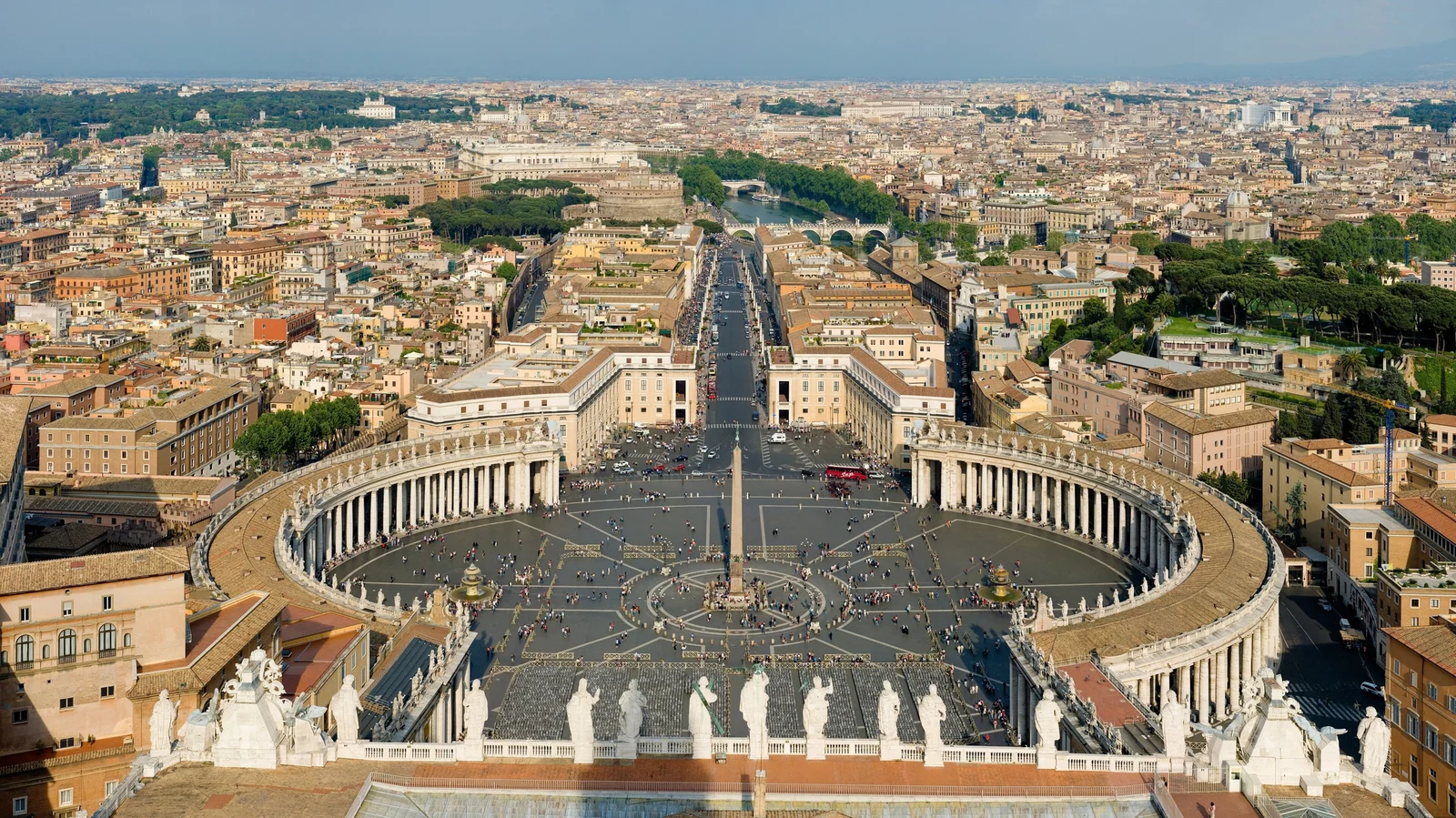
Entry to the basilica is free, but you will queue through security, and a strict dress code applies: shoulders and knees covered. Inside, look for Michelangelo's Pietà, near the entrance on the right, and Bernini's bronze canopy above the high altar. A separate ticket buys the climb up the dome, with a view over St Peter's Square; there is a lift for part of the way, but the final stretch is a narrow staircase.
The Pantheon and the Historic Center
The Pantheon is the best-preserved building of ancient Rome, and the one that most often surprises people. Hadrian's temple, completed in the 2nd century AD, has been in continuous use ever since, today as a church. Step under the portico and then look up: the unreinforced concrete dome is crowned by a single open oculus about nine meters across, and a circle of sunlight slides around the walls through the day. Rain falls in too, and drains away through the floor.
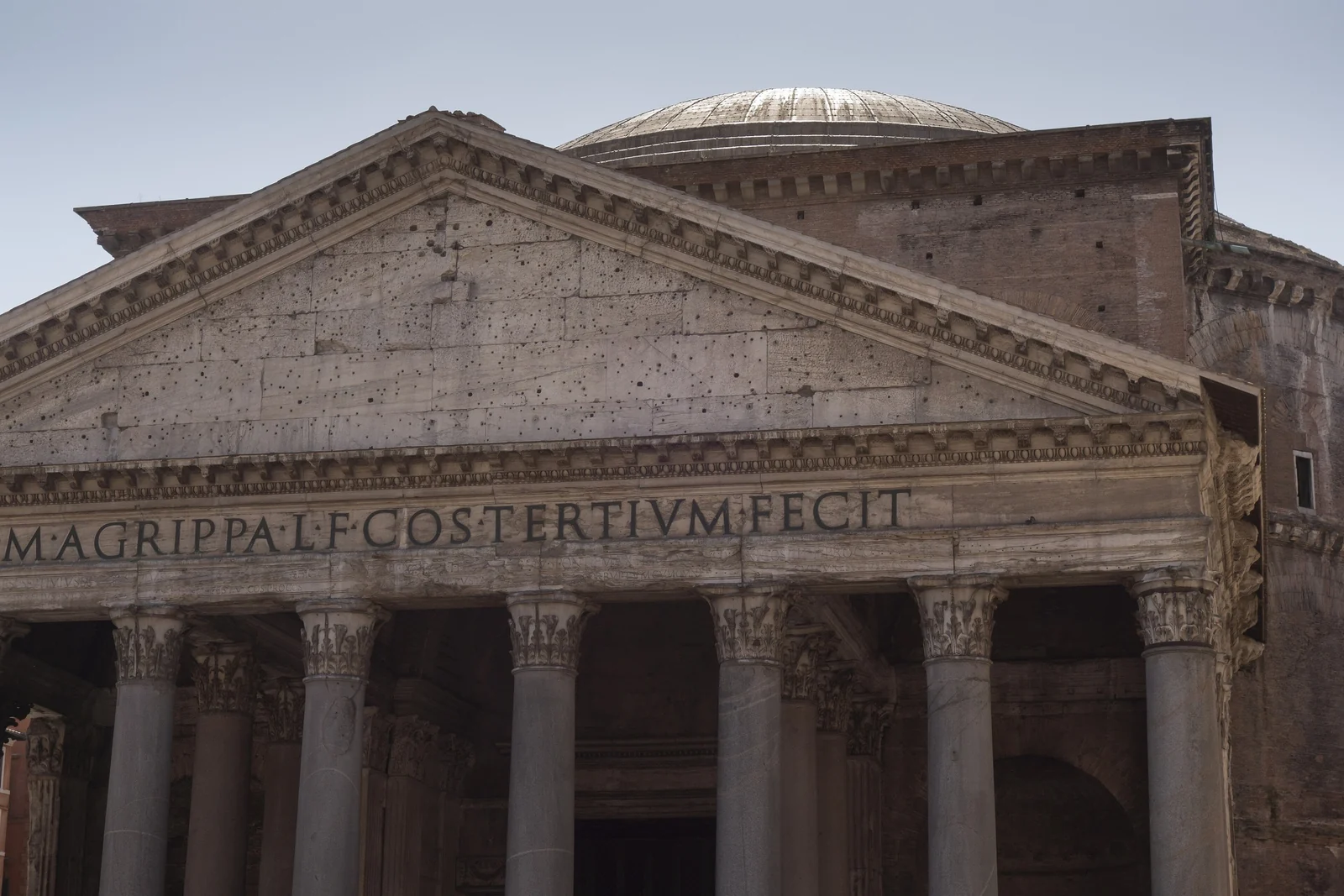
A ticket is now generally required to enter, so check the official booking details before you queue. The surrounding streets are good for wandering with no plan: Piazza Navona for its fountains, Campo de' Fiori for a morning market, and the narrow lanes in between for small trattorie and gelato shops. Be selective about restaurants right on the big squares, where menus in six languages are a bad sign.
Trastevere and the Jewish Ghetto
Trastevere
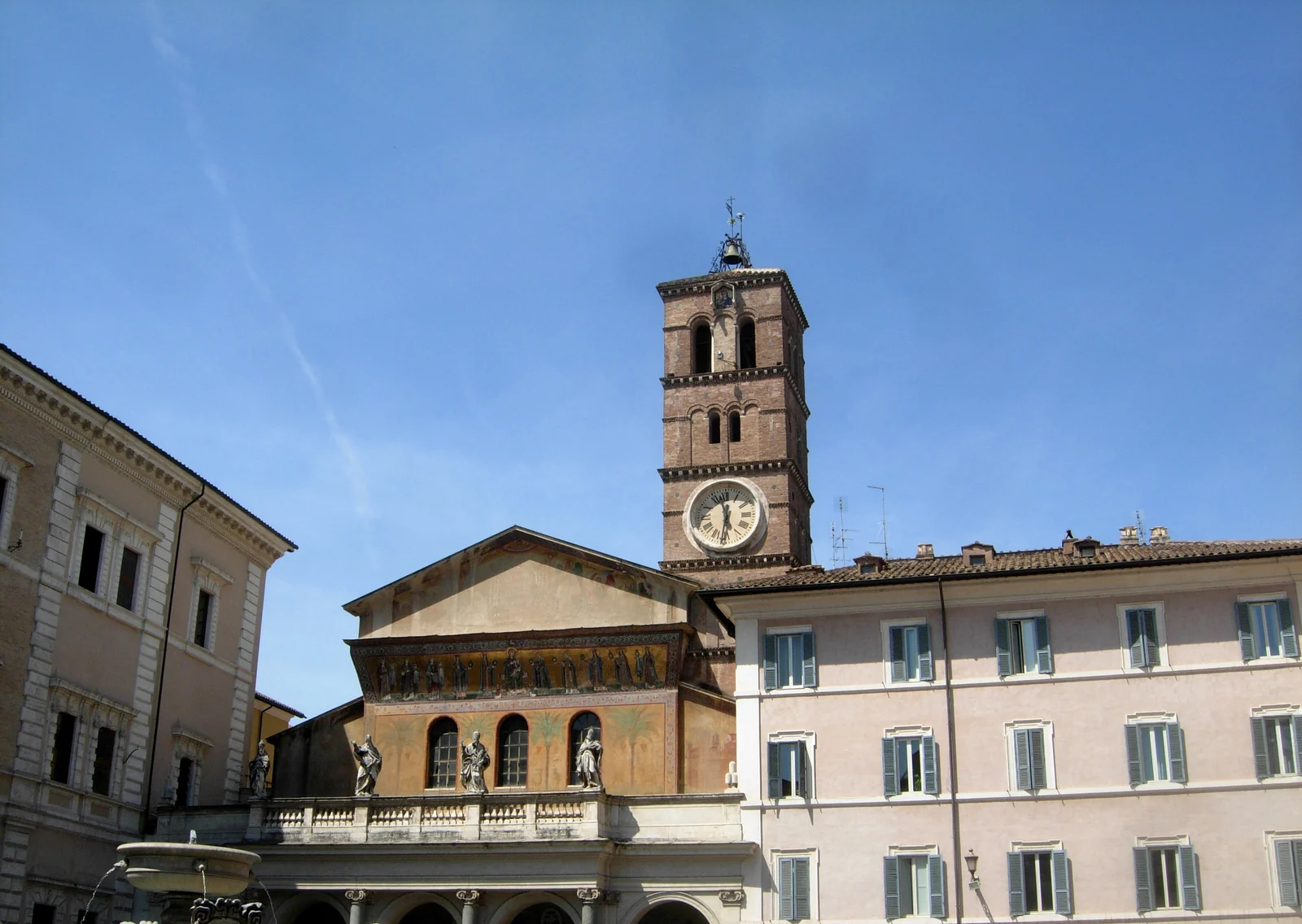
Across the Tiber, Trastevere is a tangle of ivy-covered lanes and small piazzas that most visitors head for in the evening. Start at Santa Maria in Trastevere, one of Rome's oldest churches dedicated to the Virgin Mary, with glittering medieval mosaics in the apse. Then wander the side streets, climb the Janiculum Hill for a wide view over the rooftops, and book a table for dinner. It gets loud and crowded at night, so a lunch visit is calmer.
The Jewish Ghetto
On the other bank, the Jewish Ghetto was established by papal decree in 1555 and enclosed Rome's Jewish community until the 19th century, though Jews have lived in Rome for over two thousand years, making it one of the oldest communities in Europe. Today it is a compact quarter around the Portico d'Ottavia, with the Great Synagogue and a museum nearby. Its kitchens gave Rome one of its signature dishes, carciofi alla giudia, deep-fried artichokes with a crisp, flower-like shape. Try them in artichoke season, in spring.
What to Eat in Rome: Carbonara, Cacio e Pepe and Supplì
Roman cooking is built from a short list of ingredients used with discipline. The famous pasta dishes are all about balance, and locals hold strong opinions about them. A few to look for:
- Carbonara: spaghetti or rigatoni with egg, pecorino romano, black pepper and cured pork cheek (guanciale). Authentic versions contain no cream.
- Cacio e pepe: pecorino and black pepper with pasta water, nothing else. Simple, and unforgiving when done badly.
- Amatriciana and gricia: relatives of carbonara, with tomato in the first and none in the second.
- Supplì: fried rice balls with a tomato ragù center and mozzarella that stretches into a string when you bite, hence the nickname supplì al telefono. A perfect street snack.
- Pizza al taglio and pizza romana: thick rectangular slices sold by weight, or a thin, crisp round pizza in a sit-down place.
- Carciofi alla romana and alla giudia: artichokes, braised in the first style and fried in the second.
A few restaurant habits help. A small coperto (cover charge) is common and legitimate, so check the menu for it. Lunch menus tend to be cheaper than dinner, and a place with photos of its dishes outside is rarely where Romans eat. For coffee, stand at the bar like everyone else; it is cheaper than sitting down. Drinking fountains called nasoni around the city give free water.
A 3-Day Rome Itinerary
Day 1: Ancient Rome
Book the first Colosseum slot and spend the morning there, then walk through the Forum and up Palatine Hill. Eat lunch in Monti, a short walk away, and cross the center in the afternoon to the Pantheon and Piazza Navona. Finish with dinner in the Jewish Ghetto.
Day 2: The Vatican
Take the earliest Vatican Museums slot, give the museums about three hours and finish in the Sistine Chapel. After lunch in the nearby Prati district, queue for St Peter's Basilica and decide whether to climb the dome. In the evening, cross the river to Trastevere and head up the Janiculum for sunset.
Day 3: Slow Rome
Use the last day for what you missed or want more of. Good options are Villa Borghese and its gallery (reserve ahead, since entry is by timed ticket) or the Capitoline Museums on the hill above the Forum. Spend the late afternoon strolling and eating well, and leave the Trevi Fountain for early morning or late evening, when you can see it without the full midday crowd.
Day Trips from Rome
| Destination | How to get there | Approx. travel time | Best for |
|---|---|---|---|
| Ostia Antica | Metro B to Piramide, then the Roma-Lido train | About 40 to 50 minutes | Ancient port city, fewer crowds |
| Tivoli | Regional train or bus from Rome | About 1 hour | Villa d'Este fountains, Hadrian's Villa |
| Castelli Romani | Regional train from Termini to Frascati | About 30 to 45 minutes | Hill towns, wine, lake views |
Ostia Antica
Rome's ancient seaport is far better preserved than most visitors expect, with apartment blocks, bakeries, a theater and mosaics that give a real sense of everyday Roman life. It is a much quieter experience than the Forum, and the extensive site takes a good half day. Wear comfortable shoes and bring water.
Tivoli
Tivoli is the right choice for gardens and architecture. Villa d'Este, a Renaissance villa with terraced gardens and hundreds of fountains, was added to the UNESCO list in 2001, and Hadrian's Villa, the emperor's vast countryside retreat, in 1999. Seeing both in one day is possible but tiring; if you only have time for one, many travelers prefer Hadrian's Villa for its scale and quiet.
Castelli Romani
The Alban Hills southeast of Rome are where the city goes for weekend lunches. Frascati is the easiest to reach by train and is known for its white wine and porchetta, while Castel Gandolfo sits above Lake Albano. It is a relaxed way to see a calmer side of Lazio, especially in the heat of summer.
Getting Around Rome and Where to Stay
Getting around
The historic center is compact, and walking will be your main transport, though the cobblestones are hard on thin soles. Rome's metro has lines A, B and C, and it is useful for the Vatican area, the Colosseum and Termini, but it does not reach the Pantheon or Trastevere, where trams and buses fill in. Keep a close watch on your pockets on crowded buses and around Termini station. Fiumicino airport connects to Termini by the dedicated Leonardo Express train; check current fares and timetables on the official Roma tourism site.
Where to stay
- Centro Storico: the Pantheon and Piazza Navona area. Atmospheric, walkable to almost everything, and the priciest option.
- Monti: a village-like neighborhood by the Forum, with wine bars and small shops, convenient for ancient sites.
- Trastevere: best for evening atmosphere, but noisy on weekends and a bit farther from the Colosseum.
- Prati: near the Vatican, more residential and good value, with plenty of restaurants that locals actually use.
- Termini area: practical for trains and the airport link, though less pleasant at night. Choose your block carefully.
When to Go and Ticket Etiquette
Spring and autumn are best: April to early June and September to October give comfortable temperatures for long days of walking. July and August are hot, with crowds at the main sights, and many locals leave the city around mid-August, so some smaller restaurants close. Winter is quieter and cheaper, with short days and some rain, but December has a good atmosphere and fewer people at the big sites.
The same rules apply everywhere. Book the Colosseum and Vatican Museums online, well before your visit, using the official sites only. Carry photo ID in case named tickets are checked. Dress for churches with covered shoulders and knees. Do not sit on monuments, the Spanish Steps or fountain edges, where fines are real. Choose the first and last slots of the day, and build in breaks, since Rome rewards a slow pace much more than a checklist. For more of the country, see our guides to the islands of Italy, Puglia and Matera, or the wider list of European destinations.
Rome Travel FAQ
How many days do you need in Rome?
Three days cover the Colosseum and Forum, the Vatican, the Pantheon and an evening each in Trastevere and the Jewish Ghetto. Add a fourth day for a trip to Ostia Antica or Tivoli, or simply to slow down.
Do you need to book the Colosseum and Vatican Museums in advance?
Yes. Both use timed entry and sell out at busy times. Buy only from the official sites, since resellers add a markup for the same tickets, and pick the first slot of the day for the smallest crowds.
What is the dress code for St Peter's Basilica?
Shoulders and knees must be covered for men and women, and you can be refused at the door. A light scarf or a pair of lightweight trousers solves the problem in summer.
What is the best time of year to visit Rome?
April to early June and September to October offer mild weather and manageable crowds. Summer is hot and busy, while winter is quieter and cheaper but has short days and a higher chance of rain.
Is Rome easy to get around without a car?
Yes, and a car is a hindrance. The center is walkable, the metro covers Termini, the Colosseum and the Vatican area, and buses and trams fill the gaps. Much of the center has restricted traffic zones for cars.
What is the difference between carbonara and cacio e pepe?
Carbonara combines egg, pecorino, black pepper and guanciale, the cured pork cheek. Cacio e pepe has no egg or meat, just pecorino, black pepper and pasta water whisked into a creamy sauce.
Can you visit Ostia Antica as a day trip?
Yes. Take Metro B to Piramide and change to the Roma-Lido train to Ostia Antica, which takes under an hour from the center. The site is large, so allow at least half a day and bring water.