The Pamukkale and Hierapolis guide in one line: Pamukkale is a hillside of white travertine terraces in Denizli Province, western Türkiye, and Hierapolis is the Greek and Roman spa city built on top of it. UNESCO listed the two together in 1988, and for good reason. You walk up a shining white slope, then step straight into a ruined city with a theater, a huge necropolis and a pool full of fallen columns.
Most visitors give it half a day, and that is usually enough. This guide covers how the terraces formed, the barefoot rule, what to see in the ancient city, how to get there, and how long to spend. If you are building a wider Türkiye route, it pairs well with Cappadocia and Istanbul.
What Are the Pamukkale Travertine Terraces?
The name means "cotton castle" in Turkish, and from the valley below the slope does look like a frozen cascade. The white material is travertine, a sedimentary rock. Hot, mineral-rich spring water, saturated with calcium carbonate, flows down the hillside. As it cools and releases carbon dioxide, the calcium carbonate settles out and hardens, building up shallow basins and ledges layer by layer.
The formation is roughly 2,700 meters long and 160 meters high, fed by about 17 hot springs. It can be seen from the town of Denizli, about 20 kilometers away, on a clear day. The water is warm rather than hot, and the pools take on a pale blue-green tint in good light.
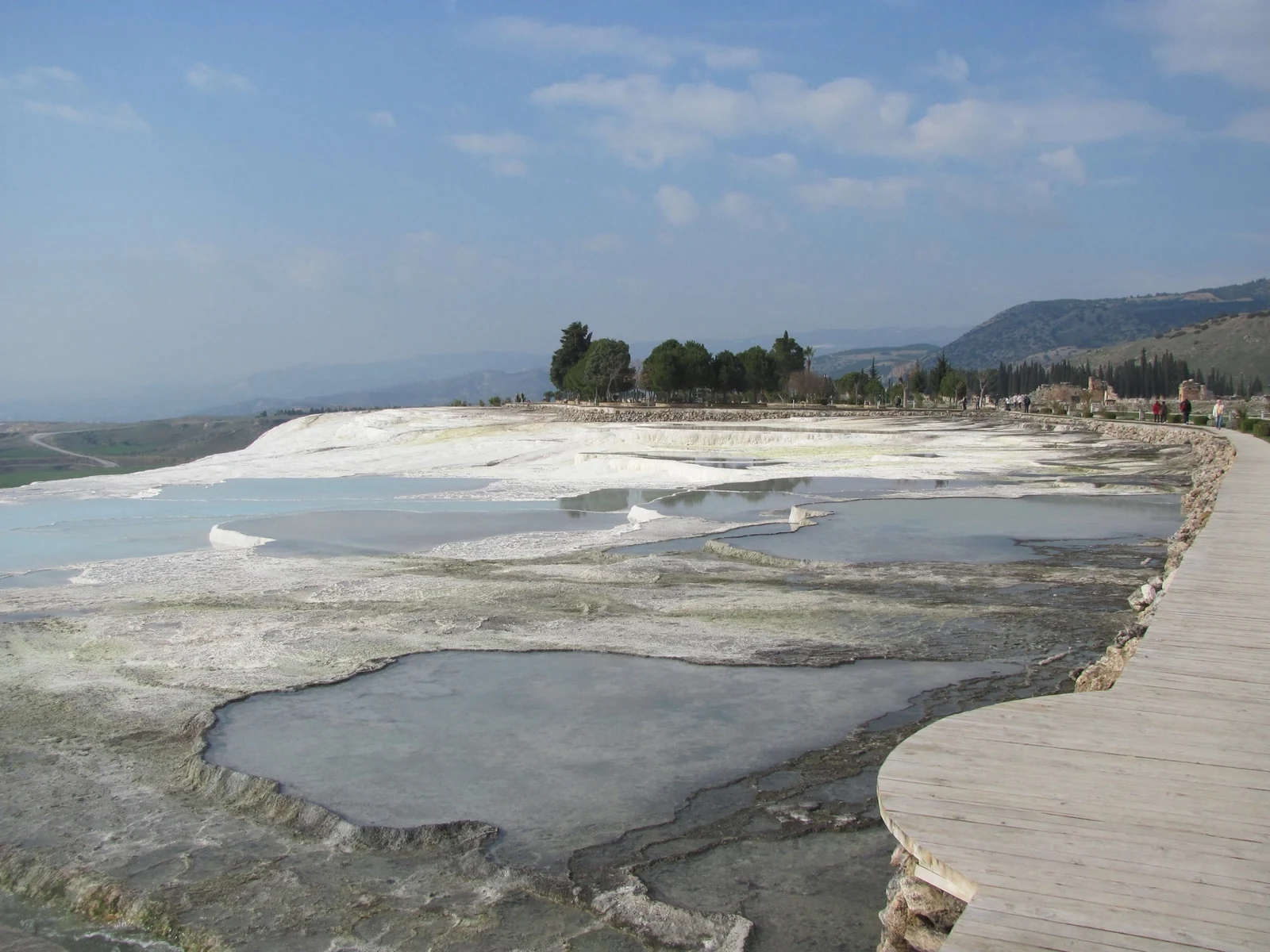
One thing to know before you arrive: the terraces are not always dazzling white and full of water. Flow is regulated and sections are rested so the travertine can recover, so what you see depends on the day and the area open. Treat the photos you have seen as a best case, not a promise.
UNESCO Status and Why the Site Is Protected
Pamukkale and Hierapolis were inscribed on the UNESCO World Heritage List in 1988 as a mixed site, recognized for both natural and cultural value. That combination is unusual, and it explains the rules. The travertine is fragile, the ruins are old, and more than two million people are commonly cited as visiting each year.
In the past, hotels were built directly on the terraces, which damaged them. The management approach now is about limiting where people walk and how the water is directed. That is the background to the rules below.
Walking the Travertines Barefoot
If you searched for "Pamukkale travertines walk barefoot," the short answer is yes: shoes come off on the terraces. The surface is rough, wet and sometimes slippery, and shoes would scar the soft white crust. Staff and signs enforce it, so do not argue.
- Carry your shoes in a small bag. A backpack with a side pocket works well.
- Walk slowly. Wet travertine is slick, and the stretches with warm water running over them are the trickiest.
- Stay on the marked route. Only some terraces are open, and roped-off areas are closed on purpose.
- Wear sunglasses. The white surface reflects strongly, especially in the middle of the day.
- Keep a towel or spare socks for your feet. The ground beyond the terraces is hot and dusty in summer.
- Check the current rules on arrival. Which sections are open, and where you can paddle, can change.
Expect the barefoot section to feel shorter than the photos suggest. It is a pleasant wade through warm shallow water, not a long hike, and most people need roughly 30 to 45 minutes for it, including photo stops.
Hierapolis: What to See in the Ancient City
Hierapolis was founded as a thermal spa in the 2nd century BC and grew into a wealthy town known for its hot springs and its wool and dye trade. Major earthquakes struck in AD 17 and AD 60, and the city was rebuilt in Roman style each time. It was also the birthplace of the Stoic philosopher Epictetus. The site is large and spread along a ridge, so plan to walk and bring water.
The Roman theater
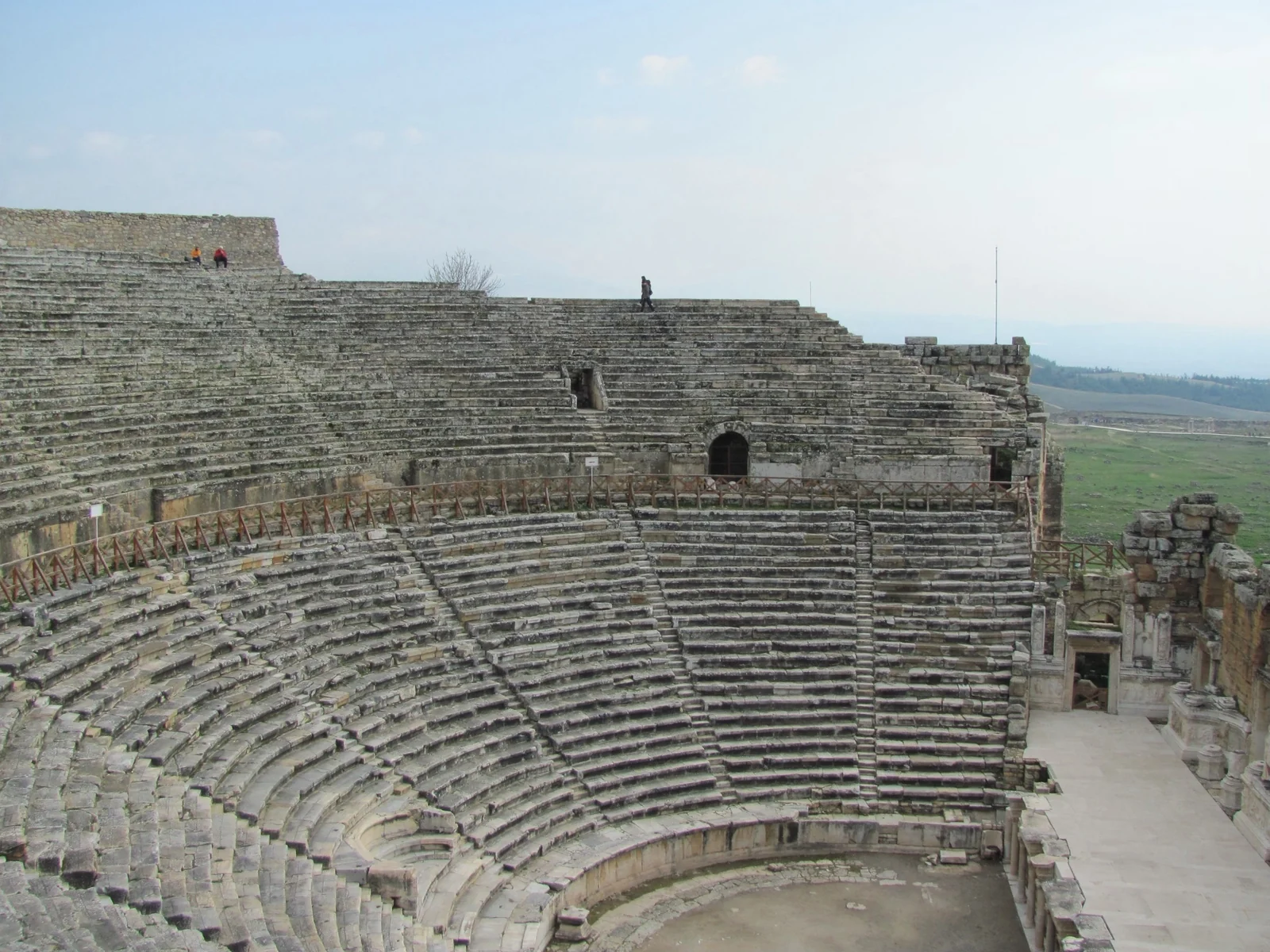
The theater is the highlight inside the ruins. It dates to the Roman period, with a facade about 91 meters long, and once seated roughly 15,000 people. It was restored over several years, and you can climb the seating for a view across the valley. It is also the easiest place to sit down and rest.
The Necropolis
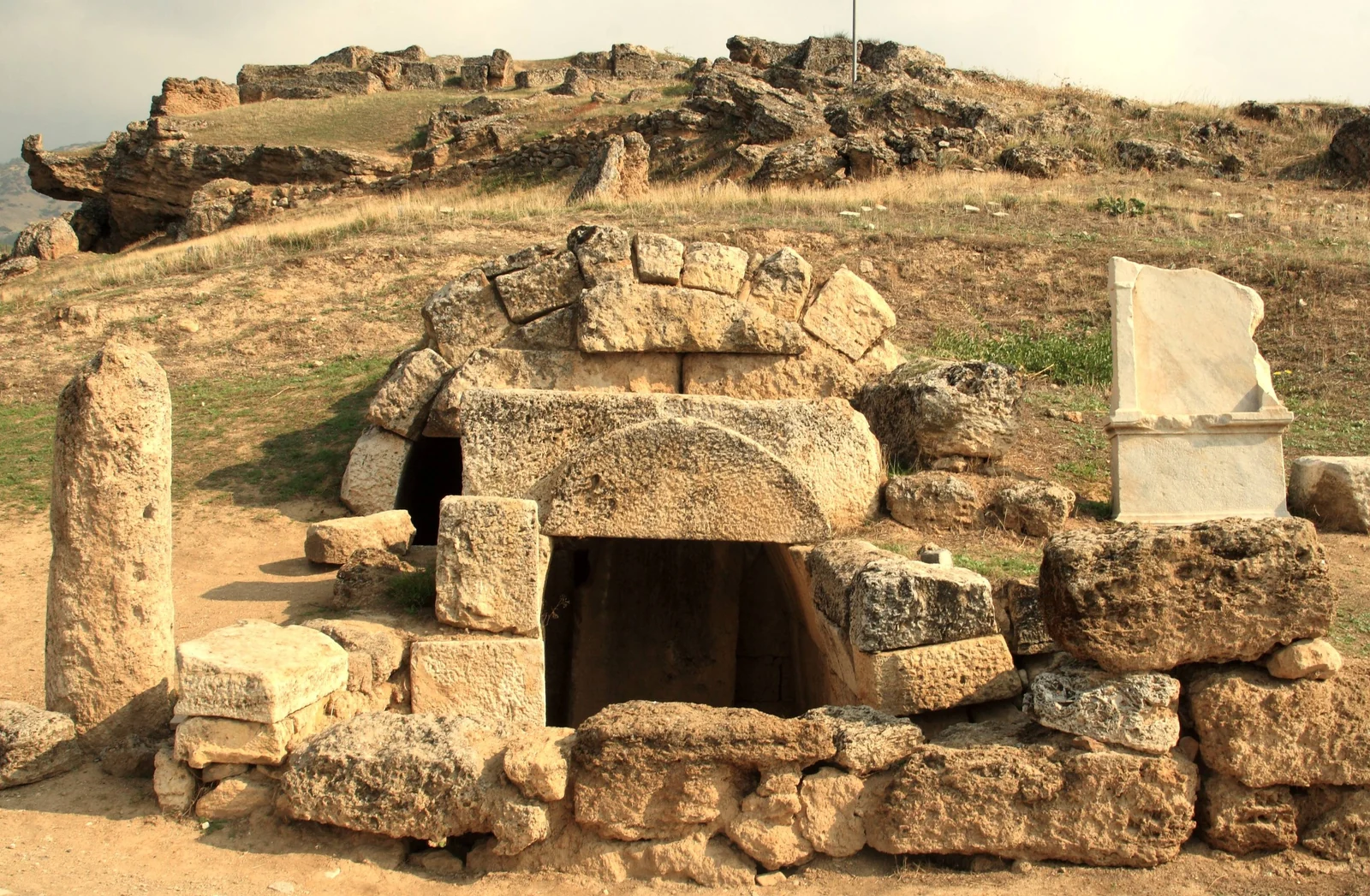
The Necropolis stretches for about two kilometers along the old roads toward Sardis and Laodicea and holds roughly 1,200 tombs. It is among the best-preserved burial grounds in Türkiye. You will see tombs shaped like houses, vaulted chambers and large stone sarcophagi, scattered over open hillside. It is quiet, often nearly empty, and worth the extra walk.
The Plutonium and the sacred sites
The Plutonium was a small cave shrine to Pluto, god of the underworld. Ancient writers said it gave off deadly gas, and the volcanic carbon dioxide is real. Priests of Cybele were said to enter unharmed. Today it is an archaeological spot to look at from a marked distance, not somewhere to linger. Follow the barriers and signs.
Also look for the Martyrium of St. Philip, an octagonal Christian church complex from the 5th century on a hill outside the northeastern walls, and the Frontinus Gate, the monumental gateway on the city's old main street.
The Antique Pool (Cleopatra's Pool)
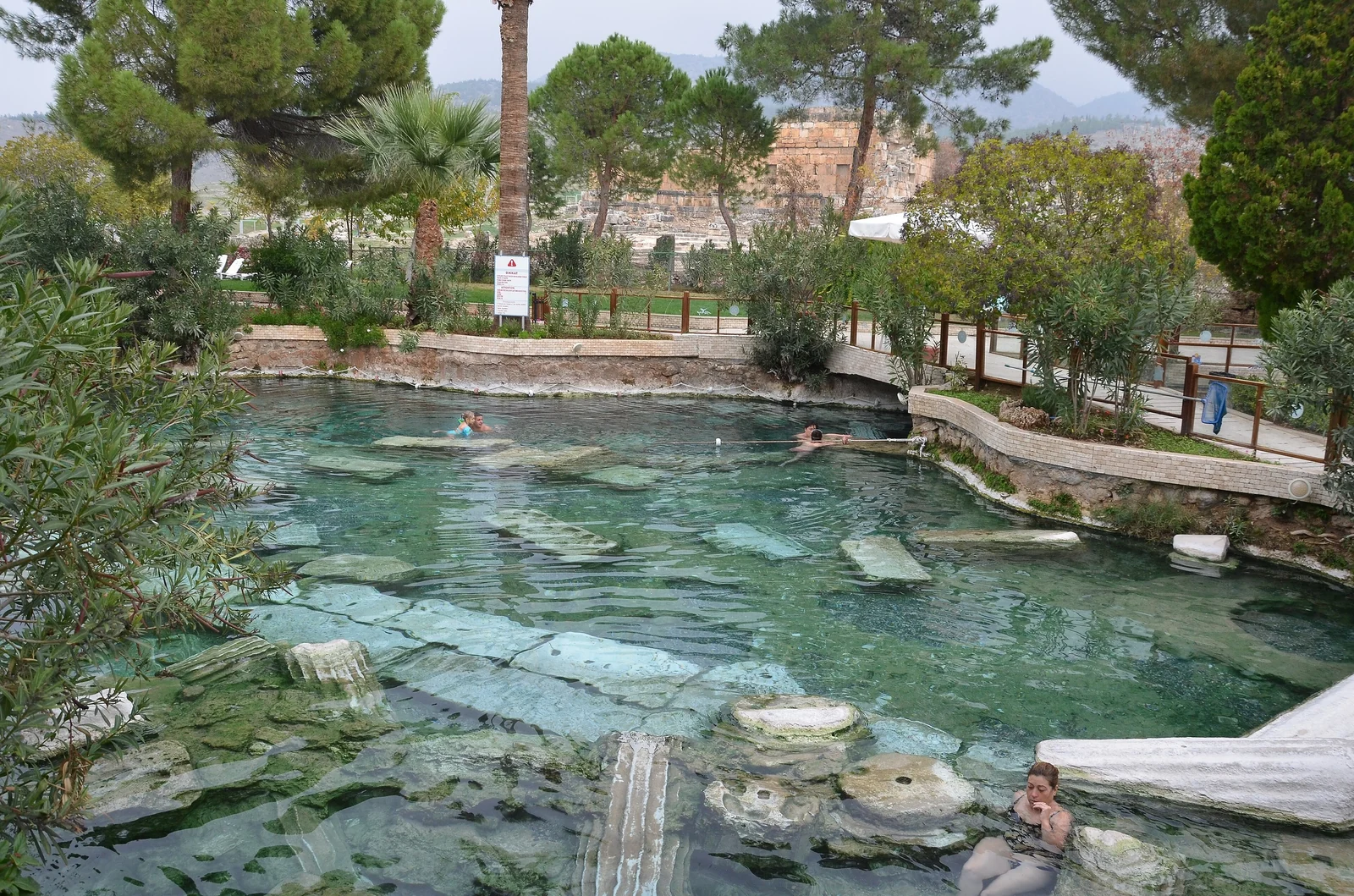
Searches for the Cleopatra Antique Pool at Pamukkale bring up the same photo each time: warm, clear water with marble columns lying on the bottom. The pool sits inside the Hierapolis site and is fed by a thermal spring. Its present look comes from a 7th-century earthquake, which dropped part of a marble portico into the spring.
Despite the popular name, there is no reliable link to Queen Cleopatra, so treat that as marketing rather than history. Swimming here is a separate paid activity from the main site ticket. Prices and conditions change, so check the amount and whether the pool is open on the official site or at the gate. Bring a swimsuit and a towel, and know that the bottom is uneven and the stone columns can be slippery.
Hierapolis Archaeology Museum and Nearby Laodicea
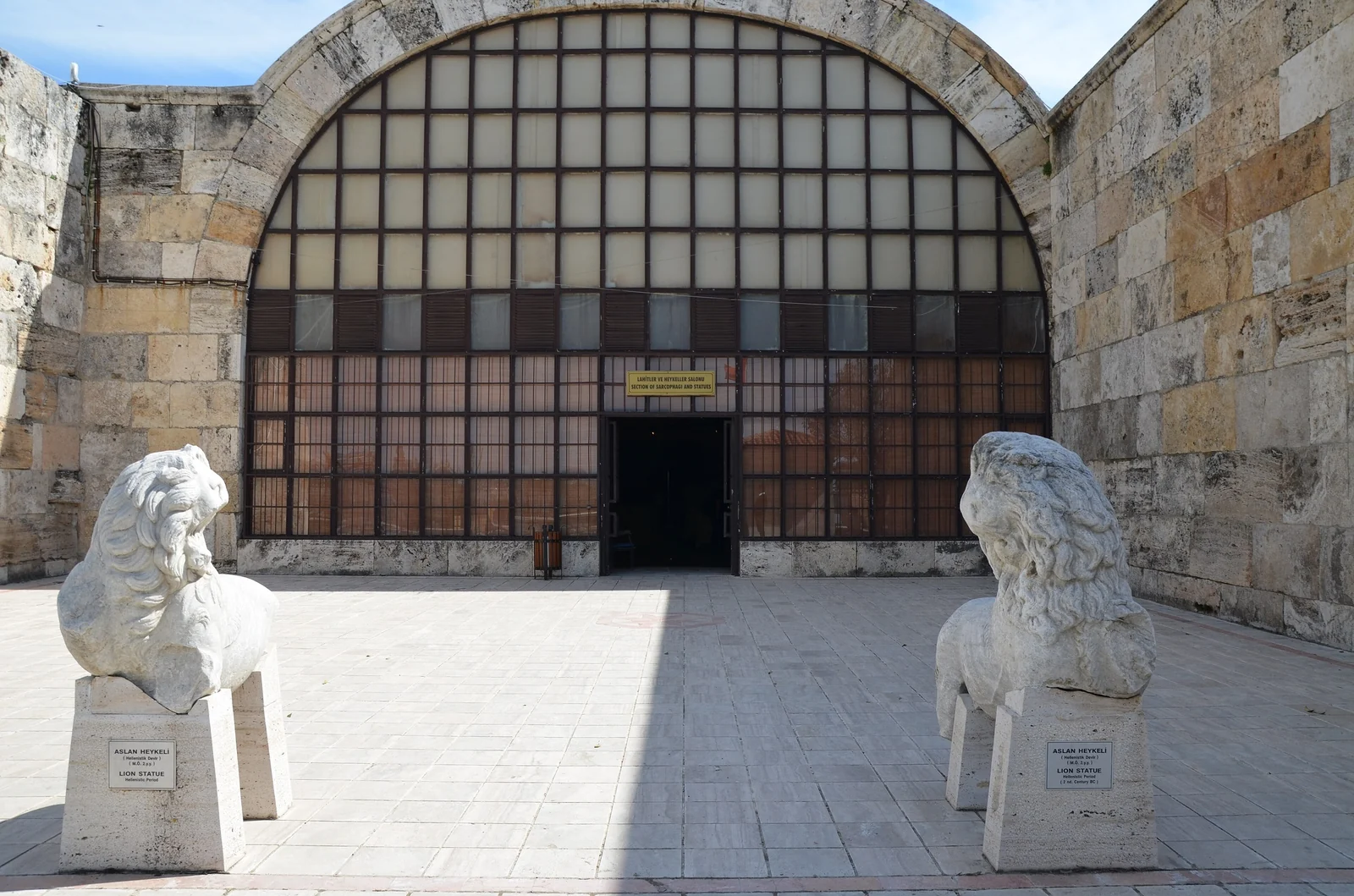
The Hierapolis Archaeology Museum has been housed in the old Roman baths since 1984. It is small, cool and calm, which makes it a good midday break from the sun. The collection includes sarcophagi, statues and reliefs, with finds from Hierapolis and from other towns of the Lycus valley, including Laodicea. Entry has usually been included with the main site ticket, but confirm that when you buy.
Laodicea on the Lycus is a short drive from Pamukkale and lies across the valley from Hierapolis. It was a wealthy neighboring city, and excavation and restoration have been steadily bringing more of it into view, including church ruins. If you have a rental car or a driver and an extra hour or two, it adds depth. Without a vehicle, it is easy to skip.
Entrances, Tickets and Thermal Pool Fees
There are two main ways in. The lower entrance is in Pamukkale village, at the bottom of the slope, and takes you up the terraces and into Hierapolis from below. The upper entrance is at the top by the ancient city, which suits a downhill walk or a shorter visit. Pick based on where you are staying and how much climbing you want.
A single ticket generally covers the travertines and the ruins, and usually the museum. The Antique Pool is extra. Fees change often and differ for foreign visitors, so I will not quote numbers here. Use the official Turkish museums portal or the gate for current prices and opening hours, and the Go Türkiye portal for general trip planning.
Best Time to Visit and How Long to Spend
For anyone asking how long to spend in Pamukkale, here is the realistic answer by trip style.
| Plan | Time on site | Best for |
|---|---|---|
| Quick stop | 2 to 3 hours | Terraces, theater and a photo of the pools |
| Half day | 4 to 5 hours | Terraces, theater, Necropolis, museum, a swim |
| Full day | 6 to 8 hours | Everything above plus Laodicea at a slow pace |
| Overnight | Evening and morning | Sunset light, quieter paths, no rushing |
Timing matters more than most people expect. Midday in summer is hot, the white surface is glaring, and the main paths are at their busiest. Late afternoon into sunset is the best light on the terraces, and early morning is the quietest. Spring and autumn are the most comfortable seasons for walking the ruins.
A day trip works if you have limited time, but an overnight lets you see the terraces at sunset and again early without the crowds from tour buses. I would choose the overnight if you can spare it.
Getting to Pamukkale
The gateway city is Denizli, and Pamukkale is a short ride from it. The nearest airport is Denizli Çardak Airport, with flights from Istanbul. From the airport, a shuttle, transfer or taxi is the usual way to reach Pamukkale, and the drive is roughly an hour. Do not count on public transport from the airport.
By road, intercity buses run to Denizli from many cities, including Izmir and Antalya. From the Denizli bus terminal, minibuses (dolmuş) go to Pamukkale village. Coming from Kuşadası or the Aegean coast, you will usually reach Denizli by bus, often with a change, so ask the operator about the best connection. Travel times and schedules vary, so check them before you book. If you drive, Pamukkale is easy to reach from Denizli and has parking near the entrances.
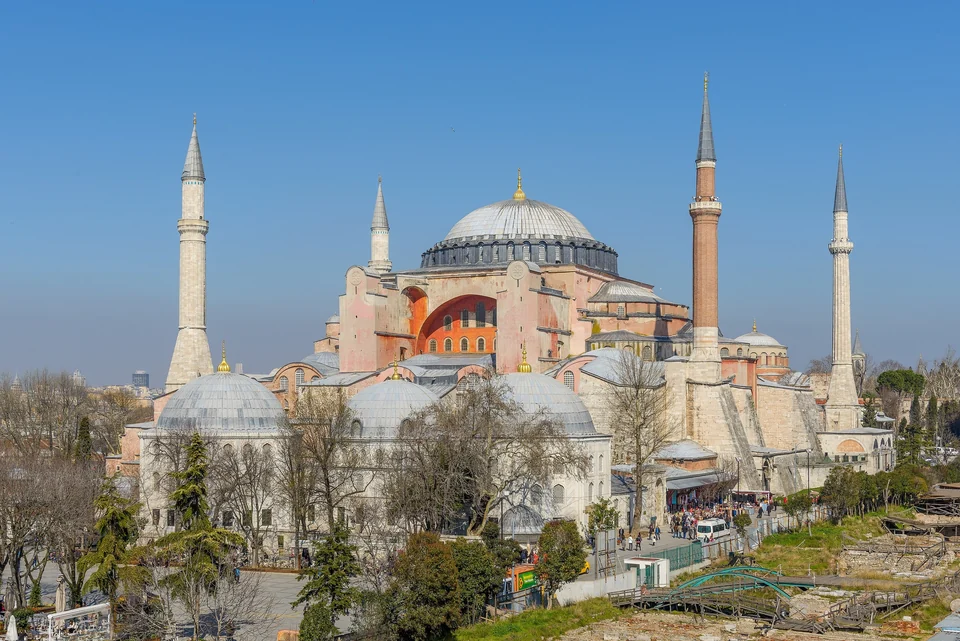
Pamukkale is far from the other big highlights in the country. If you are connecting it with Hagia Sophia in Istanbul, a flight to Denizli saves a long day on the road. For another city built around hot water, see our Budapest thermal baths guide.
Practical Tips Before You Go
- Bring a hat, sunscreen and a refillable water bottle. Shade is limited on the upper site.
- Wear sturdy sandals or shoes for Hierapolis, since you will carry them on the terraces.
- Pack a swimsuit and a quick-dry towel if you plan to use the Antique Pool.
- Keep bags light and waterproof if you plan to wade, because the stones are wet.
- Do not take rock or travertine as souvenirs. It is damaging and not allowed.
- Allow extra time at the theater and Necropolis, which are farther from the gates than they look.
Pamukkale and Hierapolis FAQ
How long should you spend in Pamukkale?
Half a day is enough for the terraces, theater, Necropolis and museum. Add a couple of hours if you want a swim and a slow pace, or stay overnight for sunset and a quiet morning. A quick stop of 2 to 3 hours covers only the highlights.
Do you have to walk barefoot on the Pamukkale terraces?
Yes. Shoes are not allowed on the travertine, to protect the surface and for safety on wet stone. Carry them in a bag. You can wear them again once you are off the terraces and exploring the Hierapolis ruins.
What is the Cleopatra Antique Pool at Pamukkale?
It is a warm thermal pool inside Hierapolis, full of marble columns that fell into the spring during an earthquake. It is also called the Antique Pool. Swimming costs extra on top of the main ticket, so check current fees and opening on site.
Is Pamukkale a UNESCO World Heritage Site?
Yes. Pamukkale and Hierapolis were listed together by UNESCO in 1988 as a mixed natural and cultural site. The listing covers the travertine terraces and the ancient city built beside and above them.
When is the best time of day to visit Pamukkale?
Late afternoon through sunset gives the softest light and cooler air, and early morning is the quietest. Midday in summer is hot and bright, with the biggest crowds, so use that time for the museum or a lunch break.
Can you visit Pamukkale as a day trip?
Yes, many people do, either by tour or by car or bus via Denizli. A day trip suits a short visit, but staying overnight lets you see the terraces at sunset and again in the morning, with fewer people around.
How do you get to Pamukkale from the airport?
Denizli Çardak Airport is the closest, and the ride to Pamukkale takes roughly an hour by taxi, transfer or shuttle. Public buses do not usually serve the airport directly, so arrange your ride before you land.
For more routes through the country, browse our Türkiye travel guides.