
Good travel starts with a few clear decisions: why you are going, how much time and money you have, and what kind of days you want once you arrive. Get those right and the destination, route and bookings tend to fall into place.
This page is the starting point for everything on Explore Venture World. It walks you through planning a trip step by step, compares the main types of travel, and sends you on to our guide to choosing a destination, our holiday planning guide and the continent-by-continent guides below.
How to Plan a Trip, Step by Step
Most planning problems come from doing things in the wrong order, such as booking flights before checking whether the season suits the place. This sequence works for a weekend away as well as a month-long journey.
- Define the purpose. Rest, culture, food, hiking, a special occasion or simply somewhere new. One main purpose is easier to plan around than five.
- Fix your time frame. Count the days you actually have on the ground, after travel days. That number decides how far you can reasonably go.
- Set a total budget. Decide the overall figure first, then split it into transport, accommodation, food, activities and a buffer.
- Shortlist destinations. Pick two or three places that fit the purpose, time and budget, then compare them on season, access and cost.
- Check the season. Weather, school holidays, festivals and closures can make the same place feel completely different from one month to the next.
- Check entry rules and health advice. Passport validity, visas and recommended vaccinations should be confirmed early, not the week before departure.
- Book the fixed pieces. Long-haul transport and accommodation in busy periods first; timed-entry sights and popular trails next.
- Sketch a loose itinerary. Plan one or two anchors per day and leave space for weather, jet lag and the things you discover on arrival.
Steps four and five are where most of the real decisions happen, so the next sections look at trip types, destinations and timing in more detail.
Types of Trips and Who They Suit
Naming the kind of trip you want helps more than any destination list. It tells you how fast to move, where to stay and what to book in advance.
| Trip type | Best for | Typical pace | Plan ahead for |
|---|---|---|---|
| City break | Food, museums, architecture, short time off | 2–5 days, one base | Central accommodation, timed-entry sights |
| Beach or island holiday | Rest, swimming, family time | One or two bases, slow days | Season, transfers, sun and water safety |
| Nature and hiking trip | Mountains, national parks, wildlife | Early starts, weather-dependent | Permits, trail conditions, proper gear |
| Cultural or heritage trip | History, archaeology, local traditions | Moderate, several stops | Tickets, dress codes, local guides |
| Road or rail journey | Scenery, flexibility, covering distance | Daily moves or linked bases | Driving rules, rail passes, realistic distances |
| Adventure or remote expedition | Polar regions, deserts, deep wilderness | Set by operator and conditions | Specialist operators, insurance, fitness |
Many good trips combine two types: a few days in a city followed by a slower stretch by the sea or in the mountains. If rest is the main goal, our holiday planning guide, linked above, covers beach, city and nature holidays in more detail.
Choosing Where to Go
The best destination is the one that matches your purpose in the season you can travel. A place that is ideal in May can be overcrowded in August and closed in January, so treat timing as part of the choice rather than an afterthought.
- Match the landscape to the purpose. Coasts and islands for rest, big cities for food and culture, mountains and parks for walking.
- Weigh travel time against trip length. On a short trip, a nearer destination usually gives you more real holiday than a distant one.
- Consider how you will get around. Some regions are easy by train and public transport; others really need a car or organized tours.
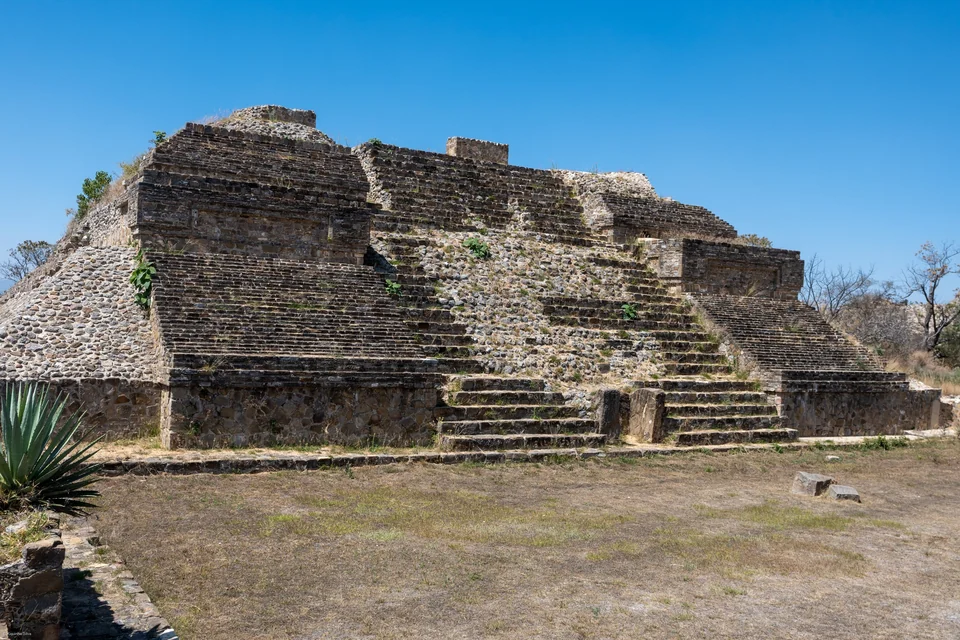
- Start with one landmark if it helps. A single must-see, such as Machu Picchu in Peru, can anchor a whole route through a region.
For a structured way to compare places, including tables of destinations by season and by travel style, see how to choose a travel destination.
Timing Your Trip
Most destinations have three broad seasons for travelers: a peak season with the best weather and the highest demand, a low season with lower demand and some limitations, and shoulder seasons in between. Shoulder months often give the best balance of conditions, space and value.
- Remember the hemispheres. Seasons are reversed south of the equator, so the European winter is summer in Australia, Argentina and South Africa.
- Check wet and dry seasons in the tropics. Rainfall, not temperature, is usually what changes most across the year.
- Look up local holidays and festivals. They can be the highlight of a trip, but they also fill transport and accommodation.
- Mind daylight. High-latitude summers bring very long days; winters there bring short days but dark skies for the northern lights.
Budgeting Without Guesswork
Costs vary so much between countries, seasons and travel styles that general price figures are rarely useful. What does work is a simple structure you can fill in with real quotes for your dates.
- Transport to and from the destination, including airport transfers and baggage fees.
- Accommodation, the largest cost on most trips and the one most affected by season and location.
- Local transport: rail, buses, car hire, fuel, tolls and parking.
- Food and drink, estimated per day rather than per meal.
- Activities and entry fees, especially timed tickets, guided tours and park permits.
- Insurance, visas and a buffer for the unexpected.
The cheapest version of a trip is not always the best value. A central hotel can save hours of commuting on a city break, and a direct route can protect a short holiday from a missed connection. Our hotel reviews look at where to stay in more detail.
Getting Around: Flights, Rail and Road
How you move shapes the whole experience. Flying covers distance quickly, but rail and road let you see the landscape between destinations and often end in the center of town rather than on its edge.
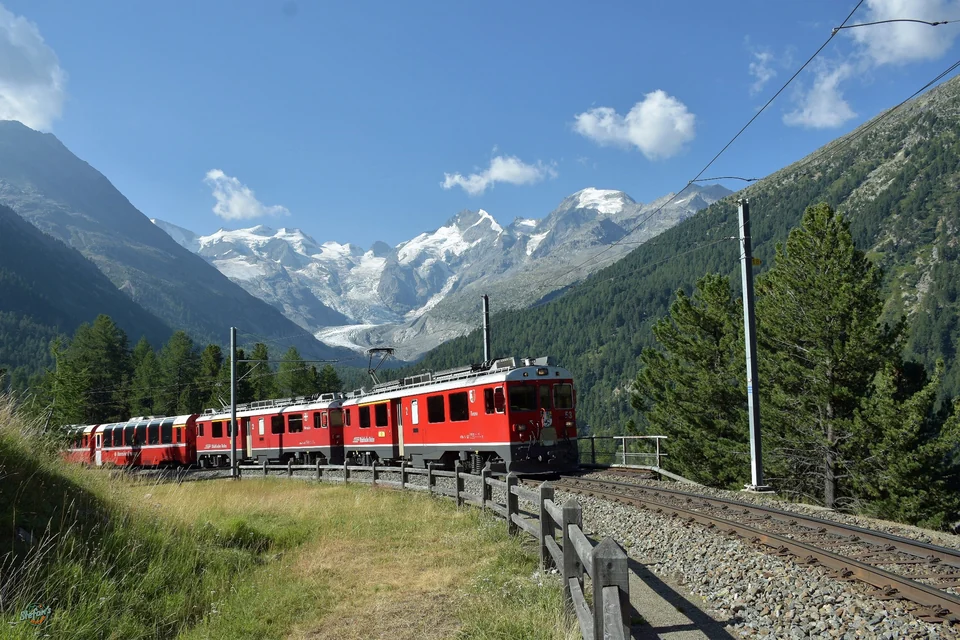
- Rail works well in much of Europe and Japan, where frequent trains connect city centers. Scenic lines can be an attraction in their own right.
- Road trips suit regions with scattered sights and limited public transport. Plan realistic daily distances and check local driving rules and permits.
- Internal flights make sense in very large countries or island nations, but add airport time to every hop.
- Walking and public transport are usually the best way to understand a city. Choose a base close to the areas you want to explore.
For inspiration on journeys where the route is the point, see our breathtaking travel routes collection.

Documents, Health and Safety
A little paperwork before departure prevents most travel emergencies. Rules change, so always rely on official government sources rather than forums or old blog posts.
- Passport: check the expiry date and blank pages. Some countries require several months of remaining validity beyond your stay.
- Visas and entry authorizations: confirm requirements for your nationality on the destination government’s website or your own government’s travel advice, such as the U.S. State Department international travel pages.
- Health: ask a doctor or travel clinic about vaccinations and medication well before departure, especially for tropical or remote regions.
- Insurance: make sure it covers medical care, evacuation where relevant, and the activities you plan, such as hiking at altitude or diving.
- Copies and contacts: keep digital copies of key documents and note your embassy or consulate details.
Traveling Responsibly
Responsible travel is mostly practical: spread your visit beyond the most crowded spots and times, use local guides and businesses, follow park rules and stay on marked trails. Learn a few words of the local language and the basic etiquette for places of worship and homes.
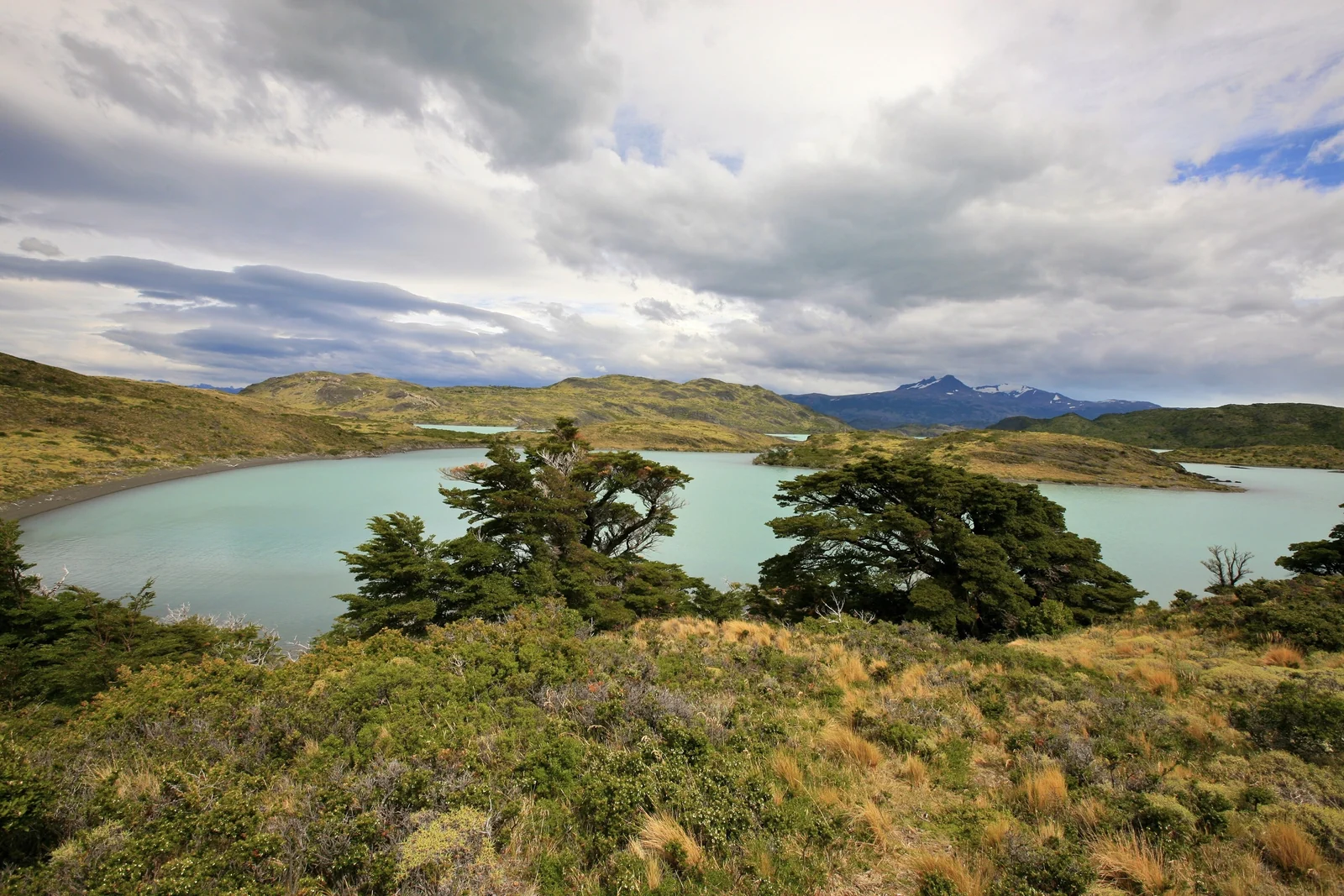
In fragile places, choose operators who follow recognized guidelines and keep group sizes small. Trips to wild regions such as Patagonia’s glaciers and mountains or Antarctica depend on visitors leaving them as they found them.
Explore Our Guides by Continent
Once you know the kind of trip you want, the continent pages collect our guides for each region.
- Europe: city breaks, islands, castles and coastal towns.
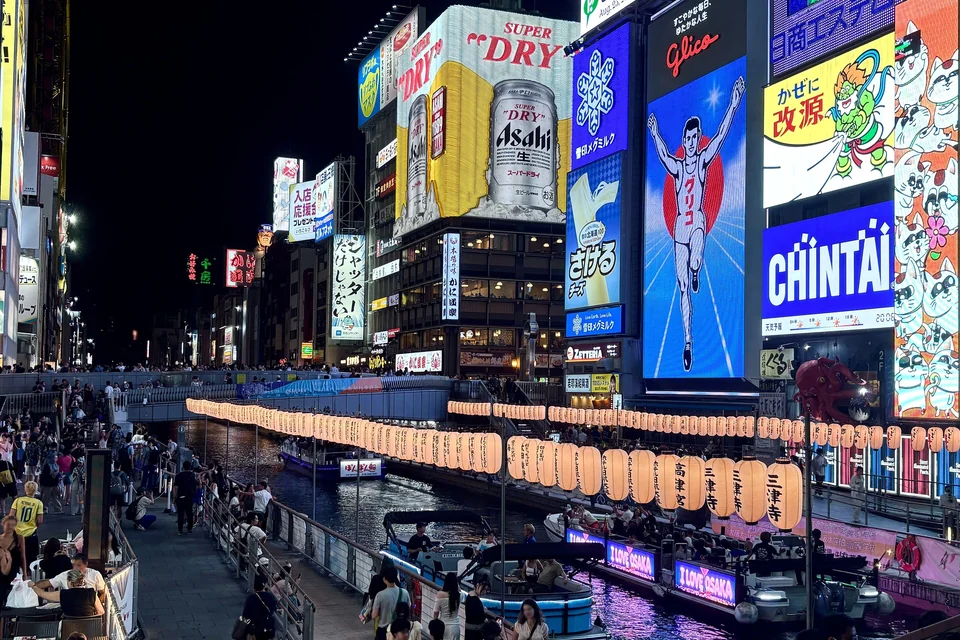
- Asia: from temple cities and night markets to volcanic landscapes. Our Tokyo travel guide is a good first stop for Japan.
- Africa: deserts, waterfalls, rivers and wildlife regions.
- North America: northern lights in Canada, big cities and national parks.
- South America: the Andes, the Amazon and high salt flats.
- Australia: coastal cities, reef islands and long road trips.
Travel Planning FAQ
How far in advance should I plan a trip?
It depends on the destination and season. For peak periods, popular sights with timed entry and limited accommodation, planning several months ahead gives you more choice. Short city breaks in shoulder season can often be arranged a few weeks out. Check visa processing times first, since they can set the real deadline.
What is the difference between a trip, travel and a holiday?
The words overlap. On this site, a holiday means a trip mainly for rest and enjoyment, often with one base and a slower pace. Travel is the wider term, covering city breaks, cultural journeys, road trips and adventures where exploring is the main goal.
How many days do I need for a good trip?
Count days on the ground, not calendar days. A city break works in two to four days. A single region usually needs about a week to explore without rushing. Multi-country trips need more time, because each move between bases costs part of a day.
What should I book first?
Book the hardest-to-replace pieces first: long-haul transport and accommodation during busy periods. Next come timed-entry sights, permits and popular tours. Local transport and restaurants can usually wait, unless you are traveling during a major holiday or festival.
Is travel insurance necessary?
For most international trips it is strongly advisable. Medical care abroad can be expensive, and your domestic health cover may not apply. Check that the policy covers the activities you plan, pre-existing conditions if relevant, and trip cancellation, and read the exclusions before you buy.
How do I avoid crowds at popular destinations?
Travel in shoulder season, visit major sights early in the morning or late in the day, and stay overnight near places that day-trippers leave in the evening. Spreading your time across lesser-known towns or trails in the same region also makes a noticeable difference.