


Sydney vs Melbourne is the classic Australian travel question. Choose Sydney for a spectacular harbor, world-famous landmarks and ocean beaches. Choose Melbourne for laneway cafes, galleries, big sporting events and neighborhood food culture. If you have ten days or more, visit both: they are only about 90 minutes apart by air.
This guide compares the two cities side by side, from sights and weather to transport and day trips, and ends with a sample itinerary that combines them. For a wider view of the country, start with our overview of the best holiday destinations in Australia.
Sydney vs Melbourne at a Glance
| Category | Sydney | Melbourne |
|---|---|---|
| State | Capital of New South Wales | Capital of Victoria |
| Best for | Harbor icons, beaches, outdoor sightseeing | Food, coffee, arts, sport, neighborhoods |
| Signature sights | Opera House, Harbour Bridge, Bondi | Laneways, NGV, MCG, Queen Victoria Market |
| Beaches | World-class ocean surf beaches in the city | Calmer bay beaches such as St Kilda; surf beaches farther out |
| Getting around | Trains, buses, light rail and harbor ferries | Large tram network with a free tram zone in the center |
| Weather | Warmer and more humid; mild winters | Cooler and famously changeable |
| Classic day trip | Blue Mountains | Great Ocean Road |
| Ideal first stay | 4 to 5 days | 3 to 5 days |
The Sydney–Melbourne Rivalry Explained
Sydney is the older city, founded as a British penal colony in 1788, while Melbourne was established in 1835 and grew rich in the Victorian gold rush of the 1850s. When the colonies federated in 1901, neither city would accept the other as the national capital. The compromise was written into the Constitution: the new capital had to be in New South Wales but at least 100 miles (about 160 kilometers) from Sydney. Melbourne hosted Parliament until the purpose-built capital, Canberra, took over in 1927.
The competition never really ended. The two cities are close in size: on the Australian Bureau of Statistics’ Greater Capital City measure, Greater Sydney is still slightly larger, although Melbourne is growing faster and already counts as larger on another official boundary. The flight between them is one of the busiest domestic air routes in the world.
Why Choose Sydney: Harbour Icons and Beaches
Sydney’s greatest strength is its setting. The harbor puts the Opera House, the Harbour Bridge, The Rocks and the Royal Botanic Garden within walking distance of each other, and public ferries turn everyday transport into sightseeing, with Manly and Taronga Zoo both a short ride from Circular Quay.
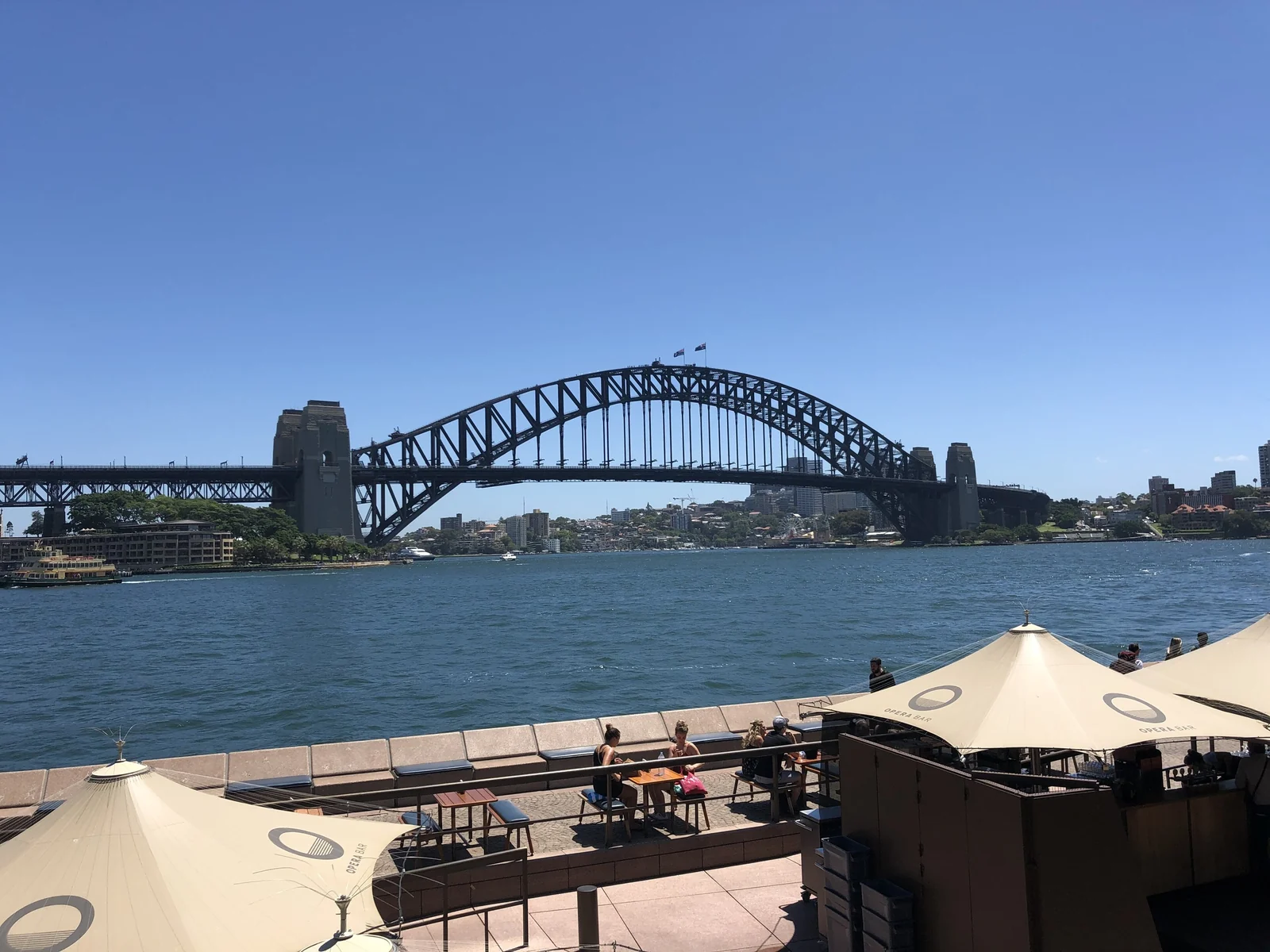
Then there are the beaches. Bondi, Coogee and Manly are proper ocean surf beaches inside the metropolitan area, linked by coastal walks such as the 6-kilometer Bondi to Coogee path. If your picture of Australia involves sunshine, sand and landmark views, Sydney delivers it with the least effort. Our full Sydney travel guide covers it all in detail.
Why Choose Melbourne: Laneways, Food and Culture
Melbourne rewards wandering rather than sightseeing from a checklist. The city center is a grid of arcades and laneways filled with cafes, small bars and street art, with Hosier Lane the best-known outdoor gallery. The National Gallery of Victoria, founded in 1861, is Australia’s oldest public art museum, and the Royal Exhibition Building in Carlton Gardens is a UNESCO World Heritage Site.
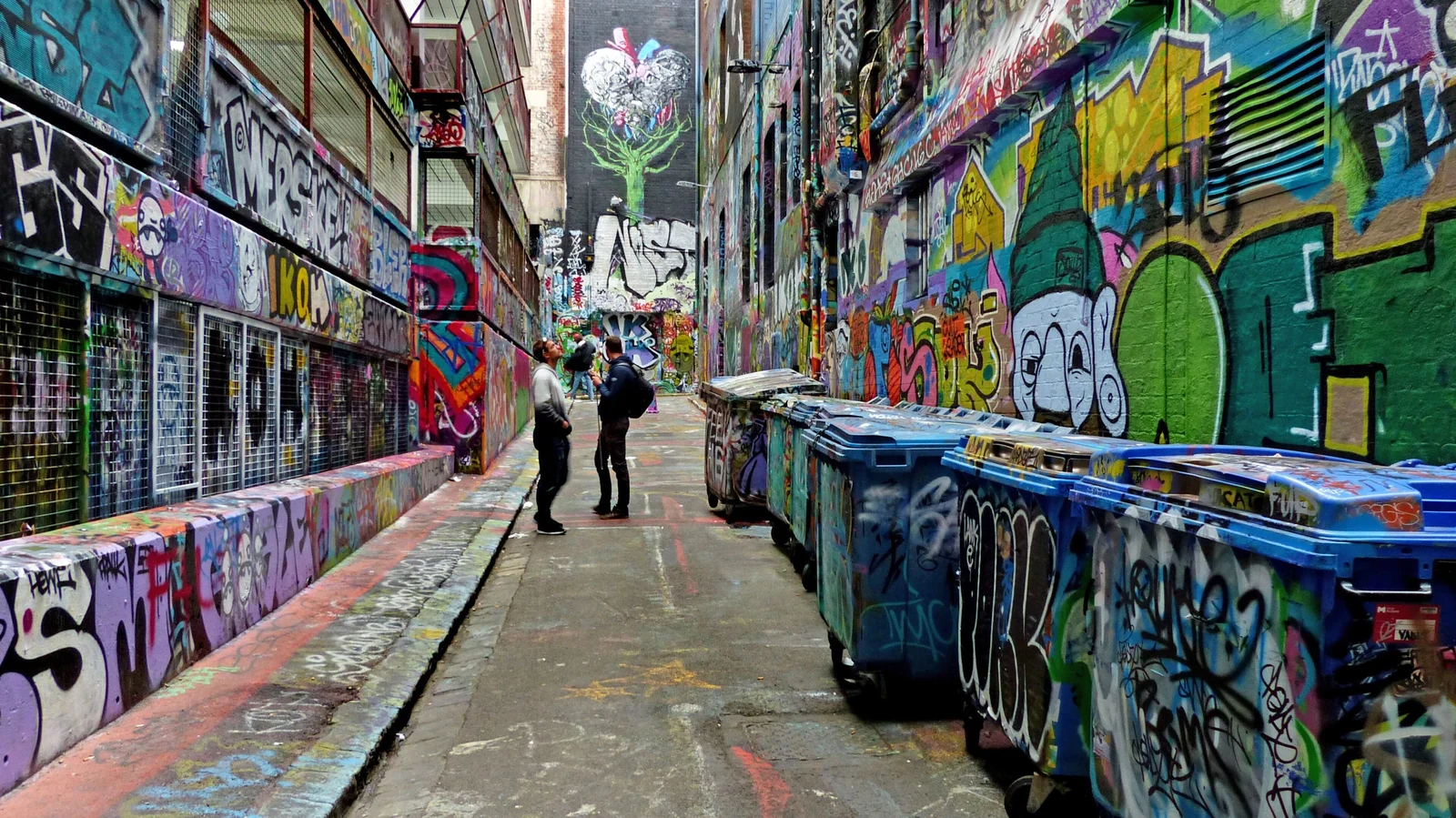
Beyond the center, each neighborhood has its own character: Fitzroy and Collingwood for independent shops and bars, Carlton for its Italian heritage on Lygon Street, Richmond for Vietnamese food on Victoria Street, and St Kilda for its bayside promenade. The Queen Victoria Market is the place for produce, snacks and browsing.
Food, Culture and Sport Compared
Both cities have excellent, diverse food scenes, and you will eat well in either. Sydney leans toward seafood, harbor-view dining and a strong Asian food culture in areas such as Haymarket and Chinatown. Melbourne is famous for its coffee culture and for the depth of its neighborhood restaurants, and many Australians consider it the country’s food capital. See our guide to eating well in Australia for more.
Sport is where Melbourne pulls ahead for visitors. The Melbourne Cricket Ground hosts Australian rules football through winter, including the AFL Grand Final in September, and cricket in summer. The city also stages the Australian Open tennis in January, the Formula 1 Australian Grand Prix at Albert Park, and the Melbourne Cup horse race on the first Tuesday in November. Sydney’s big set pieces are more about spectacle: New Year’s Eve fireworks over the harbor and the Vivid Sydney light festival in winter.
Weather and Getting Around
Sydney is warmer and more humid, with long beach seasons and mild winters. Melbourne is cooler and known for changeable weather, where a warm morning can turn into a cool, windy afternoon, so pack layers. Both are pleasant in spring (September to November) and autumn (March to May).
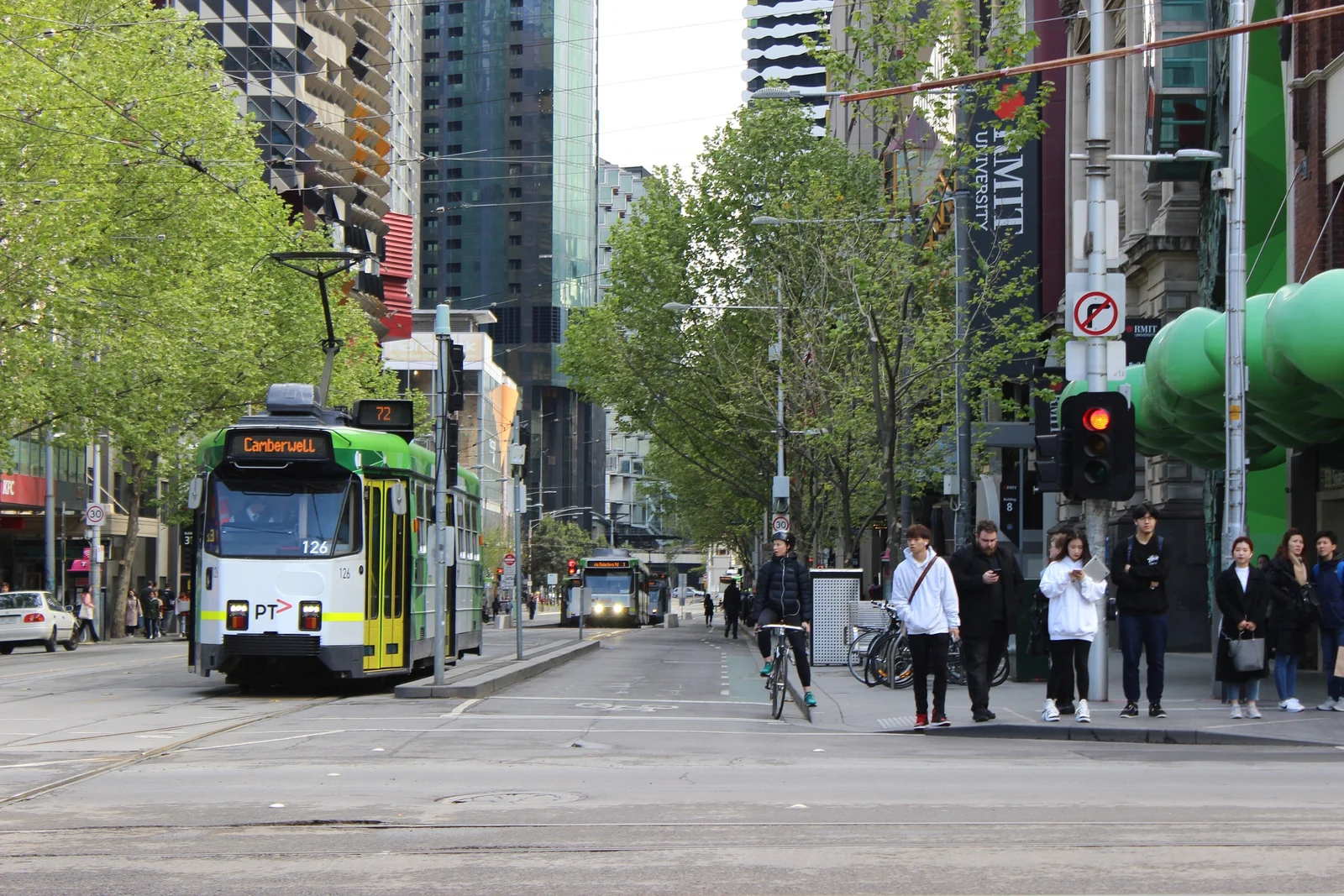
Neither city requires a car. In Sydney, the Opal system covers trains, buses, light rail and ferries, and you can tap on with a contactless card or phone. Melbourne has one of the world’s largest tram networks, and rides are free inside the Free Tram Zone covering the city center and Docklands, which makes it especially easy for first-time visitors.
Day Trips: Blue Mountains vs Great Ocean Road
From Sydney, the Blue Mountains are about two hours away by train, with sandstone cliffs, eucalyptus valleys and the Three Sisters at Echo Point. It is an easy, car-free day out.
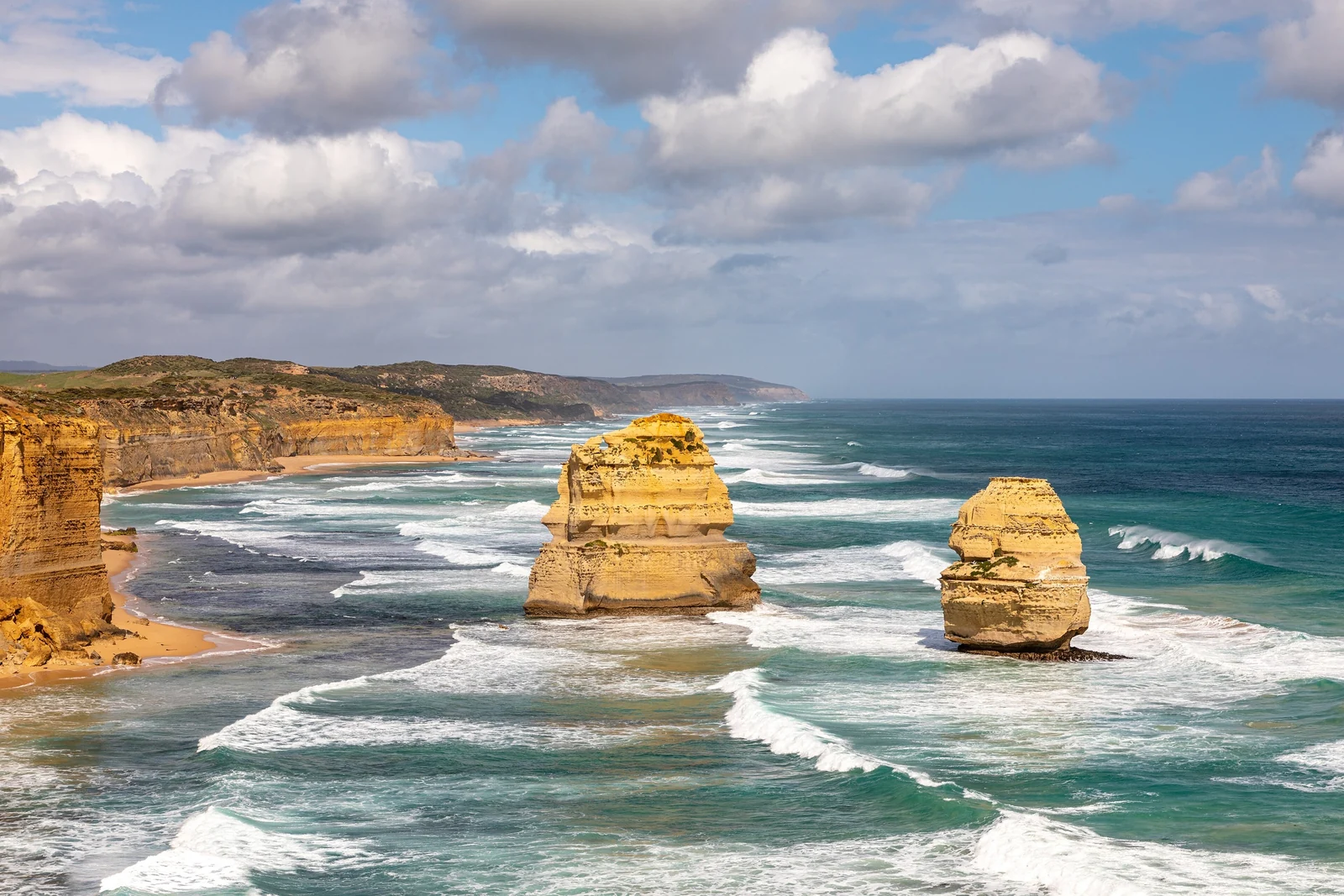
From Melbourne, the Great Ocean Road runs for about 243 kilometers along Victoria’s southwest coast from Torquay, roughly 100 kilometers from the city. Reaching the Twelve Apostles and returning in one day is possible on a tour but makes for a very long day; one or two nights along the coast is far more rewarding. Shorter options from Melbourne include the Yarra Valley wine region and the evening penguin parade on Phillip Island. The Twelve Apostles also appear in our guide to Australia’s natural wonders.
How to Visit Both Cities: Transport and Itinerary
Flying is the practical choice: the flight takes about 1.5 hours gate to gate, with frequent services from several airlines. Allow extra time for airport transfers. Driving the inland Hume route takes a full day, and the coastal route via the Princes Highway is better spread over several days if the road trip is part of your holiday.
- Days 1 to 3, Sydney: the harbor, Opera House, The Rocks, a ferry to Manly and the Bondi to Coogee walk.
- Day 4, Blue Mountains: an early train to Katoomba, lookouts and a bush walk.
- Day 5, fly to Melbourne: afternoon in the laneways and along the Yarra River.
- Days 6 and 7, Melbourne: the NGV, Queen Victoria Market, neighborhoods and a game at the MCG if the season allows.
- Days 8 to 10, Great Ocean Road: drive or join a tour with at least one overnight stop before returning to Melbourne.
With more time, add another city: our guides to Brisbane and Adelaide make good next stops.
Sydney vs Melbourne FAQ
Is Sydney or Melbourne better for a first visit to Australia?
Sydney is usually the stronger first choice if you want the classic Australian images: the Opera House, the Harbour Bridge and surf beaches. Melbourne is the better pick if your priorities are food, coffee, art, live music and major sporting events.
Which is bigger, Sydney or Melbourne?
It depends on the boundary used. On the Australian Bureau of Statistics’ Greater Capital City measure, Greater Sydney is still slightly larger, but Melbourne is growing faster and is already larger on the Significant Urban Area measure. Both have well over five million residents.
How far is Melbourne from Sydney?
The flight takes about 1.5 hours gate to gate, and the route is one of the busiest in the world, so there are many daily departures. By road, the inland Hume route takes a long day of driving, while the scenic coastal route is best over several days.
Which city has better weather?
Sydney is generally warmer and sunnier, with a longer beach season and mild winters. Melbourne is cooler and famous for changeable conditions within a single day. For comfortable sightseeing in both, visit in spring (September to November) or autumn (March to May).
Why is Canberra the capital instead of Sydney or Melbourne?
Canberra was a compromise born from the rivalry. The Constitution required the capital to be in New South Wales but at least 100 miles from Sydney. Melbourne served as the temporary seat of Parliament until Canberra’s Parliament House opened in 1927.
Do you need a car in Sydney or Melbourne?
No. Both cities have extensive public transport. Sydney combines trains, buses, light rail and harbor ferries, while Melbourne’s large tram network includes a free zone in the city center. A car is only useful for trips like the Great Ocean Road.