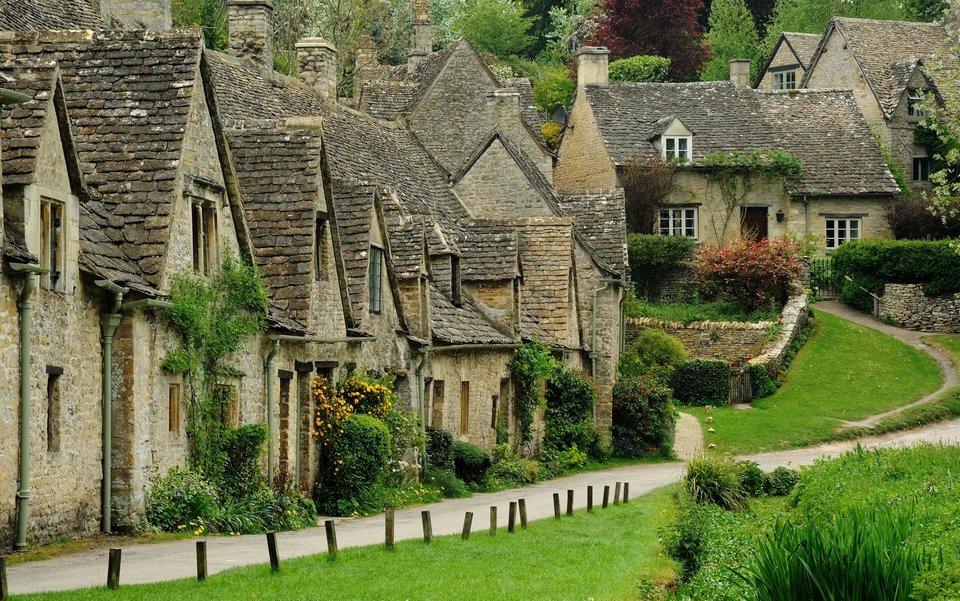



The universities that are hardest to get into in the UK, above all Oxford and Cambridge, are also among the most rewarding places in Britain to visit. You do not need an offer letter to walk through medieval quadrangles, listen to a college choir or browse world-class museums that are free to enter.
This guide looks at the most selective universities in the United Kingdom from a traveler’s point of view: what makes them famous, what you can actually see as a visitor, and how to plan a day in Oxford, Cambridge, St Andrews, Durham or London’s university quarter.
Why These UK Universities Are So Hard to Get Into
Selectivity in the UK comes from a mix of demand, limited places and demanding entry requirements. At Oxford and Cambridge, applicants usually sit subject admissions tests and many are interviewed. Each university receives more than 20,000 undergraduate applications a year, and in recent admission cycles roughly one in five applicants, or fewer, received an offer, according to the universities’ published admissions statistics.
Other universities with a reputation for being very competitive include Imperial College London, the London School of Economics (LSE), University College London (UCL), St Andrews and Durham. Offer rates vary widely by course, so medicine, law, economics and computer science are usually much harder to enter than the average.
For visitors, the good news is that much of this history is open to all. Colleges, chapels, libraries and gardens that took centuries to build can often be seen for a small entry fee, and several of the best university museums are free.
University of Oxford: Colleges, Libraries and Museums
Teaching existed at Oxford in some form by 1096, which makes it the oldest university in the English-speaking world. It is not a campus but a collection of more than 30 colleges and many university buildings spread across the city center, so the best way to see it is simply to walk.
What to see in Oxford
- Radcliffe Square: the domed Radcliffe Camera, a reading room of the Bodleian Libraries, is Oxford’s most photographed building. Inside access is for readers or on guided tours.
- Bodleian Library: guided tours visit historic rooms such as the Divinity School; book in advance at busy times.
- The colleges: many colleges admit visitors at set hours, some for a fee. Christ Church, Magdalen and New College are among the most visited.
- Free museums: the Ashmolean, Britain’s oldest public museum, and the Oxford University Museum of Natural History, which also leads into the Pitt Rivers Museum.
College opening times change during term, exams and events, so check the university’s visiting the colleges page, which links to each college’s own hours and charges.
University of Cambridge: King’s College and the Backs
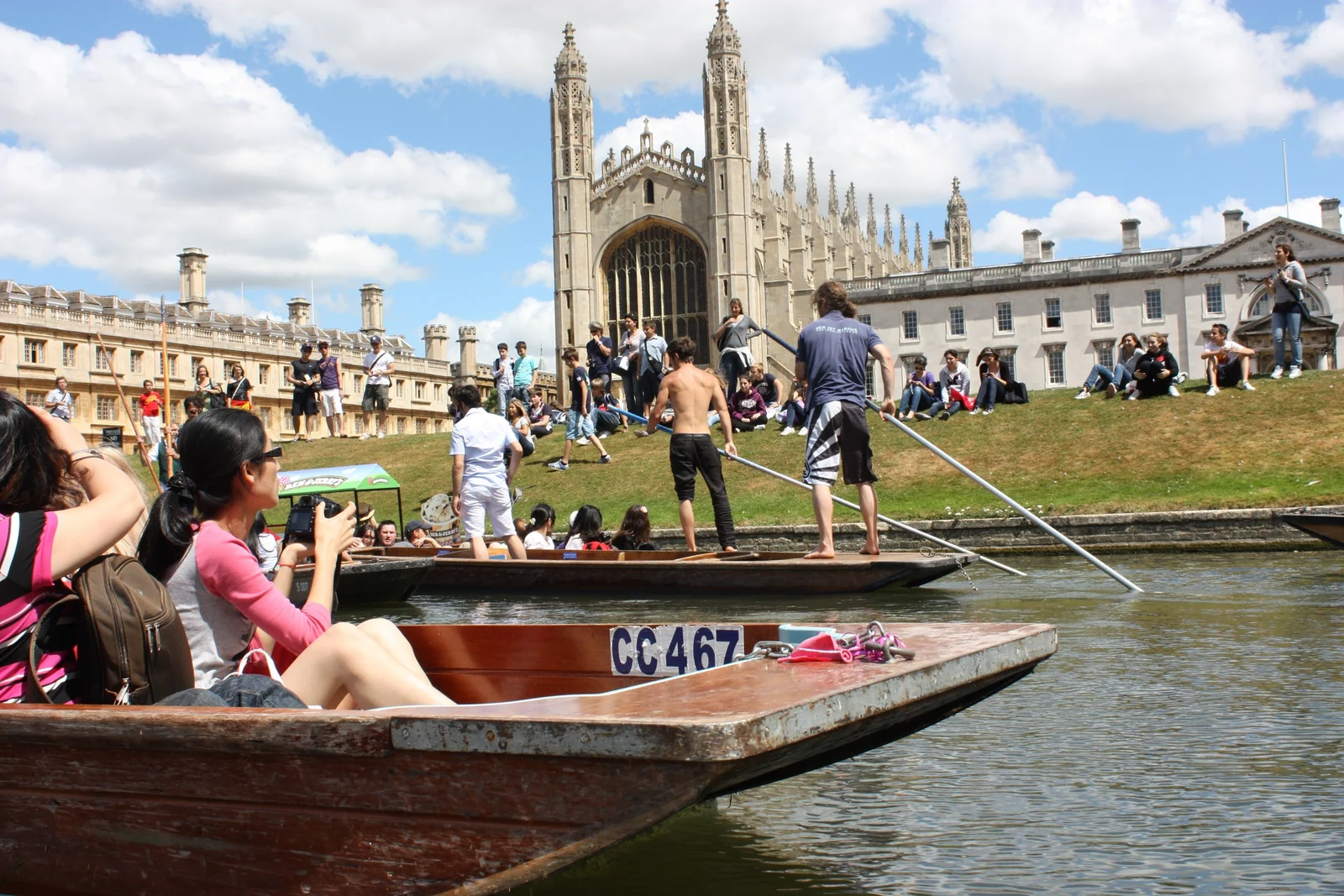
Cambridge was founded in 1209 by scholars who had left Oxford, and it grew into a federation of 31 colleges. Its most famous views are along the Backs, where college lawns and gardens run down to the River Cam.
What to see in Cambridge
- King’s College Chapel: a masterpiece of late Gothic architecture, built between 1446 and 1515, with a vast fan-vaulted ceiling. Its choir is known worldwide for the Christmas Eve service of lessons and carols.
- Punting on the Cam: hire a punt or take a chauffeured tour along the Backs, past King’s, Clare, Trinity and St John’s.
- Fitzwilliam Museum: the university’s art and antiquities museum, free to enter.
- College courts: several colleges open to visitors, usually for a fee, and many close during the exam period from around mid-May to mid-June.
St Andrews: Scotland’s Oldest University
Founded in 1413, the University of St Andrews is the oldest university in Scotland and one of the most competitive in the UK. The small seaside town on the Fife coast is almost entirely shaped by it, with medieval streets running between the ruined cathedral, the castle and the university’s stone quadrangles.
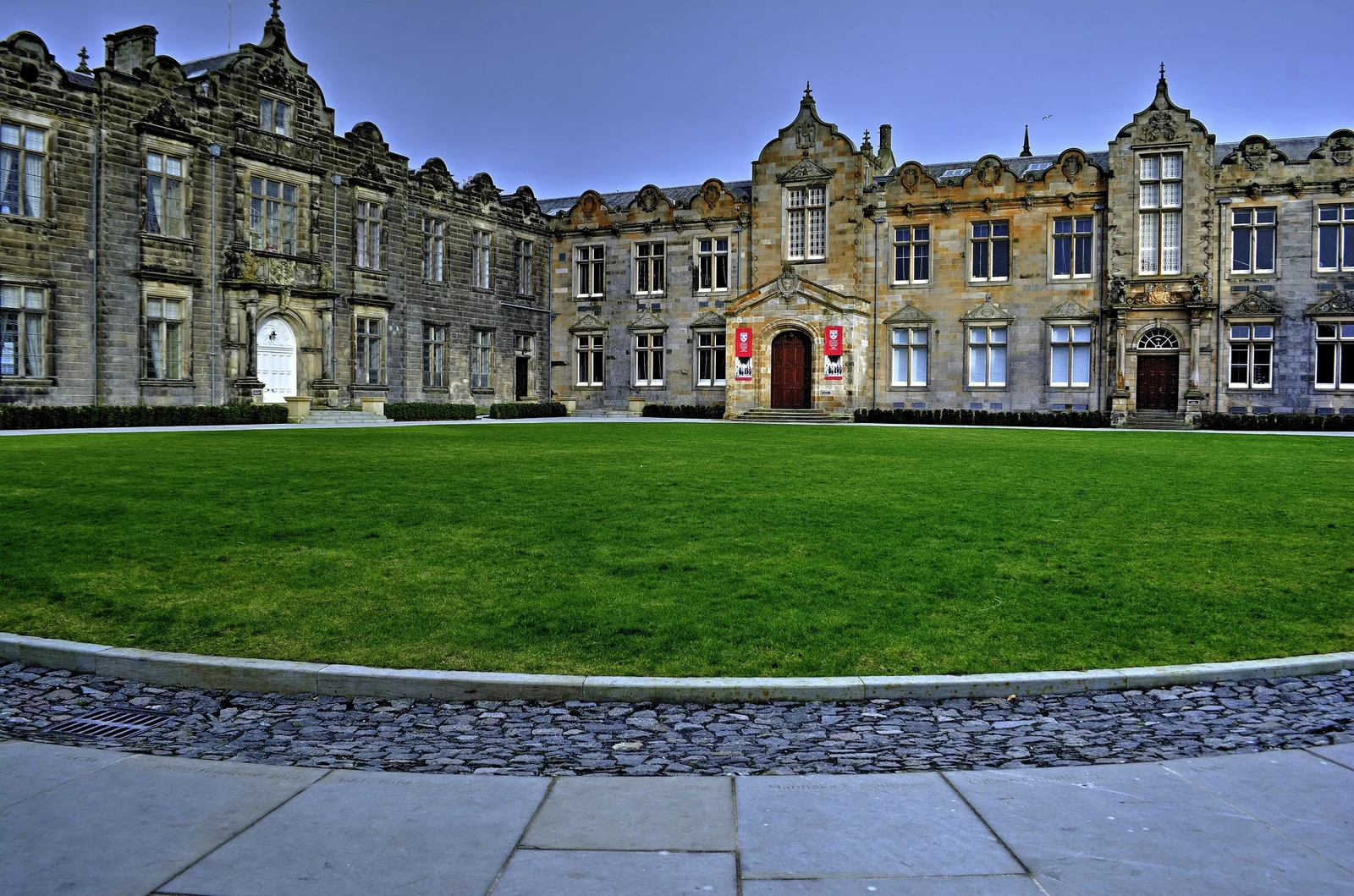
Walk through St Salvator’s Quadrangle, visit the cathedral ruins and finish on West Sands beach. Golfers also come for the Old Course, and the town is an easy add-on to a wider trip through Scotland.
Durham: A University in a World Heritage Site
Durham University is often ranked among the UK’s most selective universities, and it has one of the most dramatic settings. Durham Castle and Cathedral were inscribed as a UNESCO World Heritage Site in 1986, and the Norman castle is still home to University College, one of Durham’s colleges.
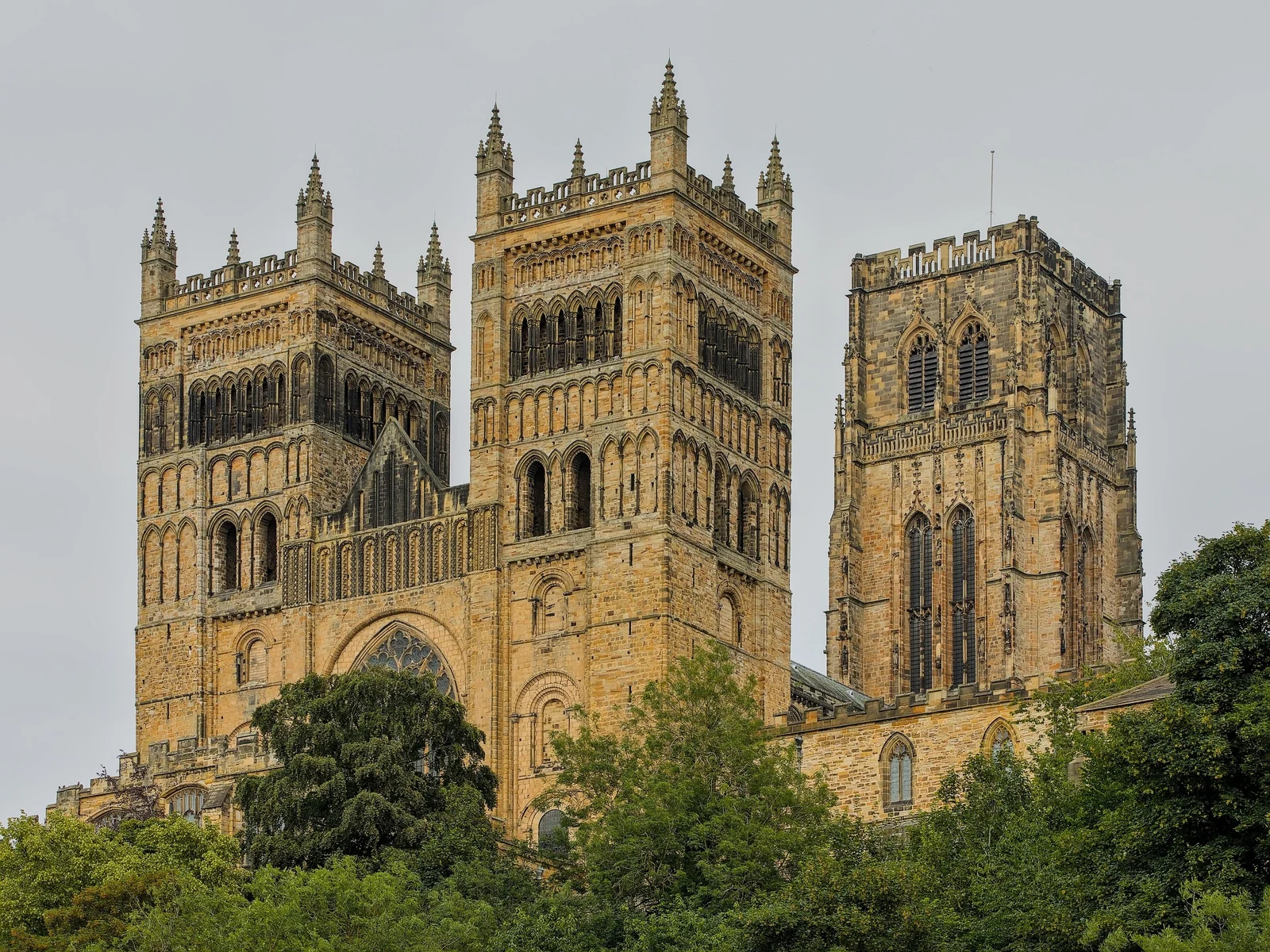
The castle can be visited on guided tours, while the cathedral is open to visitors most days. Walk the riverside paths around the peninsula for the classic views of both buildings above the River Wear.
Edinburgh: A University in a Capital City
The University of Edinburgh, founded in 1583, is one of Scotland’s ancient universities and receives far more applications than it has places for many popular courses. Its Old College on South Bridge sits a few minutes’ walk from the Royal Mile, so it fits easily into a day exploring the Old Town. Nearby Bristo Square and George Square are the center of student life, especially during the August festivals.
London: Imperial, LSE and UCL
Three of the UK’s most competitive universities are in London, and each sits in an area worth exploring. Imperial College London is in South Kensington, next to the Natural History Museum, the Science Museum and the Victoria and Albert Museum. The London School of Economics is close to Covent Garden and the Royal Courts of Justice.
University College London, founded in 1826, is in Bloomsbury, a short walk from the British Museum. UCL runs its own small museums, including the Petrie Museum of Egyptian Archaeology and the Grant Museum of Zoology; check their current opening days before you go.
Planning a Visit to the UK’s University Towns
| University town | Founded | Getting there | Don’t miss |
|---|---|---|---|
| Oxford | Teaching by 1096 | Train from London in about an hour | Radcliffe Square, Bodleian, Ashmolean |
| Cambridge | 1209 | Train from London in about an hour | King’s College Chapel, the Backs |
| St Andrews | 1413 | Train to Leuchars, then bus or taxi | St Salvator’s Quad, cathedral ruins |
| Durham | 1832 | East Coast main line | Castle and cathedral |
| London (UCL) | 1826 | Underground to Euston Square or Goodge Street | Bloomsbury, British Museum |
- Best time: summer vacation (July to September) usually brings the most open colleges and longest hours; many Cambridge colleges close to visitors during spring exams.
- Respect student spaces: stay off lawns marked private, keep noise down and follow porters’ instructions.
- Tickets: some colleges and tours charge entry, and prices change; check official websites rather than relying on old guides.
- Prospective students: official open days and independent-visit guidance are published on each university’s admissions pages.
Planning a longer European trip? Browse our Europe travel guides, or head north to explore the abandoned villages of Scotland.
Hard-to-Get-Into UK Universities FAQ
What is the hardest university to get into in the UK?
Oxford and Cambridge are generally seen as the hardest, with admissions tests, interviews and more than 20,000 applicants each a year. Imperial, LSE, UCL, St Andrews and Durham are also highly competitive. Difficulty depends heavily on the course, with medicine and economics among the toughest.
Can tourists visit Oxford and Cambridge colleges?
Yes. Many colleges open to visitors at set times, and some charge a fee. Hours change with term dates, exams and events, and some colleges close entirely at certain times. Check each college’s website on the day you plan to visit.
Is Oxford or Cambridge better to visit?
Both are easy day trips from London. Oxford is best for grand libraries, museums and a busy city center, while Cambridge feels more compact and is known for punting along the Backs and King’s College Chapel. If you have time, visit both.
Which is the oldest university in the UK?
The University of Oxford is the oldest, with teaching recorded there by 1096. Cambridge followed in 1209. In Scotland, the oldest is the University of St Andrews, founded in 1413.
Are Oxford and Cambridge museums free?
The main university museums, including the Ashmolean and the Museum of Natural History in Oxford and the Fitzwilliam Museum in Cambridge, have free general admission. Special exhibitions may charge. College visits and some guided library tours are paid.
When is the best time to visit UK university towns?
Summer is usually the easiest time, as more colleges are open and days are long. Spring and early summer can be busy with exams, when some colleges close to visitors. December brings choral services and a festive atmosphere, but shorter opening hours.