Vienna is the capital of Austria and, for centuries, was the seat of the Habsburg court. That history is why one walkable core holds an imperial palace, a Gothic cathedral, a ring of 19th-century monuments and some of the finest museums in Europe. It is also the city where you are expected to sit in a coffee house for two hours over one cup, and nobody will mind.
This Vienna travel guide covers the Ringstrasse and Innere Stadt, Schönbrunn, the Hofburg, the Belvedere and its Klimt paintings, music, food, wine taverns, a three-day plan and day trips. It also covers when to go, how to get around and where to stay. Three days is enough for the headline sights; four lets you slow down. For more in the country, see our Austria travel guides.
Ringstrasse and the Innere Stadt: Vienna's Historic Core
The Innere Stadt, the first district, is the medieval city. In the mid-19th century the old fortifications were cleared and replaced by the Ringstrasse, a wide boulevard lined with the Opera, the Parliament, the City Hall, the university and the great museums. The Historic Centre of Vienna has been on the UNESCO World Heritage List since 2001, and the Ring is a big part of the reason: it is one of Europe's most complete examples of 19th-century urban planning.
The Hofburg and St Stephen's Cathedral
The Hofburg
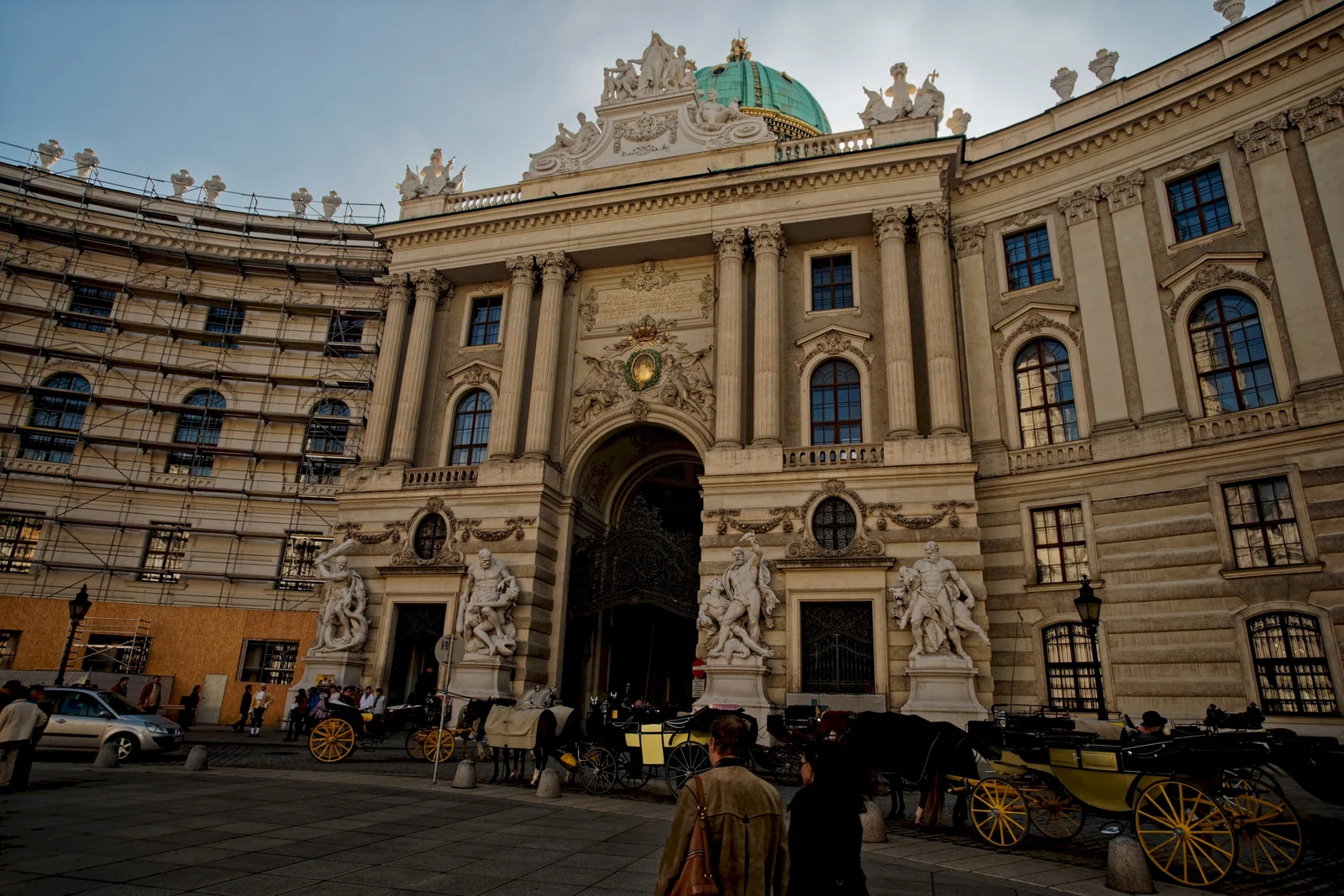
The Hofburg was the Habsburgs' winter residence, and it grew over centuries into a maze of wings, squares and courtyards in the heart of the city. Today it holds the Imperial Apartments, the Sisi Museum, the Imperial Treasury, the National Library's state hall and the home of the Spanish Riding School. The sheer size is the point. Walk through the Michaelerplatz entrance beneath its dome and you start to understand how much power once ran from here.
St Stephen's Cathedral
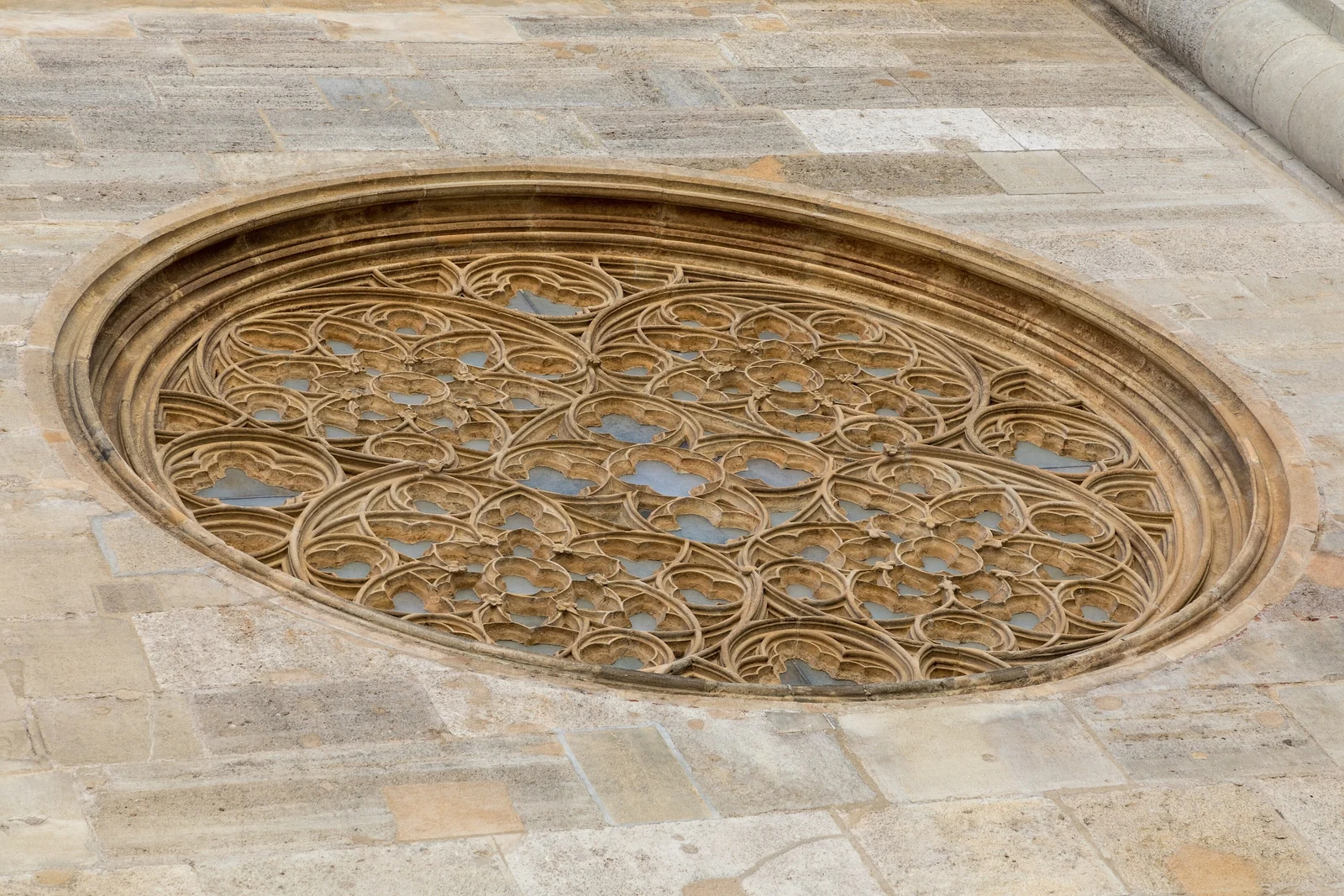
Stephansdom is the Gothic heart of Vienna, topped by a patterned tile roof you will spot from half the city. The south tower rises about 136 meters and is the tallest church tower in Austria. You can climb it by 343 steps to a viewing room, or take a lift up the shorter north tower to the Pummerin bell. The official Vienna tourism page lists current hours and options.
The cathedral is a working church, so go quietly and skip the middle of a service. The towers and catacombs are separate, ticketed visits. Come early in the morning to see the interior without a crowd, then walk the pedestrian streets of Graben and Kohlmarkt, where the shop windows are as grand as the facades.
Schönbrunn Palace and Its Gardens
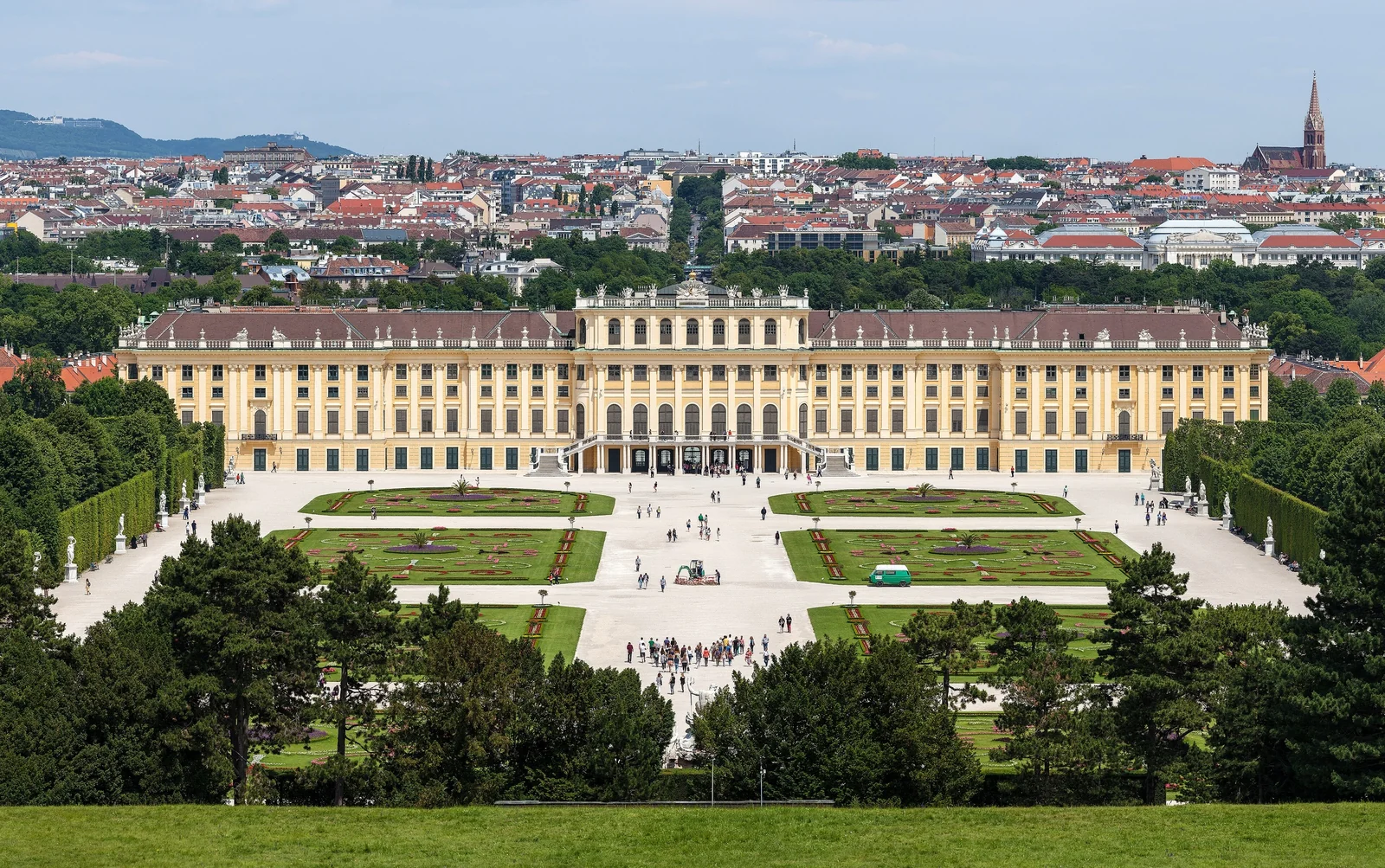
Schönbrunn was the summer residence of the Habsburgs and has been a UNESCO World Heritage Site since 1996. The palace is yellow, enormous and the clear first choice if you only have time for one imperial building. The U4 line gets you there from the center in a short ride.
You tour the state rooms with an audio guide on a timed ticket, so book ahead and aim for the first slots of the day. The gardens are in many ways the better half of the visit: long axial paths, fountains, a maze and the Gloriette colonnade on the hill, which gives you a view back over the palace and the city. Allow half a day, longer if you add the zoo, which is on the grounds.
Belvedere, Klimt and Vienna's Museums
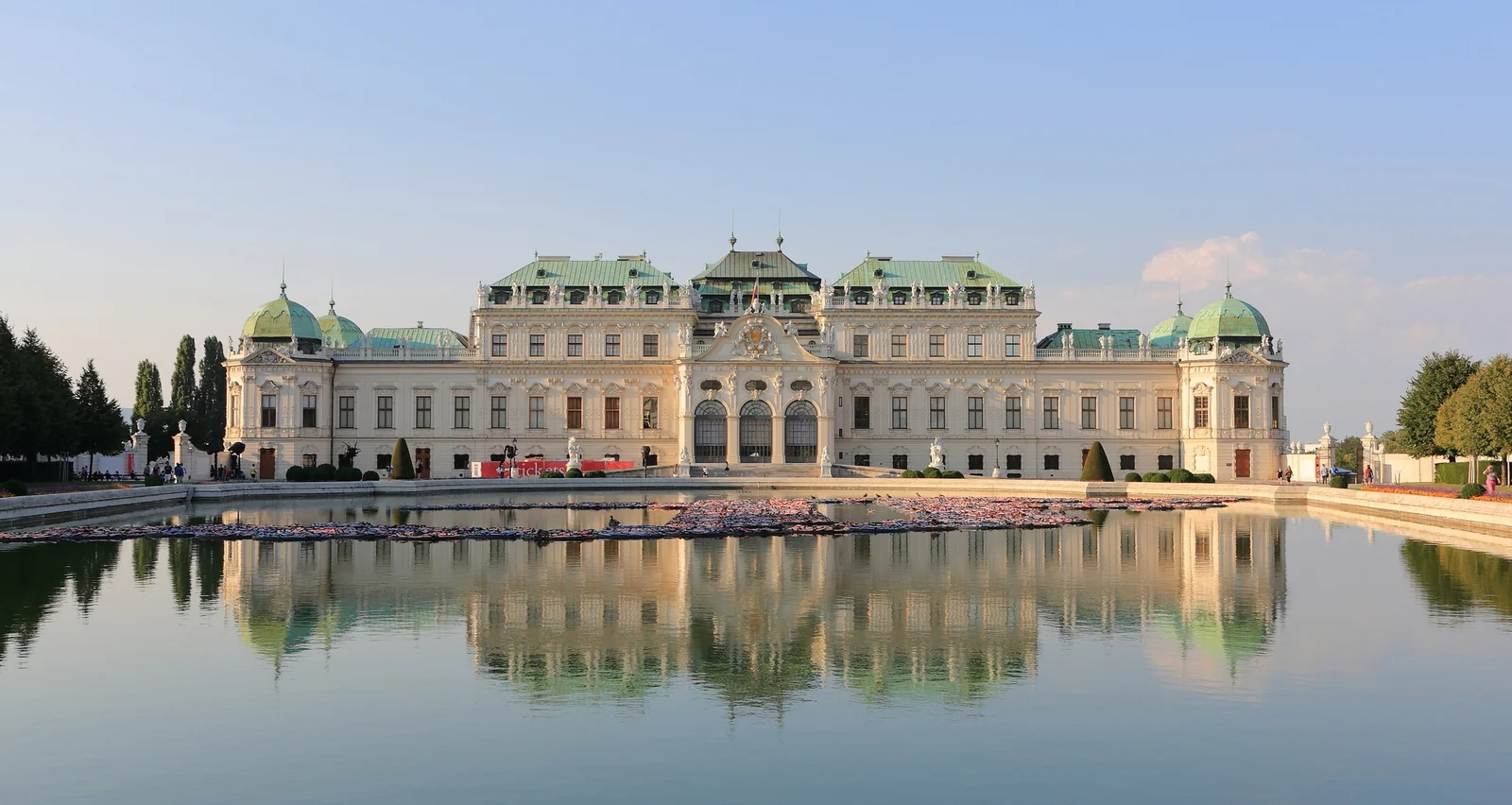
The Belvedere is a pair of baroque palaces, the Upper and Lower, built in the early 1700s as a summer residence for Prince Eugene of Savoy and linked by a sloping formal garden. The Upper Belvedere holds Gustav Klimt's The Kiss, the golden painting you have seen on a thousand mugs. It is smaller in person than people expect, and more luminous.
MuseumsQuartier and the Ring museums
The MuseumsQuartier occupies former imperial stables and is now one of the largest cultural complexes in Europe, with modern and contemporary art, the Leopold Museum's Egon Schiele collection and courtyards where locals lounge on oversized outdoor furniture in good weather. Across the Ring, the twin Kunsthistorisches and Natural History museums face each other over a park and reward a rainy afternoon.
Coffee House Culture: How to Do It Properly
Viennese coffee house culture was added to Austria's inventory of intangible cultural heritage by UNESCO in 2011. A coffee house is less a café than a public living room: marble tables, bentwood chairs, newspapers on wooden holders and waiters in formal dress who will leave you alone for as long as you like.
- Order once, stay long. You are not expected to order again, and the bill arrives only when you ask for it.
- Know the basics. A Melange is close to a cappuccino, an Einspänner comes with whipped cream, and a Verlängerter is a longer, weaker espresso. Water arrives on a small tray without being asked.
- Add something sweet. Strudel and cakes are part of the ritual.
- Tip by rounding up. A small extra sum, stated as you pay, is the usual way.
The famous grand rooms in the center draw crowds, so go outside peak hours or try a neighborhood coffee house in one of the districts beyond the Ring, where the atmosphere is calmer and the locals outnumber the tourists.
Classical Music and Opera
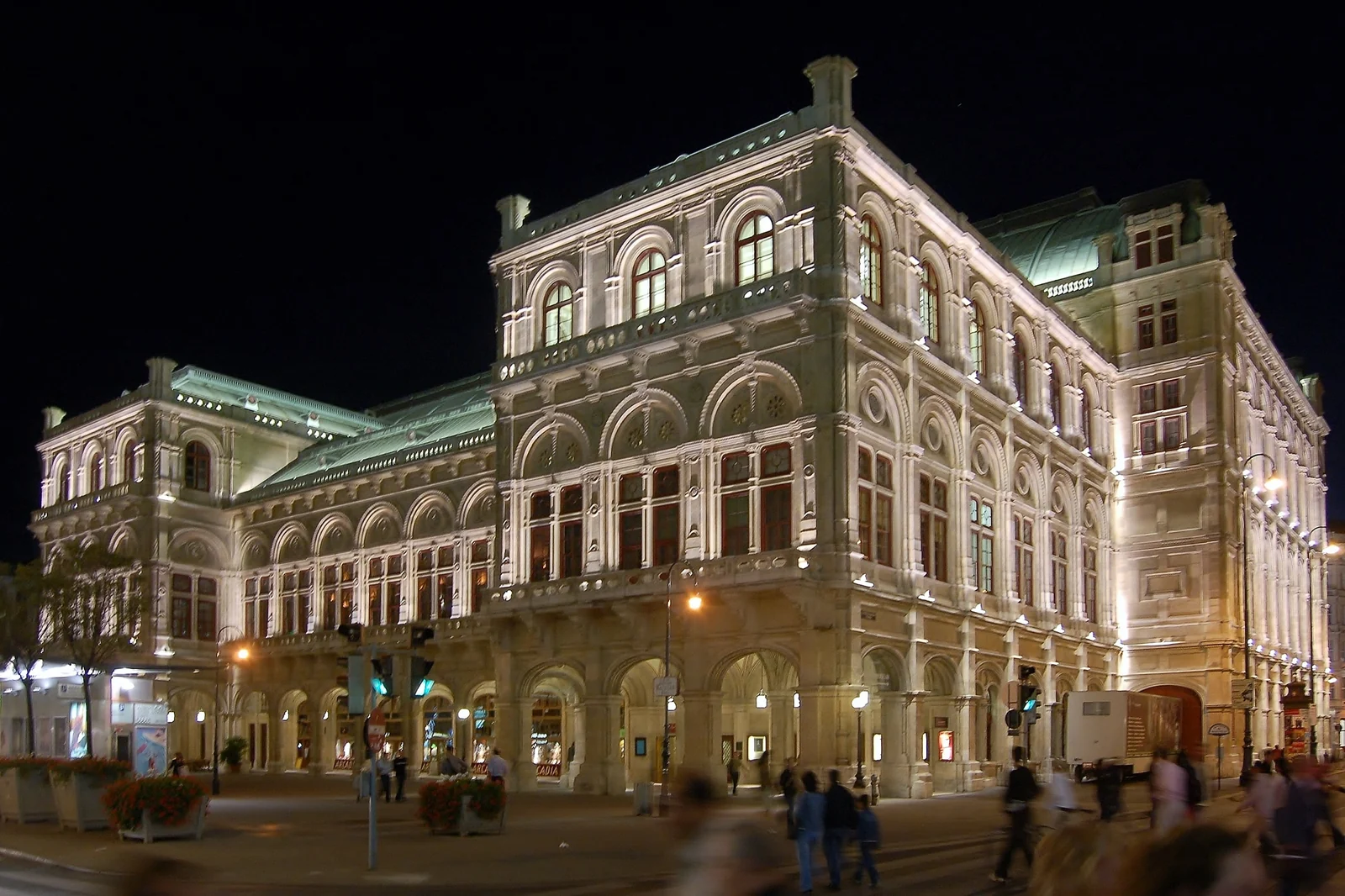
Vienna was home to Mozart, Haydn, Beethoven, Schubert and Johann Strauss, and music is still part of everyday life here. The State Opera presents performances on most evenings through its main season, and the Musikverein, home of the Vienna Philharmonic, has a concert hall famed for its acoustics. Smaller venues in the center run shorter, tourist-oriented concerts, which vary a lot in quality, so choose by program and performers.
If a full-price seat is out of reach, ask about standing places. The State Opera has traditionally sold standing room at a fraction of seat prices shortly before curtain. Expect to queue, arrive early for a good spot, and check the official site for how the system currently works. Dress is smart casual at most performances, though nobody will mind if you go dressier.
What to Eat and Drink in Vienna
Schnitzel, goulash and Sachertorte
A true Wiener Schnitzel is veal, pounded thin, breaded and fried until the crust puffs away from the meat. Served with a lemon wedge and potato salad or parsley potatoes, it is simple and very good. Many menus also offer a pork version under a different name. Beyond schnitzel, look for Tafelspitz (boiled beef), goulash and dumplings at traditional inns.
For dessert, the chocolate Sachertorte with a layer of apricot jam is the city's signature cake, tied to the Hotel Sacher and its long rivalry with the Demel pastry house. Order it with unsweetened whipped cream and a coffee. If chocolate is not your thing, a strudel is a safer bet.
Heuriger wine taverns
Vienna is one of few capitals with working vineyards inside the city limits. A Heuriger is a tavern where winemakers pour their own young wine, a custom that goes back to an imperial decree of Joseph II in 1784. A green branch hung over the door, the Buschen, signals that the tavern is open. Most are on the edge of town in districts such as Grinzing, Nussdorf and Stammersdorf.
You typically order wine by the glass or quarter liter and fill your plate from a cold buffet of cheese, spreads, cold cuts and salads, or order from the kitchen. The local specialty is a field blend, Gemischter Satz, made from several grape varieties grown and harvested together. Go on a warm evening, sit in the garden and take the tram or bus home.
A 3-Day Vienna Itinerary
Day 1: Innere Stadt and the Ring
Start at Stephansdom early, climb a tower if you like heights, then follow the pedestrian streets to the Hofburg. Take lunch in a traditional inn, then walk the Ring past the Opera and Parliament. End with a coffee house, and if you can get standing tickets, an evening at the Opera.
Day 2: Schönbrunn and the Belvedere
Reach Schönbrunn for your first timed entry, tour the rooms and spend the late morning in the gardens up to the Gloriette. In the afternoon, head to the Belvedere for Klimt and the garden terrace. In the evening, take the tram out to a Heuriger.
Day 3: MuseumsQuartier and a Choice
Spend the morning in the MuseumsQuartier or at the Kunsthistorisches Museum, then have lunch around the Naschmarkt, the long market of stalls and small restaurants. The afternoon is for a slow neighborhood walk or a second coffee house. Prefer to leave the city? Swap the day for one of the trips below.
Day Trips from Vienna: Wachau, Melk, Bratislava and Baden
| Destination | How to get there | Best for |
|---|---|---|
| Wachau valley | Train toward Krems, or a guided tour with a Danube boat leg | Vineyard terraces, river villages, wine tastings |
| Melk | Regional train from Vienna | The baroque Benedictine abbey above the Danube |
| Bratislava | Train or boat on the Danube | A compact old town in a different country |
| Baden | Regional tram-train or local train south of the city | Spa gardens, parks and a relaxed pace |
The Wachau is a UNESCO-listed stretch of the Danube between Krems and Melk, where terraced vineyards climb above small wine towns and ruined castles. It is best from spring to autumn, when river boats run between some of the villages, and many visitors join a guided tour for convenience. If you go independently, plan your return train before you start tasting wine.
Melk Abbey is a baroque monastery on a rock above the river, with a celebrated library and church, and fits neatly onto the end of a Wachau day. Bratislava, the capital of Slovakia, is roughly an hour away, and its old town can be covered in a few hours. Baden is the easiest escape: a spa town of parks and an old-fashioned promenade, close enough for an afternoon. Check current schedules on the rail and regional transport sites.
Best Time to Visit Vienna
- April to June: gardens in bloom, long days and terraces open. A good all-round choice.
- July and August: warm to hot, and busy at the big palaces. Heuriger gardens and outdoor evenings are at their best.
- September and October: comfortable for walking, with the wine harvest in the vineyards and golden light in the parks.
- November to March: cold and gray at times, but ideal for museums, coffee houses and the opera and concert season.
Christmas markets open in the weeks before Christmas. The square in front of City Hall and several smaller courtyard markets are the festive pick, with mulled wine, roasted chestnuts and handmade ornaments. Hotels fill up in early December, so book ahead if you want to come then.
Getting Around Vienna and Where to Stay
U-Bahn, trams and passes
The center is walkable, and beyond it public transport is excellent: the U-Bahn, a dense tram network, buses and the S-Bahn commuter rail. Most visitors buy a time-limited pass valid for 24, 48 or 72 hours rather than single tickets, and some tourist cards bundle transport with sight discounts. Compare them with how many sights you actually plan to visit. Current options are on the official Vienna tourism ticket page.
Where to stay in Vienna
- Innere Stadt (1st district): everything is on your doorstep, but it is the priciest area and quiet after dark.
- Neubau and Josefstadt (7th and 8th): boutique shops, small restaurants and easy access to the MuseumsQuartier. A strong pick for a first visit.
- Wieden and Mariahilf (4th and 6th): close to the Naschmarkt and Karlsplatz, with better value and quick Ring access.
- Leopoldstadt (2nd): relaxed, near the Prater park, with good U-Bahn links.
- Landstrasse (3rd): near the Belvedere and the main rail connections, and less touristy.
Building a wider Central European trip? Vienna pairs naturally with Prague and Budapest, and our European destinations pages list more ideas. For another compact capital with a relaxed cafe scene, try Ljubljana.
Vienna Travel FAQ
How many days do you need in Vienna?
Three days cover the Hofburg, Stephansdom, Schönbrunn, the Belvedere, a museum and a coffee house or two. Add a fourth day for a Wachau or Bratislava trip, or to see an opera or concert without rushing.
Is Vienna walkable?
The Innere Stadt and the Ring are very walkable. For Schönbrunn, the Belvedere and the Heuriger districts, use the U-Bahn, trams or buses, which are frequent and easy to navigate with a time-limited pass.
Can you get cheap opera tickets in Vienna?
Often, yes. The State Opera has traditionally sold standing places, which cost far less than seats, shortly before the performance. Queue early, and check the official site for how and when they are currently sold.
What should you eat in Vienna?
Try a veal Wiener Schnitzel, Tafelspitz, goulash and dumplings, then Sachertorte or strudel with coffee. In a Heuriger, order the local white wine and a plate from the cold buffet.
What is a Heuriger?
A Heuriger is a wine tavern where Viennese winemakers serve their own young wine and simple food. Look for a green branch above the door. The best-known districts are on the edge of the city, such as Grinzing and Nussdorf.
When are the Christmas markets in Vienna?
They open in the weeks before Christmas. Early December is the busiest time, so book your hotel ahead. The City Hall square is the best known, with smaller markets across town.
What is the best day trip from Vienna?
The Wachau valley is the most scenic, with vineyards and Melk Abbey. Bratislava is the easiest to do independently and gives you a second capital in a few hours. Baden suits a quiet, low-effort day.