


Athens is the capital of Greece and one of the oldest continuously inhabited cities in Europe, a sprawling, noisy, sun-baked place wrapped around a rock crowned by the Parthenon. The big sights are close together, the food is cheap and good, and the sea is a short ride away. Three days is enough to see the essentials without rushing.
This Athens travel guide covers the Acropolis and its museum, the Ancient Agora, the old neighborhoods of Plaka, Anafiotika, Monastiraki and Psyri, the best viewpoints, what to eat, a 3-day itinerary, day trips to Cape Sounion, Delphi and the islands, and practical advice on heat, tickets and where to stay. For more of the country, browse our Greece travel guides.
The Acropolis and the Parthenon
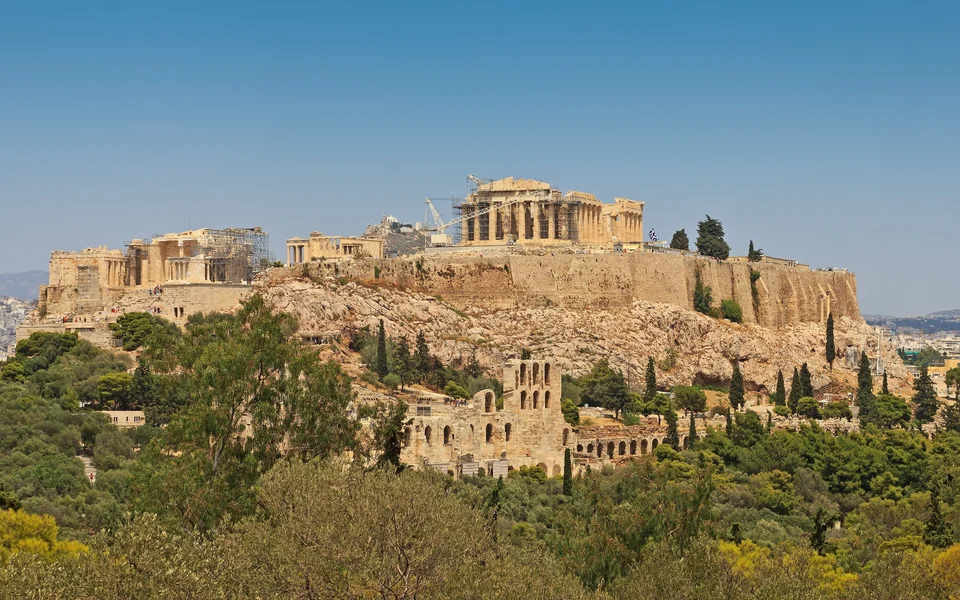
The Acropolis is a limestone outcrop rising roughly 150 meters above the city, and its monuments are the reason most people come. UNESCO listed the site in 1987. The main event is the Parthenon, a Doric temple to Athena built between 447 and 432 BC under Pericles, with Iktinos and Kallikrates as architects and Phidias overseeing the sculpture.
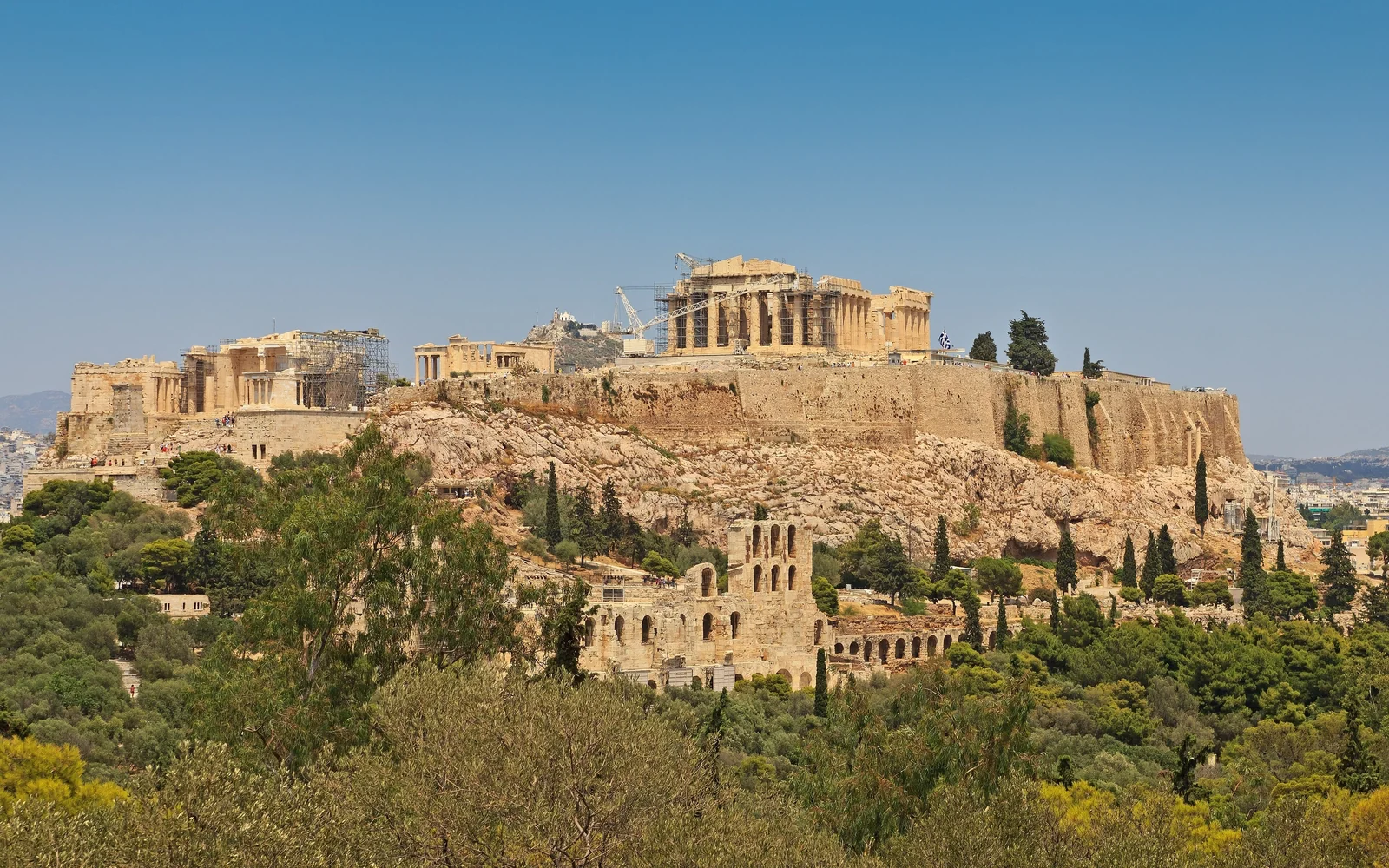
You will almost certainly see scaffolding. Restoration has been going on for decades, and a crane in your photos is part of the deal. Do not let it put you off. Walk the full circuit: the monumental gateway of the Propylaia, the small Temple of Athena Nike, the Erechtheion with its porch of caryatids, and then the Parthenon itself, which is far larger up close than it looks from town.
Tickets and Timing
Entry is by timed ticket, and slots in peak season can sell out days ahead, so buy through the official Hellenic Heritage ticketing site rather than a reseller. Opening hours change with the season, and prices and discount rules are updated from time to time, so confirm both before you go.
Two habits make the visit better. Take the first slot of the day, when the marble is cool and the tour buses have not arrived, or go in the last hour before closing for softer light. Wear shoes with real grip, because the polished rock is slippery, and bring water, since there is almost no shade.
The Acropolis Museum and the Ancient Agora
Acropolis Museum
Do this at the end of the day or on a hot afternoon. The glass-and-concrete building at the foot of the hill opened in 2009 and was designed by Bernard Tschumi. You walk over glass floors above an excavated ancient neighborhood before climbing to the Parthenon Gallery on the top floor. It is oriented like the temple, so you see the frieze at the same angle and with the Acropolis visible through the windows. Plaster casts fill the gaps left by pieces held in London, which is a long-running dispute you will hear discussed. Check opening days and ticket details on the museum's official site.
The Ancient Agora
The Agora was the marketplace, courthouse and political heart of classical Athens, and it is a much calmer visit than the Acropolis. Its showpiece is the Temple of Hephaestus, a Doric temple from the 5th century BC that is one of the best-preserved ancient temples in Greece. The Stoa of Attalos, rebuilt in the 1950s on its ancient footprint, houses the site museum and gives a sense of how the colonnaded buildings once looked.
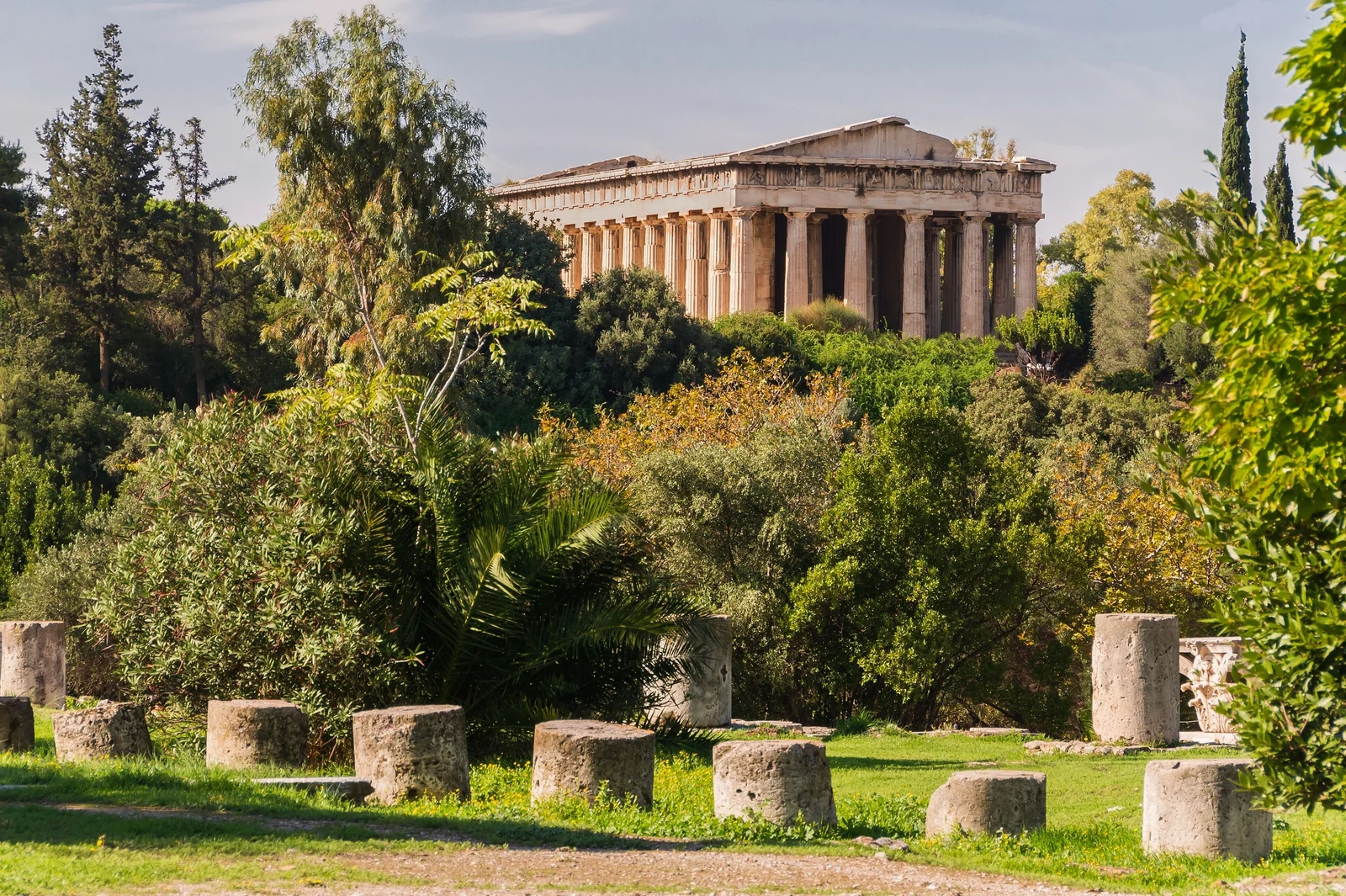
Late afternoon, when the stone turns golden, is the best time to walk it. Bring a hat.
Plaka, Anafiotika, Monastiraki and Psyri
Athens is a city of neighborhoods, and the central ones blur together on foot. Here is how they differ.
Plaka
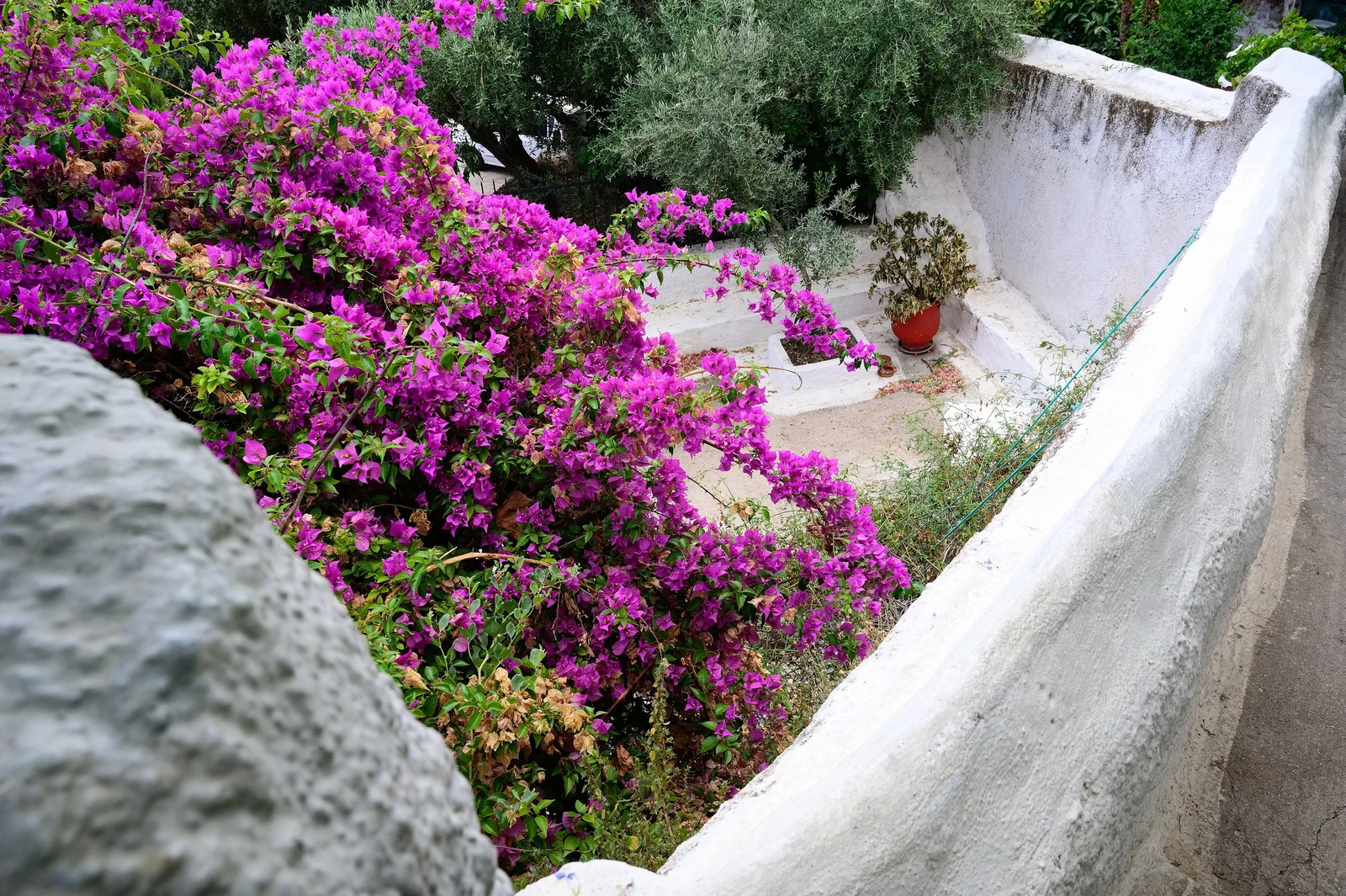
The oldest residential quarter sits on the northeastern slope of the Acropolis. Its streets are lined with neoclassical houses, bougainvillea and a lot of souvenir shops. It is touristy, no question, but it is also where you find Hadrian's Library and the Roman Agora's Tower of the Winds, and the walk down Adrianou Street is easy and pleasant.
Anafiotika
Above Plaka, squeezed under the north face of the rock, Anafiotika feels like a Cycladic island village that wandered to the mainland. Workers from the island of Anafi built the whitewashed houses in the 19th century, and the lanes are barely a person wide. It is tiny and residential, so keep your voice down, stay on the paths and do not wander into courtyards.
Monastiraki and Psyri
Monastiraki is the busy hinge of the center, with a metro station, a Sunday flea market and a square that looks up to the Acropolis. The streets around Ifestou are packed with antique and secondhand stalls. Psyri, just north, was once a run-down workshop district and is now the bar, meze and street-art neighborhood. It is lively after dark, particularly on weekends, and a bit scruffy by day, which is part of its appeal.
Koukaki
South of the Acropolis, Koukaki is residential and relaxed, with neighborhood cafes and tavernas, and it is a short walk to the Acropolis Museum.
Viewpoints: Lycabettus and Beyond
Lycabettus Hill, the tallest point in central Athens at roughly 277 meters, is the best place to see the whole city and understand how far it spreads toward the sea. A funicular climbs from the Kolonaki side, or you can walk up in around 20 to 30 minutes on a good path. A small white chapel of St George sits at the top. Go before sunset and stay until the Parthenon lights up.
For a cheaper, wilder alternative, climb Philopappos Hill, which gives the classic head-on view of the Acropolis shown above and is much quieter.
What to Eat in Athens
Athens eats well without making a fuss. Many of the best meals cost little and are eaten standing, sharing or on plastic chairs.
- Souvlaki: grilled meat on a skewer, sold by the stick or wrapped in pita with tomato, onion and tzatziki. In Athens, souvlaki in a pita often comes with fries tucked inside. Gyros, meat shaved from a spit, is the close cousin.
- Meze: small plates meant to be shared, such as fried zucchini, tzatziki, grilled octopus, fava and saganaki cheese. Order several at once and let them pile up with a carafe of wine or a glass of ouzo or tsipouro.
- Loukoumades: hot, fried dough balls soaked in honey and dusted with cinnamon. Eat them fresh, ideally standing near the shop.
- Koulouri and bakeries: a sesame bread ring is the standard breakfast on the go, and a cheese pie from a bakery makes a cheap lunch.
- Greek coffee and freddo: the thick traditional coffee is brewed in a small pot, while iced freddo espresso fuels the afternoons.
Tavernas often bring bread and charge a small cover, and tipping is modest, usually rounding up or leaving a few euros. A good rule is to walk a few streets away from the Acropolis and look for menus mostly in Greek and tables filled with locals.
A 3-Day Athens Itinerary
Day 1: The Acropolis and Its Museum
Take the first Acropolis slot and give it a couple of hours. Walk down through the Koukaki side for a late lunch, then spend the hot afternoon in the Acropolis Museum. Finish with sunset from Philopappos Hill and dinner in a Koukaki taverna.
Day 2: Agora, Plaka and Psyri
Start at the Ancient Agora while it is cool. Wander Plaka and up into Anafiotika, then visit Hadrian's Library and the Tower of the Winds. Take a break in the heat, drink coffee on Monastiraki Square, browse the flea market and spend the evening eating meze in Psyri.
Day 3: Lycabettus or a Day Trip
If you have only three days, spend the third on a half-day trip to Cape Sounion, or on Lycabettus and Kolonaki with a long lunch. If you have a fourth day, use it for Delphi or an island.
Day Trips from Athens
Athens is a good base for short escapes, and the transport is simple. Always check current timetables, because ferry and bus schedules change by season.
| Destination | How to get there | Roughly how long | Best for |
|---|---|---|---|
| Cape Sounion | KTEL bus along the coast, or a taxi or rental car | About 1.5 to 2 hours each way | Temple of Poseidon, sunset over the Aegean |
| Delphi | KTEL bus from the Liosion terminal, or a guided tour | About 2.5 to 3 hours each way | Oracle site, museum, mountain setting |
| Aegina | Ferry from Piraeus | Roughly 40 minutes to 1.25 hours | Beaches, temple of Aphaia, pistachios, an easy island day |
| Hydra | Fast ferry from Piraeus | Around 1.5 to 2 hours | Car-free harbor town, swimming, walks |
Cape Sounion
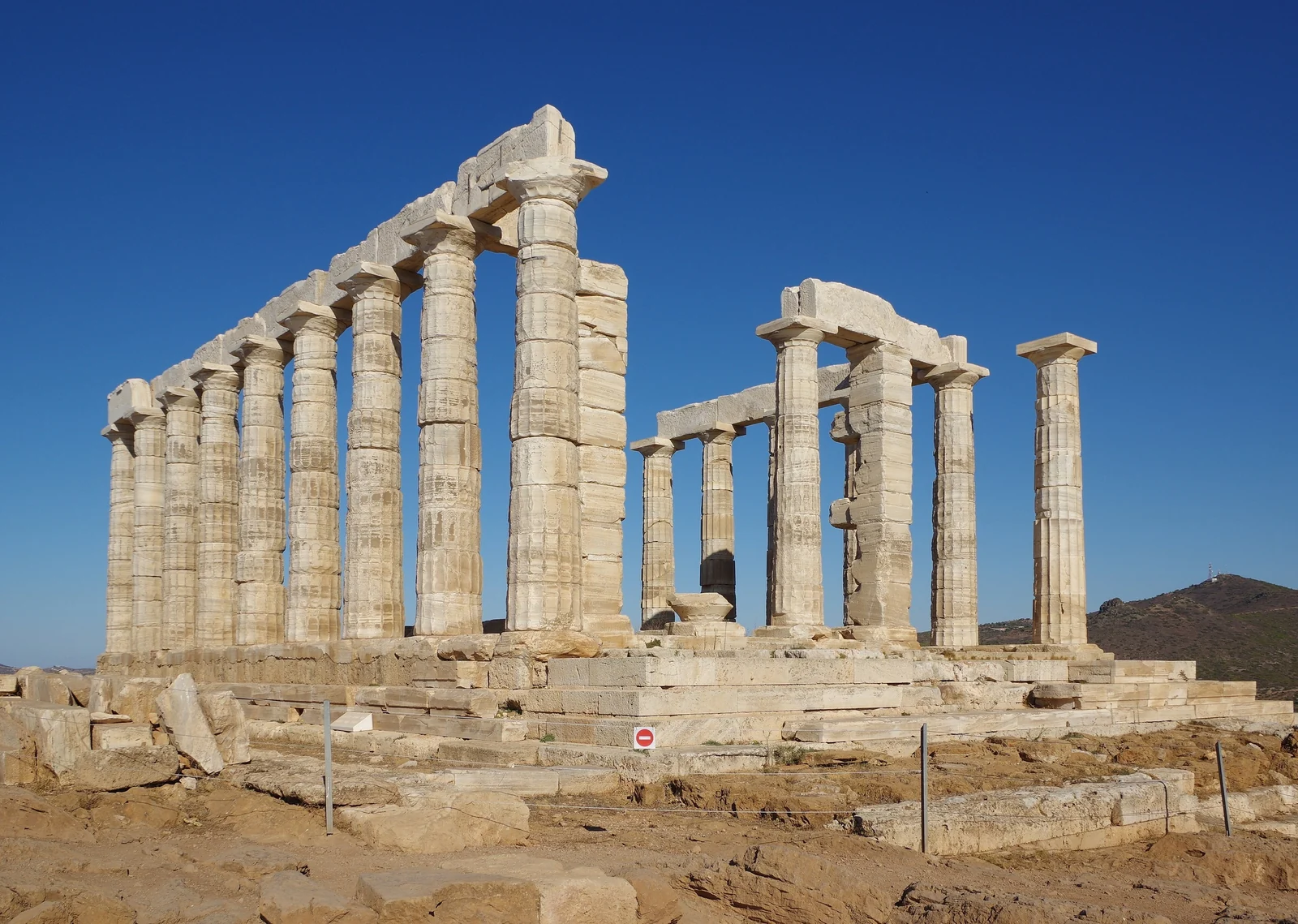
The Temple of Poseidon stands on a headland at the southern tip of Attica, built in the 5th century BC as a landmark for sailors. The view over the sea is the point, and the late-afternoon bus out and a sunset back is a classic plan. Check the return time before you commit, because the last bus may leave soon after dark.
Delphi
Delphi was the seat of the oracle of Apollo and, to the ancient Greeks, the center of the world. UNESCO listed the site in 1987. The ruins climb a steep mountainside above an olive-filled valley, and the museum holds the famous bronze Charioteer. It is a long day by bus, so a guided tour or an overnight is easier than rushing.
Aegina and Hydra
Aegina is the easy option, a short ferry from Piraeus with a pleasant harbor town and the Temple of Aphaia inland. Hydra is further and prettier in a very different way: a stone harbor town where motor vehicles are famously absent and donkeys and water taxis do the work. If you like islands, our guides to Santorini and Rhodes take you further afield.
Best Time to Visit Athens
Athens gets hot. Summer days regularly climb well above 30°C, and heatwaves can push them much higher. In extreme heat, authorities have closed the Acropolis during the middle of the day, so a midday visit is a gamble you do not need to take.
- April to early June: the best balance of warm weather, green hills and manageable crowds.
- July and August: hot and crowded, with a quieter, locals-away feel in mid-August. Schedule sights for early morning and late afternoon, and plan indoor stops in between.
- September to October: still warm, and the sea is at its warmest. Many people consider this the sweet spot.
- November to March: cooler and wetter, with short days and few queues. Pack a rain jacket.
Also note that archaeological sites often close on certain public holidays, and some shut earlier in winter. Check each site's official page before you plan around it.
Getting to Athens and Getting Around
Athens International Airport is east of the city. The metro line to the center, an express bus and taxis all serve it, and the metro is the cheapest and most predictable. The trip takes roughly 40 minutes to the center.
Within the city, the metro is clean, quick and decorated with archaeological finds uncovered during construction. Lines 1, 2 and 3 cover most of the places on this list, and Monastiraki, Syntagma and Acropoli are the stations you will use most. Trams run to the coast and buses fill the gaps. Central Athens is walkable, but the slopes and the sun are real, so ride when it is hot. Use licensed taxis or a ride-hailing app and check fares are metered. The Visit Greece site and the transport operators list current fares.
Where to Stay in Athens
- Plaka and Monastiraki: unbeatable for walking to sights, with metro on your doorstep. Expect tourist crowds and some noise.
- Koukaki and Makrygianni: the sweet spot for most visitors, close to the Acropolis Museum, calmer in the evening and good for food.
- Psyri and Thissio: lively at night, with rooftop bars and meze. Choose a room away from the street if you sleep lightly.
- Syntagma and Kolonaki: polished, central and well placed for shopping, museums and the funicular up Lycabettus. Usually pricier.
Whichever area you choose, rooms with an Acropolis view cost more, but a rooftop bar nearby gives you the same sight for the price of a drink. Planning a wider trip? See our guide to Greece, the Istanbul travel guide or all European destinations.
Athens Travel FAQ
How many days do you need in Athens?
Three days cover the Acropolis, its museum, the Ancient Agora, the old neighborhoods and one viewpoint at an easy pace. Add a fourth day for Delphi or an island, or if you want to explore food and neighborhoods more slowly.
Is the Acropolis worth visiting at midday in summer?
It is better to avoid it. The rock has almost no shade, the marble reflects the heat and authorities sometimes close the site in extreme temperatures. Go at opening time or in the last hour before closing, and bring water and a hat.
Can you buy Acropolis tickets on the day?
Often yes, but timed slots in peak season can sell out well ahead. Buying in advance through the official ticketing site saves queueing and lets you pick an early slot. Check current prices and discounts there before you travel.
What is the best day trip from Athens?
For the shortest trip, Cape Sounion offers a temple and sunset views. Delphi is the best for history but needs a full day or an overnight. Aegina is the easiest island, while Hydra feels farther away and more atmospheric.
Is Athens walkable?
The historic center is, and most major sights lie within a couple of kilometers of each other. The hills, steps and heat make a metro hop worth it in summer, and the metro stations at Monastiraki, Syntagma and Acropoli are convenient.
Where should first-time visitors stay in Athens?
Koukaki or the Plaka and Monastiraki area suit most first-timers. Koukaki is calmer and close to the Acropolis Museum, while Plaka and Monastiraki put you next to the sights and the metro, at the cost of crowds.
What should you eat in Athens?
Start with souvlaki or gyros in a pita, then try a table of shared meze, grilled octopus and fresh salads. Finish with hot loukoumades drizzled in honey and a Greek coffee. Ouzo or tsipouro goes well with meze.