For a first visit to Rome, stay in the Centro Storico (the Pantheon and Piazza Navona area) or in Monti. Both put you within walking distance of the main sights, with plenty of places to eat. Trastevere is the best choice if you want lively evenings, Prati if the Vatican is your priority, and Termini only if you need easy trains and are willing to be picky about the street.
Rome is bigger than it looks on a map. The center is walkable, but the metro covers only part of it, so the neighborhood matters more than the hotel. This guide explains how to choose, what each area feels like at street level, and where first-timers tend to go wrong. For what to see once you are there, read our Rome travel guide.
How to Choose Where to Stay in Rome
Four questions settle most decisions. Answer them before you open a booking site.
- Walkability. Most of historic Rome is compact enough to cover on foot, but cobblestones and long days wear you down. A base where you can walk to two or three major sights saves more time than a cheaper room far out.
- Metro access. Rome has only three metro lines (A, B and C), and the Pantheon and Piazza Navona area has no station at all. Termini is the hub where lines A and B cross. Line B serves the Colosseum, and line A serves the Spanish Steps and the Vatican side.
- Noise. Squares with restaurants and bars stay loud late, and many older buildings have thin windows. Ask for a courtyard-facing room, and read recent reviews for the word "noise."
- Budget. The closer you get to the Pantheon and Piazza Navona, the higher the typical price. Monti, Testaccio and the streets around Termini often give you more room for the money, but compare current rates for your dates rather than trusting a rule of thumb.
Rome Neighborhoods at a Glance
| Neighborhood | Best for | Vibe | Getting around | Watch out for |
|---|---|---|---|---|
| Centro Storico (Pantheon, Navona) | First-timers, short stays | Medieval lanes, piazzas, restaurants | Walk everywhere; no metro, so buses and taxis | Crowds, higher prices, tourist-menu restaurants |
| Monti | First-timers who want a local feel | Small wine bars, boutiques, quiet side streets | Walk to the Colosseum; Cavour metro (line B) | Some steep streets; busy bar squares |
| Trastevere | Evenings, couples, food | Ivy, cobbles, long dinners | Tram 8 and buses; walk over the river | Late noise, crowds after dark |
| Prati | Vatican visits, quieter nights | Wide streets, shops, residential | Metro line A (Ottaviano, Lepanto) | Few sights beyond the Vatican; far from the Colosseum |
| Termini / Esquilino | Trains, airport, budgets | Busy, multicultural, practical | Hub for metro A and B, trains and buses | Rough streets near the station at night |
| Testaccio | Food lovers, repeat visitors | Former working-class quarter, now a food district | Metro B (Piramide) and trams | Fewer sights nearby; nightlife noise |
| Celio / Colosseum | Early starts at the ruins | Quiet, green, near the ancient sites | Metro B (Colosseo), walking | Few restaurants; touristy right at the Colosseum |
| Pinciano / Villa Borghese | Quiet, comfort | Residential, parkland | Buses and walking; metro A at Spagna | Far from nightlife and the ancient sites |
The Main Rome Neighborhoods, One by One
Centro Storico: Pantheon and Piazza Navona
This is the Rome of postcards. The Pantheon, Piazza Navona, Campo de' Fiori and the lanes between them are a few minutes apart, and the Tiber and the Vatican are a walk away across the bridges. You can leave your room, wander in any direction and run into something old.
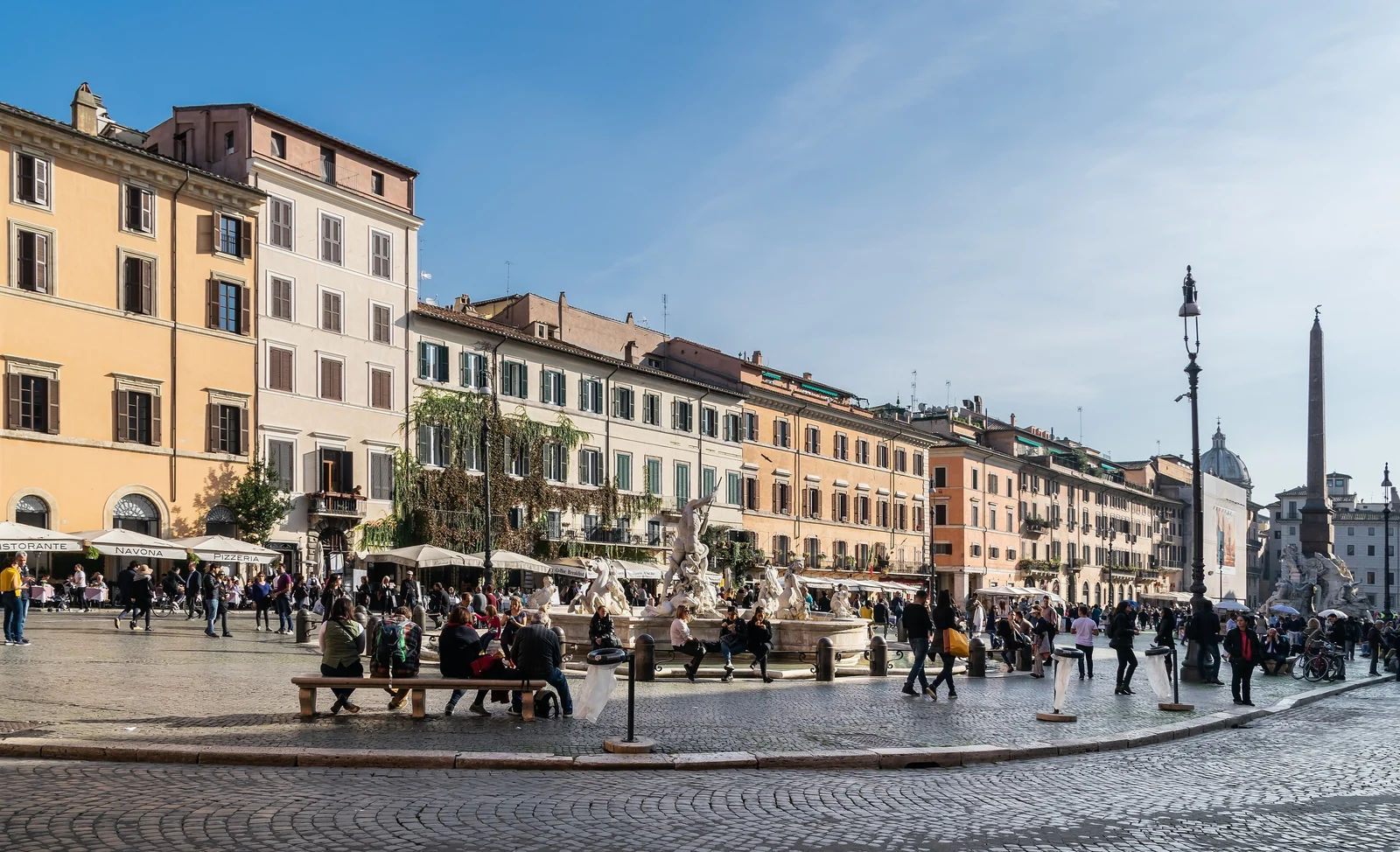
The trade-off is cost and crowds. Restaurants directly on the big squares often serve tourists first, so walk two or three streets away to eat. There is also no metro here, which means you rely on walking, buses and taxis. For a first trip of three to five days, that is a small price for the location.
Campo de' Fiori, just southwest of Navona, is a good variation. It has a morning market and a strong evening scene, which is also the catch: the square is loud late. Pick a side street if you sleep lightly.
Monti: A Local Feel Close to the Colosseum
Monti is the neighborhood I would point most first-timers toward when the Centro Storico is out of budget. It is among the oldest districts in Rome, set on the slopes between the Colosseum, the Forum and Termini. The streets are narrow, with small wine bars, vintage shops and trattorias around Piazza della Madonna dei Monti.
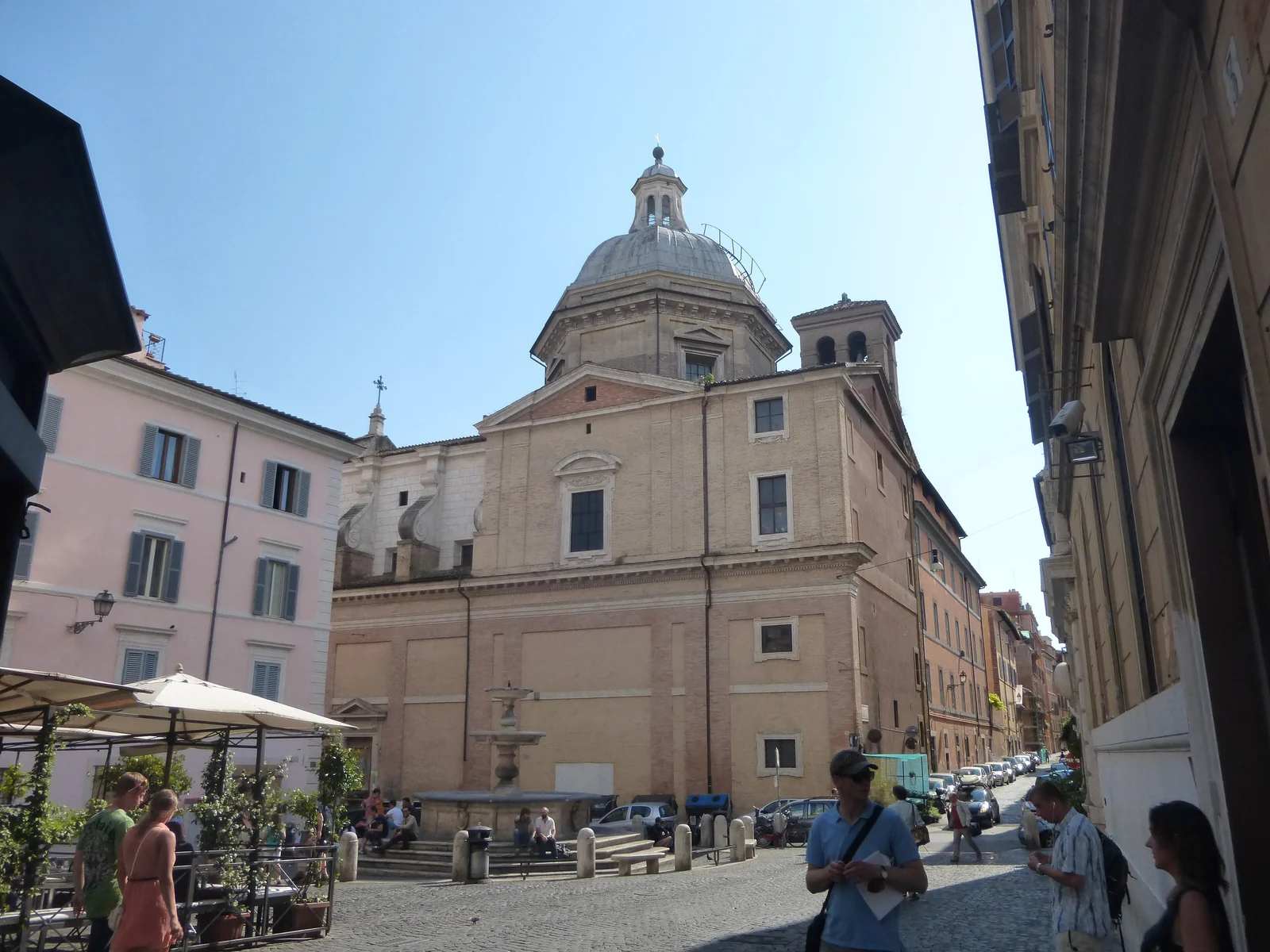
You can walk to the Colosseum in roughly ten minutes, and the Cavour station on metro line B is close. A few streets are steep, and the evening crowd near the main square can be noisy, but the area feels residential rather than staged for visitors. For the location, it is very good value.
Trastevere: Rome After Dark
Trastevere lies across the Tiber from the center, and it is the neighborhood most people picture when they imagine a long Roman dinner. Ivy-covered buildings, cobbled lanes, the mosaics of the Basilica of Santa Maria in Trastevere and a dense mix of restaurants make it popular, with good reason. Our Rome guide covers what to do there once you arrive.
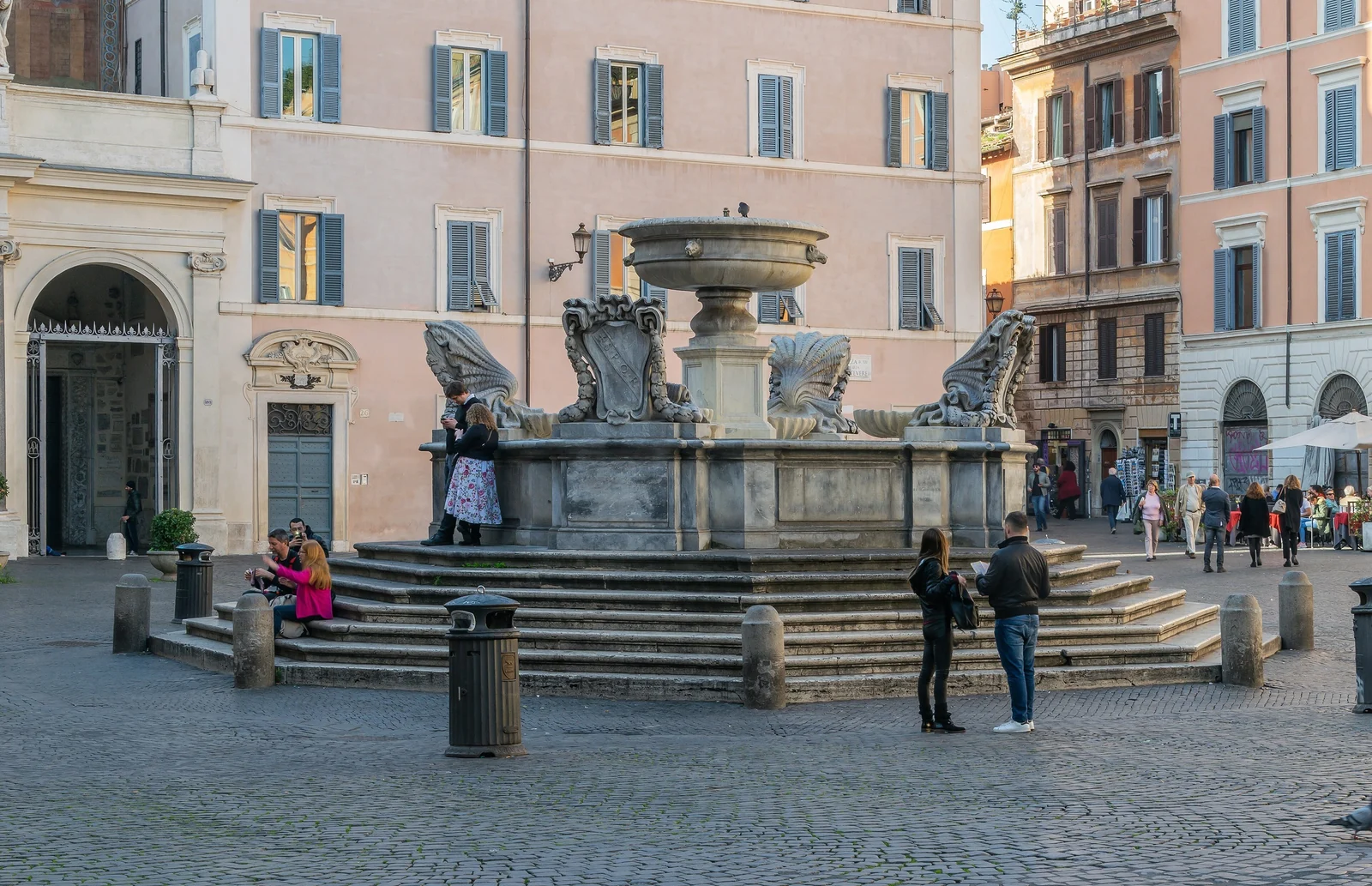
The honest warning: it is crowded and noisy after dark, especially on weekends, and the metro does not reach it. Tram 8 and several bus lines connect it to the center, and the walk to the Pantheon takes roughly half an hour. Choose Trastevere if you want evenings out and will trade a little convenience for atmosphere. Book a room off the main squares.
Prati and the Vatican: Quiet and Orderly
Prati is the planned district just north of Vatican City. Its wide, orderly streets are lined with shops, bakeries and everyday restaurants, and it feels residential rather than touristy. The Vatican Museums and St. Peter's are within walking distance, which matters when you have an early entry slot, and metro line A serves it at Ottaviano and Lepanto.
It fits visitors who put the Vatican first, families who want calmer evenings, and travelers who prefer a regular neighborhood to a showpiece one. The cost is distance: the Colosseum is a metro ride and a walk away, and Prati has less atmosphere of its own than Monti or Trastevere.
Termini and Esquilino: Convenient, With Cautions
Termini is Rome's main railway station and the hub where metro lines A and B cross. It is also where the Leonardo Express from Fiumicino arrives, and where many trains to other cities depart. If you are using Rome as a base for day trips, or arriving late and leaving early, it is genuinely practical.
Be honest with yourself about the surroundings. The area around the station and parts of Esquilino can feel run-down and chaotic, particularly at night, and petty theft and scams are a concern near the station and on the metro. Some blocks, especially toward Monti or around the gardens of Piazza Vittorio, are quite pleasant, so choose the exact street carefully, read recent reviews and keep an eye on your belongings. If you want convenience without the rough edges, Monti is a short walk away.
Testaccio, Celio and Villa Borghese: Good Alternatives
Testaccio
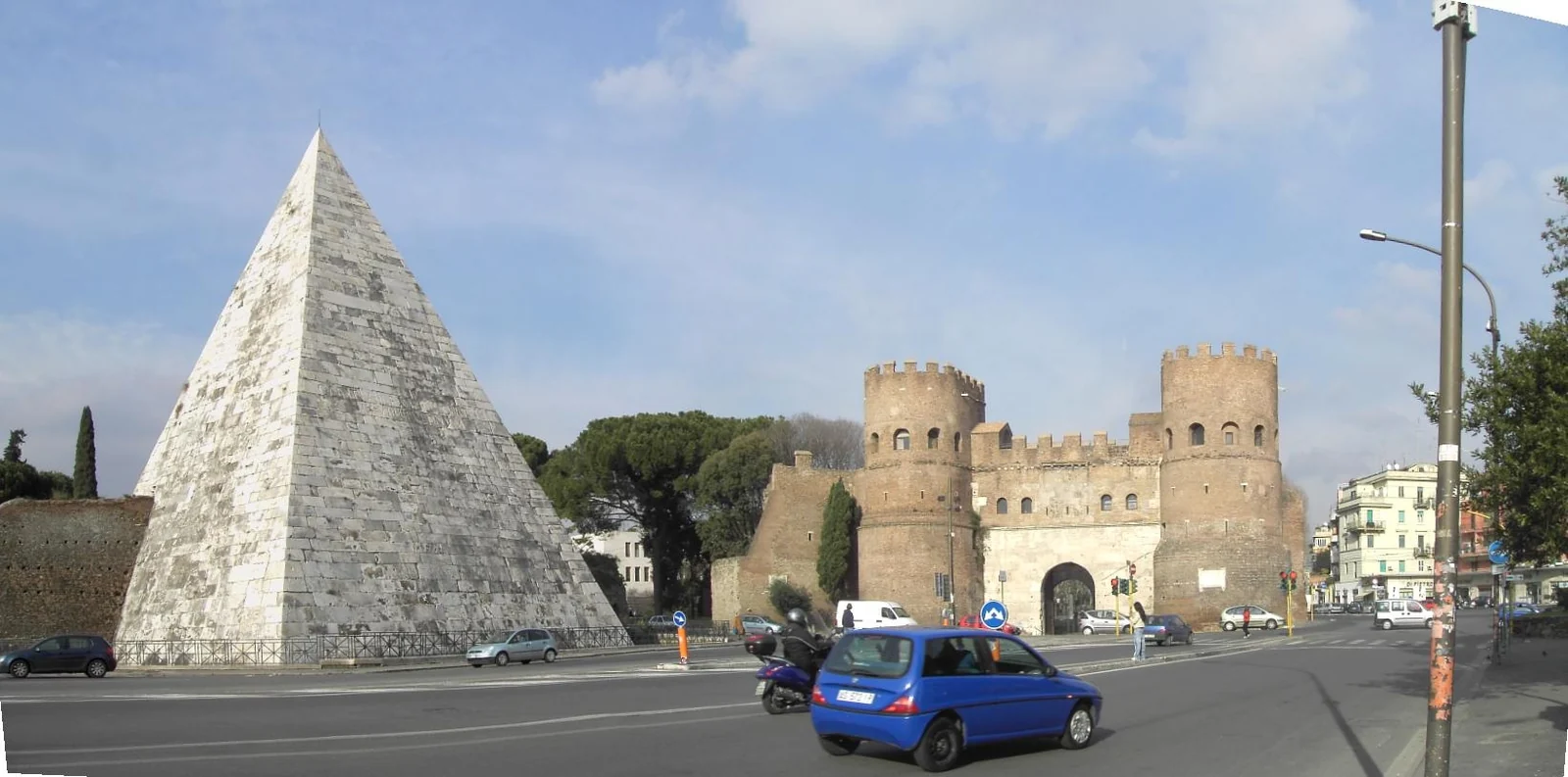
Testaccio is a former working-class district known for its food: a covered market, old-school trattorias and the offal-based cooking that grew up around the former slaughterhouse. It is a stronger choice for a second visit, or for travelers who care more about meals than monuments. Metro B at Piramide takes you to the Colosseum in a few stops.
Celio and the Colosseum area
Celio is the green hill just south of the Colosseum, with quiet streets, old churches and a more residential feel. It suits travelers who want to be at the ancient sites when they open. Dining options are thinner, and the streets right by the Colosseum feel touristy, so you may walk toward Monti in the evening.
Villa Borghese and Pinciano
North of the Spanish Steps, the Pinciano area and the edge of Villa Borghese are calm, leafy and comfortable. They suit travelers who prefer an unhurried base and don't mind a bus or taxi to reach the center. It is not where I would send someone on a first visit with limited time.
Where Not to Stay as a First-Timer
- Far out along the metro ends. A cheap room at the end of a line costs you an hour a day in transit, and you will feel it by day three.
- Near the airports. Fiumicino and Ciampino are only worth it for a very early flight. The transfer into the center is simple enough that you do not need to sleep out there.
- The edge of Termini without checking the street. Some blocks are fine, others are not. Judge the address, not the neighborhood name.
- Anywhere with no clear route to your first morning. If your key sight is the Vatican or the Colosseum, check the walking or metro time before you book.
Hotels, Apartments and Convent-Style Stays
Hotels give you a front desk, luggage storage and often air conditioning, which matters in summer. They are the safest choice for short stays and for a first trip.
Apartments work for stays of a few nights or longer, and for families who want a kitchen. In older buildings, check the floor and whether there is a lift, since many Roman apartments are up several flights of stairs. Read reviews for noise and heat.
Convent and religious guesthouses are a Roman specialty. Many church-run houses offer simple, quiet rooms, often at a modest price, sometimes with house rules such as a curfew or no air conditioning. Check the terms and what is included before you book.
Rome, like most Italian cities, charges a small city tourist tax per person per night, collected by the property and usually paid separately from the room rate. Rules and amounts change, so check the current details on the official Rome tourism website before you travel.
Airport Transfers, Metro, Trams and Walking
From Fiumicino and Ciampino
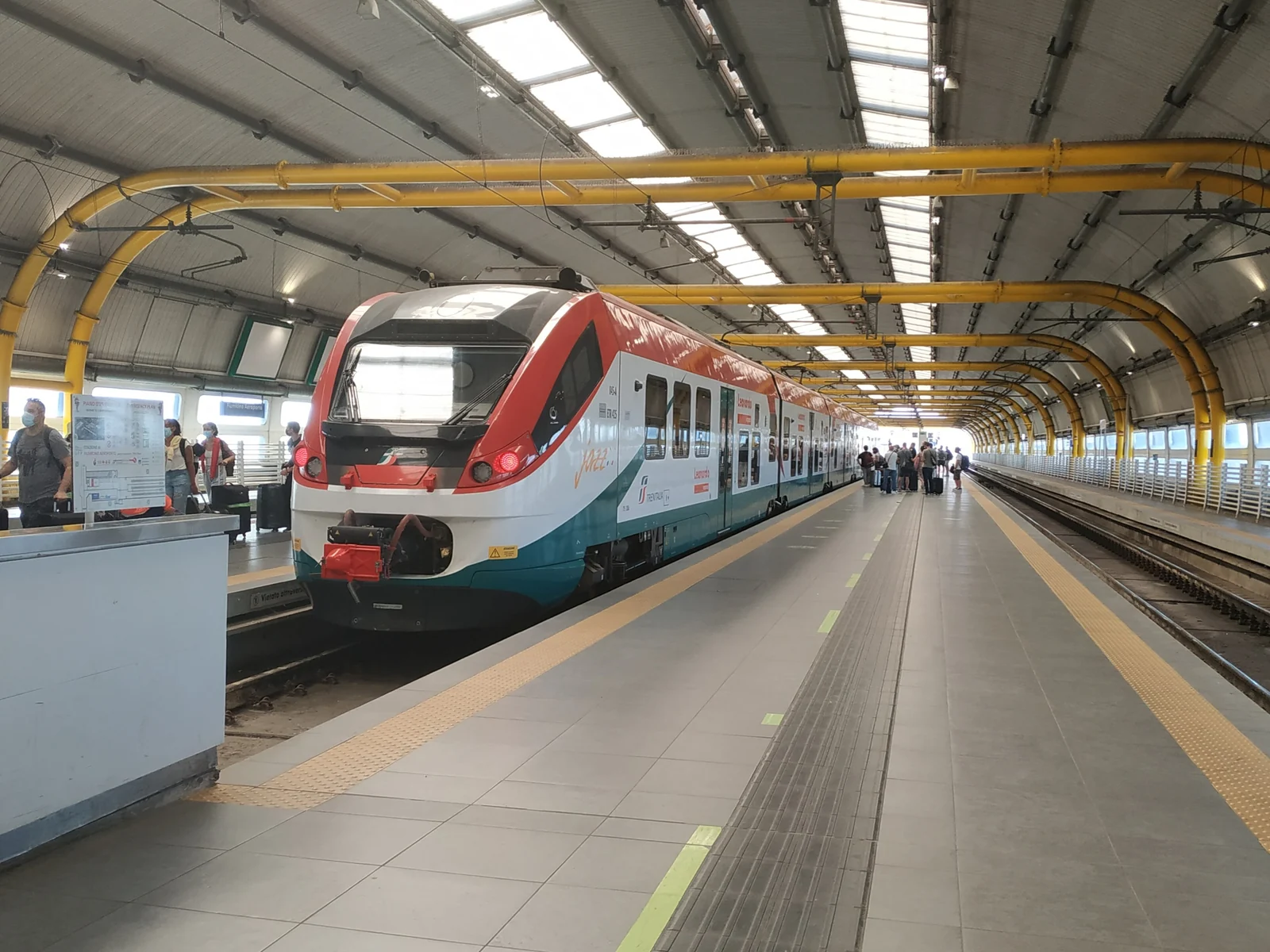
From Fiumicino (FCO), the Leonardo Express runs non-stop to Termini, taking about 32 minutes. Regional trains on the FL1 line serve other stations, including Trastevere, and are useful if your base is on that side of the river. Check timetables and fares on the Trenitalia website and the Aeroporti di Roma page for the Fiumicino train.
Ciampino (CIA) has no direct train to the center, so the usual route is a shuttle bus to Termini or a bus plus a regional train. Allow extra time, and check the current operators and schedules on the airport's official site.
Getting around the city
Rome's public transport is run by ATAC, and you can plan routes on the ATAC website. The metro is quick but reaches only part of the center. Trams and buses fill the gaps, and tram 8 is the one most travelers use to reach Trastevere. Walking covers the rest. Expect uneven cobblestones, so pack comfortable shoes, and expect to take a taxi occasionally at night.
If you are weighing Rome against other cities, our guide to Rome or Florence can help you decide, and our article on Rome to Naples and Pompeii by train is useful if your trip heads south. Termini is the easiest base for those trains.
Which Area for Which Traveler
- First visit, a few days: Centro Storico or Monti.
- Couples and food lovers: Trastevere, with a room off the main square, or Testaccio.
- Vatican and a calm base: Prati.
- Train-heavy trips or late arrivals: Termini, with a careful street check, or the Monti side of Esquilino.
- Early risers at the ancient sites: Celio or Monti.
- Families: Prati or Pinciano for calm; Monti if you want everything within a walk.
- Light sleepers: avoid Campo de' Fiori, the squares of Trastevere and anywhere above a bar. Ask for a courtyard room.
Planning more of the country? Our Italy travel category collects guides for the rest of the trip.
Where to Stay in Rome FAQ
What is the best area to stay in Rome for first-timers?
The Centro Storico around the Pantheon and Piazza Navona is the most convenient, because you can walk to most major sights. Monti is a close second and often better value. Both let you skip daily metro rides.
Is Trastevere a good place to stay in Rome?
Yes, if you want lively evenings and a village feel. It is crowded and loud after dark, and the metro does not reach it, so you rely on trams, buses and walking. Pick a room off the main squares.
Is it safe to stay near Termini station?
It is practical but not Rome's most pleasant area. Petty theft and scams are a concern around the station and on the metro, and some streets feel rough at night. Choose the exact street carefully, read recent reviews and keep valuables close.
Where should I stay in Rome to be near the Vatican?
Prati is the best choice. It is within walking distance of the Vatican Museums and St. Peter's, has metro line A at Ottaviano and Lepanto, and feels calmer and more residential than the historic center.
How do I get from Fiumicino airport to central Rome?
The Leonardo Express train runs non-stop from Fiumicino to Termini in about 32 minutes. Regional trains also serve other stations such as Trastevere. Check current fares and timetables on the official Trenitalia website.
How many days do you need in Rome?
Three days cover the Colosseum, the Vatican and the historic center at a steady pace. Four or five let you add Trastevere evenings, a slower morning and a day trip. Choose your area based on how long you stay.
Do I need a car in Rome?
No. Driving in the historic center is restricted in many areas, parking is hard and the sights are close together. Walking, the metro, trams and buses cover nearly everything a first-time visitor needs.