Italy has more than a dozen islands worth a trip, and they are wildly different from one another. The best Italian islands for you depend on what you want: Sicily and Sardinia are whole regions with their own food, history and road trips, Capri and Procida are small enough to walk, and the Aeolian Islands put you on the slopes of active volcanoes.
Our short answer: pick Sicily for culture and food, Sardinia for beaches, Ischia or Procida for an easy add-on to Naples, and the Aeolian Islands for island-hopping. Below you will find what each island is best for, how to reach it by ferry or plane, when to go, a comparison table and a simple way to decide.
The Best Italian Islands at a Glance
This table covers the islands people compare most often. Travel times are typical for the fastest regular service and vary by season and weather, so treat them as a guide and check timetables before you book.
| Island | Best for | Main gateway | Ideal stay |
|---|---|---|---|
| Sicily | Food, Greek temples, Baroque towns, Etna | Palermo or Catania airport | 7–14 days |
| Sardinia | Beaches, coves, hiking, road trips | Cagliari, Olbia or Alghero airport | 7–14 days |
| Capri | Cliff scenery, glamour, short stays | Ferry from Naples or Sorrento | 1–2 nights |
| Ischia | Thermal spas, gardens, relaxed beach days | Ferry from Naples or Pozzuoli | 3–5 nights |
| Procida | Slow travel, color, local life | Ferry from Naples or Pozzuoli | 1–3 nights |
| Aeolian Islands | Volcanoes, island-hopping, boat trips | Hydrofoil from Milazzo | 4–7 nights |
| Elba | Family beaches, cycling, Napoleon history | Ferry from Piombino | 4–7 nights |
| Egadi Islands | Clear water, cycling, snorkeling | Hydrofoil from Trapani | 2–4 nights |
| Pantelleria | Volcanic landscapes, wine, privacy | Flight from Sicily or ferry from Trapani | 4–6 nights |
| Lampedusa | Beaches, turtles, very clear sea | Flight from Palermo or Catania | 4–6 nights |
For more ideas on the mainland, browse our Italy travel guides. The official tourism site Italia.it also has a useful overview of the islands by region.
Sicily and Sardinia: The Two Big Islands
These are not islands you "do" in a weekend. Each is bigger than several European countries, and a first trip works best when you focus on one corner instead of driving in circles.
Sicily: Best for Culture and Food
Sicily is the largest island in the Mediterranean, and it rewards curiosity more than any other Italian island. In one trip you can see Greek temples at Agrigento, the Baroque towns of the Val di Noto, Norman mosaics in Palermo and Monreale, and the lava fields of Mount Etna. The food alone justifies the flight: arancini, caponata, fresh ricotta, granita for breakfast.
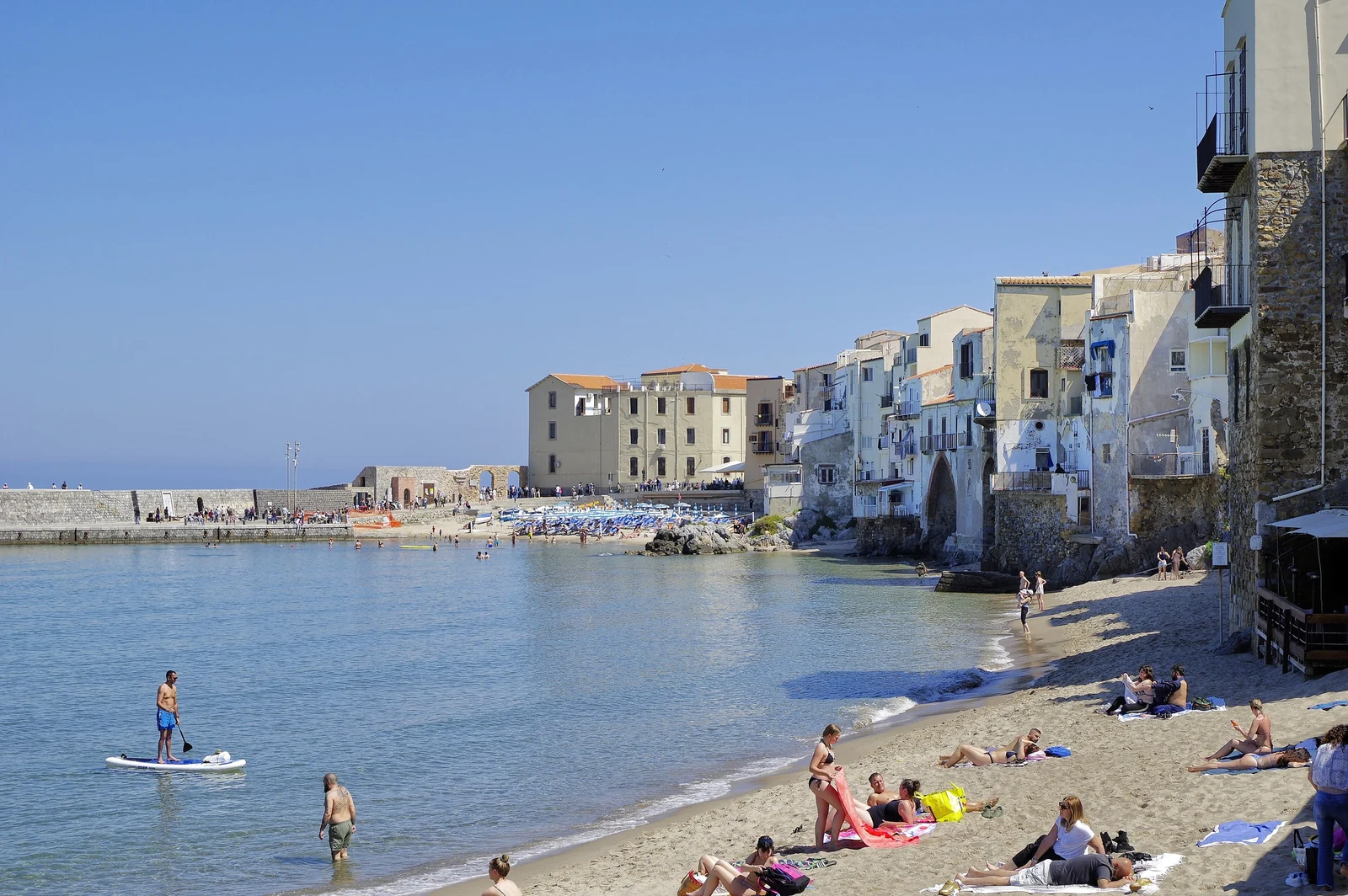
Beaches exist, and some are lovely (San Vito Lo Capo, the Zingaro reserve, Cefalù), but if a lounger is your main goal, Sardinia does it better. Sicily is the island for people who want to eat well and see things. Most visitors fly into Palermo or Catania; Trapani and Comiso airports have fewer flights. Drivers can also cross the Strait of Messina by car ferry from Villa San Giovanni in Calabria.
Sardinia: Best for Beaches and Wild Coast
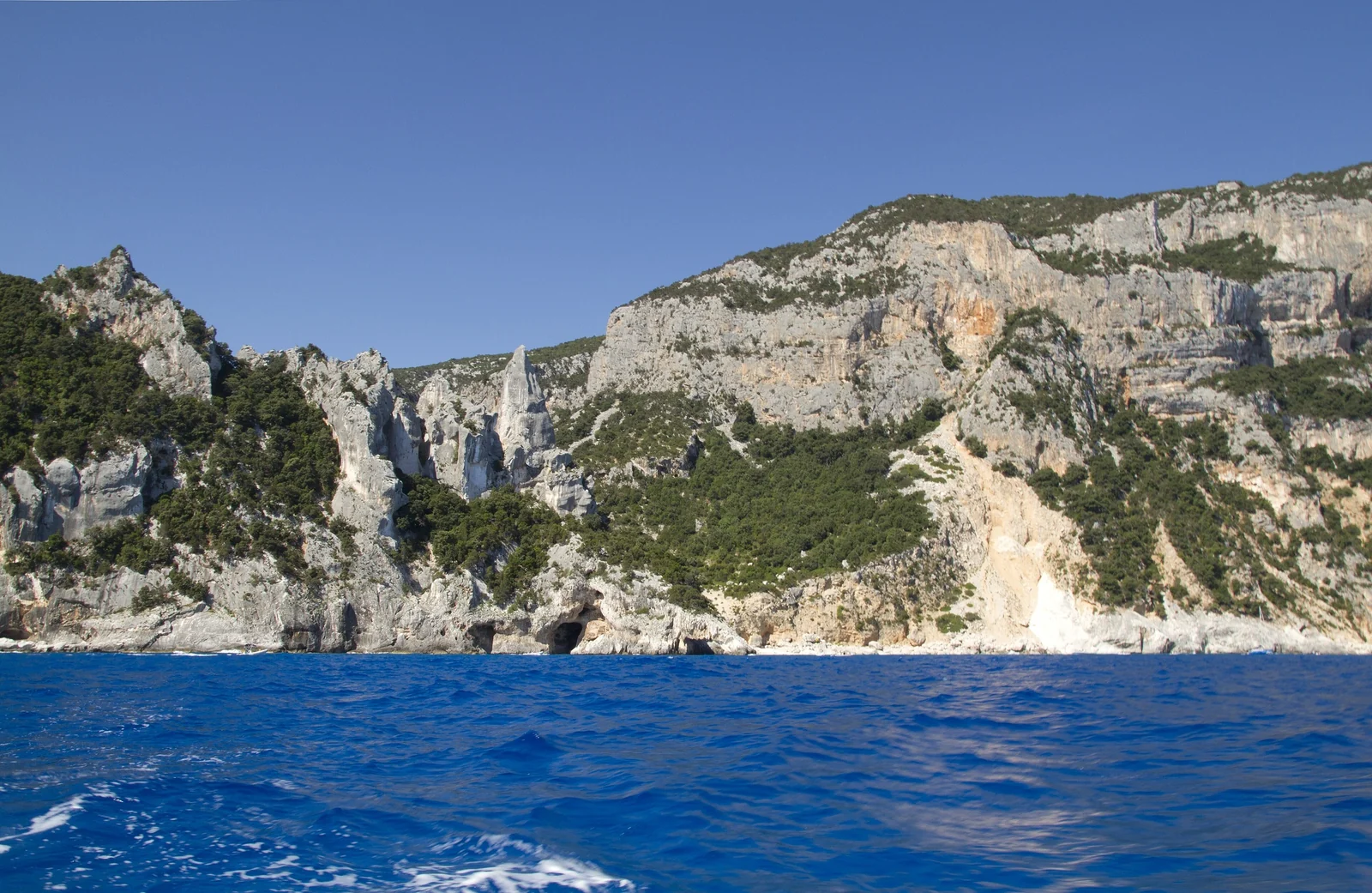
Sardinia, the second-largest island, has the kind of water people expect from Caribbean brochures. The Costa Smeralda and the La Maddalena archipelago in the northeast are the famous names; the Gulf of Orosei on the east coast, with coves like Cala Goloritzè and Cala Mariolu, is better for hiking and boat trips. The south around Cagliari and the west near Alghero are quieter and often better value.
Inland Sardinia feels like a different country, with shepherd villages, mountain roads and thousands of Bronze Age stone towers called nuraghi. The site of Su Nuraxi di Barumini has been on the UNESCO World Heritage list since 1997. Fly into Cagliari, Olbia or Alghero, or take an overnight car ferry from mainland ports such as Genoa, Livorno or Civitavecchia. You will want a car.
Capri, Ischia and Procida: The Bay of Naples Islands
The three islands in the Bay of Naples are the easiest to fit into a wider Italy trip. Ferries and hydrofoils leave Naples several times a day, and you can be on any of them in roughly an hour. Their personalities could not be more different, which is why it pays to choose rather than default to Capri.
Capri: Best for Scenery and a Short Splurge
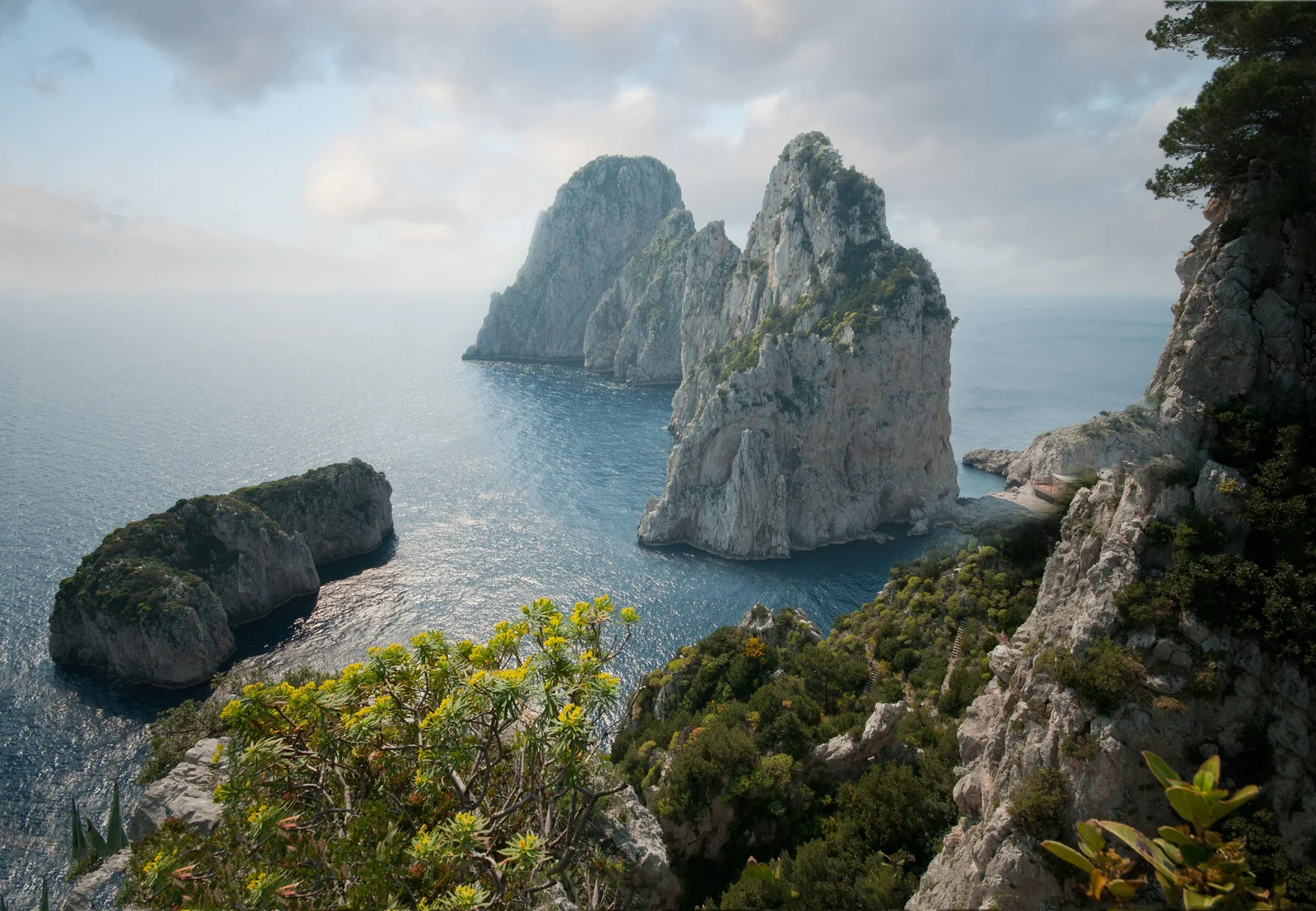
Capri is small, steep and spectacular. The Faraglioni rock stacks, the chairlift up Monte Solaro from Anacapri, the ruins of Emperor Tiberius's Villa Jovis and the walk along the Via Krupp viewpoints are the highlights. The famous Blue Grotto is only accessible by small rowboat in calm seas, so don't plan a day around it.
Our honest take: Capri is far better overnight. Day-trippers pour in from late morning to late afternoon, and the island feels completely different at breakfast and after dinner. Ferries run from Naples and Sorrento all year, with seasonal boats from the Amalfi Coast. Pair it with our guide to Italy's best-known sights if this is your first trip.
Ischia: Best for Thermal Spas and Longer Stays
Ischia is the largest island in the Bay of Naples and the one we would pick for a relaxing week. It is volcanic, which means hot springs: thermal parks with pools of different temperatures are spread around the island, alongside gardens, the castle-topped islet of the Aragonese Castle and the car-free fishing village of Sant'Angelo. Hikers can climb Monte Epomeo for views across the gulf.
Ischia draws many Italian and German visitors and feels less fashion-driven than Capri. Ferries and hydrofoils run from Naples and Pozzuoli. Local buses circle the island, so a car is optional.
Procida: Best for Slow Travel
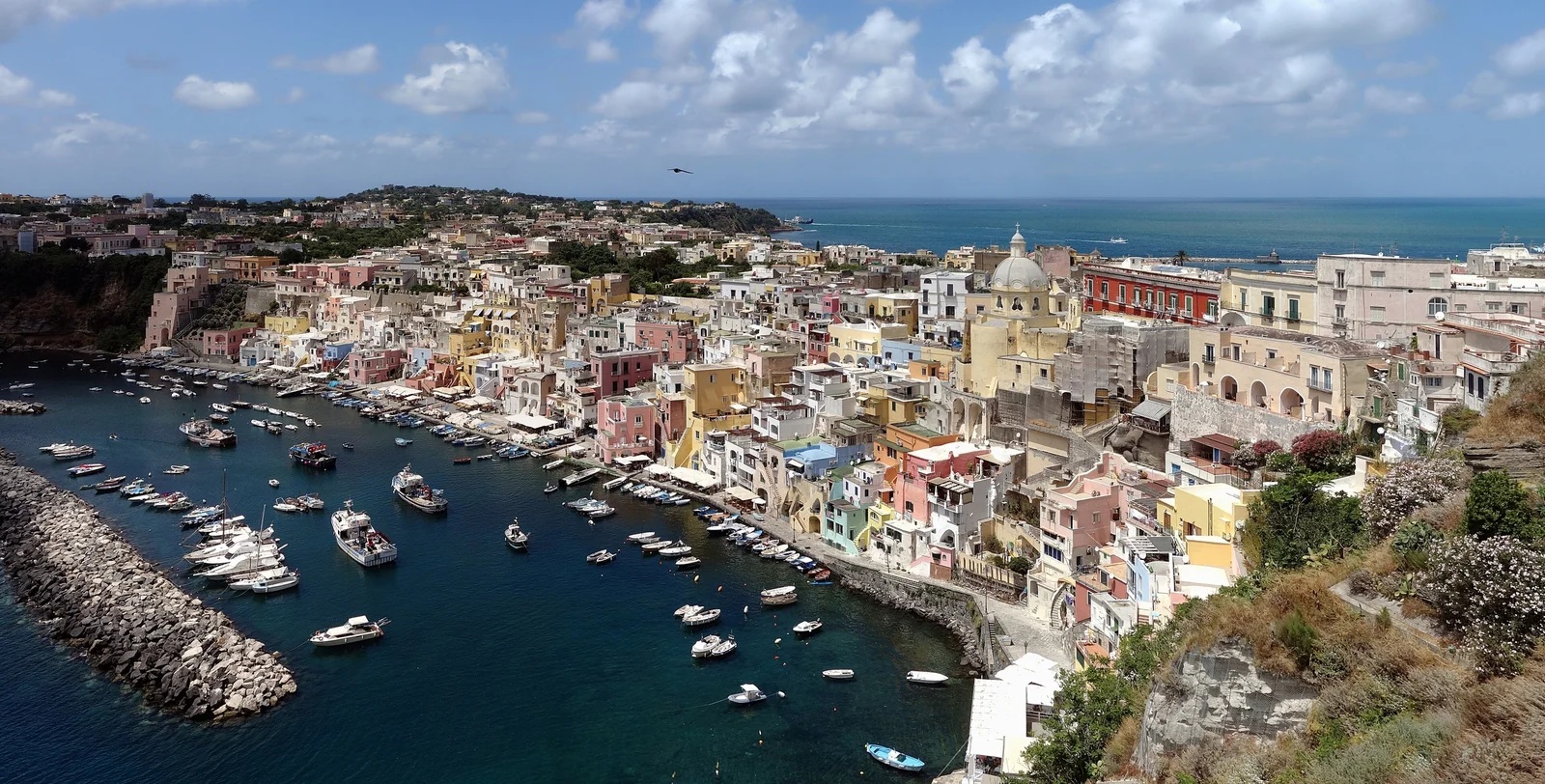
Procida is the smallest of the three and the least polished, in the best sense. Pastel houses stack above the harbor of Marina Corricella, the walled old quarter of Terra Murata looks down on the sea, and life runs on fishermen's hours rather than tour schedules. Scenes from the film Il Postino were shot here, and the island was named Italian Capital of Culture for 2022.
There are no blockbuster sights, which is exactly the point. Procida is the shortest crossing from Naples and Pozzuoli and works as a day trip, but one night lets you see Corricella after the last ferry leaves.
The Aeolian Islands: Best for Volcanoes and Island-Hopping
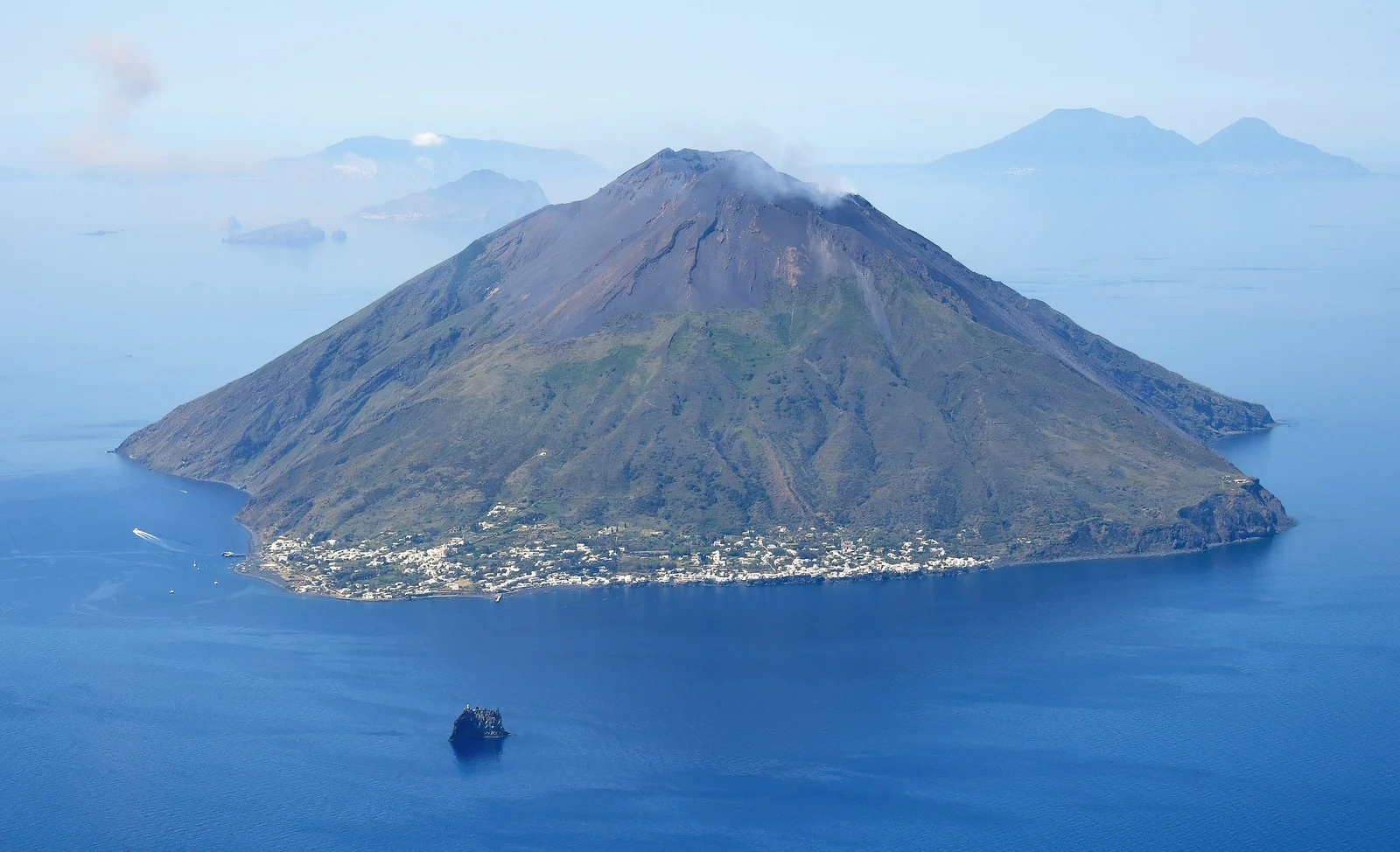
Off Sicily's northeast coast, the seven Aeolian Islands (Lipari, Vulcano, Salina, Stromboli, Panarea, Filicudi and Alicudi) were added to the UNESCO World Heritage list in 2000 for what their volcanic landforms taught science. They are the best Italian islands for hopping, because hydrofoils link them to each other through the summer.
- Lipari is the largest and most practical base, with the most hotels, restaurants and connections.
- Salina is green and calm, known for capers and Malvasia wine; it is our favorite for a slower stay.
- Stromboli erupts in small bursts almost constantly. Guided hikes go up its slopes, but access above set altitudes is restricted to authorized guides and changes with volcanic activity, so check local rules.
- Vulcano is the closest to Sicily and smells of sulfur; climb its crater rim for wide views.
- Panarea is tiny and stylish; Filicudi and Alicudi are remote and very quiet.
Most travelers take a hydrofoil from Milazzo, about an hour to Lipari. Seasonal services also run from Messina, Palermo, Reggio Calabria and Naples. Rough seas can cancel hydrofoils, so leave a buffer day before a flight home.
Elba: Best for Families and Active Holidays
Elba, off the Tuscan coast, is the third-largest Italian island and the easiest to reach from Florence, Pisa or Rome. Ferries from Piombino reach Portoferraio in about an hour, and you can bring a car. It is part of the Tuscan Archipelago National Park and has dozens of beaches, from sandy family bays to pebbly coves.
Elba is also a great cycling and hiking island, with Monte Capanne rising behind the western beaches. History fans can visit the residences where Napoleon lived during his exile in 1814 and 1815. It is less dramatic than the southern islands but more relaxed, and it works well for a week with kids.
Egadi, Pantelleria and Lampedusa: Italy's Far South
These smaller islands off western and southern Sicily attract travelers who want clearer water and fewer crowds. They take more planning, and many hotels and restaurants close outside the warm months.
Egadi Islands
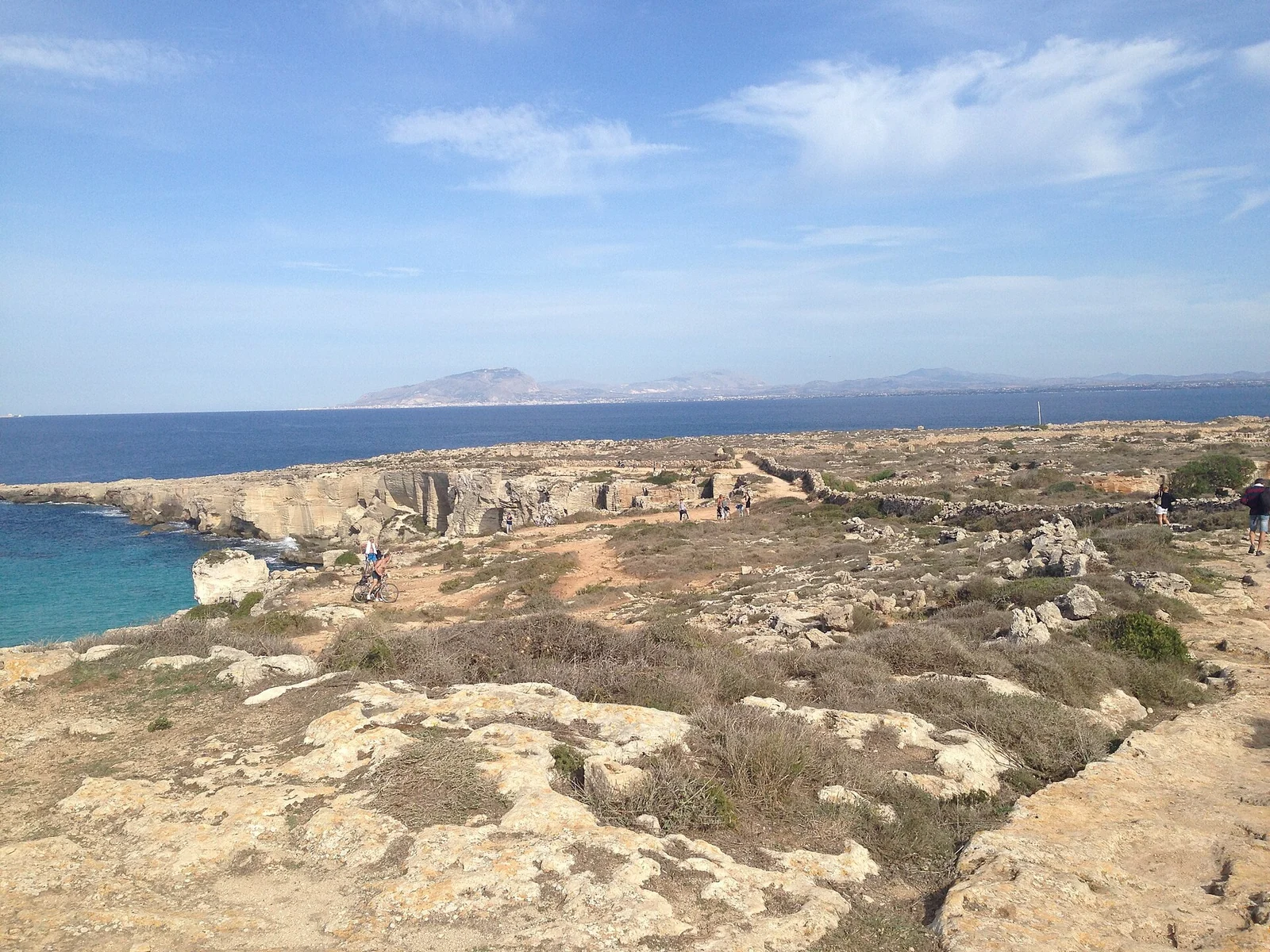
Favignana, Levanzo and Marettimo lie just off Trapani, about half an hour away by hydrofoil to Favignana. The surrounding sea is protected as the Egadi Islands Marine Reserve, established in 1991 and often described as the largest marine protected area in the Mediterranean. Favignana is flat, so renting a bike is the classic way to reach coves like Cala Rossa. Levanzo is tiny and sleepy; Marettimo is mountainous and best for hikers and divers.
Pantelleria
Pantelleria sits closer to Tunisia than to Sicily, roughly 70 km from the African coast. It is a black, windswept volcanic island of dry-stone terraces, domed stone houses called dammusi and Zibibbo vines grown low against the wind, a farming practice UNESCO recognized as intangible heritage in 2014. There are no sandy beaches; you swim from rocks or in the Specchio di Venere crater lake. Fly from Palermo or Trapani, or take a ferry from Trapani.
Lampedusa
Lampedusa is Italy's southernmost inhabited island and has some of the clearest water in the country. Its best-known beach, Spiaggia dei Conigli (Rabbit Beach), is part of a nature reserve where loggerhead turtles nest, and parts of it close to protect them. Flights from Palermo and Catania take about an hour, with seasonal routes from mainland cities; ferries from Porto Empedocle take several hours. Read the official Rabbit Beach visitor information before you go.
How to Choose the Right Italian Island
Start with three questions: how many days do you have, do you want to drive, and is this a beach trip or a sightseeing trip? Then use this shortlist.
- First trip to Italy, short on time: Procida or Ischia from Naples. You can add them to a city trip with no flights.
- Best beaches: Sardinia for variety, Lampedusa and the Egadi for clear water.
- Culture and food first: Sicily, without question.
- No car: Capri, Procida, Ischia, the Aeolian Islands and Favignana all work on foot, bus, bike or boat.
- Families: Elba or the gentler beaches of southern Sardinia.
- Hiking and nature: the Aeolian Islands, Marettimo, Pantelleria and the Gulf of Orosei.
- Romance and views: Capri overnight, Salina or Pantelleria.
Build the trip around one region rather than several islands that look close on a map. Sicily pairs naturally with the Aeolian or Egadi Islands, and Naples with its three islands. Sardinia is best on its own. If you are heading to the heel of Italy instead, our Puglia road trip guide covers a mainland coast with island-quality water. Fans of island-hopping can compare Italy with Croatia's Dalmatian coast.
Getting There and the Best Time to Visit
Ferries, Hydrofoils and Flights
Only Sicily, Sardinia, Lampedusa, Pantelleria and Elba have airports, and Elba's is small. For everything else you will take a ferry (slower, often carries cars) or a hydrofoil (faster, passengers only, more sensitive to wind). Book summer crossings early if you are bringing a car, and confirm timetables with the operator close to departure, since schedules change by season.
- Bay of Naples: from Naples and Pozzuoli; Capri also from Sorrento.
- Aeolian Islands: mainly from Milazzo in Sicily.
- Egadi and Pantelleria: from Trapani.
- Lampedusa: flights from Sicily or ferries from Porto Empedocle.
- Elba: from Piombino in Tuscany.
- Sardinia: flights, or overnight car ferries from Genoa, Livorno and Civitavecchia.
When to Go
Late May, June and September are the sweet spot: warm sea, long days, open hotels and fewer crowds than July and August. August is the peak for Italian holidays, with the highest prices and the busiest ferries. The sea is still warm enough for many swimmers into early October in the south.
From November to Easter, most small islands go quiet; many hotels close and ferry services thin out. Sicily and Sardinia's cities stay open all year, which makes them the best choice for an off-season island trip.
Italian Islands FAQ
What is the most beautiful island in Italy?
It depends on what you call beautiful. For dramatic cliffs and classic views, Capri is hard to beat. For turquoise water, Sardinia and Lampedusa stand out. For raw volcanic scenery, Stromboli and Pantelleria are the most striking. Many travelers who see several islands end up loving Salina or Procida most.
Which Italian island is best for a first visit?
Sicily is the best all-round choice if you have a week or more, because it combines beaches, cities, food and ancient sites. With only a few days, Ischia or Procida are easier, since they are a short ferry ride from Naples and need no car or flight.
Which Italian island has the best beaches?
Sardinia has the widest choice of beautiful beaches, from the Costa Smeralda to the Gulf of Orosei and the south coast. Lampedusa's Rabbit Beach and Favignana's Cala Rossa are also famous for clear water, though they are smaller and get crowded in August.
Can you visit Italian islands without a car?
Yes. Capri, Procida and Ischia have good buses, taxis and walking routes, and the Aeolian and Egadi Islands are easy to explore on foot, by bike, scooter or boat. A car is strongly recommended in Sicily and Sardinia outside the main cities.
How many days do you need on an Italian island?
Allow one or two nights for Capri or Procida, three to five for Ischia or Elba, and four to seven for the Aeolian Islands. Sicily and Sardinia deserve at least a week each, and even then you will only see one or two regions properly.
When is the best time to visit the Italian islands?
June and September offer the best balance of warm water, open services and manageable crowds. July and August are hottest and busiest. Outside the summer season, small islands are very quiet and some ferries and hotels stop operating, while Sicily and Sardinia stay rewarding all year.