


Greece packs an extraordinary amount into one country: the monuments of ancient Athens and Delphi, monasteries on top of rock pillars at Meteora, mountain villages in the north and thousands of islands scattered across the Aegean and Ionian seas. For a first trip, the challenge is not finding things to see but choosing a route that fits your time.
This Greece travel guide is a planning overview. It explains the main regions, when to go, how to get around by ferry, plane and road, and how to combine Athens with the islands. For single destinations, see our in-depth guides to Santorini, Rhodes and our list of lesser-known places in Greece.
Why Visit Greece: The Big Picture
Greece sits at the southern tip of the Balkans, with a long, heavily indented mainland coast and, according to the official tourism organization, around 6,000 islands and islets, of which 227 are inhabited. Mountains cover much of the country, so even the mainland feels varied, from olive-covered hills in the Peloponnese to the forests and gorges of Epirus.
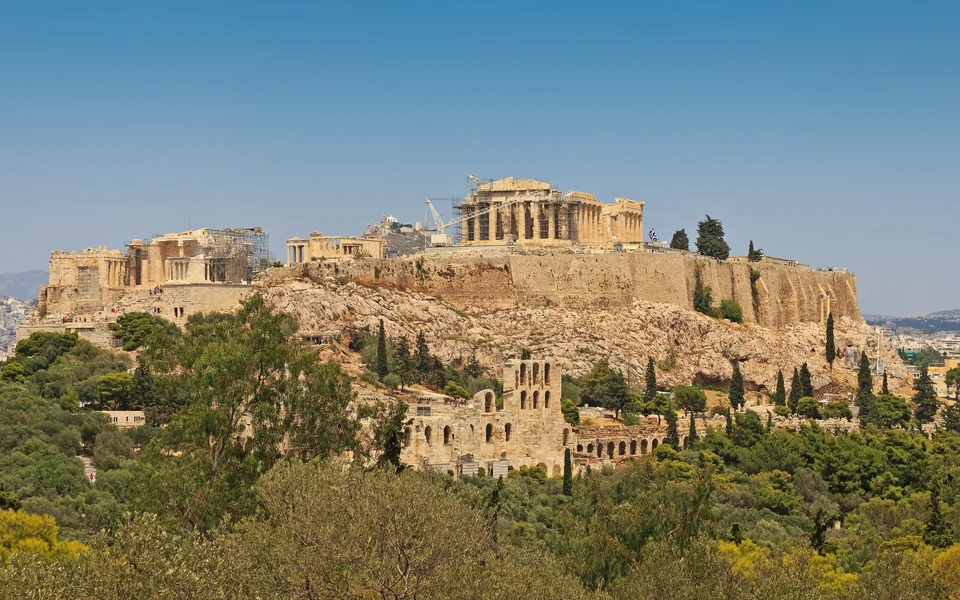
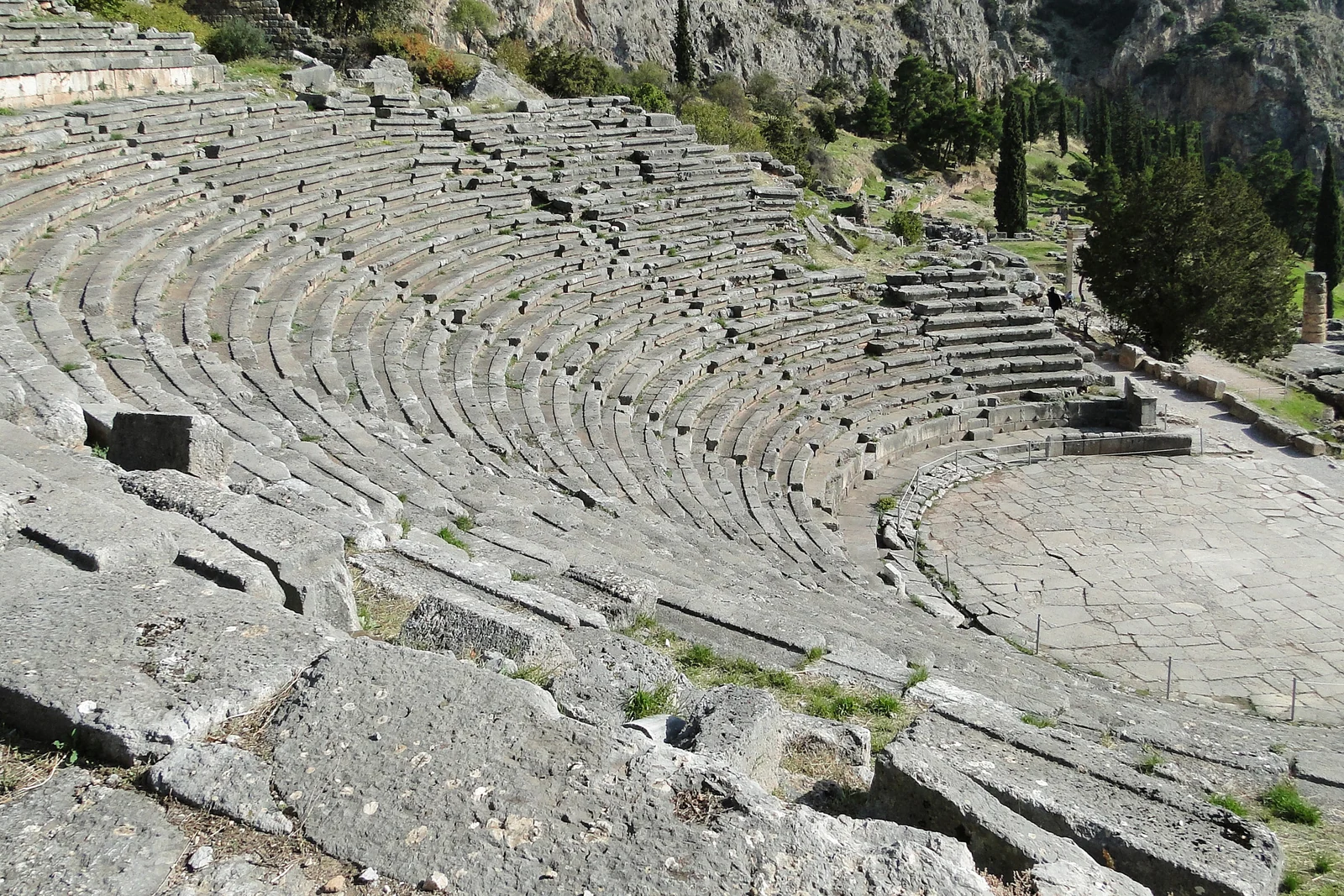
History is everywhere. You can stand on the Acropolis in Athens, walk the sanctuary of Apollo at Delphi, visit the site of the ancient Olympic Games at Olympia and then see Byzantine churches, Venetian fortresses and Ottoman mosques on the same trip. Add a food culture built on olive oil, vegetables, fish and local cheeses, and it is easy to see why so many travelers come back.
Greece at a Glance: Regions and Island Groups
It helps to think of Greece as a handful of distinct regions rather than one destination. Each has its own character, transport links and ideal trip length.
| Region | Best for | Examples |
|---|---|---|
| Athens and Attica | Ancient sites, museums, city life | Acropolis, Acropolis Museum, Cape Sounion |
| Central and northern mainland | Monasteries, mountains, food cities | Delphi, Meteora, Thessaloniki, Zagori |
| Peloponnese | Classical sites, castles, road trips | Olympia, Mycenae, Nafplio, Monemvasia |
| Cyclades | Whitewashed villages, beaches, island hopping | Santorini, Mykonos, Naxos, Paros, Milos |
| Crete | Long stays, gorges, Minoan history | Knossos, Chania, Samaria Gorge |
| Dodecanese | Medieval towns, easy links to Türkiye | Rhodes, Symi, Kos, Patmos |
| Ionian Islands | Green scenery, Venetian towns, sheltered sailing | Corfu, Kefalonia, Zakynthos, Lefkada |
Best Time to Visit Greece
The best time to visit Greece for most travelers is late spring (May to mid-June) or early autumn (September to mid-October). The sea is warm enough for swimming from June, archaeological sites are more comfortable to explore than in midsummer, and ferries and island services are running.
| Season | What to expect | Good for |
|---|---|---|
| Spring (April–June) | Mild to warm, green landscapes, Easter celebrations | Sightseeing, hiking, mainland road trips |
| Summer (July–August) | Hot and dry, busiest and priciest period, strong Aegean winds on some days | Beach holidays, island nightlife |
| Autumn (September–October) | Warm sea, thinner crowds, grape and olive harvests | Island hopping, swimming, food trips |
| Winter (November–March) | Cool and wetter; many island hotels and tavernas close | Athens, Thessaloniki, museums, mountain villages |
Summer heat can be intense, especially in Athens and on the mainland, and archaeological sites sometimes adjust their hours during heat waves. Plan outdoor sightseeing for early morning or late afternoon, and check the Ministry of Culture’s site listings for current opening hours before you go.
Top Places to Visit in Greece for a First Trip
Most first-time itineraries combine Athens with one or two island groups. If you have more time, add a mainland loop. These are the places that repay a first visit most.
Athens
Allow at least two full days. Visit the Acropolis early in the morning, spend time in the Acropolis Museum, walk through the Ancient Agora and Plaka, and watch the sunset from Lycabettus or Philopappos Hill. Athens is also the main hub for flights and for ferries from the ports of Piraeus, Rafina and Lavrio.
Delphi and Meteora
Delphi, once considered the center of the ancient Greek world, lies on the slopes of Mount Parnassus, roughly a three-hour drive from Athens. Further north, the monasteries of Meteora stand on towering sandstone pillars above the town of Kalambaka. Both are UNESCO World Heritage Sites and work well as a two- or three-day road trip or organized tour.

The Cyclades
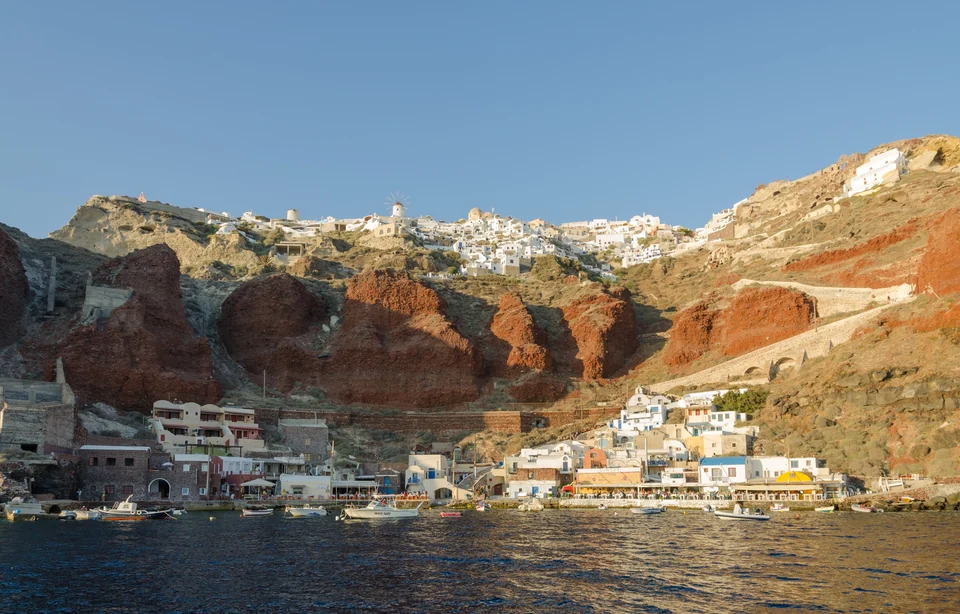
This is the island group most people picture: white cube houses, blue domes and windmills. Santorini is famous for its volcanic caldera and sunsets, Mykonos for its beaches and nightlife, while Naxos and Paros are larger and more relaxed, with good beaches and inland villages. Ferries link the islands frequently in summer.
Crete
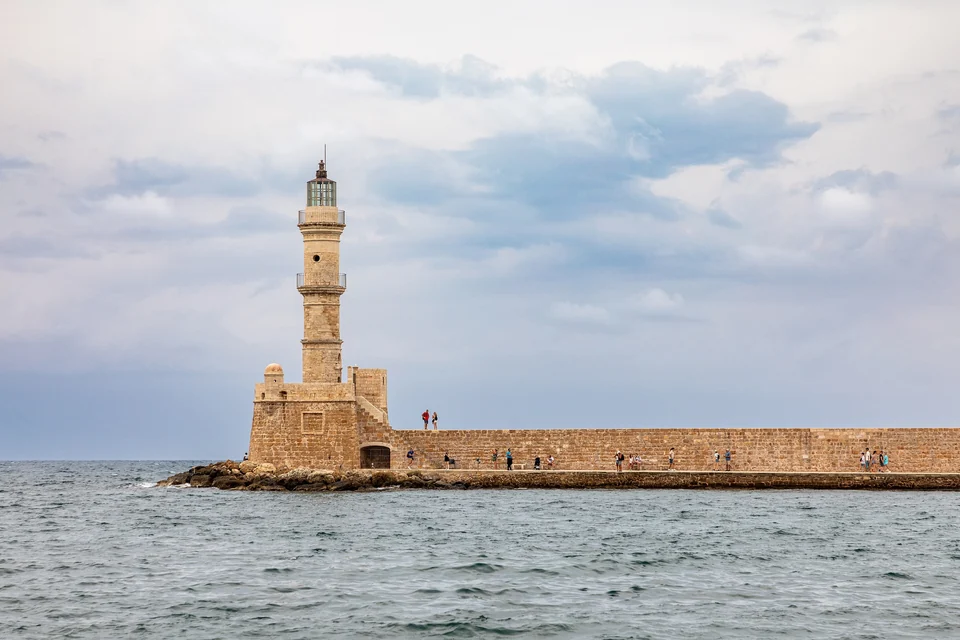
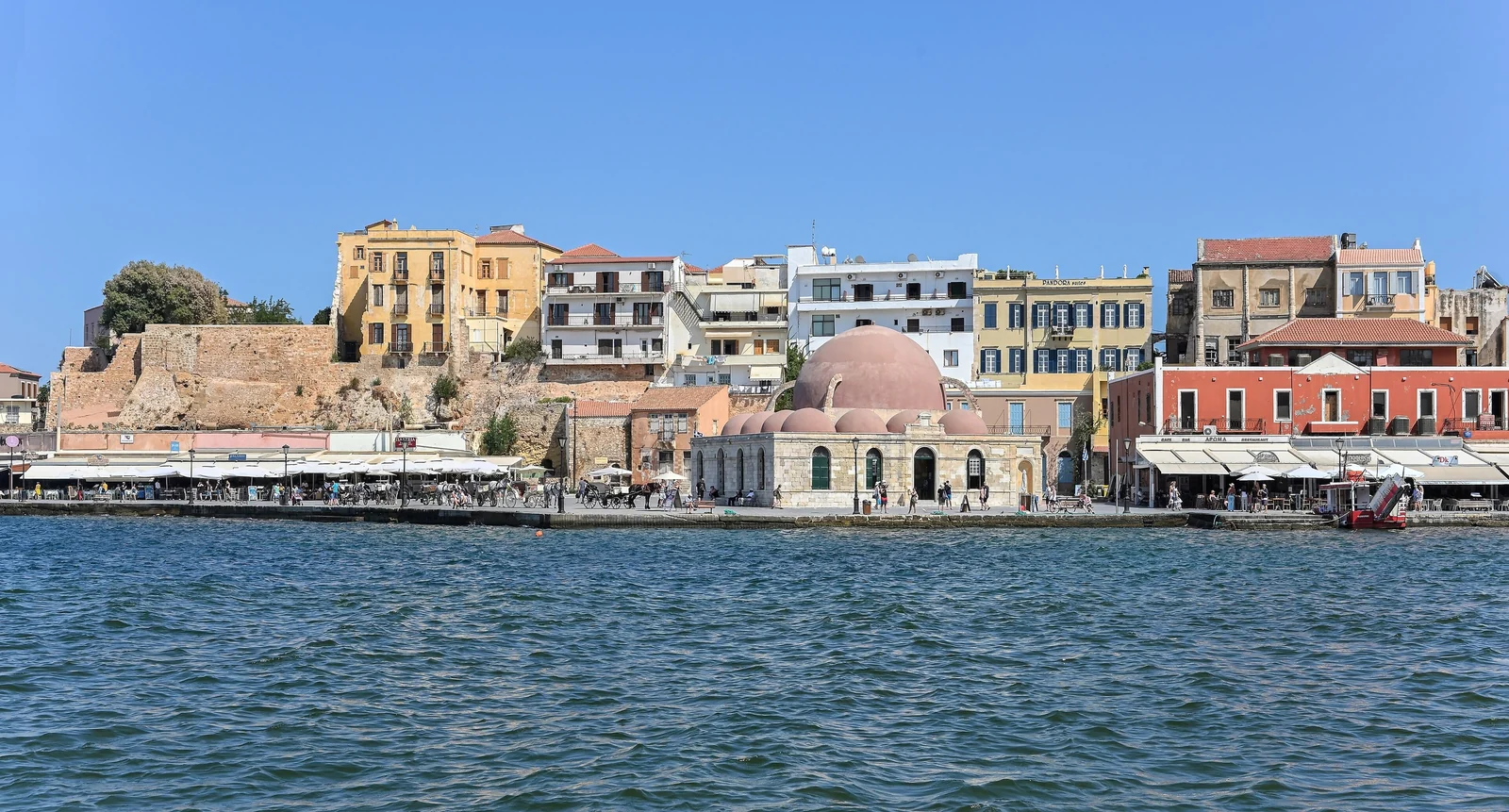
Greece’s largest island deserves at least five days. Highlights include the Minoan palace of Knossos near Heraklion, the Venetian harbor of Chania, hikes through gorges such as Samaria, and long sandy beaches on the west coast. Crete is large enough that a rental car makes a big difference.
Rhodes and the Dodecanese
Rhodes combines a walled medieval old town, the clifftop acropolis of Lindos and plenty of beaches. It is a good base for day trips to smaller islands such as Symi.
Sample Greece Itineraries
These outlines assume you arrive and leave via Athens. Adjust them to ferry schedules, which change by season.
- 7 days: 2 nights in Athens, then 5 nights split between two Cycladic islands linked by ferry, such as Naxos and Santorini or Paros and Milos.
- 10 days: 3 nights in Athens with a day trip to Delphi, then a week on Crete, or three Cyclades islands.
- 14 days: Athens, a mainland loop to Delphi and Meteora, then a week of island hopping. Alternatively, fly from Athens to Rhodes and add Symi.
Resist the urge to visit an island every day. Ferry days eat up hours, and two or three nights per island gives you time to actually enjoy the beaches and villages.
Getting Around Greece: Ferries, Flights and Driving
Ferries
Ferries are the classic way to travel between islands. Conventional ferries are slower but more stable and carry cars; high-speed catamarans are quicker but more expensive and more affected by wind. In summer, book popular routes and car spaces in advance, and allow a buffer day before your flight home in case of weather cancellations. From the western mainland ports of Patras and Igoumenitsa, ferries also cross to Bari and Brindisi, a handy link if you want to continue into Italy with our Puglia travel guide.
Domestic flights
Athens has direct flights to Crete, Rhodes, Santorini, Mykonos, Corfu, Thessaloniki and many other airports. Flying saves time on long routes, for example Athens to Rhodes or Corfu, and many international flights also land directly on the larger islands in season.
Driving, buses and trains
A rental car is the easiest way to explore the mainland, the Peloponnese and large islands such as Crete. Intercity KTEL buses connect most towns, and trains run between Athens and Thessaloniki. On smaller islands, local buses, taxis and scooters or quad bikes are common; wear a helmet and be cautious on steep, narrow roads.
Greek Food and Culture Essentials
Eating out is one of the pleasures of Greece. Tavernas usually serve shared plates: salads, dips such as tzatziki and fava, grilled meat or fish, and slow-cooked dishes. Dinner starts late, often after 8 pm, and meals are long and social.
- Try regional specialties: dakos on Crete, fava and cherry tomatoes on Santorini, pies in Epirus, and fresh fish sold by weight in island harbors.
- Dress for churches and monasteries: cover shoulders and knees; some monasteries, including those at Meteora, ask women to wear a skirt and may lend wraps.
- Greek Orthodox Easter is the biggest celebration of the year, with candlelit processions and feasts. Dates differ from Western Easter in most years.
- Learn a few words: kalimera (good morning), efcharistó (thank you) and parakaló (please) are appreciated, though English is widely spoken in tourist areas.
Practical Greece Travel Tips
- Entry rules: Greece is in the EU and the Schengen area. Non-EU visitors are now registered in the EU Entry/Exit System at the border, and an ETIAS travel authorization is due to become mandatory for visa-exempt travelers. Check the official EU travel portal before booking.
- Money: the currency is the euro. Cards are widely accepted, but carry some cash for small tavernas, kiosks and rural areas.
- Tickets for sites: major archaeological sites and museums have timed or online tickets; book ahead for the Acropolis in high season through the Ministry of Culture’s official ticketing.
- Accommodation fees: hotels and rentals add a climate resilience fee per room per night on top of the rate. It is higher from April to October and in higher-category hotels.
- Heat and sun: carry water, wear a hat and avoid long walks at midday in July and August.
- Go beyond the famous names: quieter regions such as Epirus, the Mani or the smaller Dodecanese islands offer lower prices and fewer crowds. The quieter destinations in our lesser-known Greece guide, linked above, are a good place to start.
For official destination information, the Greek National Tourism Organization’s Visit Greece website is a good starting point. For more articles on the country, browse our Greece destination guides, or compare the islands with our guide to the best islands in Italy.
Greece Travel FAQ
How many days do you need in Greece?
For a first trip, 7 to 10 days lets you see Athens and two or three islands without rushing. With two weeks you can add a mainland loop to Delphi and Meteora, or spend a full week on Crete. Plan at least two nights per island because ferry travel takes time.
What is the best month to visit Greece?
May, June and September are the best months for most travelers. The weather is warm, the sea is swimmable from June, and prices and crowds are lower than in July and August. October is good for sightseeing, but some island services begin to wind down.
Is Greece good for first-time travelers?
Yes. Greece has good transport links, English is widely spoken in tourist areas, and the main sights are well signposted. The biggest planning task is choosing islands and matching them to ferry routes, so decide on your route before booking accommodation.
Which Greek island is best for a first visit?
It depends on your style. Santorini is best for dramatic views and sunsets, Naxos and Paros for beaches and value, Crete for variety and longer stays, and Rhodes for history combined with beaches. Many first-timers combine one famous island with a quieter neighbor.
Do I need a car in Greece?
Not in Athens, where the metro and walking are easier. A car is very useful on the mainland and on large islands such as Crete, Rhodes and Naxos. On small islands, buses, taxis or a scooter are usually enough.
Is Greece expensive to visit?
Costs vary widely. Santorini and Mykonos in August are among the priciest places in the Mediterranean, while mainland towns and smaller islands are far cheaper. Traveling in May, June, September or October keeps accommodation costs down.