For a first trip to Japan, base yourself in Tokyo if you want the widest range of things to see and do, and in Osaka if you care more about food, nightlife and an easier, cheaper-feeling stay. Tokyo is bigger, more varied and better connected to the mountains and the coast. Osaka is looser, louder and friendlier, and it sits right next to Kyoto, Nara and Himeji.
You do not have to choose one forever. The Tokaido Shinkansen links the two cities in roughly two and a half hours on the fastest trains, so most first-timers end up sleeping in both. This guide compares the cities on atmosphere, food, nightlife, sights and day trips, then gives a verdict by traveler type and a way to fit in Kyoto. For detail on each city, see our Tokyo guide and Osaka guide.
Tokyo vs Osaka at a Glance
| Tokyo | Osaka | |
|---|---|---|
| Feel | Vast and layered, with many city centers rather than one | Compact, direct, loud in a good way |
| Food | Everything, from sushi counters to ramen alleys to regional cuisines | Street food and casual comfort food: takoyaki, okonomiyaki, kushikatsu |
| Nightlife | Huge range, from izakaya lanes to late-night bars in Shinjuku, Shibuya and Roppongi | Concentrated around Dotonbori, Namba and Umeda, easy to wander |
| Big sights | Senso-ji, Meiji Shrine, Imperial Palace grounds, museums, observation decks | Osaka Castle, Shinsekai, Umeda skyline, aquarium and theme parks |
| Cost feel | Generally higher, especially for central rooms | Often a little easier, though central rooms still fill up |
| Day trips | Nikko, Kamakura, Hakone and Mount Fuji views | Kyoto, Nara, Himeji, Kobe |
| Main airports | Haneda and Narita | Kansai International and Itami |
| Best for | Variety, and the classic Japan sampler | Food, nightlife, a relaxed base for the Kansai region |
Atmosphere and First Impressions
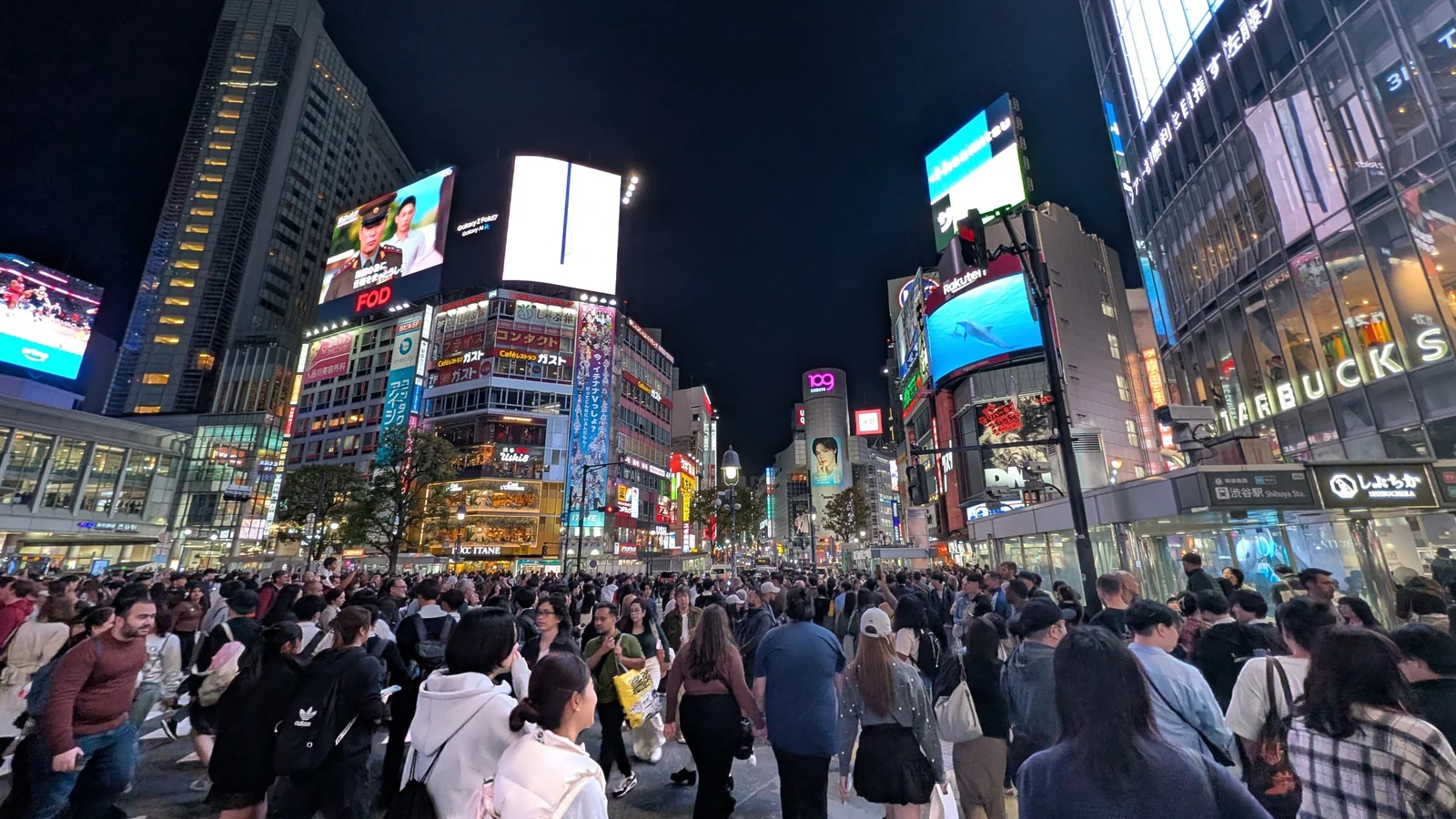
Tokyo is not one city center. It is a string of them: Shinjuku, Shibuya, Ginza, Asakusa, Ueno, each with its own mood, joined by train lines that run on time to the minute. You can spend a morning in a quiet shrine garden and an evening under skyscraper neon without leaving the metro. The scale is the point. It can feel exhausting on day one and addictive by day four.
Osaka is a different kind of big. It is one of Japan's largest urban areas, but the parts you will actually use sit close together, and the city has a reputation across Japan for being warmer, funnier and less formal than Tokyo. That is a stereotype, naturally, though many visitors say they feel it in small ways, from market chatter to the way a bartender starts a conversation. The city is also plainer to look at. Fewer polished districts, more shopping arcades and canal-side signs.
My honest take: Tokyo impresses you, Osaka relaxes you. If you are nervous about navigating Japan, Osaka is the gentler landing. If you want the postcard version of futuristic Japan, Tokyo delivers it faster.
Food: Street Eats vs Endless Choice
Both cities are superb for eating, and arguing which is better is practically a national sport. Osaka calls itself the country's kitchen, and its reputation for eating until you drop is well known. The signature dishes are casual and cheap in spirit: takoyaki (octopus dumplings), okonomiyaki (savory griddle pancakes) and kushikatsu (deep-fried skewers). You eat them standing, at counters or on the street, and the pleasure is in the volume and the noise.
Tokyo wins on range and refinement. It has an enormous number of restaurants, and you can find almost any regional Japanese cuisine, along with sushi counters, tempura specialists, ramen shops in every style and department-store food halls that are an attraction by themselves. If you want one memorable high-end meal, Tokyo is the easier place to find it, though top tables usually need reservations well ahead.
Practical advice for both: eat where the line is Japanese, learn to use a ticket machine at ramen shops, and carry some cash for small places, since many still prefer it. Convenience stores and station bakeries are surprisingly good for breakfast.
Nightlife: Izakaya Lanes and Neon Canals
Tokyo's nightlife is a choose-your-own-adventure. Shinjuku has the tiny bar alleys and the neon towers, Shibuya skews younger and louder, and Roppongi and Ginza lean toward clubs and upmarket bars. Trains stop running around midnight, so plan your last connection or accept a taxi. Everything is safe by big-city standards, but be wary of street touts who steer you into overpriced bars.
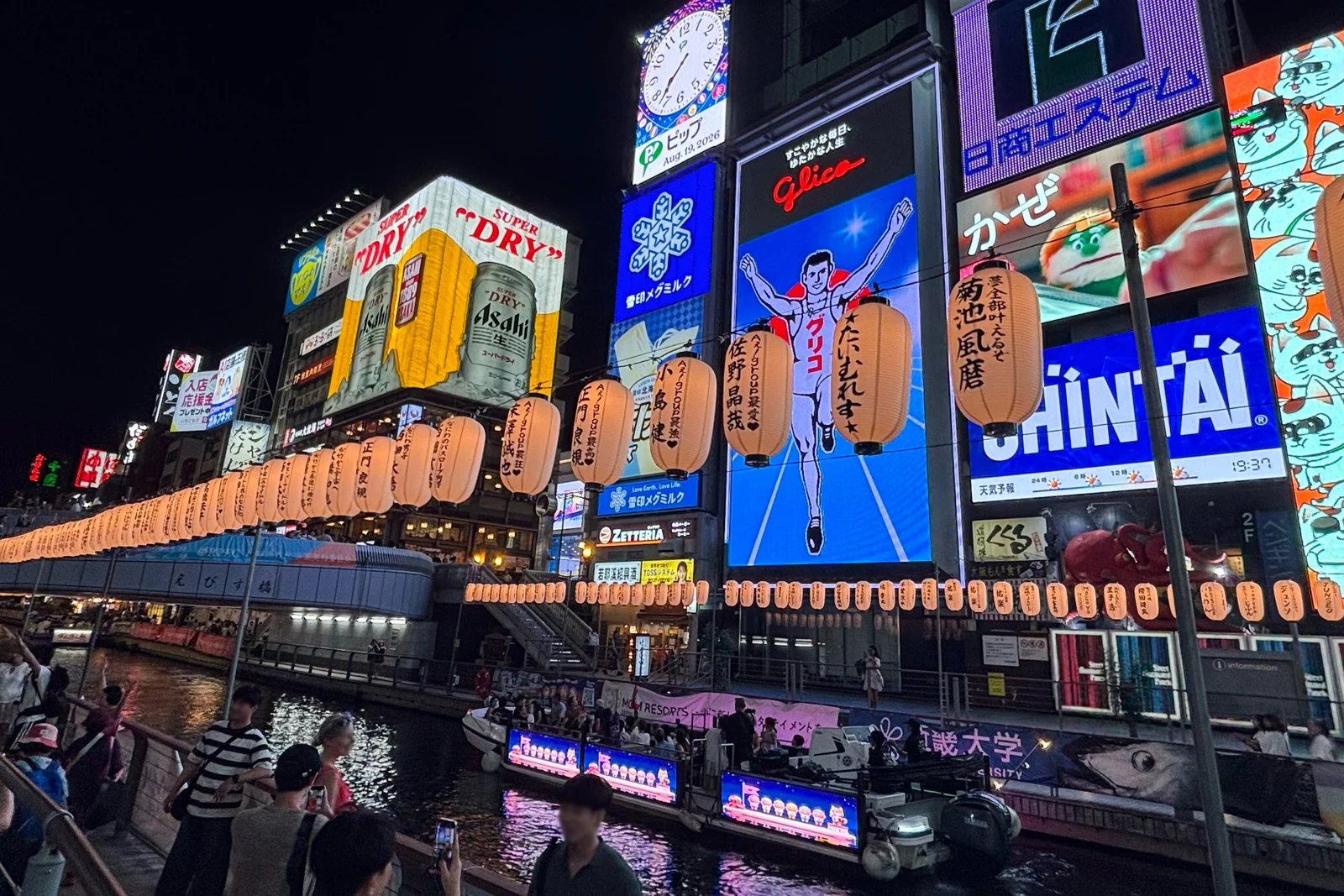
Osaka's version is easier. Dotonbori and the nearby Namba streets pack bars, snack stands and arcades into a few walkable blocks along a canal, with the famous running-man sign and giant crab and puffer-fish boards as backdrop. You can start at a standing bar, move to a skewer joint and end at a karaoke room without ever checking a map. Umeda, the northern hub, is the slicker business-district alternative.
For a first-timer who wants a fun night without planning, Osaka is simpler. For variety, subcultures and the sheer number of options, Tokyo is deeper.
Sights and Things to Do
Tokyo Highlights
Senso-ji in Asakusa is Tokyo's oldest temple and the city's best answer to old Japan. Meiji Shrine sits in a forested park next to Harajuku. Add the Shibuya crossing, the Imperial Palace grounds, the museums of Ueno and one or two observation decks. Then leave time for unscripted wandering: Tokyo rewards neighborhoods more than checklists.
Osaka Highlights
Osaka Castle, rebuilt in the twentieth century but still a handsome landmark with its moat and stone walls, anchors the city's history. Shinsekai gives you old-school retro streets and a tower, the Umeda skyscrapers offer city views, and the aquarium and theme parks are crowd-pleasers for families. Frankly, Osaka has fewer headline sights than Tokyo. It is a city to eat in and use as a base.
Day Trips: Nikko, Kamakura, Hakone vs Kyoto, Nara, Himeji
This is where the choice matters most, because the two cities open different halves of Japan.
From Tokyo
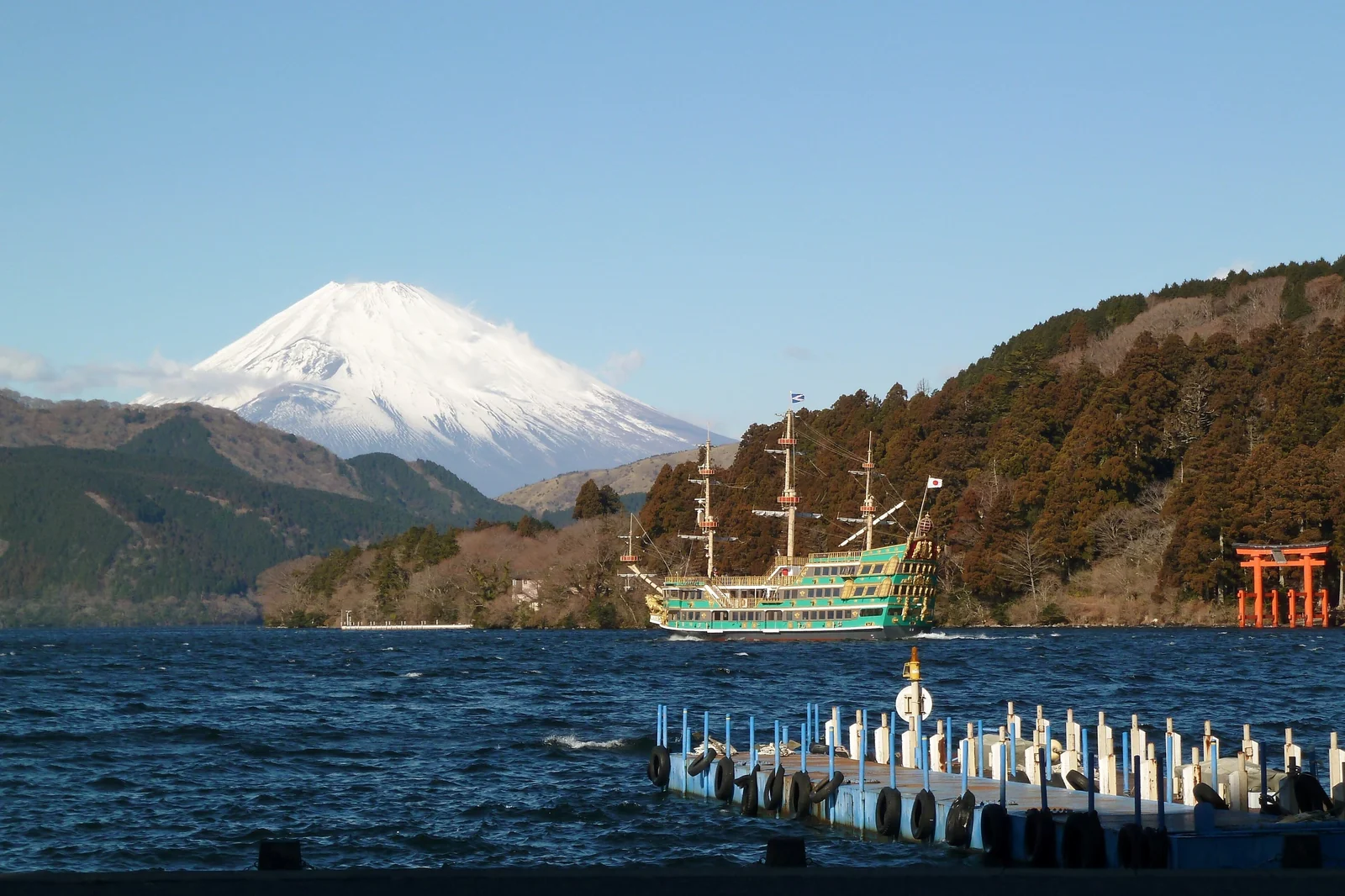
Nikko, north of the capital, is known for its richly decorated shrines and temples, a UNESCO World Heritage Site set among cedar forest and mountains. Kamakura is a seaside town with temples, bamboo gardens and the Great Buddha, roughly an hour from central Tokyo by train. Hakone is the classic mountain escape, with hot springs, a lake, sculpture museums and, on a clear day, views of Mount Fuji. Each is a comfortable day trip by train, and Nikko is the longest of the three.
From Osaka
Kyoto is the obvious one: temples, shrines, gardens and old wooden lanes, about half an hour away by regular train and a few minutes less by Shinkansen from Shin-Osaka. Nara offers Todai-ji with its giant Buddha and a park full of tame deer, reachable on a short rail ride from central Osaka. Himeji has Japan's finest surviving castle, a UNESCO World Heritage Site since 1993, a bit farther west along the main line. Kobe is another easy outing for its port and beef.
In general, Tokyo's day trips lean toward nature and coast, and Osaka's lean toward temples and historic architecture. If old Japan is why you are coming, Osaka's neighbors are hard to beat. Because Kyoto is only a short ride from both, serious temple fans often end up basing in Osaka or Kyoto itself. Our Kyoto guide covers the city in detail.
Shinkansen, Airports and Getting Around
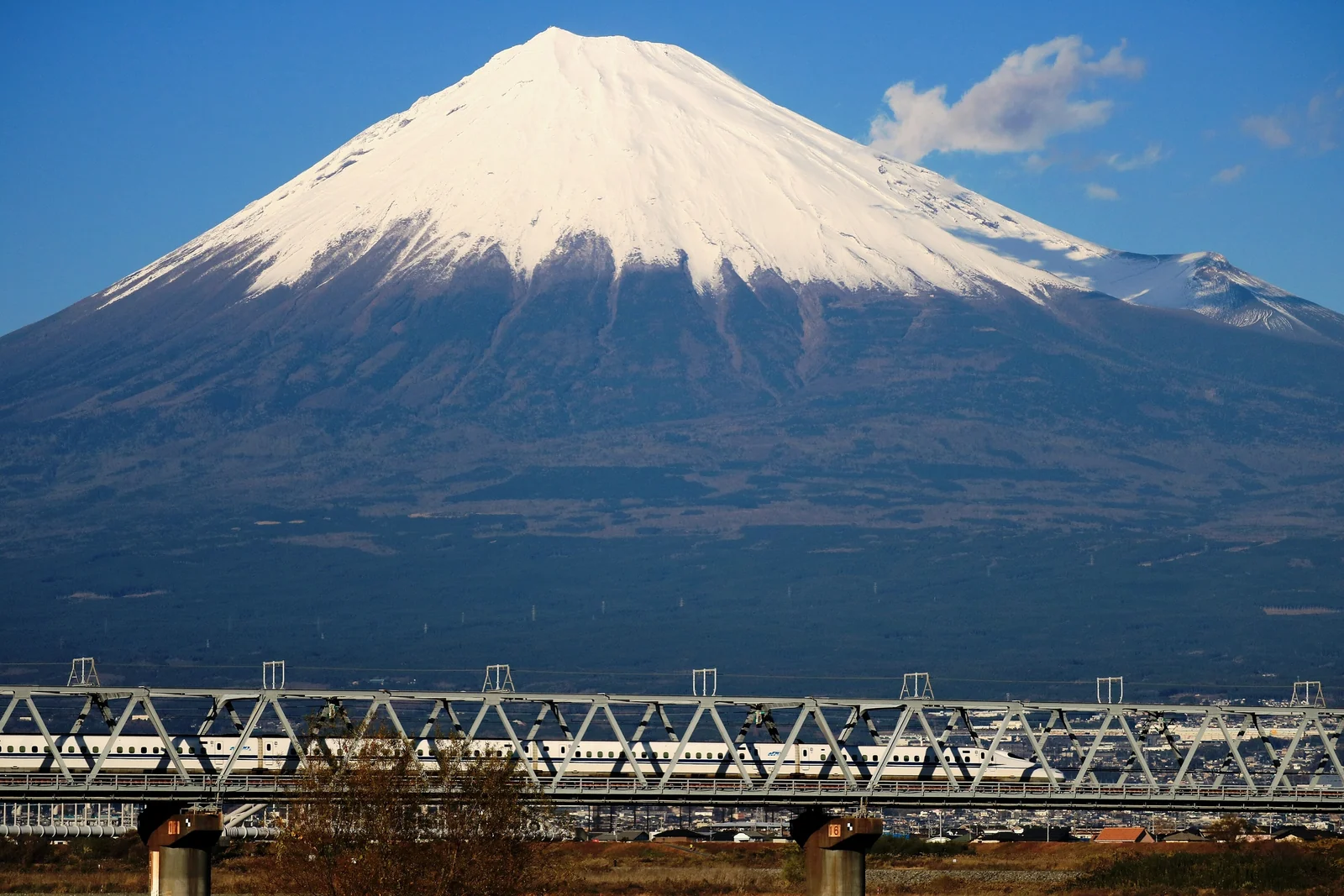
The Tokaido Shinkansen connects Tokyo Station with Shin-Osaka, stopping at Shin-Yokohama, Nagoya and Kyoto along the way. JR Central says its fastest Nozomi trains cover the route in under two and a half hours, while the slower Hikari takes closer to three. Trains run frequently through the day, so you rarely need to book weeks ahead, though reserved seats on a busy morning are wise. Check current fares and which services your rail pass covers on the JR Central site, since pass rules and prices have changed over time.
Tokyo has two airports. Haneda is much closer to the city center; Narita is farther out and handles many long-haul flights. For Osaka, most international flights arrive at Kansai International, on an island in the bay, with Itami mostly serving domestic routes. A simple way to plan a first trip is an open-jaw ticket: fly into one city and out of the other, and skip the backtrack.
Both cities have extensive metro and rail networks. A rechargeable IC card works across most local transit and many shops, and phones can handle it in many cases. Station exits are numerous, so allow a few extra minutes the first time. The Japan National Tourism Organization has current practical guidance for visitors.
How Many Nights in Each City
These are rules of thumb, not formulas. The right number depends on how fast you like to travel.
| Trip length | Tokyo | Osaka | Kyoto |
|---|---|---|---|
| One week | 3 to 4 nights | 1 to 2 nights | 2 nights |
| Ten days | 4 to 5 nights | 2 to 3 nights | 3 nights |
| Two weeks | 5 to 6 nights | 3 nights | 3 to 4 nights |
If you only have four or five days, pick one region: Tokyo with a Hakone or Kamakura day, or Osaka with Kyoto and Nara. Trying to see both on a very short trip means spending a good slice of a day on trains and in stations, and Japan is better when it is not rushed.
How to Combine Tokyo, Osaka and Kyoto
Kyoto sits between the two cities on the Shinkansen line, so the classic first-timer route runs Tokyo, Kyoto, Osaka, in that order or its reverse. Kyoto and Osaka are close enough that you can base in either and day-trip to the other. Some travelers prefer Kyoto for mornings and evenings, when day-trippers leave and the lanes empty, then use Osaka for big nights out.
A workable shape for ten days: four nights in Tokyo, three in Kyoto, two or three in Osaka, with Nara or Himeji as day trips from either. Luggage forwarding services between hotels are common in Japan and save a lot of hassle on the Shinkansen legs. Once the basics are covered, our places to go in Japan guide offers ideas for a second leg.
Which City Is Right for Which Traveler
- First-timers who want the classic sampler: Tokyo, then Kyoto and Osaka.
- Food-first travelers: Osaka as the base, with a night or two in Tokyo for variety.
- Temple and history fans: Osaka or Kyoto as base, since Nara, Himeji and Kyoto are all close.
- Nightlife seekers: Tokyo for range, Osaka for ease and compactness.
- Families with children: Tokyo for museums and parks, Osaka for the aquarium and theme parks and a calmer pace.
- Short trip of under a week: choose one region and stay put.
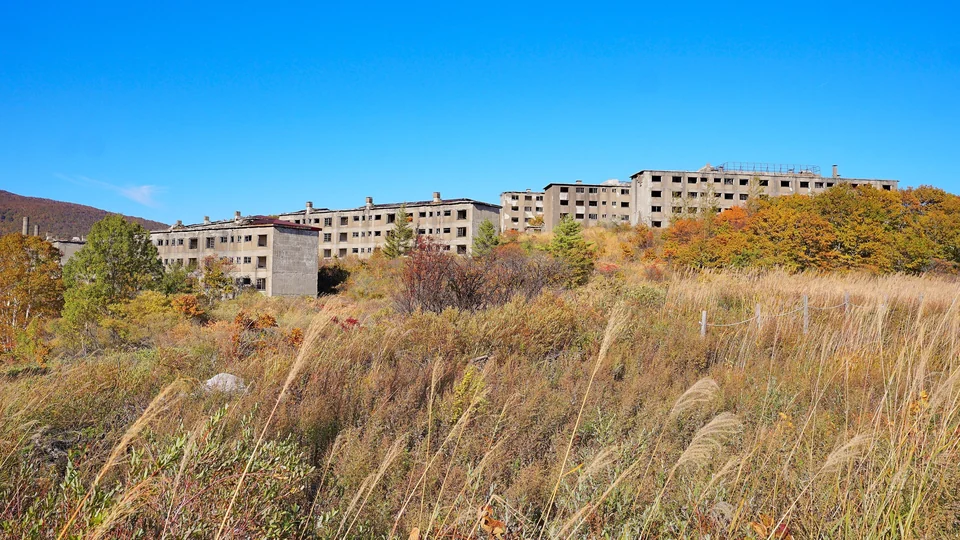
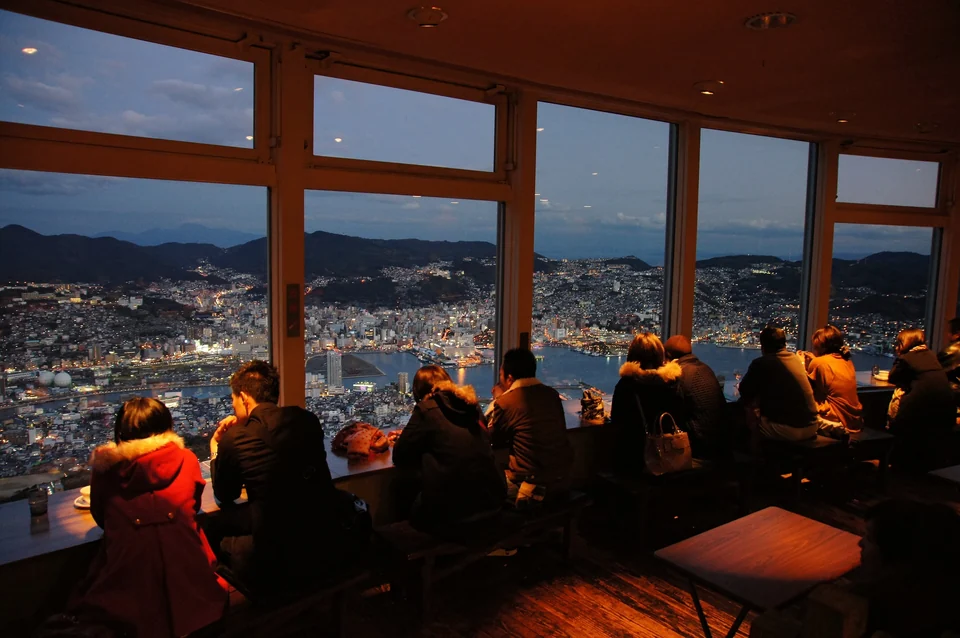
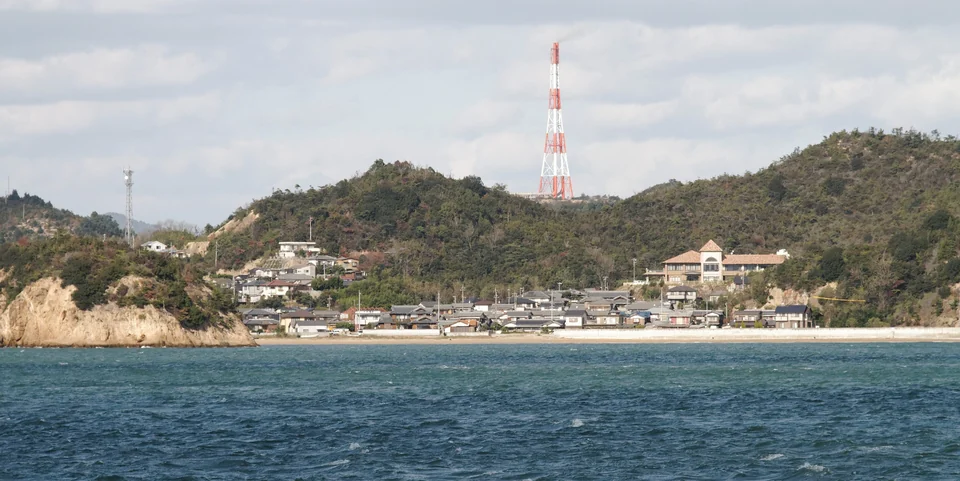
- Return visitors: look beyond both, to places such as Hokkaido, Naoshima, Nagasaki or Okinawa.
Our Verdict: Tokyo or Osaka?
If one city must be your base, choose Tokyo. It gives you the broadest first look at Japan, the best transport hub and day trips that reach from the mountains to the sea. Choose Osaka if you would rather eat, drink and wander than tick off monuments, and if the temples of Kansai are the real draw.
My own view is that the strongest first trip uses both. Start in Tokyo while your energy is high, ride the Shinkansen west, and finish in Osaka where the pace lets you relax. Check current ticket, pass and opening details with the official sources below before you book.
Tokyo or Osaka FAQ
Is Tokyo or Osaka better for a first trip to Japan?
Tokyo is the better pick for variety, transport links and classic sights. Osaka suits travelers who put food and nightlife first and want an easy base for Kyoto and Nara. If you have more than a week, include both.
How long does the Shinkansen take from Tokyo to Osaka?
JR Central says its fastest Nozomi trains run in under two and a half hours between Tokyo and Shin-Osaka. Hikari trains are slower, at about three hours. Trains are frequent, but always check the current timetable before you travel.
Is Osaka cheaper than Tokyo?
Osaka often feels a little easier on the wallet, especially for casual food and some rooms, though central hotels fill up in busy seasons. Treat that as a rule of thumb and compare current prices before you book.
Can I do Kyoto as a day trip from Osaka or Tokyo?
From Osaka, easily, since the ride takes under an hour. From Tokyo it is possible on the Shinkansen, but it makes a long day. Staying at least one or two nights in Kyoto lets you see the temples without the midday crowds.
Which airport should I fly into for Tokyo and Osaka?
Haneda is the closest to central Tokyo, while Narita is farther out and also busy with international flights. For Osaka, Kansai International is the main international gateway. Open-jaw tickets, in one city and out of the other, save backtracking.
How many days do I need in Tokyo and Osaka?
A comfortable first trip is about three or four nights in Tokyo and two or three in Osaka, plus time in Kyoto. With less than a week, base in one region and take day trips rather than switching cities.
Is it worth taking day trips from Tokyo if I base in Osaka?
For a first trip, most travelers skip them. Kyoto, Nara and Himeji are closer to Osaka, and Tokyo itself needs a few days. Nikko, Kamakura and Hakone fit better if you stay in Tokyo.