


Deciding where to go in Japan is harder than it looks. The country stretches from snowy Hokkaido to subtropical Okinawa, and even a two-week trip only scratches the surface. Most first-time visitors build their route around Tokyo, Kyoto and Osaka, then add one or two places that match their interests: mountains, art, food or history.
Below are 13 places to go in Japan, grouped by region so you can plan a realistic route by train. For each one you will find what makes it special and how it fits into an itinerary, followed by sample routes, transport basics and the best time to travel.
How to Choose Where to Go in Japan
Japan’s rail network makes it tempting to see everything, but constant hotel changes wear you out. A good rule is to allow at least two or three nights per base and to use day trips for smaller places. Think about the season too: Hokkaido shines in winter and summer, Okinawa is best outside typhoon season, and cities like Kyoto are busiest during cherry blossom and autumn foliage weeks.
Tokyo and the Mountains Nearby
1. Tokyo
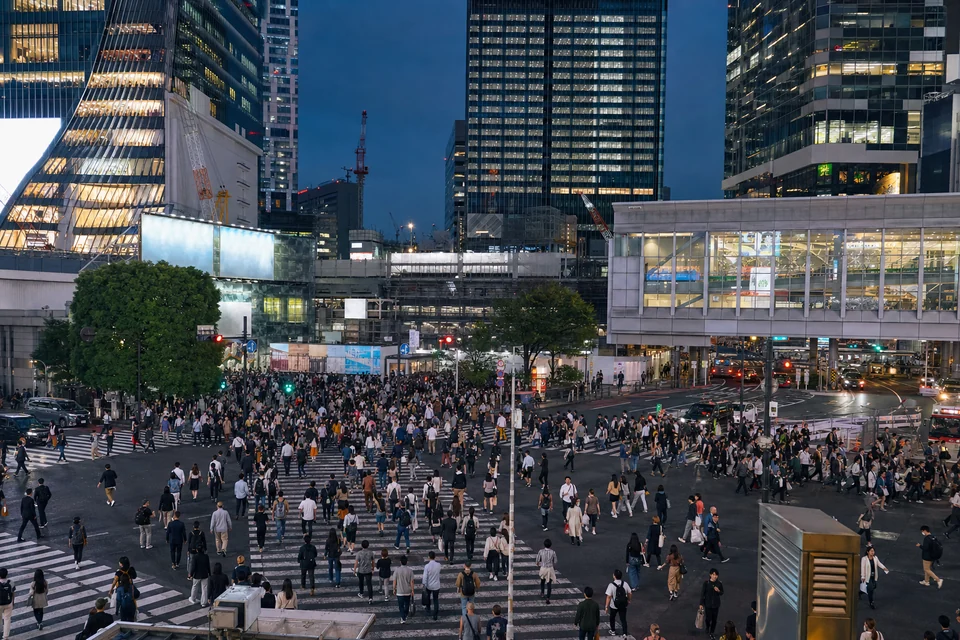
Japan’s capital is less one city than a collection of neighborhoods: the Shibuya scramble crossing and Harajuku fashion, the old temple district of Asakusa, the leafy Meiji Shrine, the electronics and anime shops of Akihabara and the food alleys around Shinjuku. It is also one of the world’s great food cities, from standing noodle bars to formal sushi counters. Our Tokyo travel guide covers the best areas, food and a day-by-day plan.
2. Mount Fuji and the Fuji Five Lakes
At 3,776 meters, Mount Fuji is Japan’s highest mountain and a UNESCO World Heritage cultural site. The Fuji Five Lakes area, especially Lake Kawaguchiko and the Chureito Pagoda viewpoint, offers classic views and is reachable from Tokyo by bus or train in around two hours. The official climbing season runs roughly from July to early September; all four main trails now charge an entry fee (4,000 yen per climber since 2025) and ask climbers to register online in advance via the official Mount Fuji climbing site.
3. Hakone
Hakone is a hot spring resort in the mountains southwest of Tokyo, easy to reach from Shinjuku on the Odakyu line. A popular loop combines a mountain railway, a cable car, the ropeway over the steaming Owakudani volcanic valley and a boat across Lake Ashi, with Fuji views on clear days. Stay a night in a ryokan with an onsen to experience it properly.
4. Nikko
About two hours north of Tokyo, Nikko combines richly decorated shrines with mountain scenery. Tōshō-gū, the mausoleum of shogun Tokugawa Ieyasu, is part of the “Shrines and Temples of Nikko” World Heritage Site, and a bus ride up the mountain leads to Lake Chūzenji and the Kegon Falls. Autumn colors here usually arrive earlier than in Tokyo.
Kyoto, Osaka and Nara in Kansai
5. Kyoto
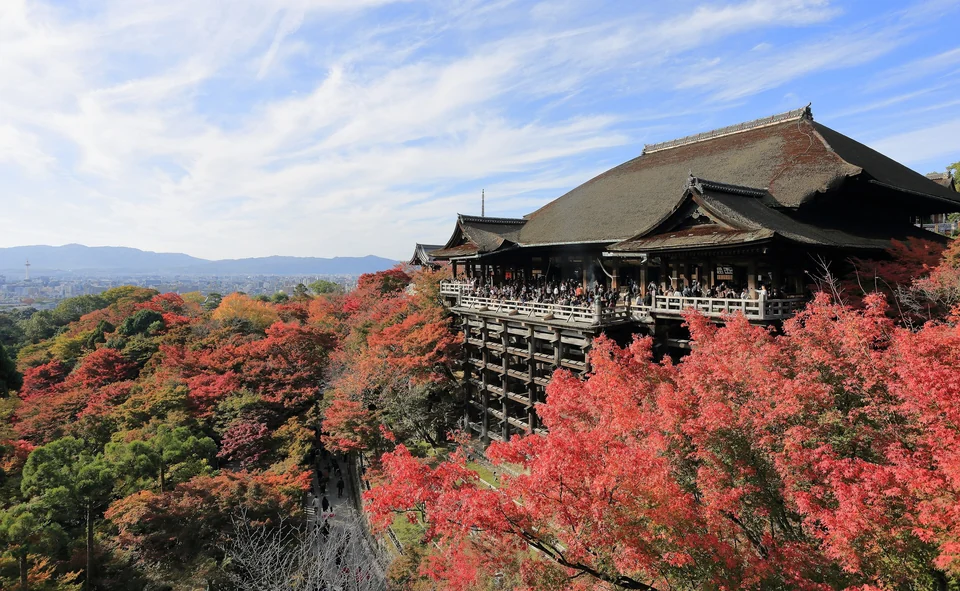
The former imperial capital is the place to see traditional Japan: the torii tunnels of Fushimi Inari, the Golden Pavilion of Kinkaku-ji, the wooden stage of Kiyomizu-dera, the bamboo grove of Arashiyama and the teahouses of Gion. Give it at least three days. Our full Kyoto travel guide explains what to see, when to go and the local etiquette rules.
6. Osaka
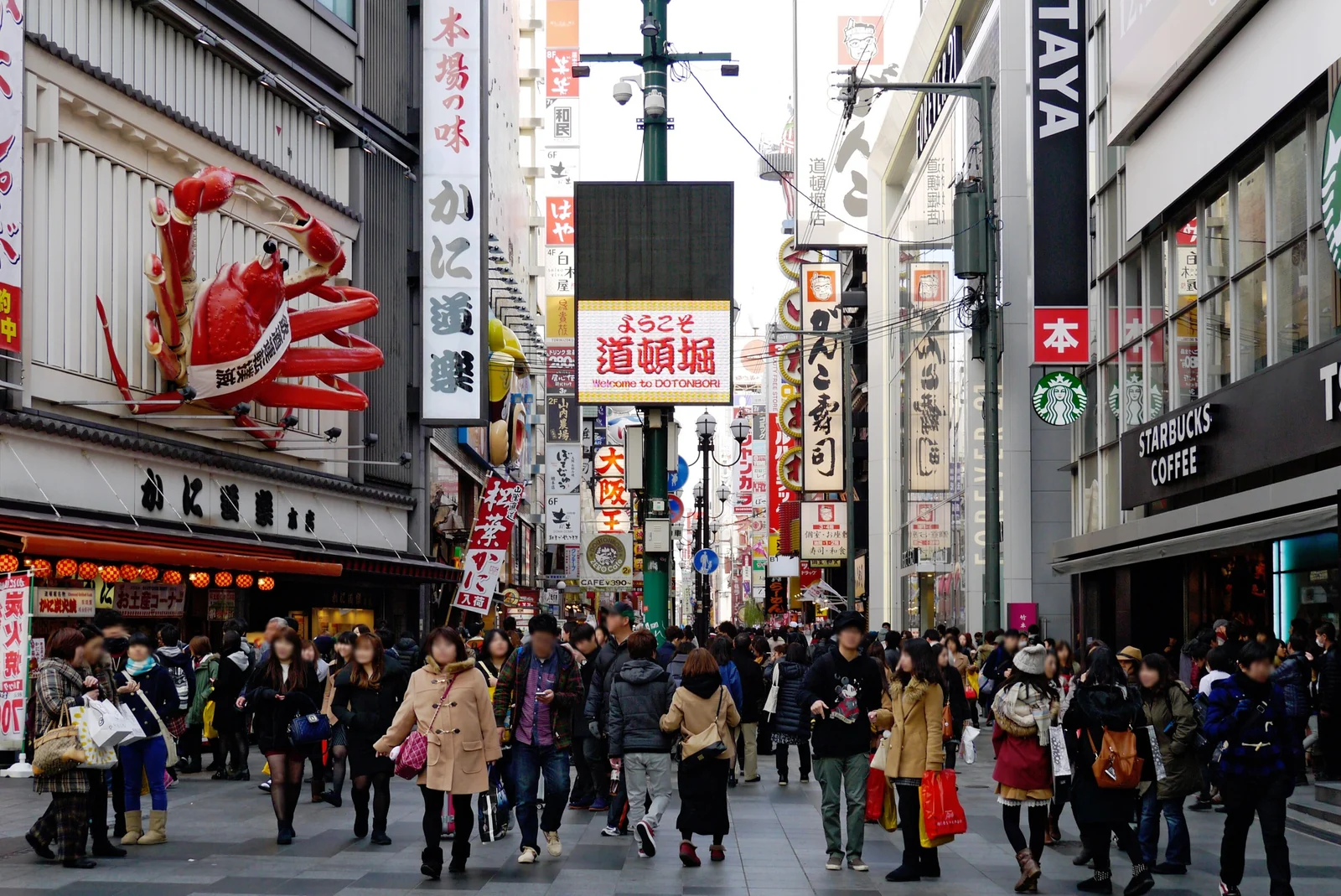
Osaka is Japan’s street-food capital and a lively, informal counterpart to Kyoto, which is only about 15 minutes away by Shinkansen. Eat takoyaki and okonomiyaki under the neon of Dōtonbori, visit Osaka Castle and its park, and explore the retro Shinsekai district. The city is also a practical base for the whole Kansai region; see our review of the Hotel Hankyu International in Osaka.
7. Nara
Japan’s capital before Kyoto, Nara is an easy day trip from either Kyoto or Osaka. Its park is home to more than a thousand free-roaming deer, regarded as messengers of the gods. Tōdai-ji houses a giant bronze Buddha about 15 meters tall inside one of the largest wooden buildings in the world, and the lantern-lined paths of Kasuga Taisha lead into ancient forest.
Central Japan: Kanazawa and Takayama
8. Kanazawa
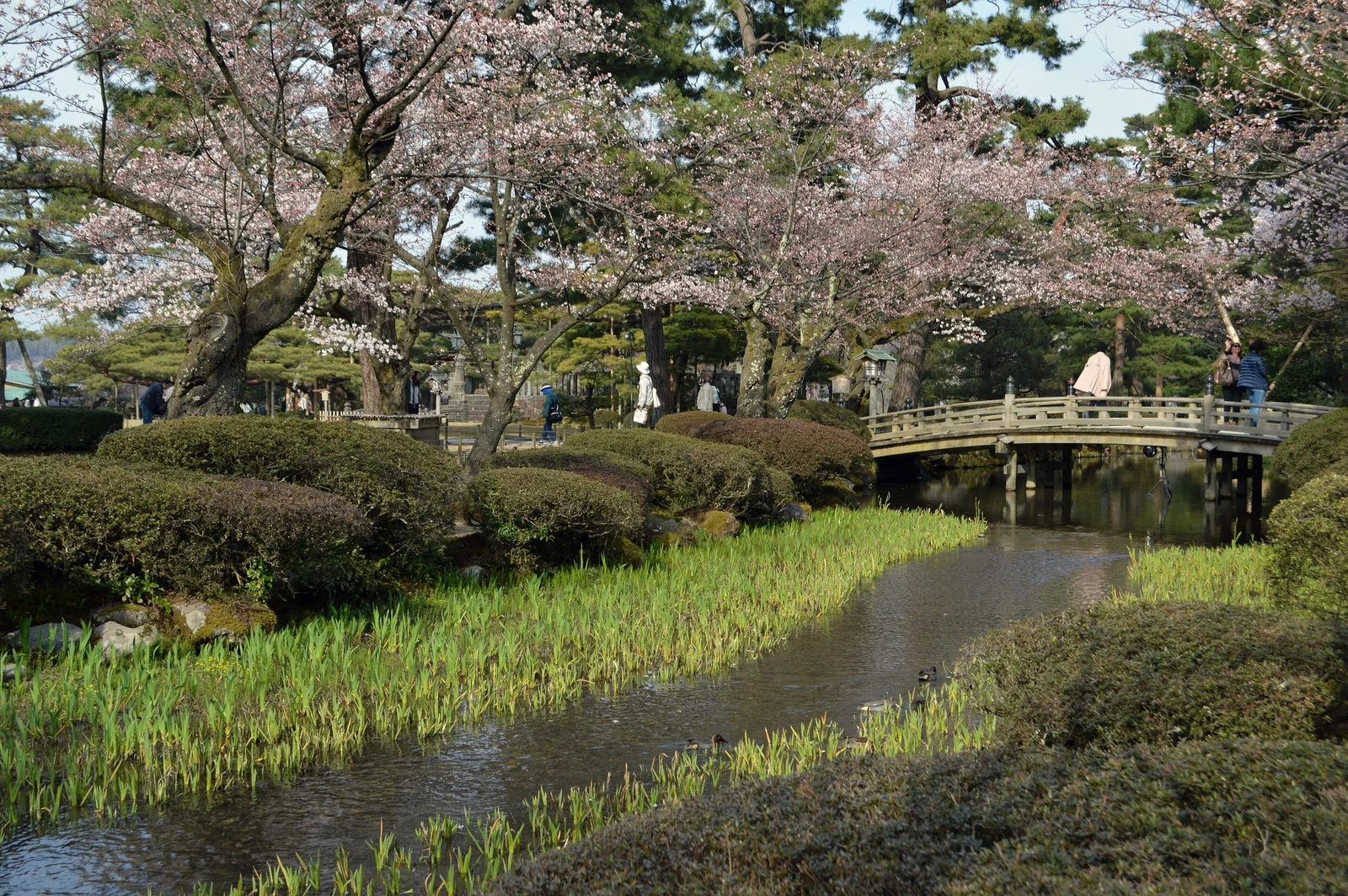
Around two and a half hours from Tokyo on the Hokuriku Shinkansen, Kanazawa is one of Japan’s best-preserved castle towns. Kenroku-en is ranked among the country’s three great landscape gardens, the Higashi Chaya district keeps its old wooden teahouses, and the Nagamachi samurai quarter and the 21st Century Museum of Contemporary Art show two very different sides of the city. Omichō Market is known for seafood from the Sea of Japan.
9. Takayama
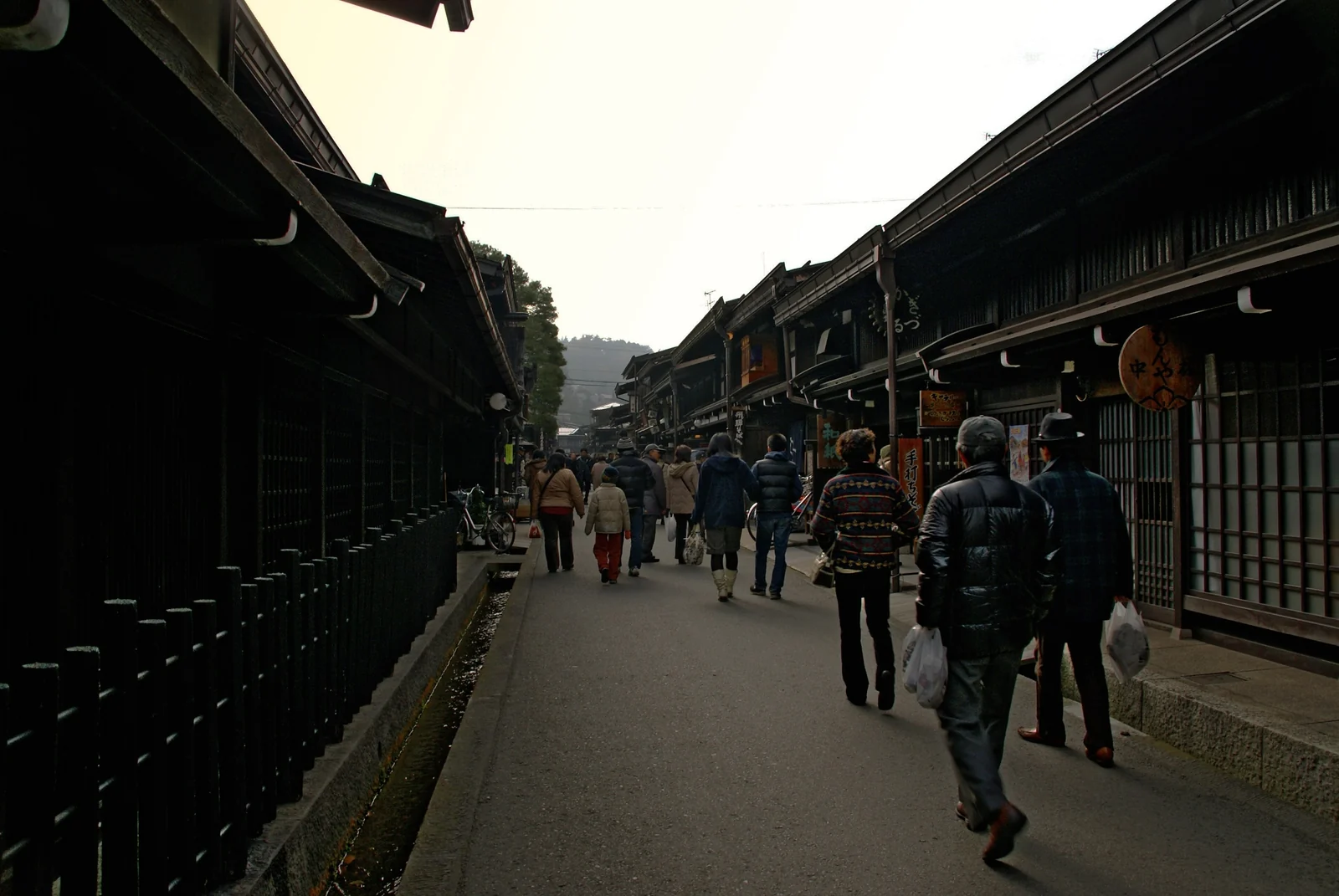
In the mountains of the Hida region, Takayama’s Sanmachi Suji streets preserve merchant houses, sake breweries and morning markets from the Edo period. Visit the Takayama Jinya, a former government office, and the open-air Hida Folk Village with its thatched farmhouses. The UNESCO-listed village of Shirakawa-go lies between Takayama and Kanazawa and is often visited on the bus journey linking the two.
Western Japan: Hiroshima, Naoshima and Kyushu
10. Hiroshima and Miyajima
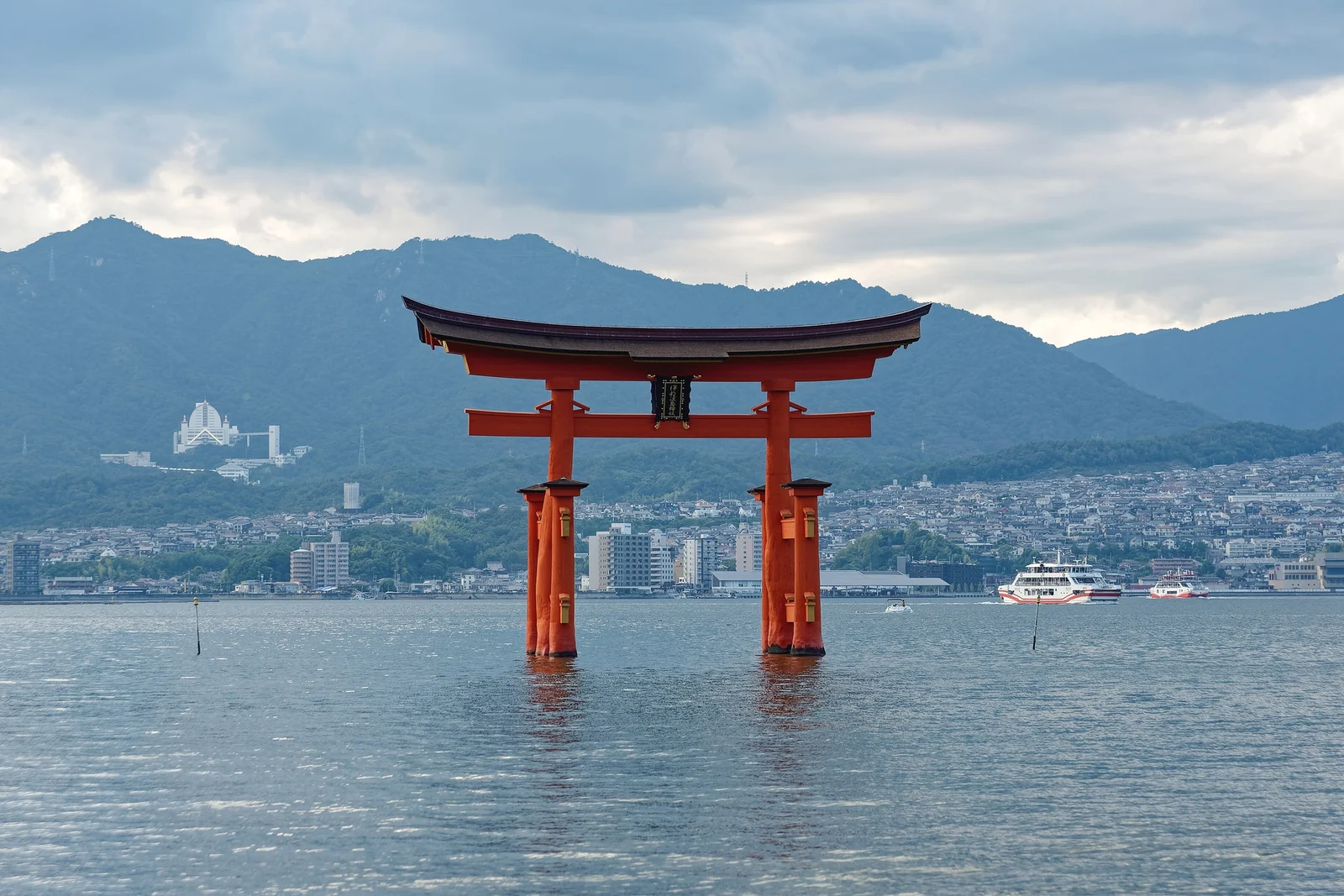
Hiroshima is a modern, welcoming city built around its history. The Peace Memorial Park and Museum and the ruined Atomic Bomb Dome, a World Heritage Site, tell the story of August 6, 1945, and deserve a quiet half day. A short train and ferry ride away, Miyajima island is home to Itsukushima Shrine and its great torii gate, which appears to float at high tide. Visitors to the island pay a small visitor tax (100 yen per person since October 2023).
11. Naoshima
Japan’s “art island” in the Seto Inland Sea is reached by ferry from Uno port near Okayama. The Benesse Art Site includes the Chichu Art Museum, built largely underground by architect Tadao Ando to display works by Claude Monet, James Turrell and Walter De Maria, as well as Yayoi Kusama’s famous yellow pumpkin on a pier. Many museums close one day a week, so check opening days before you go.
12. Fukuoka and Kyushu
Fukuoka, the gateway to the southern island of Kyushu, is known for its open-air yatai food stalls and for Hakata ramen with its rich pork-bone broth. Visit Ōhori Park and the ruins of Fukuoka Castle, then use the city as a base for the rest of Kyushu, including Nagasaki and the abandoned mining island described in our Gunkanjima guide.
Hokkaido and Okinawa: Japan’s Far North and South
13. Hokkaido or Okinawa
These two regions sit at opposite ends of the country, and most travelers choose one depending on the season. Hokkaido offers wide landscapes, powder snow and seafood. Sapporo hosts its famous Snow Festival every February, Daisetsuzan National Park protects the island’s highest mountains, and Upopoy, the National Ainu Museum in Shiraoi, introduces the culture of Hokkaido’s Indigenous Ainu people.
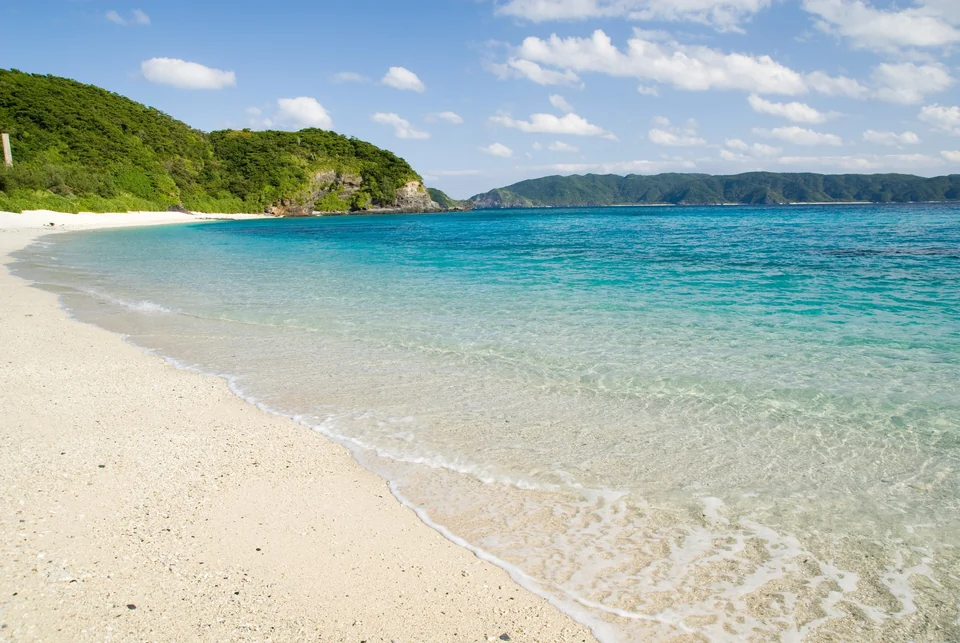
Okinawa is Japan’s subtropical south, with coral reefs, white beaches and the distinct culture of the former Ryukyu Kingdom. In Naha, Shuri Castle is being rebuilt after a fire in 2019; the reconstructed main hall is scheduled to reopen to the public in November 2026. Outer islands such as Ishigaki and Miyako are best for snorkeling and diving. Okinawa also sits close to Taiwan, which you can add with the help of our Kaohsiung travel guide.
Sample Japan Itineraries
These routes are starting points. Adjust them to the season and to how much you enjoy cities versus nature.
| Trip length | Suggested route |
|---|---|
| 7 days | Tokyo (3 nights), Kyoto (3 nights) with a day trip to Nara, fly home from Osaka |
| 10 days | Tokyo (3), Hakone or Fuji Five Lakes (1), Kyoto (3), Osaka (1), Hiroshima and Miyajima (2) |
| 14 days | Tokyo (3), Nikko day trip, Kanazawa (2), Takayama (1), Kyoto (3), Osaka (1), Hiroshima (2), Naoshima (1) |
| Second trip | Hokkaido in winter or summer, Kyushu from Fukuoka, or Okinawa’s islands |
Getting Around Japan and When to Go
The Shinkansen (bullet train) links most of the places above. From Tokyo, Kyoto is a little over two hours away, and Hiroshima around four hours. The nationwide Japan Rail Pass became much more expensive in October 2023, so compare it with regional passes and individual tickets for your actual route. Flights are the practical choice for Hokkaido and Okinawa. Check current fares on the Japan National Tourism Organization site.
- Spring (March to May): cherry blossoms from late March in central Japan; crowded and expensive during Golden Week in early May.
- Summer (June to August): rainy season in June, then hot and humid; the best time for Hokkaido and for climbing Mount Fuji.
- Autumn (September to November): typhoon risk in early autumn, then clear skies and foliage in October and November.
- Winter (December to February): dry and sunny on the Pacific side, snowy in Hokkaido and the Japan Alps; good value outside the New Year holidays.
For more ideas across the country, browse all our Japan travel guides.
Places to Go in Japan FAQ
What are the best places to go in Japan for first-timers?
The classic first trip combines Tokyo, Kyoto and Osaka, with day trips to Nara and either Hakone or the Fuji Five Lakes. If you have more time, Hiroshima and Miyajima are the most popular addition, followed by Kanazawa and Takayama in central Japan.
How many days do you need in Japan?
Ten days to two weeks is ideal for a first visit. With seven days, focus on Tokyo and Kyoto only. Two weeks lets you add Hiroshima, Kanazawa or the Japan Alps without rushing, while keeping at least two or three nights in each base.
Is the Japan Rail Pass worth it?
Since the price increase in October 2023, the nationwide pass only pays off for long, fast-moving itineraries, such as Tokyo to Hiroshima and back with extra trips. For a simple Tokyo, Kyoto and Osaka route, individual Shinkansen tickets or regional passes are often cheaper. Compare prices for your exact route.
When is the best time to visit Japan?
Spring (late March to May) and autumn (October to November) offer the most comfortable weather and the famous blossoms and foliage, but also the biggest crowds. Winter is great for Hokkaido and snowy scenery, and summer suits Mount Fuji climbing and northern Japan.
Can you see Mount Fuji from Tokyo?
On clear days, especially in winter, you can see Mount Fuji from high observation decks in Tokyo. For close-up views, go to the Fuji Five Lakes or Hakone. The mountain is often hidden by clouds in summer, so an early morning start gives you the best chance.
Should I visit Hokkaido or Okinawa?
It depends on the season and your interests. Hokkaido is best for winter snow, skiing and the Sapporo Snow Festival, or for cool summer hiking. Okinawa offers beaches, reefs and Ryukyuan culture, and is best visited outside the summer and early autumn typhoon season.