Two days is enough to see the best of Nagasaki, a hillside port city on the western edge of Kyushu. This Nagasaki 2 day itinerary sets the heavy, important history of the atomic bombing beside the lighter side of the city: Dutch and Chinese trading quarters, Western-style merchant houses, a very good local food scene and one of the best night views in Japan.
It also fits in the one excursion that makes Nagasaki unusual, a boat trip to the abandoned coal-mining island of Hashima, better known as Gunkanjima. If you only have a weekend, this is how to split the things to do in Nagasaki so you are never backtracking across town. For the wider picture of the country, start with our guide to places to go in Japan.
Nagasaki in Two Days at a Glance
Nagasaki is compact and built around a harbor, with steep slopes rising on both sides. Most sights sit within reach of the tram lines, so you can skip the rental car. The table shows how the two days fit together.
| Time | Day 1: History and the harbor | Day 2: Island and hillside views |
|---|---|---|
| Morning | Peace Park, hypocenter and Atomic Bomb Museum | Hashima (Gunkanjima) landing tour from Nagasaki |
| Midday | Champon lunch near Chinatown | Return to port, then a late lunch |
| Afternoon | Dejima, then Chinatown and Shinchi | Oura Church, then Glover Garden |
| Evening | Turkish rice or castella, early night | Mount Inasa ropeway and the night view |
Most Hashima departures are in the morning, so the two days work as written. Operators set their own sailing times, and these shift by season, so book the boat first and arrange everything else around it.
Day 1 Morning: Peace Park and the Atomic Bomb Museum
On August 9, 1945, a plutonium bomb exploded over the Urakami district at 11:02 a.m., three days after Hiroshima. Nagasaki rebuilt, and the area around the hypocenter is now a place of quiet reflection. Plan the morning here, when you are fresh, and keep the schedule loose afterward.
The Hypocenter and Peace Park
Start at the Hypocenter Park, where a black stone column marks the point above which the bomb exploded. A short walk uphill leads to the Peace Park, where the 9.7-meter Peace Statue by Seibo Kitamura, unveiled in 1955, points one hand to the sky as a reminder of the threat and extends the other for peace. Every August 9 the city holds its memorial ceremony here, with a moment of silence at 11:02 a.m.
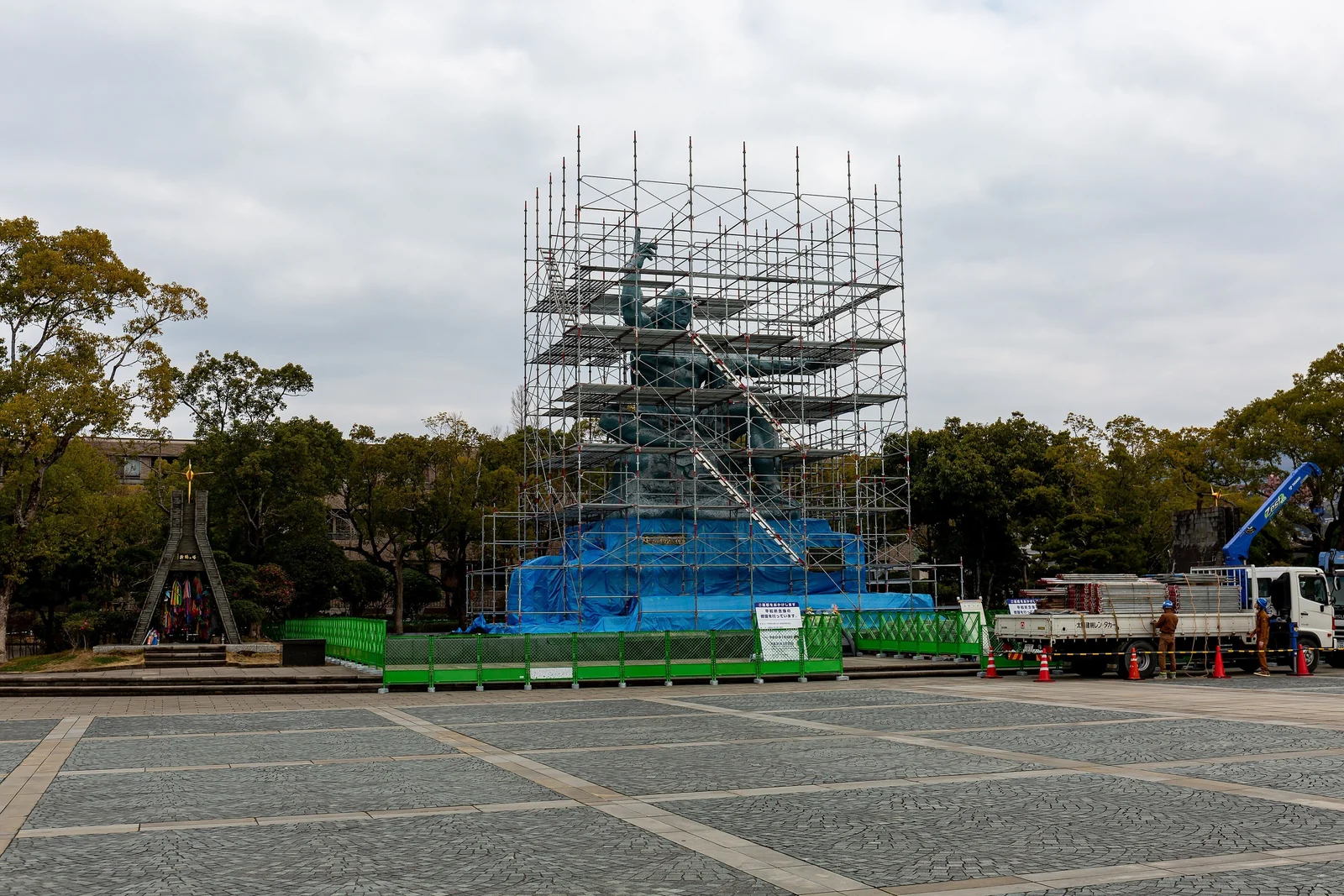
Many visitors fold paper cranes or leave flowers. Keep your voice low, skip posed or joking photographs near the memorials, and let others pass without crowding the monuments. Residents come here to remember relatives, so treat it as a memorial first and a sight second.
Nagasaki Atomic Bomb Museum
The Nagasaki Atomic Bomb Museum sits a few minutes from the park and tells the story through melted bottles, a clock stopped at 11:02, a section of the Urakami Cathedral's wall and survivor testimony. It is sobering rather than sensational. Hours, closing days and admission can change, so check the official site before you go.
Allow at least 90 minutes, longer if you read the captions. Take a break outside afterward. If the morning feels heavy, a quiet bench in the park is a better choice than rushing to the next sight.
Day 1 Afternoon: Dejima and Chinatown
Dejima, the Dutch Trading Post
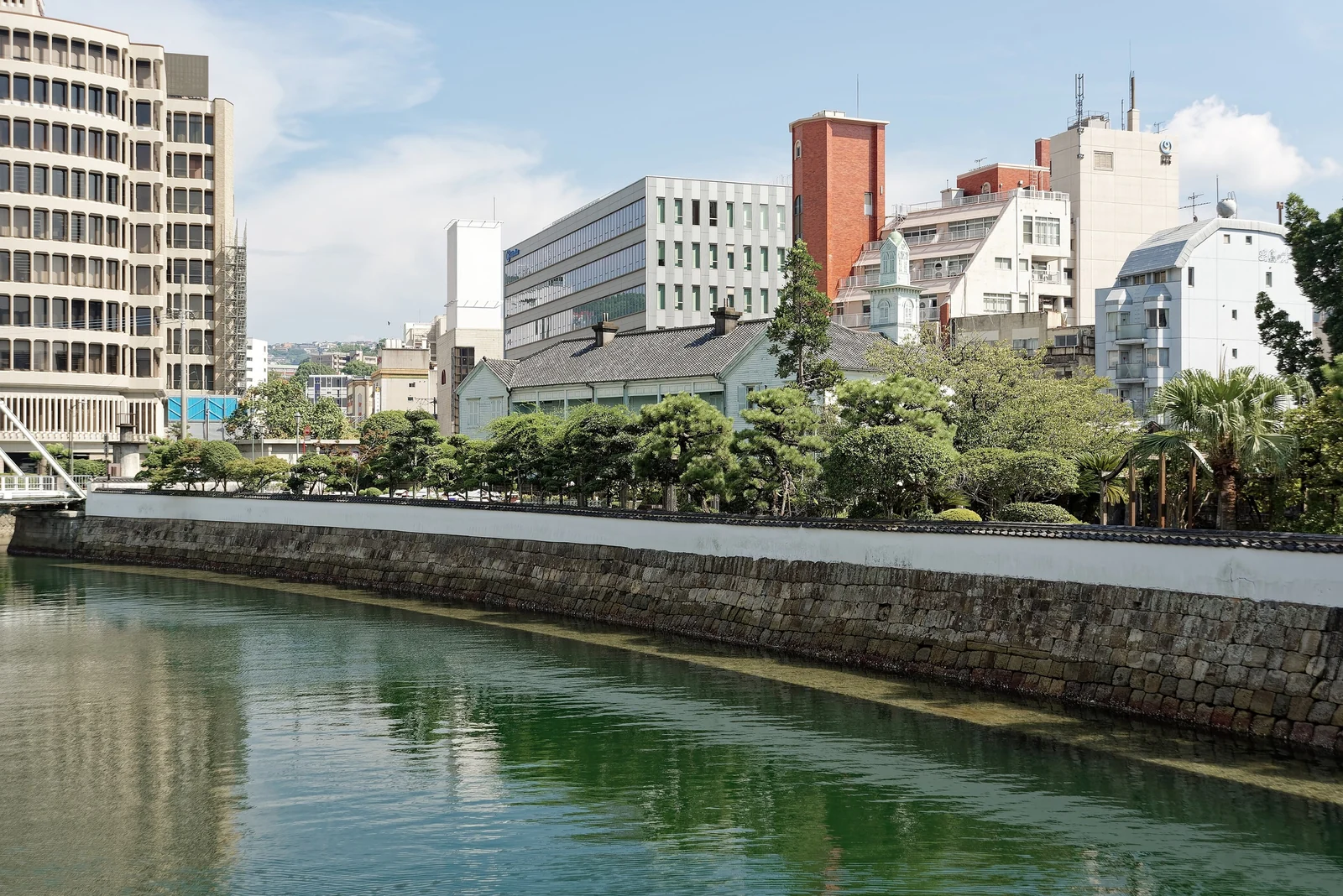
From 1641 until 1859, Dejima, a small fan-shaped artificial island in the harbor, was the only place where Europeans could trade with Japan during the long period of national seclusion. Only the Dutch were allowed to stay, and for two centuries their goods, books and medical knowledge flowed into Japan through this tiny enclave.
Today the site has been restored to look as it did in the 1800s, with merchant residences, warehouses and storerooms you can walk through. Exhibits explain daily life and trade. Give it about an hour, and look at the model of the island to see how small it really was.
Chinatown and Nagasaki's Food
Shinchi Chinatown is a short walk from Dejima, a compact district of red gates and lantern-lined lanes that reflects centuries of Chinese trade. Nagasaki's food grew out of this mixing of cultures, and three dishes are worth ordering.
- Champon: a hearty bowl of noodles in a creamy pork-and-seafood broth with vegetables, said to have been created at a Chinese restaurant in Nagasaki around the end of the 1800s. It is the city's signature comfort food.
- Castella: a dense, moist sponge cake brought to Japan by Portuguese traders in the 1500s. Nagasaki bakeries still sell it in long boxes, which makes a good gift.
- Turkish rice (toruko rice): a plate with pilaf, a breaded pork cutlet and spaghetti, usually with a sauce. The name is a local mystery, and the dish is closer to diner food than to anything from Turkey.
Some cafes and bakeries close earlier than you might expect, so eat castella in the afternoon and save the Turkish rice for lunch or an early dinner.
Day 2 Morning: The Hashima (Gunkanjima) Landing Tour
Hashima Island, nicknamed Gunkanjima ("Battleship Island") for its silhouette, is a tiny island of concrete apartment blocks abandoned after its coal mine closed in 1974. It is part of the UNESCO World Heritage listing of Sites of Japan's Meiji Industrial Revolution, inscribed in 2015. Our full Gunkanjima guide covers the island's history, including its wartime chapter of forced labor.
How the Tours Work
Landing tours leave from Nagasaki's harbor area by boat. The whole trip generally takes a few hours, including the ride out, a guided visit on the island and the return. Several companies run them, with different departure points and schedules, and some pair the trip with a museum visit in town. Reservations are strongly recommended.
On the island, visitors follow a fixed walkway with a guide, because the old buildings are unstable. You see the former mine area and look at the apartment blocks from a distance, but you cannot go inside them. Bring a hat and water, wear sturdy flat shoes, and expect wind on deck.
Weather and Cancellations
Landing depends on the sea. Swells that look small from Nagasaki can make docking unsafe, and the captain makes the final call on the day. When landing is not possible, many operators run a cruise around the island instead and may refund the landing portion. Policies differ, so read the terms before you pay.
The practical advice is simple. Book for your first morning in the city if you can, so there is a spare day to try again, and avoid scheduling a flight or Shinkansen directly after the return. A cruise around the island still gives you a good look at the skyline, but it is not the same as stepping ashore.
Day 2 Afternoon: Oura Church and Glover Garden
Minamiyamate, the hillside where foreign merchants settled after Japan reopened to trade in the 1850s, is the city's most photogenic corner. Trams run to stops near Oura Church, and from there the paths are on foot and uphill.
Oura Church
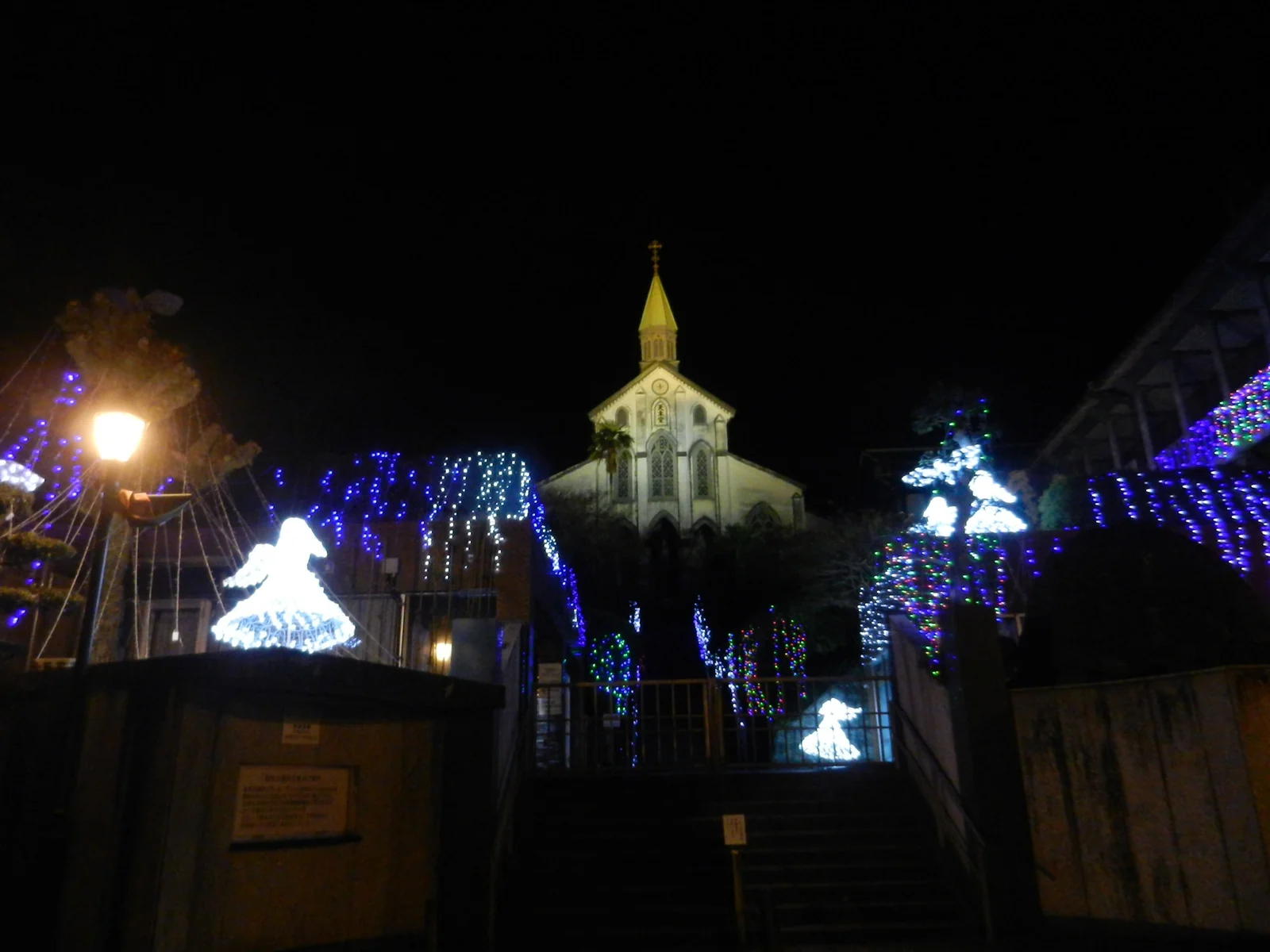
Completed in 1864, Oura Church is the oldest surviving Christian church in Japan and a designated National Treasure. It was built for foreign residents, and soon after it opened a group of local families who had practiced Christianity in secret for generations came to its door and revealed their faith. That event, in 1865, is one of the pivotal moments in Japanese religious history, and the wider story is recognized by UNESCO in the Hidden Christian Sites in the Nagasaki Region.
Glover Garden
A short walk up from the church, Glover Garden is an open-air collection of 19th-century Western-style houses on a hillside overlooking the harbor. The centerpiece is the residence of Thomas Glover, a Scottish merchant who traded in ships, arms and coal and helped bring Western industry to Japan. His house, built in 1863, is the oldest surviving Western-style wooden building in the country. The harbor views, shipyards included, are the reward for the climb.
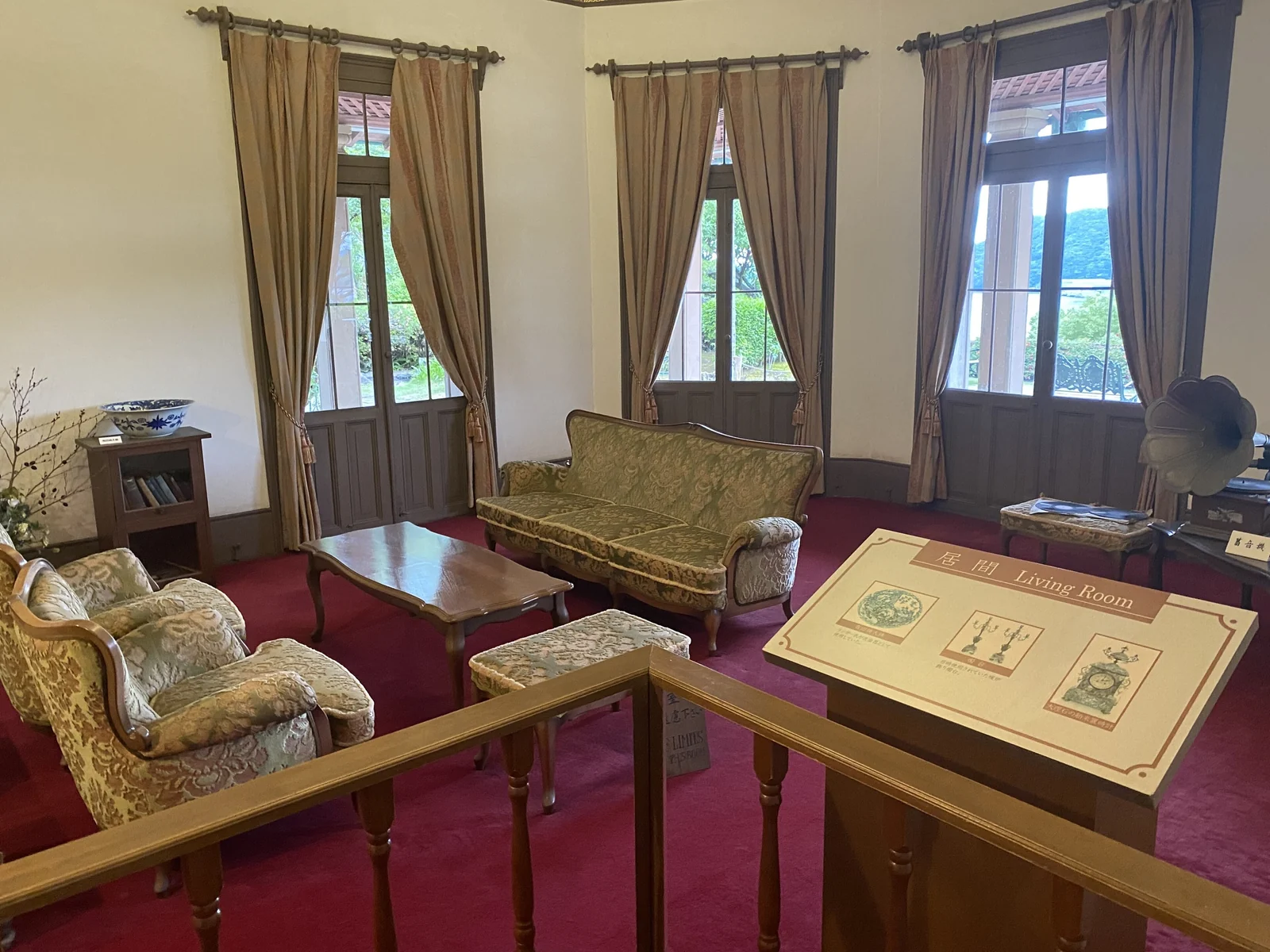
Glover Garden and Oura Church are usually visited together and take about two hours in total. Check opening hours for both, since closing times can change by season.
Day 2 Evening: Mount Inasa Night View
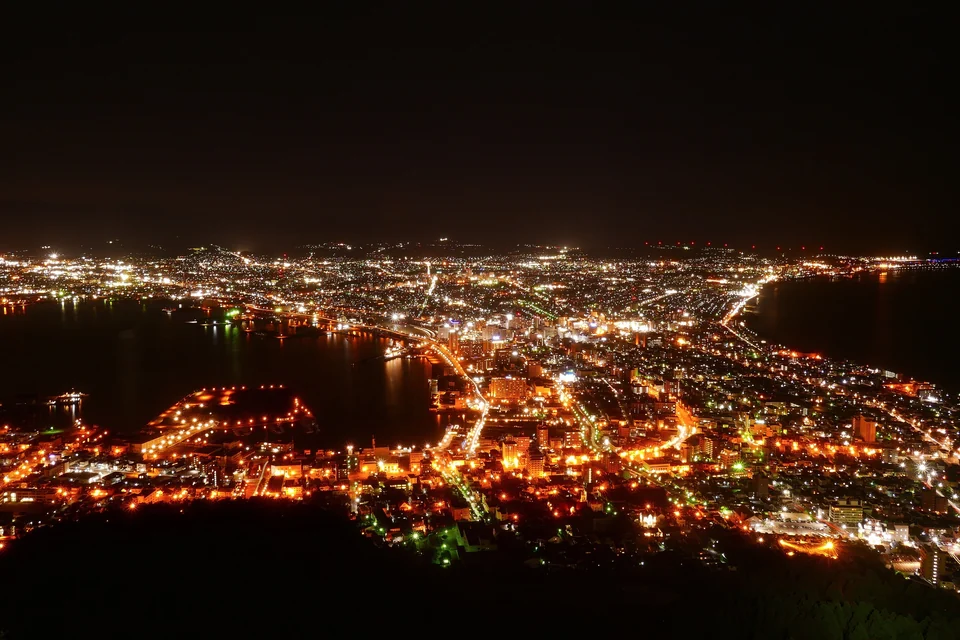
Finish on Mount Inasa, a peak of roughly 333 meters that rises behind the port. A ropeway carries you up to the observation deck, and the view over the harbor and the city is regarded as one of the best night views in Japan. Go at dusk so you catch the shift from daylight to lights.
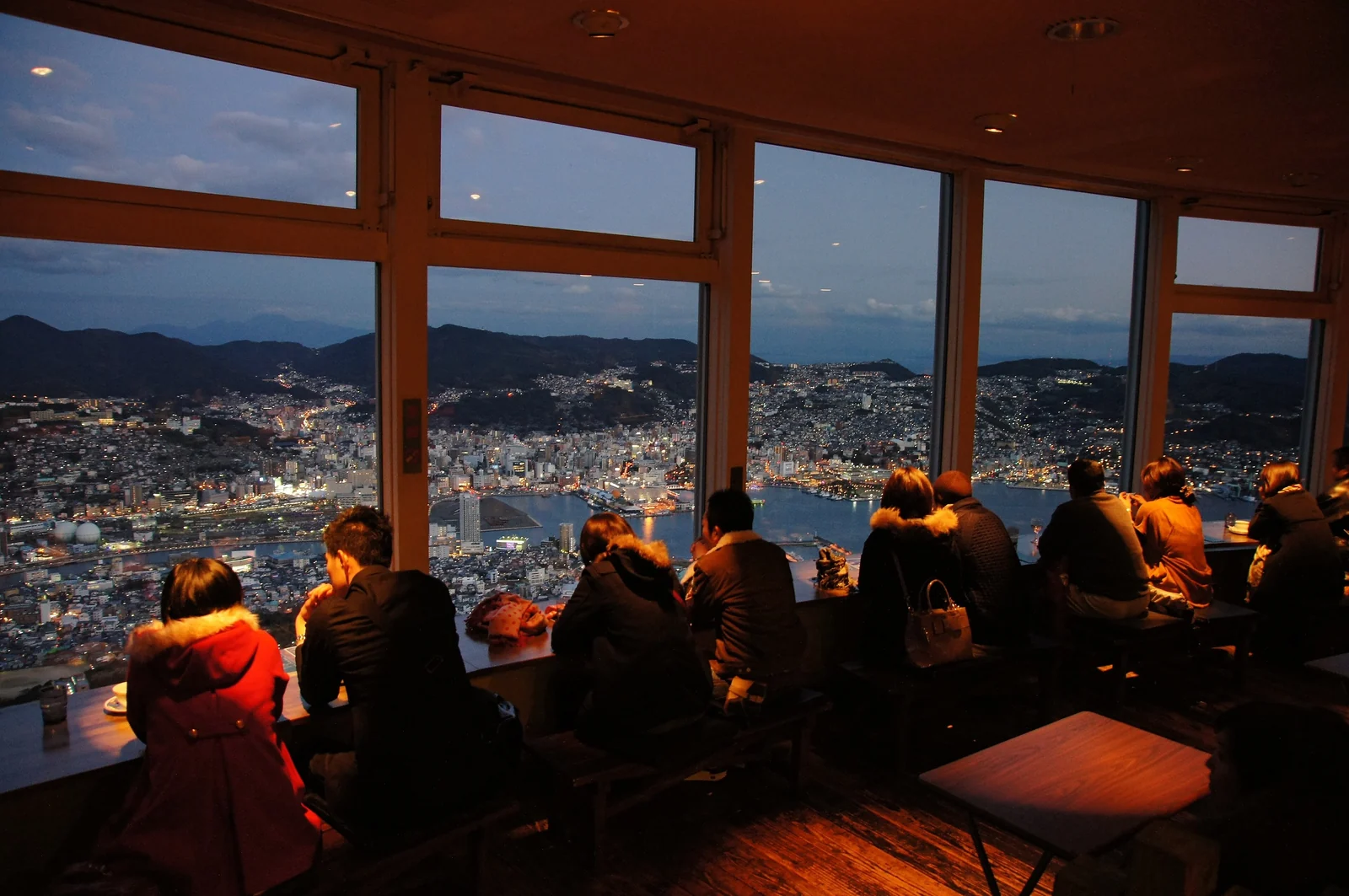
Check how to reach the ropeway station before you go, as it takes a short transfer from the tram line, and a taxi is the simplest option after dark. It is windy and cool at the top, so bring a light jacket. Clouds can block the view, so keep the evening flexible.
Getting to Nagasaki and Getting Around
How to Reach Nagasaki
- From Fukuoka by train: Take the Relay Kamome limited express from Hakata to Takeo-Onsen, then change across the platform to the Kamome on the West Kyushu Shinkansen. The whole trip takes roughly 80 to 90 minutes on one ticket. Check current timetables on the JR Kyushu website.
- From Tokyo or Osaka: Flights to Nagasaki Airport take around two hours from Tokyo and less from Osaka, followed by an airport bus into the city. By rail it is a long day: Shinkansen to Hakata, then the Kamome route. Our Tokyo guide and Osaka guide help with the other end of the trip.
Trams, Passes and Walking
Nagasaki's streetcars are the easiest way around. They run on several lines, charge a flat fare per ride and accept cash or common IC cards, and day passes are sold for travelers planning many rides. Check current fares at the stop or at tourist information. A regional rail pass only pays off if you are covering a lot of Kyushu, so compare it with point-to-point tickets first.
Wear comfortable shoes. The city is hilly, and the best views involve stairs and slopes.
Best Time to Visit
Spring and autumn are the most comfortable seasons for walking and for the boat to Hashima. Summer is hot and humid, with typhoon risk late in the season, and winter seas can interrupt island landings. Early August is busy around the memorial days, so reserve rooms well ahead.
Optional Extra: Huis Ten Bosch
With a third day, consider Huis Ten Bosch, a large theme park near Sasebo built as a replica of a Dutch town, with canals, windmills and seasonal flower and light displays. It is reachable by train from Nagasaki in roughly an hour and a half. It suits families and anyone curious about the Dutch link to Dejima, but it takes most of a day and is not essential. Check the park's own site for opening days and tickets.
Where to Stay in Nagasaki
The area around Nagasaki Station is practical for trains and the Shinkansen. The Shianbashi and Hamanomachi districts are livelier in the evening and close to tram stops. Staying near the harbor helps if your Hashima departure is early. Book ahead for peak holiday periods.
Nagasaki Itinerary FAQ
Is two days enough for Nagasaki?
Yes. Two days cover the Peace Park, the museum, Dejima, Chinatown, Oura Church, Glover Garden, a Hashima boat trip and the Mount Inasa night view. Add a third day for Huis Ten Bosch or a slower pace.
Can you visit Hashima Island from Nagasaki?
Yes. Landing tours leave from Nagasaki's harbor area and last a few hours. Landing depends on sea conditions, and the captain decides on the day. If landing is not possible, operators often cruise around the island instead.
How do you get from Fukuoka to Nagasaki?
Take the Relay Kamome from Hakata to Takeo-Onsen and change to the West Kyushu Shinkansen. The trip takes roughly 80 to 90 minutes on one ticket. Check the JR Kyushu timetable before you travel.
How long should you spend at the Atomic Bomb Museum?
Allow at least 90 minutes, plus time at the nearby Peace Park and hypocenter. Visitors who read the exhibits and testimonies closely often take longer. Check the official site for current hours and admission.
Do you need a car in Nagasaki?
No. Trams cover most major sights, and several are within walking distance of each other. A taxi helps for the Mount Inasa ropeway at night, and trains handle trips such as Huis Ten Bosch.
What should you eat in Nagasaki?
Try champon noodles, castella sponge cake and Turkish rice. All three reflect the city's long contact with Chinese, Portuguese and other foreign traders. Chinatown is a good place to look for champon.
When is the best time to see Nagasaki's night view?
Arrive at Mount Inasa shortly before sunset to see the city in daylight, at dusk and after dark. Clear evenings in spring and autumn are the most reliable, but any season can work when the sky is clear.