For a first trip to Tokyo, stay in Shinjuku, Shibuya or around Tokyo Station. All three sit on the Yamanote Line loop, have big stations with many connections, and put you within one or two train rides of almost every major sight. Pick Shinjuku for choice and nightlife, Shibuya for a younger, trend-driven base, and the Tokyo Station area for calm streets and the shinkansen.
If you would rather wake up in older Tokyo, Asakusa and Ueno are the budget-friendly alternatives. The right choice depends less on the hotel than on which train lines run outside your door. This guide explains how the city is organized, how to choose, and what each area is really like. For things to do once you have a bed, see our Tokyo travel guide.
How Tokyo Is Organized and How to Choose a Base
The Yamanote Line and its hubs
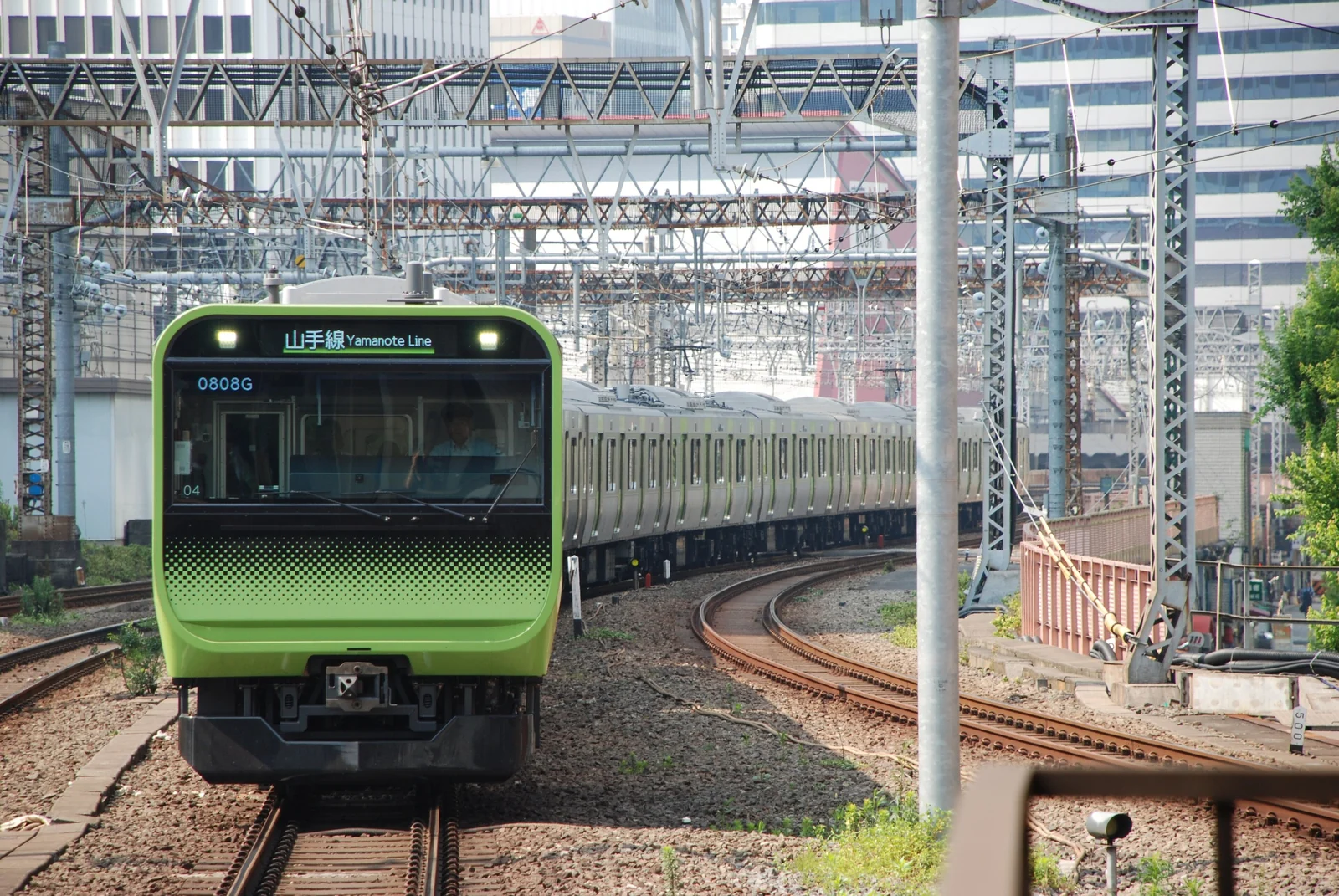
Tokyo is not one center but a ring of centers. The JR Yamanote Line runs in a loop around the middle of the city, with 30 stations and a full circuit of roughly an hour. Most of the places visitors want to sleep are on it or one stop off it: Tokyo, Shinagawa, Shibuya, Shinjuku, Ikebukuro and Ueno are all Yamanote stations.
Each major station is a district in its own right, with department stores, hundreds of restaurants and several rail companies sharing the same hub.
How to choose
Five practical questions settle most decisions. Answer them before you compare hotels.
- Train access. Aim for a hotel within about five to eight minutes' walk of a station with two or more lines. In Tokyo that matters more than a view.
- Luggage. Big stations have long underground walks, stairs and sometimes no lift near your exit. Check which exit is closest to the hotel, and consider sending large bags ahead by luggage delivery service if you are moving between cities.
- Late-night noise. Entertainment districts stay lit until the small hours. Look for a room that faces away from the main street, or pick the residential side of the station.
- Room size. Standard rooms in central Tokyo are often compact, especially in business hotels. If you are two people with two suitcases, read the room dimensions and bed type, not just the photos.
- Last trains. Most lines stop running around midnight and restart in the early morning. If you plan late dinners, stay close to your evening plans or within a short taxi ride of them.
Where to Stay in Tokyo at a Glance
| Area | Best for | Vibe | Key lines | Watch out for |
|---|---|---|---|---|
| Shinjuku | First-timers, nightlife, choice | Skyscrapers, neon, endless dining | JR Yamanote, Chuo and Saikyo, Marunouchi and Oedo subway, Odakyu | Station maze and Kabukicho edges |
| Shibuya | Shopping, younger travelers | Busy, trendy, crowded crossing | JR Yamanote, Ginza and Hanzomon subway, Toyoko line | Hills, crowds and late noise |
| Tokyo Station / Marunouchi / Ginza | Shinkansen trips, quiet evenings | Polished business district, upscale shopping | JR Yamanote and Chuo, Marunouchi and Ginza subway | Quiet after dark, fewer cheap eats |
| Asakusa | Budget, temples, older Tokyo | Low-rise, traditional streets | Ginza and Asakusa subway, Tobu Skytree Line | Far from Shinjuku and Shibuya |
| Ueno | Budget, museums, Narita trains | Practical, park and market streets | JR Yamanote, Ginza and Hibiya subway, Keisei Skyliner | Some tired blocks near the station |
| Shinagawa | Shinkansen and Haneda access | Business hotels, transport hub | JR Yamanote, Tokaido Shinkansen, Keikyu | Little street life |
| Ikebukuro | Value, day trips north and west | Big station, shops, busy | JR Yamanote, Saikyo, Marunouchi and Yurakucho subway | Dated pockets, night crowds |
| Ebisu / Nakameguro | Quieter, food-focused stays | Residential, cafés, small bars | JR Yamanote (Ebisu), Hibiya, Toyoko | Fewer big hotels |
Shinjuku and Shibuya: The First-Timer Bases
Shinjuku: the default choice
Shinjuku is the easiest answer to the question. West of the station stand the government towers and skyscraper hotels. East of it are department stores, cinemas and a dense grid of restaurants and bars. The station is one of the busiest in the world, which tells you how many lines meet there: JR Yamanote, Chuo and Saikyo, two subway lines, and the Odakyu and Keio private railways.
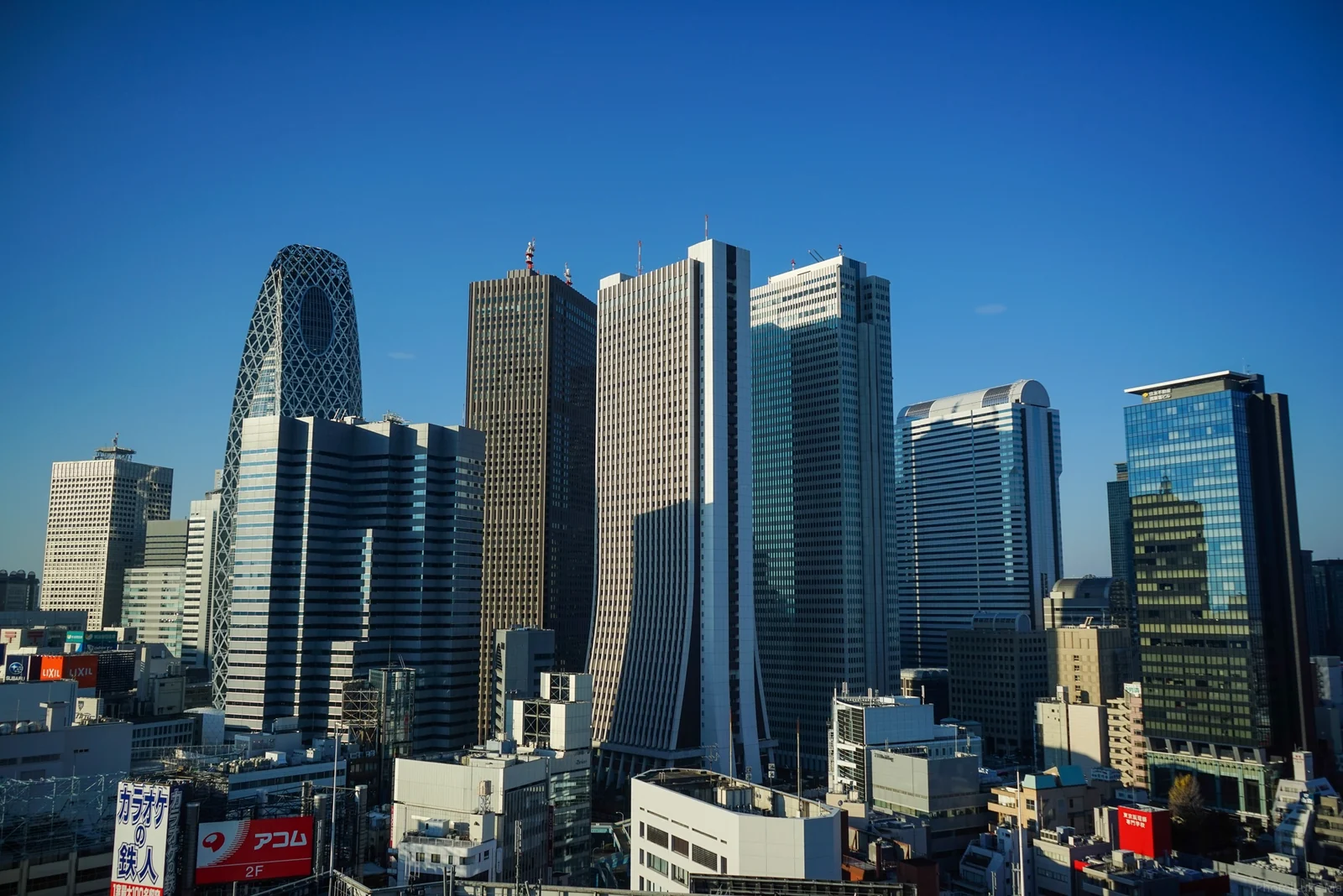
The area suits people who want a huge choice of hotels at many price levels, food at any hour and simple connections to Shibuya, Tokyo Station and the airports. The honest caution is the station itself. Shinjuku has dozens of exits and long underground passages, and even locals use a map to find the right one. Choose a hotel with a clear walking route from the exit you will use most, and walk that route once on the first day.
Kabukicho, the nightlife quarter just north-east of the station, is busy and loud after dark. For a better night's sleep, favor the west side of the station or the quieter streets toward Shinjuku Gyoen.
Shibuya: energy and shopping
Shibuya is Tokyo's youth-culture hub, built around the famous scramble crossing, fashion malls and music venues. It is hilly, so many streets climb away from the station. It is also a node for the Ginza and Hanzomon subway lines and for the private lines running south-west toward Yokohama.
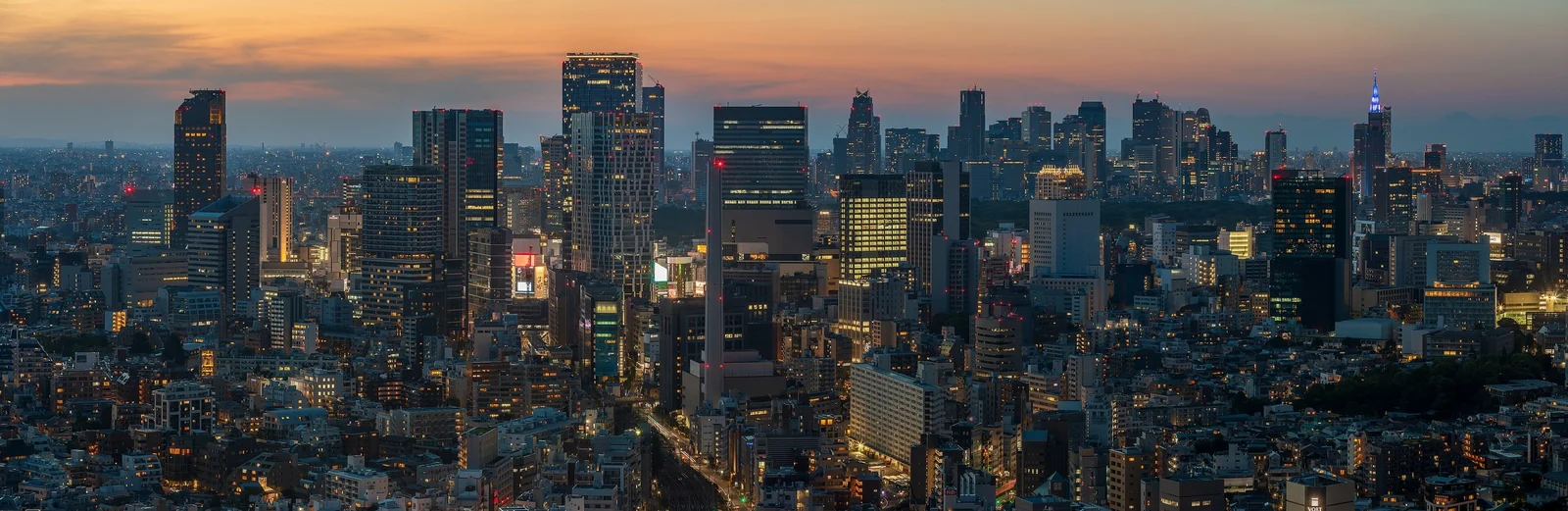
Stay here if you want to be in the middle of the action and like walking at night. Skip it if you want quiet. The streets right around the crossing stay loud late, and hotels in the entertainment pockets can be noisy at weekends. Residential edges such as the streets toward Yoyogi Park are calmer, but they mean a steeper walk home.
Tokyo Station, Marunouchi and Ginza: Calm and Well Connected
Tokyo Station opened in 1914, and its red-brick Marunouchi building has been restored to its original look. Around it, Marunouchi and the nearby business streets are tidy, wide and very quiet after office hours. Ginza, a short walk or one subway stop away, is known for upscale department stores and restaurants.
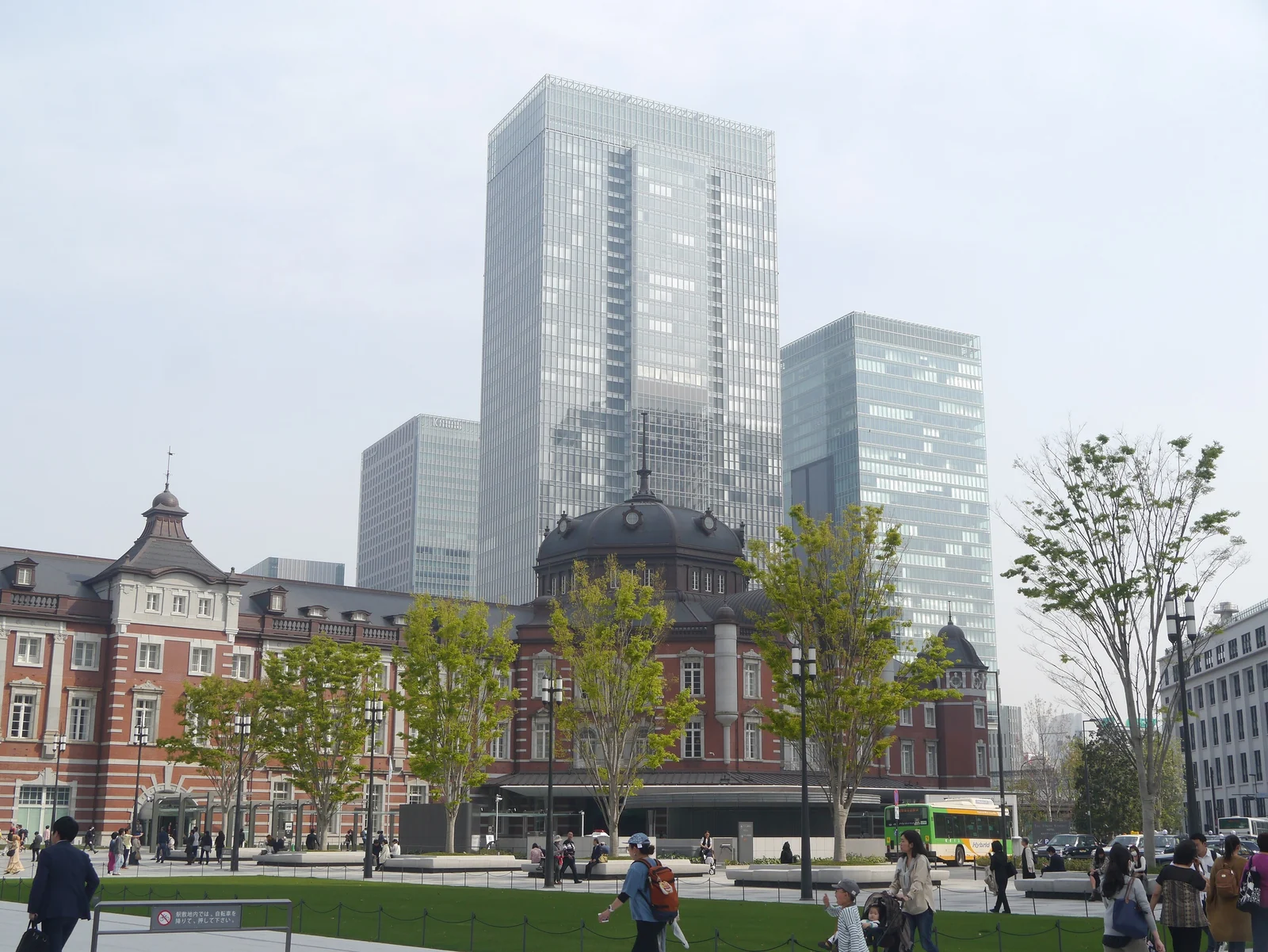
This is the best base if you are taking the shinkansen, since the Tokaido line toward Nagoya, Kyoto and Osaka starts here, as do lines to the north. Our guide to Tokyo to Kyoto by shinkansen explains the options. The trade-off is atmosphere. Evenings are low-key, and cheap local restaurants are harder to find than in Shinjuku, though the station itself is full of food.
Asakusa vs. Ueno: Older Tokyo on a Budget
Both areas sit north-east of the center, on the Ginza subway line, and both feel more like the Tokyo of older neighborhoods than the glass towers of the west.
Asakusa
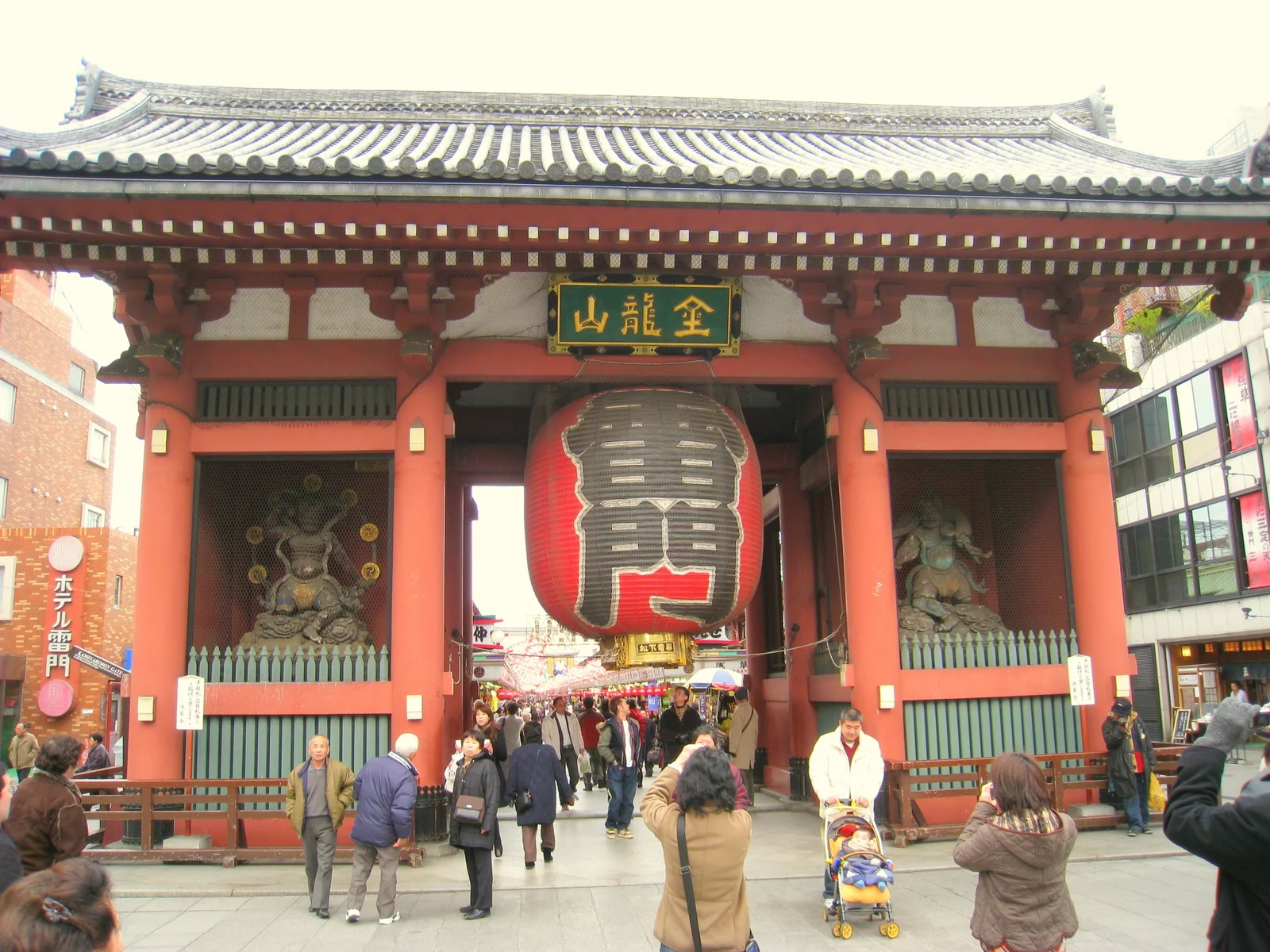
Asakusa is built around Sensō-ji, Tokyo's oldest temple, and the shopping street that leads up to it. It is low-rise, easy to walk and quieter at night than Shinjuku once the day crowds leave. Business hotels, guesthouses and traditional-style inns are common. The weakness is distance: a ride to Shibuya or Shinjuku takes a while and usually means a change.
Ueno
Ueno is more practical. It is a Yamanote Line station and a shinkansen stop on the northern lines, and it is the Tokyo end of the Keisei Skyliner from Narita. Ueno Park holds several major museums and the zoo, and the Ameya-Yokocho market streets are a short walk away. Some blocks around the station feel tired, so check the exact address and recent reviews.
Asakusa or Ueno?
Choose Asakusa for the temple and a traditional atmosphere, Ueno for transport, museums and a Narita connection. Both cost you time on trips to the west.
Other Areas, Quieter Picks and Where Not to Stay
Shinagawa, Ikebukuro, Roppongi and Akasaka
- Shinagawa. A big Yamanote and Tokaido Shinkansen station with many business hotels, plus direct Keikyu trains to Haneda. It is excellent for transfers and early departures, and thin on street life.
- Ikebukuro. The northern hub of the loop, with large department stores and good-value hotels. It is useful for day trips north and west, though some streets feel dated.
- Roppongi and Akasaka. Roppongi is known for nightlife and art museums, while Akasaka is quieter and more business-like. Both are on the subway, not on the Yamanote Line, so you will use more transfers.
Quieter picks: Omotesando, Ebisu and Nakameguro
If crowded stations tire you out, these are the calmer answers. Omotesando, the tree-lined avenue running toward Harajuku, has design stores and cafés, with Meiji Shrine and its forest a short walk away. Hotels are fewer here, and rooms tend to cost more for what you get.
Ebisu, one stop south of Shibuya on the Yamanote Line, is a small, well-connected district with a good restaurant scene. Nakameguro, along the Meguro River, is more residential, with small bars and cafés, and is a short ride on the Hibiya or Toyoko line. They suit repeat visitors, but they are not ideal for early shinkansen mornings.
Where not to stay as a first-timer
- Far out on a single line. A cheap room 40 minutes from the center sounds fine until you need to leave a dinner before the last train.
- Anywhere more than ten minutes' walk from a station. Summers are hot and humid, and winter evenings are cold.
- The middle of Kabukicho or a similar late-night district. Sleep is the first casualty.
- Around Narita airport, unless your flight is very early. It is far from the city, and an airport hotel saves you only one morning.
- A different city. Yokohama is pleasant, but it adds a long commute every day.
Hotel Types in Tokyo: What You Get
- Business hotels. Small, clean, efficient rooms near stations, often with a compact bathroom unit. They are the backbone of Tokyo accommodation.
- Ryokan-style inns. Traditional rooms with futon bedding and often communal baths. They are more common in older areas such as Asakusa, but exist elsewhere too.
- Capsule and pod hotels. Cheap and fine for one or two nights, but rarely right for longer stays with luggage.
- Apartments and short-term rentals. Useful for families and longer stays. Japan regulates home-sharing, and legal properties are registered, so book through reputable listings and check that the property shows its registration details.
- Larger international and upscale hotels. Clustered in Shinjuku, Marunouchi, Ginza and Roppongi, with larger rooms and English-speaking staff.
Accommodation in Tokyo may carry a small lodging tax, collected per person per night and depending on the room rate. Check the rules on the official Tokyo tourism site.
Getting From the Airport and Getting Around
Narita
Narita is far from the city, so choose the train that goes where you sleep. The JR Narita Express runs to Tokyo Station, Shinjuku, Shibuya and Yokohama. The Keisei Skyliner is the fastest train to Nippori and Ueno. The cheaper Keisei Access Express and the slower trains serve the east side of the city and connect to the subway. Check current schedules and fares on the JR East website and the Keisei Skyliner page.
Haneda
Haneda is much closer. The Tokyo Monorail runs to Hamamatsucho, where you can switch to the Yamanote Line, and the Keikyu line runs to Shinagawa and on to the Asakusa subway line toward Asakusa. See the Tokyo Monorail website for details.
Suica, Pasmo and last trains
Get a Suica or Pasmo IC card, or add one to your phone if your device supports it. It works on nearly all trains, subways and buses in the city, so you do not need to decode fare maps. Use a route app that shows the last train for your trip, and check it before dinner. JR lines and the subway are run by different operators, but one IC card covers both.
Which Area for Which Traveler
- First trip, four to six nights: Shinjuku, or Tokyo Station if you will take shinkansen day trips.
- Nightlife and shopping: Shibuya or Shinjuku, with a room away from the busiest street.
- Budget and traditional atmosphere: Asakusa. For transport and museums, Ueno.
- Short stopover or early flight: Shinagawa for Haneda, or the Narita area if you leave before dawn.
- Couples and quieter stays: Ebisu, Nakameguro or Omotesando.
- Families: Shinjuku or Tokyo Station, where lifts, larger hotels and quick connections help with strollers.
Deciding between Tokyo and a second base? Our comparison Tokyo or Osaka will help, and the Nikko day trip from Tokyo works well from Asakusa and Ueno. Planning for cold months? Read Japan in winter, and browse the full Japan category.
Where to Stay in Tokyo FAQ
What is the best area to stay in Tokyo for first-timers?
Shinjuku is the safest all-round choice. It has many hotels, major rail lines, food at all hours and quick access to Shibuya, Tokyo Station and the airports. Shibuya and the Tokyo Station area are close runners-up.
Is Shinjuku or Shibuya better to stay in?
Shinjuku has more hotels, more lines and more variety, so it suits most first-timers. Shibuya feels younger and more focused on fashion and nightlife, with hillier streets. Pick Shibuya if you like its energy, Shinjuku if you want convenience.
Is it safe to stay in Shinjuku near Kabukicho?
Tokyo is generally very safe for visitors, but Kabukicho is a loud nightlife district with touts and late crowds. Most travelers avoid problems by ignoring approaches. If you sleep lightly, choose a hotel on the west side of the station instead.
Should I stay in Asakusa or Ueno?
Asakusa is better for temple atmosphere and a traditional feel. Ueno is better for transport, museums and the Skyliner from Narita. Both usually cost less than the west side of the city, but both mean longer rides to Shibuya and Shinjuku.
Where should I stay in Tokyo for the shinkansen?
Tokyo Station is the most direct, since trains to Kyoto and Osaka start there. Shinagawa is also a good option, as many shinkansen stop there, and it has easy access to Haneda. Both have plenty of business hotels.
How many days do you need in Tokyo?
Four to five days covers the main districts, with another day or two for a trip such as Nikko. Choose one central base for the whole stay rather than moving hotels, because the train network makes day trips easy from almost anywhere on the loop.
Do I need to stay near a station in Tokyo?
Yes. Aim for about five to eight minutes on foot. Trains are the fastest and cheapest way to move around, and a long walk with luggage or in summer heat takes the fun out of a trip quickly.