


Hiroshima is a city you visit for two reasons that sit side by side: to understand what happened here on August 6, 1945, and to enjoy the lively, rebuilt city that grew back from it. This Hiroshima travel guide covers the Peace Memorial Park and Museum, the Atomic Bomb Dome, the castle, the local okonomiyaki, and the ferry out to Miyajima and its famous floating shrine gate.
The easiest plan is two days: one for the city and one for the island. Hiroshima sits on the Shinkansen line, so it works as a day trip from Osaka or Kyoto, but an overnight stay lets you do the museum without rushing and see Miyajima after the day-trippers leave. For more of the country, browse our Japan travel guides.
Why Hiroshima Is Worth Two Days
Hiroshima is not a gloomy place. It is a modern regional capital of broad avenues, trams, rivers and a cheerful food scene, and people here are proud of what the city has become. The memorial sites are quiet and serious, and they sit in the middle of ordinary life, with schoolchildren, office workers and visitors from everywhere crossing the same bridges.
The city is also an excellent base for the Seto Inland Sea. Miyajima is a short train and ferry ride away, and if you want more coast and art, our Naoshima art island guide covers another island trip in the same region.
Peace Memorial Park and Museum
The park occupies a spit of land where the Motoyasu and Ota rivers meet, in the area that was the busy commercial and residential heart of the city before 1945. It was laid out afterward as a place of remembrance. Plan on at least half a day, and take the museum slowly.
The Atomic Bomb Dome
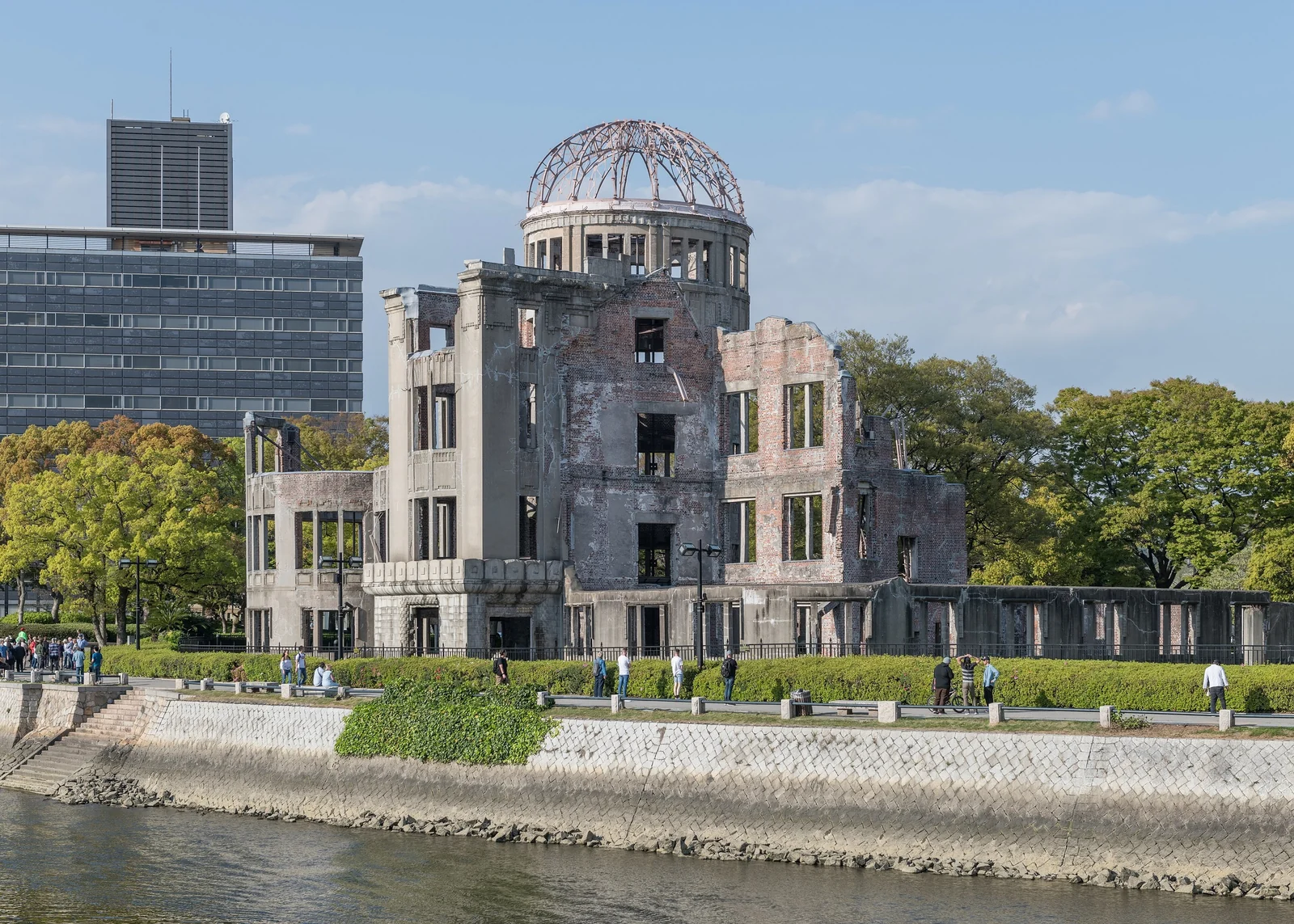
The Dome is the skeleton of the former Hiroshima Prefectural Industrial Promotion Hall, designed by the Czech architect Jan Letzel and completed in 1915. It stood almost directly beneath the explosion, and its steel dome frame and part of its walls survived. It has been preserved in its ruined state, and UNESCO listed it as a World Heritage Site in 1996. Walk around it rather than only photographing it from one side; the riverbank is the calmest place to stand.
Memorials in the Park
Several monuments line the park's central axis. The Cenotaph for the A-bomb victims, an arch completed in 1952, frames the Peace Flame and, beyond it, the Dome. The flame is meant to burn until nuclear weapons are gone from the world. Nearby, the Children's Peace Monument is associated with Sadako Sasaki, a girl who folded paper cranes while ill; schoolchildren still leave strings of colorful cranes there.
The Peace Memorial Museum
The museum opened in 1955 and tells the story through personal belongings, photographs, models and survivor testimony. It is emotionally heavy, and some displays are hard to look at. Go early, allow around two hours, and keep the rest of the morning light. Check opening hours, ticket prices and any exhibit changes on the official museum website before you go.
If you are visiting Japan's other atomic-bombed city too, our Nagasaki itinerary includes its own Peace Park and museum. The UNESCO listing for the Hiroshima Peace Memorial (Genbaku Dome) explains why the site is protected.
Hiroshima Castle and Shukkeien Garden
A short walk north of the park, Hiroshima Castle is a good counterweight to the museum. The original castle was built in the 1590s by the warlord Mori Terumoto and was destroyed in 1945. The main keep you see today is a concrete reconstruction finished in 1958, and it houses a small museum about the castle and the city before the war. The moat, stone base and gates are the more atmospheric part.
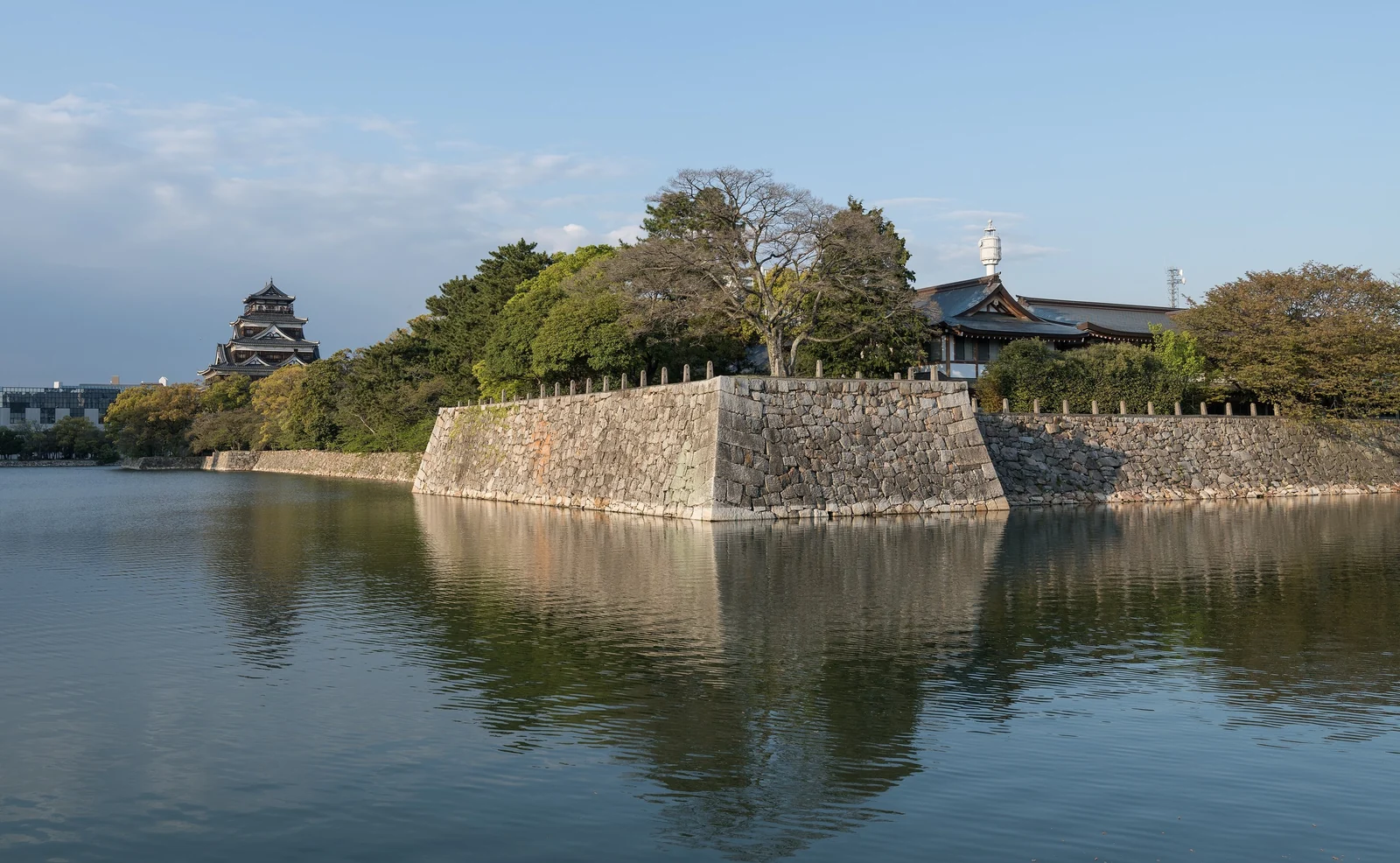
Nearby, Shukkeien is a landscaped garden with a pond and tea houses, dating to the early 1600s, and it makes a gentle break between the heavier sights. An hour here is a reasonable way to reset before lunch.
Hiroshima-Style Okonomiyaki
Okonomiyaki is the dish most visitors come for, and it is not the same as the Osaka version. In Osaka, the batter and cabbage are mixed together. In Hiroshima, the ingredients are layered on the griddle: a thin crepe, a pile of cabbage, bean sprouts, pork, usually a fried egg, and a layer of noodles, all topped with a sweet-savory brown sauce. If you have eaten the Osaka style, our Osaka travel guide shows where it comes from, and the comparison is half the fun.
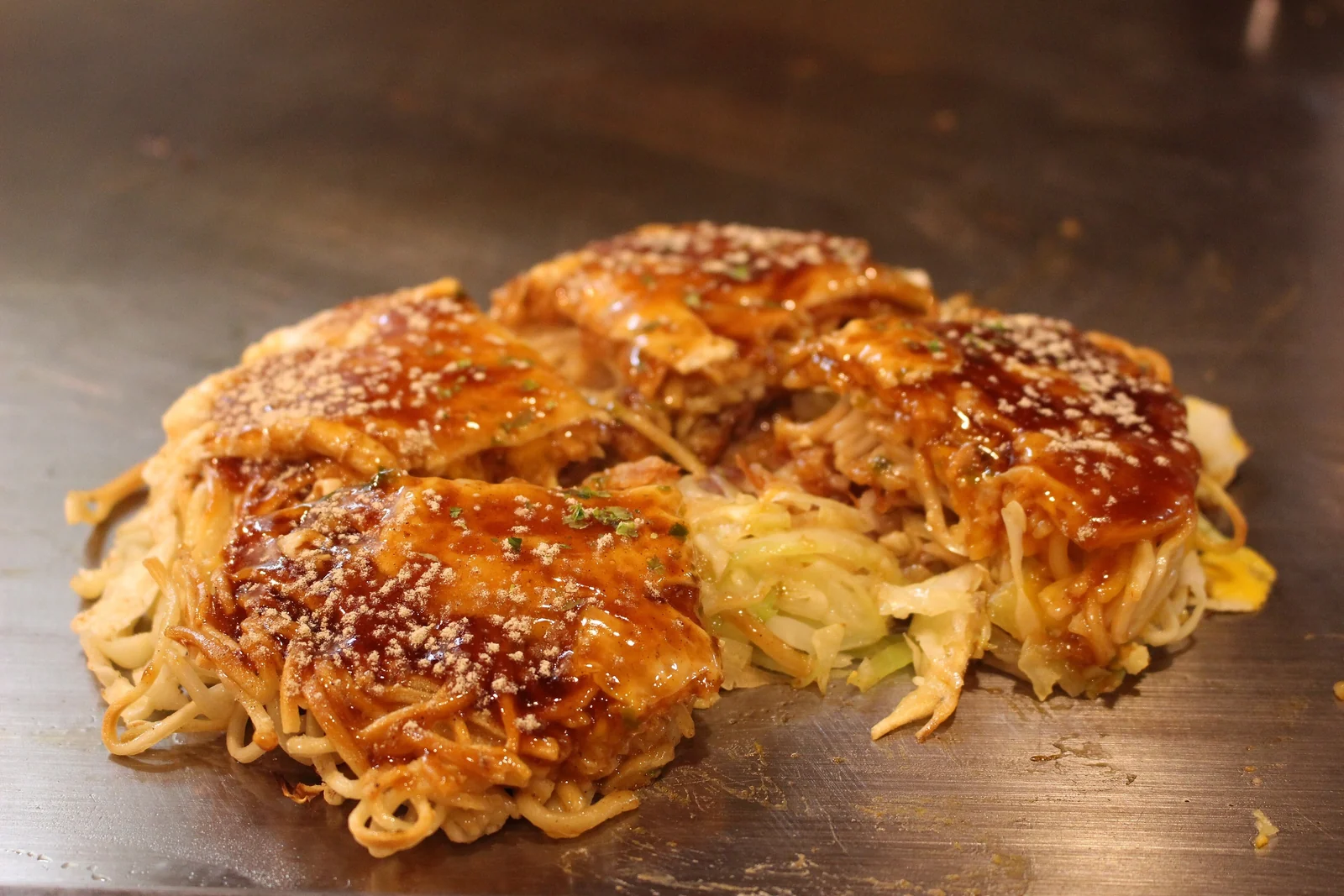
- Choose your noodles: most places offer soba or udon. Soba is the classic choice.
- Sit at the counter: watching the cook work on the griddle is part of the experience, and it is how many locals eat.
- Use the little spatula: eat it straight from the griddle in small cuts, and it stays hot until the last bite.
- Add toppings: oysters and cheese are popular and worth a try.
Hiroshima is also known for oysters, farmed in the surrounding bay and served grilled, fried or in hot pots, usually in the colder months. Miyajima has its own grilled oyster stalls, which is a handy pairing for day two.
Miyajima and Itsukushima Shrine
Miyajima, officially Itsukushima, has been considered sacred for centuries. Itsukushima Shrine was developed in its present form in the twelfth century under the Taira clan leader Taira no Kiyomori, with halls and walkways built on pilings over the tidal flats so that the whole complex appears to float at high tide. UNESCO listed the shrine and its surroundings in 1996.
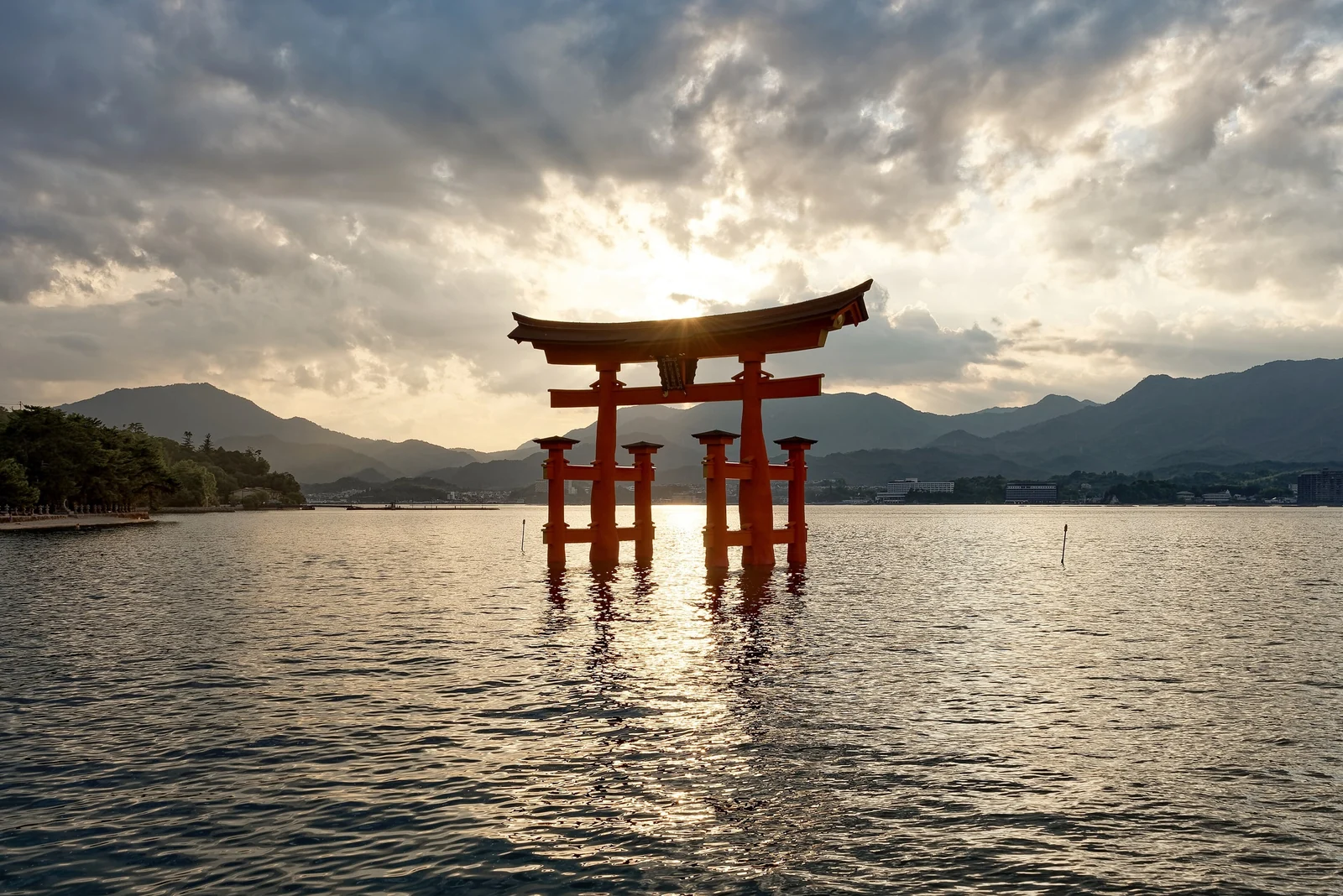
The famous torii gate stands in the bay a short distance from the shrine. At high tide it looks like it floats; at low tide you can walk out on the sand to its base. Tide times are posted locally and easy to find, so decide whether you want the floating look or the closer walk, and if you can, stay a few hours to see both.
Beyond the shrine, wander the town's shopping street for grilled oysters and momiji manju, maple-leaf-shaped cakes with sweet fillings. The tame-looking deer around town are wild animals: do not feed them, and keep paper and food bags tucked away. The UNESCO page for Itsukushima Shinto Shrine has background on the site.
Climbing Mount Misen
Mount Misen is the island's high point, at roughly 535 meters. A ropeway runs up most of the way, with a walk to the summit, or you can hike the forested trails from the town, which takes a good part of a morning. The view from the top covers the Seto Inland Sea and its islands, and on a clear day it is wide enough to feel like you have left the city altogether.
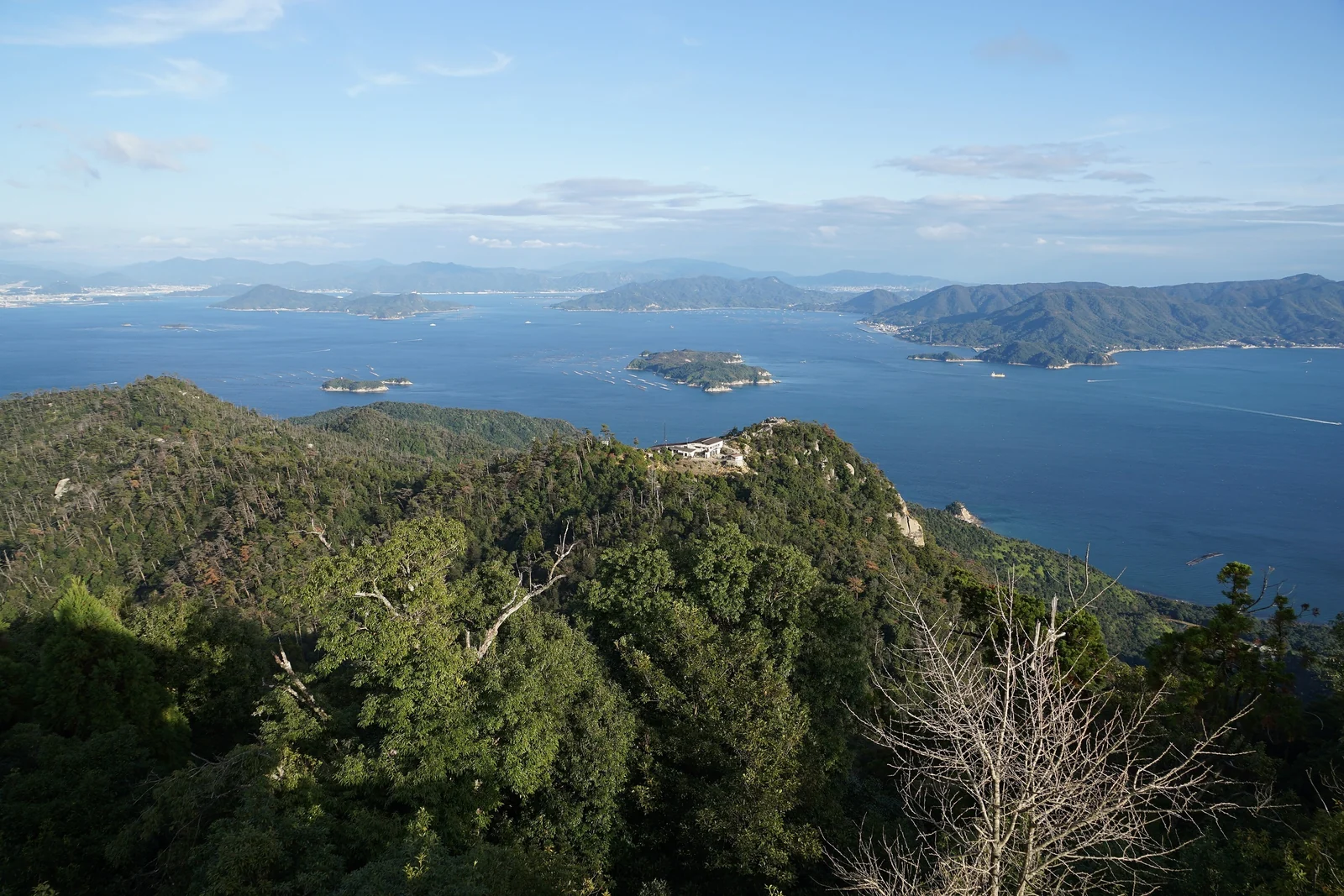
On the way down, stop at Daisho-in, a temple on the lower slopes with stairways, statues and a quiet atmosphere that contrasts with the shrine crowds. If you are short on time, take the ropeway both ways. Check operating hours and any closures locally, since ropeways are sometimes paused for maintenance or weather.
Getting to Hiroshima from Osaka and Kyoto
| From | By Shinkansen | Notes |
|---|---|---|
| Shin-Osaka | About 1.5 hours on the fastest trains | Frequent departures; slower trains take longer |
| Kyoto | About 1 hour 45 minutes on the fastest trains | Usually the easiest direct option |
| Tokyo | About 4 hours on the fastest trains | Better as a stop on a longer route west |
Hiroshima Station is on the Sanyo Shinkansen. Several fast trains run each hour. Some services can be used with a Japan Rail Pass while the very fastest trains are excluded, so check your pass conditions before booking. A day trip from Osaka is realistic if you start early and focus on the Peace Park and Miyajima; adding the castle and a proper lunch is far easier with a night in the city.
Getting Around Hiroshima
From the station, Hiroden trams run to the Peace Park area in roughly 15 to 20 minutes, and the center is compact enough to walk once you arrive. A rechargeable IC card works on trams and local trains. For Miyajima, take the JR Sanyo line from Hiroshima Station to Miyajimaguchi in about 30 minutes, then the short ferry across, which takes around ten minutes. Trams to Miyajimaguchi also run but are slower. A direct ferry from the Peace Park area is a scenic alternative.
Best Time to Visit Hiroshima and Miyajima
- Late March to early April: cherry blossoms at the castle and along the rivers.
- November: autumn color on Mount Misen, usually among the island's busiest weeks.
- Summer: hot and humid, with heavy afternoon rain possible. Start early and carry water.
- Winter: cold but quiet, and the best time for oysters.
Weekdays are calmer than weekends at Miyajima, and the island is best early or late, when most day groups have gone. Check the official Hiroshima tourism site for seasonal events and current transport notes.
Where to Stay in Hiroshima
- Near Hiroshima Station: the practical choice for Shinkansen connections and early starts.
- Around Hatchobori and the city center: close to restaurants, shopping and tram lines, and a short ride from the Peace Park.
- Miyajima: a few traditional inns on the island give you the shrine in the quiet evening hours after the last ferries, but they book up early and cost more.
A Two-Day Hiroshima and Miyajima Itinerary
Day 1: Peace Park, Castle and Dinner
Start at the Peace Memorial Museum when it opens, then walk the park, the Cenotaph and the Dome. Take a quiet lunch and head to Hiroshima Castle and Shukkeien in the afternoon. Finish with okonomiyaki at a counter, and spend the evening by the river.
Day 2: Miyajima and Mount Misen
Take an early train and ferry to Miyajima. See the shrine and the torii first, then ride the ropeway or hike up Mount Misen. Eat grilled oysters or momiji manju on the way back, and check the tide before you go so you can see the gate at the water level you prefer. If you are continuing east, our Kyoto guide is a natural next stop.
Hiroshima Travel FAQ
How many days do you need in Hiroshima?
Two days is ideal: one for the Peace Memorial Park, museum and castle, and one for Miyajima and Mount Misen. A rushed day trip from Osaka or Kyoto can cover the Peace Park and Miyajima, but you will miss the castle and a relaxed dinner.
Is Hiroshima a day trip from Osaka?
Yes. The Shinkansen takes roughly 1.5 hours from Shin-Osaka, so a long day is possible. Stay overnight if you want to see the museum properly and visit Miyajima without watching the clock for the last train.
What is Hiroshima-style okonomiyaki?
It is a savory pancake with ingredients layered on a griddle rather than mixed: a thin crepe, cabbage, pork, egg, noodles and sauce. It differs from the Osaka version, where everything is mixed into the batter.
How do you get to Miyajima from Hiroshima?
Take the JR Sanyo line from Hiroshima Station to Miyajimaguchi, about 30 minutes, then a ferry of around ten minutes. A direct ferry from the Peace Park area is also an option, and trams run to Miyajimaguchi as well.
When can you see the floating torii gate?
At high tide, the gate appears to float in the water. At low tide, you can walk out to it across the sand. Tide times are easy to find locally, so plan to see the shrine at whichever level you prefer.
Is the Peace Memorial Museum suitable for children?
The exhibits include difficult material, and some images are disturbing. Parents should decide based on the child's age and sensitivity. The park itself, with its memorials and paper cranes, is open and accessible to everyone.
Is it worth hiking Mount Misen?
Yes, if you have time and decent weather. The ropeway covers most of the climb, and the summit view of the Inland Sea is one of the best in the region. Hiking up from the town takes a good part of a morning.