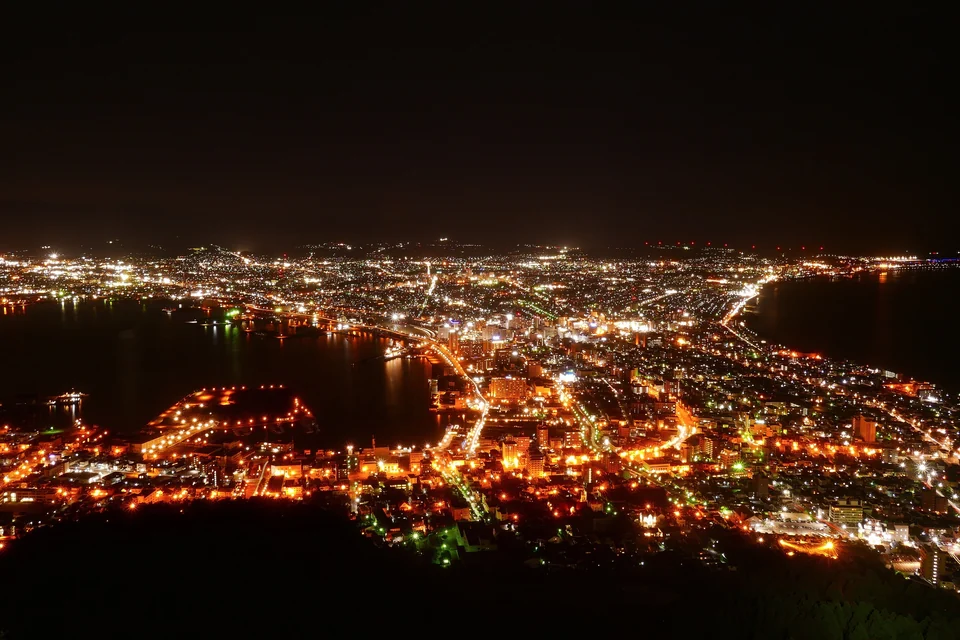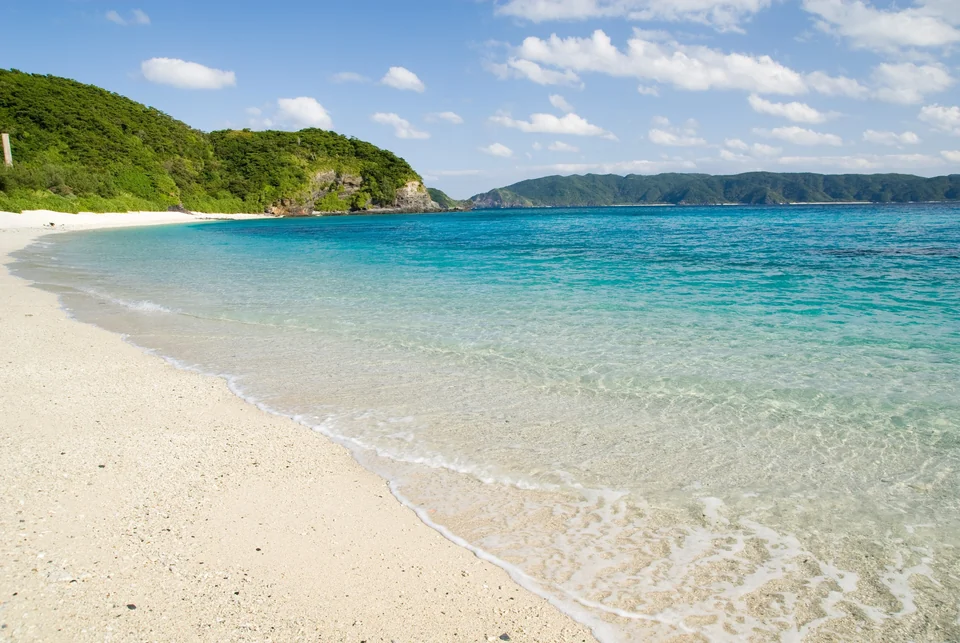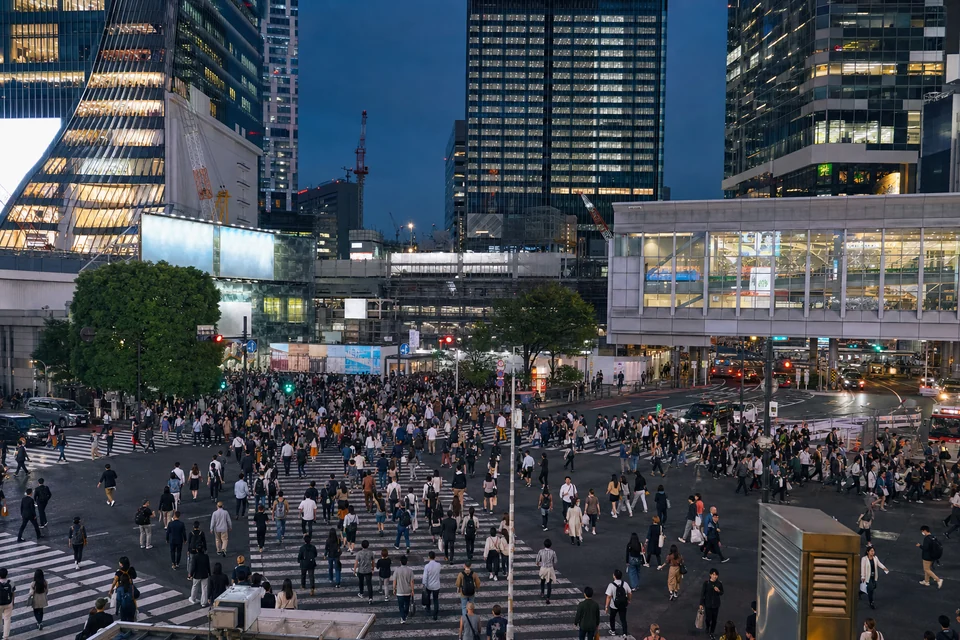
Osaka is Japan's kitchen, a loud, friendly port city where people greet strangers with a joke and judge a restaurant by how long the line is. It is the country's third-largest city and the best base in the Kansai region, with a reconstructed castle, the neon canyon of Dotonbori, a retro district built around a tower, and a skyline you can climb in Umeda.
Three days is enough to eat well and see the headline sights; add two or three more if you want day trips to Nara, Kobe and Himeji, all within about an hour by train. This Osaka travel guide covers what to see, what to eat, how to get around, when to go and where to sleep. If you are building a longer trip, our Japan travel guides cover the rest of the country.
Why Osaka Is Worth a Stop
Osaka has long been a merchants' town, and it shows. The local motto is kuidaore, roughly "eat until you drop," and the city's culture is built around cheap, fast, delicious food eaten standing up or perched on a stool. The dialect is warmer and blunter than Tokyo's, and the pace feels looser.
It also works as a practical hub. Kyoto, Nara, Kobe and Himeji are all short train rides away, so you can unpack once and go out each day. If your plans lean toward temples and tea houses, read our Kyoto guide; for the capital, see our Tokyo travel guide. Osaka is the place to come for appetite and personality rather than formality.
Dotonbori and Namba: Street Food After Dark
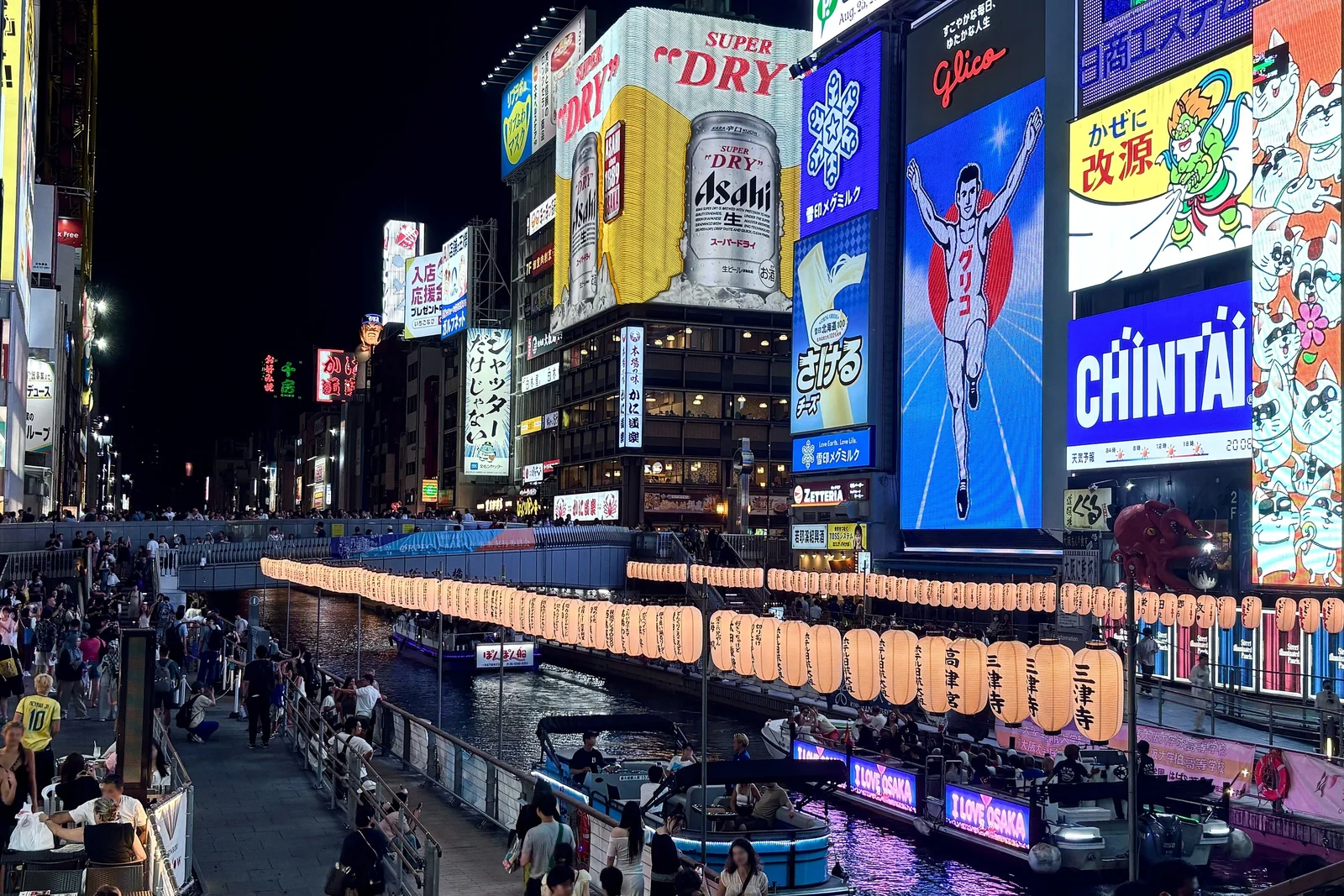
Dotonbori runs along a canal that was dug in the early 1600s and later became the city's theater and entertainment strip. Today it is a wall of giant signs: a mechanical crab, a puffer fish lantern, a drumming clown and the Glico running man, one of the most photographed billboards in the country. Come at dusk, when the lights switch on and the canal reflects them.
What to Eat in Osaka
Three dishes define the city, and you can try all of them within a few blocks.
- Takoyaki: crisp-shelled batter balls with a piece of octopus inside, topped with sauce, mayonnaise, bonito flakes and seaweed. Let them cool for a minute; the middle is molten.
- Okonomiyaki: a savory pancake of cabbage and batter, cooked on a hot plate and finished with sauce. Many restaurants let you cook it yourself at the table.
- Kushikatsu: skewers of meat, seafood and vegetables, breaded and deep-fried. Dip them in the shared sauce once only; double-dipping is a famous no.
Dotonbori's most famous stalls have long queues, and the quality is uneven near the busiest signs. A better approach is to walk a few lanes back and choose a counter where Japanese customers are eating.
Hozenji Yokocho and Kuromon Market
Just off the main drag, the stone-paved lanes of Hozenji Yokocho feel like another era. Visitors pour water over a moss-covered statue of Fudo Myo-o at Hozenji temple for luck, which is why the figure is so green. Kuromon Market, a short walk away, is a covered food street with seafood grills, fruit and snacks; go in the late morning, since many stalls wind down in the afternoon.
Osaka Castle and Its Park
Toyotomi Hideyoshi, the warlord who helped unify Japan, began building Osaka Castle in 1583 as a show of power. The castle has burned and been rebuilt more than once. The main keep you see today dates to 1931, a concrete reconstruction that was renovated in the 1990s, with modern touches such as an elevator inside an otherwise historic-looking shell.
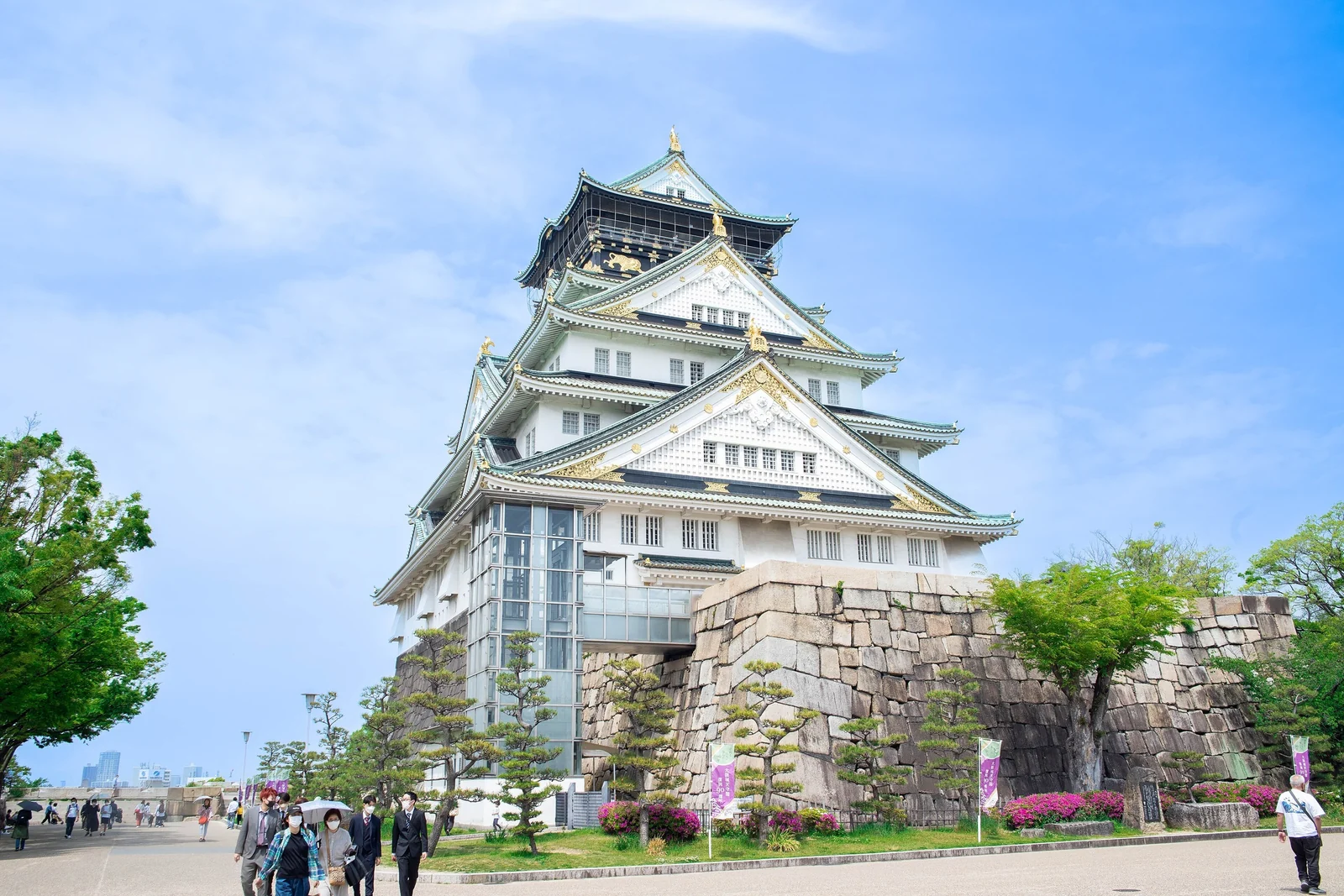
Inside, the keep is a museum about Hideyoshi and the history of the castle, with an observation deck on the top floor. Honestly, the building is less interesting than the setting. The huge granite walls, the double moats and the large park around them are the real draw, and the grounds are free to walk.
Getting the Most from the Visit
Go in the morning, walk the outer moat, then enter the keep if you want the museum. Cherry blossom season, usually late March to early April, fills the park with picnickers. Check opening hours and ticket details on the official Osaka tourism site before you go. Allow half a day with the nearby Nishinomaru Garden.
Shinsekai and Tennoji: Old Osaka
Shinsekai, meaning "new world," opened in 1912 as an amusement district modeled partly on Paris and New York. It then declined for decades and now trades on its faded, theatrical looks. The landmark is Tsutenkaku Tower, rebuilt in 1956 after the original was dismantled during wartime and about 103 meters tall, topped by a beacon that glows in changing colors.
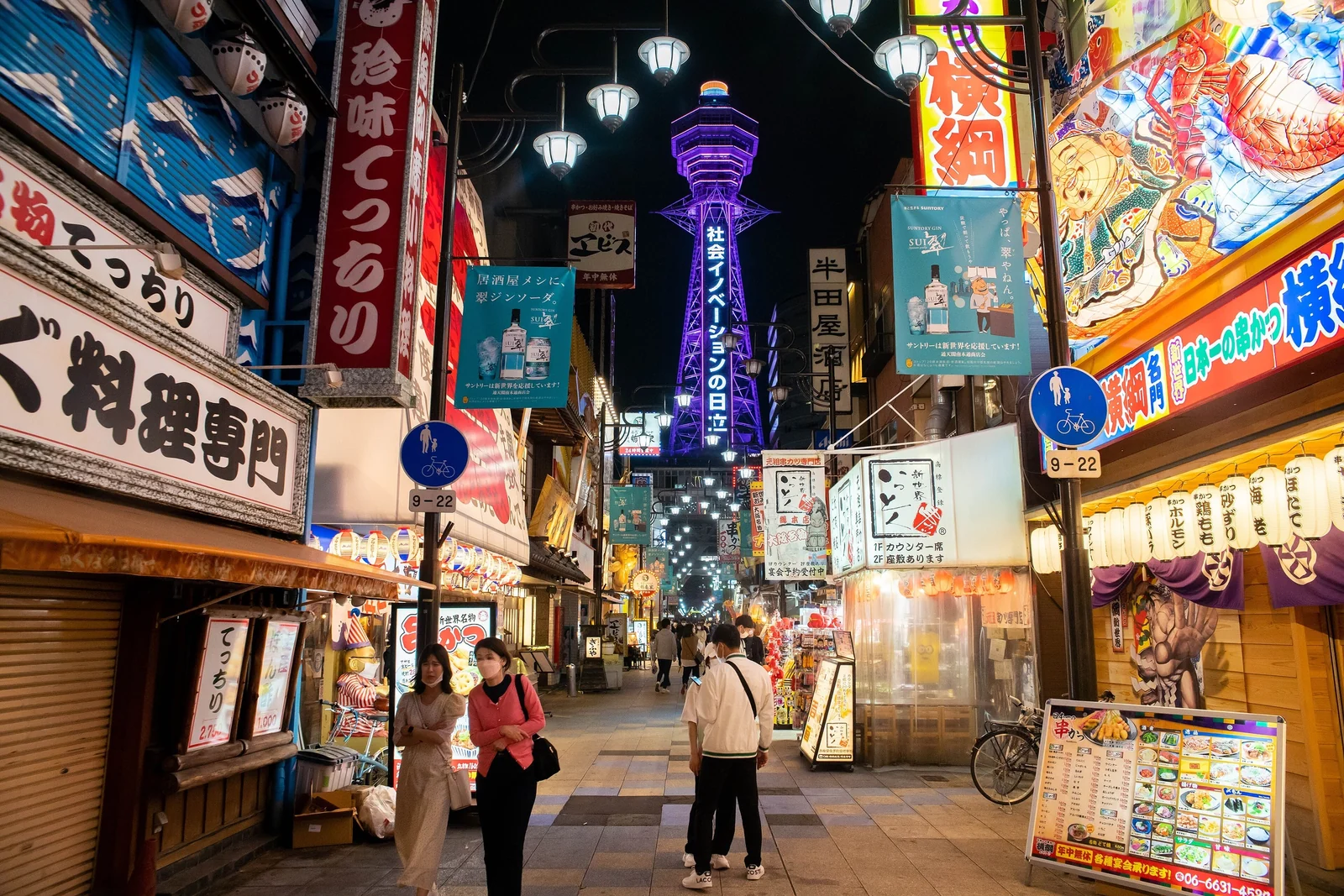
Shinsekai is the home of kushikatsu, and the lanes below the tower are lined with skewer counters, cheap bars and arcades. Look for the statue of Billiken, a smiling figure with a pointed head whose foot you rub for luck. Dinner here is a good plan: it is more local and less polished than Dotonbori, though some visitors find the area scruffy.
From Shinsekai you can walk to Tennoji Park and the Abeno district, where Abeno Harukas, one of Japan's tallest buildings, has a department store and a viewing deck. Tennoji also has Shitennoji, a temple founded in the sixth century according to tradition, though its buildings have been rebuilt many times.
Umeda: Skyline and Shopping
Umeda is Osaka's northern hub, a dense knot of department stores, underground malls and office towers around Osaka and Umeda stations. It is also where you get the best view of the city. The Umeda Sky Building, finished in 1993, is two towers joined at the top, with an open-air Floating Garden Observatory about 170 meters above the street.
Go near sunset and stay for the lights. Back at ground level, the underground passages are easy to get lost in, so follow signs to the exit you want. Staying in Umeda is practical for rail connections; for a sense of the area's hotels, see our review of Hotel Hankyu International.
Day Trips from Osaka: Nara, Kobe and Himeji
| Destination | Approx. travel time from Osaka | Best for | Suggested time |
|---|---|---|---|
| Nara | About 40 to 50 minutes by rapid train | Todai-ji temple, Nara Park and its deer | Half to full day |
| Kobe | About 30 minutes by JR rapid train | Harbor, Kitano district, Kobe beef | Half day |
| Himeji | About an hour by JR rapid train, faster by Shinkansen | Himeji Castle and Koko-en garden | Half to full day |
Nara: Temples and Deer
Nara was Japan's capital in the eighth century, and its temples and shrines are part of the UNESCO-listed Historic Monuments of Ancient Nara, inscribed in 1998. The star is Todai-ji, whose Great Buddha Hall shelters an enormous bronze Buddha. The present hall dates from the early 1700s and, though about a third smaller than the original, is still one of the largest wooden buildings in the world.
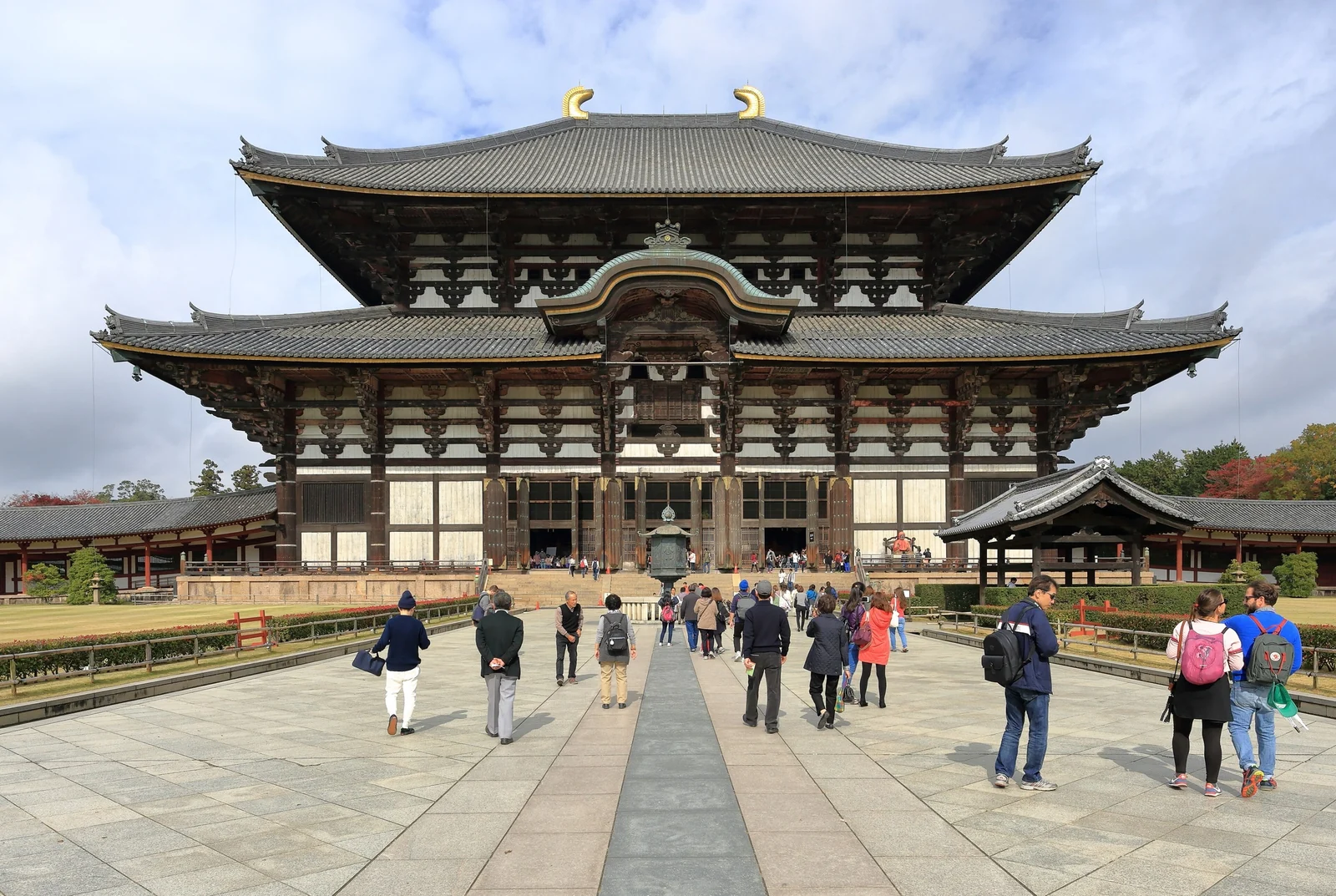
Deer roam the surrounding park and will nudge you for the special crackers sold at stalls. Treat them as wild animals: they can bite and butt, so keep paper and snacks out of reach and bow back if one bows at you. Trains from Osaka-Namba on the Kintetsu line and from Osaka station on JR both reach Nara.
Kobe: Harbor and Beef
Kobe is a hillside port city that opened to foreign trade in the nineteenth century, and the legacy shows in the old foreign residences of the Kitano district and a lively Chinatown. Walk the harbor in the afternoon, then eat. Kobe beef is a protected regional brand with strict criteria, and prices at steakhouses vary widely, so check menus before you sit down.
Himeji Castle
Himeji is the finest surviving castle in Japan and a UNESCO World Heritage Site since 1993. Its brilliant white walls earned it the nickname White Heron Castle, and unlike Osaka's, the main keep is a genuine feudal structure, not a reconstruction. A major restoration of the keep was completed in 2015.
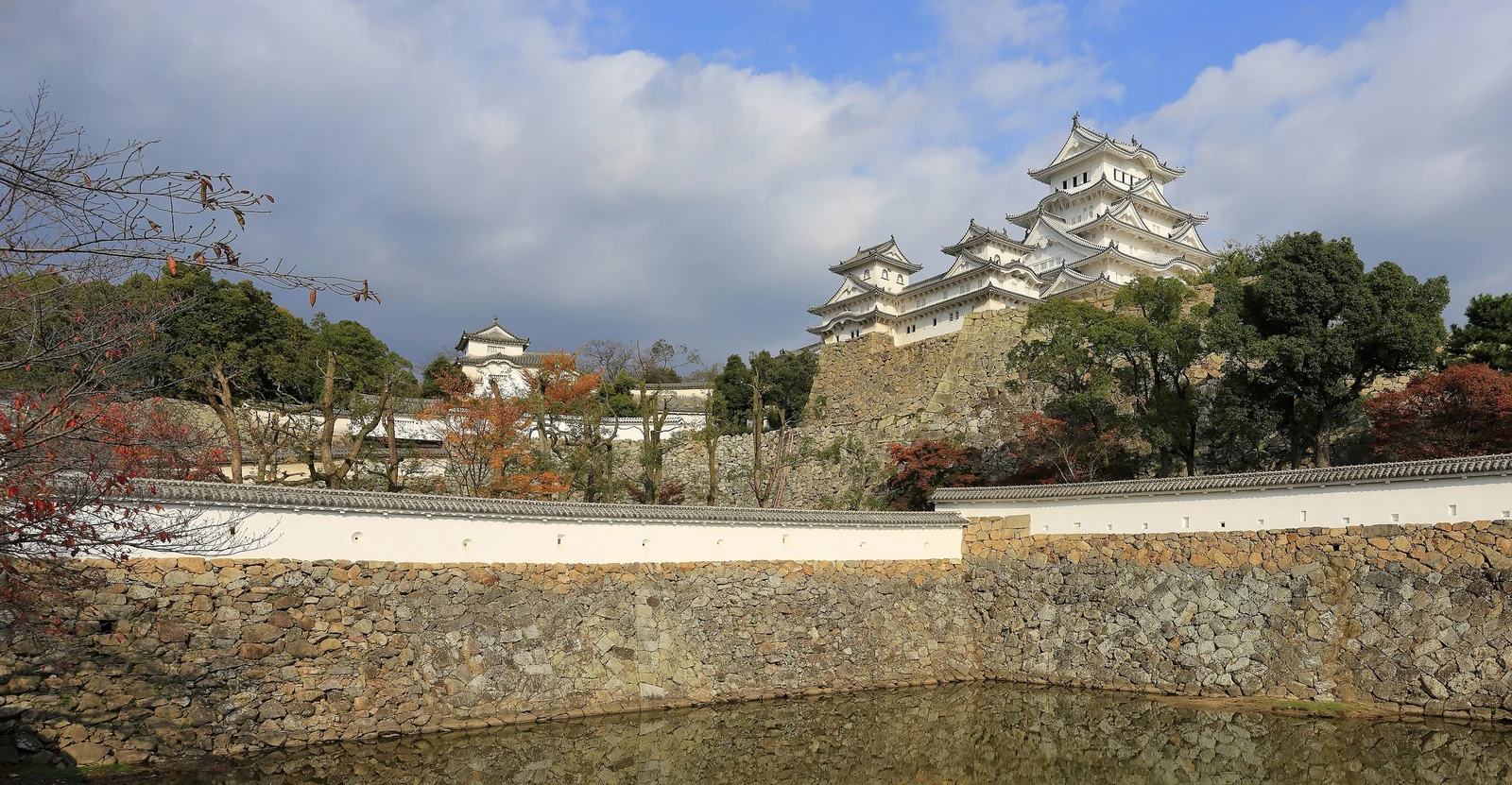
Climbing the keep means steep wooden stairs and a maze of defensive corridors, so wear socks and shoes you can slip on and off. The neighboring Koko-en garden is a good add-on. Opening hours and ticket details are on the official Himeji Castle site, and the UNESCO World Heritage listing explains the castle's significance.
Best Time to Visit Osaka
Osaka has four distinct seasons, and the right month depends on what you want from the trip.
- Late March to early April: cherry blossoms at the castle and along the rivers. It is lovely, crowded and expensive.
- May and June: mild and green, with a rainy spell in early summer.
- July and August: hot and very humid. Plan indoor breaks and carry water; Tenjin Matsuri, one of Japan's great festivals, fills the river with boats in late July.
- October to November: comfortable weather and autumn color in the parks and at Nara.
- December to February: cold but mostly dry, and a good time for hot food and fewer crowds.
Getting to Osaka and Getting Around
From the Airport
Most international flights land at Kansai International Airport (KIX), on an artificial island in Osaka Bay. Express trains from the airport reach Namba and the central stations in roughly 40 to 50 minutes. Domestic flights also use Itami Airport, closer to the city. Shinkansen bullet trains stop at Shin-Osaka station, which connects to Tokyo and Kyoto.
Getting Around the City
The Osaka Metro covers most places you will want to see, and the JR Loop Line circles the center. A rechargeable IC card such as ICOCA works on trains, subways and buses and in many shops, and saves you from buying tickets one by one. Locals stand on the right side of escalators in Kansai, the opposite of Tokyo, so follow the crowd.
Several sightseeing passes exist, but whether they save money depends on your plan. Add up the entry fees you actually intend to pay before buying one, and check current details on the official Osaka tourism site.
Where to Stay in Osaka
- Namba and Dotonbori: best for food and nightlife, with a metro and airport train on your doorstep. Expect noise late at night.
- Umeda (Kita): the practical choice for trains, shopping and the Shinkansen, with plenty of mid-range and upscale hotels.
- Shin-Osaka: useful for early bullet trains, but with little atmosphere of its own.
- Tennoji and Shinsekai: quieter, often cheaper, and good if you like older neighborhoods.
- Near Osaka Bay: convenient for Universal Studios Japan if a theme park is on your list.
A 3-Day Osaka Itinerary
Day 1: Castle and Dotonbori
Spend the morning at Osaka Castle and its park. Take the subway south for lunch in Namba, then wander Hozenji Yokocho in the afternoon. Save the main strip for dusk and eat takoyaki on the canal bank.
Day 2: Shinsekai, Tennoji and Umeda
Start with Tsutenkaku Tower and Tennoji, then go up Abeno Harukas if the weather is clear. Cross town to Umeda in the late afternoon and reach the Sky Building observatory before sunset. Dinner can be anywhere in Umeda's restaurant towers or the narrow bars beneath the tracks.
Day 3: Nara or Himeji
Pick one. Nara suits a slower, greener day with temples and deer; Himeji is better if you care about castles and want to see a real one. Return to Osaka for a final round of kushikatsu. For other ideas, browse our list of places to go in Japan.
Osaka Travel FAQ
How many days do you need in Osaka?
Two full days cover Dotonbori, Osaka Castle, Shinsekai and Umeda at a comfortable pace. Add one day each for Nara, Kobe or Himeji. Three or four days is the sweet spot if you want both the city and a day trip.
What is Osaka famous for?
Osaka is famous for its street food, especially takoyaki, okonomiyaki and kushikatsu, as well as Dotonbori's neon signs, Osaka Castle and its friendly, talkative locals. It is often called Japan's kitchen.
Is Osaka or Kyoto better to stay in?
Osaka has more hotels, better nightlife and food, and is a stronger base for several day trips. Kyoto is quieter and more traditional. Many travelers stay in Osaka and visit Kyoto by train, since the two cities are close together.
How do you get from Kansai Airport to Osaka?
Express trains run from Kansai International Airport to central Osaka, including Namba, in roughly 40 to 50 minutes. Buses and taxis also operate, but trains are the fastest and most predictable option.
Is Nara worth a day trip from Osaka?
Yes. Nara is under an hour away and packs Todai-ji's giant Buddha, Nara Park and its free-roaming deer into a compact area. You can see the highlights in about half a day, or make it a full day with the shrines.
What is the best time to visit Osaka?
Late March to early April for cherry blossoms and October to November for mild weather and autumn color. Summer is hot and humid. Winter is cold but quiet and mostly dry, with lower hotel prices.
Do you need cash in Osaka?
Cards and IC cards are widely accepted in hotels, stores and train stations, but small street stalls, old bars and some market vendors still prefer cash. Carry some yen for snacks and local eateries.