Naoshima is a small island in the Seto Inland Sea, in Kagawa Prefecture, where a few hillside museums, a fishing village full of art-filled houses and a pair of giant pumpkins have turned a former industrial backwater into one of Japan's best-known art destinations. You can reach it as a long day trip from Osaka or Kyoto, but it rewards an overnight stay.
This Naoshima art island guide covers what to see, how to get to Naoshima by train and ferry, how reservations work for the Chichu Art Museum, and how to fit in the neighboring islands of Teshima and Inujima. If you are building a bigger trip, pair it with our Osaka travel guide or the Tokyo guide.
Why Naoshima Is Worth the Trip
Most art islands are a gimmick. Naoshima is not, because the buildings do as much work as the art inside them. The main museums were designed by the architect Tadao Ando, and they sit in the landscape rather than on top of it: concrete cut into hillsides, long ramps, windows that frame the water. You walk between works through pines and citrus terraces, and the sea is rarely out of sight.
The island is also still a working place. Fishing boats come and go, locals wait for the same buses you do, and the main settlements are ordinary neighborhoods with art tucked inside old houses. That mix of quiet daily life and serious contemporary art is the whole appeal, and it is why a rushed visit feels like a waste.
Benesse House Museum and the Benesse Art Site
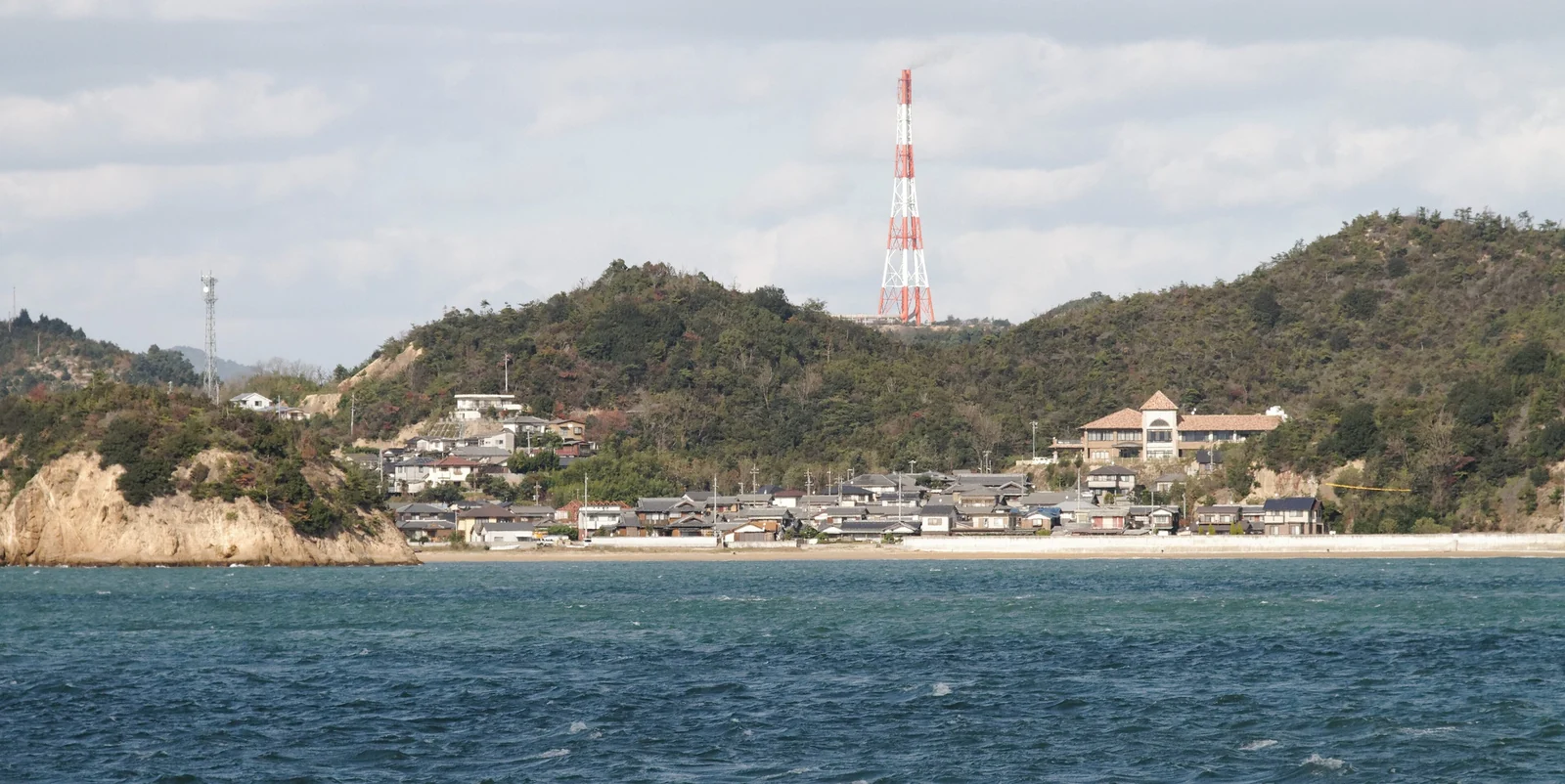
Most of what you will see belongs to the Benesse Art Site, the long-running program that built the island's collection and keeps adding to it. Benesse House Museum, opened in 1992 and designed by Ando, combines a gallery and a hotel on a hill facing the sea. Art is not confined to the galleries: some works stand on the shore and along the paths, so the line between museum and landscape blurs.
Closing days matter here. Benesse House Museum itself stays open every day, but Chichu, the Lee Ufan Museum and the Art House Project in Honmura close on Mondays. When a Monday is a national holiday, they open that day and close the next one instead. Teshima and Inujima follow their own calendars, so confirm days and hours on the official Benesse Art Site before you fix your plan.
Chichu Art Museum: Monet, Turrell and De Maria
The Chichu Art Museum, which opened in 2004, is the island's headline act and the reason many visitors come. Ando buried most of it underground so that nothing disturbs the hillside view. "Chichu" means "in the earth", and you move through bare concrete corridors that open into rooms lit by daylight from above.
Three artists have rooms built specifically for their work:
- Claude Monet: a group of his Water Lilies paintings in a white room, lit by natural light so the colors shift with the weather and the hour.
- James Turrell: light installations that make a flat wall look like open space, and that depend on your eyes adjusting over several minutes.
- Walter De Maria: a large dark sphere set on a stepped stone staircase, with gilded forms set into the walls around it.
Chichu requires an advance reservation with a date and time, made online through the official Benesse Art Site. There are no on-site sales on days when online tickets sell out, so book it first and plan everything else around that time. Photographs, video and sketching inside the museum are not allowed, which suits a place built around slow looking.
Lee Ufan Museum and Yayoi Kusama's Pumpkins
A short walk from Chichu, the Lee Ufan Museum is another Ando design, opened in 2010 and devoted to the Korean-born artist's spare stone, steel and canvas works. It is quiet, slightly austere and a good counterweight to the more theatrical Chichu.
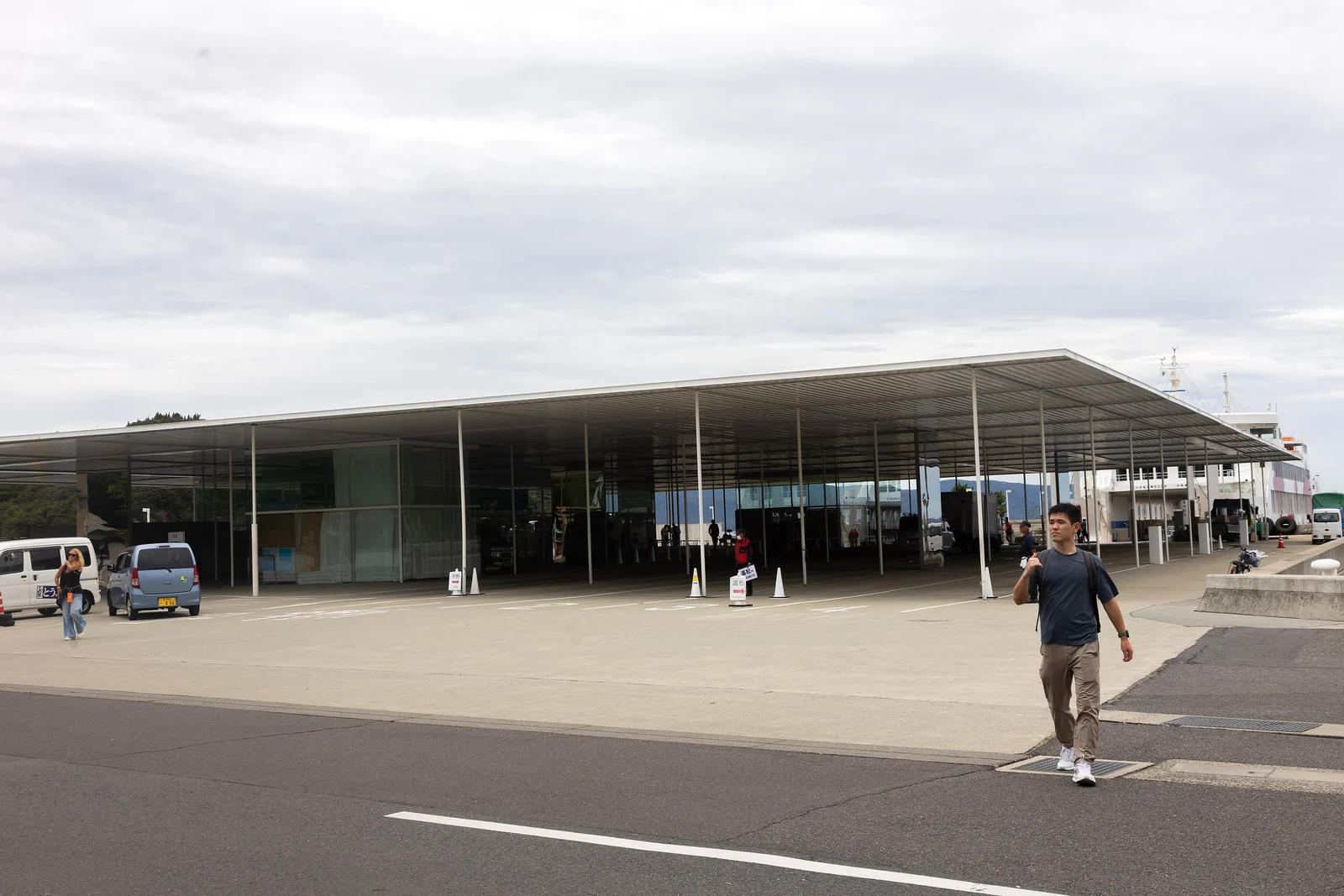
The island's best-known photo subject is Yayoi Kusama's pumpkins. A red pumpkin stands beside the Miyanoura ferry terminal, and the yellow one sits at the end of a pier near Benesse House, where it has been shown since 1994. A typhoon washed the yellow pumpkin into the sea in 2021, and a new version went back on the pier in 2022. Both are outdoor works exposed to the weather, so check their condition before you build a plan around them. Expect a short queue for the classic photo.
Honmura and the Art House Project
On the east side of the island, the village of Honmura holds the Art House Project, started in 1998, in which artists transformed empty houses, a shrine and a former dentist's home and office into installations. The dental house, called Haisha, was turned into a single artwork by Shinro Ohtake. A multi-site ticket covers most of the houses, and you wander on foot through the lanes, finding each one with a map. Minamidera, designed by Ando for a work by James Turrell, is ticketed separately and requires a reservation. You enter in darkness while your eyes slowly adjust.
Give Honmura a relaxed half day. Cafes and small shops sit between the houses, and the village feels lived in, which is part of what the project set out to show. Opening days vary by house, so check the official site before you commit to a route.
I Love Yu: The Bathhouse You Can Actually Use
I Love Yu, near Miyanoura port, is a working public bathhouse decorated inside and out by the artist Shinro Ohtake with tiles, mosaics and salvaged objects. The name is a pun on the Japanese word for hot water, yu. You pay a small entry fee, bathe like a local and walk out into the same street where the ferries dock.
It is a lively break after a day of hushed galleries. Bring or buy a towel, and follow the usual rules of a Japanese bath: wash before you get in, and keep towels out of the water.
Teshima and Inujima Add-Ons
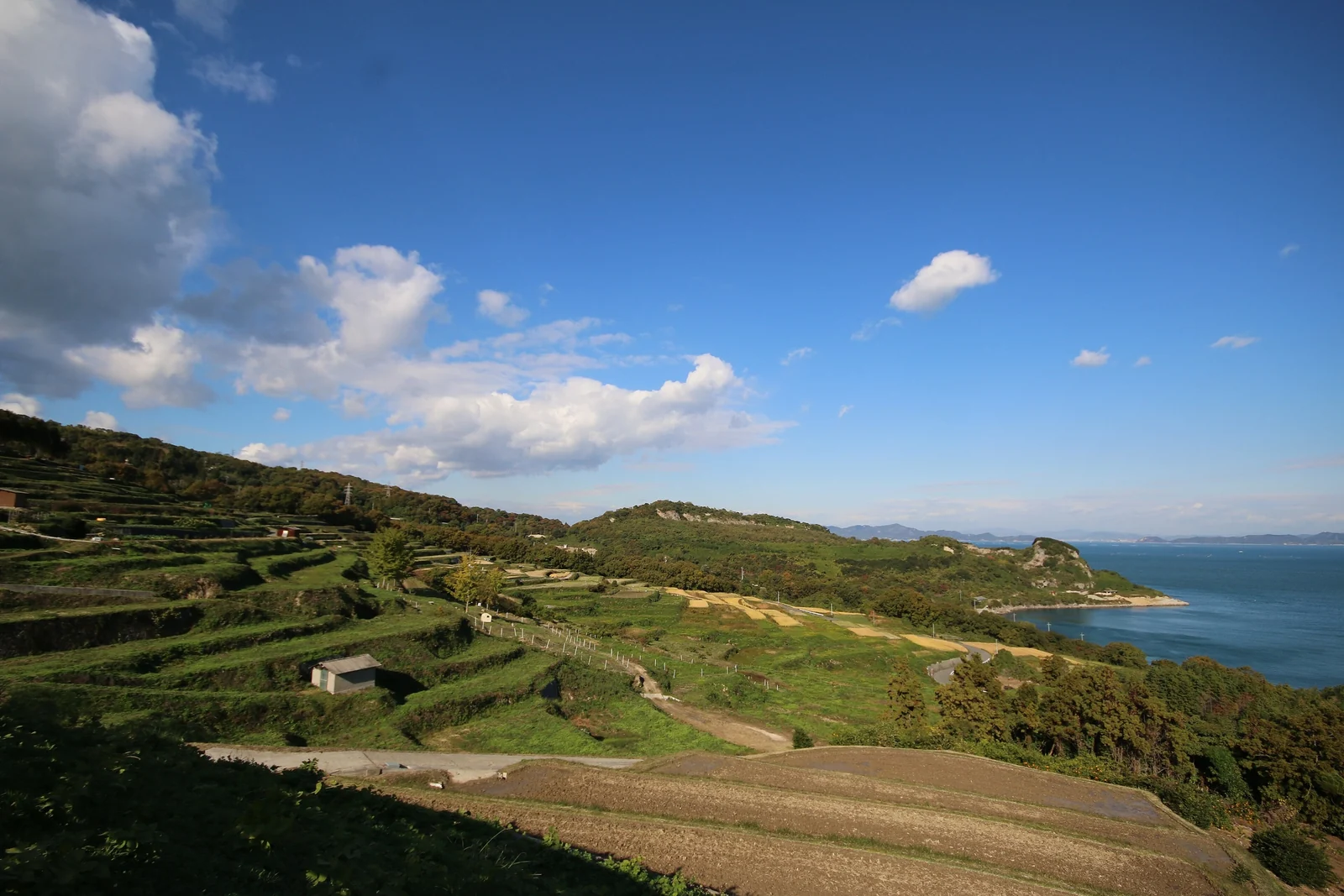
Naoshima is the hub of a wider art route across the Seto Inland Sea. The Teshima Art Museum, opened in 2010, is a thin concrete shell on a hillside above rice terraces, designed by the architect Ryue Nishizawa with the artist Rei Naito. Water droplets slowly form and move across the floor. Reservations with a date and time are required. It is closed on Tuesdays from March through November and on more days in winter, so check the calendar.
Inujima is smaller still. Its Seirensho Art Museum is built into the ruins of a copper refinery, built in 1909 and shut down about ten years later after copper prices fell. The old industrial site is reused as the gallery. It has its own weekly closing days and a reduced winter schedule, and tickets are sold online. Teshima and Inujima are reached by boat from Naoshima or the mainland, and boat schedules change by season, so check timetables before you plan a combined day.
How to Get to Naoshima: Ferries from Uno and Takamatsu
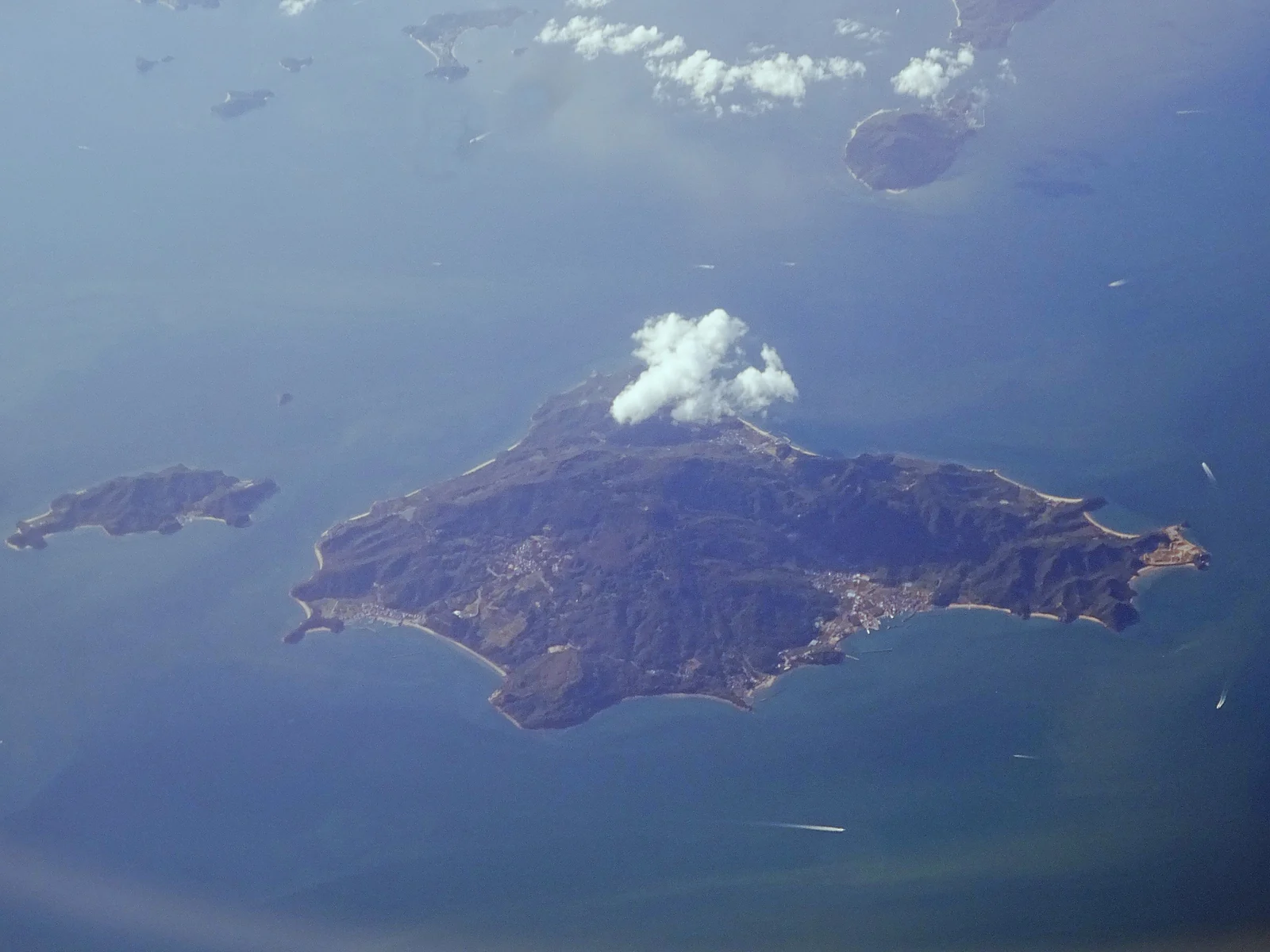
Naoshima has no bridge or airport. Everyone arrives by boat, mainly from two mainland ports.
| Route | Ports | Crossing time | Best for |
|---|---|---|---|
| Okayama side | Uno Port to Miyanoura | About 20 minutes | Travelers from Osaka, Kyoto or Hiroshima by Shinkansen |
| Shikoku side | Takamatsu Port to Miyanoura | Roughly an hour | Travelers already in Takamatsu |
| Between islands | Miyanoura to Teshima or Inujima | Varies by season | Add-on days with reservations |
From Osaka and Kyoto
From Osaka or Kyoto, take the Shinkansen to Okayama, then a local train to Uno and the ferry to Miyanoura. It looks simple on paper, but the connections add up, so plan on a full day and check current timetables. For the starting city, see our Osaka travel guide and the Kyoto guide.
From Takamatsu
Takamatsu, on Shikoku, has regular ferries to Miyanoura. It makes sense if you are already based on Shikoku or crossing the Seto Inland Sea by rail.
Getting Around: Bus, Bicycle and Walking
Naoshima is small but hilly. A community bus connects the main sights, and the Benesse sites run their own shuttle between the museums, though it does not serve the ports. Rental bikes are available near the ferry terminal, and electric bikes make the hills far easier. Some roads are steep, and you will push uphill on a regular bike.
Walking works well in Honmura and around Miyanoura, but not between the far-apart museum zones. Build a loop rather than a straight line, and leave buffer time because buses and ferries run on fixed schedules.
One Day or Overnight?
A well-planned day lets you see Chichu, Benesse House, one or two other sites and the pumpkins, if you arrive early and leave late. You will feel hurried, and Teshima or Inujima will not fit. A rough one-day order looks like this:
- Arrive on an early ferry and rent a bike or catch the bus at Miyanoura.
- Visit Chichu at your reserved time, the earlier the better.
- Walk or ride to the Lee Ufan Museum and Benesse House.
- Spend the late afternoon in Honmura with the Art House Project.
- Catch a ferry back with a safe margin before the last departure.
An overnight stay changes the experience: you see the island after the day-trippers leave and can add a second day for Teshima. Accommodation includes the Benesse House hotel, guesthouses and small inns, and they fill up in busy seasons, so book early. Last ferries leave in the early evening, so check the final departure before you linger over dinner.
Best Season, Reservations and Practical Tips
Spring and autumn offer the most comfortable weather for cycling and walking. Summer is hot and humid, and typhoon season can disrupt ferries and close outdoor works. Winter is quiet and cold, and some Teshima and Inujima facilities follow a reduced winter schedule. The islands also host the Setouchi Triennale, a large art festival held every three years since 2010 in spring, summer and autumn sessions, which brings far bigger crowds than a normal week.
- Reserve Chichu early. Entry is timed and can sell out.
- Check closing days. Chichu, the Lee Ufan Museum and the Art House Project close on Mondays, and the Teshima Art Museum on Tuesdays in the main season.
- Photography. Not allowed inside Chichu. Rules differ by venue and artwork, so follow posted signs and ask staff.
- Food. Eating options are limited, so plan lunch or carry snacks.
- Pack light. Coin lockers near the port help if you plan to cycle.
Naoshima also fits neatly into a longer itinerary alongside the classics in our places to go in Japan guide. For current opening days and ticket rules, use the official Benesse Art Site.
Naoshima FAQ
How do you get to Naoshima?
You take a ferry. The shortest crossing is from Uno Port near Okayama to Miyanoura, about 20 minutes, and a longer ferry runs from Takamatsu. From Osaka or Kyoto, ride the Shinkansen to Okayama, then continue to Uno by local train.
Can you visit Naoshima as a day trip from Osaka?
Yes, but it is a long day. You need the Shinkansen, a local train and a ferry each way, and ferry times limit how late you can stay. An overnight stay gives you more time at the museums and fewer rushed connections.
Do you need a reservation for the Chichu Art Museum?
Yes. Chichu uses timed entry and requires an advance reservation through the official Benesse Art Site. Slots can fill in busy periods, so reserve before you book trains and ferries.
Is photography allowed at the museums?
Not inside Chichu. Rules differ by museum and artwork, while outdoor sculptures such as the pumpkins are generally photographed by visitors. Follow the signs at each venue and check the official site for current policies.
When is the best time to visit Naoshima?
Spring and autumn give the most comfortable weather for cycling and walking. Summer is hot, and typhoon weather can disrupt ferries and close outdoor works. The Setouchi Triennale brings extra visitors every three years.
Can you combine Naoshima with Teshima and Inujima?
Yes, with planning. Both have their own closing days and ticket rules, and boat times change by season. Most visitors spend one day on Naoshima and another on Teshima or Inujima.