


Tokyo at a Glance
A first visit to Tokyo can feel like stepping into several cities at once. Shrine forests, tiny wooden bars, serene gardens, precision railways and immense commercial districts coexist within one metropolitan landscape. This Tokyo travel guide organizes that scale into practical neighborhood days, memorable food experiences and realistic transport plans.
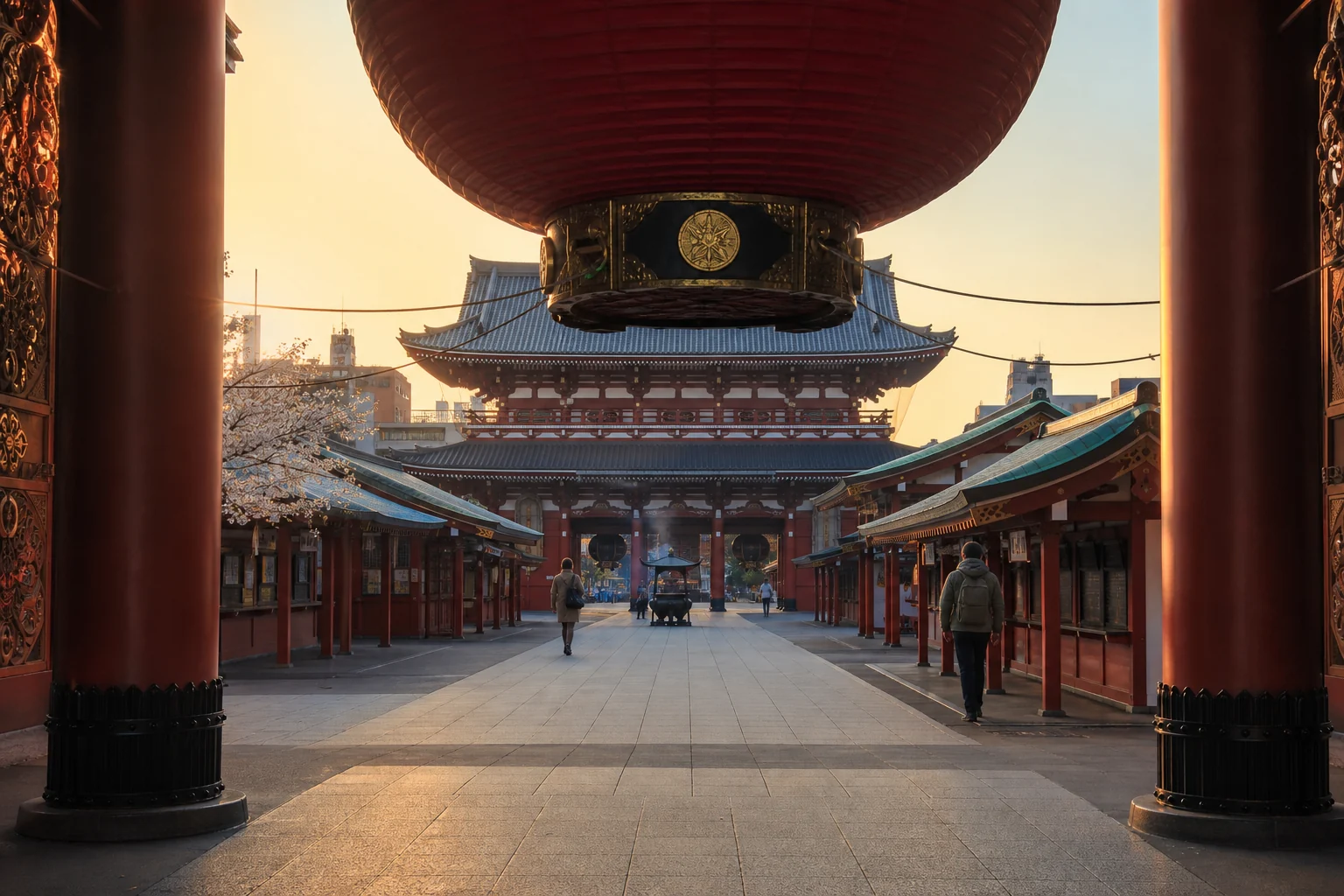
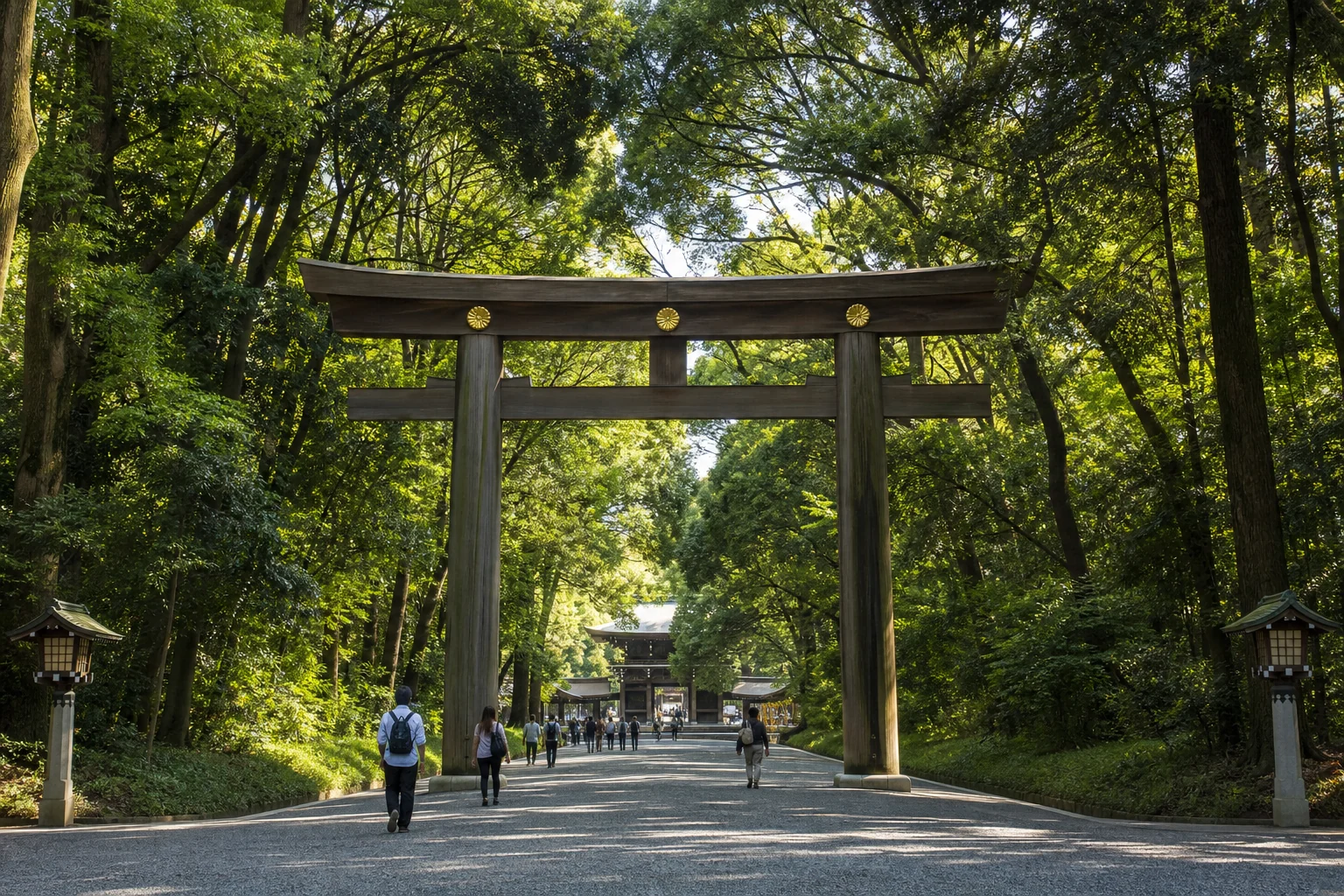
Tokyo rewards curiosity more than speed. The best trips pair one famous landmark with the streets around it: Senso-ji with old Asakusa lanes, Meiji Shrine with Harajuku design, or Shibuya Crossing with quieter Daikanyama. Four to six days give first-time visitors enough space to understand the city’s rhythm without turning every day into a race between train stations.
Use this guide to decide when to visit, where to stay, what to reserve and how to group the city’s essential neighborhoods. If Tokyo is one stop on a longer journey, browse our Japan travel guides before finalizing intercity transport.
Plan Your Tokyo Trip Before You Arrive
Tokyo welcomed tourism on a remarkable scale even before its latest wave of international interest. The Tokyo Metropolitan Government tourism data catalog reports total visitor expenditure of approximately ¥9.48 trillion in 2024. Popular observation decks, digital-art museums and character attractions can therefore sell out well before the day of a visit.
How Many Days Do You Need in Tokyo?
Three full days cover a fast introduction to east and west Tokyo. Five days are better for a first trip because they allow four neighborhood days and one excursion. Seven days create room for museums, shopping and less-visited areas without sacrificing the major sights.
Avoid measuring the trip only by the number of attractions. Transfers inside enormous stations, meals and spontaneous discoveries take time. A plan with two connected neighborhoods and one timed attraction per day is usually more enjoyable than a checklist spread across the entire city.
Best Time to Visit Tokyo
Late March and early April attract visitors for cherry blossoms, although bloom dates vary and accommodation prices rise. October and November usually suit long walking days and autumn scenery. May is another comfortable option outside the busiest blossom period, but Golden Week around late April and early May brings heavy domestic travel.
June often has humid or rainy spells. July and August bring heat, humidity, festivals and fireworks; build indoor breaks into summer days. Winter is crisp and comparatively calm, with illuminations and a better chance of clear skyline views.
Haneda or Narita Airport?
Haneda is closer to central Tokyo and is generally the easier arrival point. Narita handles many international routes but requires a longer rail or bus journey. The official JNTO Haneda guide lists the Tokyo Monorail, Keikyu Line and airport buses among the main connections.
Choose an airport transfer based on your hotel, arrival time and luggage rather than the fastest advertised journey. A direct airport bus can be simpler than changing trains after a long flight. Confirm the last service when landing late and keep your hotel’s name and address available in Japanese.
Money, Internet and Reservations
Cards and contactless payments are common, but Tokyo still has cash-only restaurants, temple counters and older ticket machines. The official GO TOKYO money guide recommends carrying yen and explains where international cards can be used at ATMs. A rechargeable Suica or PASMO card simplifies local trains, subways and many small purchases.
Arrange an eSIM, SIM or portable Wi-Fi before the first navigation-heavy day. Reserve Shibuya Sky, teamLab museums, theme parks, the Ghibli Museum and sought-after restaurants as soon as bookings open. Leave ordinary meals flexible; Tokyo’s depth makes spontaneous neighborhood dining one of the city’s strengths.
Best Things to Do in Tokyo
Start Early at Senso-ji and Asakusa
Tokyo’s oldest Buddhist temple is most atmospheric before the shopping street becomes busy. Enter through Kaminarimon, walk Nakamise-dori and continue beyond the main hall into smaller temple lanes. The nearby Sumida River promenade adds open views and an easy walk toward Tokyo Skytree.
Find Quiet at Meiji Shrine
The broad gravel approach through an evergreen forest creates a remarkable transition from nearby Harajuku. Observe purification customs, keep voices low and leave time for the inner garden when it is open. Continue to Omotesando for contemporary architecture or explore the smaller streets behind Cat Street.
Experience Shibuya from Street Level
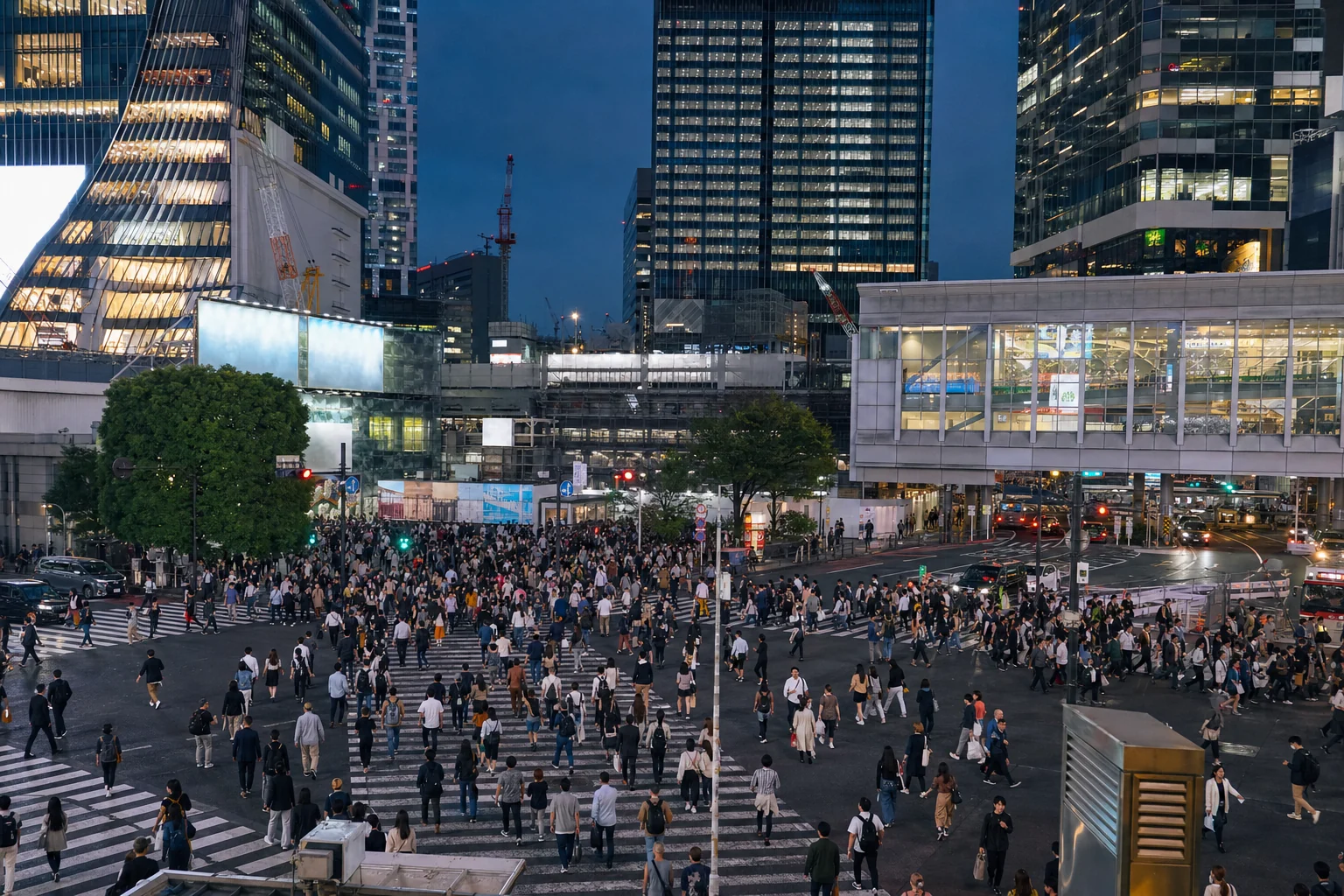
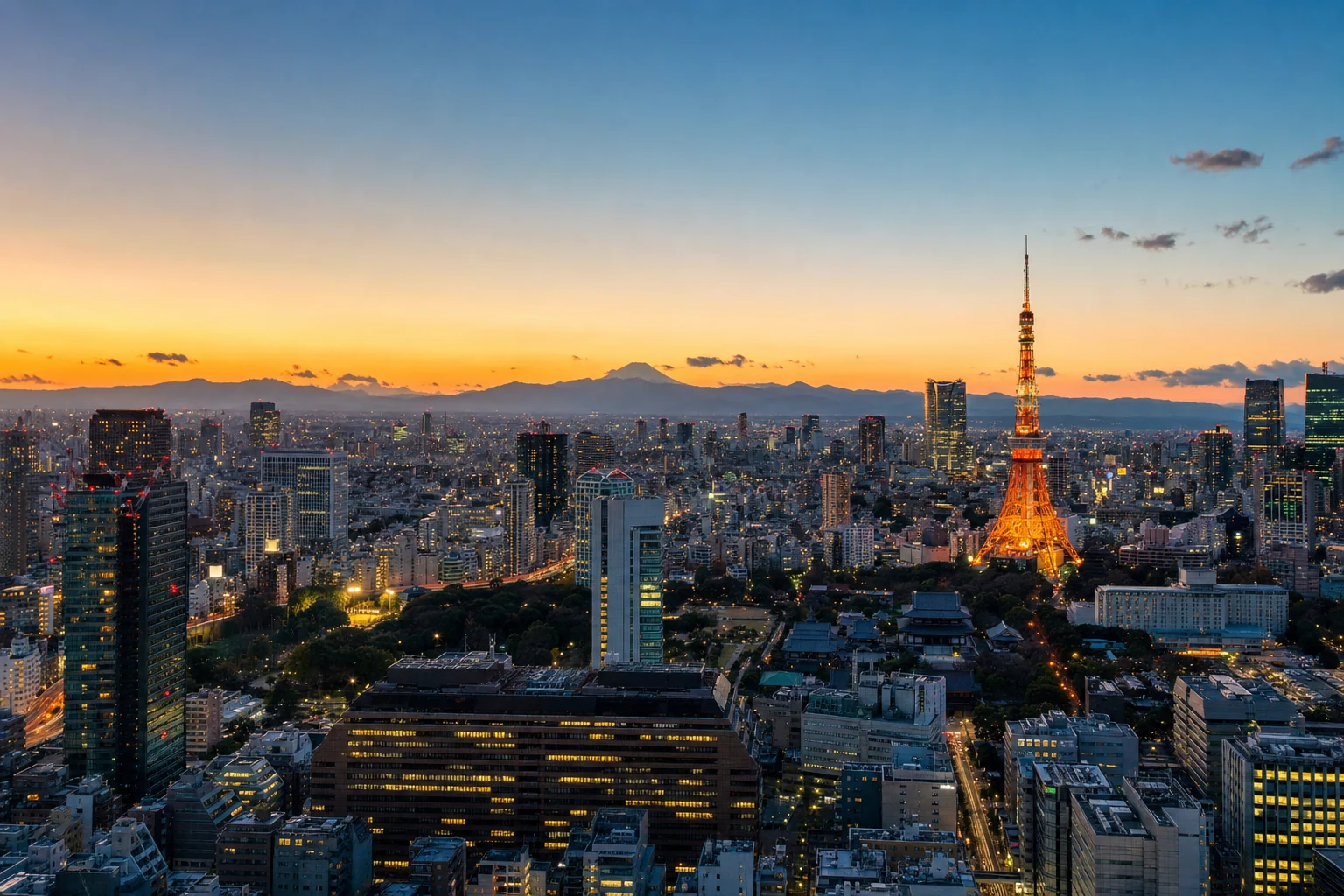
Cross the famous intersection once, then move beyond it. Shibuya Sky requires advance tickets but offers a superb city overview. Miyashita Park, independent record shops and the lanes toward Daikanyama turn the district into a complete half-day rather than a single photograph.
Explore Ueno’s Museums and Market Streets
Ueno Park contains major museums, temples and seasonal landscapes. Choose one museum rather than rushing through several, then walk through Ameyoko’s compact market streets. Families can easily spend most of a day in this area.
See Tokyo Station, Ginza and the Imperial Palace
These central districts combine naturally. Begin at the red-brick Marunouchi facade, walk toward the Imperial Palace East Gardens when open, then continue to Ginza for galleries, department stores and architecture. Tokyo Station’s underground passages and food streets also make a useful bad-weather alternative.
Choose One Immersive Digital-Art Experience
teamLab Borderless in Azabudai Hills and teamLab Planets in Toyosu offer different experiences and both use timed admission. Read the current entry instructions before booking, especially clothing and footwear guidance. Pair Borderless with central Tokyo or Roppongi; pair Planets with Toyosu rather than crossing the city twice.
Best Neighborhoods in Tokyo for First-Time Visitors
Asakusa: Traditional Tokyo and Easy Mornings
Asakusa suits travelers who prefer historic atmosphere and a calmer evening base. It has direct transport connections, affordable restaurants and early access to Senso-ji. The tradeoff is a longer ride to western districts such as Shibuya and Shinjuku.
Shinjuku: Transport, Nightlife and Skyline Views
Shinjuku is extremely convenient for rail journeys and day trips. West Shinjuku has towers and observation views; east of the station are department stores, cinemas and nightlife. The station is enormous, so book accommodation near the exit and rail line you expect to use most.
Shibuya and Ebisu: Contemporary Tokyo
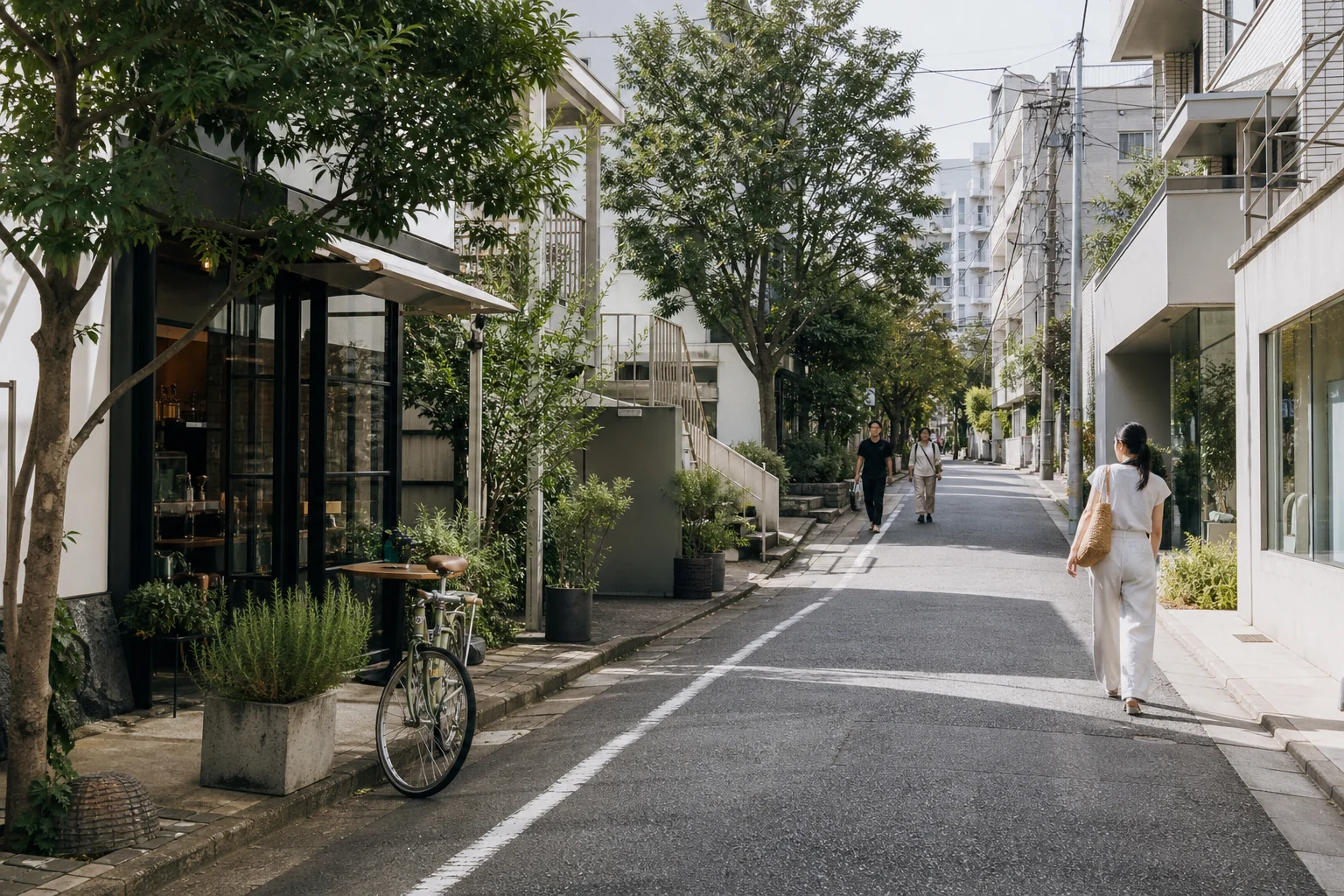
These connected districts work well for design, music, dining and late evenings. Shibuya brings energy, while Ebisu and neighboring Daikanyama feel more relaxed. Accommodation is often expensive, but the walkable variety can justify the premium.
Ginza and Tokyo Station: Polished and Central
Ginza offers department stores, galleries and exceptional dining. Tokyo Station is ideal for travelers using the Shinkansen or planning regional day trips. Nearby Marunouchi becomes pleasantly calm at night, while the Imperial Palace grounds provide welcome open space.
Tokyo Food Guide: What and Where to Eat
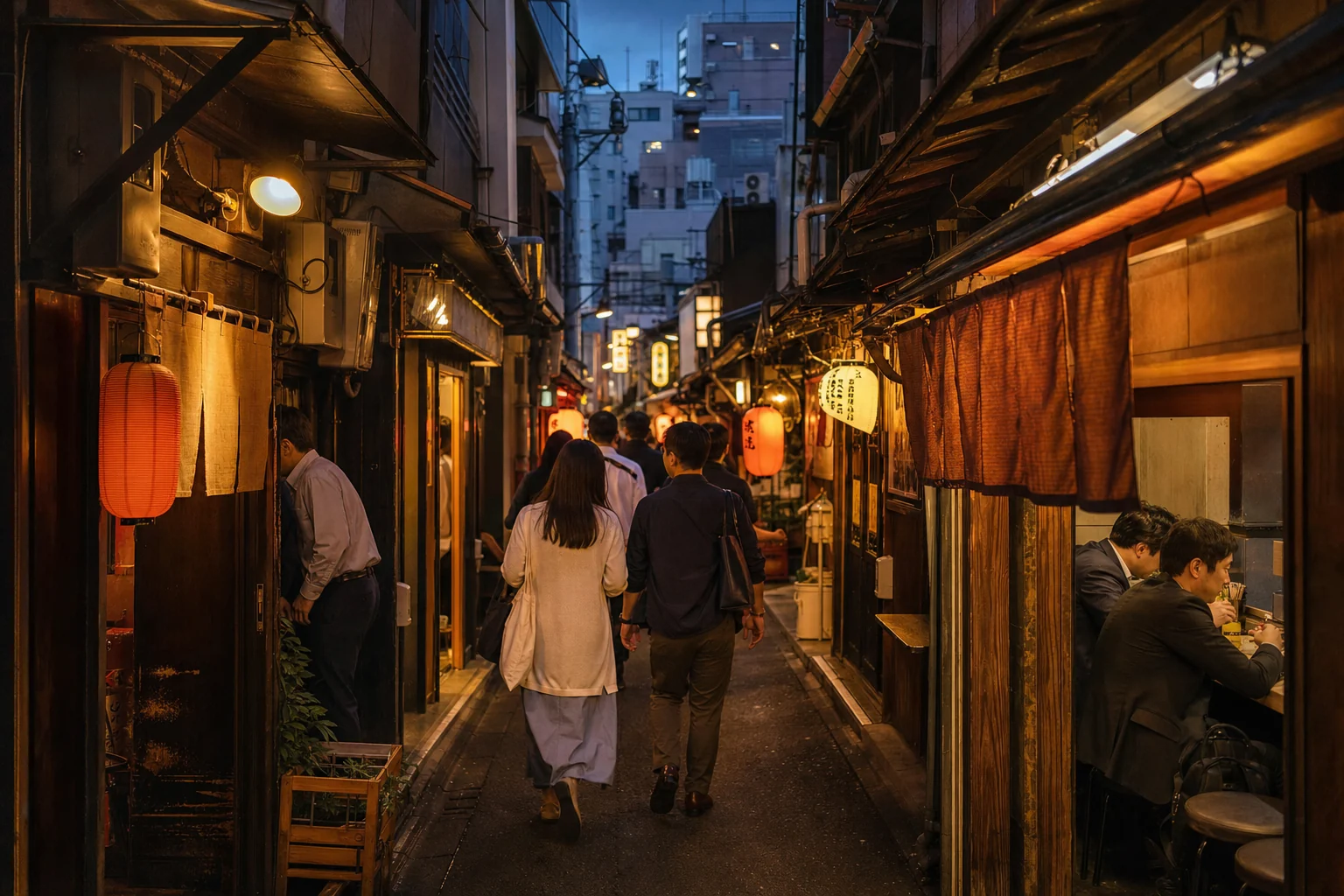
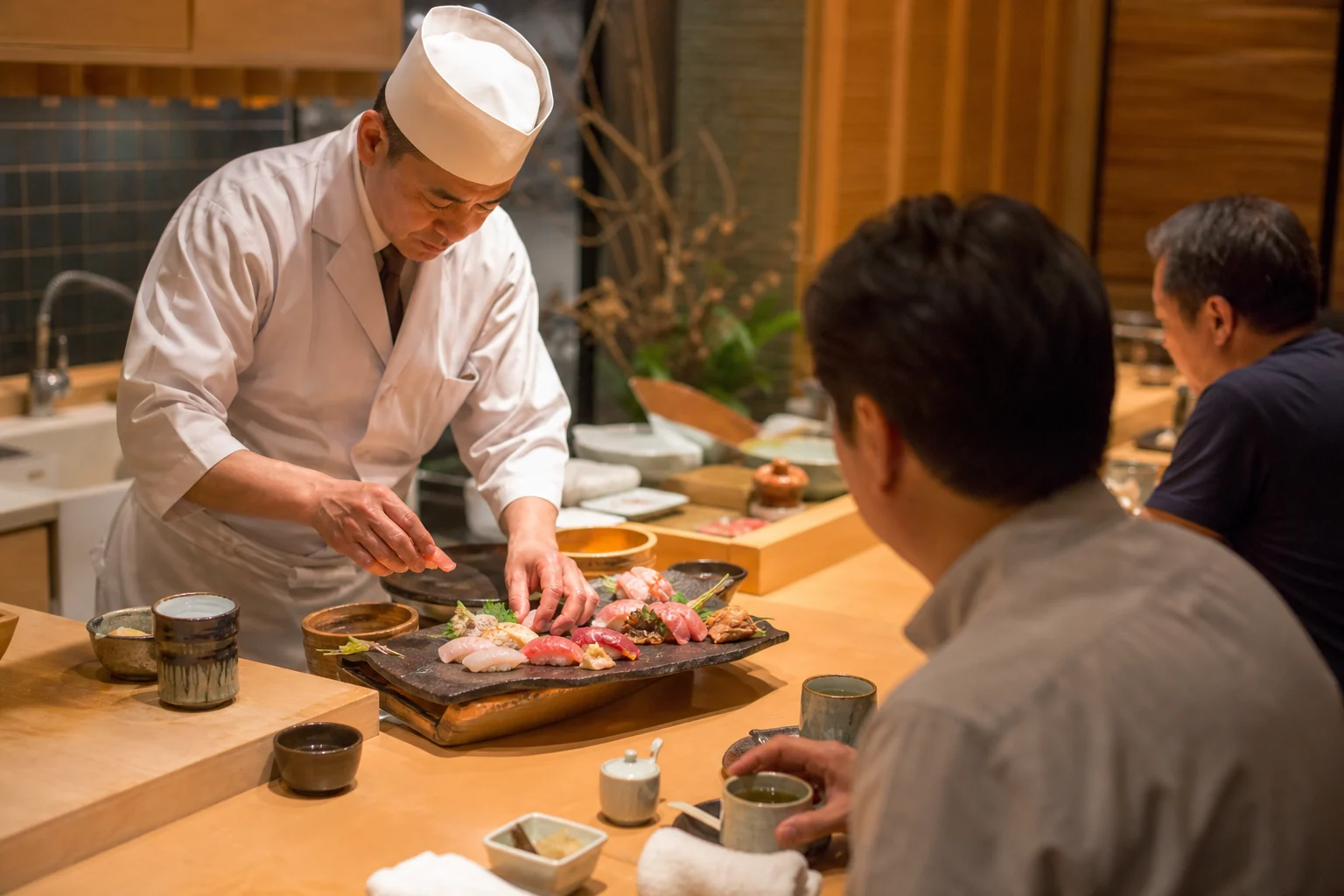
Tokyo dining is approachable at every budget. Ticket-machine ramen shops, standing soba counters and department-store food halls make solo meals simple. Neighborhood izakaya offer grilled dishes and small plates, while specialist restaurants may devote an entire menu to sushi, tempura, eel, tonkatsu or yakitori.
Essential Tokyo Foods
Try Edomae-style sushi, shoyu ramen, tempura, soba, monjayaki and carefully grilled yakitori. Convenience stores are useful for breakfast and travel snacks, but local bakeries, kissaten coffee shops and market counters provide more character for a small additional cost.
Dining Etiquette and Reservations
Arrive on time, respect queue systems and avoid strong perfume at sushi counters. Many compact restaurants cannot seat large groups. Reserve celebrated restaurants early, but keep several meals unscheduled: excellent neighborhood places are often discovered while walking.
Markets and Food Halls
Tsukiji’s outer market remains popular for seafood and snacks; visit early and avoid blocking working lanes. Basement food halls beneath major department stores display outstanding prepared dishes, sweets and seasonal gifts. They are especially useful for assembling a picnic or an easy hotel dinner.
How Much Should You Budget for Food?
Tokyo supports several budgets within the same neighborhood. Breakfast from a bakery or convenience store, a noodle lunch and a casual izakaya dinner can keep daily food spending moderate. Department-store restaurants often offer good-value lunch sets, while omakase sushi and specialist counters can become the largest expense of the day.
Do not assume a long queue guarantees the best meal. Search a few streets away from major stations, check recent opening information and keep a backup option. Tipping is not expected; courteous service is already part of the listed price.
A Practical 5-Day Tokyo Itinerary
Day 1: Asakusa, Ueno and the Sumida River
Use a gentle first day to adjust after the flight. Visit Senso-ji early, walk the river and choose one Ueno museum. Finish with casual dinner around Ueno or Asakusa.
Day 2: Meiji Shrine, Harajuku and Shibuya
Enter Meiji Shrine in the morning, explore Omotesando and the backstreets of Harajuku, then walk or ride to Shibuya for sunset. Reserve an observation deck slot if skyline views matter to you.
Day 3: Tokyo Station, Imperial Palace and Ginza
See the restored Marunouchi station facade, walk part of the Imperial Palace gardens and continue to Ginza. Add teamLab Borderless in Azabudai Hills only with a timed reservation and enough space in the day.
Day 4: Shinjuku and a Neighborhood Evening
Choose Shinjuku Gyoen, an art museum or a west-side observation deck. After dark, explore an izakaya area respectfully or reserve a small-group food tour.
Day 5: Kamakura Day Trip
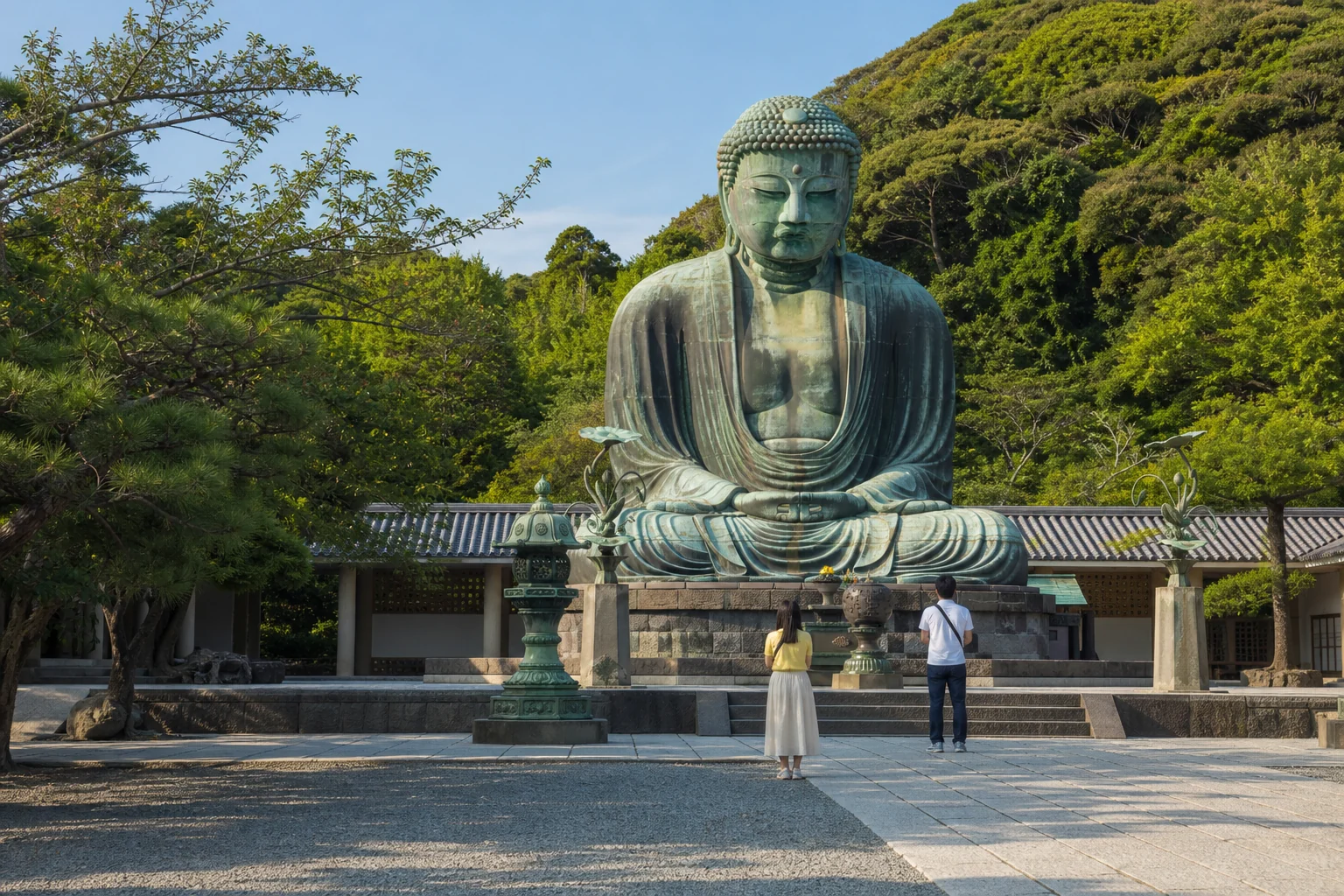
Kamakura combines the Great Buddha, Hase-dera, wooded temple paths and a lively central street within an easy rail journey. Start early and choose two or three major sites rather than attempting every temple. Yokohama, Nikko and Mount Takao are strong alternatives depending on weather and interests.
Tokyo Transport Tips
Use a rechargeable IC card for trains, subways and many small purchases. Google Maps is helpful, but always note the station exit number. Avoid peak commuter periods with luggage and use luggage forwarding when moving between Japanese cities. The last trains generally depart around midnight; confirm the exact time for your line.
Tokyo’s rail network is operated by several companies, so a single tourist pass is not automatically the cheapest choice. Add the actual journeys in your itinerary before buying a pass. For most first-time visitors, an IC card and occasional individual tickets provide the simplest arrangement.
Common Tokyo Planning Mistakes
Combining Distant Neighborhoods
Asakusa, Shibuya and Shinjuku may look close on a map of the metropolitan area, but station navigation and transfers consume energy. Group Asakusa with Ueno or Tokyo Skytree, and group Harajuku with Shibuya. This reduces repeated journeys and leaves more time at street level.
Scheduling Every Meal
One important reservation can anchor an evening, but booking breakfast, lunch and dinner removes flexibility. Attractions run late, weather changes and appealing restaurants appear unexpectedly. Keep at least one meal open each day and save several nearby alternatives on your map.
Ignoring Opening Days and Timed Tickets
Museums and gardens often close on a particular weekday, while observation decks can restrict entry to a precise slot. Check official websites shortly before visiting. Never rely solely on an old itinerary or social-media post for operating hours.
Moving Luggage During Rush Hour
Morning and evening commuter trains can be intensely crowded. Use hotel storage, station lockers or Japan’s luggage-forwarding services when possible. If you must travel with large bags, avoid peak periods and allow extra time for elevators.
Trying to Complete Tokyo
Tokyo cannot be reduced to a definitive checklist. Select experiences that match your interests, whether those are gardens, anime, architecture, food or vintage shopping. A slower itinerary produces stronger memories and makes a return visit more likely.
Frequently Asked Questions About Tokyo
How many days do you need in Tokyo?
Four to six days work well for a first visit. This allows several neighborhood days and one optional day trip without an exhausting schedule.
What is the best month to visit Tokyo?
March to April and October to November are popular for seasonal scenery and comfortable temperatures. May is also pleasant, while summer is hot and humid.
Is Tokyo expensive for tourists?
Accommodation can be costly, but public transport and everyday food offer excellent value. Lunch sets, noodle counters and business hotels help control costs.
Is Tokyo easy to navigate without Japanese?
Yes. Major stations have English signs and navigation apps are reliable. Learning basic greetings and keeping destination names in Japanese still makes interactions easier.
Where should first-time visitors stay in Tokyo?
Shinjuku, Shibuya, Asakusa, Ueno, Ginza and the Tokyo Station area are all practical. Choose based on evening interests and the train lines you will use most.
Do you need cash in Tokyo?
Cards and mobile payments are widespread, but some small restaurants, temples and ticket machines still require cash. Carry a modest amount of Japanese yen.
Should Tokyo attractions be booked in advance?
Reserve major observation decks, digital art museums, theme parks and sought-after restaurants. Shrines, parks and most neighborhoods do not require reservations.