Hokkaido is Japan's northernmost main island, a big, cool, green and thinly populated place where the trains run on time but the distances are nothing like the rest of the country. It is worth the trip for four reasons: the food, the hot springs, the lavender and farmland of Furano and Biei in summer, and some of the driest powder snow on the planet in winter. A first visit usually pairs Sapporo with Otaru, then adds one or two regions by train or rental car.
This Hokkaido travel guide covers the main bases (Sapporo, Otaru, Hakodate), the scenic regions (Furano, Biei, Shiretoko, Niseko), what to eat, when to go and how to move around without wasting days. If you are building a wider trip, start with our Japan travel guides; Hokkaido makes a good contrast to the temples and neon of the south.
Hokkaido at a Glance: Where to Go First
Think of Hokkaido as a set of regions linked by long, scenic transfers. Sapporo, in the southwest, is the capital and the transport hub. Otaru sits on the coast a short ride away. Hakodate anchors the far south. Furano and Biei fill the middle of the island, and Shiretoko, a wild peninsula, sits in the far northeast. Niseko, the ski area, is in the west.
| Place | Known for | Best season | Typical stay |
|---|---|---|---|
| Sapporo | City base, ramen, beer, snow festival | Year-round; February for snow | 2 to 3 nights |
| Otaru | Canal, glass shops, sushi | Year-round; winter for lantern events | Day trip or 1 night |
| Hakodate | Night view, morning market, old port | May to October | 1 to 2 nights |
| Furano and Biei | Lavender, patchwork hills, farms | Late June to August | 2 nights |
| Shiretoko | UNESCO-listed wilderness, bears, lakes | Late spring to autumn | 2 nights |
| Niseko | Powder skiing, onsen towns | Winter | 3 or more nights |
Sapporo: Ramen, Beer and Snow
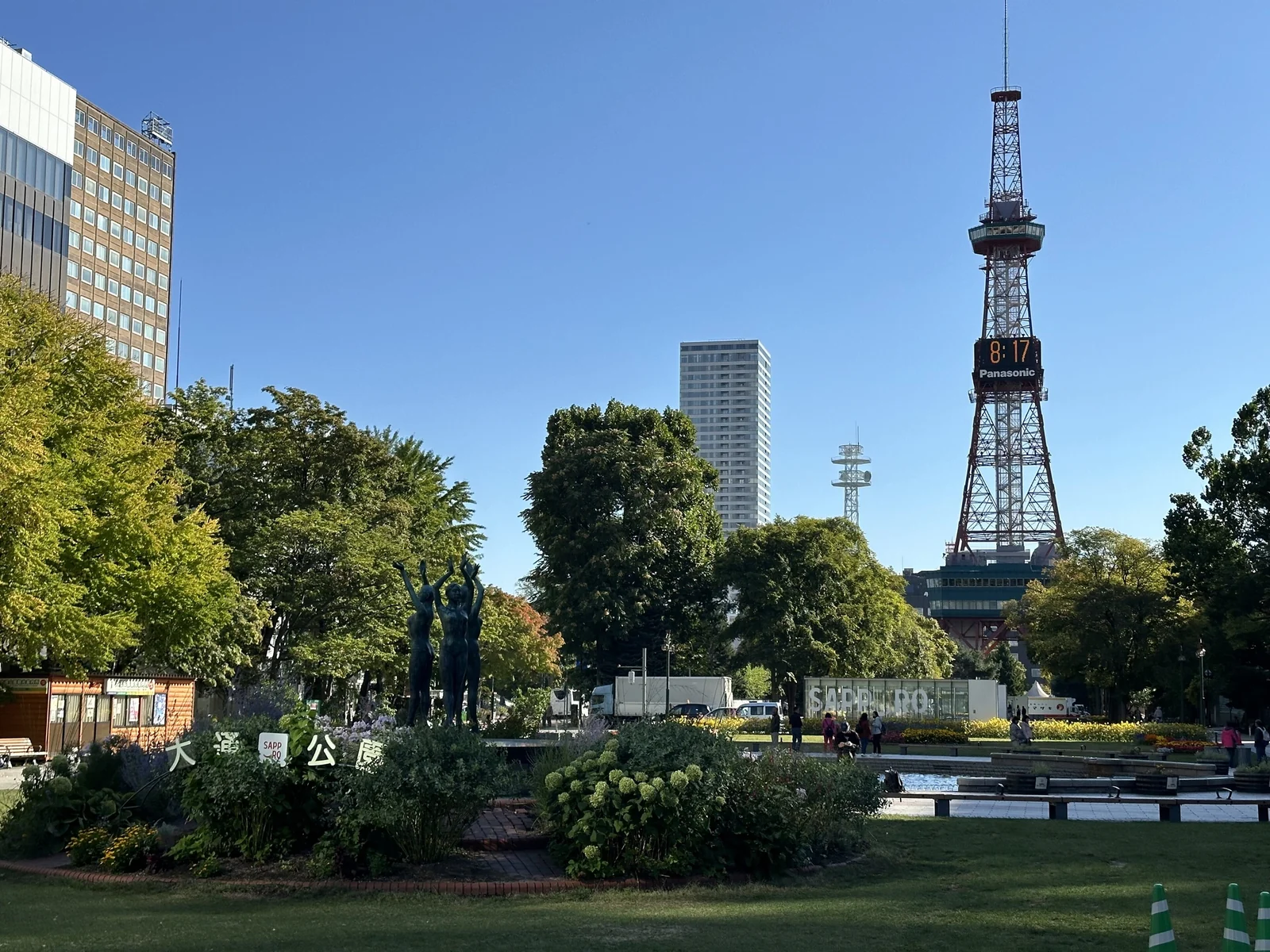
Sapporo is Hokkaido's largest city and the easiest place to land. It is laid out on a tidy grid, which makes it unusually simple to navigate, and a long ribbon of green, Odori Park, runs through the middle. In summer the park hosts beer gardens; in February it fills with ice and snow sculptures during the Sapporo Snow Festival.
Odori Park and the Center
Start at Odori Park and walk east to the Sapporo TV Tower, then loop back through the Tanukikoji arcade and the Susukino entertainment district for dinner. The Former Hokkaido Government Building, a red-brick landmark from the late 19th century, is an easy add-on and one of the few places where the city's pioneer-era past is visible.
What to Eat in Sapporo
Sapporo made miso ramen famous, served in a rich broth with corn and butter in the classic style. Try soup curry, a thinner, spiced broth loaded with vegetables, and Genghis Khan, grilled lamb cooked at the table. The Sapporo Beer Museum, on the site of an old brewery, covers the local beer story and ends, predictably, with a tasting room.
Otaru: Canal Walks and Sushi
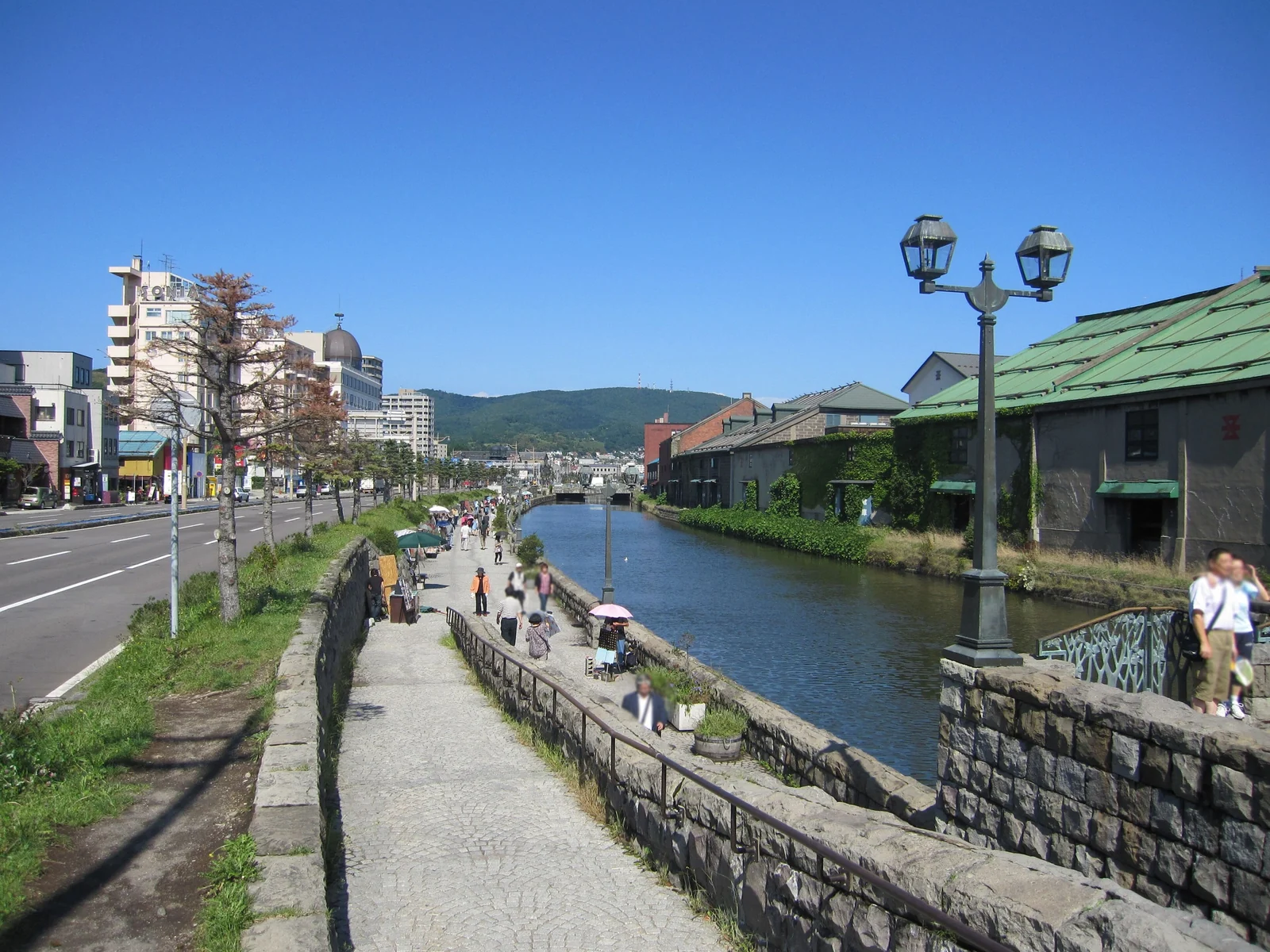
Otaru was once a busy herring and trading port, and its stone warehouses along the canal survive as shops, cafes and restaurants. By rapid train from Sapporo it takes about 30 to 40 minutes, with slower local trains taking a little longer. Go as a day trip, or sleep over to see the canal after the tour groups leave.
The canal is prettiest at dusk, when the lamps come on and the water takes the color of the sky. Sakaimachi Street, a few blocks away, is lined with glassware shops, music-box stores and bakeries. Otaru is also known for sushi, so save your appetite for lunch and pick a counter-style place where the fish is cut in front of you.
Hakodate: Night Views, Morning Market and the Old Port
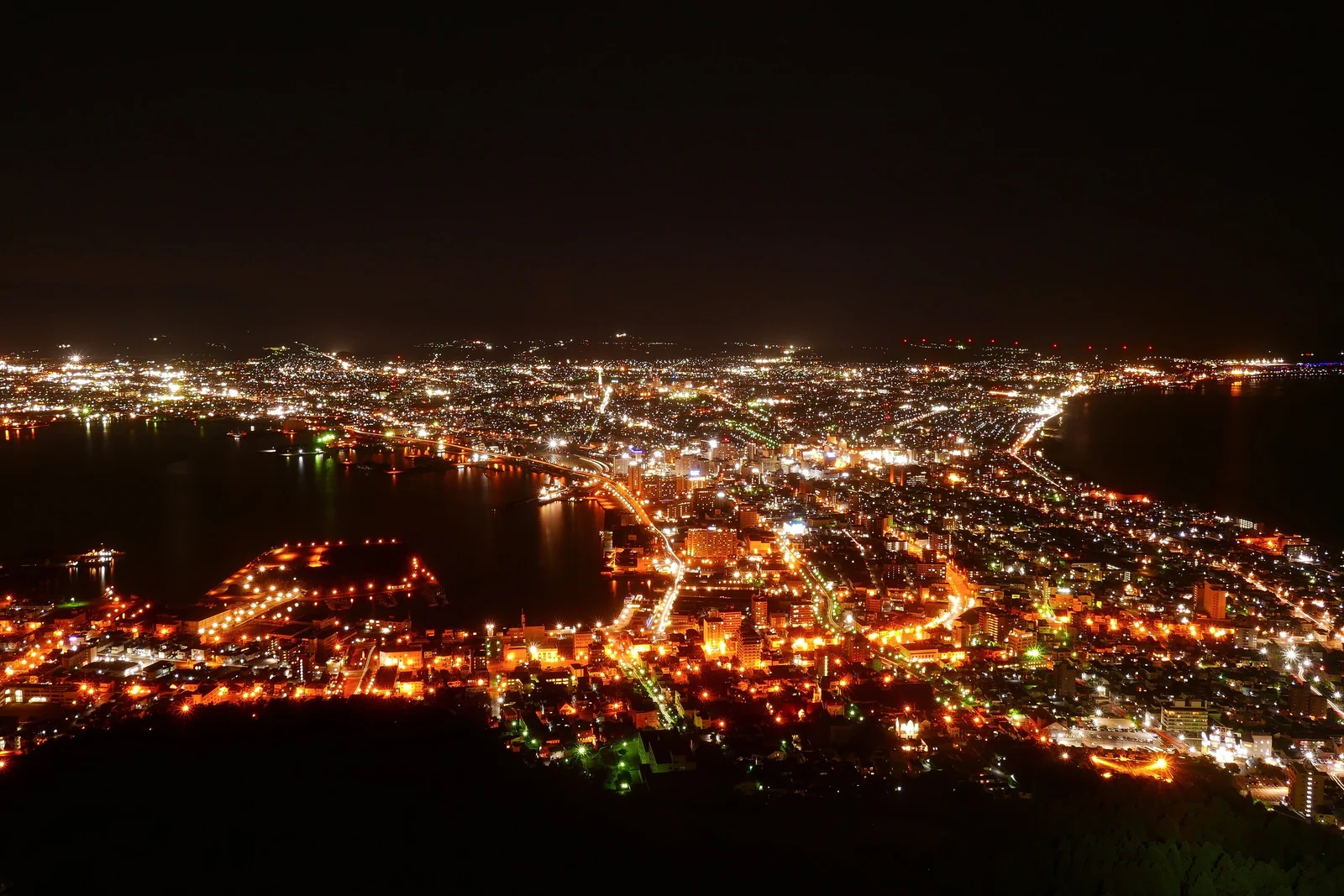
Hakodate is where Hokkaido first met the outside world. It was one of the first Japanese ports opened to foreign trade in the 1850s, and the hillside streets of Motomachi still hold old churches and Western-style buildings. The big draw is the view from Mount Hakodate, where the city narrows into a thin strip of land between two bays. Go up by ropeway shortly before sunset and stay as the lights come on.
In the morning, head to the Hakodate Morning Market, near the station, for squid, crab, sea urchin and rice bowls. Squid is the local specialty, and you will see it everywhere. Goryokaku, a star-shaped fort built in the 1860s, is worth an hour, especially in cherry blossom season, and the Red Brick Warehouses on the waterfront are good for souvenirs. Hakodate shio (salt) ramen is the local twist on noodles and a lighter alternative to Sapporo's miso.
Furano and Biei: Lavender, Patchwork Hills and Farms
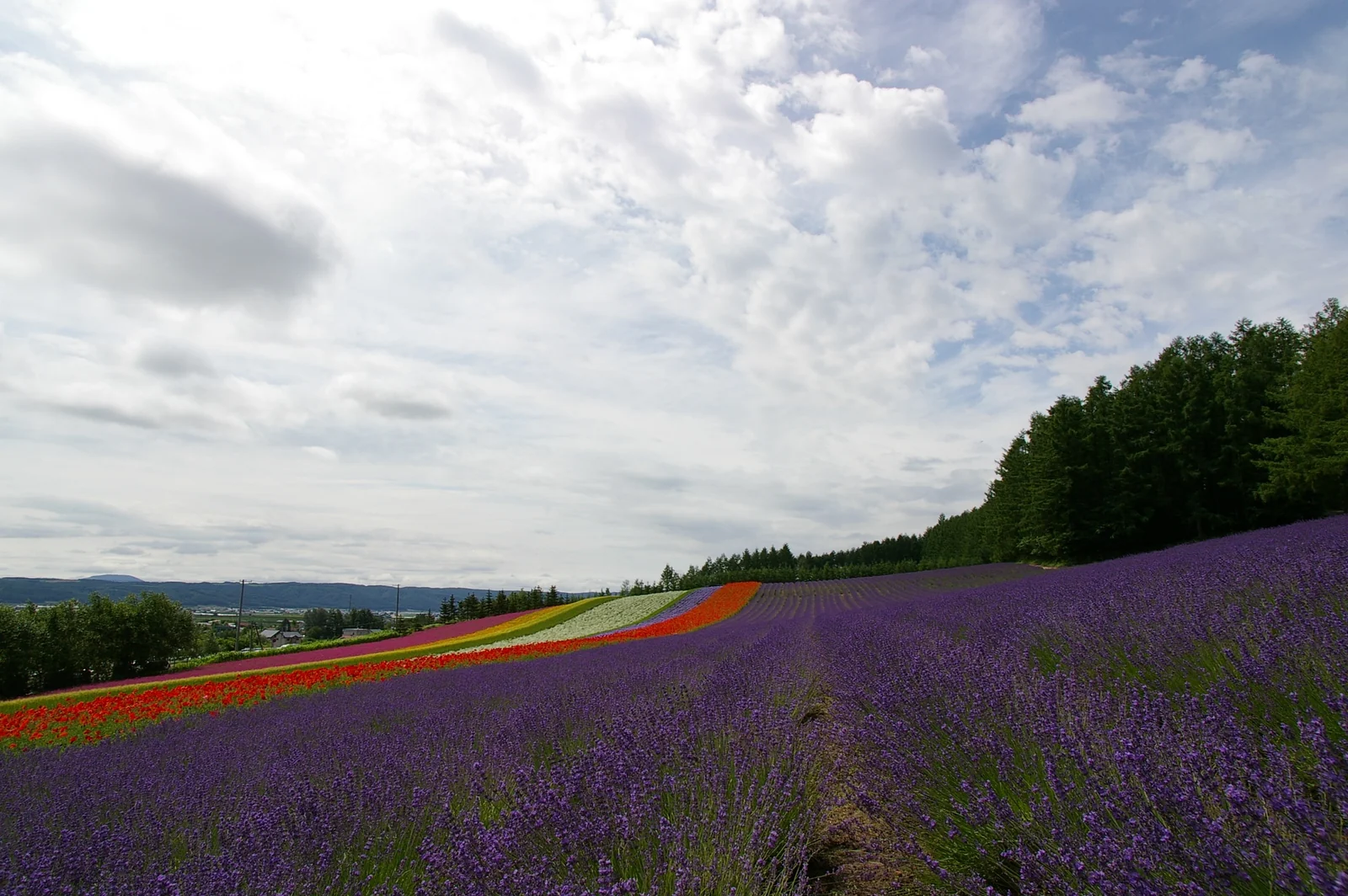
The center of the island is farm country, and from late June through August it turns purple, yellow and red with lavender, sunflowers and poppies. The two main bases are Furano and Biei, a short drive apart. The best known stop is Farm Tomita in Nakafurano, where lavender fields climb the hillside; entry is free, and the peak is typically around mid-July, though it shifts by a week or so from year to year.
Biei's Patchwork Road
Northwest of Biei town, rolling fields of wheat, potatoes and flowers create a quilt-like pattern, which is how the Patchwork Road got its name. A few lone trees have become photography landmarks. It is best seen by car or bicycle, ideally in the soft light of early morning or late afternoon. Please stay out of the crops and off private land; farmers have asked visitors repeatedly to keep to the roads.
Getting to Furano and Biei
Trains run from Sapporo to Asahikawa, with local lines onward to Biei and Furano, and a seasonal stop serves Farm Tomita in summer. Without a car you can see the main sights, but buses and trains are infrequent, so a rental car or a guided tour saves time.
Shiretoko: Wild Coast and Brown Bears
Shiretoko is a long peninsula in the northeast, listed as a UNESCO World Natural Heritage Site in 2005 for its marine and coastal ecosystems. It is home to a dense population of brown bears, and one of the better places to see them from a safe distance, usually on a boat cruise from the coast.
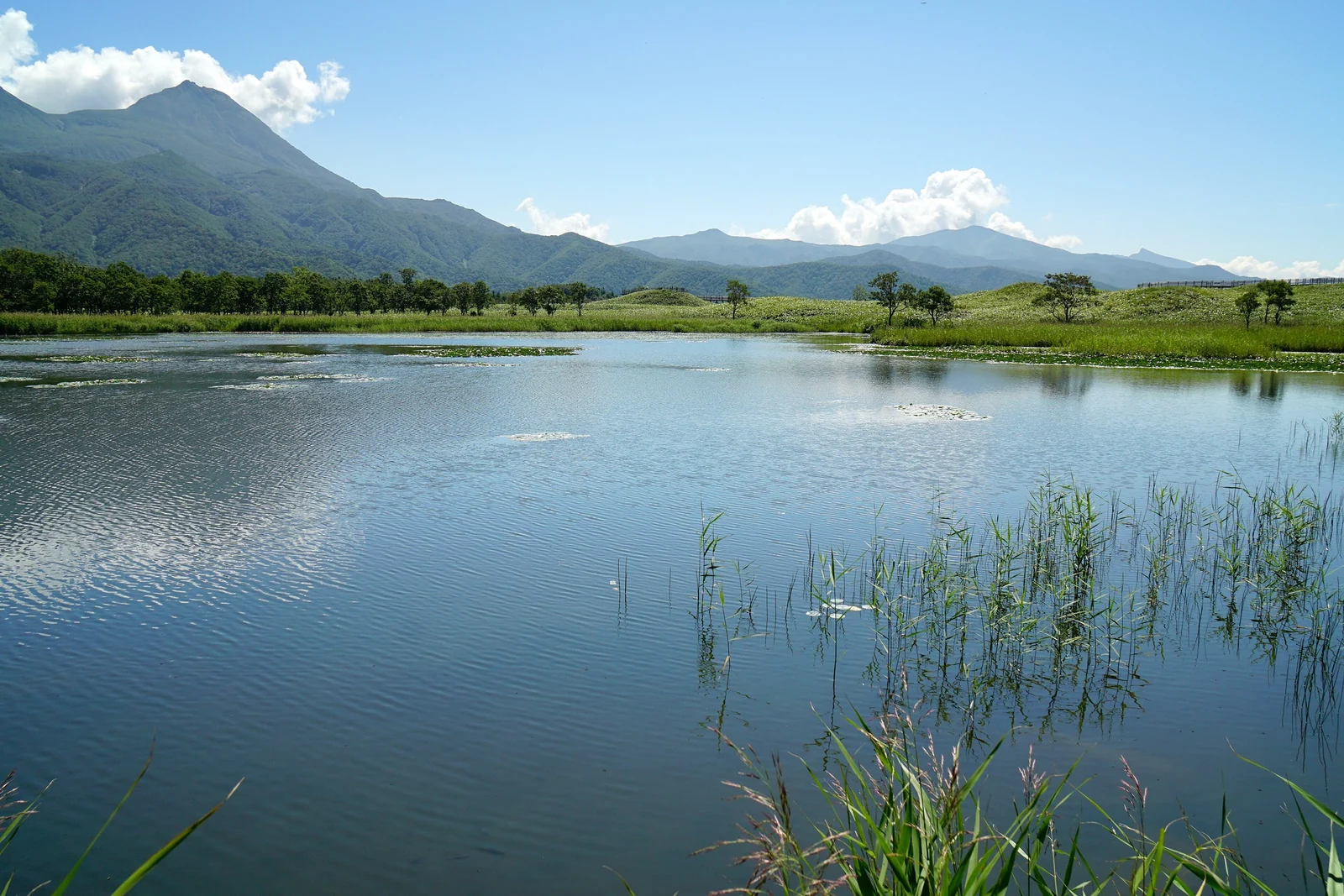
The most accessible walk is the Shiretoko Five Lakes area. An elevated wooden boardwalk of about 800 meters leads to the first lake and is open without a guide. The ground-level trails to the other lakes are restricted to guided tours during part of the spring and early summer bear season, so check the current rules on the official site before you plan.
- Choose a guide or cruise. Wildlife cruises from the coast give the best chance of seeing bears and sea birds from a distance.
- Respect the rules. Never approach a bear, and carry out all trash.
- Allow two nights. It is a long way from anywhere, so a rushed day trip is not worth it.
Niseko and the Winter Powder Season
Niseko, on the western side of the island, gets very dry powder snow driven by cold air from the Asian continent. The area has several linked resorts at the foot of Mount Yotei, a cone-shaped volcano sometimes called the Mount Fuji of Hokkaido. The season runs through the heart of winter, and the village atmosphere is busy and international. Book lodging well ahead for peak weeks.
Powder aside, Niseko is a good base for onsen. After a day on the slopes, a hot bath is practically a ritual. Other classic hot-spring areas include Jozankei, close to Sapporo, and Noboribetsu, with its steaming Hell Valley and many bathhouses, in the south.
Hokkaido Hot Springs and Seafood
Onsen are the best reward for a long drive. Public baths follow the same rules as elsewhere in Japan: wash thoroughly before entering, keep towels out of the water and check whether tattoos are allowed. Many ryokan and hotels let day visitors in for a modest fee, which is worth knowing if you are passing through.
- Crab, sea urchin and salmon roe: three of the island's signature seafood bowls, best in the morning at markets in Hakodate, Sapporo and Otaru.
- Scallops and oysters: grilled at the table in coastal towns in the north and east.
- Dairy and sweets: Hokkaido is Japan's dairy heartland, so soft-serve ice cream, cheesecake and milk-based sweets are all excellent.
- Melon and potatoes: in summer, farm stands sell fruit and vegetables at their sweetest.
Best Time to Visit Hokkaido
Hokkaido has four distinct seasons, and each rewards a different kind of trip. Summer is milder than the rest of Japan, without the heavy humidity, which is a big part of its appeal.
| Season | What it offers | Keep in mind |
|---|---|---|
| Spring (April to May) | Cherry blossoms arrive late, usually around the end of April or early May; fresh green hills | Some mountain roads and trails open late |
| Summer (June to August) | Lavender, farm stands, coast drives, hiking | Peak crowds in Furano and Biei; book ahead |
| Autumn (September to October) | Red and gold leaves, harvest food, fewer visitors | Days get short; nights turn cold |
| Winter (December to March) | Powder skiing, snow festivals, steaming onsen | Slow roads; drive only if you are experienced |
If you only have a week and want a bit of everything, choose July or early September. For skiing, aim for the middle of winter. For festivals, the Sapporo Snow Festival takes place in February, and Otaru holds a lantern event in the same month.
Getting Around Hokkaido: Trains, Ferries and Rental Cars
Flying In
Most visitors land at New Chitose Airport, south of Sapporo. The Rapid Airport train reaches Sapporo Station in about 37 minutes. Flights from Tokyo and other major cities are frequent, and several Asian cities have direct links.
By Train and Bullet Train
The Hokkaido Shinkansen links Tokyo to Shin-Hakodate-Hokuto through the 53.85-kilometer Seikan Tunnel under the Tsugaru Strait. From there, limited express trains continue toward Sapporo; check current options on the JR Hokkaido English site. Within the island, JR Hokkaido covers Sapporo, Otaru, Asahikawa and the Furano line, with regional passes that can offset the cost if you cover many miles.
By Ferry
Overnight ferries link Honshu with Hokkaido and suit travelers with a car. Routes include Tsuruga to Tomakomai (run by Shin Nihonkai Ferry), Oarai to Tomakomai (MOL Ferry) and the short Aomori to Hakodate crossing of roughly three and a half hours. Schedules and prices change, so book through the operators directly.
Renting a Car
Outside the Sapporo and Hakodate areas, public transport thins out fast, and a rental car is the easiest way to see Furano, Biei, Shiretoko and the lakes. Japan drives on the left, and winter driving needs real experience. Check license and permit requirements well before you travel. In the north and east, distances between sights are long, so plan fewer stops per day than you think you need.
A Sample 7-Day Hokkaido Itinerary
- Days 1 to 2: Sapporo, with ramen, Odori Park and an evening in Susukino.
- Day 3: Day trip to Otaru for the canal and sushi.
- Days 4 to 5: Furano and Biei in summer, or Niseko in winter.
- Days 6 to 7: Fly or take the train south to Hakodate for the night view and morning market.
For a longer trip, add Shiretoko in the east and plan on a rental car. If your plans include the rest of the country, our places to go in Japan guide, the Tokyo travel guide and the Osaka guide will fill in the south. For warmer beaches afterward, see our Okinawa guide. Planning ahead? The official Hokkaido tourism site lists current events and regional passes.
Hokkaido Travel FAQ
How many days do you need in Hokkaido?
Seven days covers Sapporo, Otaru, Furano or Biei and Hakodate at a comfortable pace. Add three or four more for Shiretoko and the east, because distances are long and public transport is sparse outside the main cities.
What is the best time to visit Hokkaido?
July is best for lavender and warm, dry days, while September brings fewer crowds and early fall colors. Winter, especially the middle of the season, is best for powder snow, onsen and snow festivals.
Do you need a car in Hokkaido?
Not for Sapporo, Otaru or Hakodate, which are served by trains and buses. A car helps a lot for Furano, Biei, Shiretoko and lake areas. Winter driving is difficult, so rely on trains and shuttle buses then.
How do you get from New Chitose Airport to Sapporo?
Take the JR Rapid Airport train from the airport station to Sapporo Station. It takes about 37 minutes, while the slower local train takes roughly 51 minutes. Buses and taxis also run, but the train is the most reliable.
When do the lavender fields bloom in Furano?
Lavender blooms from late June into early August, with the peak usually around mid-July. The exact timing changes by a week or so each season, so check the farm's bloom updates before you plan the trip.
Is it safe to visit Shiretoko with brown bears around?
Yes, if you follow the rules. Use the elevated boardwalk freely, join a certified guide for the ground-level trails when required, and watch bears from a boat cruise. Never approach a bear or leave food behind.
What should you eat in Hokkaido?
Try miso ramen and soup curry in Sapporo, sushi in Otaru, squid and salt ramen in Hakodate, and crab, sea urchin and salmon roe at morning markets. Hokkaido milk, ice cream and cheesecake are excellent too.