


Some of the best travel experiences happen between destinations. These 10 breathtaking routes include scenic road trips, one of the world’s great train journeys and legendary hiking trails, spread across Europe, Australia, Africa, Asia and the Americas. Each one is a real, well-established route you can plan today.
For every route you will find what makes it special, how long it is, the best time to go and a practical tip. A comparison table at the end helps you choose, whether you want a long weekend on the road or a month on foot.
Scenic Road Trips
1. Ring Road (Route 1), Iceland
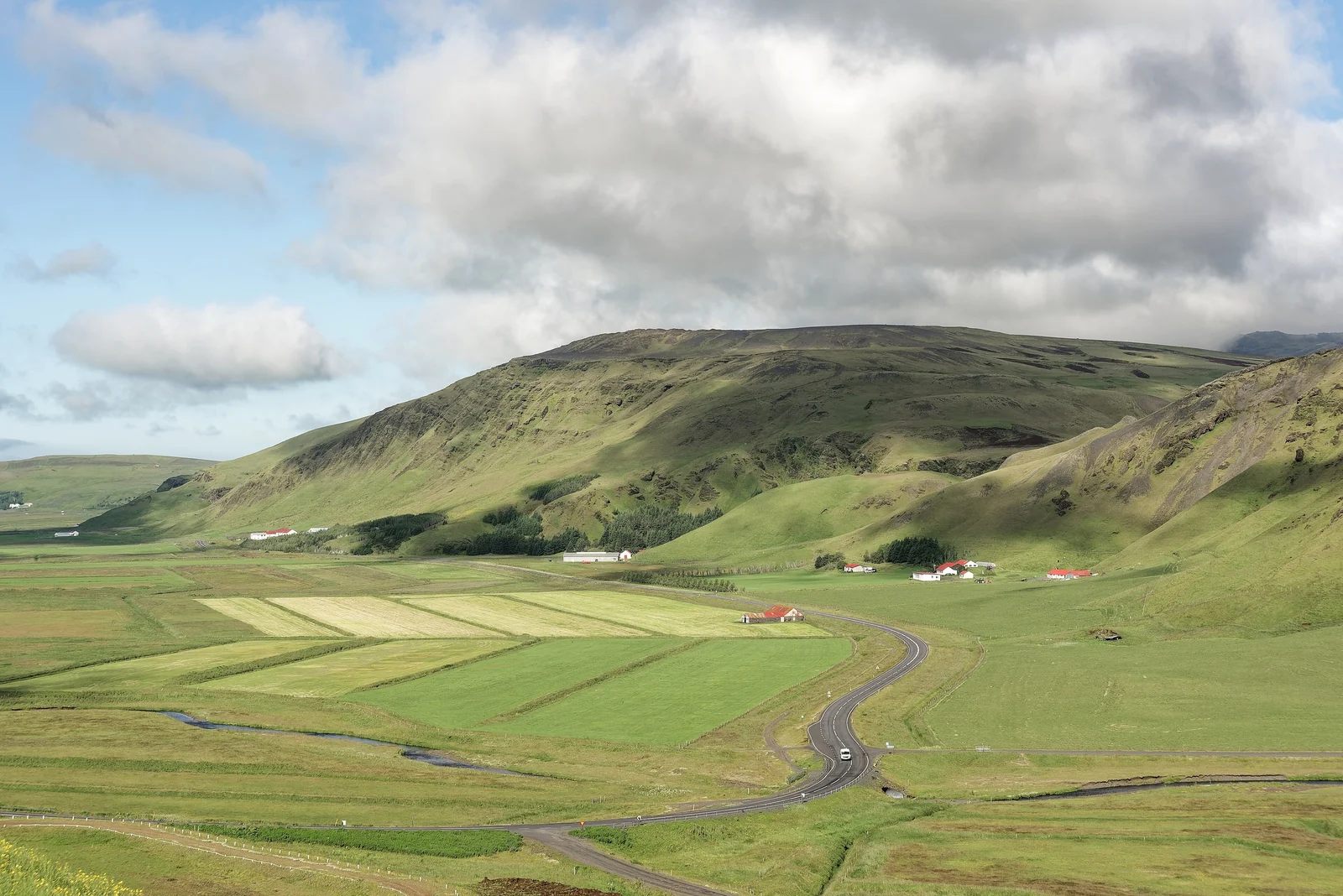
Iceland’s Route 1 loops around the whole island for roughly 1,300 kilometers, linking waterfalls such as Seljalandsfoss and Skógafoss, black-sand beaches, the Jökulsárlón glacier lagoon and the volcanic landscapes around Lake Mývatn. Most of it is paved, though a few stretches in the east are still gravel.
Allow at least seven days, and ideally ten, to drive it without rushing. Summer (June to August) brings long days and open mountain roads, while winter offers northern lights but short daylight and difficult driving. Check road conditions daily on the official Icelandic Road Administration site before setting out. Our guide to Iceland’s hot springs suggests places to soak along the way.
2. Great Ocean Road, Australia
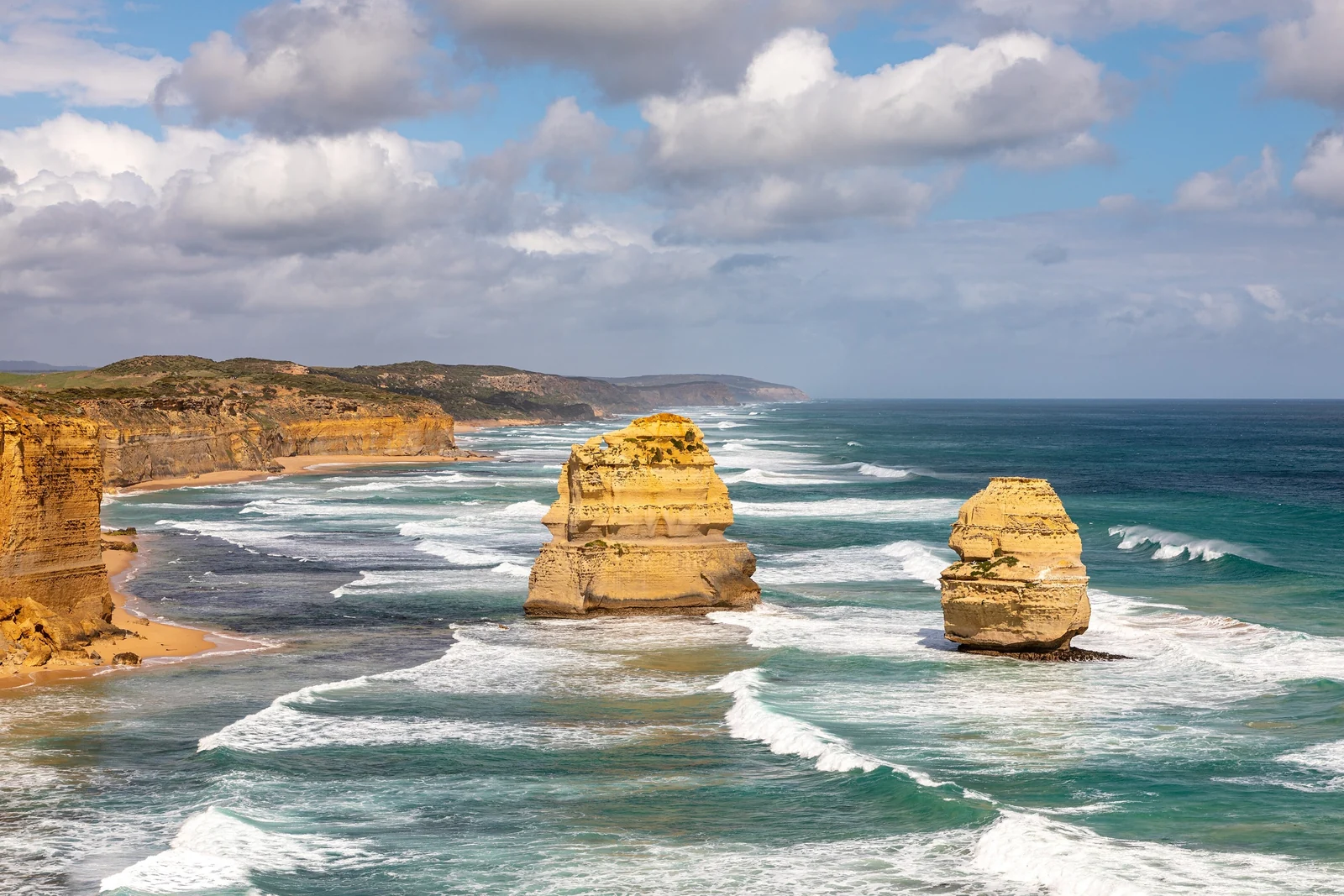
The Great Ocean Road runs for 243 kilometers along the coast of Victoria between Torquay and Allansford. It was built by around 3,000 returned soldiers between 1919 and 1932 and is dedicated to those killed in World War I, which makes it the world’s largest war memorial. Highlights include surf beaches, Otway rainforest and the limestone stacks of the Twelve Apostles. To fit it into a wider trip, see our guide to the best holiday destinations in Australia.
Two or three days lets you enjoy it properly, and summer and autumn (December to May) usually bring the most settled weather. Drive from east to west so you are on the ocean side of the road. It pairs well with a stay in Melbourne, covered in our Sydney vs Melbourne guide.
3. Amalfi Coast Drive, Italy
The SS163 Amalfitana clings to the cliffs for about 50 kilometers between Vietri sul Mare and Positano, passing Amalfi, Atrani and Maiori on a coastline listed by UNESCO in 1997. The views of pastel villages and terraced lemon groves are spectacular, but the road is narrow and very busy in summer.
Alternate license-plate restrictions apply on busy days in peak season, and parking is scarce and expensive. Many visitors prefer local buses or ferries and hike the Path of the Gods above Positano instead. Spring and early autumn are the most pleasant times. For more southern Italian inspiration, see our guide to the best islands in Italy.
4. Garden Route, South Africa
The Garden Route follows the N2 highway for about 200 kilometers from Mossel Bay to Storms River along South Africa’s southern coast. It links lagoons, forests and beach towns such as Knysna and Plettenberg Bay with the Tsitsikamma section of Garden Route National Park. Near its eastern end, the Bloukrans Bridge hosts a 216-meter bungee jump, often billed as the highest bridge bungee in the world.
The route is enjoyable all year, and the winter and spring months are known for whale watching along the coast. Most travelers combine it with Cape Town.
5. Atlantic Ocean Road, Norway
Short but unforgettable, the Atlantic Ocean Road (Atlanterhavsvegen) hops across islets and skerries for 8.3 kilometers between Kristiansund and Molde on eight bridges. It opened in 1989, and its curving Storseisundet Bridge, 260 meters long, seems to rise straight out of the sea. It is one of Norway’s official National Tourist Routes.
Calm summer days are ideal for stopping at the viewpoints and fishing platforms, while autumn storms send waves crashing over the rocks. Stay in your car in heavy seas. See more of the country in our Norway guides.
A Legendary Train Journey
6. Glacier Express, Switzerland
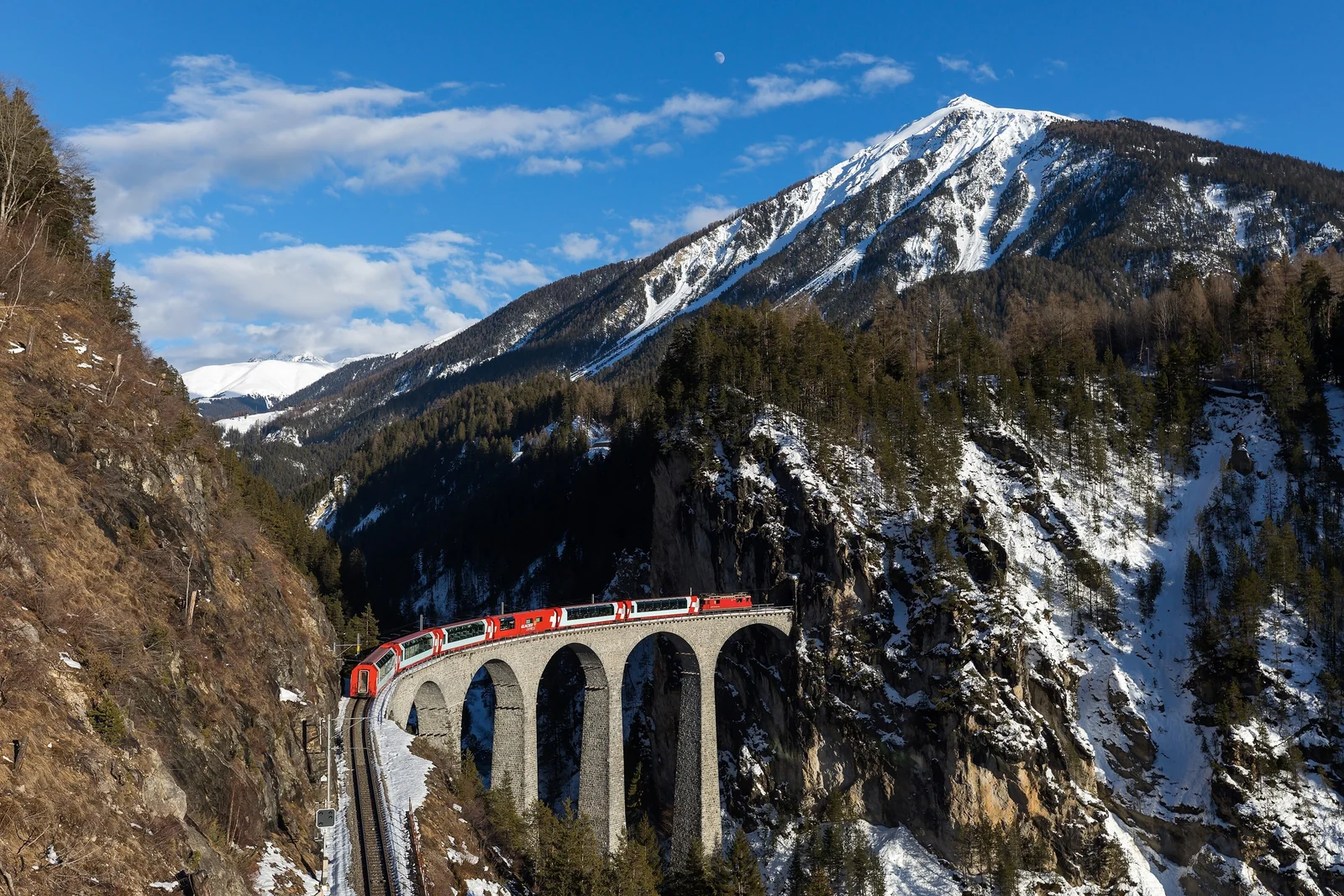
Nicknamed the slowest express train in the world, the Glacier Express has linked Zermatt and St. Moritz since 1930. The journey of about 291 kilometers takes around eight hours, crossing 291 bridges and passing through 91 tunnels, with a high point of 2,033 meters at the Oberalp Pass. Along the way it rolls over the curved Landwasser Viaduct on the UNESCO-listed Albula line.
Seats in the panoramic cars must be reserved in advance and fill up quickly in summer and around the winter holidays. Rail passes cover the fare, but you still pay the reservation supplement. Check the official Switzerland Tourism page for current timetables.
7. The Silk Road Cities of Uzbekistan
The historic Silk Road was a web of trade routes rather than one road, but Uzbekistan lets you follow a spectacular slice of it. A classic journey runs from Tashkent to Samarkand, with the tiled madrasas of the Registan, then on to Bukhara and the walled inner town of Khiva. Samarkand, the historic center of Bukhara and Khiva’s Itchan Kala are all UNESCO World Heritage Sites.
The Afrosiyob high-speed train connects Tashkent, Samarkand and Bukhara in a few hours, which makes the trip easy to do independently. Spring (April to May) and autumn (September to October) avoid the fierce summer heat.
Epic Hiking Trails
8. Inca Trail, Peru
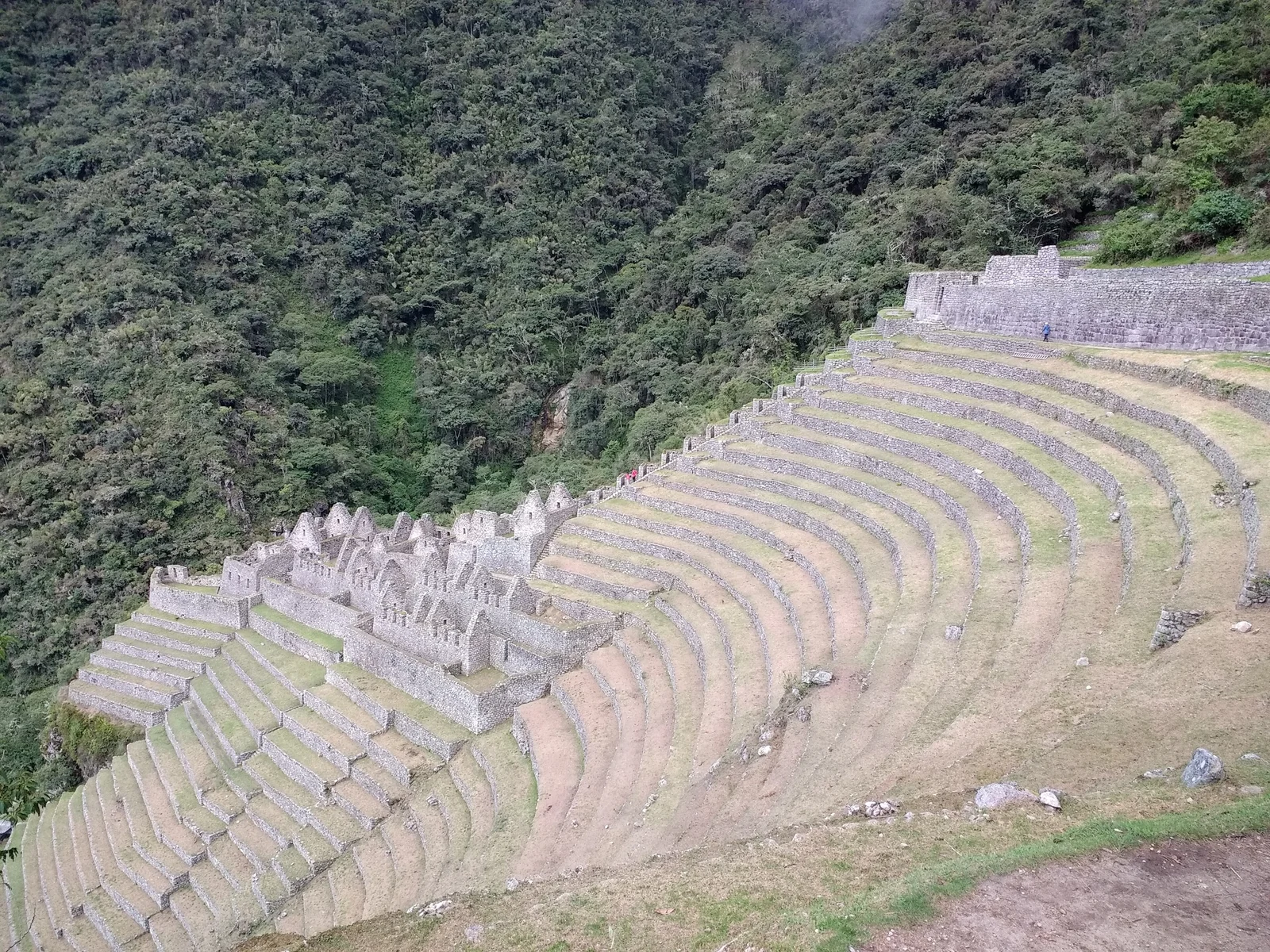
The classic Inca Trail covers about 42 kilometers over four days, climbing to the 4,215-meter Dead Woman’s Pass and passing Inca sites such as Wiñay Wayna before arriving at Machu Picchu through the Sun Gate. Entry is strictly limited: permits are capped at 500 people a day including guides and porters, and you can only hike with a licensed operator.
The trail closes every February for maintenance, and the dry season from May to September is the most popular time, so book months ahead. Our Machu Picchu travel guide covers tickets and alternative treks.
9. Camino de Santiago (Camino Francés), Spain
The most popular of the pilgrimage routes to Santiago de Compostela, the Camino Francés runs about 780 kilometers from Saint-Jean-Pied-de-Port in the French Pyrenees across northern Spain, through Pamplona, Burgos and León. Most walkers take four to five weeks, sleeping in simple pilgrim hostels called albergues. The quieter coastal route, the Camino del Norte, passes through Bilbao, which is covered in our Bilbao travel guide.
Short on time? Walking the final 100 kilometers, typically from Sarria, still earns you the Compostela certificate from the Pilgrim’s Office in Santiago (200 kilometers if you cycle). Spring and autumn are more comfortable than the hot, crowded summer months.
10. Appalachian Trail, United States
The Appalachian Trail stretches about 2,198 miles (roughly 3,540 kilometers) through 14 states, from Springer Mountain in Georgia to Katahdin in Maine. According to the Appalachian Trail Conservancy, it is the longest hiking-only footpath in the world. Thru-hikers usually need five to seven months.
You do not have to hike it all. Day hikes to viewpoints such as McAfee Knob in Virginia or sections through the Great Smoky Mountains and Shenandoah give you a taste in a weekend. Northbound thru-hikers typically start in early spring.
Compare the 10 Routes at a Glance
| Route | Country | Type | Length | Time needed |
|---|---|---|---|---|
| Ring Road | Iceland | Road trip | About 1,300 km | 7–10 days |
| Great Ocean Road | Australia | Road trip | 243 km | 2–3 days |
| Amalfi Coast Drive | Italy | Road trip | About 50 km | 1–3 days |
| Garden Route | South Africa | Road trip | About 200 km | 3–7 days |
| Atlantic Ocean Road | Norway | Road trip | 8.3 km | Half a day |
| Glacier Express | Switzerland | Train | About 291 km | About 8 hours |
| Silk Road cities | Uzbekistan | Train and road | Varies | 7–10 days |
| Inca Trail | Peru | Trek | About 42 km | 4 days |
| Camino Francés | Spain | Trek | About 780 km | 4–5 weeks |
| Appalachian Trail | USA | Trek | About 2,198 miles | 5–7 months |
Tips for Planning a Scenic Route
- Slow down. The magic of these routes is in the stops, so plan fewer kilometers per day than you think you need.
- Check seasonal closures. Mountain roads, trails and permits change with the seasons, like the Inca Trail’s February closure.
- Book the bottlenecks early. Permits, panoramic train seats and small-town accommodation sell out first.
- Know the rules of the road. Driving on the left in Australia and South Africa, gravel sections in Iceland and traffic limits on the Amalfi Coast all need preparation.
- Consider travel insurance that covers hiking or driving where you plan to go.
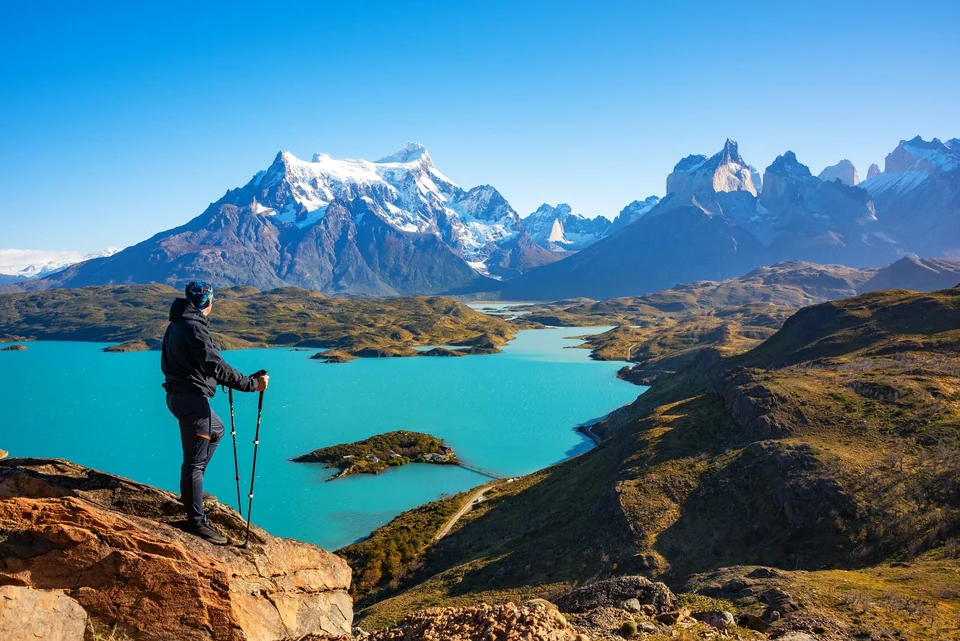
Looking for more road-trip ideas? Explore the glaciers and mountains of Patagonia along Chile’s Carretera Austral.
Scenic Routes FAQ
What is the most scenic road trip in the world?
It depends on what you love, but Iceland’s Ring Road, Australia’s Great Ocean Road, Norway’s Atlantic Ocean Road and Italy’s Amalfi Coast Drive regularly top travelers’ lists. Iceland offers the most variety, with waterfalls, glaciers and volcanic landscapes on a single loop around the island.
How long does it take to drive Iceland’s Ring Road?
You could drive the roughly 1,300-kilometer loop in a few long days, but most travelers allow seven to ten days to stop at waterfalls, glaciers and viewpoints. In winter, short daylight and snow mean you should allow extra time and check road conditions every day.
Do you need a permit for the Inca Trail?
Yes. Permits are limited to 500 people per day, including guides and porters, and can only be booked through licensed tour operators. They often sell out months ahead for the dry season from May to September. The trail closes every February for maintenance.
How long is the Camino de Santiago?
There are several Camino routes. The most popular, the Camino Francés, is about 780 kilometers from Saint-Jean-Pied-de-Port to Santiago de Compostela and takes most walkers four to five weeks. To earn the Compostela certificate you must walk at least the last 100 kilometers or cycle the last 200.
Is the Glacier Express worth it?
For many travelers, yes. The roughly eight-hour ride between Zermatt and St. Moritz crosses 291 bridges and the 2,033-meter Oberalp Pass. If you prefer to save money, regular regional trains follow much of the same line without the panoramic cars or seat reservation fee.
Can you drive the Amalfi Coast yourself?
You can, but it is challenging. The road is narrow and winding, parking is limited and expensive, and alternate license-plate restrictions apply on busy days in peak season. Many visitors use local buses, ferries or private drivers instead, especially in summer.