A Machu Picchu travel guide has to settle three practical questions first: how you get there, which ticket you need and how many days to allow. In short, you reach the ruins from Cusco or the Sacred Valley by train to the town of Aguas Calientes, then take a bus up the mountain. Entry is timed and tied to a set route, so the ticket comes first and everything else is built around it.
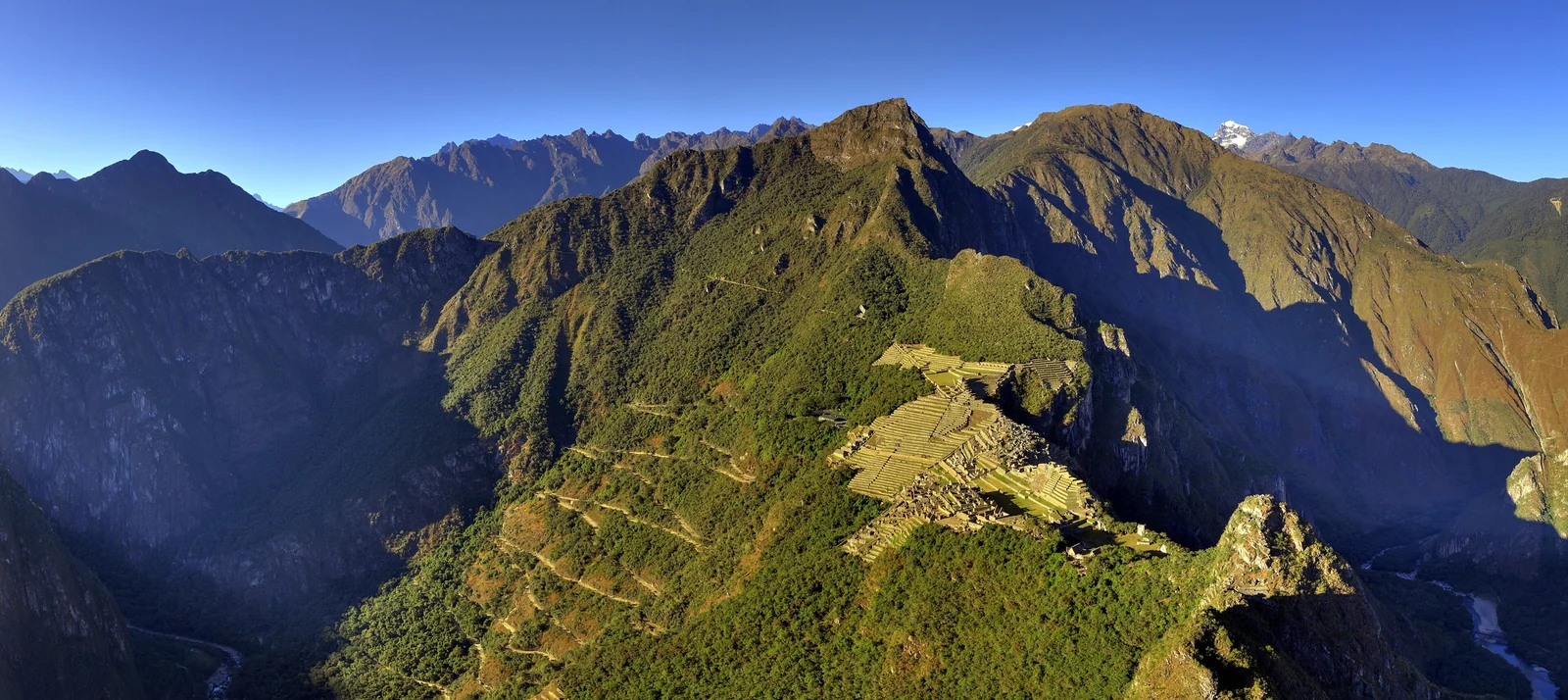
The citadel sits at about 2,430 meters (7,970 feet), roughly 80 kilometers northwest of Cusco, on a ridge above the Urubamba River in Peru. UNESCO inscribed the sanctuary in 1983. What follows is the plan most first-timers need, from transport and circuits to altitude, seasons and what to leave at the hotel.
How to Get to Machu Picchu
No road reaches the ruins from the Sacred Valley. Almost everyone arrives by rail at Aguas Calientes, officially called Machupicchu Pueblo, the town in the gorge below the site. From there a shuttle bus climbs the switchbacks to the entrance. The only other way in is on foot, on a multi-day trek.
Starting in Cusco or Ollantaytambo
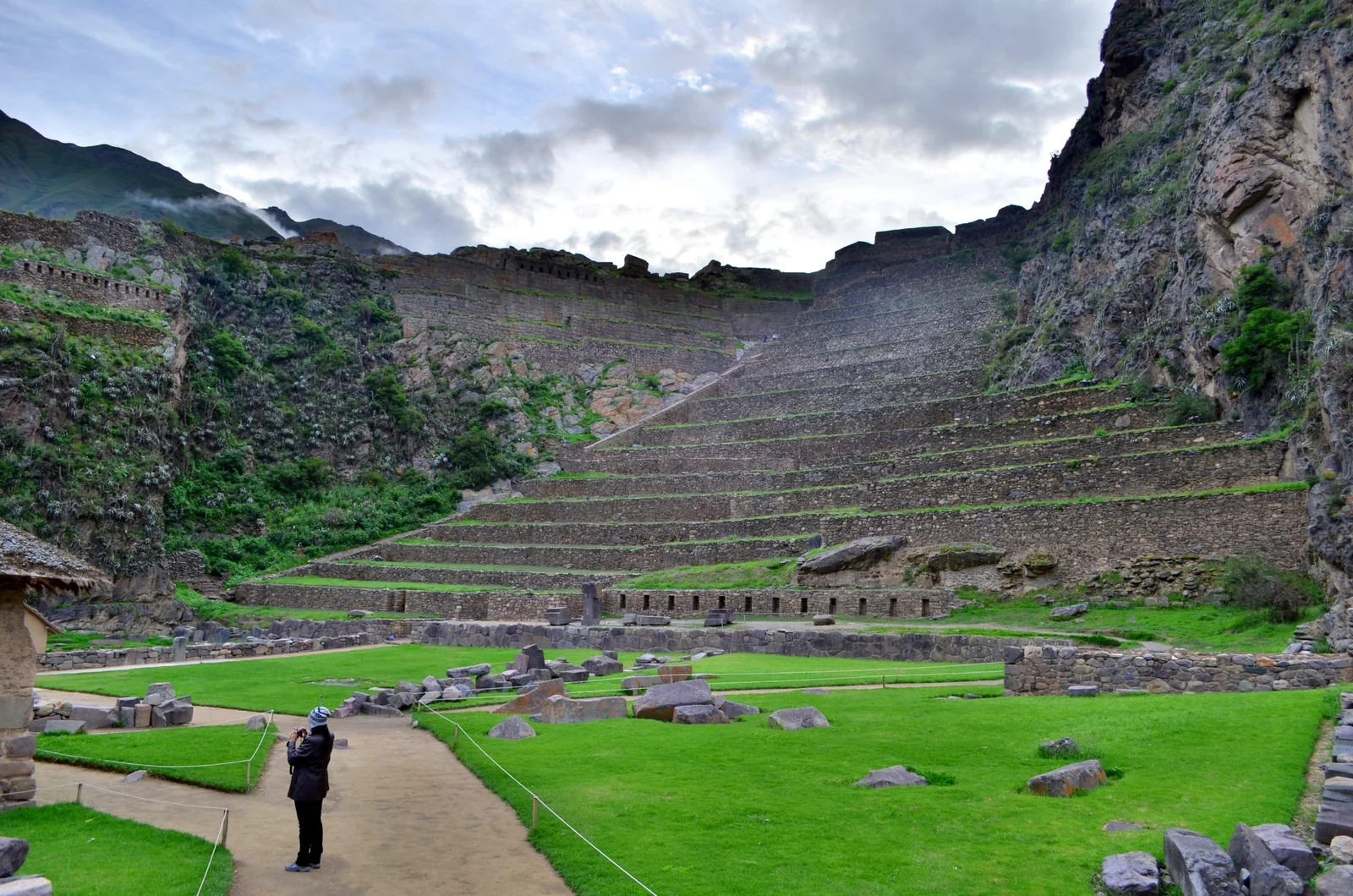
Cusco is the usual base, but the shortest rail ride starts in Ollantaytambo in the Sacred Valley, and the ride usually takes about an hour and a half to two hours. Services from the Poroy station near Cusco take roughly three and a half hours, and Poroy departures do not run all year, so check which station your train uses. PeruRail and Inca Rail both run trains to Aguas Calientes, so compare timetables, luggage limits and station details directly with the operator.
Sleeping in Ollantaytambo the night before is a smart move. The town has a large Inca fortress of its own, the station is close, and you skip a pre-dawn transfer from Cusco.
Aguas Calientes and the bus up
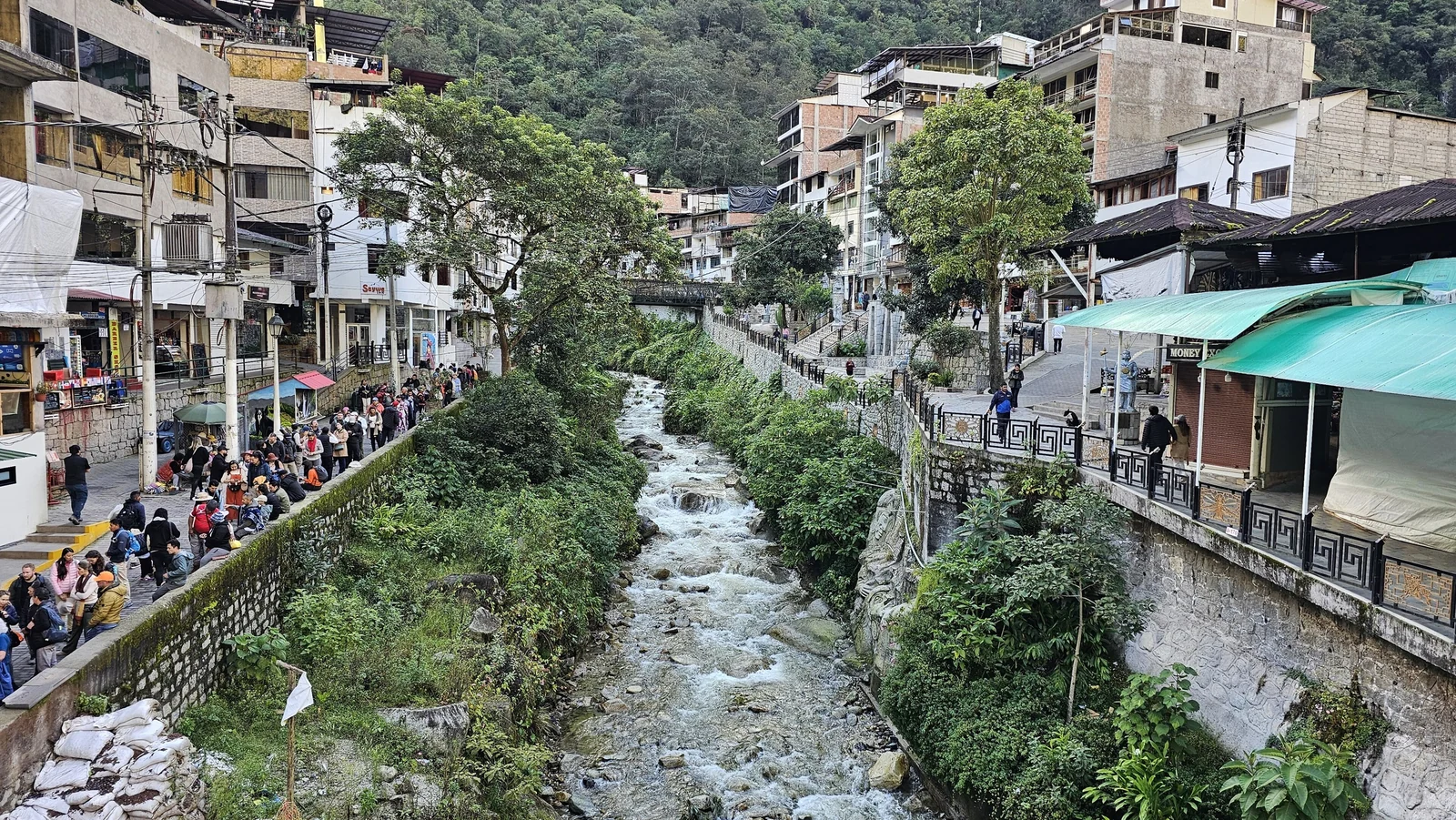
Aguas Calientes is a compact, steep town of hotels, restaurants and market stalls squeezed along a river. Plan to spend a night there, because you cannot count on buying a ticket and entering on the day you arrive. The shuttle takes about half an hour to reach the gate, and the queue forms early if you want the first slots.
You can also climb the road on foot. It is steep, humid and slow, and it burns the energy you want for the ruins. Most visitors ride up and, if they feel strong, walk down.
Day trip or overnight?
A day trip from Cusco is possible, but it means a very early start, long train rides each way and a tight window on site. An overnight in Aguas Calientes is calmer and puts you at the gate before most tour groups.
Tickets, Circuits and Timed Entry
Admission is limited by date and time slot, and each ticket assigns you to a route. The Ministry of Culture groups the visit into three circuits made up of ten routes, and four of those routes run only in high season. Prices, quotas and rules change, so buy through the government's official online ticket site and read the official circuits and routes page before you pay for anything. Third-party sellers exist, so confirm you are on the official platform.
| Circuit | Character | Routes include |
|---|---|---|
| Circuit 1 (Panoramic) | Elevated views over the citadel | Machu Picchu Mountain, upper terrace; Intipunku and Inca Bridge in high season |
| Circuit 2 (Classic) | Walk through the main sectors of the citadel | Designed route, lower terrace |
| Circuit 3 (Royal) | Lower royal sector and the other mountain | Huayna Picchu, designed route; Great Cave and Huchuypicchu in high season |
For a first visit, most people are happiest on a classic or royal route that walks them through the temples and plazas. Take the panoramic route if the big postcard view matters most to you. Whatever you choose, follow the one-way marked path, because staff will not let you double back to an earlier sector.
Book in the right order
- Pick your date and route, and check that tickets exist before anything else.
- Enter each traveler's name exactly as shown on the passport.
- Only then book the train and hotels, which are often hard to change.
- Save copies offline and carry the passport you used to buy.
The dry months sell out first, along with the mountain routes, so reserve as far ahead as your plans allow. Do not count on last-minute tickets in town.
Best Time to Visit Machu Picchu by Month
Machu Picchu has two seasons rather than four. The dry season brings clearer mornings and crowds, while the wet season brings green slopes, mist and fewer people.
| Months | What to expect | Good for |
|---|---|---|
| May to August | Driest stretch, cool nights, sharp light | Photography, trekking, fewer rain delays |
| September and October | Warmer, showers return gradually | A balance of views and slightly thinner crowds |
| November and December | Rain builds, lush scenery | Green terraces, easier booking |
| January to March | Wettest months, slippery stone | Quiet paths if you accept cloud |
| April | Rain easing, landscape at its greenest | Shoulder-season value |
Rainfall figures come from climate records for the site, which show January to March as the wettest months and May to August as the driest. Mountain weather swings fast in every season, so a rain shell and sunscreen belong in the same bag. If you want to hike the classic Inca Trail, note that it closes every February for maintenance, while the ruins themselves stay open.
How Many Days Do You Need?
The ruins take half a day. The trip around them takes longer. Three days is the realistic minimum from Cusco, and four or five is better because it gives your body time to adjust and lets you see the Sacred Valley without rushing.
A balanced four-day plan
- Day 1: Arrive in Cusco, walk the old center slowly and drink plenty of water.
- Day 2: Tour the Sacred Valley and sleep in Ollantaytambo.
- Day 3: Take the morning train to Aguas Calientes, settle in and rest.
- Day 4: Enter Machu Picchu on your reserved slot, then return by train or add a second night.
Inside the site, plan on a few hours rather than a full day. Routes are one-way and food is not allowed inside, so eat before you enter. Early slots mean softer light and thinner crowds, while midday brings the biggest groups. A local guide is worth the money, because the terraces, temples and carved stones make far more sense once someone explains what they were for.
Photographers should know that the classic postcard view comes early on most routes, so keep your camera ready as you pass through the first terraces. If clouds hide the peaks, wait a few minutes. The mist often lifts and drops several times in one morning, and some of the most memorable views come in those gaps.
Altitude and Health
Cusco sits at about 3,400 meters (11,200 feet), noticeably higher than Machu Picchu itself. Many people feel altitude in the city, not at the ruins. The Sacred Valley is lower than Cusco, so a night or two there before the city is a gentle way to adjust.
Keep the first day easy, drink water, go light on alcohol and eat modestly. Ask a doctor about medication before you leave if you have heart, lung or pregnancy concerns. Severe headache, confusion, or breathlessness at rest are signs to descend and get help rather than push on.
Inca Trail, Salkantay or Inca Jungle?
Trekking is the slow, rewarding way in. All three popular routes end at or near Aguas Calientes, and each needs advance planning with a registered operator.
| Route | Length and effort | What sets it apart |
|---|---|---|
| Classic Inca Trail | About 42 km, usually four or five days | Inca stairways and ruins, arrival through the Sun Gate; permits capped each day and closed every February |
| Salkantay | About four to five days, high pass at roughly 4,600 m | Snow peaks and varied scenery; altitude is the main challenge |
| Inca Jungle | Several days, mixed activities | A multi-activity option that typically mixes biking, walking and rafting, sold by local operators |
Every trekker must go with a guide, so permits are sold only through licensed operators, and they sell out months ahead. Its highest point, Dead Woman's Pass, is 4,215 meters. You finish by climbing to Intipunku, the Sun Gate, where the ruins first appear below.
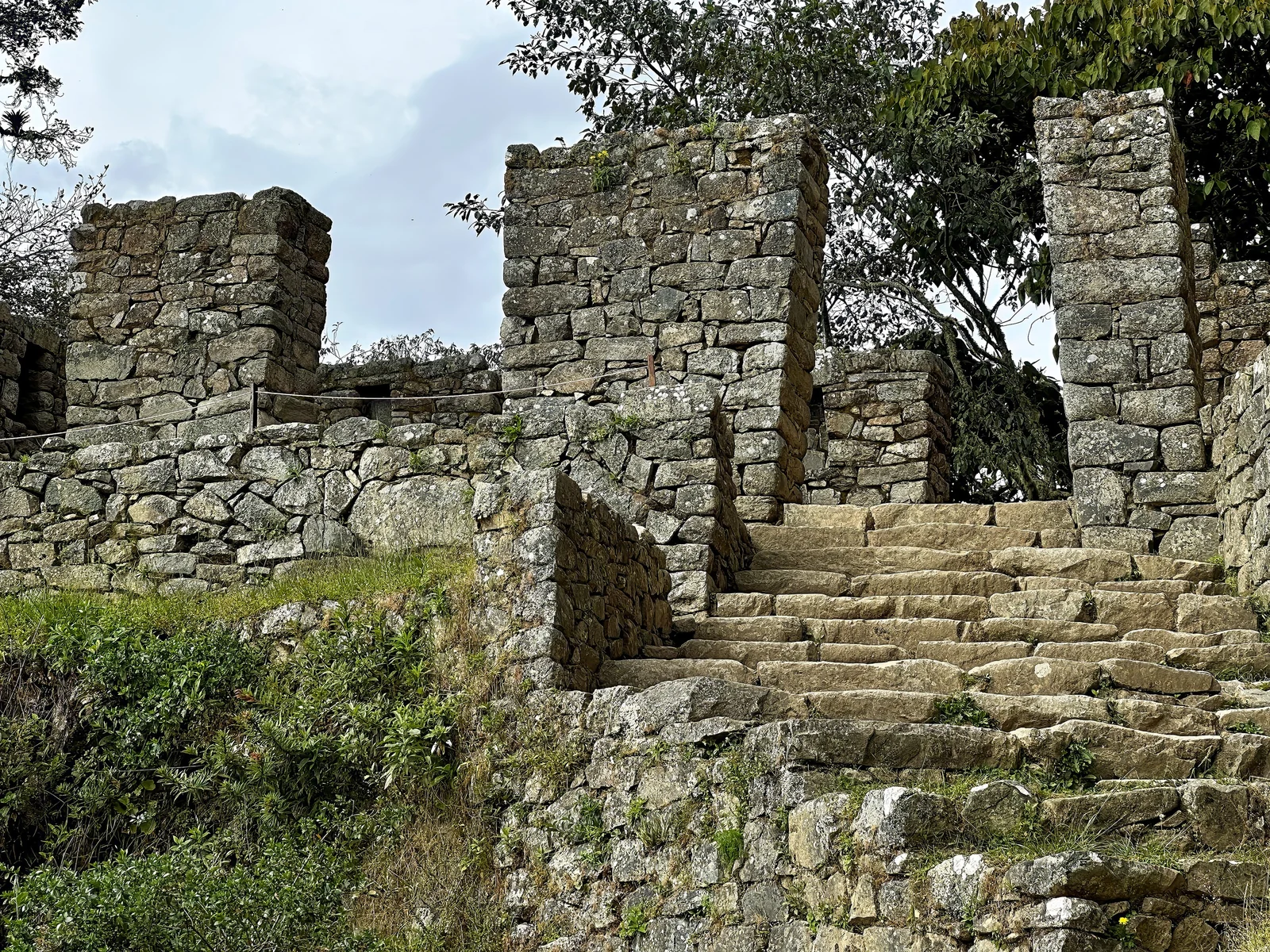
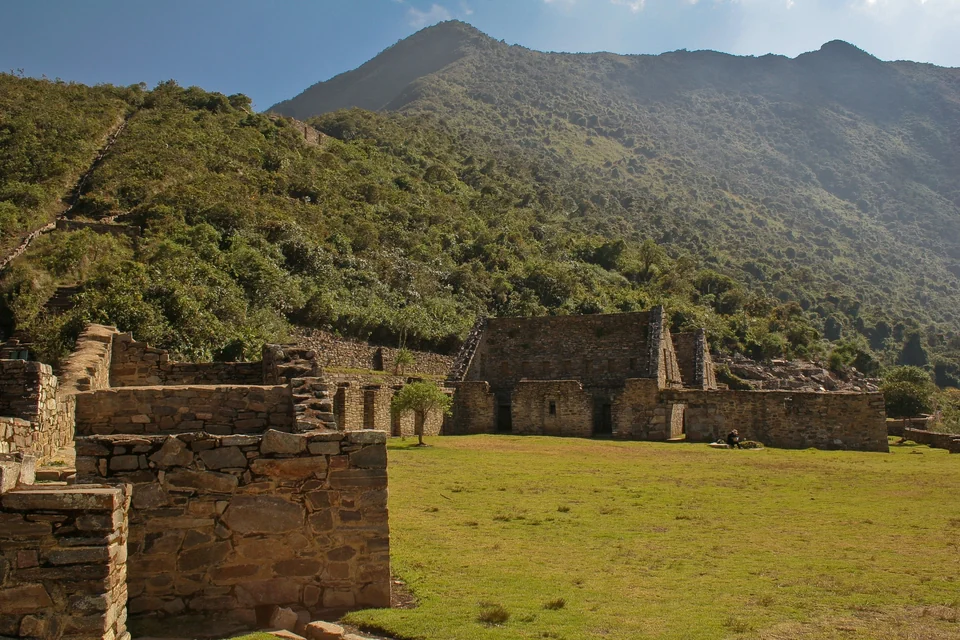
If you want something lighter than Peru's busiest treks, there is a quieter one worth knowing: our guide to the Choquequirao trek covers an Inca site without the crowds.
Huayna Picchu and Machu Picchu Mountain
Two climbs sit on top of the standard visit, and each is its own route on the ticket. Huayna Picchu (about 2,690 meters) is the shorter, steeper scramble up narrow stone stairs, with a sheer drop on the side. Machu Picchu Mountain (roughly 3,000 meters) is longer and higher, with broader steps and wider views. Both are tiring, exposed to weather and unsuitable if you are uneasy with heights.
Tickets for these routes are limited, so reserve them first. Both start from the site itself, which means you enter on your assigned slot like everyone else.
Rules and What to Pack
The official code of conduct is strict, and breaking it can get you expelled without a refund. These items are banned:
- Bags larger than 40 x 35 x 20 cm
- Umbrellas, walking sticks, tripods, monopods and selfie sticks
- Drones or any craft flying over the site
- Food and kitchenware, plus alcohol, smoking and vaping
- Speakers, musical instruments and loud noise
- Strollers, high heels and hard-soled shoes
Pack a small daypack, a refillable bottle for use outside the gate, a light rain jacket, a hat, sunscreen, insect repellent and comfortable shoes with grip. Bring your passport and ticket, and check your train company's luggage limit, which can be stricter than the site's. Leave bulky gear at your hotel in Aguas Calientes.
Responsible Travel at Machu Picchu
The sanctuary protects both ruins and cloud forest, and it takes heavy foot traffic. Stay on the marked paths, never lean on or climb walls, and do not touch carved stones. Carry your trash out, keep your voice down and avoid feeding animals. Hire a licensed local guide if you can, because they explain what you would otherwise walk past. For the story behind the stones, read our history of Machu Picchu.
If you have more time in the region, browse our South America guides for other Andean trips.
Machu Picchu FAQ
Do I need to book Machu Picchu tickets in advance?
Yes. Entry is limited by date, time slot and route, and popular dates and mountain routes sell out. Buy through the official government ticket platform before you book non-refundable trains or hotels.
How many days do I need for Machu Picchu?
Three days from Cusco is the minimum, and four or five is better. That gives you a night to adjust to altitude, a day in the Sacred Valley and a calmer visit to the ruins.
What is the best way to get to Machu Picchu?
Most travelers take the train from Ollantaytambo or Cusco to Aguas Calientes, then a shuttle bus up to the gate. Trekking in is the alternative, and it needs advance booking with a registered operator.
Which Machu Picchu circuit is best for first-timers?
The classic and royal circuits walk you through the temples, plazas and terraces, which suits most first visits. Choose the panoramic circuit if the elevated view matters more. Check the official map for current routes.
Is altitude a problem at Machu Picchu?
Less than in Cusco. The ruins are about 2,430 meters, while Cusco is around 3,400 meters. Spending a night or two in the Sacred Valley first helps, and so does going easy on the first day.
Can I bring a tripod, drone or large backpack?
No. The official rules ban tripods, monopods, selfie sticks, umbrellas and drones, and limit bags to 40 x 35 x 20 cm. Rules can change, so confirm the latest on the official site.
Is the Inca Trail worth it?
For fit travelers who like trekking, yes. You see Inca ruins and arrive through the Sun Gate. It needs permits booked months ahead, a licensed operator and a good fitness level, and it closes in February.
Where is Machu Picchu and what is it?
Machu Picchu is an Inca citadel in Peru, built on a ridge above the Urubamba River at about 2,430 meters (7,970 feet), roughly 80 kilometers northwest of Cusco. UNESCO inscribed the sanctuary in 1983. Its terraces, temples and plazas make it Peru's best-known ancient site.
What is the best time to visit Machu Picchu?
The dry season, roughly May to August, brings clearer mornings but bigger crowds. The wet season, with January to March the wettest, means green slopes, mist and fewer people. Tickets for the dry months sell out first, so reserve early whichever season you choose.
Can you visit Machu Picchu as a day trip from Cusco?
It is possible, but it means a very early start, long train rides each way and a tight window on site. Most people find an overnight in Aguas Calientes calmer, since it puts you at the gate before most tour groups and avoids a rushed day.