


The best holiday destination in Australia is the one that matches what you want from the trip and the month you can travel. Australia is almost as large as the continental United States, and it spans tropical, desert and temperate climates, so a place that is perfect in July can be sweltering or rain-soaked in January.
This guide sorts Australia’s best holiday spots by travel style, from beaches and islands to food and wine, wildlife, the outback and family trips, then shows where to go in each season. For a classic first-visit route, see our first-trip bucket list and itinerary instead.
Quick Picks: Where to Holiday in Australia
Use this table to narrow your shortlist, then read the sections below for the details.
| Travel style | Top destinations | Best time |
|---|---|---|
| Beaches and islands | Whitsundays, Byron Bay, Rottnest Island, Broome | May to October in the north; November to April in the south |
| Food and wine | Melbourne, Adelaide and the Barossa, Margaret River, Hobart | March to May (harvest) or spring |
| Wildlife | Kangaroo Island, Phillip Island, Tasmania, Ningaloo Reef | Year-round; March to August for Ningaloo whale sharks |
| Outback and Aboriginal culture | Uluru and the Red Centre, Kakadu, the Kimberley | May to September |
| Hiking and wilderness | Tasmania, Blue Mountains, Flinders Ranges | October to April in Tasmania; cooler months elsewhere |
| Families | Gold Coast, Sunshine Coast, Melbourne and Phillip Island | Spring and autumn school holidays |
Best Beach and Island Holidays in Australia
Australia has thousands of beaches, but the right one depends on the season. In the tropical north, the dry winter months bring warm, calm water; in the south, beaches are at their best in summer.
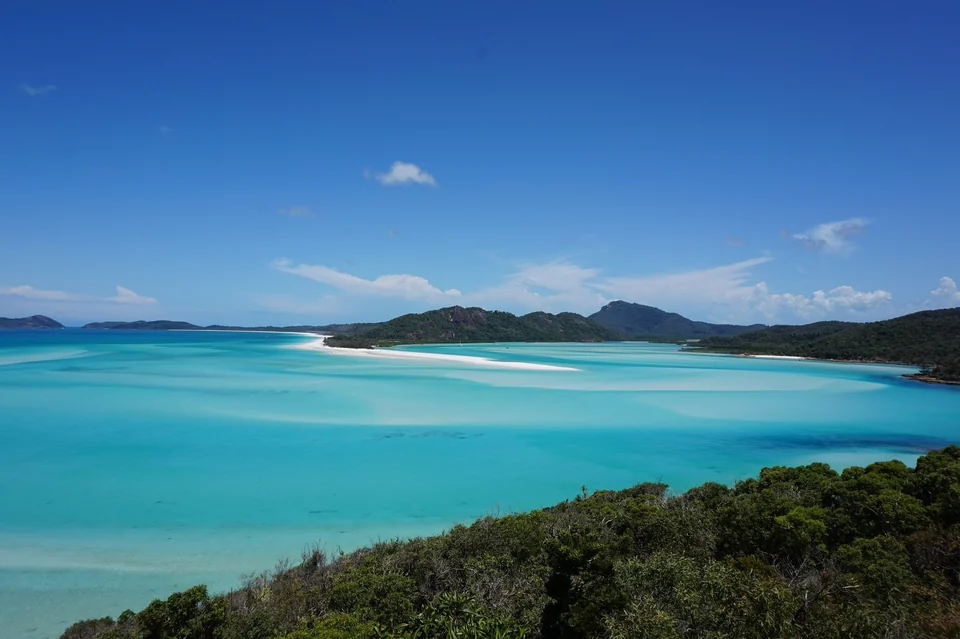
- The Whitsundays, Queensland: 74 islands, sailing trips and Whitehaven Beach’s silica sand. Our guide to Queensland beyond the Gold Coast covers the islands, the reef and K’gari.
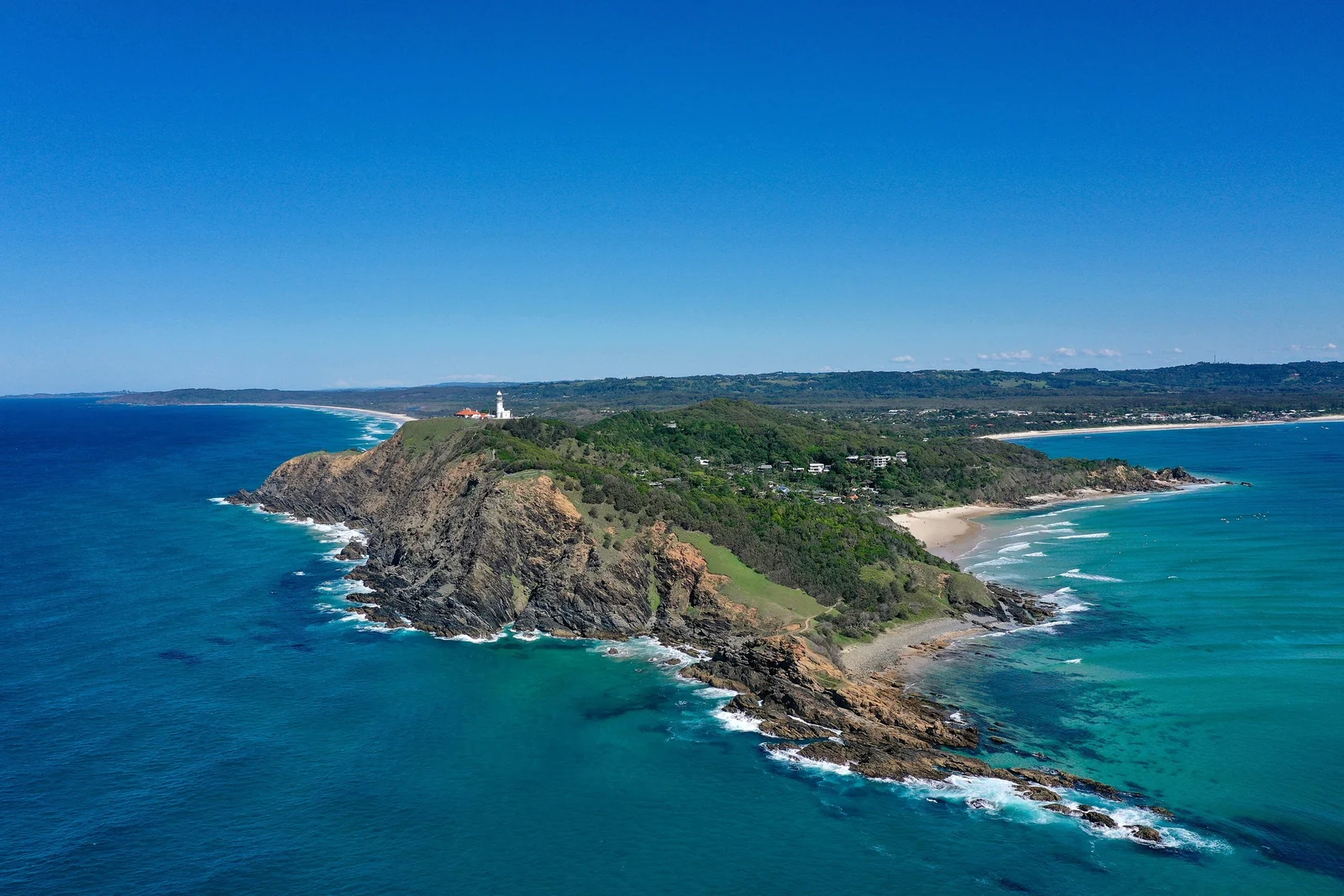
- Byron Bay, New South Wales: surf beaches, a lighthouse walk at Cape Byron, the easternmost point of mainland Australia, and a green hinterland of small towns and markets.
- Rottnest Island, Western Australia: a car-free island off Perth with clear bays and quokkas; pair it with our Perth guide.
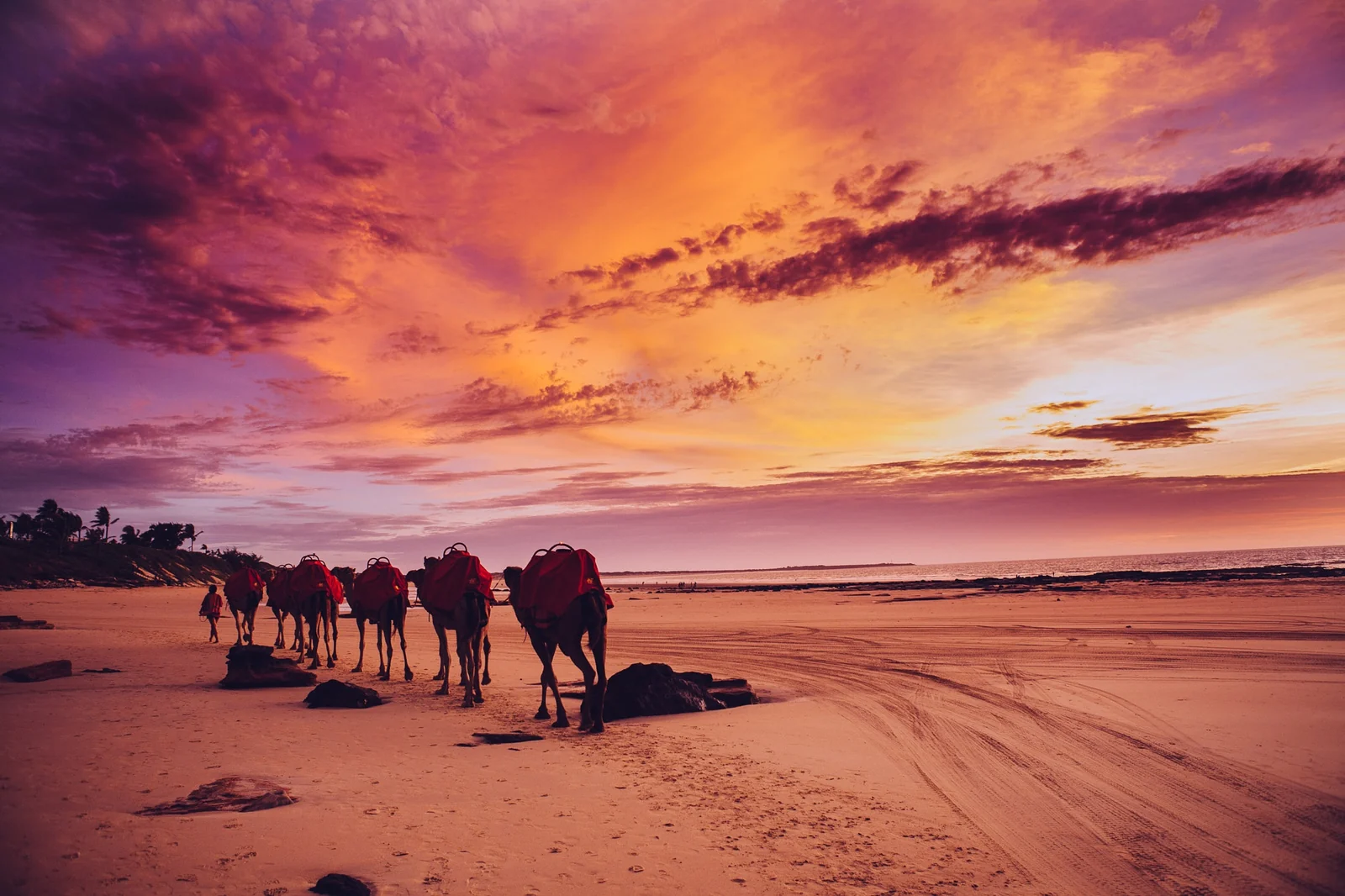
- Broome, Western Australia: Cable Beach, sunset camel rides and warm, dry winter weather when the south is cold.
Wherever you swim, choose patrolled beaches and stay between the red and yellow flags. In the tropics, marine stingers are most common in the warmer months, and some beaches carry crocodile warnings.
Best Destinations for Food and Wine
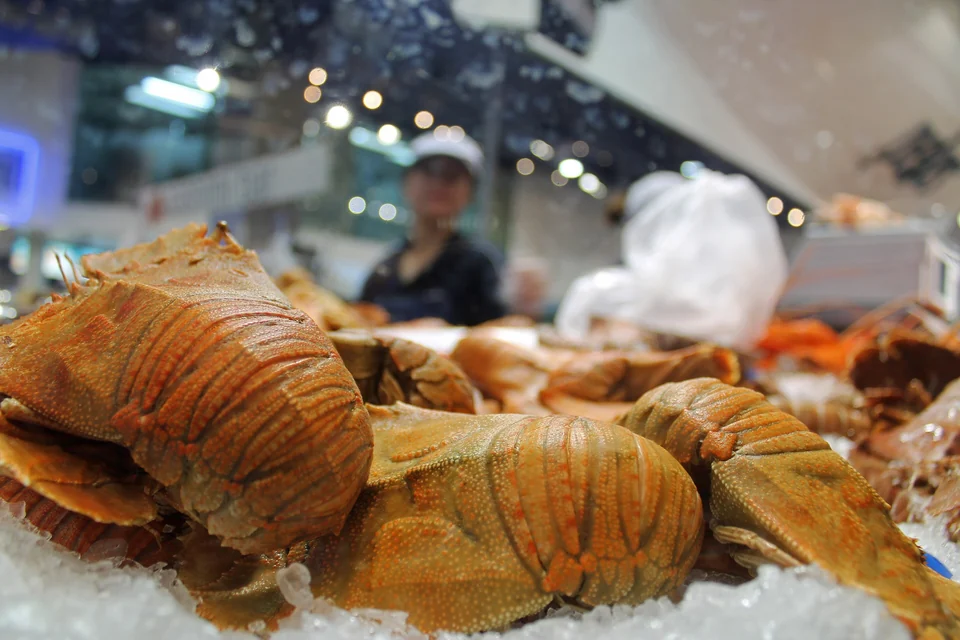
If you travel to eat and drink well, Australia’s south is hard to beat. Melbourne has a strong café, laneway bar and multicultural dining scene. Adelaide sits within easy reach of several wine regions, including the Barossa Valley, about an hour’s drive away; our Adelaide guide covers the city and its surroundings.
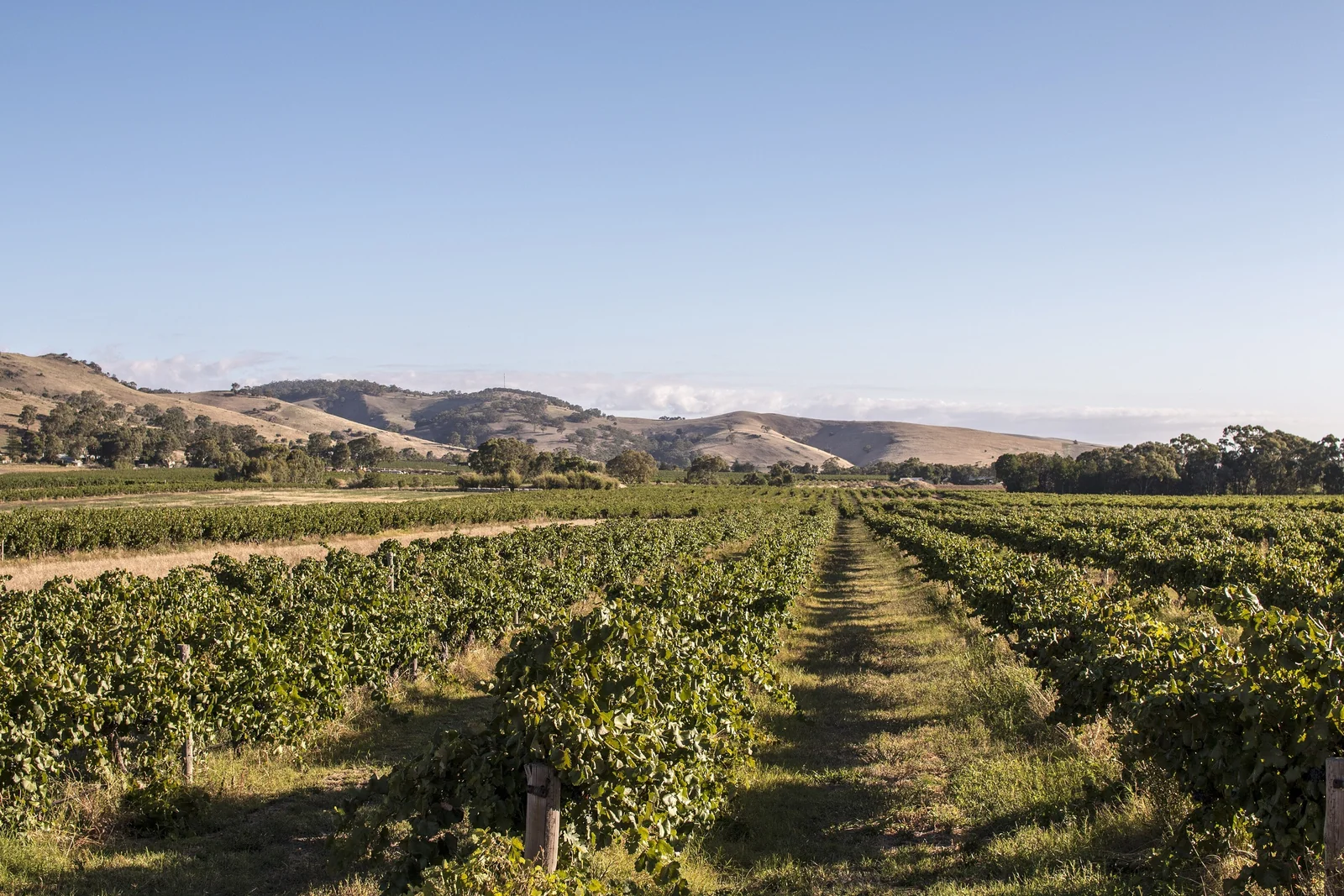
In Western Australia, the Margaret River region, about three hours’ drive south of Perth, combines wineries with surf beaches and forest. Tasmania rounds out the list with cool-climate wines, seafood and a relaxed capital in Hobart. Autumn, from March to May, is harvest season in most southern wine regions and a lovely time for a food-focused trip.
Best Places for Wildlife and Nature
Many visitors come to Australia hoping to see kangaroos, koalas and marine life in the wild. These destinations give you the best odds without joining a specialist tour.
Kangaroo Island, South Australia
A ferry ride from Cape Jervis, south of Adelaide, Kangaroo Island has sea lions, kangaroos, echidnas and dramatic coastal rock formations. Plan at least two nights; the island is larger than many visitors expect.
Phillip Island, Victoria
About two hours from Melbourne, Phillip Island is home to the world’s largest colony of little penguins. The Penguin Parade runs at dusk every night of the year, when the birds come ashore to their burrows.
Tasmania
Australia’s island state is one of the best places to see wombats, pademelons and, with luck, a Tasmanian devil. National parks such as Cradle Mountain and Freycinet, home to Wineglass Bay, are ideal for short walks and multi-day hikes. You can fly from Melbourne in about 80 minutes or bring your car on the Spirit of Tasmania ferry from Geelong.
Ningaloo Reef, Western Australia
Off Exmouth and Coral Bay, Ningaloo’s fringing reef lies close enough to shore to snorkel from the beach. From roughly March to August, licensed tours take swimmers out to see whale sharks.
Best Outback and Aboriginal Culture Holidays
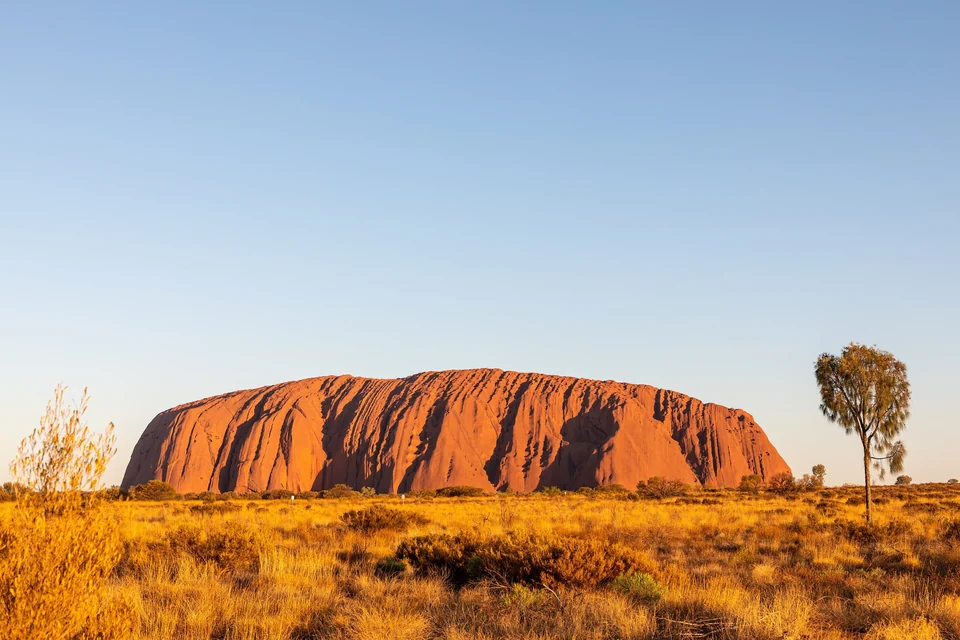
For red earth, huge skies and the chance to learn from Aboriginal guides, head to the Red Centre around Uluru and Alice Springs or to Kakadu in the Top End. Both are best between May and September, when days are warm rather than extreme. The Kimberley in Western Australia, home to the Bungle Bungle Range, is only accessible in the dry season. Our roundup of Australia’s natural wonders goes deeper on each one.
Best Family Holiday Destinations in Australia
Families usually do best with shorter travel days and a mix of beach time and easy attractions. The Gold Coast offers patrolled beaches and theme parks, while the Sunshine Coast is quieter, with Noosa’s calm river and headland walks. Melbourne combines museums and parks with Phillip Island’s penguins, and Perth pairs city beaches with a day trip to Rottnest.
Keep in mind that Australian school holidays fill up flights, beachside accommodation and campsites, especially over the long summer break from late December to late January. Book early if your dates overlap.
Where to Go in Australia by Season
Seasons in Australia are the reverse of the Northern Hemisphere. Tourism Australia describes the south as having four seasons and the tropical north as having two: a wet season from November to April and a dry season from May to October.
| Season | Go to | Think twice about |
|---|---|---|
| Summer (December to February) | Tasmania, Melbourne, the Great Ocean Road, southern beaches | The tropical north (wet season) and the outback (extreme heat) |
| Autumn (March to May) | Wine regions, Sydney, the Red Centre from April, Kangaroo Island | Few places; late autumn is a sweet spot almost everywhere |
| Winter (June to August) | Cairns and the reef, Kakadu, Broome, Uluru, the ski resorts of the Australian Alps | Southern beach holidays; cold, short days in Tasmania |
| Spring (September to November) | Sydney, Western Australia’s wildflower country, the Red Centre until it heats up | The Top End late in the season, when heat and humidity build |
Western Australia’s wildflower season runs from about June to November, moving from the north of the state to the south coast and peaking around September.
How to Combine Destinations
Australia rewards depth over breadth. With one week, pick a single region, such as Melbourne with the Great Ocean Road or Cairns with the reef and the Daintree. With two weeks, combine two regions that suit the same season: in July, for example, Uluru and Cairns pair well, while in January Melbourne and Tasmania do.
Flights between capital cities are usually faster than driving, so plan road trips within a region rather than across the country. Our practical Australia travel guide covers visas, distances, transport and costs.
Australia Holiday Destinations FAQ
What is the most beautiful place to holiday in Australia?
It depends on what you love. The Whitsundays and Whitehaven Beach are hard to beat for beaches, Tasmania’s Freycinet and Cradle Mountain for wild scenery, and Uluru for the outback. Choose the region that suits your season, since several of these are best at opposite times of year.
Where is warm in Australia in July?
The tropical north. Cairns, Port Douglas, the Whitsundays, Darwin, Kakadu and Broome are in their dry season in July, with warm days, blue skies and low humidity. The Red Centre has pleasant days but cold nights, while Sydney, Melbourne and Tasmania are in winter.
Where should I go in Australia in December or January?
Head south. Summer is the best time for Tasmania, Melbourne, the Great Ocean Road, Adelaide and southern beaches. Avoid the Top End and far north unless you want the dramatic wet season, and avoid long outback trips because of extreme heat.
What is the best place in Australia for a family holiday?
The Gold Coast and Sunshine Coast are the easiest, with patrolled beaches and family attractions close together. Melbourne with Phillip Island and Perth with Rottnest Island are good city-based alternatives with plenty of wildlife and short travel times.
Which Australian destinations are best for seeing wildlife?
Kangaroo Island, Phillip Island and Tasmania are excellent for land animals and penguins, while Ningaloo Reef and the Great Barrier Reef are best for marine life. Visit national parks at dawn or dusk, when kangaroos and wallabies are most active.
Is it better to visit one or several regions of Australia?
On a short holiday, one or two regions is better. Distances are large and each flight uses up half a day. Choosing regions that share good weather in your travel month gives you more time exploring and less time in airports.