


Adelaide, the capital of South Australia, is a compact, walkable city ringed by parkland, with beaches to the west, the Adelaide Hills to the east and some of Australia’s best-known wine regions within an hour’s drive. It is easy to explore, less hectic than Sydney or Melbourne and at its liveliest during its famous late-summer festival season.
This Adelaide travel guide covers the city’s cultural boulevard, its food scene, the tram ride to Glenelg, the best day trips and practical advice on when to go and where to stay. If you are planning a wider trip, start with our overview of the best holiday destinations in Australia.
Why Visit Adelaide?
Adelaide stands on the traditional lands of the Kaurna people, who call the area Tarntanya. The colonial city was founded in 1836 and named after Queen Adelaide, the wife of King William IV. Its layout comes from Colonel William Light’s 1837 plan: a grid of streets and squares in the city center and North Adelaide, separated from the suburbs by a continuous belt of open space.
Those Adelaide Park Lands, added to Australia’s National Heritage List in 2008, still shape the city today. You are never far from a lawn, a riverbank or a garden, and most central sights are within walking distance of one another. Add a mild Mediterranean-style climate and easy access to the coast and wine country, and Adelaide makes a relaxed base for several days.
North Terrace: Museums, Galleries and Gardens
Start on North Terrace, the tree-lined boulevard that holds many of South Australia’s major cultural institutions side by side. You can easily spend a full day here, moving between collections and stepping into the gardens when you need a break.
- South Australian Museum: natural history collections and one of the most significant collections of Aboriginal cultural material in Australia.
- Art Gallery of South Australia: Australian, Aboriginal and international art in a historic building next to the museum.
- State Library of South Australia: worth a visit for the Mortlock Wing, a 19th-century reading room with ornate galleries.
- Adelaide Botanic Garden: established in 1855 at the eastern end of the terrace, with glasshouses, ponds and themed gardens.
- Tandanya National Aboriginal Cultural Institute: a short walk away on Grenfell Street, focused on Aboriginal and Torres Strait Islander art and culture.
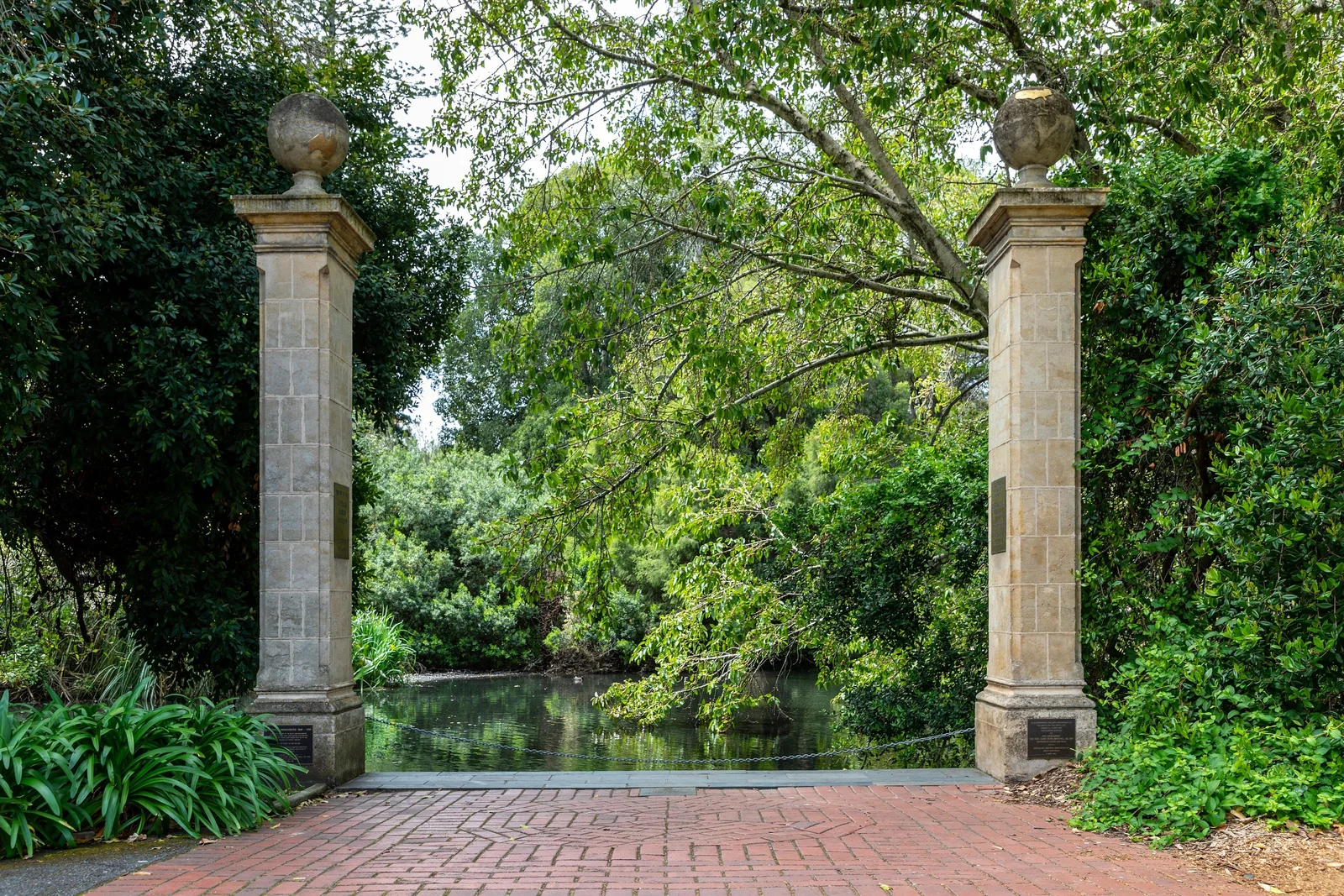
For deeper context on the city’s first people, Tourism Australia’s Adelaide guide highlights the Adelaide Kaurna walking trail, which links 17 significant sites around the city, including gardens, museums and cultural centers.
The Riverbank, Adelaide Oval and the River Torrens
Just north of the city center, the River Torrens (Karrawirra Parri) curves through the parklands. The Riverbank precinct brings together the Adelaide Festival Centre, Elder Park and a footbridge that leads across the water to Adelaide Oval, the city’s main cricket and Australian football stadium.
Even if you are not attending a match, the stadium runs tours and a roof climb, and the riverside paths are pleasant for walking or cycling at any time of day. From here it is an easy stroll across the river into North Adelaide, with its historic stone houses, pubs and cafes around O’Connell and Melbourne streets.
Adelaide Food: The Central Market and Beyond
Food is one of the best reasons to visit. The Adelaide Central Market, trading since 1869, is packed with stalls selling South Australian produce, cheese, bread, seafood and small goods, along with cafes and snack counters. It sits beside Chinatown on Gouger Street, so you can move easily from market grazing to dumplings or noodles.
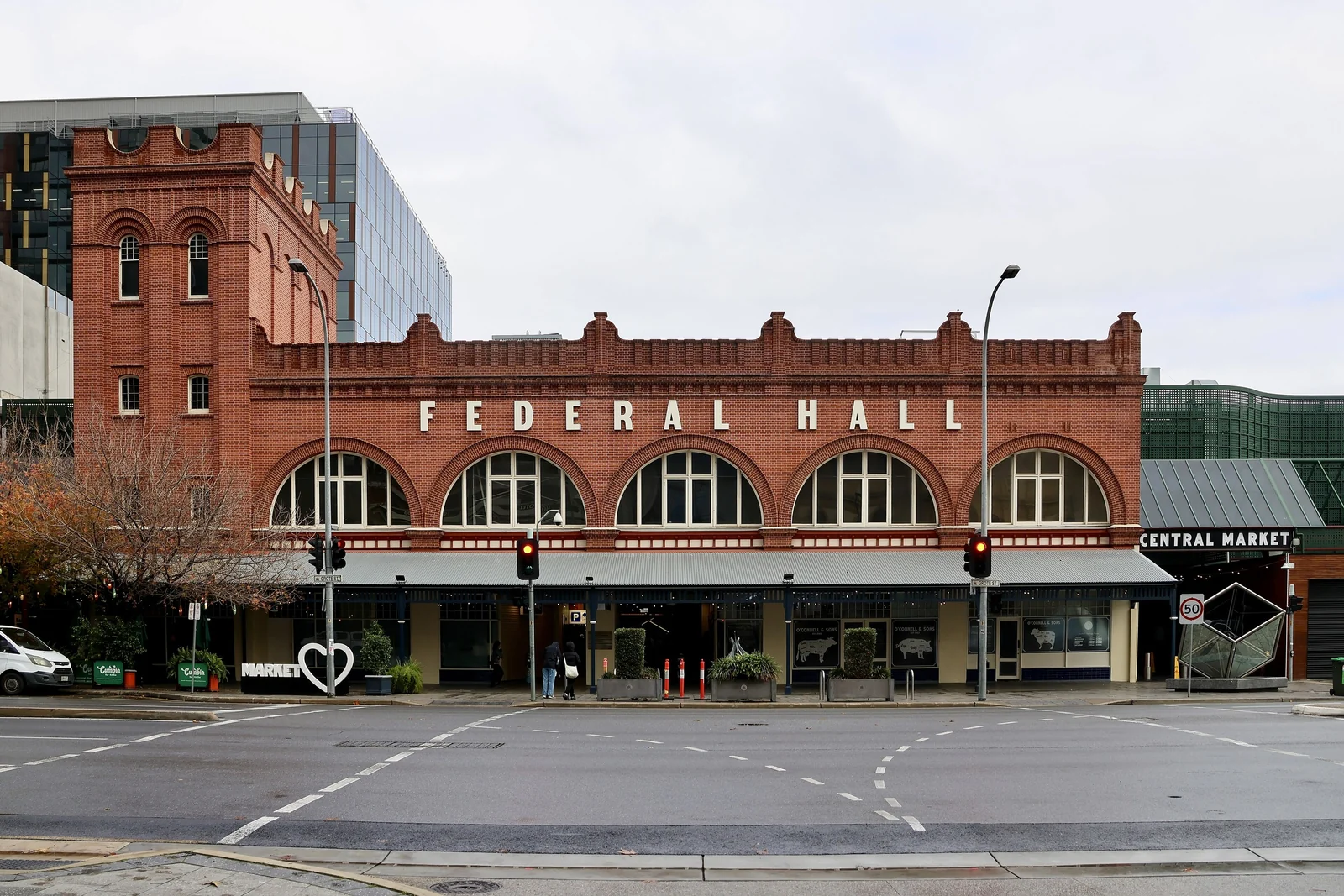
Beyond the market, the East End around Rundle Street and the laneways off Peel Street and Leigh Street are good areas for evening dining and small bars. Check market trading days before you go, as it is not open every day of the week. For a wider look at eating out across the country, see our guide to where to eat well in Australia.
Glenelg and Adelaide’s Beaches
Adelaide’s coastline runs along Gulf St Vincent, a long line of sandy beaches only a short trip from the city. The classic outing is the tram to Glenelg. The line first opened in 1873, and today’s trams run from the city center straight down to Moseley Square by the beach. Travel within the city center section is free.
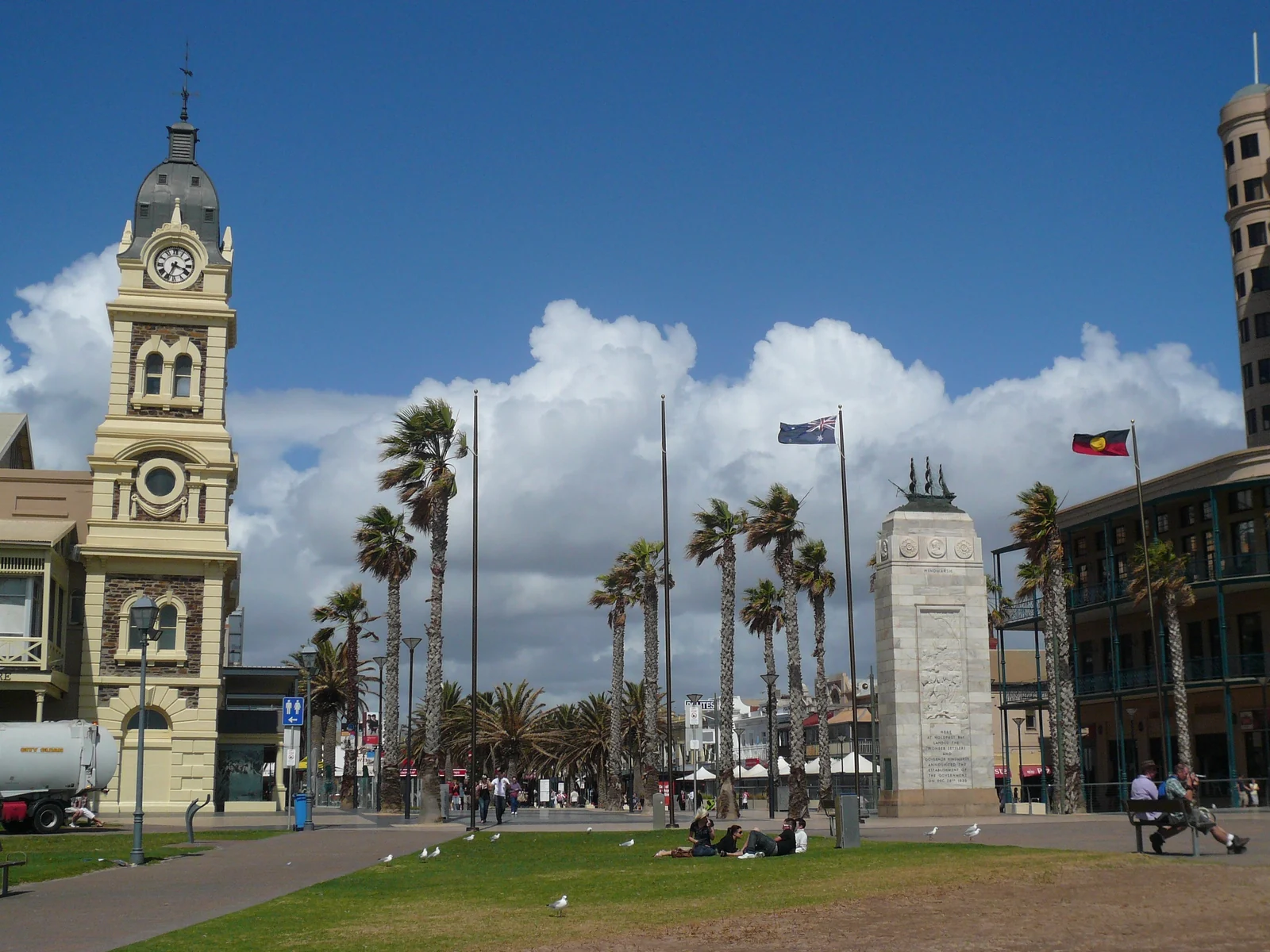
Glenelg is also where the Province of South Australia was proclaimed in December 1836, an event remembered at the Old Gum Tree reserve. Walk the jetty, swim between the flags in summer and have dinner on Jetty Road. If you prefer something quieter, the coast north and south of Glenelg has calmer suburban beaches such as Henley Beach and Brighton.
The Adelaide Hills, Hahndorf and Wildlife
The Adelaide Hills rise just east of the city and feel a world away, with eucalyptus forest, orchards and cool-climate vineyards. Most visitors head to Hahndorf, about 28 kilometers from Adelaide. It was founded by Prussian Lutheran settlers in 1839 and is regarded as Australia’s oldest surviving German settlement, with stone buildings lining its main street.
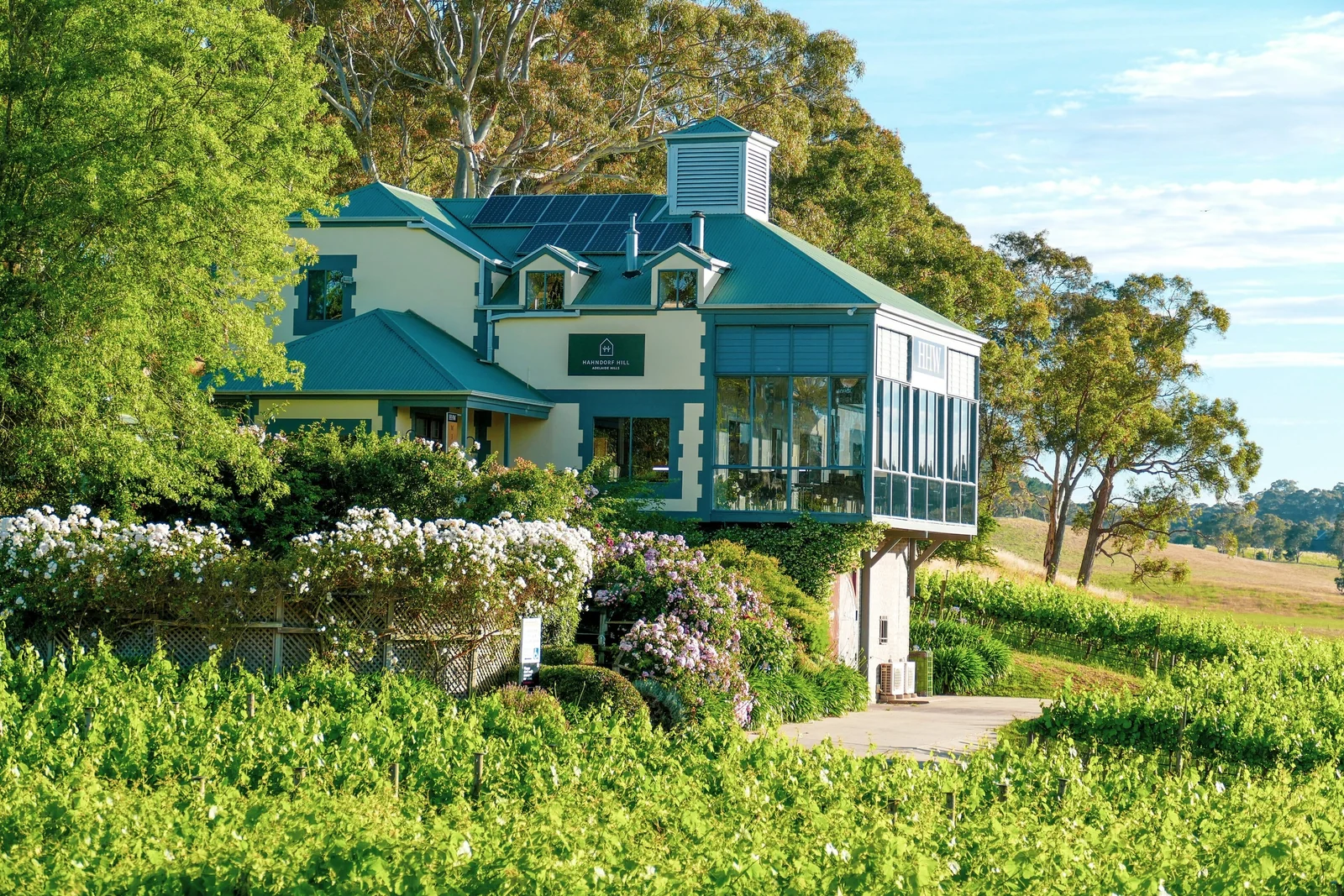
On the way, stop at the Mount Lofty Summit lookout for wide views over the city and the gulf, and at Cleland Wildlife Park in Cleland Conservation Park, where you can see kangaroos, koalas and other native animals. Walking trails connect the summit with the surrounding bushland if you want a longer outing.
Best Day Trips from Adelaide
Adelaide is the gateway to South Australia’s wine regions and wild landscapes. A car or an organized tour makes most of these trips easier, and designated drivers are strongly recommended on winery days.
| Destination | Direction and travel | Best for |
|---|---|---|
| Barossa Valley | Around an hour’s drive north-east | Shiraz, cellar doors, historic villages |
| McLaren Vale | Less than an hour south | Wineries close to the coast and beaches |
| Adelaide Hills and Hahndorf | About 25 to 30 minutes east | German heritage, cool-climate wine, lookouts |
| Clare Valley | Around two hours north | Riesling and the Riesling Trail cycle path |
| Kangaroo Island | Ferry from Cape Jervis or a short flight | Wildlife and coastal scenery; better as an overnight trip |
Kangaroo Island is technically possible in a single long day on a tour, but it rewards at least one night. The official South Australia tourism site lists current tours, transport options and seasonal events for each region.
Adelaide Festivals and Events
Adelaide calls itself Australia’s festival city, and late summer is the reason. The busiest stretch, known locally as “Mad March,” brings several big events into a few weeks, so book accommodation early if you plan to visit then.
- Adelaide Fringe (February to March): a huge open-access arts festival with comedy, cabaret, circus and music in venues across the city.
- Adelaide Festival (March): the curated international arts festival of theater, dance, music and literature.
- WOMADelaide (March): a multi-day world music and dance festival held in Botanic Park.
- Tour Down Under (January): an international road cycling race based in and around Adelaide.
- Adelaide 500: a Supercars motor race on a street circuit through the eastern parklands; check the current year’s dates.
When to Visit Adelaide and Where to Stay
Best time to visit
Spring (September to November) and autumn (March to May) are the most comfortable seasons, with mild days and little rain; they are also the busiest. Summer (December to February) is hot and dry and suits beach days and festivals, though heatwaves happen. Winter (June to August) is cooler and wetter but quieter, and a good time for museums and long lunches in wine country.
Where to stay
- City center: the most practical base, close to North Terrace, the market, trams and restaurants.
- North Adelaide: quieter streets, heritage architecture and an easy walk to Adelaide Oval.
- Glenelg: ideal if you want a beach holiday, with the tram for trips into the city.
- Adelaide Hills or the Barossa: better for a slower stay focused on food and wine; you will need a car.
Getting there and around
Adelaide Airport is only about 7 kilometers from the city center. Once there, the center is walkable, and trams, buses and trains cover the suburbs and the coast. Hire a car for the Hills and wine regions if you are not joining a tour. Adelaide combines well with other cities: compare it with our guides to Perth and Sydney and Melbourne.
Adelaide Travel FAQ
How many days do you need in Adelaide?
Three to four days is a good start: one or two days for the city, North Terrace and the Central Market, half a day in Glenelg and at least one day trip to the Adelaide Hills or the Barossa Valley. Add two or three more days if you want to visit Kangaroo Island.
Is Adelaide worth visiting?
Yes, especially if you enjoy food, wine and culture at a relaxed pace. Adelaide is compact and easy to get around, has major museums and galleries in one street, and puts beaches, hills and famous wine regions within an hour of the center.
What is the best month to visit Adelaide?
March is the liveliest month because of the Fringe, the Adelaide Festival and WOMADelaide, but it is also busy and expensive. For pleasant weather with fewer crowds, aim for spring (September to November) or late autumn (April to May).
How do you get from Adelaide to Glenelg?
Take the tram from the city center, which runs directly to Moseley Square beside Glenelg beach. The line first opened in 1873 and is the easiest way to reach the coast without a car. Rides within the city center section are free.
Can you visit the Barossa Valley without a car?
Yes. Many day tours run from Adelaide to the Barossa, which is roughly an hour’s drive north-east of the city. A tour also removes the need for a designated driver, which is useful if you plan to taste at several cellar doors.
Why is Adelaide called the festival city?
Adelaide hosts a dense program of arts and sports events, especially in February and March, when the Adelaide Fringe, the Adelaide Festival and WOMADelaide overlap. The Tour Down Under cycling race in January and other events fill the rest of the calendar.