


Sydney is Australia’s largest city and its most famous gateway, spread around one of the world’s great natural harbors. The Opera House and Harbour Bridge make its skyline instantly recognizable, but the city’s ocean beaches, ferry rides, food neighborhoods and nearby national parks are what make a visit memorable.
This Sydney travel guide covers the landmarks worth your time, the best beaches and coastal walks, where to eat, the classic Blue Mountains day trip and practical advice on when to visit and where to stay. Central Sydney is on the land of the Gadigal people of the Eora Nation, whose name for the Sydney Cove area is Warrane.
The Sydney Opera House and Harbour Bridge
Sydney Opera House
Danish architect Jørn Utzon won the international design competition for the Opera House in 1957. Construction was long and difficult: Utzon left the project in 1966 after disputes over cost and design, and the building opened in 1973. In 2007 it was inscribed on the UNESCO World Heritage List as a masterpiece of 20th-century architecture.
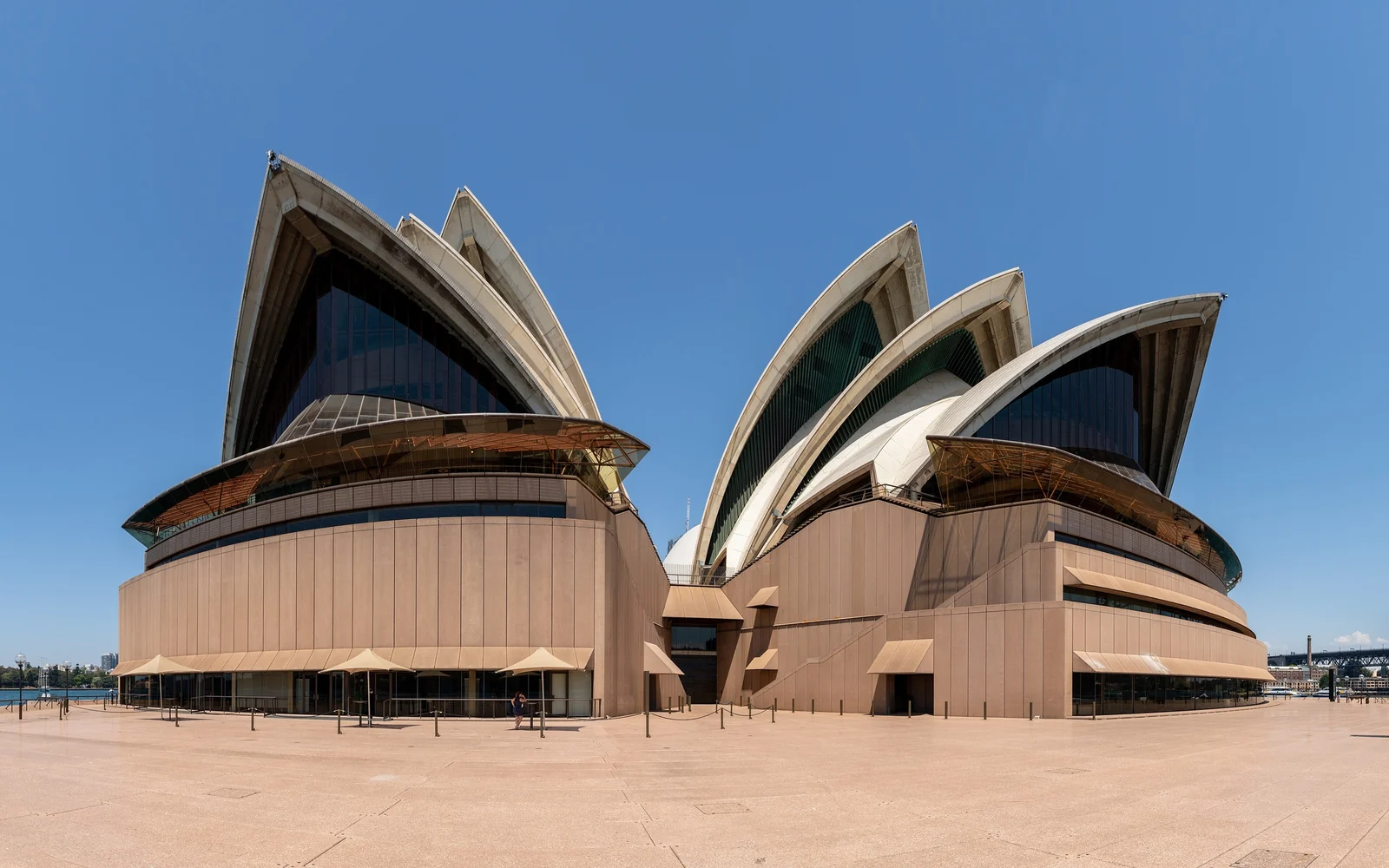
You can admire it for free from the forecourt and the harbor walk, but the best way to experience it is to see a performance or join a guided tour of the interior. Both sell out at busy times, so book ahead.
Sydney Harbour Bridge
Nicknamed “the Coat Hanger,” the Sydney Harbour Bridge opened on March 19, 1932, after more than eight years of construction. Its summit is 134 meters above sea level. You can walk across it for free on the eastern footpath, visit the Pylon Lookout, or join a guided BridgeClimb, which follows the arch up 1,332 steps to the top for views over the whole harbor.
Circular Quay, The Rocks and the Harbour Foreshore
Most first days start at Circular Quay, the ferry hub between the two icons. From here you can walk in every direction along the water:
- The Rocks: the site of the first European settlement in 1788, with sandstone lanes, historic pubs and weekend markets.
- Museum of Contemporary Art Australia: on the western side of the quay, with Australian and international contemporary art.
- Royal Botanic Garden Sydney: founded in 1816, it wraps around Farm Cove to Mrs Macquarie’s Chair, the classic viewpoint for photos of the Opera House and bridge together.
- Art Gallery of New South Wales: on the edge of the Domain, with a newer building added in 2022 and a strong collection of Aboriginal and Torres Strait Islander art.
- Barangaroo Reserve: a reshaped sandstone headland park on the western harbor, good for sunset walks.
Sydney Beaches and Coastal Walks
Sydney’s ocean coastline is just as much part of its identity as its architecture. Bondi Beach is the famous one, a sweeping curve of sand with a lively promenade and the Bondi Icebergs ocean pool at its southern end.
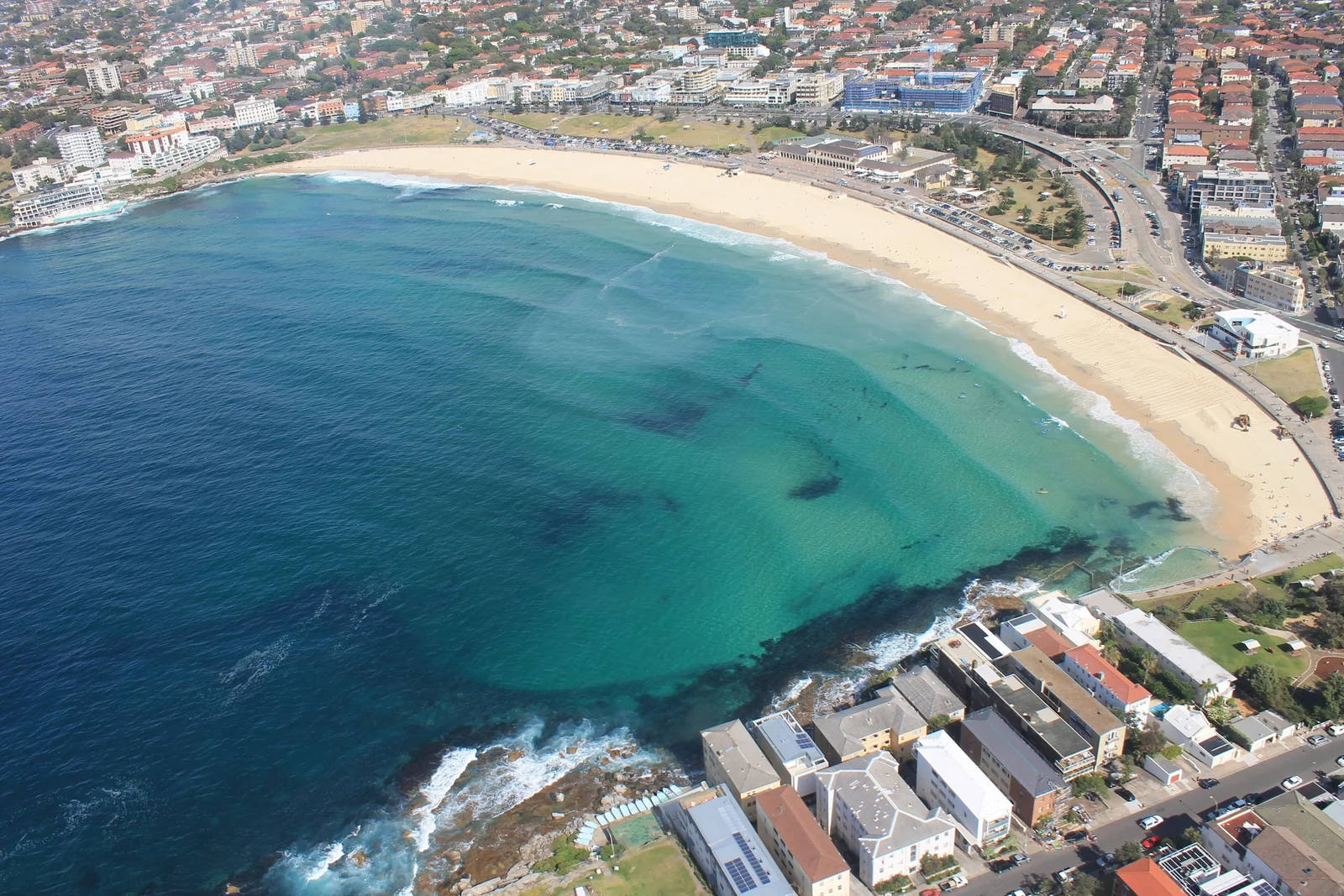
From Bondi, the Bondi to Coogee Coastal Walk follows the clifftops for about 6 kilometers one way, taking two to three hours with stops. According to Destination NSW, it passes Tamarama, Bronte and Clovelly before reaching Coogee, with ocean pools and small bays along the way. There are some steep stairs, so wear good shoes.
Always swim between the red-and-yellow flags where lifesavers patrol. Sydney’s surf beaches can have strong rips, and ocean pools are a safer option when the sea is rough.
Sydney Ferries: Manly, Taronga Zoo and Watsons Bay
The public ferries from Circular Quay are some of the best-value sightseeing in the city. Pay with an Opal card or a contactless bank card or phone, and sit outside for the views.
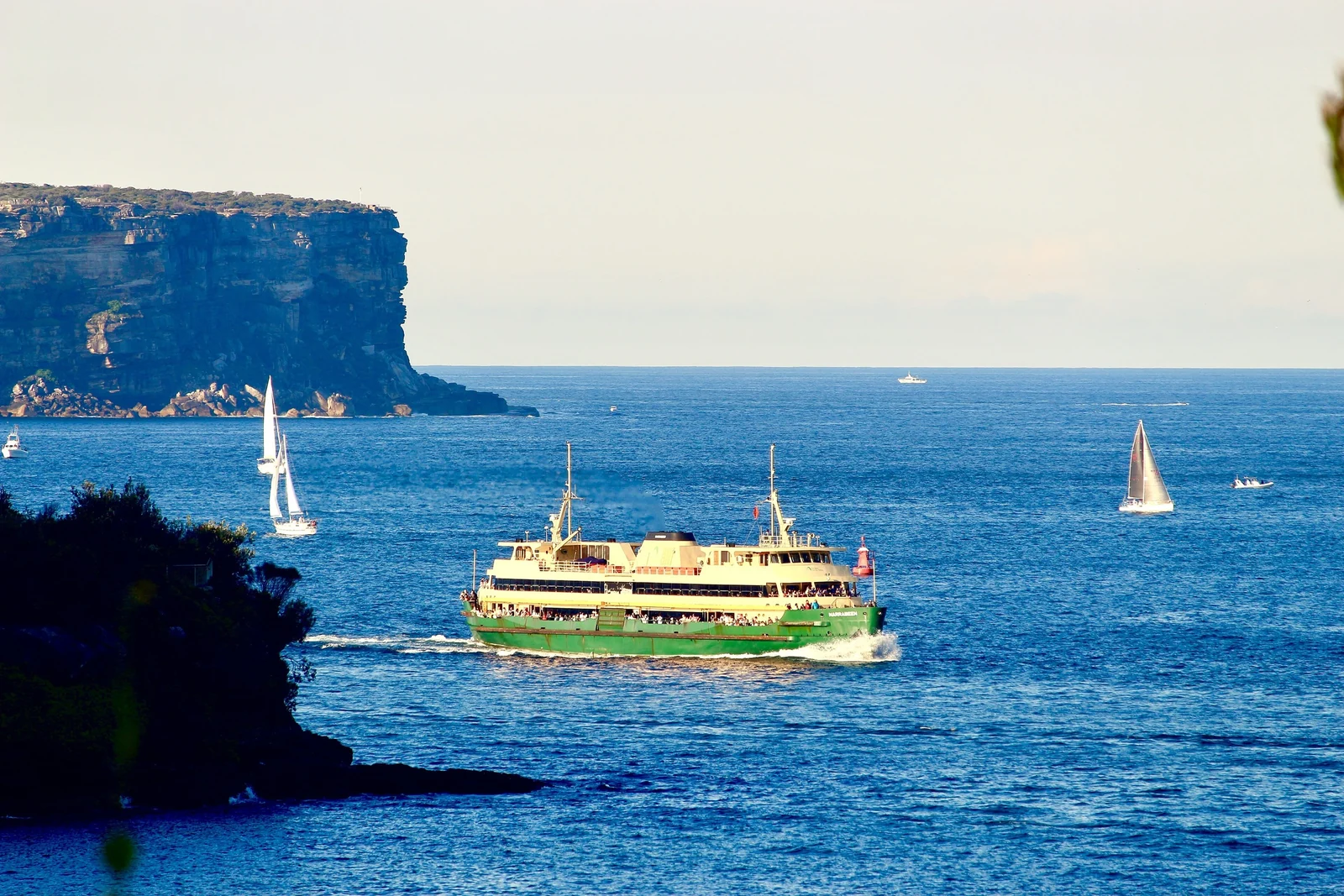
- Manly: the classic ferry trip across the harbor to a relaxed beach suburb, with an ocean beach, a harbor beach and walks toward North Head.
- Taronga Zoo: a short ferry ride from Circular Quay to a hillside zoo with harbor views and Australian wildlife.
- Watsons Bay: a harborside village near South Head, with a short clifftop walk to the lighthouse at Hornby.
- Parramatta River: a longer ride west past waterfront suburbs, useful if you want to see a different side of the city.
Food, Neighborhoods and Nightlife
Sydney’s food scene reflects its multicultural population. Haymarket and Chinatown offer good-value Chinese, Thai and other Asian food close to Central Station. Surry Hills and Darlinghurst are known for cafes, wine bars and restaurants, while Newtown mixes independent shops, live music and cheap eats along King Street.
Further out, suburbs such as Cabramatta, Harris Park and Marrickville are known for Vietnamese, Indian and Greek food. Seafood is a Sydney specialty, and the city’s fish market is the place to see the local catch. For a broader view, see our guide to eating well across Australia.
Day Trip to the Blue Mountains
The Blue Mountains, part of the Greater Blue Mountains World Heritage Area, are the best-known day trip from Sydney. Trains from Central Station reach Katoomba in about two hours, or a little less on faster services, so you can visit without a car.

From Katoomba, head to Echo Point for the view of the Three Sisters, then follow clifftop and valley walking tracks or visit nearby Leura and Wentworth Falls. Go early to beat the crowds and the midday haze. Other good day trips include the Royal National Park south of the city and the Hunter Valley wine region to the north. The Greater Blue Mountains are one of the ten icons in our guide to Australia’s natural wonders.
When to Visit Sydney and Where to Stay
| Season | What to expect | Highlights |
|---|---|---|
| Spring (September to November) | Mild, sunny and comfortable | Coastal walks, outdoor dining |
| Summer (December to February) | Hot and humid, busiest beach season | Beaches, New Year’s Eve fireworks |
| Autumn (March to May) | Warm days, calmer crowds | Swimming weather lasts into April |
| Winter (June to August) | Cool, often sunny days | Vivid Sydney light festival (usually late May to June), whale watching |
New Year’s Eve on the harbor draws huge crowds, with an early family fireworks show at 9 pm and the main display at midnight. Book accommodation well ahead if you plan to be there.
- The Rocks and Circular Quay: walkable to the icons and ferries; the most scenic base.
- City center and Darling Harbour: central for transport, shopping and attractions.
- Surry Hills and Darlinghurst: best for food and nightlife.
- Bondi, Coogee or Manly: for a beach-first trip, with ferries or buses into the city.
- Getting in: Sydney Airport is about 9 kilometers from the city, with a direct train link.
Still choosing between cities? Read our Sydney vs Melbourne comparison, or continue north with our Brisbane guide. For more ideas across the country, see the best holiday destinations in Australia.
Sydney Travel FAQ
How many days do you need in Sydney?
Four to five days is ideal for a first visit: two days for the harbor, the Opera House, The Rocks and ferries, one for Bondi and the coastal walk, one for Manly or Taronga Zoo, and one for a Blue Mountains day trip. Three days covers the main icons if you are short on time.
Who designed the Sydney Opera House?
Danish architect Jørn Utzon won the international design competition in 1957. He left the project in 1966, and the building was completed by Australian architects and opened in 1973. It became a UNESCO World Heritage Site in 2007.
Can you walk across the Sydney Harbour Bridge?
Yes. A free footpath runs along the eastern side of the bridge between The Rocks and Milsons Point, with great views of the Opera House. For a higher view, you can visit the Pylon Lookout or book a guided BridgeClimb to the summit of the arch.
How long is the Bondi to Coogee walk?
The walk is about 6 kilometers one way and takes two to three hours with stops. It passes Tamarama, Bronte and Clovelly beaches and several ocean pools. Some sections have steep stairs and it is not suitable for wheelchairs or strollers.
Can you visit the Blue Mountains from Sydney without a car?
Yes. Trains run from Central Station to Katoomba, which takes about two hours, or around 90 minutes on faster services. From Katoomba station, local buses and walking tracks connect to Echo Point and the Three Sisters lookout.
What is the best time of year to visit Sydney?
Spring (September to November) and autumn (March to May) offer comfortable temperatures and fewer crowds than summer. Summer is best for beaches and New Year’s Eve, while winter is mild and brings Vivid Sydney and the humpback whale migration along the coast.