


Most first-time visitors meet Queensland through the theme parks and high-rises of the Gold Coast. Drive or fly north and the state changes completely: coral cays on the Great Barrier Reef, the ancient Daintree Rainforest, the world’s largest sand island at K’gari and the white silica beaches of the Whitsundays.
This guide covers Queensland beyond the Gold Coast: the big natural icons and how to reach them, the quieter places that most itineraries skip, and when to go so the weather works for you. If you are still deciding which part of Australia to visit, start with our best holiday destinations in Australia by travel style.
Why Look Beyond the Gold Coast?
Queensland is Australia’s second-largest state and stretches from the subtropical southeast to the tip of Cape York. Along that coast sit two World Heritage areas that meet nowhere else on Earth: the Great Barrier Reef and the Wet Tropics rainforest. Inland, the outback holds dinosaur fossils, cattle stations and some of the country’s most important aviation history.
The capital, Brisbane, is the natural gateway to the southern half of the state; our Brisbane guide covers the city itself. The regions below are where Queensland feels wildest and most distinctive.
The Great Barrier Reef: Cairns, Port Douglas and the Southern Islands
The Great Barrier Reef runs for roughly 2,300 kilometers along the Queensland coast and is made up of around 2,900 individual reefs and some 900 islands. It has been on the UNESCO World Heritage List since 1981. You do not see it all from one place, so where you base yourself shapes the trip.
Cairns and Port Douglas
Cairns has the largest choice of reef day trips, from pontoon visits with glass-bottom boats to liveaboard dive trips on the outer reef. Port Douglas, about an hour’s drive north, is smaller and quieter, with boats to the Low Isles and the Agincourt ribbon reefs. Both towns also put the Daintree within easy reach.
Lady Elliot and Heron Islands
At the southern end of the reef, small coral cays such as Lady Elliot Island and Heron Island let you snorkel straight off the beach. They are a good choice if you prefer island stays to long boat trips, and they sit in a milder climate than the far north.
Choose an operator certified for eco-tourism and follow the rules of the Great Barrier Reef Marine Park Authority, which manages the marine park. Reef-safe habits are simple: never stand on coral, do not touch or feed marine life and use a mooring rather than an anchor if you are sailing yourself.
The Daintree Rainforest and Cape Tribulation
North of Port Douglas, the Daintree is part of the Wet Tropics of Queensland World Heritage Area, listed in 1988. Its lowland rainforest is often described as around 180 million years old, and it shelters rare plants and animals such as the southern cassowary. In 2021 Daintree National Park was formally returned to its Traditional Owners, the Eastern Kuku Yalanji people, and is now jointly managed with the Queensland Government.
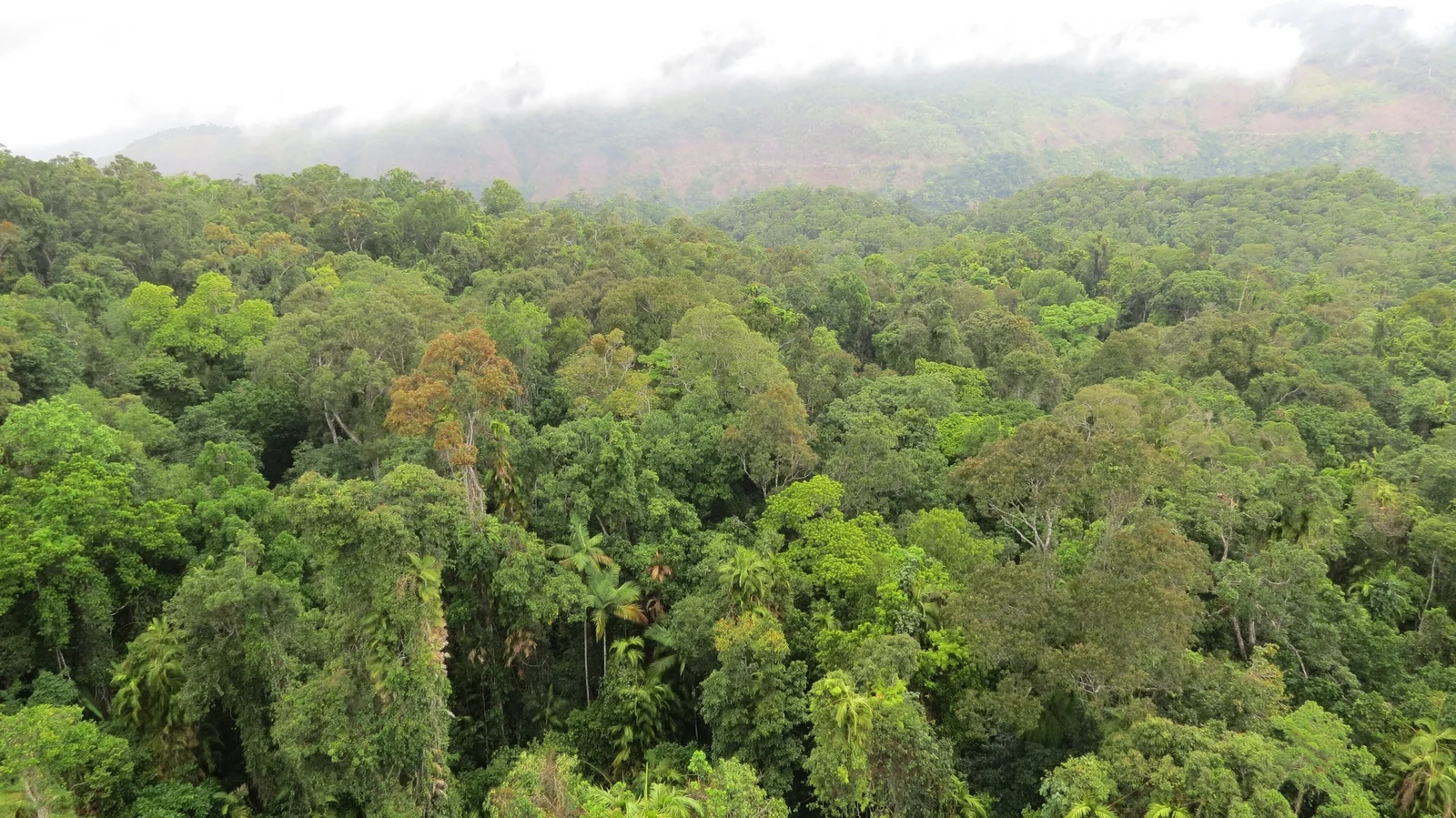
You reach the northern section by crossing the Daintree River on a cable ferry, then follow a winding road to Cape Tribulation, where the rainforest runs right down to the beach and the reef lies just offshore. Boardwalks such as those at Mossman Gorge and along the Cape Tribulation road make the forest accessible without a guide, but an Indigenous-led walk adds a layer of meaning you will not get from signs alone.
- Crocodiles: estuarine crocodiles live in the rivers, creeks and along beaches here. Obey every warning sign and do not swim where you are told not to.
- Cassowaries: give them plenty of space and never feed them.
- Driving: the road north of the ferry is narrow and slow; allow a full day rather than a rushed half-day.
The Whitsunday Islands and Whitehaven Beach
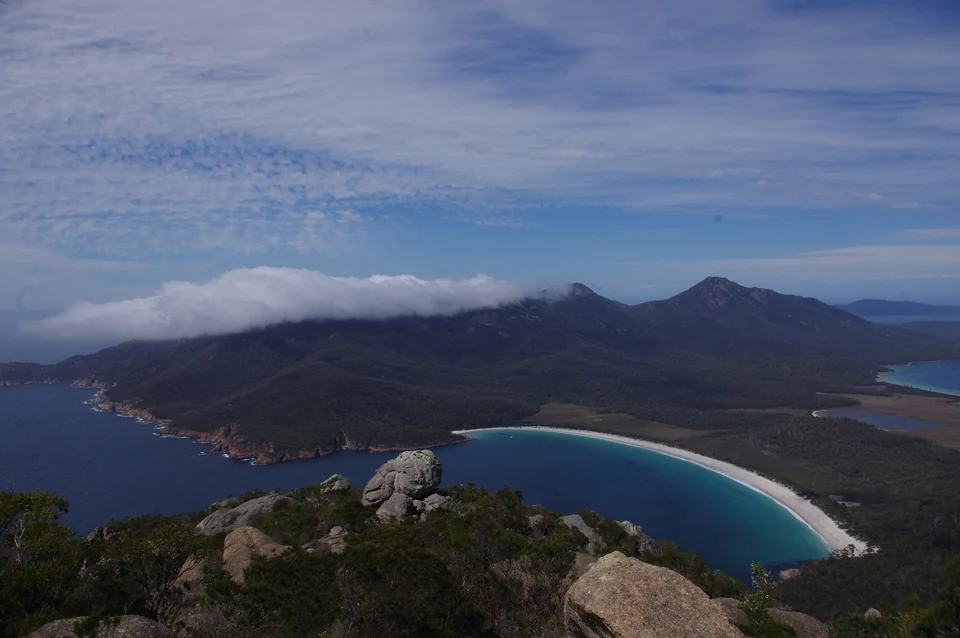
The Whitsundays are a group of 74 islands in the middle of the reef coast, reached from Airlie Beach or via the airport on Hamilton Island. Most of the islands are national park, so the scenery is forested hills and empty bays rather than resorts.
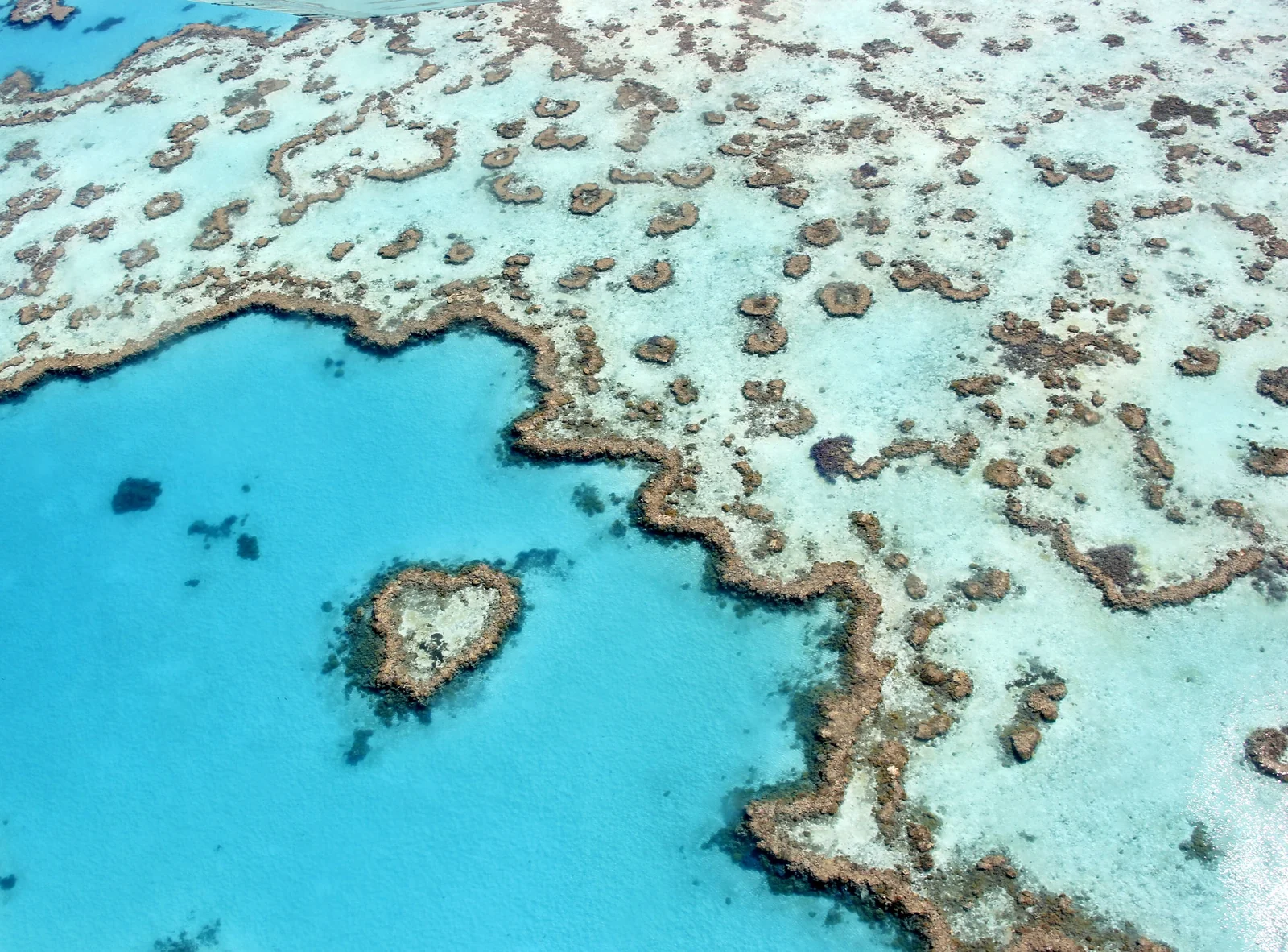
Their star is Whitehaven Beach, a seven-kilometer stretch of almost pure silica sand on Whitsunday Island. At Hill Inlet, at its northern end, tides swirl the white sand and turquoise water into constantly shifting patterns; the lookout above the inlet is the classic view. Day cruises, overnight sailing trips and scenic flights over Heart Reef are the usual ways to see it.
K’gari: The World’s Largest Sand Island
Formerly known as Fraser Island, K’gari officially returned to its Butchulla name in June 2023. The island is about 123 kilometers long, and rainforest somehow grows here on sand. It is part of a World Heritage Area recognized for its dunes, perched freshwater lakes and coastal ecosystems.
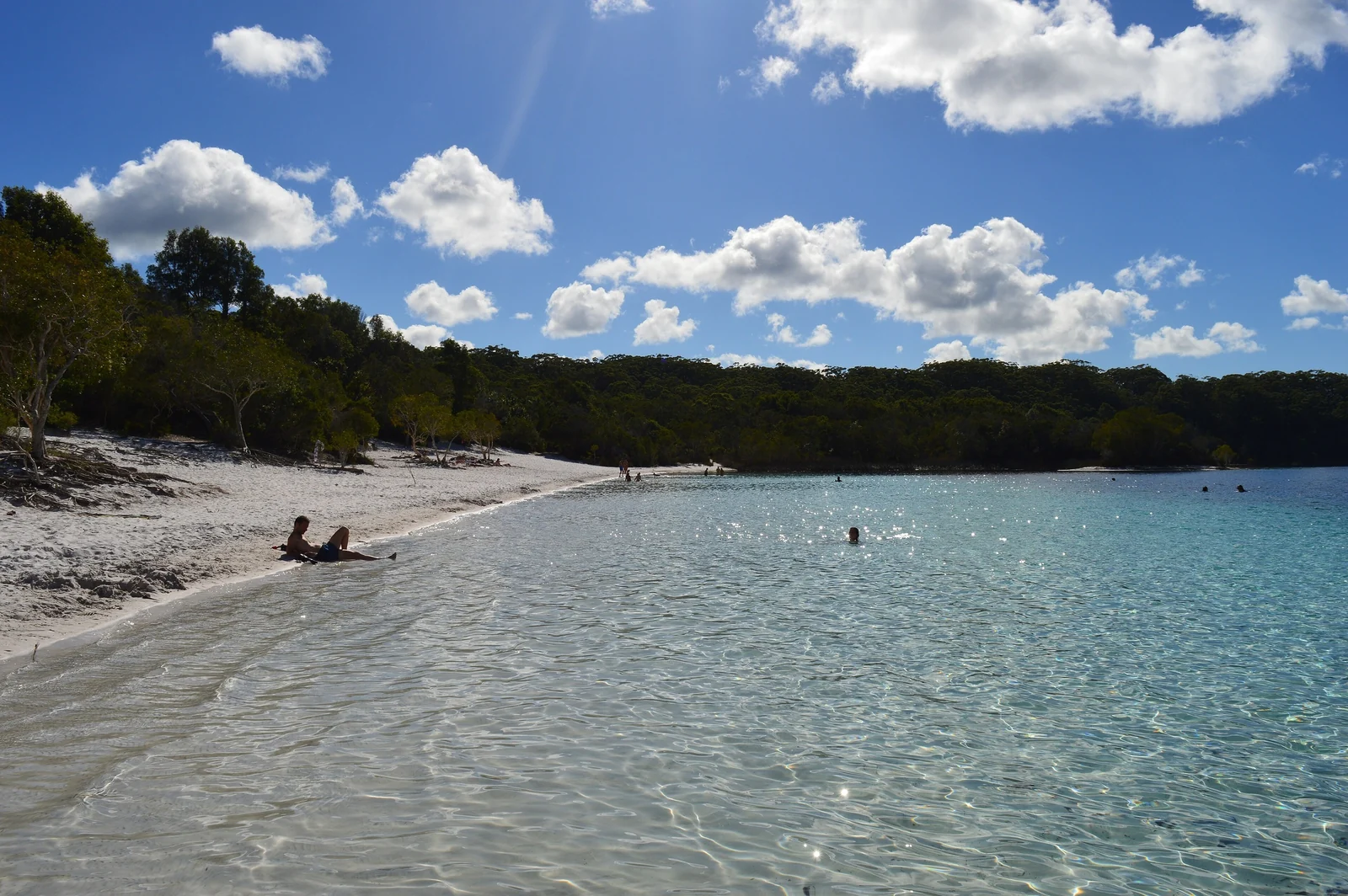
There are no sealed roads, so you either join a guided 4WD tour or bring a high-clearance 4WD across on a vehicle barge from Inskip Point near Rainbow Beach or from River Heads near Hervey Bay. Self-drivers need a vehicle access permit from Queensland Parks and Wildlife Service before arriving, and should check tide times, since the beach is also the highway.
K’gari is home to wild dingoes (wongari). Keep children within arm’s reach, never feed dingoes and lock food and rubbish away. Highlights include Lake McKenzie, the rainforest walks around Central Station, Eli Creek and the rusting wreck of the SS Maheno on the eastern beach.
Lesser-Known Queensland Places Worth the Detour
Once you have the headline sights covered, these stops show a different side of the state. Most work as add-ons to the coastal route between Brisbane and Cairns.
Noosa and the Glass House Mountains
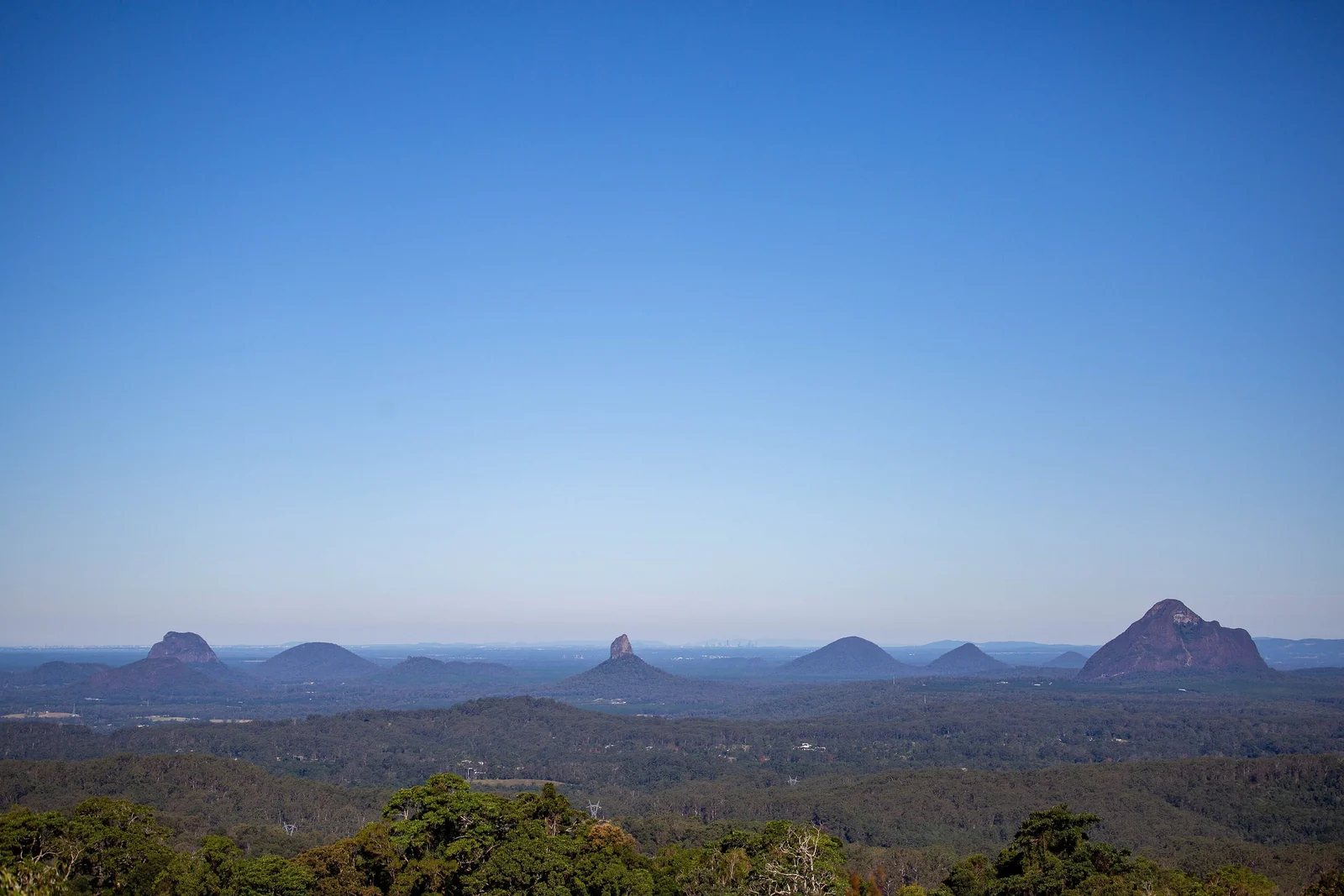
On the Sunshine Coast north of Brisbane, Noosa National Park has a coastal walk past headlands and surf breaks, and inland the volcanic plugs of the Glass House Mountains rise from the plain. It is a relaxed, smaller-scale alternative to the Gold Coast.
Hervey Bay and Mon Repos
Hervey Bay is one of Australia’s best places for humpback whale watching, with most sightings between July and October. Further north near Bundaberg, Mon Repos Conservation Park runs ranger-guided turtle encounters: nesting from November to early February and hatchlings from late January to the end of March.
Magnetic Island
A short ferry ride from Townsville, “Maggie” combines granite headlands, bays for snorkeling and the Forts Walk, where you have a good chance of seeing koalas in the wild.
Outback Queensland
Inland, towns such as Longreach and Winton tell the story of the outback through the Qantas Founders Museum, the Australian Stockman’s Hall of Fame and the dinosaur fossils of the Winton area. Carnarvon Gorge in the Central Highlands has sandstone cliffs and Aboriginal rock art. Distances are large, so treat the outback as its own trip rather than a side trip.
Best Time to Visit Queensland
Tropical North Queensland has two seasons. The dry season from May to October brings warm days, low humidity and calm conditions for reef trips. The wet season from November to April is hot and humid with heavy rain and possible cyclones, and it is also the peak period for marine stingers, when a stinger suit is advisable for swimming in the sea.
| Region | Best months | Watch out for |
|---|---|---|
| Cairns, Port Douglas, Daintree | May to October | Wet season rain, stingers and cyclone risk from November to April |
| Whitsundays | May to October; spring for calm seas | Stinger season in the warmer months |
| K’gari and Hervey Bay | July to October for whales; spring and autumn for mild weather | School holidays, when barges and campsites fill up |
| Sunshine Coast and Noosa | Year-round; spring and autumn are most comfortable | Summer storms and busy holiday periods |
| Outback Queensland | April to September | Extreme heat in summer; some roads close after rain |
How to Plan a Queensland Road Trip
Brisbane to Cairns is well over 1,600 kilometers by road, so most visitors combine flights with shorter drives. A realistic plan for two weeks is to fly into Cairns for the reef and the Daintree, fly or drive south to Airlie Beach for the Whitsundays, then finish with K’gari and Noosa before flying out of Brisbane.
- Cairns and Port Douglas (4–5 days): one reef day, one Daintree and Cape Tribulation day, plus a rest day for weather.
- Whitsundays (3 days): base yourself in Airlie Beach or on an island and book a Whitehaven Beach cruise or sailing trip.
- K’gari and Hervey Bay (3 days): join a 4WD tour or self-drive with permits.
- Noosa and the Sunshine Coast (2–3 days): coastal walks and the Glass House Mountains before flying home from Brisbane.
For a broader view of how Queensland fits into a first Australia trip, see our first-trip bucket list and itinerary and our roundup of Australia’s natural wonders. Visas, driving rules and distances are covered in our practical Australia travel guide.
Queensland Travel FAQ
What is the best time to visit Tropical North Queensland?
May to October is the most comfortable period. The dry season brings sunny days, lower humidity and good reef visibility. From November to April it is hot, humid and rainy, cyclones are possible and marine stingers are common, although waterfalls and rainforest are at their most lush.
Is Cairns or Airlie Beach better for the Great Barrier Reef?
Cairns and Port Douglas are better for classic snorkeling and diving trips to the outer reef and for combining the reef with the Daintree. Airlie Beach is the gateway to the Whitsunday Islands and Whitehaven Beach, so choose it if sailing, islands and beaches matter more than diving.
Is Fraser Island the same as K’gari?
Yes. The island’s official name was changed back to K’gari, its Butchulla name, in June 2023. It is the world’s largest sand island, about 123 kilometers long, and you still reach it by barge or ferry from Rainbow Beach or Hervey Bay.
Can you visit K’gari without a 4WD?
Yes, by joining a guided 4WD tour or staying at a resort that runs its own tours. You cannot drive a normal car on the island because there are no sealed roads. If you bring your own 4WD, you need a vehicle access permit and barge ticket before you arrive.
How many days do you need in Queensland?
Allow at least a week for Cairns, Port Douglas and the Daintree alone. Two weeks lets you add the Whitsundays and K’gari or Noosa, using a domestic flight to cover the long distance between the north and the southeast.
Is it safe to swim in the sea in North Queensland?
It can be, with precautions. Swim at patrolled beaches between the red and yellow flags, wear a stinger suit in the warmer months, and never swim where crocodile warning signs are posted, including river mouths and some beaches near Cairns and the Daintree.