


Australia’s finest restaurants are spread across its capital cities and wine regions, and they share a few defining traits: outstanding seafood and produce, strong influences from Asia and the Mediterranean, and a growing focus on native Australian ingredients. The country has no Michelin guide, so its own restaurant guides and awards are the best way to judge which places are worth a special trip.
Restaurants open, change chefs and close all the time, so instead of a fixed “top ten,” this guide explains how to find the best current tables, highlights long-running destination restaurants and shows what each city does best. Use it alongside our city guides to Sydney, Adelaide and Perth.
How Australian Restaurants Are Rated: Hats and Awards
Instead of Michelin stars, Australia uses “hats.” Before you book a special meal, check the most recent edition of these guides, because ratings change every year.
- The Good Food Guide: the long-running guide associated with the Sydney Morning Herald and The Age, which awards one, two or three hats. Three hats is the highest honor and is held by only a handful of restaurants.
- Australian Good Food Guide (AGFG) Chef Hats: a separate national guide whose anonymous inspectors award one to three Chef Hats based on the food. It explains its scoring on its awards page.
- Gourmet Traveller: the national food magazine publishes an annual restaurant guide and awards.
- The World’s 50 Best Restaurants: the international list, with its extended 51 to 100 ranking, has featured Australian restaurants for many years.
Many hatted and awarded restaurants serve tasting menus only, take bookings weeks ahead and publish their current menus online. Always check the restaurant’s own website for booking rules, dietary options and opening days rather than relying on older lists.
Destination Restaurants and Recent Changes
A few Australian restaurants have built international reputations over many years. Attica, Ben Shewry’s restaurant in the Melbourne suburb of Ripponlea, is known for tasting menus built around native Australian ingredients and has appeared on The World’s 50 Best Restaurants list every year since 2010, reaching 20th place in 2018. Brae, Dan Hunter’s restaurant on a farm near Birregurra in regional Victoria, grows much of its own produce and was awarded three AGFG Chef Hats in 2026.
Older “best restaurant” lists are often out of date. Several famous names have closed: Sepia in Sydney at the end of 2017, Orana in Adelaide in 2020, Tetsuya’s in Sydney in July 2024, and Quay, Peter Gilmore’s harborside restaurant, which served its final dinner in February 2026. Their influence lives on in the chefs they trained and the focus on Australian produce they championed.
Native Australian Ingredients to Look For
Aboriginal and Torres Strait Islander peoples have used native plants and animals for food for tens of thousands of years. Today many top kitchens work with these ingredients, often sourced from First Nations suppliers. Look for them on menus:
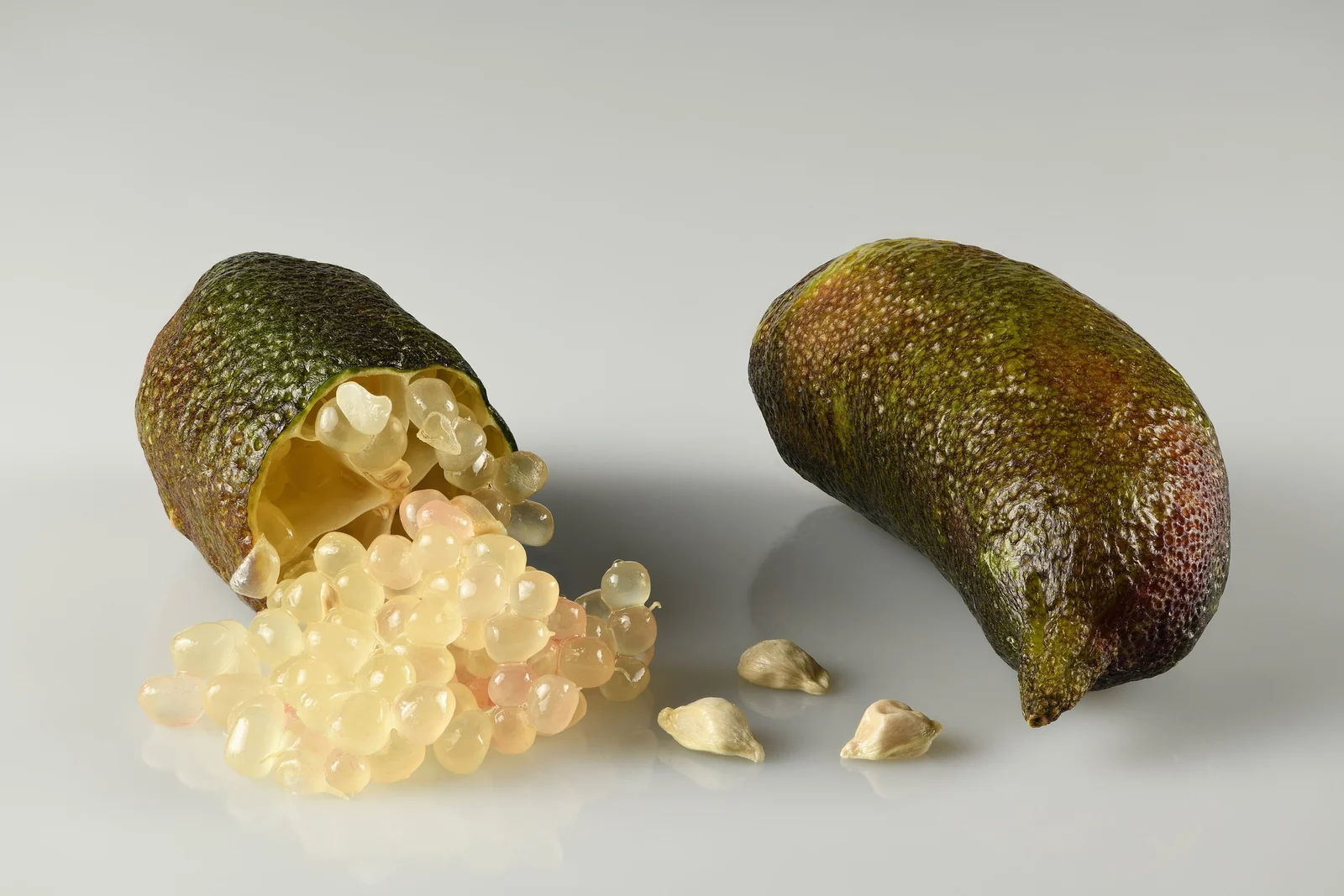
- Finger lime: a small rainforest citrus filled with tangy pearls, used on oysters and seafood.
- Wattleseed: roasted and ground acacia seed with a nutty, coffee-like flavor, used in desserts and bread.
- Lemon myrtle: an intensely lemony leaf used in teas, sauces and baking.
- Davidson plum and quandong: tart native fruits that appear in sauces, jams and desserts.
- Saltbush and warrigal greens: native leaves served as vegetables or seasoning.
- Kangaroo and barramundi: a lean game meat and a prized fish that are both widely available.
Sydney and Melbourne: Australia’s Two Food Capitals
Sydney
Sydney’s strengths are seafood and setting. Harbor-view dining rooms, oyster bars and the city’s fish market show off local catch such as rock oysters, prawns and bugs (slipper lobsters). Chinatown and Haymarket, Surry Hills and Darlinghurst, and suburbs such as Cabramatta (Vietnamese) and Harris Park (Indian) cover everything from dumplings to fine dining.
Melbourne
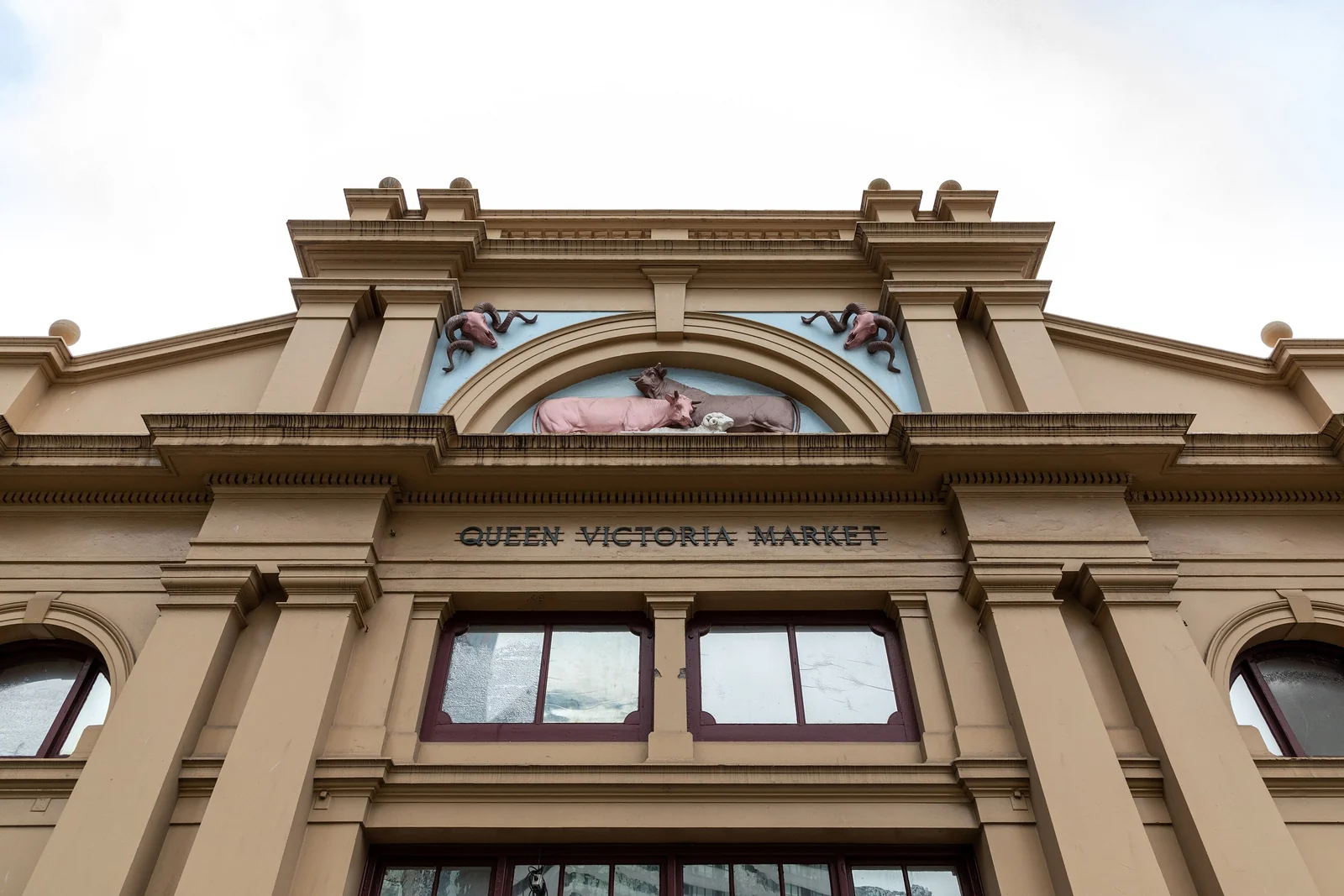
Melbourne is famous for coffee, laneway cafes and neighborhood restaurants. Carlton is known for Italian food, Richmond’s Victoria Street for Vietnamese, and the city has one of the largest Greek communities outside Greece. The Queen Victoria Market, trading since 1878, is a good first stop for produce and snacks.
Trying to decide between the two cities? Our Sydney vs Melbourne comparison looks at food, culture and much more.
Adelaide, Brisbane, Perth and Hobart
- Adelaide: the Adelaide Central Market, trading since 1869, is one of the country’s great food markets, and the city is surrounded by wine regions, so long lunches at cellar door restaurants are a local tradition.
- Brisbane: subtropical produce such as mangoes and macadamias, Moreton Bay bugs and mud crab, plus riverside dining precincts. See our Brisbane guide.
- Perth and Western Australia: excellent seafood, including rock lobster, and the Margaret River region south of Perth, known for wineries with restaurants.
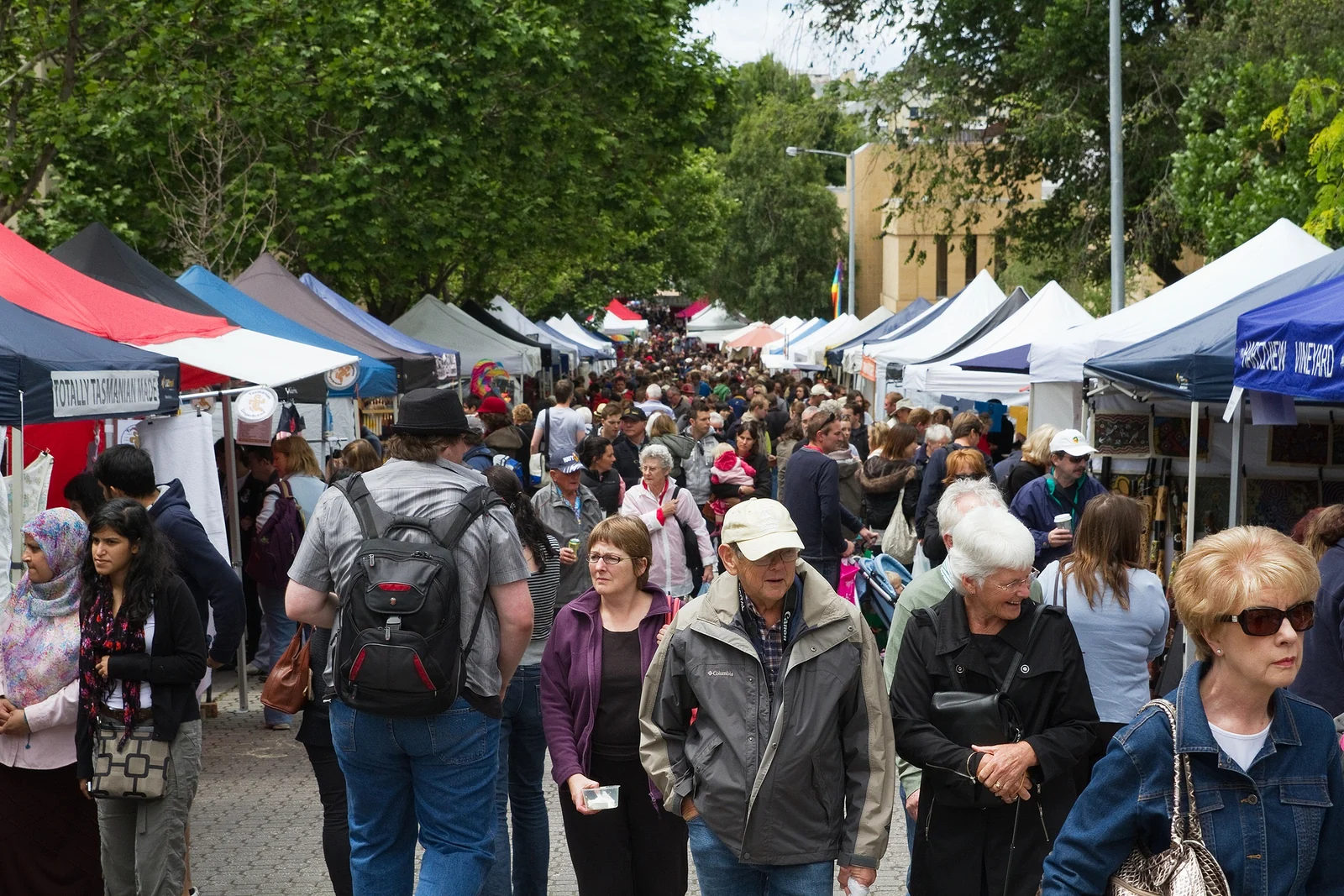
- Hobart and Tasmania: cool-climate produce, oysters, salmon, cheese and sparkling wine. Hobart’s Salamanca Market runs every Saturday.
In the tropical north, Darwin’s outdoor markets during the dry season are known for Southeast Asian street food and sunset views over the Timor Sea. Across the country, Tourism Australia’s food and drink pages are a useful starting point for regional food experiences.
Wine Regions with Great Food
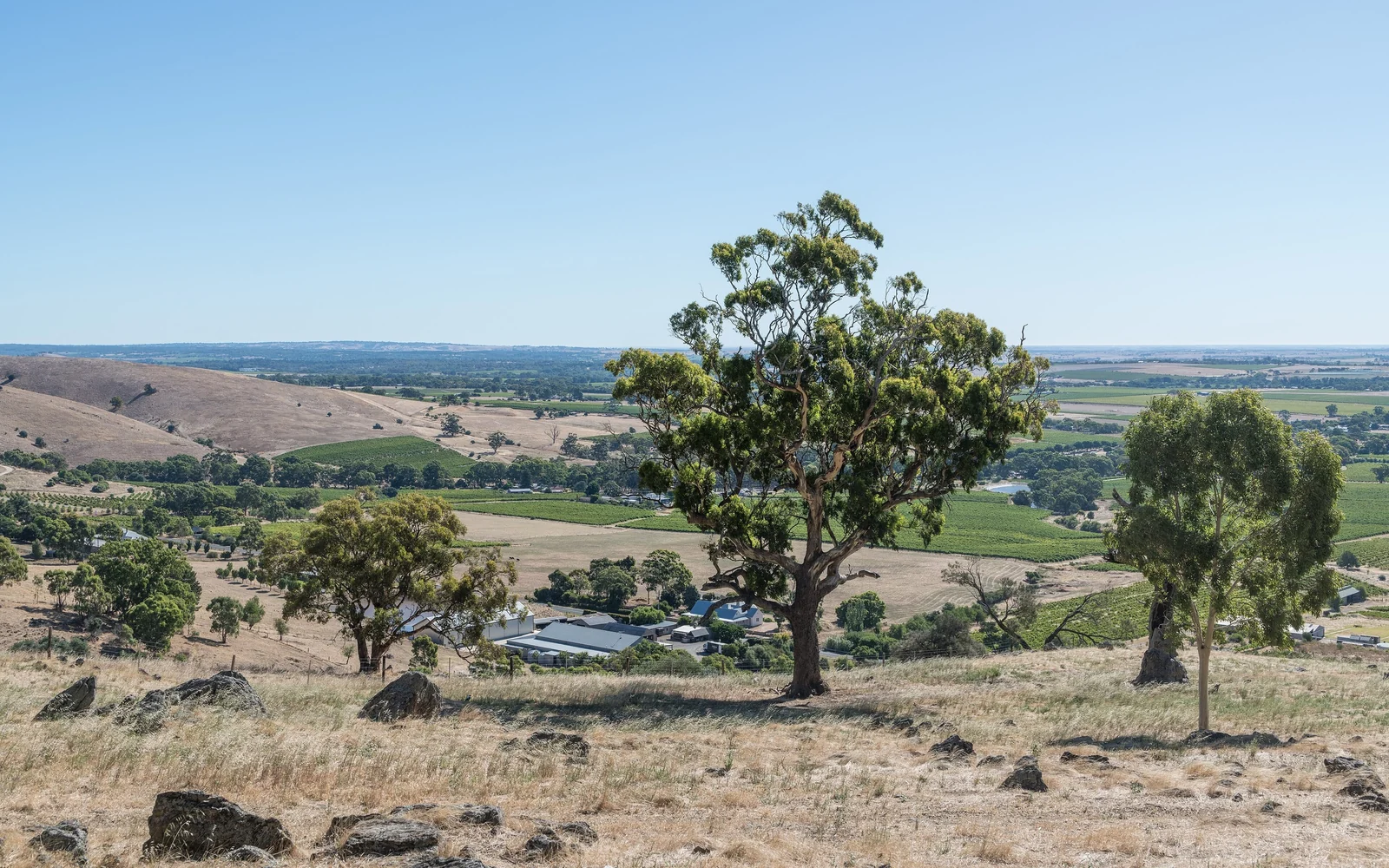
Some of Australia’s most memorable meals happen in wine country, where winery restaurants cook with produce from their own region. These are the easiest to reach from the major cities:
| Wine region | Nearest city | Known for |
|---|---|---|
| Barossa Valley | Adelaide | Shiraz, German heritage, smallgoods |
| McLaren Vale | Adelaide | Mediterranean varieties, coastal setting |
| Yarra Valley | Melbourne | Chardonnay, pinot noir, sparkling |
| Hunter Valley | Sydney | Semillon, shiraz, one of Australia’s oldest wine regions |
| Margaret River | Perth | Cabernet sauvignon, chardonnay, surf coast |
| Tamar Valley | Launceston | Sparkling wine, pinot noir |
Practical Dining Tips for Australia
- Book ahead: top restaurants release tables weeks or months in advance, and many require a deposit or credit card to hold a booking.
- Tipping: it is not expected, because hospitality staff are paid a minimum wage by law, but adding around 10 percent for excellent service is appreciated.
- Surcharges: some restaurants add a surcharge on Sundays and public holidays or for card payments; it should be shown on the menu.
- BYO: some casual restaurants let you bring your own wine, sometimes for a corkage fee.
- Dietary needs: vegetarian, vegan and gluten-free options are widely available; mention allergies when booking a tasting menu.
- Seasonality: menus change with the seasons, so expect different dishes from those in older reviews.
For more trip ideas beyond the table, see our guide to the best holiday destinations in Australia.
Australian Restaurants FAQ
Does Australia have Michelin-starred restaurants?
No. The Michelin Guide does not cover Australia. Instead, restaurants are rated by local guides such as the Good Food Guide and the Australian Good Food Guide, which award up to three hats, and by Gourmet Traveller, as well as international lists such as The World’s 50 Best Restaurants.
What does a hatted restaurant mean in Australia?
A hatted restaurant has received one or more hats from an Australian restaurant guide, similar in spirit to Michelin stars. One hat marks a very good restaurant, while three hats is the highest level and is awarded to very few places each year. Ratings are reviewed annually.
Which city has the best food in Australia?
Sydney and Melbourne have the largest and most varied restaurant scenes. Melbourne is often called the food capital for its cafes and neighborhood dining, while Sydney excels at seafood and harbor dining. Adelaide, Hobart and Perth offer excellent produce and easy access to wine regions.
Is Quay in Sydney still open?
No. Peter Gilmore’s Quay, one of Australia’s best-known fine-dining restaurants, closed with a final service in February 2026 after more than two decades at Circular Quay. Other famous names from older lists, including Tetsuya’s, Orana and Sepia, have also closed.
Do you tip at restaurants in Australia?
Tipping is not expected in Australia because staff earn a legal minimum wage. Many diners leave around 10 percent for excellent service at restaurants, but it is optional. Check the bill for weekend, public holiday or card surcharges, which are common.
What native Australian foods should I try?
Look for finger lime, wattleseed, lemon myrtle, Davidson plum, quandong and saltbush on restaurant menus, along with kangaroo and barramundi. Many leading chefs now work with First Nations growers and suppliers to feature these ingredients.