A Gyeongju day trip from Busan or Seoul is one of the easiest ways to see Korea before the modern country existed. For nearly a thousand years, from 57 BCE to 935 CE by traditional dating, Gyeongju was the capital of the Silla kingdom, and the city still sits among grass-covered royal tombs, stone pagodas and old palace ponds. It is a small place with a big list of sights, and most of them are close together.
The short answer: yes, you can do it in a day. From Busan it is easy and comfortable. From Seoul it works, but the KTX ride eats a good chunk of the clock, so one night in town makes the trip noticeably better. Below you will find what to see, how to get there, how to get around, a sample route and what you can safely skip. If Seoul is your base, start with our Seoul travel guide.
Why Gyeongju Matters: The Silla Capital in Brief
Silla was one of the Three Kingdoms of ancient Korea, and it eventually unified most of the peninsula in the seventh century. Its capital was Gyeongju. The dates usually given for the kingdom, 57 BCE to 935 CE, come from traditional chronicles, so treat the earliest centuries as tradition rather than hard record. What is certain is that Silla left behind gold crowns, stone temples and an unusual number of monumental tombs, all inside a modern city of moderate size.
UNESCO recognizes the place twice. Bulguksa Temple and Seokguram Grotto were inscribed in 1995, among the first Korean entries on the World Heritage List. The wider Gyeongju Historic Areas followed in 2000 and group the sites into five districts, including Mount Namsan, the Wolseong palace area and the Tumuli Park area. You do not need to learn the district names. You only need to know that the city center, the tomb park and the lake palace are walkable from each other, while Bulguksa and Seokguram sit out in the hills to the east.
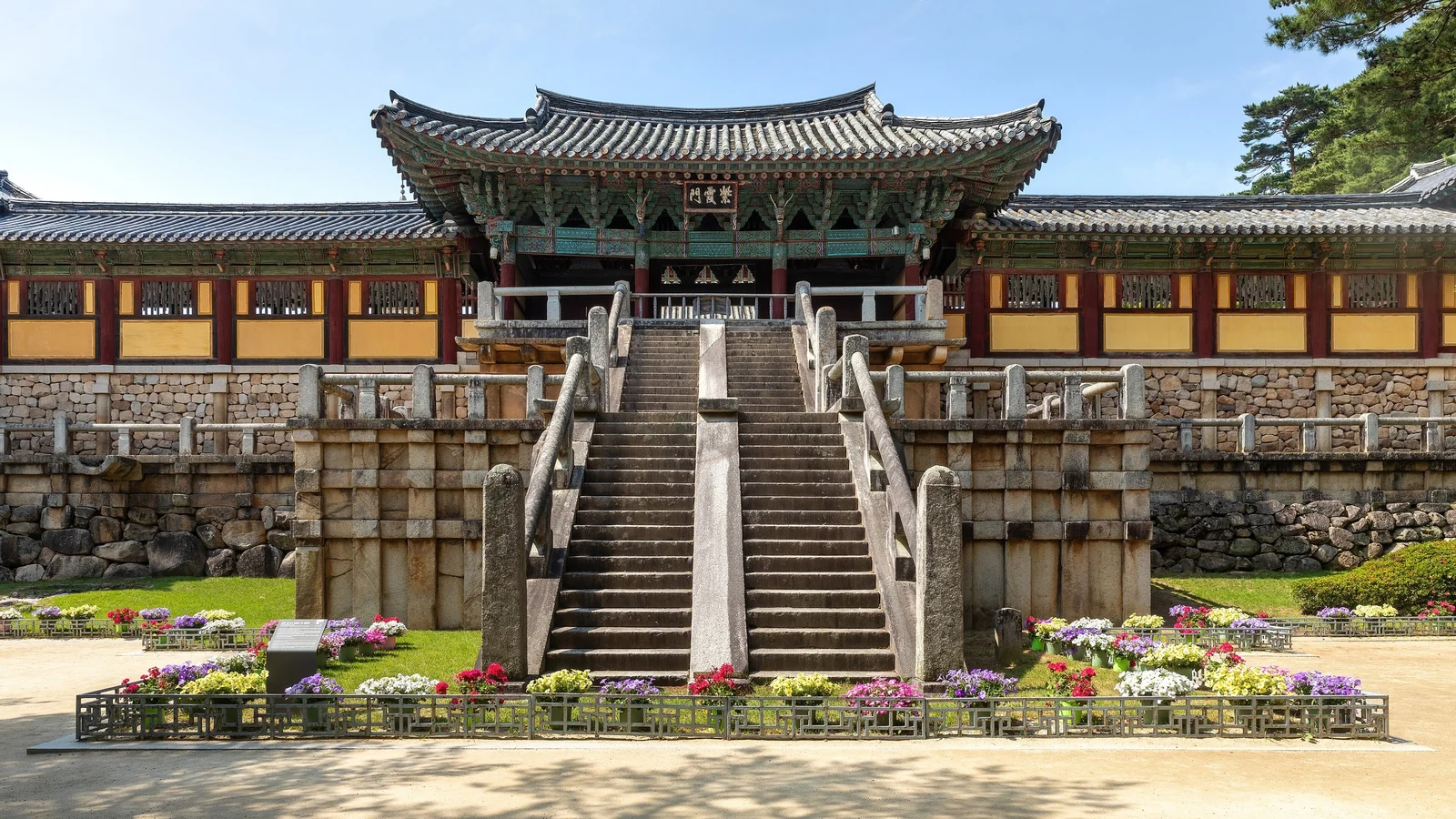
Bulguksa and Seokguram Grotto
Bulguksa is the headline act. The temple dates to the Silla period and was rebuilt after wartime destruction, so many of the wooden halls are reconstructions. The stone platforms, the bridge-like stairways and the two pagodas in the main courtyard, Dabotap and Seokgatap, are what make the visit. Look at the stairways first. They are some of the finest stonework in Korea, and nearly everyone photographs them for good reason.
Give Bulguksa a solid hour and a half. Go early, because tour groups arrive in the late morning and the courtyard fills up fast. Check the entrance fee and hours on the official site rather than trusting a blog, including this one.
Seokguram Grotto sits on the slope of Mount Toham above the temple. Inside is a seated granite Buddha, carved in the mid-eighth century and set inside an artificial stone chamber. You look at it through a glass barrier, and photography is not allowed, which is part of why the place feels so quiet. The grotto is reached by a separate local bus or a taxi from the Bulguksa area, so ask at the ticket office or tourist information for the current service. I would add Seokguram only if you have the energy for another transfer. If your day is tight, Bulguksa alone is the better use of the time.
Daereungwon, Cheonmachong and the Museum
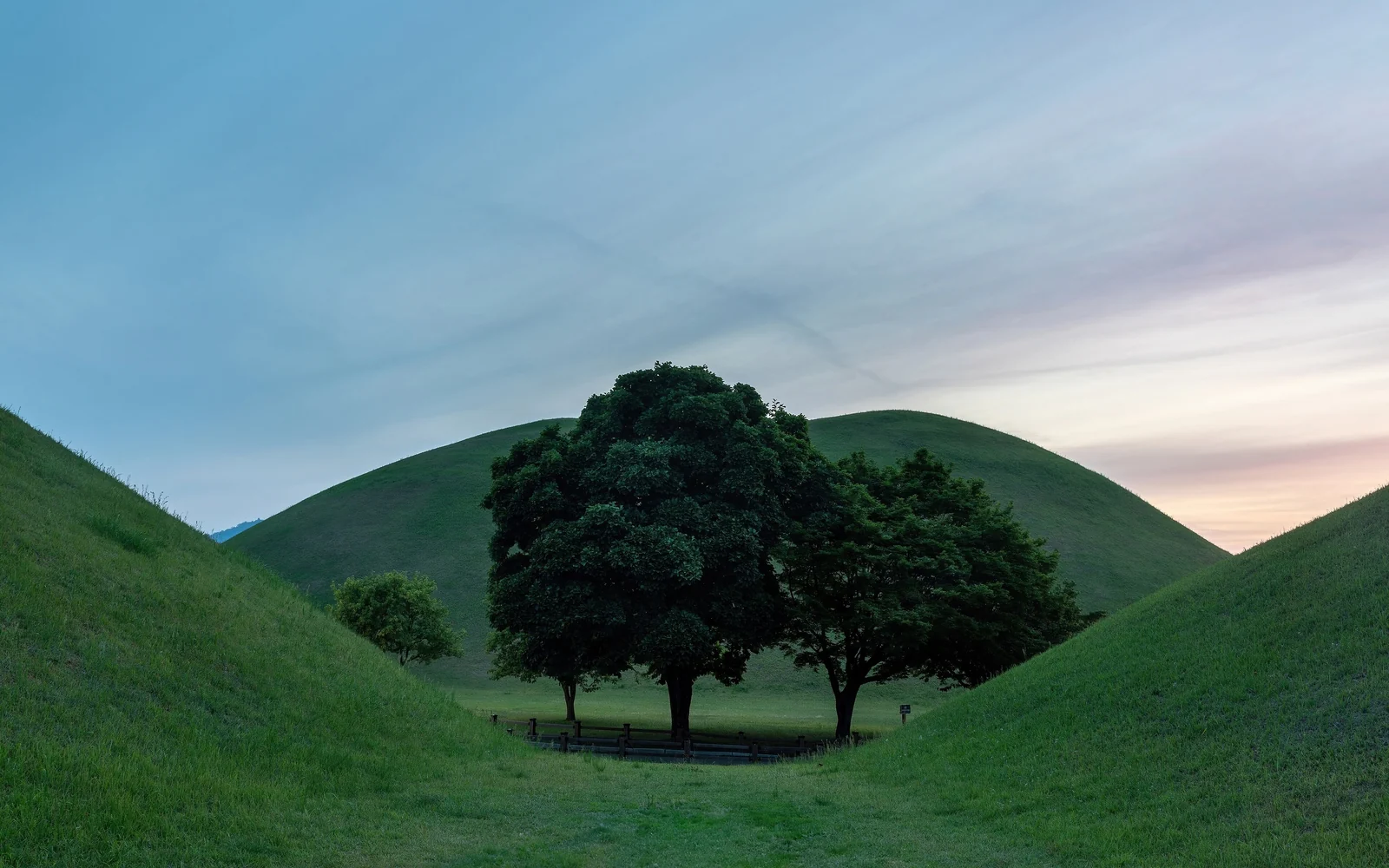
The center of Gyeongju is a flat grid, and in the middle of it are enormous round burial mounds. Daereungwon, the Tumuli Park, is the best place to walk among them. The mounds are grassy, the paths are shaded, and the scale is odd in the best way: a street of cafes on one side, a royal necropolis on the other.
One tomb you can actually enter is Cheonmachong, the Heavenly Horse Tomb, inside the park. Its name comes from a horse image painted on a saddle flap found in the burial. The interior is a reconstruction with a display of finds, not the original chamber, but it explains how these mounds were built in a way a field of grass cannot. Plan 20 to 30 minutes for the park and the tomb together.
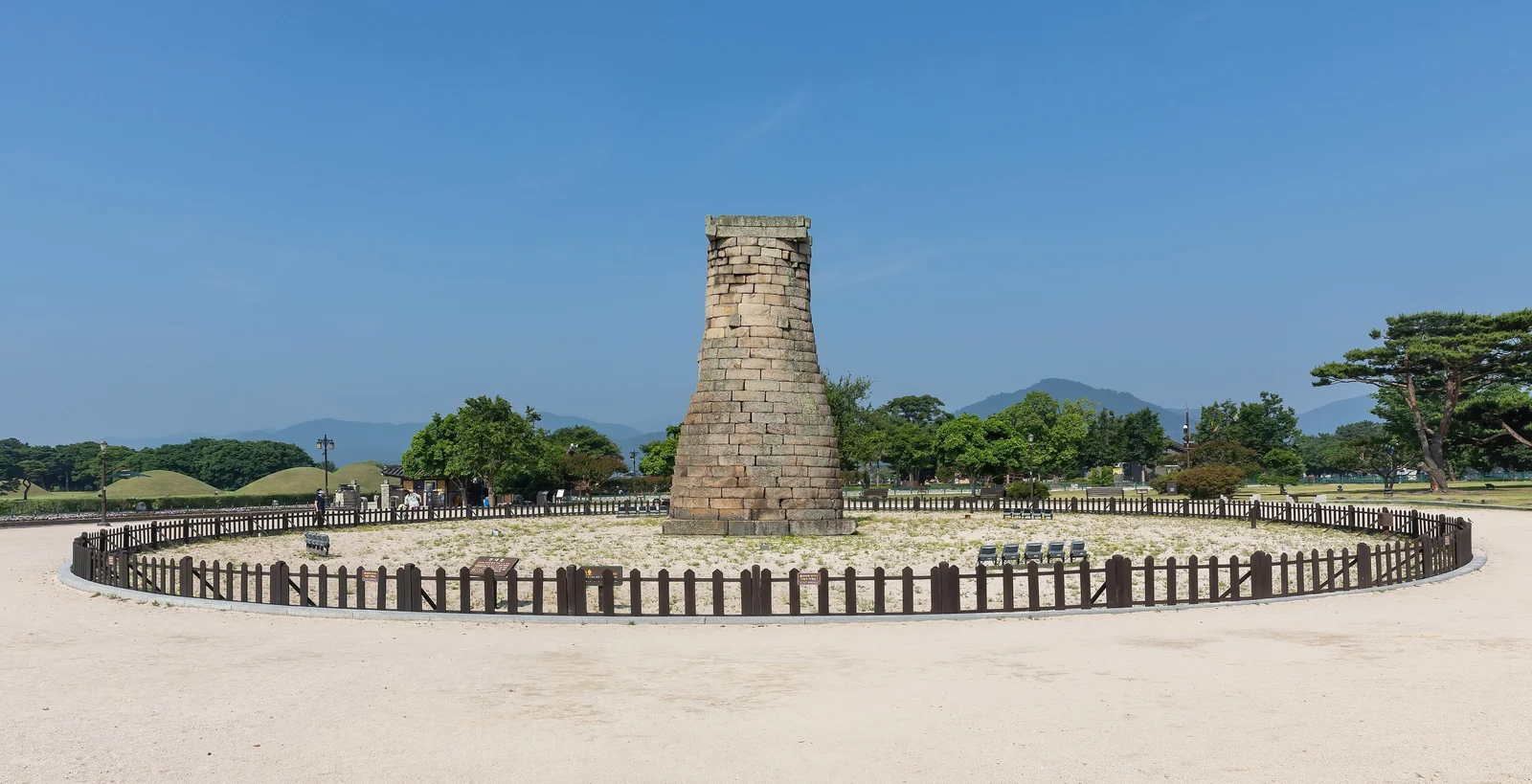
Close by is Cheomseongdae, a small bottle-shaped stone tower from the Silla period, usually described as one of the oldest surviving observatories in East Asia. It is short and quick to see, and the flower beds around it are popular in spring and early autumn. The Gyeongju National Museum is where you find the gold crowns and ornaments from the royal tombs, along with Silla Buddhist sculpture. If you care about what was inside the mounds, put the museum on your list. If you do not, skip it and you will not miss much. Check opening days and any special-exhibition charges on the museum site before you go.
Donggung Palace and Wolji Pond at Night
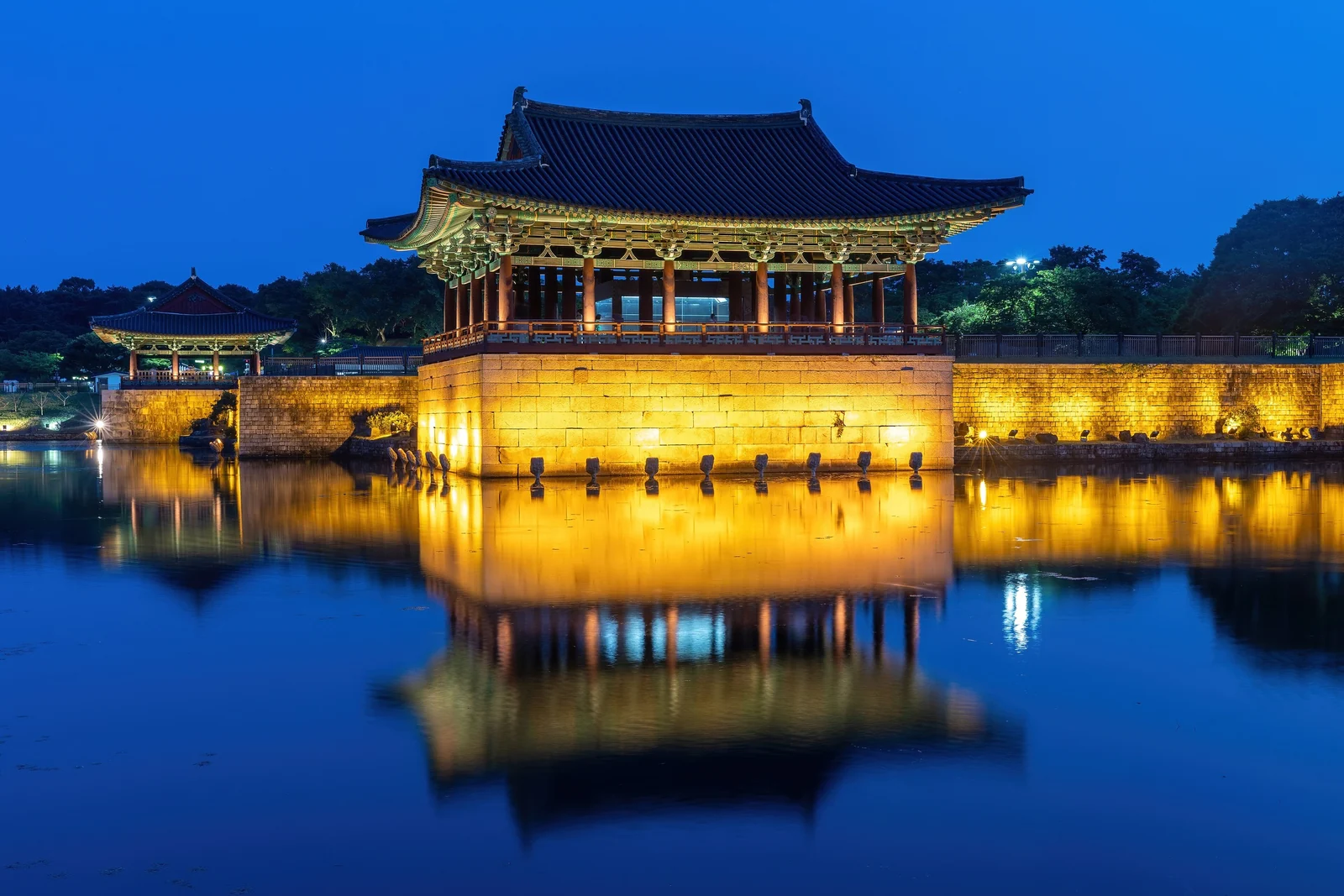
The best reason to stay after dark is Donggung Palace and Wolji Pond. This was the pleasure garden of the Silla court, laid out in the seventh century and long known by the name Anapji. The pond is irregular in shape, with a few small islands, and several reconstructed pavilions face the water. By day it is pleasant. By evening, when the pavilions are lit and reflected, it is the most photogenic spot in the city.
Go around dusk, stay for the blue hour, and bring a layer in the colder months because the pond is open to the wind. Entry is usually open into the evening, but the closing time varies, so confirm it locally the same day. You do not need a tripod; a steady hand and some patience will do.
Hwangnidan-gil: Cafes, Shops and Dinner
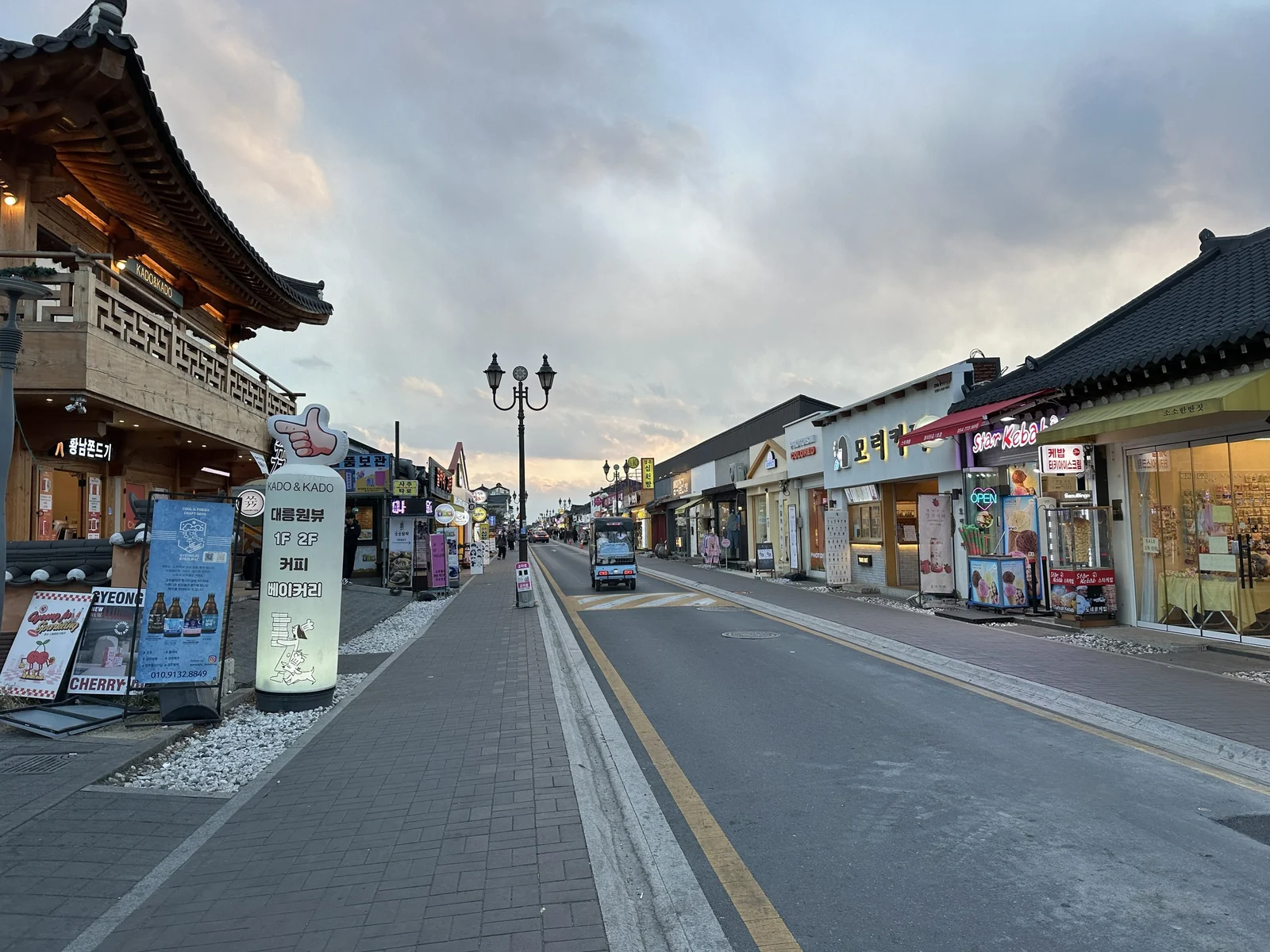
Hwangnidan-gil is the district of low buildings and converted houses near the tomb park, filled with cafes, bakeries, souvenir shops and small restaurants. It grew popular largely through social media, and it can feel like a busy outdoor mall on a weekend. I would not travel here for the shopping, but it is a sensible place to sit down, eat and rest before the evening visit to the pond.
Look for the local pastry, Gyeongju-bbang, filled with red bean paste, and for ssambap, rice served with leaf wraps and side dishes. Menus change, so pick a place that is busy with locals, not just the first one on the main street. If you like Korean street food generally, our guide to South Korea's night markets covers what to order elsewhere in the country.
How to Get to Gyeongju from Busan and Seoul
The main high-speed station is Singyeongju, which some newer signs and apps call Gyeongju Station. It sits on the edge of the city, roughly 8 km from the center, so you need a local bus or taxi to reach the sights. Conventional trains and express buses use stations nearer the center. The details below are general; check the national rail operator and a bus-booking app for current times and fares.
| From | Option | Typical time | Notes |
|---|---|---|---|
| Busan | KTX to Singyeongju | About 30 to 35 minutes | Fastest. Then a bus or taxi into town. |
| Busan | Intercity or express bus | About 50 minutes to an hour | Frequent departures, drops closer to the center. |
| Seoul | KTX to Singyeongju | About 2 hours 10 minutes | Roughly hourly. Book ahead on busy days. |
| Seoul | Express bus | Longer than rail | Usually cheaper, but slower and less predictable. |
From Busan, a day trip is almost effortless. Leave after breakfast, be at Bulguksa by mid-morning and still be back for dinner. If you are planning a longer Korea trip, this is the easiest side trip from the southern port city.
From Seoul, the KTX takes a little over two hours each way. That makes a day trip a very long day if you want to see more than the headline sights. I think the better plan is to take an early train, do Bulguksa, the tombs and the pond, and sleep over. Then you get a morning for Mount Namsan, a museum or the quiet back streets. If you must return the same night, check the last train time before you plan dinner.
Getting Around: Bus, Taxi or Bike
Gyeongju's sights fall into two clusters. The tombs, Cheomseongdae, Hwangnidan-gil and Wolji Pond are within walking or cycling distance of each other. Bulguksa and Seokguram are in the eastern hills, several kilometers away. Here is how I would handle each.
- City buses: Cheap and frequent, with routes between the stations, the center and Bulguksa. Signs are partly in English, but a transit app helps.
- Taxis: Plentiful and the least stressful option from Singyeongju Station. For the Bulguksa and Seokguram leg, a taxi can save a lot of waiting. Ask the driver to use the meter.
- Bike rental: Shops cluster near the tomb park and Hwangnidan-gil. The central streets are flat, so cycling is the nicest way to link the sights. Skip the bike for Bulguksa and the hills.
- Walking: The center is compact enough to cover on foot, and it is the best way to enjoy it at your own speed.
A Sample One-Day Route
This plan assumes you reach Singyeongju Station by about 9 a.m. and leave in the evening. Shift it around by an hour or so and it still works.
- Morning: Taxi or bus from the station to Bulguksa and arrive early. Spend about 90 minutes there, then decide whether to go on to Seokguram.
- Midday: Back to the center for lunch in or near Hwangnidan-gil.
- Early afternoon: Walk through Daereungwon, go inside Cheonmachong and see Cheomseongdae. Add the national museum only if you want the royal gold.
- Late afternoon: Rest at a cafe, or rent a bike and loop through the flat streets.
- Evening: Donggung Palace and Wolji Pond as the lights come on. Then dinner, and the train or bus home.
It is a packed day, and you will move quickly. If you want a gentler pace, drop Seokguram and the museum and give the tombs and the pond more time.
Best Time to Visit Gyeongju
Spring is the classic season, when cherry trees bloom along the lakes and streets and the flower beds near Cheomseongdae fill with color. It is also the busiest time, especially at weekends. Autumn is a close second: the temple grounds and Mount Toham turn red and gold, and the weather is dry and comfortable for walking.
Summer is hot and humid, with a rainy period that can spoil outdoor plans. Winter is cold but quiet, and the pond looks good in clear, crisp light. Wherever you go, weekdays are calmer than weekends. Blossom and leaf timing shifts from year to year, so check local tourist information before you plan around it.
| Season | What to expect | Best for |
|---|---|---|
| Spring | Blossoms, flowers, mild days, the heaviest crowds | Photography, walking the center |
| Summer | Hot, humid, possible rain | Evenings at Wolji Pond, if you can take the heat |
| Autumn | Leaf color, clear and dry weather | Bulguksa, Seokguram, long walks |
| Winter | Cold, few visitors, short days | Quiet visits, museum time |
What to Skip, and a Few Tips
You do not need to see everything. If time is short, skip the museum and Seokguram, and keep Bulguksa, Daereungwon and Wolji Pond. Do not try to add Mount Namsan or the Hwangnyongsa temple site to a one-day plan unless you are an early riser who enjoys hiking.
- Do not book a tour just to move between the sights if you are comfortable with buses and taxis. A guide can still be worth it if you want the history explained.
- Wear comfortable shoes. Bulguksa has steps, and the tomb park means a lot of walking on gravel.
- Eat before the late-afternoon rush on Hwangnidan-gil, since the best places fill up quickly.
- Compare it with Japan's old capital if you are traveling on: Silla's mounds and stone temples feel very different from Kyoto's wooden temples and gardens.
If you are weighing up the rest of an East Asia trip, our comparison of Tokyo or Osaka may help, and Osaka and the art island of Naoshima pair well with a Korea trip. For official planning, the Korea Tourism Organization and the Gyeongju city site list current transport and opening details.
Gyeongju Day Trip FAQ
Is Gyeongju worth a day trip from Busan?
Yes. The KTX ride is short, so you can see Bulguksa, the tomb park and Wolji Pond and be back for dinner. It is the easiest and best-value excursion from Busan for anyone interested in Korean history.
Can you do Gyeongju as a day trip from Seoul?
You can, using the KTX in both directions, but it is a long day with about four and a half hours of travel. An overnight stay gives you the evening at Wolji Pond and a calmer morning, so it is the better plan if you can spare a night.
How many hours do you need in Gyeongju?
About eight hours on the ground covers Bulguksa, the tombs and the pond at a brisk pace. Add Seokguram, the museum or Namsan and you need a second day. Allow extra time for transfers from the high-speed station.
How do you get around Gyeongju?
Use a taxi or bus for Bulguksa and Seokguram, and walk or rent a bike for the flat center around the tombs, Hwangnidan-gil and Wolji Pond. Buses are inexpensive, but taxis save time when you are on a tight schedule.
What is the best time of year to visit Gyeongju?
Spring for cherry blossoms and autumn for leaf color are the favorites, but both bring crowds. Winter is quiet and summer is hot and humid. Pick your season for the weather you can tolerate, and go on a weekday if you can.
Is Wolji Pond worth seeing at night?
Yes. The lit pavilions reflected in the water are the best-known view in Gyeongju. Confirm the evening opening time locally, arrive near dusk and plan your transport back, since late buses and trains may be less frequent.