Choose Hvar if you want nightlife, a glamorous harbor, lavender country and an ancient farmed plain. Choose Korčula if you want a quieter, walkable old town, wine tastings and a calmer pace. Both are Dalmatian islands reached by ferry or catamaran, both have a fortified town of stone lanes, and both have plenty of swimming. The difference is mostly in the mood after dark.
You can also do both, and many people do. This guide compares the two islands town by town, covers ferries, getting around, beaches and crowds in general terms, then gives a verdict by traveler type. For the bigger route, see our Dalmatian coast itinerary.
Hvar or Korčula at a Glance
| Hvar | Korčula | |
|---|---|---|
| Main town | Hvar Town: lively harbor, fortress above, strong evening scene | Korčula Town: compact walled old town on a small peninsula |
| Heritage highlight | Stari Grad Plain, UNESCO-listed in 2008 | Medieval old town with a fishbone street plan |
| Mood | Social, polished, busy in summer | Relaxed, village-like, easy to walk |
| Nightlife | The strongest on the Dalmatian islands | Bars and live music, but low-key |
| Wine | Local reds and whites, small family cellars | Pošip and Grk whites, with the Pelješac reds nearby |
| Beaches | Pebble coves and the Pakleni Islands by boat | Pebble coves, plus sandier patches around Lumbarda |
| Getting there | Catamarans and ferries from Split | Catamarans from Split and Dubrovnik, or via the Pelješac peninsula |
| Best for | Nightlife, couples after a splurge, boat days | Wine, families, slow trips, history walks |
Hvar Town: Harbor, Fortress and Nightlife
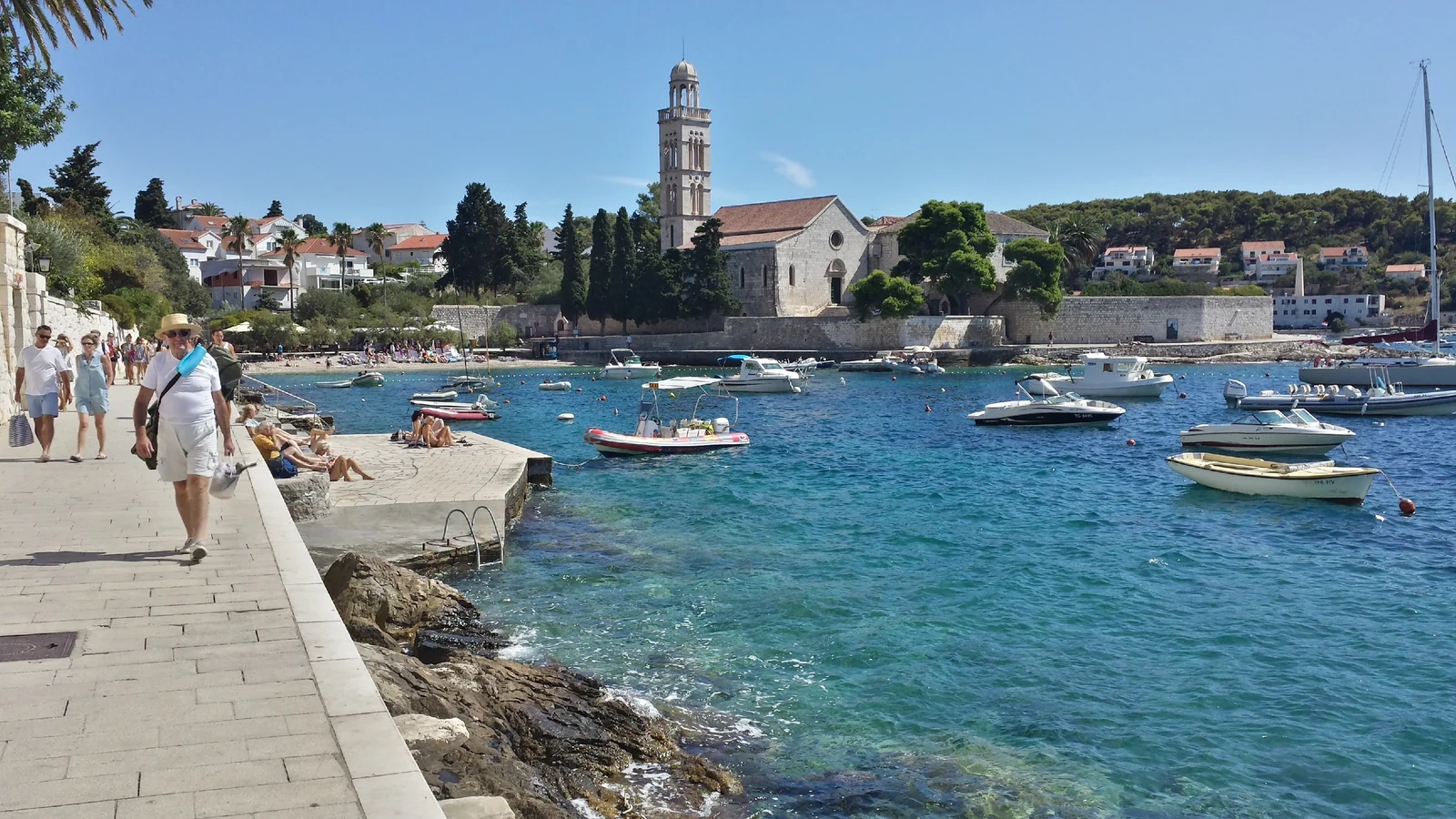
Hvar Town is the island's social center and the reason most visitors come. The main square opens straight onto the harbor, the lanes behind it are stone and tightly packed, and a Venetian-era fortress sits on the hill above. The climb up takes some effort in summer heat, but the view across the roofs and the Pakleni Islands is the best single outlook on the island.
After dark the town changes. Terraces fill, DJs start on the waterfront, and the volume peaks in July and August. If you want that, Hvar delivers it better than any other Croatian island. If you do not, book a stay a few streets back from the harbor, or choose one of the quieter villages on the island, and treat the town as a place to dip into for dinner.
A boat trip to the Pakleni Islands, a short hop from the harbor, is the usual daytime answer. Water taxis and small tour boats run to coves with clear water, beach restaurants and rocky swimming spots. Prices and schedules change, so ask at the harbor on the day.
Stari Grad Plain and the Lavender Side of Hvar
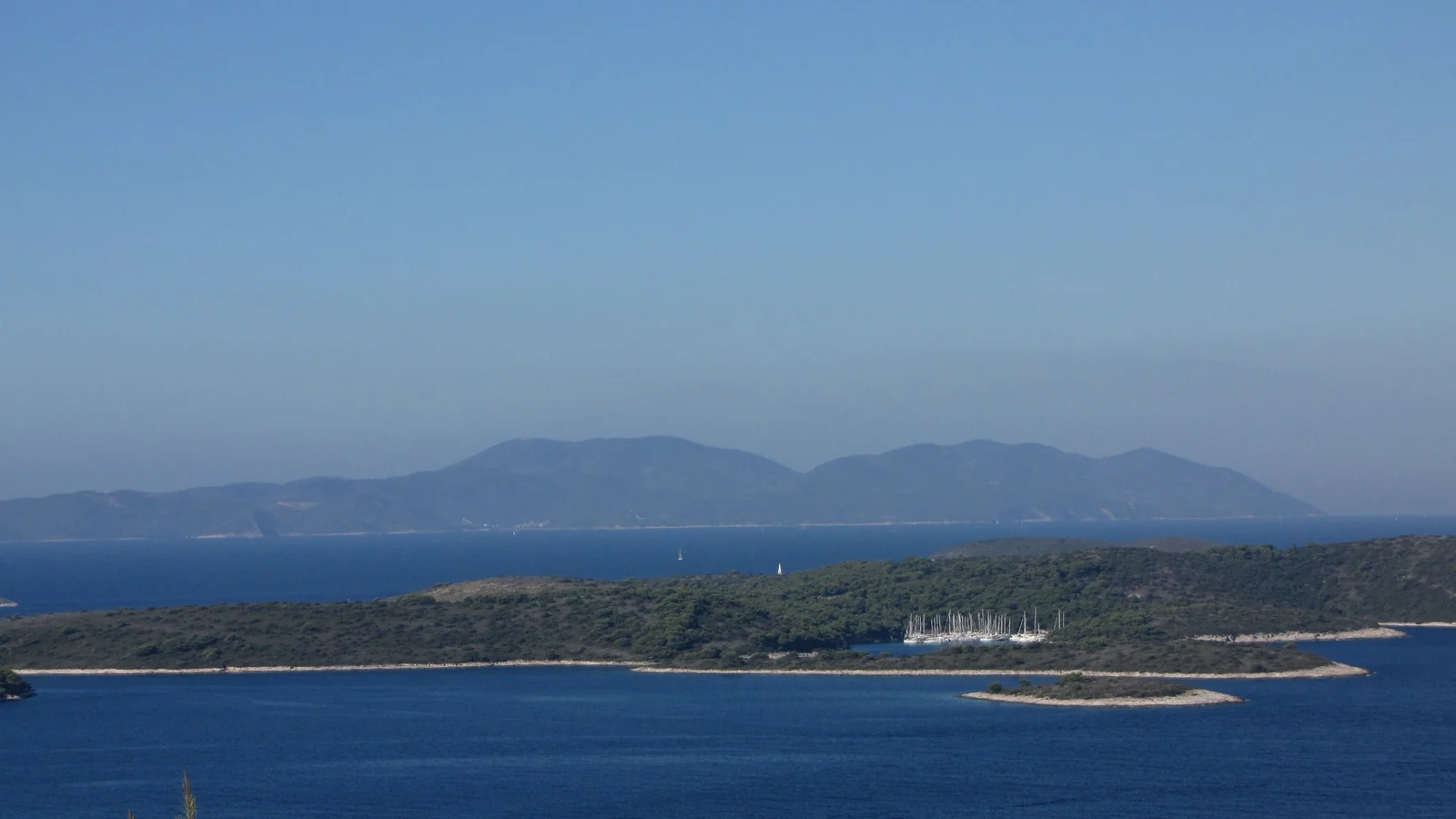
Hvar is more than its party town. On the north coast, Stari Grad is one of the oldest towns in Europe still lived in. Greek settlers from Paros founded Pharos here in 384 BC and divided the fertile plain behind it into parcels, called chora, edged with dry stone walls. Farmers still work much of that land, mostly grapes and olives, and UNESCO inscribed the Stari Grad Plain on the World Heritage List in 2008.
You do not need a tour to appreciate it. Rent a bike or drive the local roads, stop where the walls and vineyards line up, and walk a few minutes into the fields. It is quiet, flat and oddly moving once you realize the pattern is about 2,400 years old. The UNESCO entry explains how the system survived.
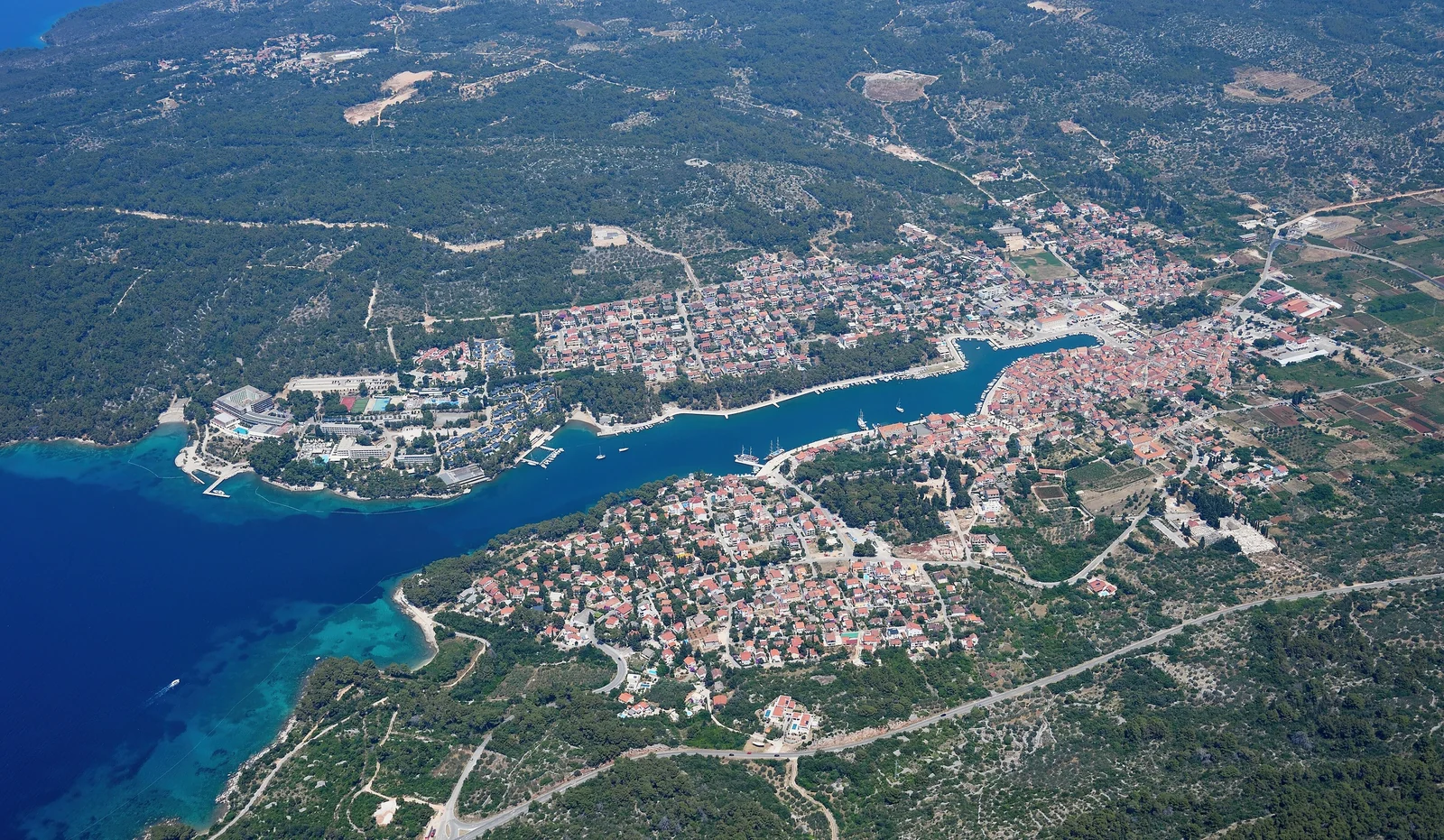
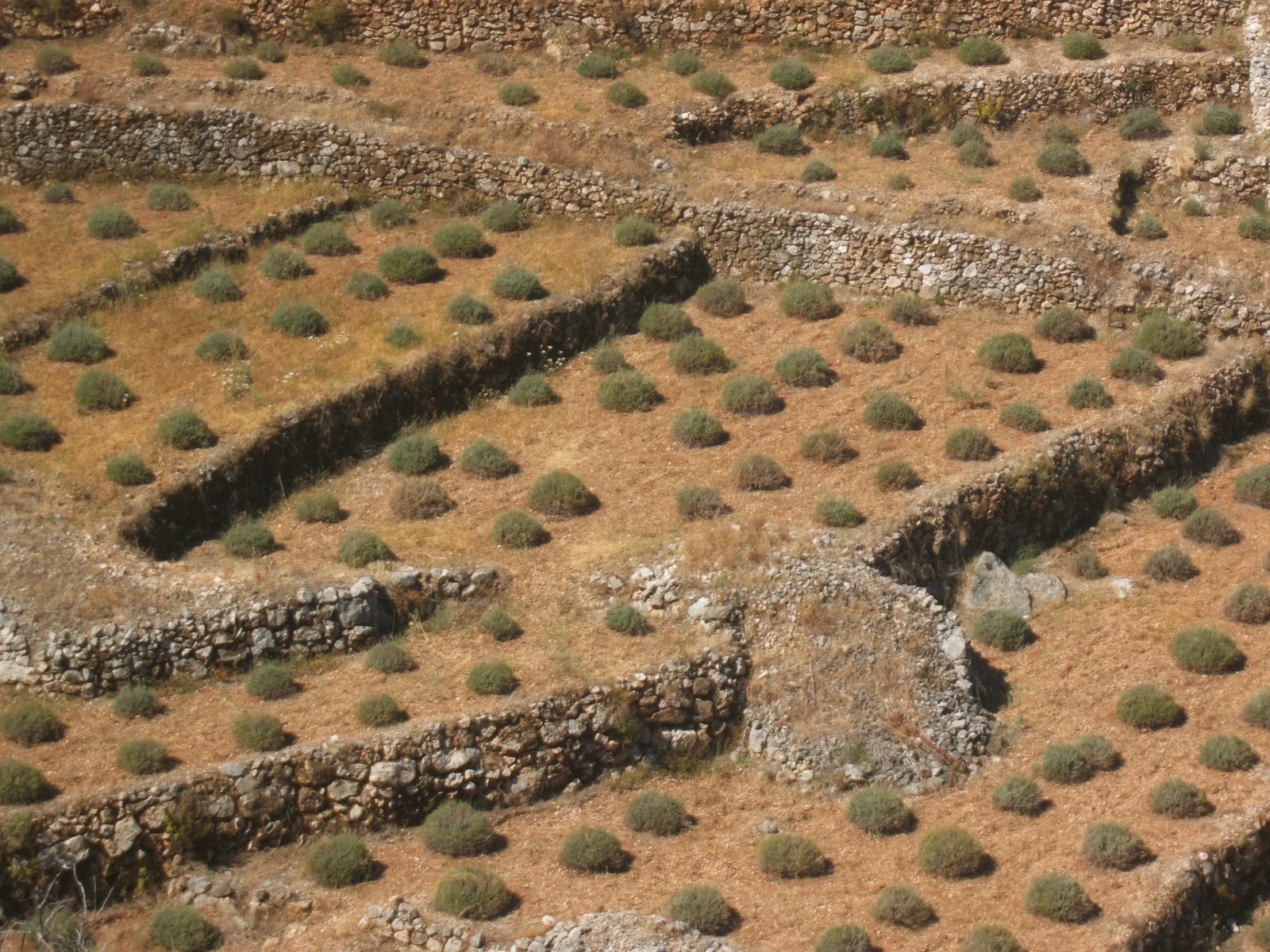
Hvar is also known as the lavender island, and fields of it grow in the interior and on the hills above the coast. The bloom comes in early summer, so timing matters if the purple matters to you. Lavender oil, soaps and dried bunches are sold across the island, but check that what you buy is locally made, since not all of it is.
Korčula Town: A Walkable Medieval Island Port
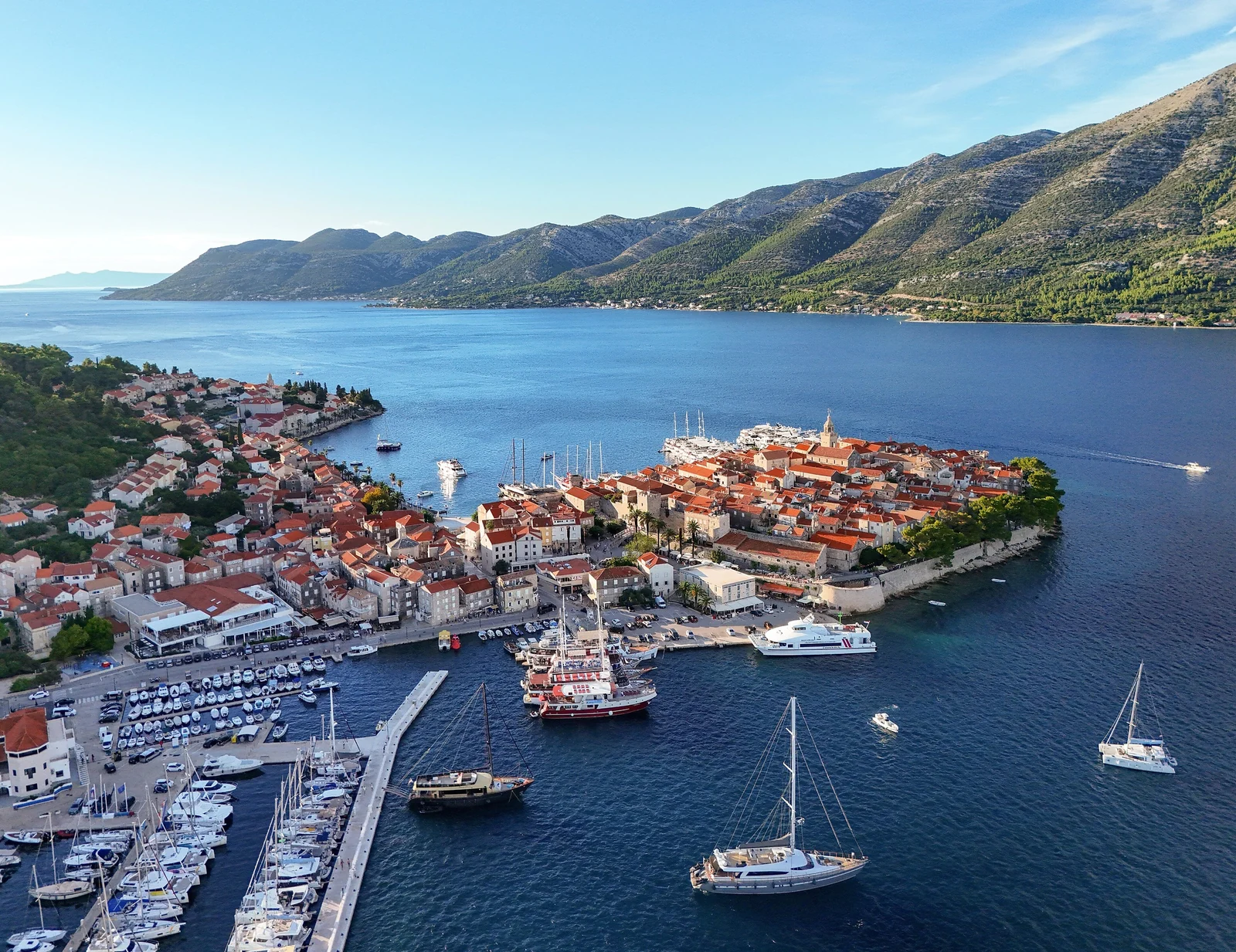
Korčula Town sits on a small oval peninsula, and the old core is built around a central street with lanes branching off at angles, a layout often described as a fishbone. The idea was practical: the angles break the wind and let breezes cool the town. You can walk the whole thing in less than an hour and still want to come back for dinner.
The skyline is dominated by St. Mark's Cathedral, a Gothic and Renaissance church with a bell tower you can climb for roof views. Parts of the old walls and towers survive along the waterfront. Evenings are gentle: restaurants spread onto the stone steps, someone plays guitar, and nobody is shouting over a sound system.
The Marco Polo claim
Korčula presents itself as the birthplace of Marco Polo, and a building in town is labeled as his house. Treat that as a local claim, not settled history. Most historians place Polo in Venice, and the evidence tying him to the island is thin. The story is part of the town's identity and part of its tourism, and it is fun to hear. Visit the house for the atmosphere and the view from the tower, not as proof.
Wine on Korčula and Pelješac
Wine is the strongest argument for Korčula. The island is known for Pošip, a dry, aromatic white made around the villages of Čara and Smokvica, and for Grk, a rarer white from the sandy soils around Lumbarda. Small family cellars offer tastings, often with cheese, olives and cured meat. Sampling a flight at the source beats any bottle in a restaurant.
Across the narrow channel lies the Pelješac peninsula, Croatia's best-known wine country for reds. The grape is Plavac Mali, grown on steep, sun-baked slopes above the sea, and the most famous vineyard area is Dingač. Korčula is a short boat ride from Orebić on the peninsula, so a day or half-day crossing is easy to plan.
Hvar has its own wine heritage, from the Stari Grad Plain vineyards to small producers along the south coast. It is good, but if wine is the point of your trip, Korčula and Pelješac are the better base.
Getting There: Ferries and Catamarans
Both islands are well connected from Split in summer, using fast passenger catamarans and slower car ferries. Some catamaran routes run along the chain, linking Split, Hvar, Korčula and Dubrovnik, so you can hop between the islands without going back to the mainland. Timetables, operators and seasons change, so check Jadrolinija and Krilo before you plan around a specific departure.
Korčula has one more route. You can drive down the Pelješac peninsula, which is easier since the Pelješac Bridge opened in 2022 and bypasses a short stretch of Bosnian coastline, then cross to the island by ferry from Orebić. Foot passengers can take a short passenger boat to Korčula Town, while cars use a ferry to Dominče, close to town.
A car is useful on both islands, but it is not essential. In summer, parking at Hvar Town and Korčula Town is limited, and cars add hassle on a short stay. Local buses, taxis and boat taxis cover the main routes, and renting a scooter or bike is an easy way to reach quieter coves.
Beaches, Crowds and Costs
Neither island is about sand. Expect pebble and rock, clear water and pine shade. Hvar has the Pakleni Islands and a string of coves along its south coast, some reached by steep paths or by boat. Korčula has pebble beaches near the town, and the area around Lumbarda has sandier spots, which is rare in Dalmatia and helpful for small children.
Crowds follow a pattern. Hvar Town is busy in summer, especially around weekends, and the shoulder months feel very different. Korčula Town gets day-trip traffic and cruise visitors, but it is quieter overall and recovers fast in the evening. If you want space on either island, go in late spring or early autumn, when the sea is still warm enough to swim.
On price, Hvar Town generally costs more than Korčula for rooms, drinks and boat trips, and the gap is widest in peak summer. Both have affordable options in smaller villages. We have not listed figures because they shift every season, so compare current rates for your dates.
Best Island by Traveler Type
| Traveler | Better pick | Why |
|---|---|---|
| Couples seeking romance | Either | Hvar for a dressy trip with sunset terraces, Korčula for quiet dinners and walks |
| Families | Korčula | Easier old town, sandier beaches near Lumbarda, calmer evenings |
| Nightlife | Hvar | A real party scene in the main town |
| Wine lovers | Korčula | Pošip, Grk and easy access to Pelješac |
| History and culture | Tie | Stari Grad Plain on Hvar, medieval Korčula Town |
| Hikers and cyclists | Hvar | Larger island with more varied terrain and the plain |
| Short stay, no car | Korčula | Compact town, easy to base yourself without wheels |
Can You Do Both, and How Many Nights?
Yes, and it works well. The islands are linked by catamaran in season, and the same boats make Dubrovnik and Split easy bookends. The mistake is trying to squeeze both into two days. Ferry time, check-ins and the walk to a beach eat the daylight.
- 3 nights total: pick one island. Splitting two nights and one is rushed.
- 4 to 5 nights: two nights on Hvar, two or three on Korčula. Add a Pelješac wine day if you can.
- 6 or more nights: three on Hvar (including Stari Grad), three on Korčula, then continue to Dubrovnik. Our Kotor or Dubrovnik comparison helps with the next stop.
If your trip also includes national parks, Plitvice or Krka fits before or after the islands, since Krka is an easy trip from Split.
Practical Tips for Choosing and Booking
- Book early for summer. Rooms in Hvar Town and Korčula Town go first, and late booking means a bus ride out.
- Check the last ferry. Evening sailings are fewer than daytime ones, and bad weather can cancel fast boats.
- Split your stay. A night in Stari Grad or a smaller village gives you a calmer base than Hvar Town.
- Bring cash for small places. Cellars, boat taxis and village cafes do not always take cards.
- Shoes with grip. Stone lanes get slippery, and many coves have rocky entries.
Hvar or Korčula FAQ
Is Hvar or Korčula better?
Neither wins outright. Hvar is better for nightlife, boat days and the Stari Grad Plain. Korčula is better for a calm medieval town, wine and families. Pick by the mood you want in the evening, not by the beaches, which are similar.
Can I visit both Hvar and Korčula in one trip?
Yes. Catamaran services link Split, Hvar, Korčula and Dubrovnik in season, so you can hop along the chain. Plan at least four or five nights in total so you are not spending the whole trip on boats and in queues.
Was Marco Polo really born in Korčula?
Probably not, though the question is debated. Most historians place him in Venice. Korčula promotes the connection and shows a house said to be his, but the local claim is hard to prove. Enjoy it as part of the town's story.
Which island is better for families?
Korčula is usually easier. The old town is small and walkable, evenings are calm, and the Lumbarda area has sandier beaches than most of Dalmatia. Hvar works for families too, but Hvar Town gets loud at night in peak season.
What is the Stari Grad Plain?
It is an agricultural landscape on Hvar that Greek settlers from Paros divided into parcels in 384 BC. Farmers still grow grapes and olives there, and UNESCO listed it as a World Heritage Site in 2008.
Do I need a car on Hvar or Korčula?
No, but it helps for reaching coves, cellars and villages. Both main towns are walkable and parking is tight in summer. Buses, taxis, boat taxis and rented scooters can cover most plans if you prefer not to drive.
When is the best time to visit?
Late spring and early autumn give warm water, fewer crowds and easier bookings. July and August bring the full summer scene, including the loudest nightlife on Hvar, and lavender blooms in early summer.