


Bombay Beach is a small community on the northeastern shore of the Salton Sea in Imperial County, California, about 223 feet below sea level, and you reach it by paved road from the Coachella Valley, roughly an hour and a half from Palm Springs. What you find is a half-empty grid of streets, a handful of residents, one bar, a salt-crusted shoreline and a surprising amount of outdoor art. It is one of the strangest and most absorbing day trips in Southern California.
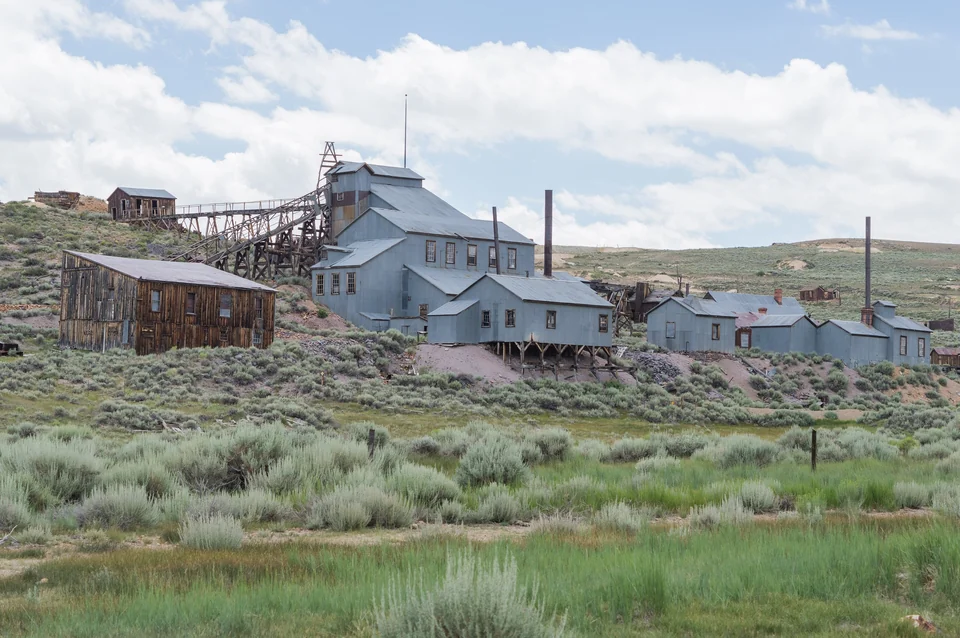
The Salton Sea itself is a shallow, salty lake that exists by accident. If your instinct is to compare it with Bodie, the preserved gold-rush ghost town on the other side of the state, you are on the right track, but the two places are very different. Bodie is a museum of a finished story. Bombay Beach is a living town inside an unfinished one.
How the Salton Sea Formed in 1905
The basin was dry for a very long time before anyone gave it a name. Early in the twentieth century, irrigation canals were cut from the Colorado River to bring water to the farmland of the Imperial Valley. In 1905 the river, swollen by heavy rain and snowmelt, broke through a poorly protected canal headworks and poured into the low Salton Sink. For about two years the Colorado ran the wrong way, until engineers closed the breach in February 1907.
What was left behind was a new inland sea, roughly 15 miles wide and 35 miles long, with a maximum depth of around 43 feet. It has no outlet to the ocean. Water arrives mostly as farm runoff and leaves only by evaporation, and evaporation leaves salts behind. That single fact explains almost everything about the place, from its beaches to its troubles.
From 1950s Resort Boom to Decline
In the middle of the twentieth century the sea was sold as California's new riviera. Stocked fish drew anglers, speedboats towed water-skiers, yacht clubs opened, and families bought lots along the shore. Visitor numbers climbed into the millions a year at the peak, and the state dedicated a park here in 1955. Bombay Beach, platted decades earlier, was a busy beach town by the 1960s.
The boom did not last. Because the lake has no outlet, salinity kept rising, and by the 1970s and 1980s the ecosystem was under heavy strain. Storm flooding hit shoreline communities, nutrient-rich runoff fed algae blooms, and the smell and the fish kills pushed visitors away. A berm now protects the west end of Bombay Beach from the water. Many lots were abandoned rather than rebuilt, which is why the town has that gapped, after-the-party look.
Salinity, Fish and Birds: What Actually Happened
It helps to be precise here, because the story is often told in lurid terms. The sea is now roughly twice as salty as the Pacific, and salinity has kept climbing. Most fish species could not tolerate it. Tilapia, the hardiest survivor, has declined sharply from earlier decades, and in the 1990s dead fish sometimes covered stretches of beach.
The sea is also a critical stop on the Pacific Flyway, so the loss of fish has mattered to birds. Disease outbreaks, including avian botulism and avian cholera, have killed large numbers of them in some years. One documented botulism event in 1996 killed about 14,000 birds over several months, many of them white pelicans. None of this means the sea is empty. Birding remains excellent, especially in the cooler months, and the fact that so much life still depends on this lake is exactly why its future is argued over.
Bombay Beach Today: What You Will Find
Bombay Beach is a census-designated place with a few hundred residents at most; the 2020 census counted 231. Services are thin: a small store or two, a library, a tool-sharing space and the Ski Inn, the one bar and restaurant everyone mentions. Check hours before you plan a meal around it, and fuel up before you arrive, because the nearest gas station is a good drive away.
The name sounds like a cheerful postcard and the place is anything but. Streets run in a grid toward the shore, interrupted by empty lots, trailers, a few tidy homes and a good many wrecks. A raised berm separates the town from the water, so climb it for the view. Walk slowly. This is not a film set, and I think that is the whole point.
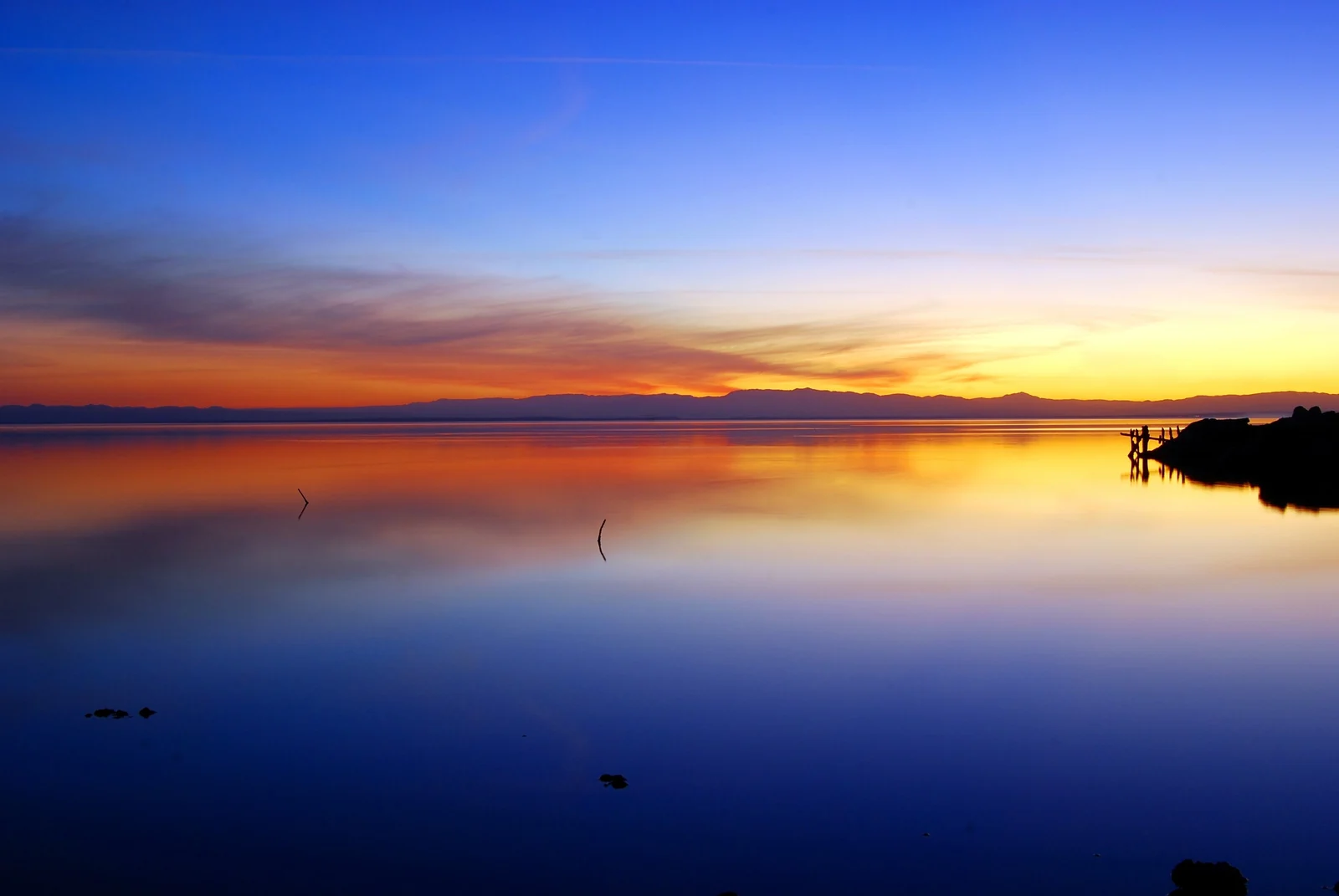
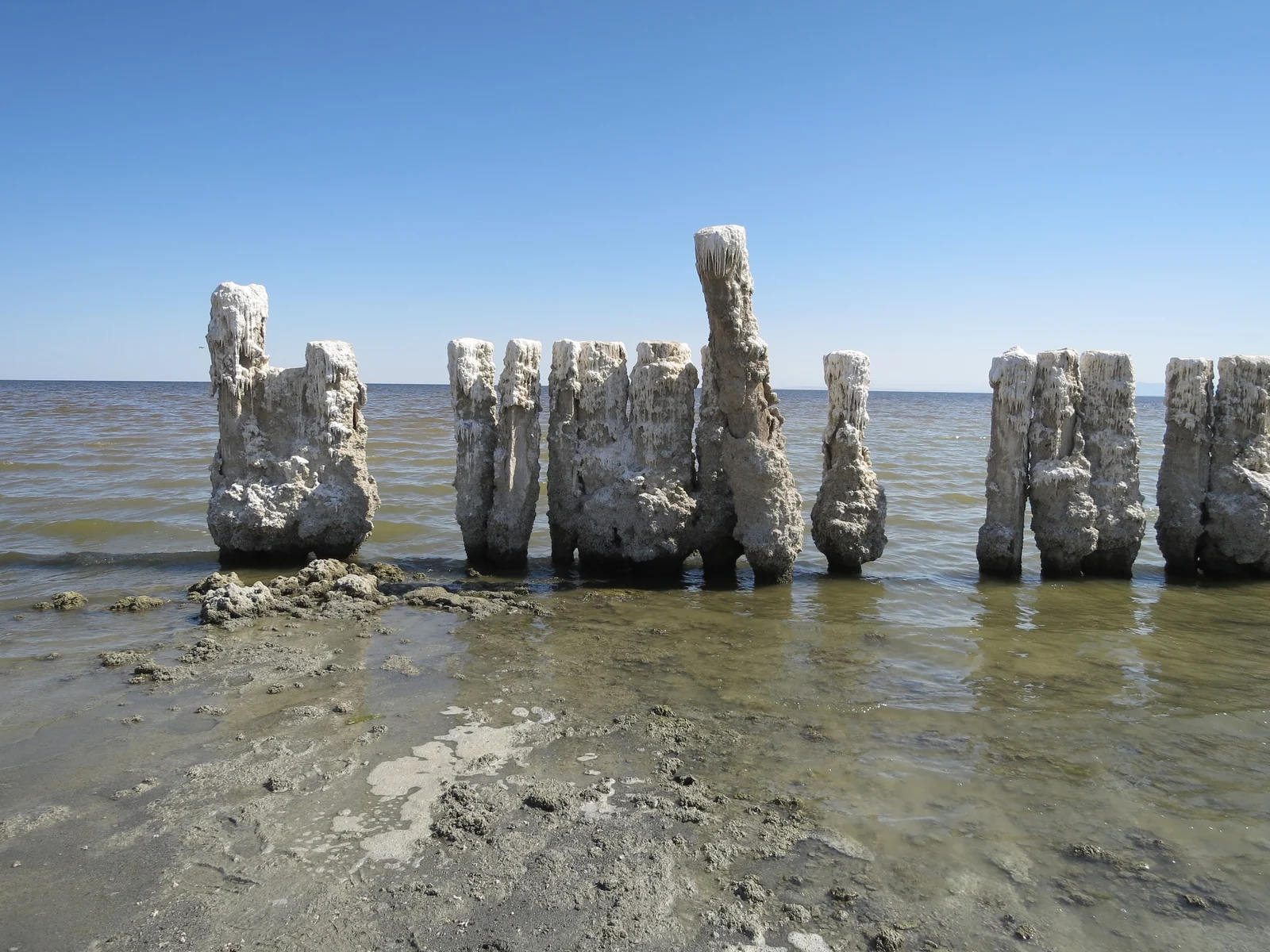
The shoreline beyond the berm is the part most people photograph: stranded boats, rusting frames, gray posts and a crust of salt and barnacle shell that crunches underfoot. In the right light the sea can look lovely, and the smell is not always pleasant. Neither fact cancels the other.
Art, the Drive-In and the Biennale
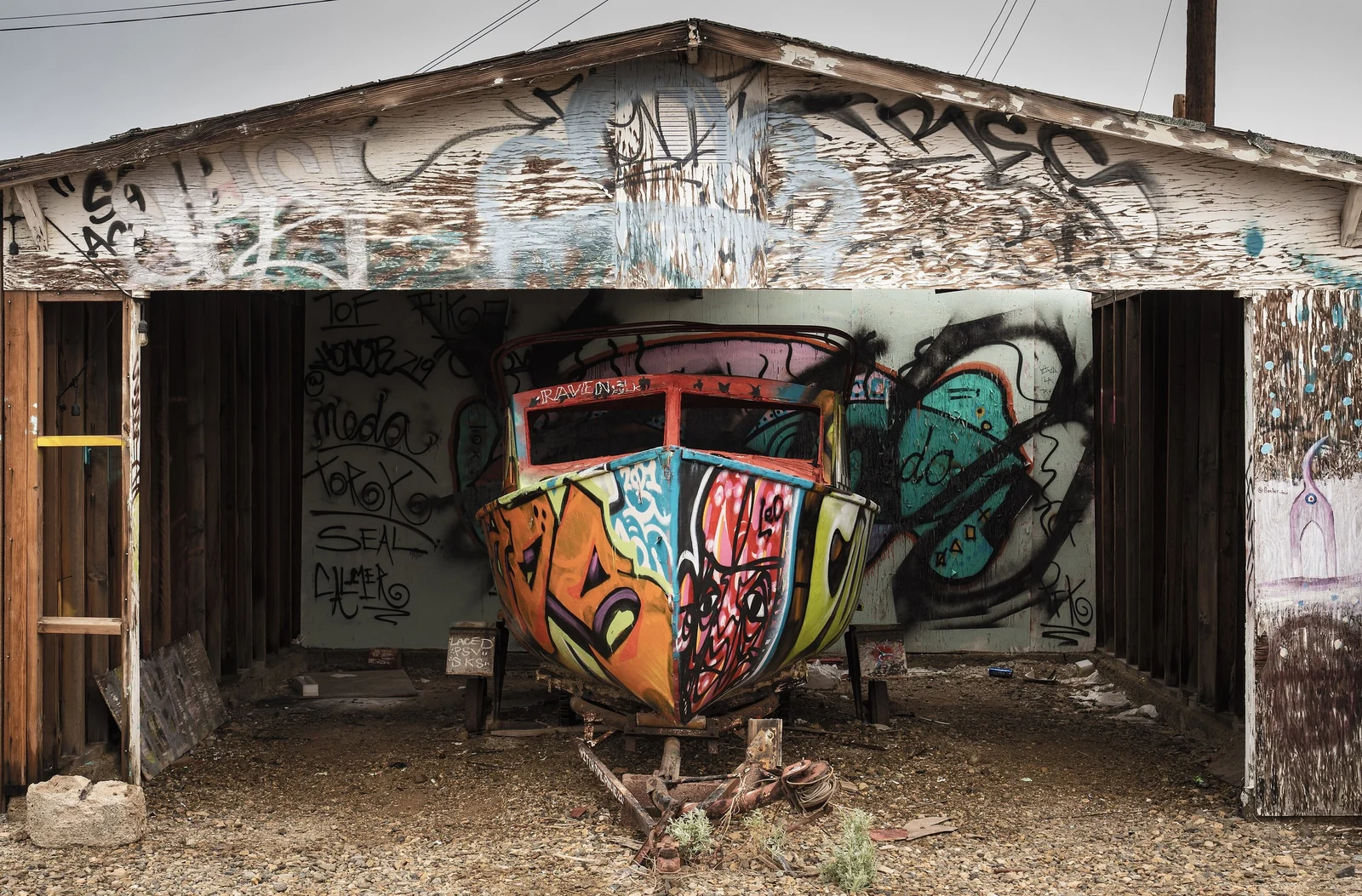
Since the 2010s artists have turned the town into an open-air gallery. Sculptures, painted structures, found-object installations and murals sit on vacant lots and along the shore, and new pieces appear while others weather away. Among the best known is the Drive-In, an installation of old cars arranged to face a white screen. It works as a sculpture on any day and as an actual outdoor cinema during the festival.
The Bombay Beach Biennale is a free art, music and ideas festival held in spring, started by artists to draw attention to the Salton Sea. It brings far more people than the town normally sees, and many installations are tied to it. If you want crowds, performances and openings, plan around it. If you want quiet, avoid it. Either way, look for the dates on the festival's own channels before you go, because details change.
Salton Sea State Recreation Area
The state park runs along the northeastern shore, with its headquarters and visitor center near Mecca, off Highway 111. It has campgrounds, birdwatching, picnicking, short trails and exhibits on the sea's history. Some facilities are closed or limited, so check the California State Parks page for Salton Sea State Recreation Area for hours, fees, campground status and alerts. Dogs are not allowed on beaches or trails.
It makes a good first stop. The visitor center puts the sea in context before you drive on to the town, and the cooler months are the best season for birds.
Salvation Mountain and Slab City
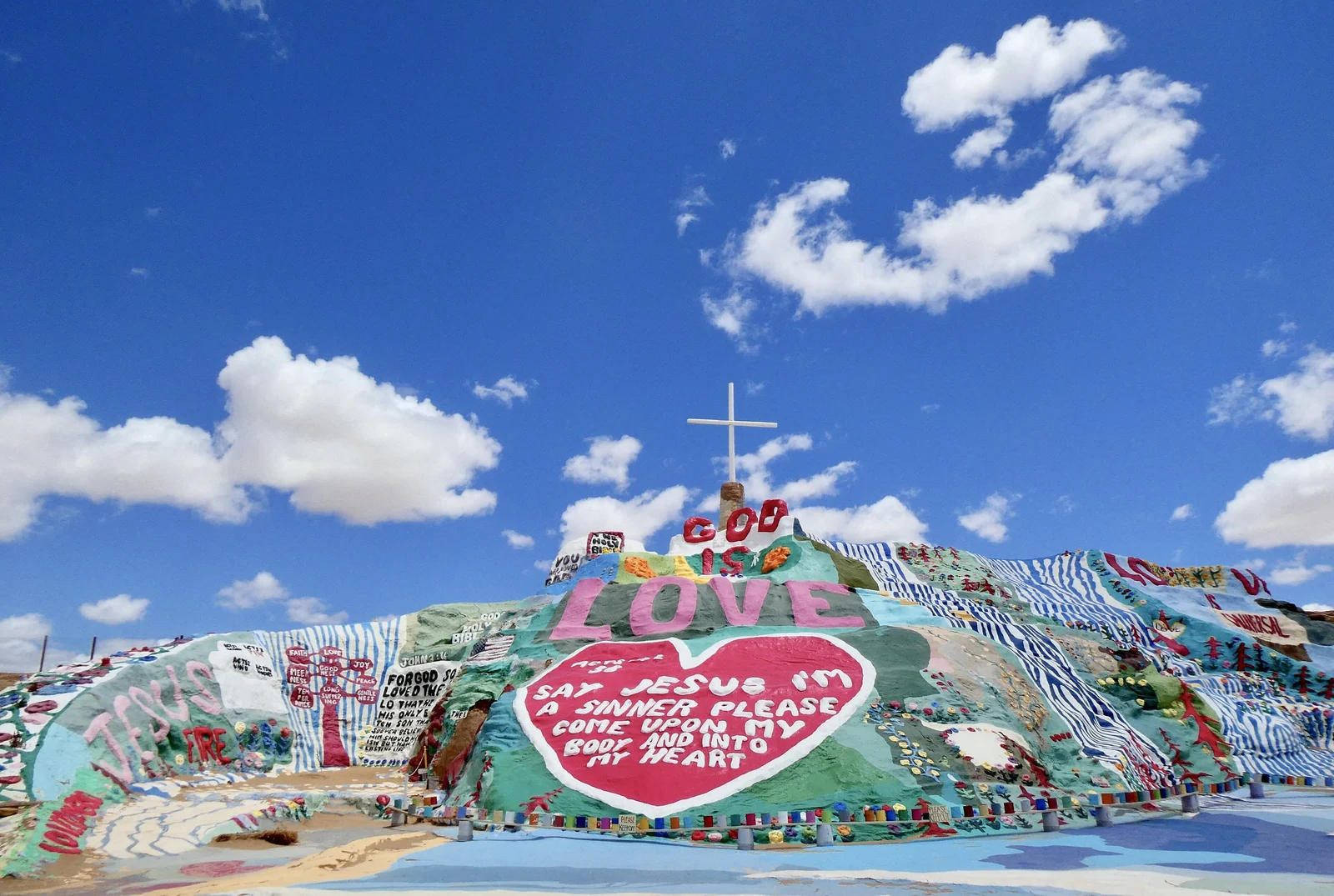
Salvation Mountain, near Niland, is a hill of adobe and paint made by Leonard Knight over many years. It sits at the unofficial entrance to Slab City, a former military site where people camp off the grid with no utilities or garbage service. The two are about half an hour from Bombay Beach, so many travelers combine them in one long day.
Treat both as places where people live. Salvation Mountain is a public monument and asks for respectful behavior. Slab City is loose and unstructured: ask before photographing people, do not wander into campsites, and bring everything you need. I would not rely on cell coverage there.
Getting There and Planning Your Visit
You need a car. Public transport does not serve the east shore in any useful way, and rideshare is unreliable this far out. Your starting point decides how long the day feels.
| Starting point | Approximate drive | Best use |
|---|---|---|
| Palm Springs | About an hour and a half | Easiest base; combine with the state park |
| Joshua Tree | About two hours | Add a night in the Coachella Valley |
| San Diego | Around three hours | A long day; consider staying overnight |
| Los Angeles | Around three hours | Works as part of a desert loop |
Times are approximate and depend on traffic, so check a mapping app before you leave. Fill the tank, and carry water and snacks. Fuel and food are limited near the east shore, and a full day here, with the state park, the town and the art, can easily stretch to six or seven hours.
Heat, Dust, Air Quality and Best Season
The best season is fall through spring. State Parks lists October through May as the comfortable window, while summer runs roughly 70 to 115°F and is a poor time to wander on foot. Early morning and late afternoon are the most pleasant hours, and the light is best near sunset.
Air quality deserves honest attention. As the sea shrinks, exposed lakebed can release dust, and Imperial County struggles with poor air quality at times. If you have asthma or another respiratory condition, check the air quality forecast before you go, limit time outdoors on windy days and carry any medication you need. Wind also kicks up fine sand, so protect your camera gear.
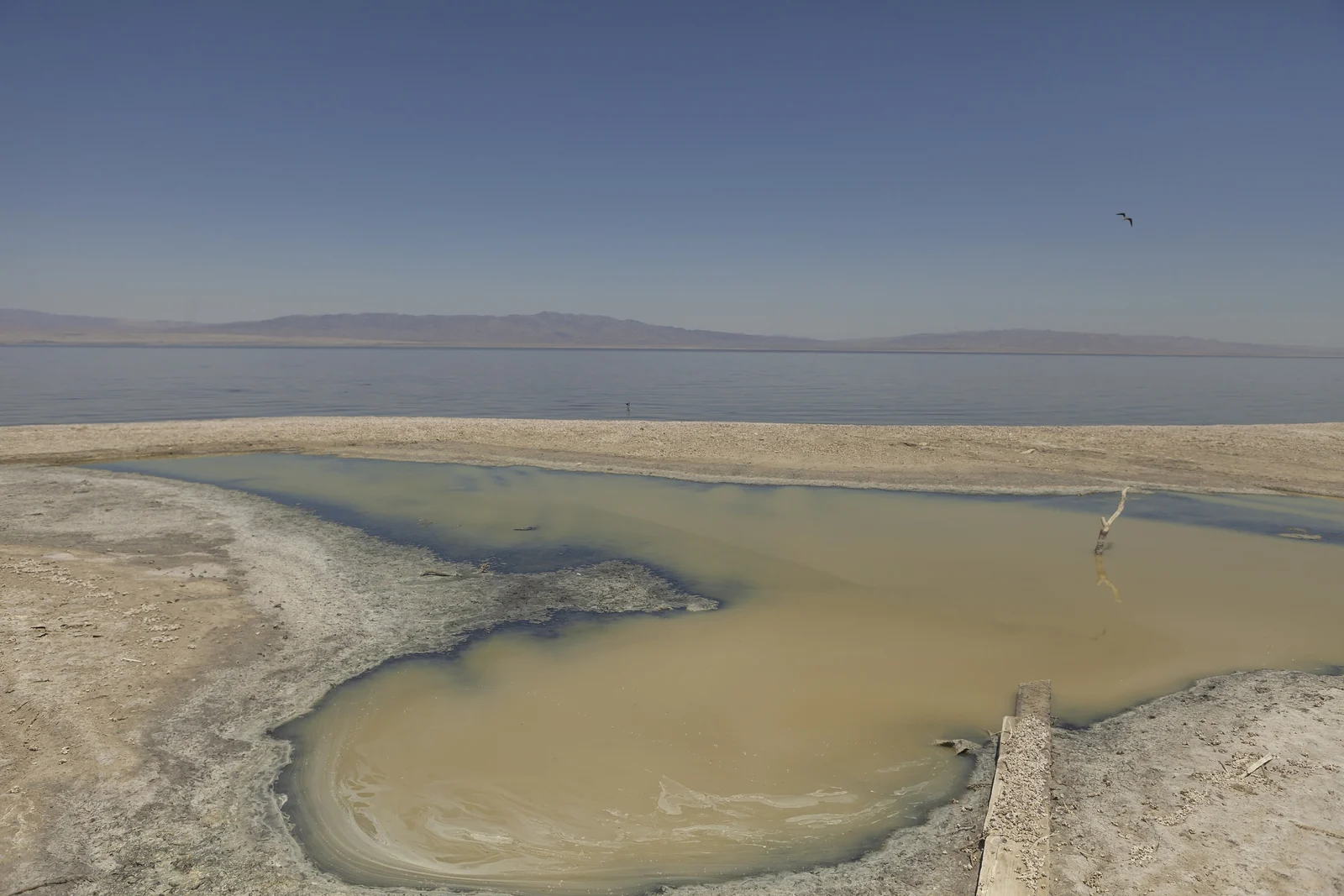
There is little shade and no easy escape from the sun, so bring a hat, sunscreen and more water than you think you need. Phone signal can be patchy.
Respect, Lodging and How It Compares
People live here, many of them on small incomes, and some chose the town for its quiet. Photograph the art and the shoreline freely, but do not photograph people or their homes without asking. Stay on the streets, do not climb on structures that look unsafe, do not remove objects, and leave no trash. Treat the installations as belonging to someone, because they do.
Lodging in the town itself is very limited. Most visitors base themselves in the Coachella Valley, around Palm Springs or Indio, which offers the widest choice of hotels. Others camp at the state park or stay near Joshua Tree. Book ahead if you plan to come during a festival weekend.
As for comparisons, Bodie is a state park with rules, rangers and set hours, preserved in decay. Bombay Beach is a real community and nothing has been frozen, so what you see is partly accident and partly art. Chile's Humberstone is a nitrate company town turned open-air museum, and Italy's Craco is a hill town you enter with a guide. Bombay Beach is the only one where you might buy a drink beside a neighbor. If you are mapping a wider Southwest trip, add our Utah national parks road trip, and for a sense of how large the American West really is, see how big Alaska is compared to Europe.
Bombay Beach and Salton Sea FAQ
Is Bombay Beach worth visiting?
Yes, if you like offbeat places, photography and desert landscapes. It is not a resort or a beach holiday. Expect a quiet, scruffy town, outdoor art and a shoreline that is more striking than pretty. Allow two to three hours in town.
How did the Salton Sea form?
In 1905 the Colorado River flooded through a breached irrigation canal and poured into the dry Salton Sink for about two years. The breach was closed in 1907. With no outlet, the lake has stayed, getting saltier as water evaporates.
Is it safe to visit the Salton Sea?
A day visit is generally fine if you prepare. The main risks are heat, dust and limited services. Avoid swimming or wading, check the air quality forecast if you have breathing problems, and tell someone your plan.
When is the best time to visit?
October through May is the comfortable season, with mild days that suit walking and birdwatching. Summer is extremely hot. Spring is also when the Biennale is held, so expect more visitors then.
Can you stay overnight in Bombay Beach?
Lodging in the town is very limited. Most visitors stay in the Coachella Valley around Palm Springs or Indio, or camp at the state recreation area. Check current options and availability before you go.
Can I combine it with Salvation Mountain?
Yes. Salvation Mountain and Slab City near Niland are roughly half an hour away. Combine them in a long day or split the trip. Respect residents, ask before photographing people and bring your own supplies.
How does Bombay Beach compare with Bodie?
Bodie is a preserved gold-rush ghost town run as a state park, while Bombay Beach is an inhabited community with art installations. Bodie tells a finished story; Bombay Beach is still changing.