


Porto is Portugal’s second city, a granite-and-tile port town stacked up the steep north bank of the Douro River. It is worth the trip for a compact, walkable center that is a UNESCO World Heritage Site, for the port wine cellars lined up across the river in Vila Nova de Gaia, and for a food scene that is generous, heavy and deeply local.
Three days is the sweet spot: two for the city and Gaia, one for the Douro Valley or a northern day trip. This Porto travel guide covers the Ribeira waterfront, Livraria Lello and the azulejo-covered buildings, port tasting, the francesinha, the vineyards upriver, and Braga and Guimarães. Lisbon is a different animal, so if you are doing both, our Lisbon guide covers the capital.
Ribeira and the Dom Luís I Bridge
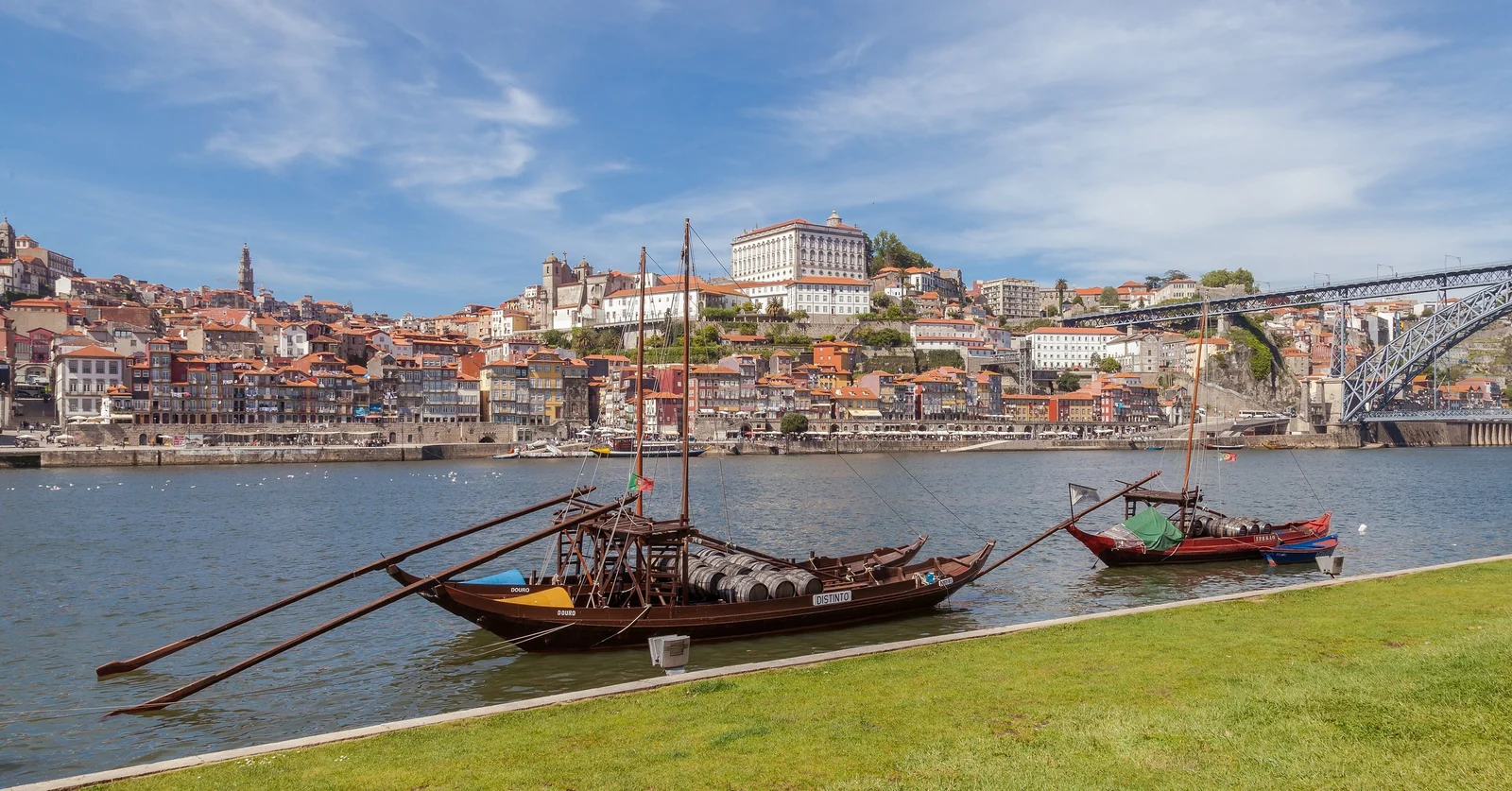
The Ribeira is Porto’s old riverfront quarter, a tangle of lanes, laundry lines and narrow, colorful houses dropping to the Cais da Ribeira quay. Together with the bridge and the Serra do Pilar monastery across the river, the Historic Centre of Porto was inscribed on the UNESCO World Heritage List in 1996. It is touristy, yes, but it is also still a neighborhood, and it looks best early in the morning before the restaurant terraces fill.
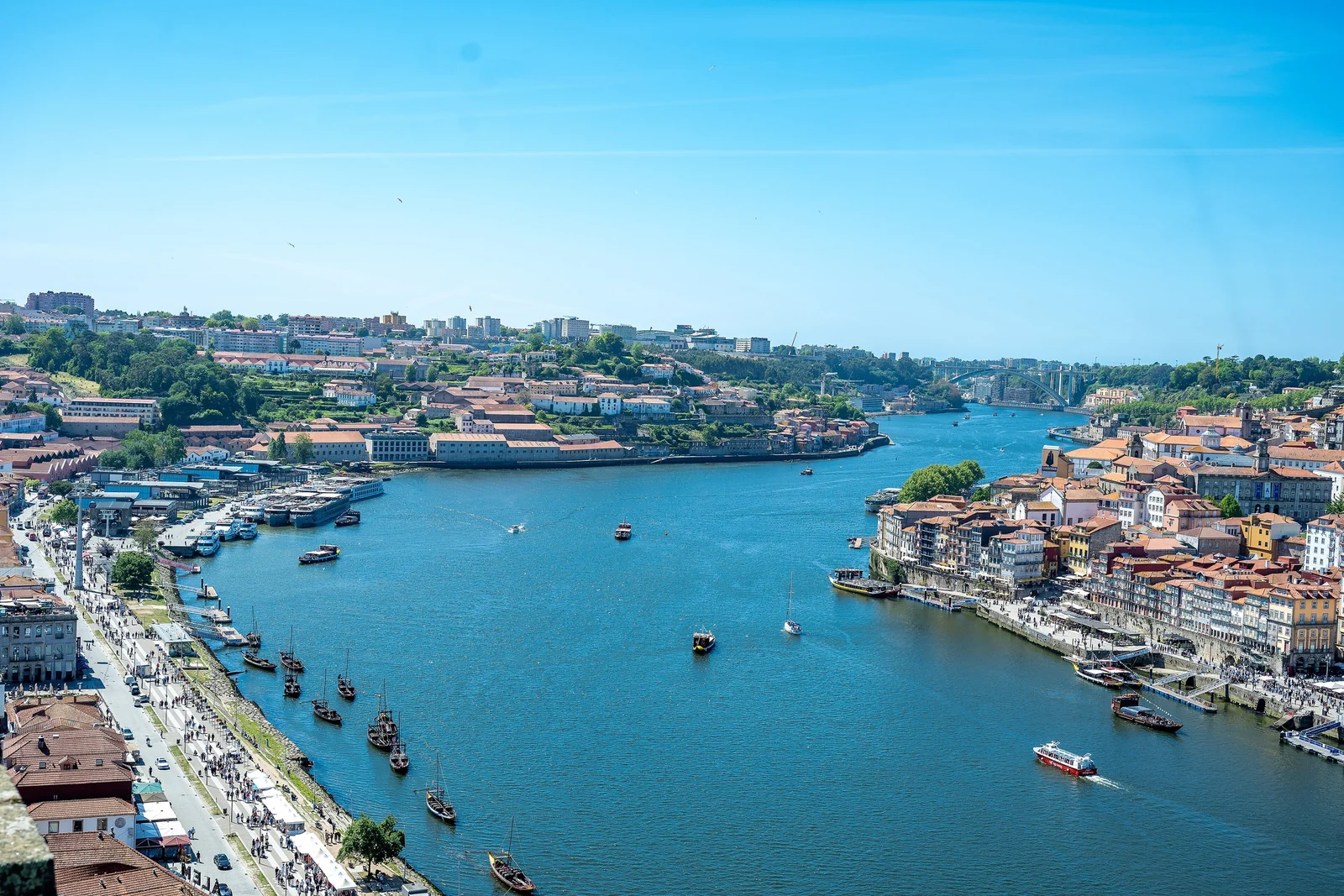
Dominating the view is the Dom Luís I Bridge, a double-deck iron arch that opened in 1886 and was designed by Théophile Seyrig, a partner of Gustave Eiffel. Pedestrians can cross on both levels. The upper deck, which also carries the metro, is the one to walk for the panorama; the lower deck puts you at quay level with the cafes of Gaia.
The Cathedral, Clérigos and the Old Center
Climb from the Ribeira to the Sé, Porto’s fortress-like cathedral, for its cloister and the terrace view across the rooftops. A short walk away rises the Torre dos Clérigos, a Baroque bell tower by the Italian architect Nicolau Nasoni. Climbing the narrow stairs is worth it for the rooftop outlook, but go early, since the staircase is single-file.
Livraria Lello and Porto’s Azulejos
Livraria Lello
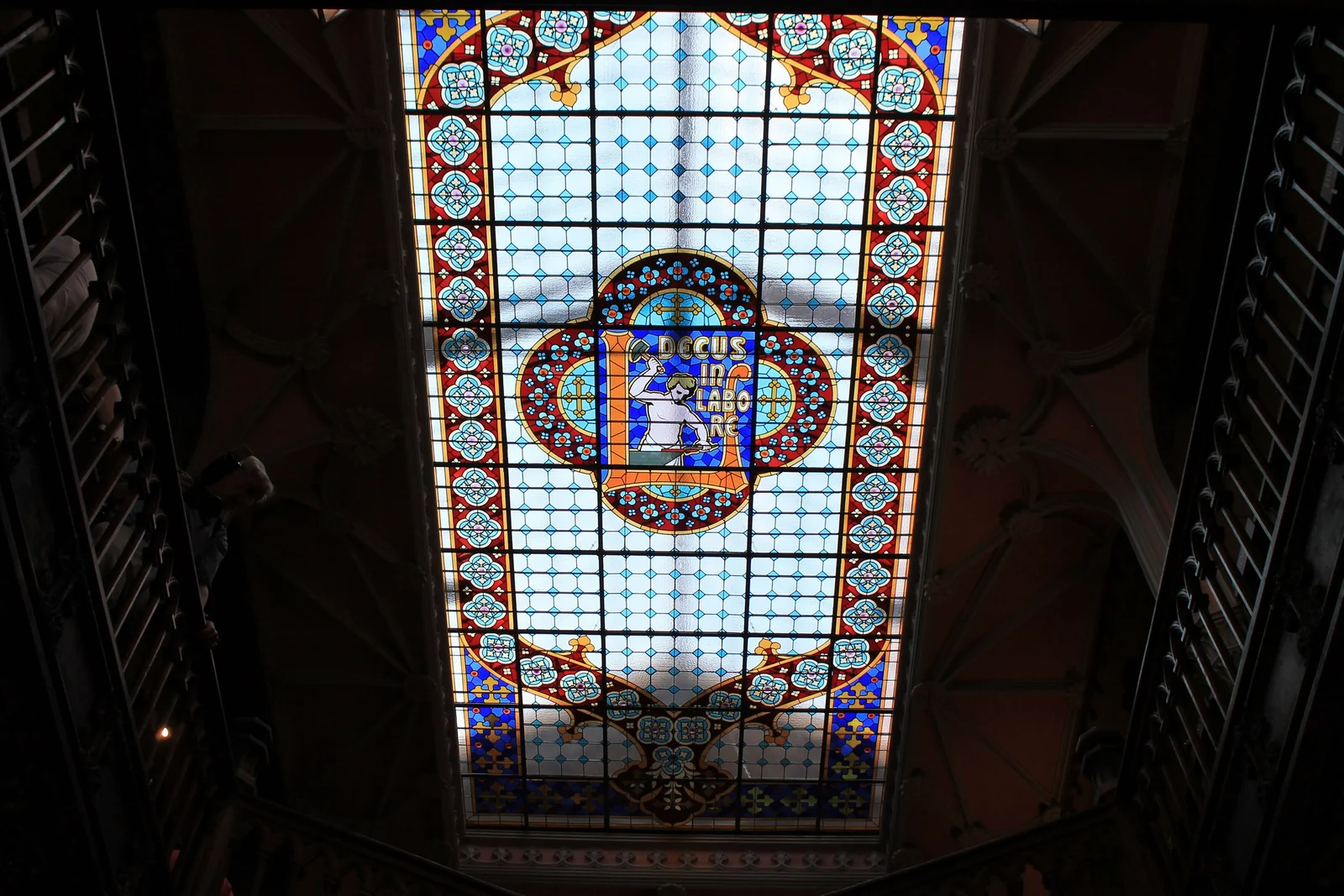
Opened in 1906, Livraria Lello is a neo-Gothic bookshop with a carved wooden ceiling, a stained-glass skylight and a curving red staircase that photographs better than it sounds. It has become so popular that you need a ticket to enter, and queues can be long. Buy ahead on the official Livraria Lello site, and treat it as a short stop rather than a half-day.
São Bento Station
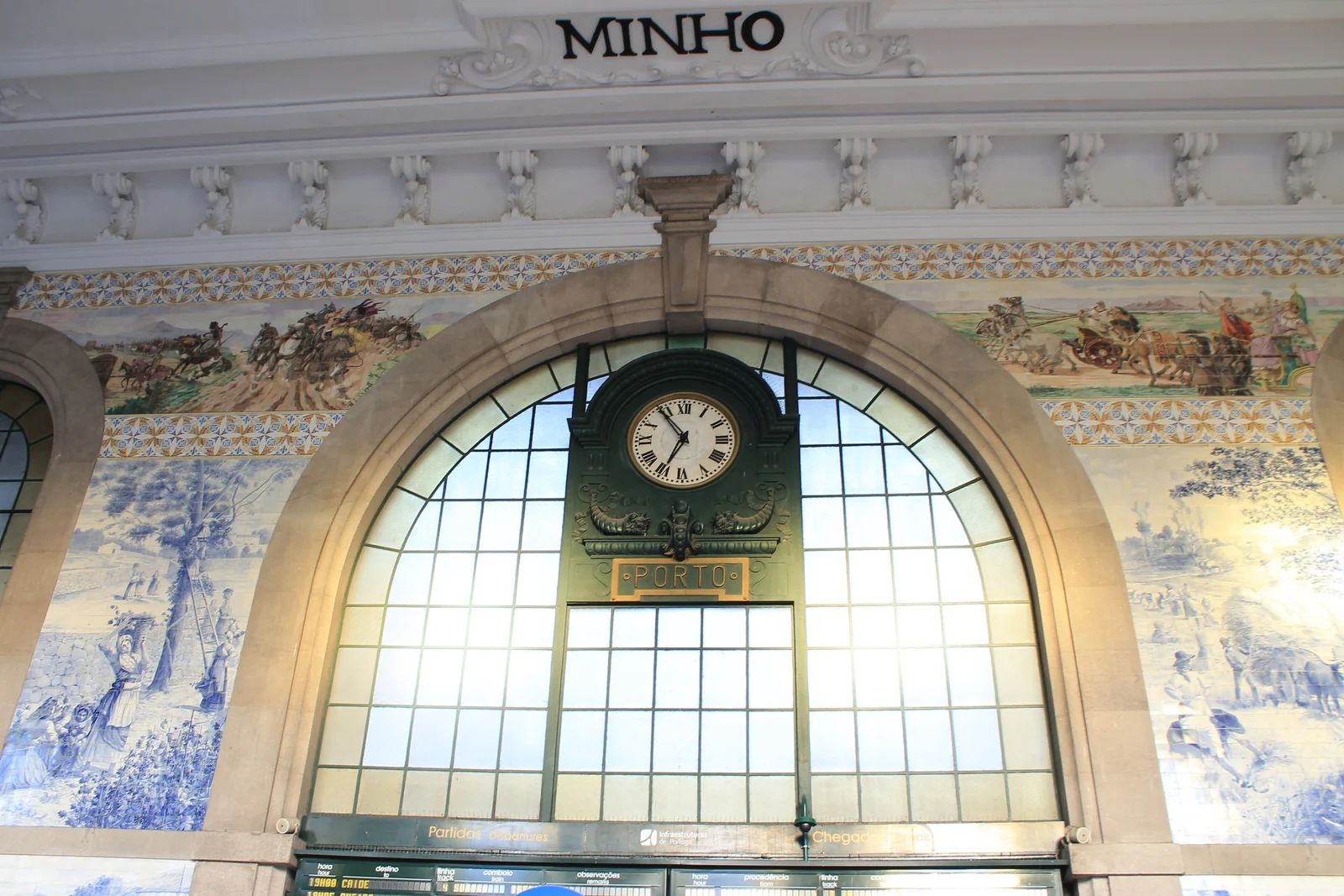
São Bento is one of the few railway stations that deserves a visit even if you are not catching a train. The entrance hall, opened in 1916, is covered in blue-and-white azulejos by the painter Jorge Colaço, some 20,000 tiles in total, depicting battles, rural life and royal processions. Walk in, look up, spend ten minutes, and leave. It is free.
More Tiled Facades
Azulejos are not only indoor art in Porto. Churches such as the Igreja do Carmo and the Capela das Almas wear whole facades of blue tile, and plenty of ordinary apartment buildings are clad in patterned ceramic that protects against the damp Atlantic climate. Tile-spotting is a good excuse to wander the streets around Rua de Santa Catarina and Rua das Flores.
Port Wine Cellars in Vila Nova de Gaia
Across the river, Vila Nova de Gaia is where port wine ages. The fortified wine is made from grapes grown upriver in the Douro, but for centuries it has been stored, blended and shipped from the Gaia lodges, which is why the label says Porto even though the vineyards are many kilometers away. Several of the big names, including Sandeman, Graham’s, Taylor’s and Cálem, run cellar tours with a tasting at the end.
How to Do a Port Tasting
Most tours last 30 to 60 minutes and finish with a couple of styles. Prices vary by house and by how many wines you taste, so check each producer’s own website for current rates and book ahead in busy months. Do not try to visit more than two or three lodges in a day. The styles you will meet are:
- Ruby: young, fruity and aged briefly in large vats or barrels.
- Tawny: aged longer in wood, with nutty, caramel notes. Labels such as 10 or 20 years indicate the average age.
- White: made from white grapes and often served chilled, sometimes with tonic as a summer aperitif.
- Vintage: made from the best grapes of an exceptional year, bottled young and aged in the bottle.
Cross the Dom Luís I Bridge on foot, or ride the Teleférico de Gaia cable car along the waterfront if your legs are tired. For the classic view back at Porto, the Jardim do Morro viewpoint near the Serra do Pilar monastery is the spot, and it fills with people at sunset.
What to Eat in Porto: Francesinha and More
Porto locals are nicknamed tripeiros, tripe-eaters, and the cooking is hearty. The dish everyone talks about is the francesinha, a sandwich from Porto that dates to the 1950s: bread layered with ham, sausage and steak, buried under melted cheese and a beer-and-tomato sauce, often topped with a fried egg and served with fries. It is a lot of food. Share one if you want room for anything else, and do not plan a hike afterward.
- Tripas à moda do Porto: the original tripe-and-bean stew, for the curious.
- Bacalhau: salt cod, cooked in more ways than there are days of the year, according to local lore.
- Pastel de nata: the custard tart is everywhere, and the best ones are eaten warm.
- Mercado do Bolhão: the city’s renovated market for fruit, cheese, flowers and snacks.
For a drink, ask for a vinho verde, the light, slightly fizzy white from the green northern vineyards, or a glass of white port and tonic. Lunch is the cheaper meal almost everywhere, with many places offering a fixed-price prato do dia.
Douro Valley Day Trip from Porto
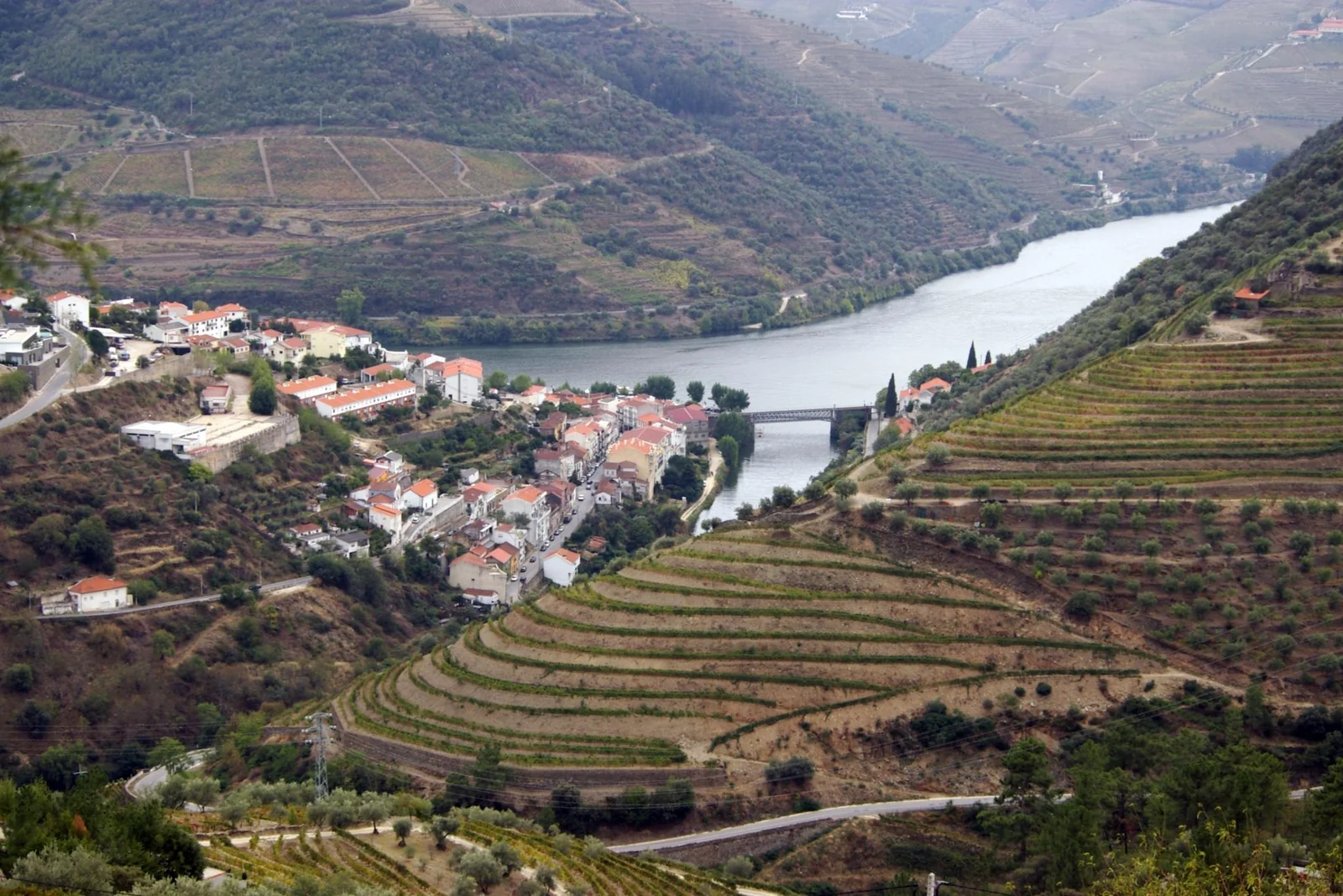
The terraced hills of the Douro Valley have grown wine for centuries. The Alto Douro Wine Region was designated a UNESCO World Heritage Site in 2001, and the Douro is often described as the first demarcated wine region in the world, set out in 1756. A full day gets you to the heart of it, but an overnight stay lets you slow down.
| Option | How it works | Best for |
|---|---|---|
| Train to Pinhão | Regional trains on the Douro line leave from Porto and run along the river, roughly two and a half hours each way | Scenery without a car, a relaxed day |
| Organized tour | Small-group or private tours combine vineyard visits, tastings and sometimes a river cruise | First-timers who want tastings without driving |
| Rental car | Drive the river roads at your own pace | Visiting several quintas, with a designated driver |
| River cruise | Boats run from Porto or from towns along the valley | Seeing the terraces from the water |
The train is the most atmospheric option, and the stretch beyond Régua hugs the river closely. Pinhão, with its tiled station, is the classic stop. Harvest, known as the vindima, runs through September into early October, when the vineyards are busiest and some quintas offer grape-treading experiences. Book winery visits ahead, as many are by appointment only.
Braga and Guimarães: Day Trips to the North
If the Douro is not your thing, the north has two excellent small cities within roughly an hour or so by train, and each makes a full day. Check current timetables on the CP Comboios de Portugal website.
Braga
Braga is one of Portugal’s oldest cities and a religious center. Its cathedral, begun in the 11th century, is regarded as the oldest in the country. Just outside town, the Bom Jesus do Monte sanctuary, with its zigzag Baroque stairway climbing a wooded hill, was inscribed as a UNESCO World Heritage Site in 2019. You can walk the steps or take the old water-powered funicular.
Guimarães
Guimarães is known as the birthplace of the Portuguese nation. Its medieval castle is tied to Afonso Henriques, the first king, and the Palace of the Dukes of Braganza sits close by. The historic center is UNESCO-listed (2001), and the lanes around Largo da Oliveira are pleasant for a coffee stop. It makes a good contrast with Porto’s urban energy.
Best Time to Visit Porto
Porto has an Atlantic climate: mild winters, warm summers, and rain that can show up any month, especially from autumn to spring. Pack a light waterproof and shoes with grip, because the cobbled hills turn slick.
- April to June: pleasant for walking, and the city is at its greenest.
- July and August: the warmest and busiest period, with beach days at Foz do Douro.
- September and October: harvest season in the Douro, warm days and fewer crowds.
- November to March: cooler and wetter, with lower prices and fewer queues.
São João in June
Porto’s biggest party is the Festa de São João, the night of June 23 into June 24. Streets fill with grilled sardines, fireworks and locals tapping each other with toy plastic hammers. It is fun, loud and crowded, so book accommodation early or pick another month if you want quiet.
Getting to Porto and Getting Around
Francisco Sá Carneiro Airport (OPO) sits north of the city, and the metro connects it to the center in roughly half an hour. Long-distance trains from Lisbon arrive at Campanhã station on the eastern side of town, and the journey takes around three hours on the fastest services. From Campanhã, a short train or metro ride gets you to São Bento in the center.
The old town is very walkable but very hilly, so allow extra time and good shoes. The metro and the Andante card cover most of the city and the suburbs, and the historic trams are more of a scenic ride than real transport. Check current fares and passes at the Metro do Porto website.
Where to Stay in Porto
- Ribeira and Sé: the most atmospheric, with river views. Expect steep climbs, stairs and some noise.
- Baixa and Aliados: the practical center, close to São Bento station, shops and the metro.
- Cedofeita and Miguel Bombarda: galleries, cafes and a more local feel, a few blocks from the main sights.
- Vila Nova de Gaia: quiet at night, close to the cellars, with the best views of the Porto skyline.
- Foz do Douro: seaside and calmer, a tram or bus ride from the center.
A 3-Day Porto Itinerary
Day 1: Ribeira and the Old Center
Start at São Bento station, walk to the cathedral, then drop down to the Ribeira. Cross the bridge for lunch in Gaia, and finish with a port tasting and sunset at Jardim do Morro.
Day 2: Lello, Clérigos and Food
Book an early slot at Livraria Lello, then climb the Clérigos Tower. Spend the afternoon among the tiled churches and the market, and book a table for a francesinha dinner.
Day 3: The Douro or the North
Take the morning train up the Douro to Pinhão, or head to Braga and Guimarães. Planning more of Portugal? See our Portugal travel guides or the Azores island-hopping guide. For another Atlantic port city across the border, try our Bilbao guide, or browse all European destinations.
Porto Travel FAQ
How many days do you need in Porto?
Two days cover the old center, Livraria Lello, São Bento and a Gaia cellar tour. Add a third for the Douro Valley, Braga or Guimarães. Wine lovers and slow travelers will happily stretch it to four.
Is Livraria Lello worth it?
It is beautiful, but it is small and crowded. Book a ticket on the official site, go early, and treat it as a short stop. If the queue is too long, São Bento station offers a free dose of tilework instead.
What is a francesinha?
A Porto sandwich of bread, ham, sausage and steak, covered in melted cheese and a rich beer-and-tomato sauce, often with an egg and fries. It is very filling, so many people share one.
Can you visit the Douro Valley from Porto in a day?
Yes. Trains along the Douro line reach Pinhão in roughly two and a half hours, and organized tours or a rental car give you more flexibility. For several winery visits, plan an overnight stay.
Which port wine cellars are in Vila Nova de Gaia?
Gaia has dozens of lodges, including well-known names such as Sandeman, Graham’s, Taylor’s and Cálem. Most offer a guided tour and tasting. Check each producer’s website for hours and booking.
Is Porto walkable?
Yes, the historic center is compact, but the hills are steep and the cobblestones uneven. Wear comfortable shoes, and use the metro, a tram or the Gaia cable car to save your legs.
Can you do Braga and Guimarães as day trips from Porto?
Yes. Both are roughly an hour or so away by train, and most visitors see one city per day. Doing both in a single day is possible but rushed, so start early and check train times.