If you can only pick one, pick Lisbon. It is bigger, more varied and better connected, with more to see, more day trips and more nightlife. If you have just two days, or you care most about eating, wine and an easy walkable center, Porto is the better short stay.
Both cities sit on the Atlantic side of Portugal, both are built on steep hills above a wide river, and both are covered in tiles. They still feel different. Lisbon is a capital with the scale and swagger that implies. Porto is a smaller, grittier, more intimate city that grows on you quickly. Here is how Lisbon vs Porto compares, from atmosphere and sights to airports and value.
Lisbon or Porto: The Short Verdict
For a first trip to Portugal with three or more days, start in Lisbon. The city gives you the big monuments, the viewpoints, the trams, the river and a choice of day trips to Sintra and the coast. Our Lisbon travel guide covers the main sights in detail.
Start in Porto if you have a long weekend, if you are traveling with a partner who wants to wander and eat rather than tick off monuments, or if wine is the point of the trip. Porto is compact enough that two full days feel complete, and the Porto travel guide shows how much fits into that time.
With a week or more, do not choose. See both.
Atmosphere, Size and Hills
Lisbon is the capital and by far the larger city: about 546,000 residents in the city proper at the last census, against roughly 232,000 in Porto. You notice it on the ground. Lisbon has several distinct centers, long avenues, wide squares and neighborhoods that each need their own day.
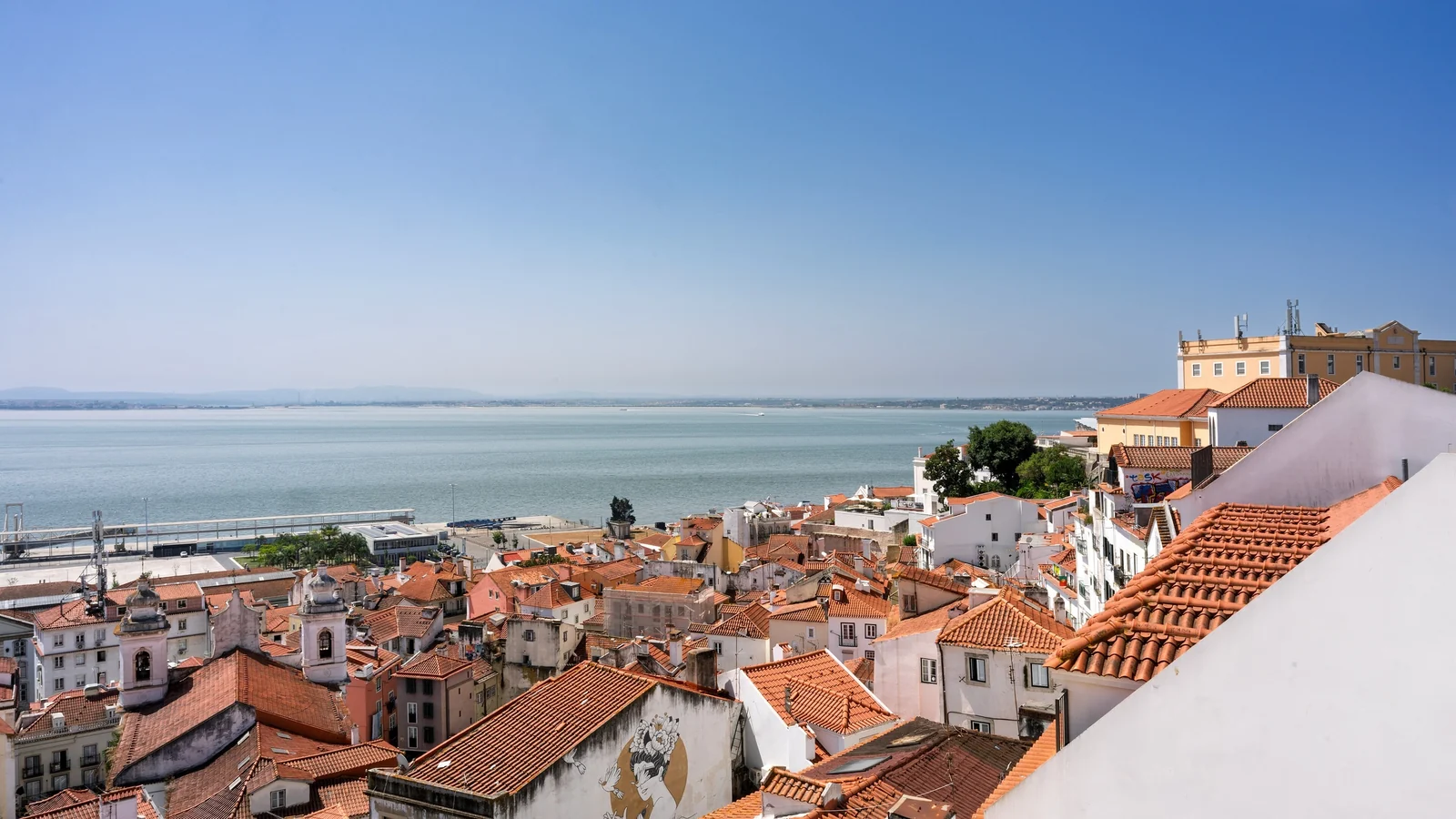
The mood is cosmopolitan and a little theatrical. Alfama is a knot of lanes that climbs from the river, Baixa is a tidy grid rebuilt after the 1755 earthquake, and Bairro Alto fills up after dark. Lisbon can be loud and crowded in the middle of the day, and it can also be dreamy at golden hour from a miradouro, one of the viewpoint terraces scattered over the hills.
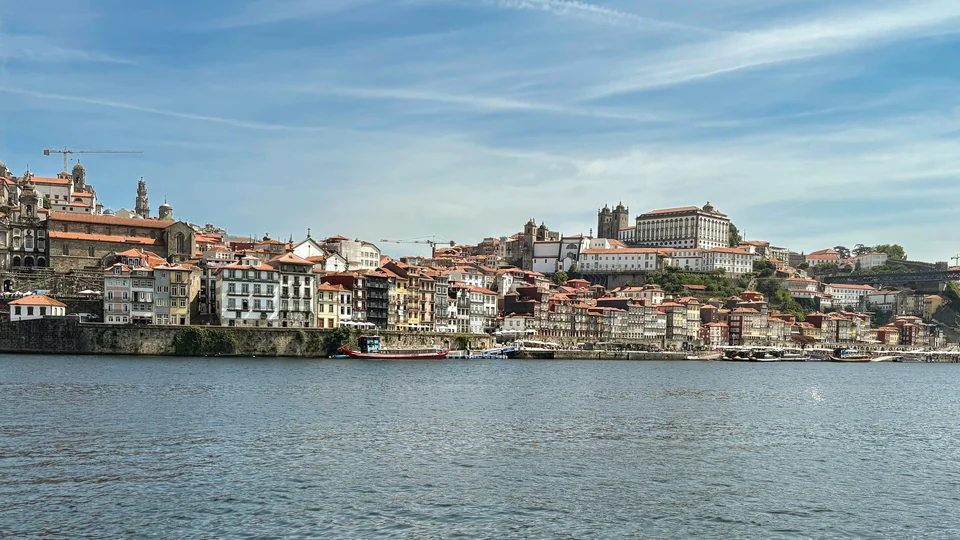
Porto is smaller and moodier. Granite houses stack up the slope from the Douro, laundry hangs from balconies, and the old center feels lived in rather than staged. The north is cooler and wetter than the Lisbon region, so pack a light rain jacket outside summer.
Hills, Walking and Getting Around
Be honest with yourself about your knees. Lisbon is famous for its seven hills, and Porto is no flatter. In Porto the big drop is between the high town and the river, and you feel it every time you climb back up from Ribeira. In Lisbon the ups and downs are spread over a wider area, which means more climbing in more places.
Lisbon's transport is the richer system. It has a metro, buses, trams, funiculars, the Santa Justa lift, commuter trains to Belém, Cascais and Sintra, and ferries across the Tagus. The historic tram 28 is a sightseeing ride as much as transport. Porto has a clean metro network that includes a direct line from the airport, plus buses and heritage trams. Its center is small enough that most visitors walk nearly everywhere, apart from a metro or tram ride to the coast.
The practical difference is simple. In Porto you can stay almost anywhere central and be on foot to most things. In Lisbon the choice of neighborhood changes your trip, so read our guide to where to stay in Lisbon before you book.
Sights: Monuments vs Moments
Lisbon wins on sheer number of major sights. The Jerónimos Monastery and Belém Tower, both UNESCO-listed, sit in the riverside district of Belém. The Castelo de São Jorge looks over the old town, the Praça do Comércio opens onto the river, and the Alfama and Bairro Alto districts reward aimless walking.
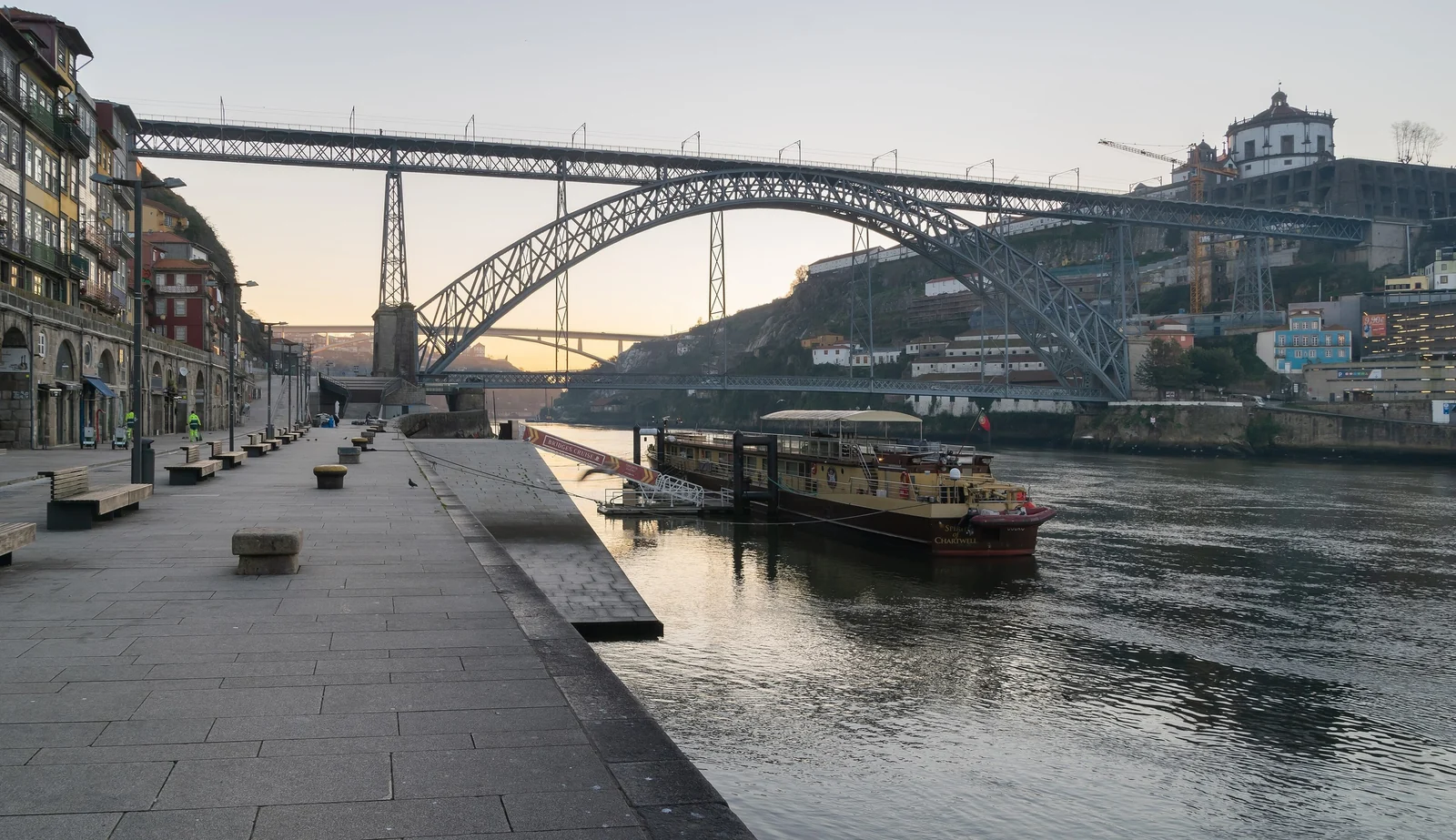
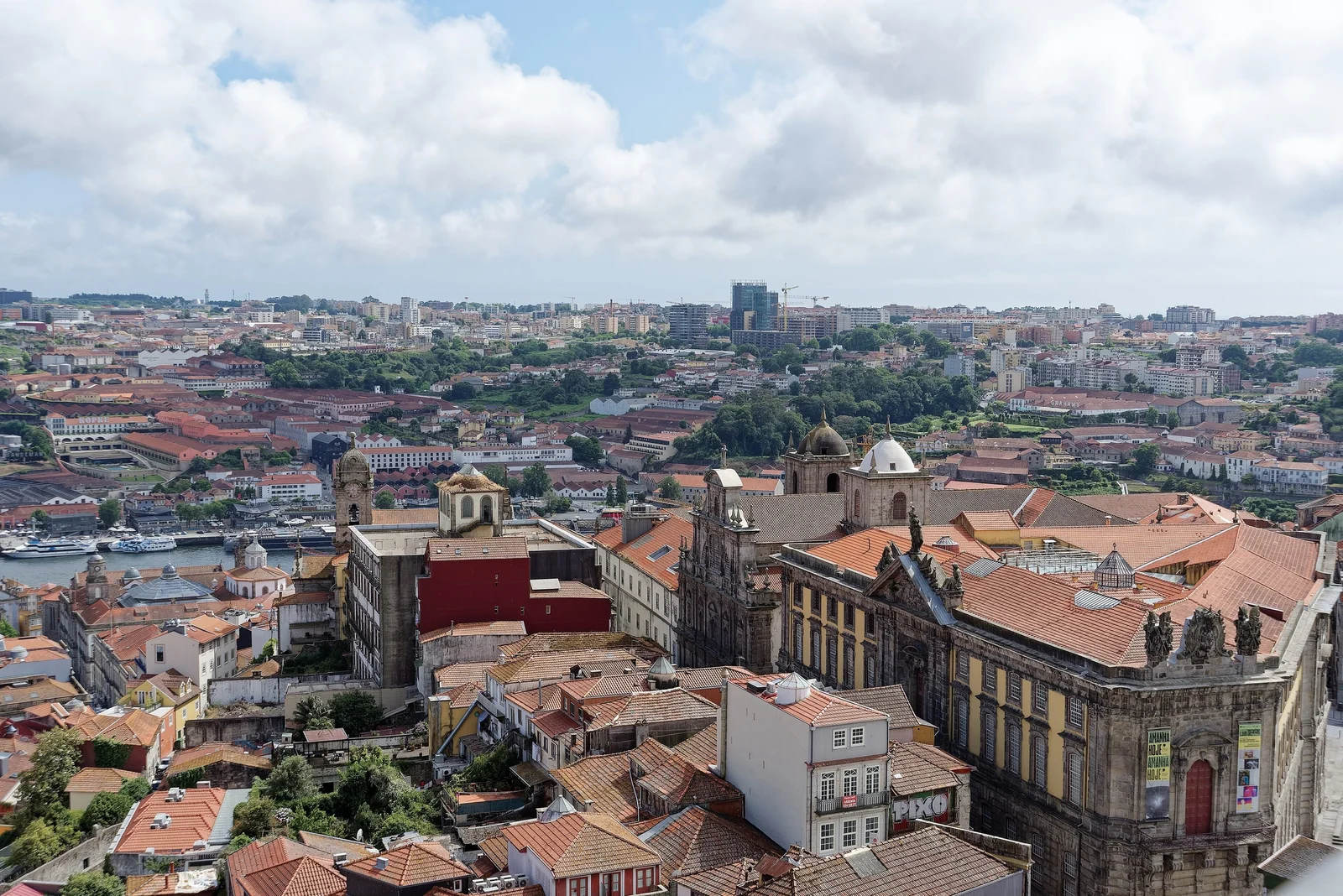
Porto has fewer headline monuments and more atmosphere per square meter. The historic center is UNESCO-listed, and the highlights are tightly packed: Ribeira along the river, the double-deck Dom Luís I Bridge, the tiled hall of São Bento station, the Clérigos Tower and the old bookshop Livraria Lello. Across the bridge, Vila Nova de Gaia is where the port wine lodges stand. You can see all of this in two days without rushing.
Food, Drink and Nightlife
This is where Porto punches above its weight. It is the home of the francesinha, a meat-and-cheese sandwich smothered in a spiced sauce, and of tripe stew, tripas à moda do Porto, which locals take seriously. Port wine is the city's calling card, and the cellars in Gaia make tasting easy.
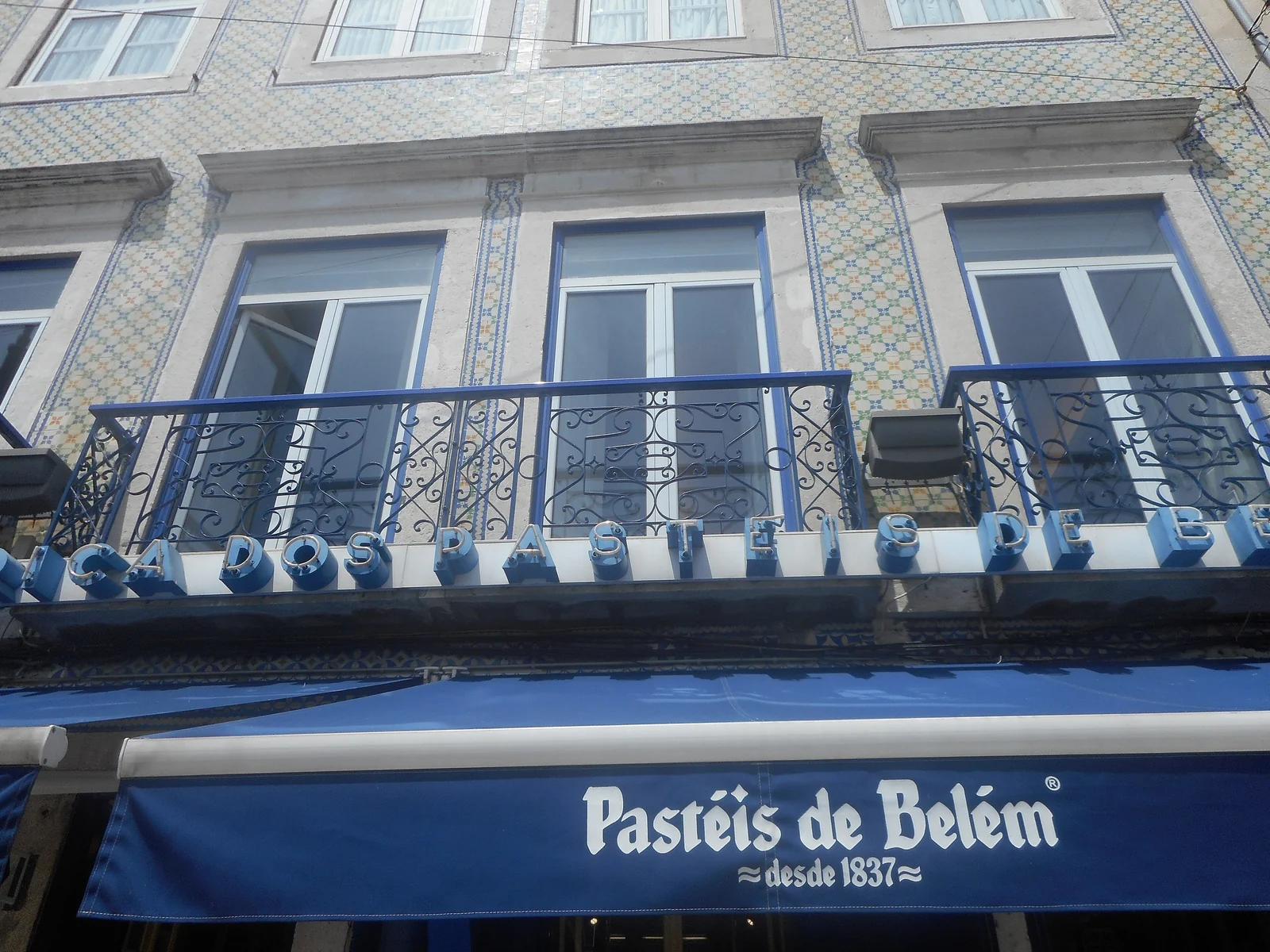
Lisbon's food scene is broader and more international. You get traditional tascas serving grilled fish and salt cod, ambitious modern restaurants, markets, rooftop bars and neighborhood cafés. The pastel de nata custard tart is the city's best-known sweet, and the original bakery in Belém has been making them since 1837.
My verdict: Porto for hearty, regional cooking and port wine; Lisbon for range and more ways to eat well on a long trip. A food-focused traveler with a short window should lean Porto. One with a week should lean Lisbon, or better, both.
Nightlife
Lisbon is the stronger nightlife city, no contest. Bairro Alto is a maze of tiny bars where the crowd spills into the street, Cais do Sodré and its Pink Street cover the late-night end, and the clubs go on well past sunrise. Fado houses in Alfama and Mouraria offer something slower and more emotional.
Porto's nightlife is smaller but pleasant. Bars around Rua Galerias de Paris and Cedofeita fill on weekends, there are wine bars and riverside terraces, and the student population keeps the center lively. If an evening for you means a long dinner and a glass of port by the river, Porto is perfect. If it means dancing until the early hours, go to Lisbon.
Beaches and Day Trips
Neither city is a beach resort, but both give you sand without a long trip. From Lisbon, commuter trains run along the river and coast to Cascais, and the beaches of Costa da Caparica sit across the Tagus. Our comparison of Sintra and Cascais shows how those day trips work.
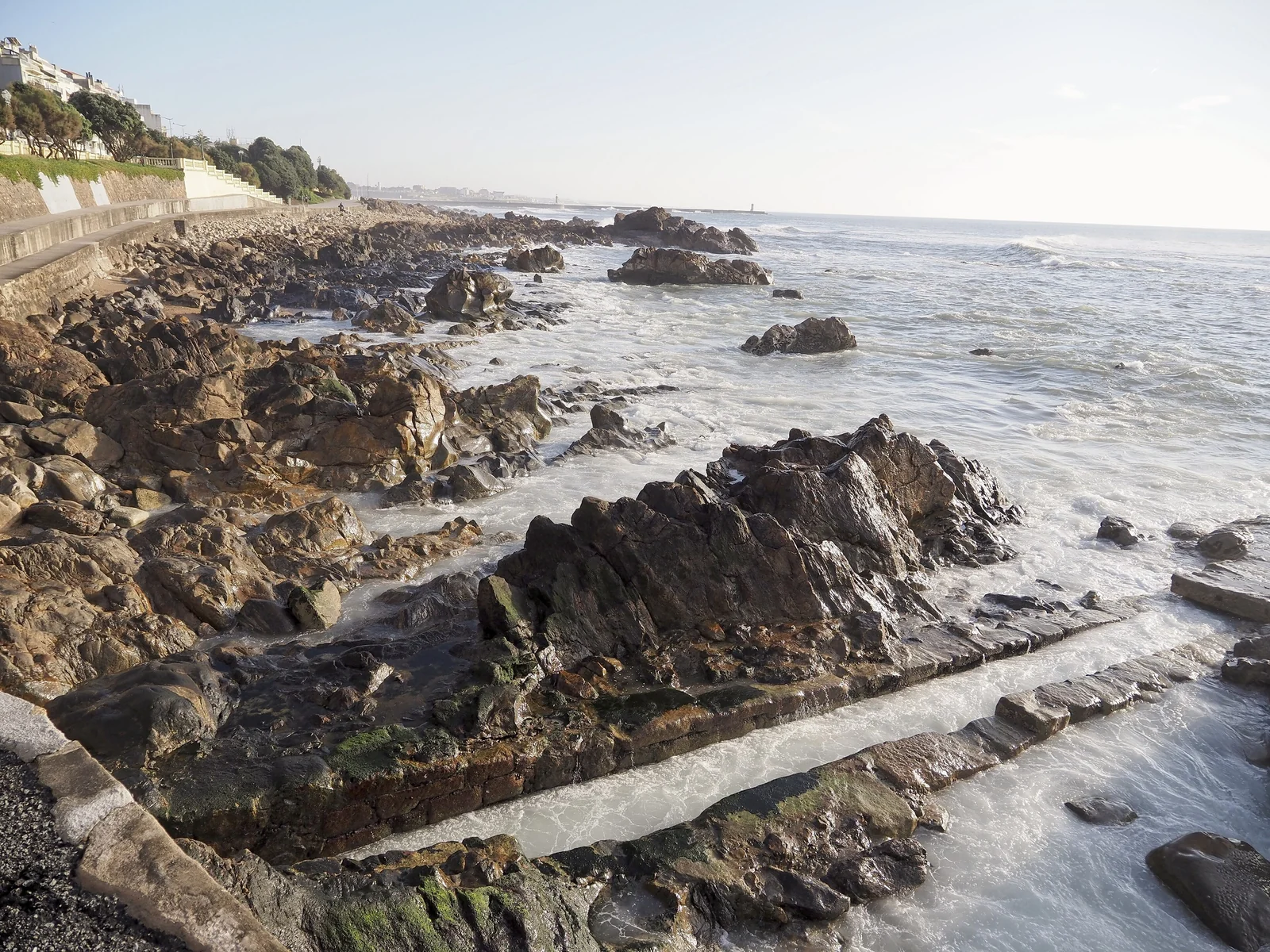
Porto has the more convenient seaside because the Atlantic is part of the city itself. Foz do Douro, where the river meets the ocean, and Matosinhos, known for its seafood grills and surf, are a short tram, bus or metro ride from the center. Expect cooler water and more wind than in the south, and a long promenade rather than a resort strip.
Day Trips
Lisbon is the better base for day trips. Sintra's palaces and forest, the coast at Cascais, the Arrábida hills and the city of Évora are all reachable without a car, and Sintra alone can fill a whole day.
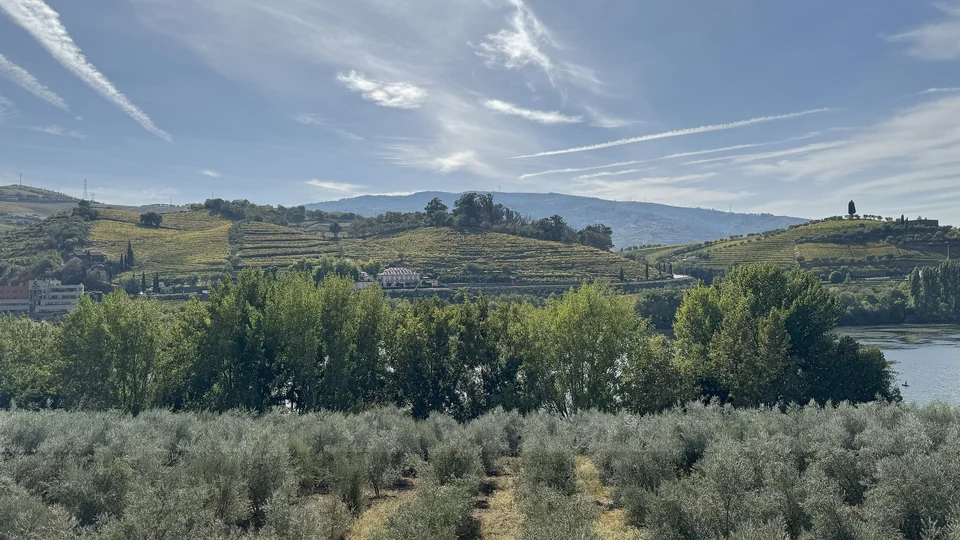
Porto's best excursions are very good too, only fewer. The Douro Valley, a UNESCO-listed wine region, is the big one, reached by train, boat or organized tour. The northern cities of Braga and Guimarães and the canals of Aveiro are the usual alternatives. If wine and river scenery appeal more than palaces, Porto's day trips win.
Lisbon vs Porto at a Glance
| Lisbon | Porto | |
|---|---|---|
| City size | About 546,000 residents in the city proper | About 232,000 residents in the city proper |
| Atmosphere | Capital city: grand, varied, lively | Intimate, gritty, riverside |
| Hills | Seven hills, spread over a large area | Steep slope between high town and river |
| Main sights | Belém, Alfama, Castelo de São Jorge, Baixa | Ribeira, Dom Luís I Bridge, São Bento, Livraria Lello |
| Food | Wide range, pastéis de nata, seafood | Francesinha, tripe stew, port wine |
| Nightlife | Excellent: Bairro Alto, Cais do Sodré, fado | Smaller but good: bars and wine terraces |
| Beaches | Cascais line and Costa da Caparica | Foz do Douro and Matosinhos, inside the city area |
| Day trips | Sintra, Cascais, Arrábida, Évora | Douro Valley, Braga, Guimarães, Aveiro |
| Ideal stay | Three days to a week | Two to four days |
Airports, Getting There and Value
Both cities have international airports that connect to the center by metro. Lisbon's airport is on the red metro line, and Porto's Francisco Sá Carneiro Airport is linked by the metro network's Line E. Both are easy arrivals, but Lisbon usually has the busier route map, with more long-haul and low-cost options, so it is often the simpler gateway from North America. Check airlines and airport sites for your own route, and see the official Metro do Porto site for the airport line.
Value for Money
Portugal is still good value by Western European standards, and both cities are cheaper than Paris, London or Amsterdam. Porto tends to feel a little easier on the wallet for meals and rooms, while Lisbon has more at both ends of the scale, from budget hostels to luxury hotels. Prices change quickly and by season, so check current rates rather than relying on a figure in a guide.
Best For: Who Should Pick Which City
First-timers
Lisbon, if you have three days or more. It gives the broadest introduction to Portugal and the easiest logistics. With two days or fewer, Porto is more satisfying than a rushed Lisbon.
Couples
Porto edges it for a romantic long weekend: river views, port wine tastings and unhurried dinners. Lisbon wins for couples who want sunset viewpoints, music and a bigger menu of things to do.
Foodies
Both are strong. Porto is better for regional dishes and wine in a short visit, while Lisbon is better if you want variety and a deeper restaurant scene.
Short stays
Porto. The center is compact, you can walk it, and the airport metro ride is straightforward. A two-night stay still feels complete.
Sample plan: three days in Lisbon
Day one: Alfama, the castle and sunset at a miradouro. Day two: Belém in the morning, then Baixa and Bairro Alto. Day three: Sintra or Cascais as a day trip, with dinner back in the city.
Sample plan: three days in Porto
Day one: Ribeira, the Dom Luís I Bridge and a port tasting in Gaia. Day two: São Bento, Clérigos, Livraria Lello and a francesinha lunch. Day three: a Douro Valley day trip, or Foz and Matosinhos for the coast.
Sample plan: three days, both cities
One day and night in Lisbon, a morning train north, then two nights in Porto. It is fast and you will leave wanting more, but it works if that is all the time you have.
How to Do Both Lisbon and Porto
The two cities are linked by a direct train that runs several times a day. The fastest services take roughly three hours, and slower intercity trains take a bit longer. Buses and driving are alternatives. Our guide to getting from Lisbon to Porto by train, bus or car compares them in detail, and the operator Comboios de Portugal publishes current timetables and fares.
My advice for a week: three or four nights in Lisbon, a day trip to Sintra, then the train to Porto for two or three nights. If you are tight on time, do Lisbon for three nights and Porto for two, and skip the day trips.
Practical Tips for Planning
- Best time to go: spring and early autumn are comfortable in both cities. Summer is hot in Lisbon and busy everywhere, while winter is mild but wetter, especially in Porto.
- Shoes: bring comfortable, grippy soles. Both cities have steep, polished stone pavements that get slippery when wet.
- Book ahead: popular attractions and restaurants in both cities can fill up in high season, so check the official sites for tickets and opening days.
- Official info: the national tourism board, Visit Portugal, lists events, regions and practical advice for planning.
Lisbon or Porto FAQ
Should I visit Lisbon or Porto first?
Visit Lisbon first if you have three days or more and want the broadest introduction to Portugal. Choose Porto first if you only have a long weekend or care mostly about food, wine and an easy, walkable center.
Is Lisbon or Porto better for a first trip to Portugal?
Lisbon is the better first stop for most people because it has more sights, more day trips and more flight options. Porto is a close second and the better pick for a very short stay.
How many days do you need in Lisbon and Porto?
Allow three to four days in Lisbon, longer if you add Sintra or Cascais. Two days is enough to see Porto's main sights, and three or four lets you add the Douro Valley or the coast.
Is Porto cheaper than Lisbon?
Porto often feels slightly less expensive for meals and rooms, but prices change by season and neighborhood. Both are good value compared with many Western European capitals. Check current rates before you book.
Can you visit both Lisbon and Porto on one trip?
Yes. A direct train connects the two cities in roughly three hours, so a week works well as three or four nights in Lisbon followed by two or three in Porto. Many travelers fly into one city and out of the other.
Which city has better food, Lisbon or Porto?
Porto is stronger for regional specialties such as the francesinha and for port wine. Lisbon offers a wider range of restaurants, from traditional tascas to modern kitchens. Foodies will enjoy both.
Which city is better for nightlife?
Lisbon. Bairro Alto and Cais do Sodré have a large concentration of bars and clubs, and fado houses add a slower evening option. Porto's nightlife is smaller but enjoyable, with wine bars and riverside terraces.