The best way to get from Lisbon to Porto is by train: the Alfa Pendular and Intercidades services take roughly three hours, run from city to city and leave you free to read, eat or watch Portugal slide by. A bus often costs less and takes a similar time. A car makes sense when you want stops along the way, and a plane almost never saves time once you count the airports.
This guide to Lisbon to Porto by train, bus or car compares all four, explains which Lisbon and Porto stations to use, and points out the stopovers that actually pay off. If you are still deciding where to base yourself first, start with the Lisbon travel guide.
Lisbon to Porto: The Quick Verdict
Take the train unless you have a reason not to. It is the least stressful option, it drops you in Porto without a car to park, and the journey is part of the trip. Choose the bus when the fare matters more than the extra comfort, or when a departure time suits you better. Rent a car only if you plan to stop in two or three places, or if you are continuing into the Douro Valley or the north.
Flying is the odd one out. The flight itself is short, about an hour by most listings, but you add the transfer to the Lisbon airport, check-in, security, and the ride from Porto's airport into town. It tends to make sense only if you are connecting to or from an international flight on the same ticket.
Lisbon to Porto at a Glance
| Train | Bus | Car | Plane | |
|---|---|---|---|---|
| Time | Roughly 3 hours, a little less on the Alfa Pendular | Around 3.5 hours on most listings | About 3 hours of driving, plus traffic at either end | About 1 hour in the air, much longer door to door |
| Comfort | Best: reserved seat, room to move, café car | Good: reclining seat, usually no toilet on board | Depends on you and the traffic | Cramped, with a lot of waiting |
| Flexibility | Fixed departures, roughly hourly | Many departures a day | Total, including stops | Few departures, strict check-in |
| Cost | Cheap if booked ahead, higher on the day | Often the cheapest | Fuel, tolls, parking, rental fees | Varies widely, plus airport transfers |
| Best for | Most travelers | Tight budgets and odd departure times | Stopovers, families with luggage | Connections to long-haul flights |
| Station or airport | Santa Apolónia or Oriente to Porto Campanhã | Sete Rios or Oriente to Campanhã | Anywhere | Humberto Delgado to Francisco Sá Carneiro |
Treat every time in the table as approximate. Trains and buses change their timetables, and traffic on the A1 can add a lot on a Friday afternoon. Check the current schedule before you plan a connection.
By Train: Alfa Pendular and Intercidades
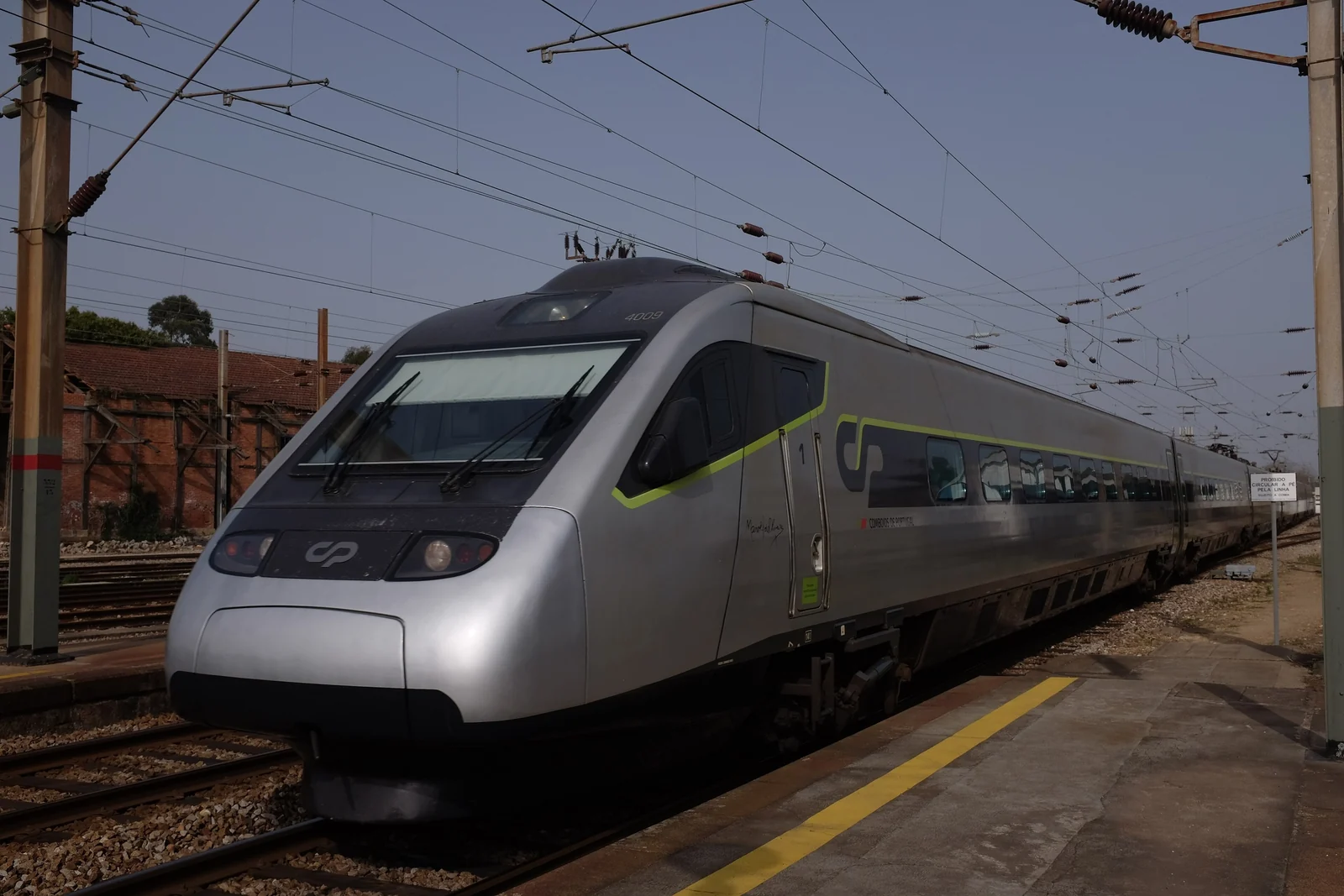
Two long-distance services connect the cities, both run by Comboios de Portugal (CP). The Alfa Pendular is the faster, tilting premium train, and the Intercidades is the slower, older express. The Alfa Pendular takes a little under three hours and the Intercidades a bit over three. Both are reserved-seat trains, so every ticket comes with an assigned seat and nobody stands in the aisle.
The Alfa Pendular has first and second class, a café-bar, Wi-Fi and a socket at the seat. The Intercidades is simpler, with fewer sockets and no guaranteed Wi-Fi. The time difference is small, so the practical rule is to book whichever one leaves when you want to leave, and pay a little more for the Alfa Pendular if the timing is equal.
Which Lisbon Station: Santa Apolónia or Oriente?
Lisbon has two main stations for this route. Santa Apolónia sits by the river, close to Alfama and a short ride from the Baixa, and most trains start or end here. Oriente is the modern station in the Parque das Nações district, further out but linked to the metro and to buses. Most services call at both, so the train you want may leave from either.
When you book, look at the station printed on the ticket, not just the departure time. If your hotel is in the center, Santa Apolónia saves you a metro ride. Our guide to where to stay in Lisbon helps you decide which side of town makes the departure easier.
By Bus: Rede Expressos and FlixBus
Two operators dominate: Rede Expressos, Portugal's long-established coach network, and FlixBus. Between them there are many departures through the day, and the journey generally takes around three and a half hours, sometimes a little more when traffic is heavy. Listings do not agree on exact durations, so read the time on the ticket you are buying.
Buses are comfortable enough for a day of travel: reclining seats, luggage in the hold underneath, often charging ports and Wi-Fi. What they usually lack is a toilet on board, so go before you leave. Rede Expressos has traditionally used the Sete Rios terminal, and both companies serve Oriente, so confirm your departure point. In Porto, buses generally arrive at Campanhã, next to the train station.
The bus wins on price on many days, and on flexibility if you are traveling late at night or at an odd hour. It loses on comfort and on the sense of the journey: you will see motorway service areas, not the river and farmland the rails cross.
By Car: The A1 Motorway
The main route is the A1, the motorway that runs north from Lisbon toward Porto. Driving time is about three hours without traffic, and the road is easy to follow. It is a toll road, and the cost is significant enough that, by some estimates, it comes close to a train ticket on its own. Use the toll calculator on the motorway operator's site before deciding, and ask your rental company how the electronic toll transponder works, since Portuguese tolls are not always paid at a booth.
Add fuel, rental fees, a possible one-way drop-off charge and parking in Porto's old center, where streets are narrow and spaces are scarce. For a straight Lisbon-to-Porto transfer, a car is usually the most expensive and least relaxing choice. It becomes the right choice when the drive is the plan, when you are traveling with a lot of luggage or several children, or when you want to stop at places the train misses.
By Plane: Is Flying Worth It?
Flights connect Lisbon's Humberto Delgado Airport with Francisco Sá Carneiro Airport in Porto, and the flying time is around an hour. Fares are sometimes low, but you still need to reach the airport early, clear security, and travel from Porto's airport into the city, which takes roughly 20 minutes by car in normal traffic.
Door to door, the plane rarely beats the train. It earns its place when your ticket to or from another country is on the same booking, or when you found an unusually good fare and are short on time. If you are in neither situation, skip it.
Stopovers Worth Making Between Lisbon and Porto
The route is a natural place to break the journey, and two stops fit the train well.
Coimbra
Coimbra is the classic stop, a university city on a hill above the Mondego River whose old university and baroque Joanina Library are the main draw. The long-distance trains call at Coimbra-B, which is outside the center; a short connecting train links it with the central station, Coimbra-A. Check the connection on the CP site before you rely on it. Coimbra is roughly the midpoint of the trip, which makes it easy to split the day.
Aveiro
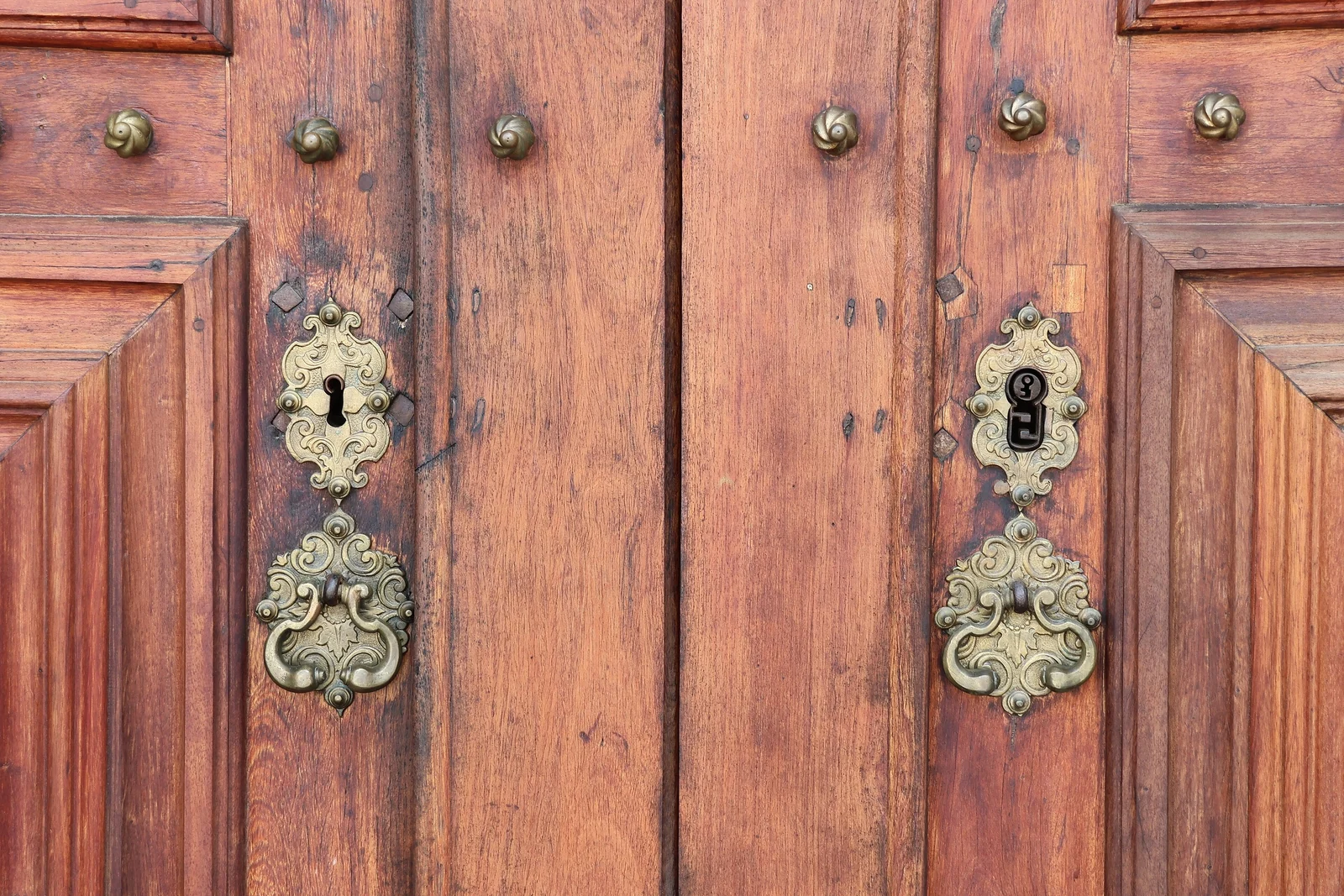
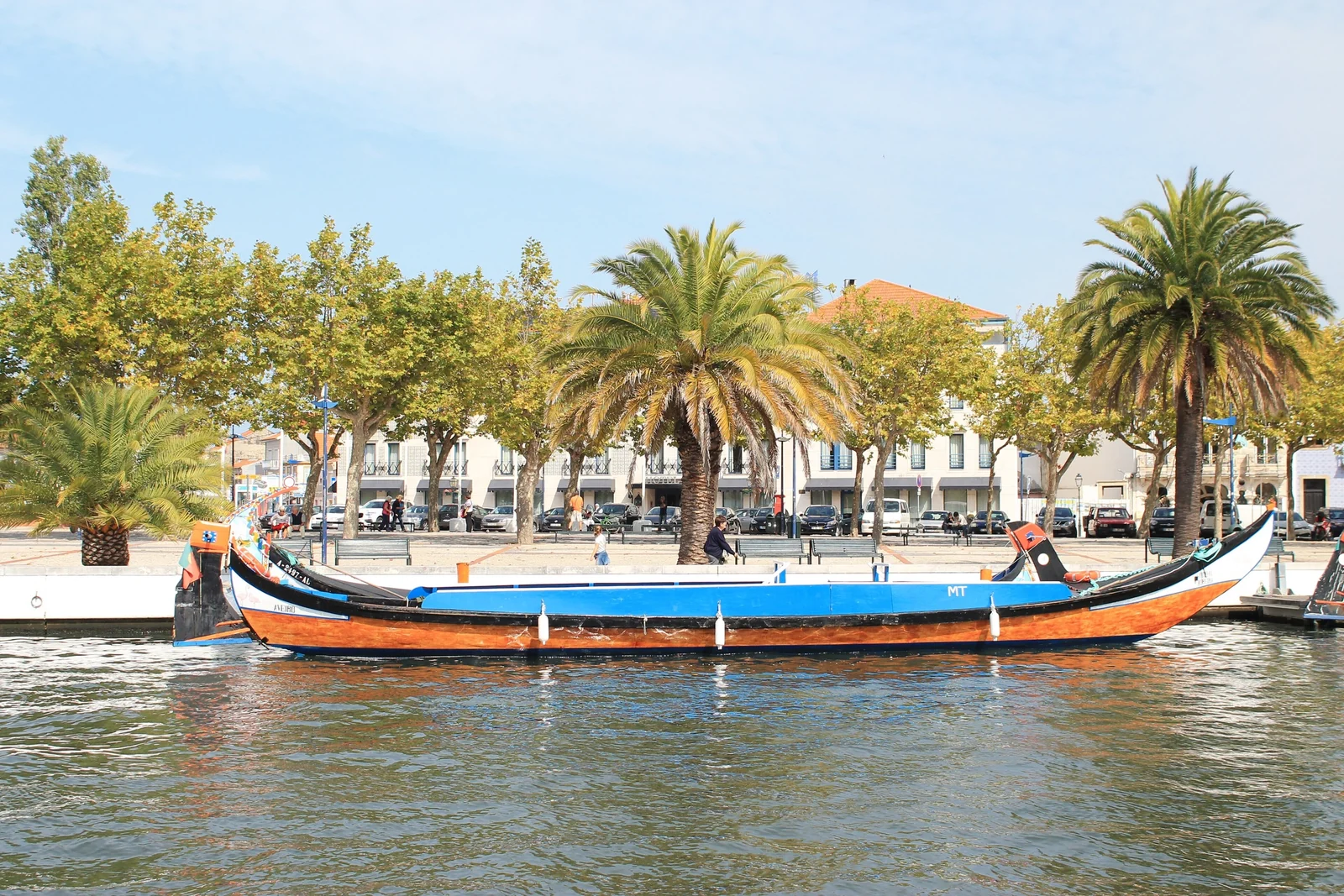
Aveiro sits on a lagoon closer to Porto and is known for its canals and the colorful boats called moliceiros. It is on the main line, so it is a simple stop, and you can see the center on foot in a few hours. It works well as a half-day break on the way north, particularly if you are carrying only a small bag.
Óbidos, Fátima and Nazaré by car
Óbidos, a walled medieval town, Fátima, a major Catholic pilgrimage site, and Nazaré, a fishing town on the Atlantic coast, all lie within reach of the A1 corridor. They are not on the fast Alfa Pendular line, so they are car or bus territory, and each can take half a day. Be realistic: a driver can fit one of them without wrecking the schedule. Trying to combine two with Coimbra turns a transfer into a long and tiring day.
Booking Tips and Luggage
- Book early for trains. CP sells tickets well ahead of departure, and cheaper promotional fares appear when you book in advance. Compare them with the standard fare, since standard tickets can come with age discounts.
- Buy from the operator. The CP, Rede Expressos and FlixBus sites sell tickets directly, which usually avoids extra booking fees.
- Check the station on the ticket. Lisbon has more than one station, and so does Porto. A wrong guess costs you a taxi.
- Carry ID. Age-based discounts on trains require proof.
Luggage is easy on trains: bags go on racks near your seat or at the end of the carriage, and nobody weighs them. A normal suitcase and a daypack are fine. On buses, larger bags go into the hold underneath, so keep your valuables and a charger in a small bag with you.
Arriving in Porto: Campanhã or São Bento?
Almost every long-distance train ends at Porto Campanhã, the main station on the eastern side of the city. It is not in the tourist center. The good news is that short local trains connect it with São Bento in a few minutes, and your long-distance ticket generally covers the transfer if you make it close to your journey. Look for the next local train marked for São Bento.
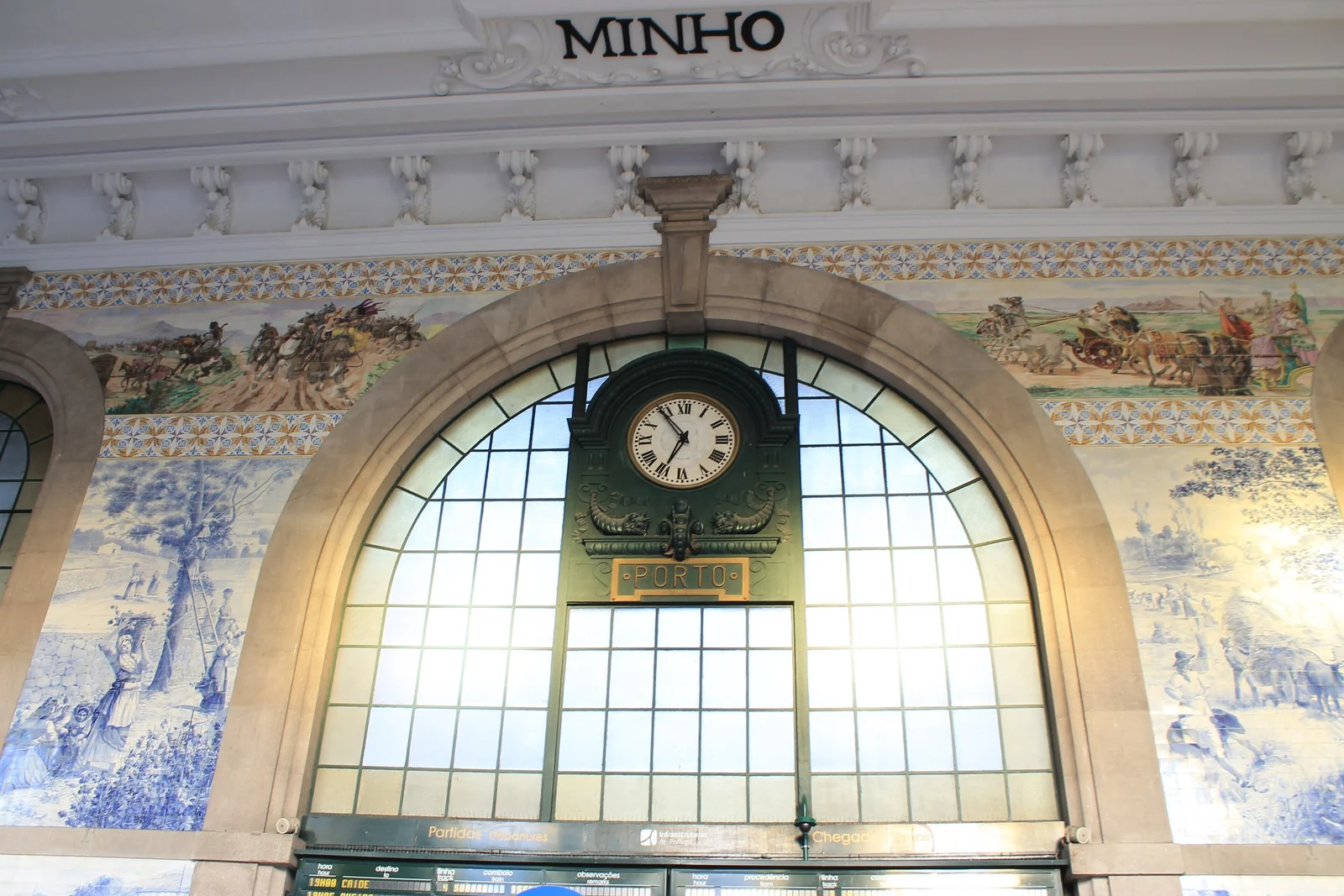
São Bento is the station you will see in photos, with its walls of blue-and-white tile panels in the entrance hall. It sits within walking distance of the cathedral and the Douro, and it is worth a look even if your train does not stop there. The lower town of Ribeira is a short walk downhill, and our Porto travel guide covers what to see next.
If you are tired or carrying heavy bags, a taxi or ride-hailing car from Campanhã to your hotel is often easier than a change of trains. If you have time, the local train is quicker and cheaper. If you are heading on to the Douro Valley or another day trip, Campanhã is also the better station to start from.
Which Option Fits You?
- First visit, no car: the Alfa Pendular. Book a morning departure and arrive in time for lunch.
- Tight budget: a bus booked in advance, or a promotional train fare if one is available.
- Stopping in Coimbra or Aveiro: the train, with a night or a long lunch in between.
- Coast and small towns: a car, ideally one-way, with a plan for the toll road.
- Connecting from abroad: a plane, if the flights are on the same ticket as your international one.
A final thought on timing: Porto looks best when you arrive with daylight left, so skip the last departure of the day if you can. For a bigger picture of the country, browse the other Portugal travel guides.
Lisbon to Porto FAQ
How long does the train from Lisbon to Porto take?
Roughly three hours. The Alfa Pendular is a little faster, and the Intercidades a little slower. Exact times vary by departure, so check the current timetable on the official CP site before you book.
Which Lisbon station do trains to Porto leave from?
From Santa Apolónia or Oriente, and many services call at both. Santa Apolónia is nearer the center, and Oriente is the modern hub in Parque das Nações. The station is printed on your ticket, so check it before you head out.
Is the bus or the train better from Lisbon to Porto?
The train is more comfortable and usually a little faster. The bus is often cheaper and has many departures, but it generally has no toilet on board. Choose by price and timing, because the two end up close in duration.
Do I need to book the train in advance?
Yes, it is wise. Alfa Pendular and Intercidades are reserved-seat trains, popular services can sell out, and cheaper promotional fares are tied to advance booking. Buy directly from CP to avoid extra fees.
Is it worth driving from Lisbon to Porto?
Only if you want stops or need a car afterward. The A1 is an easy drive of about three hours, but tolls, fuel, rental fees and parking in Porto make it the pricier option for a straight transfer.
Do trains arrive at Porto São Bento or Campanhã?
Long-distance trains arrive at Campanhã. São Bento, in the center, is reached by a short local train or by taxi. Your long-distance ticket generally covers the local transfer, so look for the next train marked for São Bento.
Can I stop in Coimbra or Aveiro on the way?
Yes. Both are on the main rail line, and Coimbra's long-distance trains stop at Coimbra-B, which is outside the center. Allow time for the connection to the central station, and check onward times before you leave.