


Lisbon, the capital of Portugal, spreads across steep hills on the north bank of the Tagus River, close to where it meets the Atlantic. It is a city of tiled facades, yellow trams, sweeping viewpoints and melancholic fado music, and one of the sunniest capitals in Europe.
It is also easy to enjoy: compact enough to explore on foot, with beaches and palaces within a short train ride. This Lisbon travel guide covers the city’s story, the best things to do, what to eat, where to stay and when to go, so you can plan a trip of three days or more.
A Short History of Lisbon
Lisbon is one of the oldest cities in Western Europe, settled long before the Romans arrived and later ruled by the Moors until 1147. In the 15th and 16th centuries it became the base of Portugal’s Age of Discovery, when navigators such as Vasco da Gama sailed from here to open sea routes to India and beyond.
On November 1, 1755, a massive earthquake, followed by a tsunami and fires, destroyed much of the city. The Marquis of Pombal led the reconstruction, laying out the lower town, the Baixa, on a rational grid of streets with some of the earliest earthquake-resistant building techniques in Europe. That contrast, between the medieval lanes of Alfama and the orderly Baixa, still defines the city today.
Best Things to Do in Lisbon
Alfama and São Jorge Castle
Alfama, the oldest neighborhood, survived the earthquake better than most and is a maze of stairways, laundry-hung alleys and small squares. Climb to the Castelo de São Jorge on the hilltop for its walls and views, then stop at the Miradouro de Santa Luzia and the Miradouro das Portas do Sol, two of the city’s best viewpoints. If hilltop fortresses are your thing, our guide to castles in France covers medieval strongholds such as Carcassonne as well as the Loire châteaux.
Baixa, Chiado and Praça do Comércio
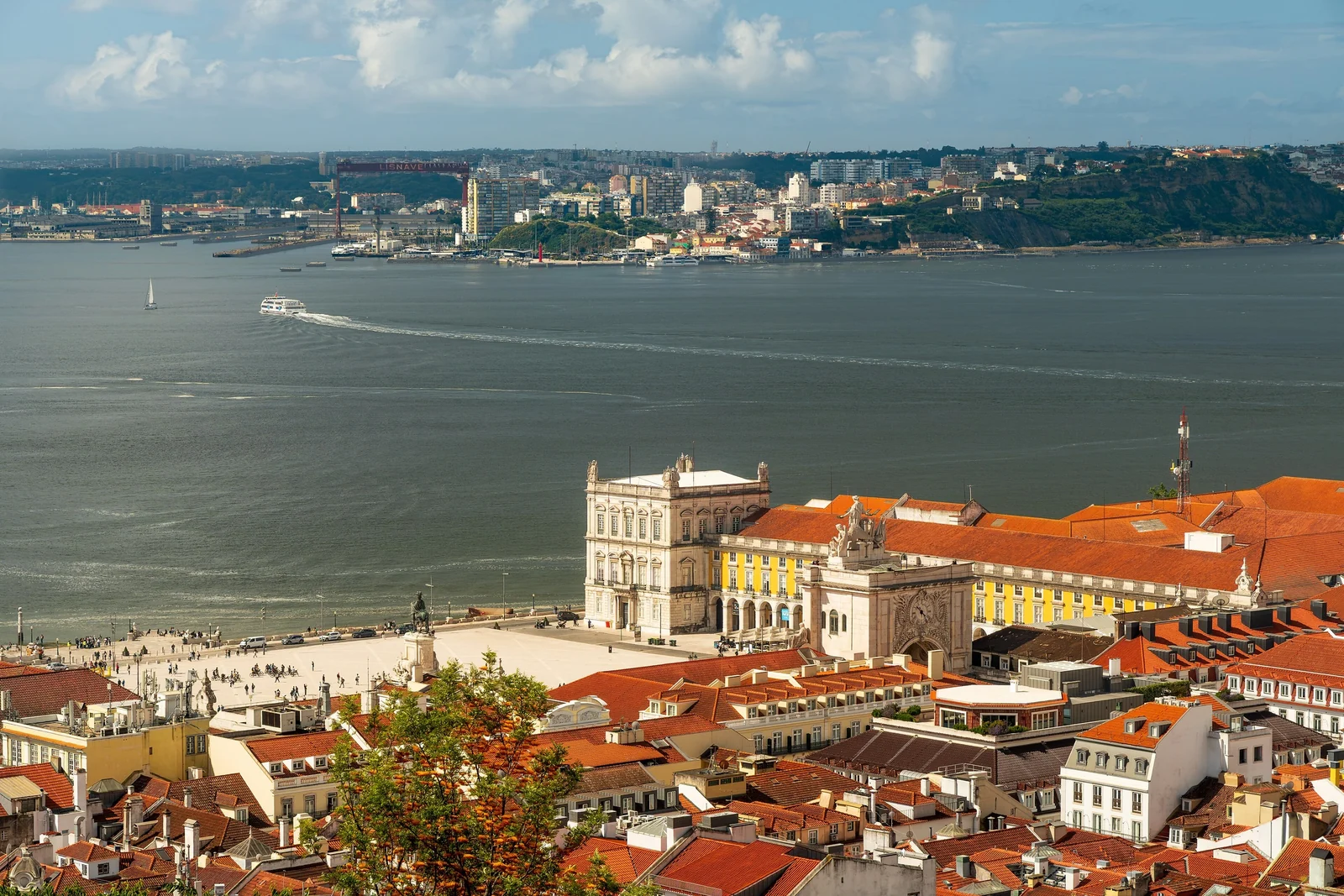
The rebuilt Baixa opens onto the Praça do Comércio, a huge riverside square framed by arcades and the triumphal Rua Augusta Arch. Uphill, elegant Chiado has historic cafés, bookshops and theaters, while Bairro Alto next door is quiet by day and full of bars at night.
Tram 28
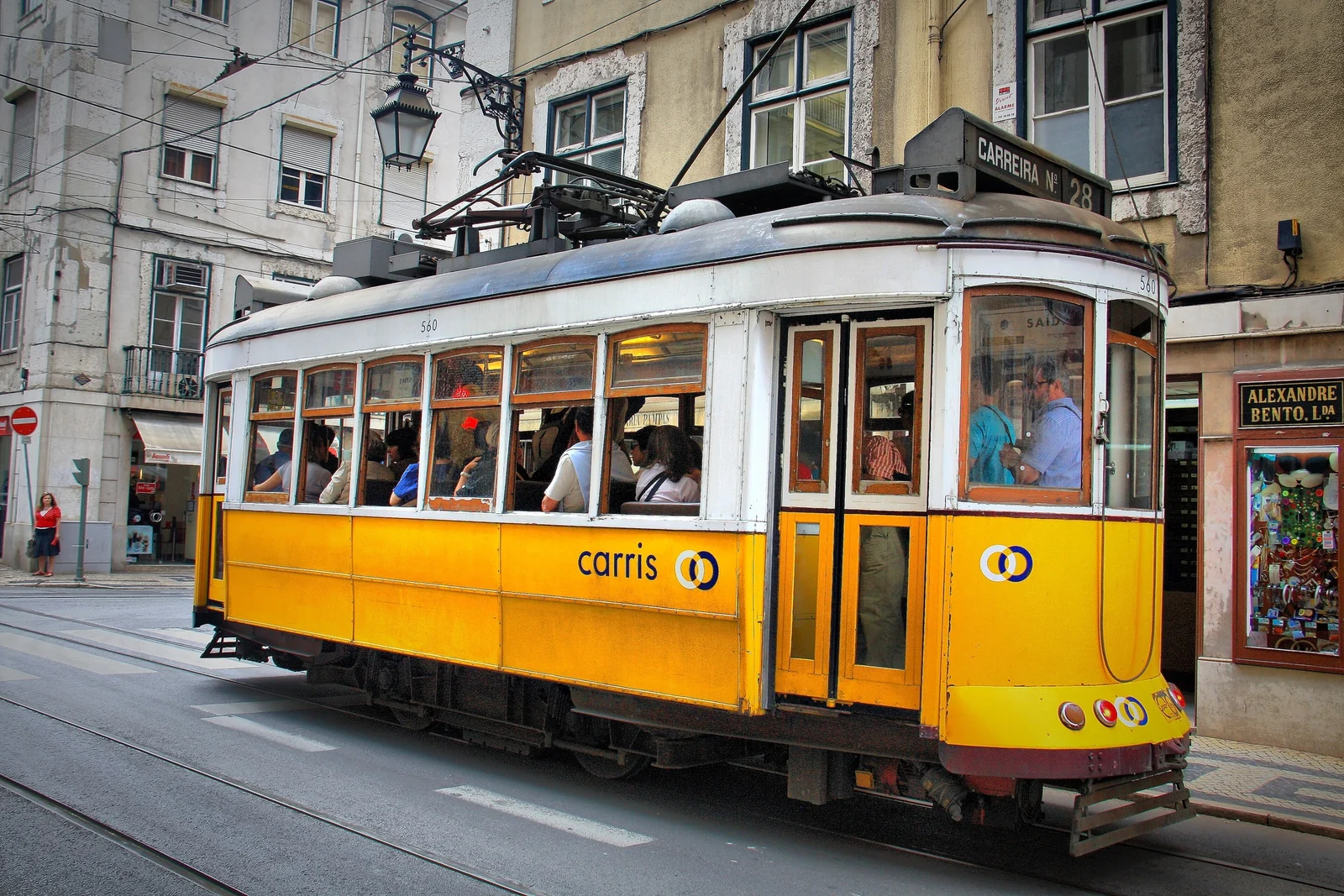
The vintage yellow trams of line 28 rattle between Martim Moniz and Campo de Ourique, squeezing through Graça, Alfama, the Baixa and Estrela. It is a fun ride but very crowded in the middle of the day; board early in the morning or at one of the terminus stops for a seat, and watch your belongings.
More Lisbon highlights
- National Tile Museum: the story of Portugal’s azulejos, housed in a former convent.
- Calouste Gulbenkian Museum: a superb art collection spanning ancient Egypt to the early 20th century, set in modern gardens.
- LX Factory: a former industrial complex in Alcântara turned into shops, restaurants and studios.
- Parque das Nações: the modern riverside district built for Expo ’98, home to the Lisbon Oceanarium.
- Príncipe Real: a leafy neighborhood of gardens, concept stores and viewpoints.
Belém: Monuments of the Age of Discovery
West of the center, Belém is where Portugal celebrated its maritime golden age. The Jerónimos Monastery and the Belém Tower, both built in the ornate Manueline style of the early 16th century, together form a UNESCO World Heritage Site. Vasco da Gama’s tomb lies inside the monastery church.
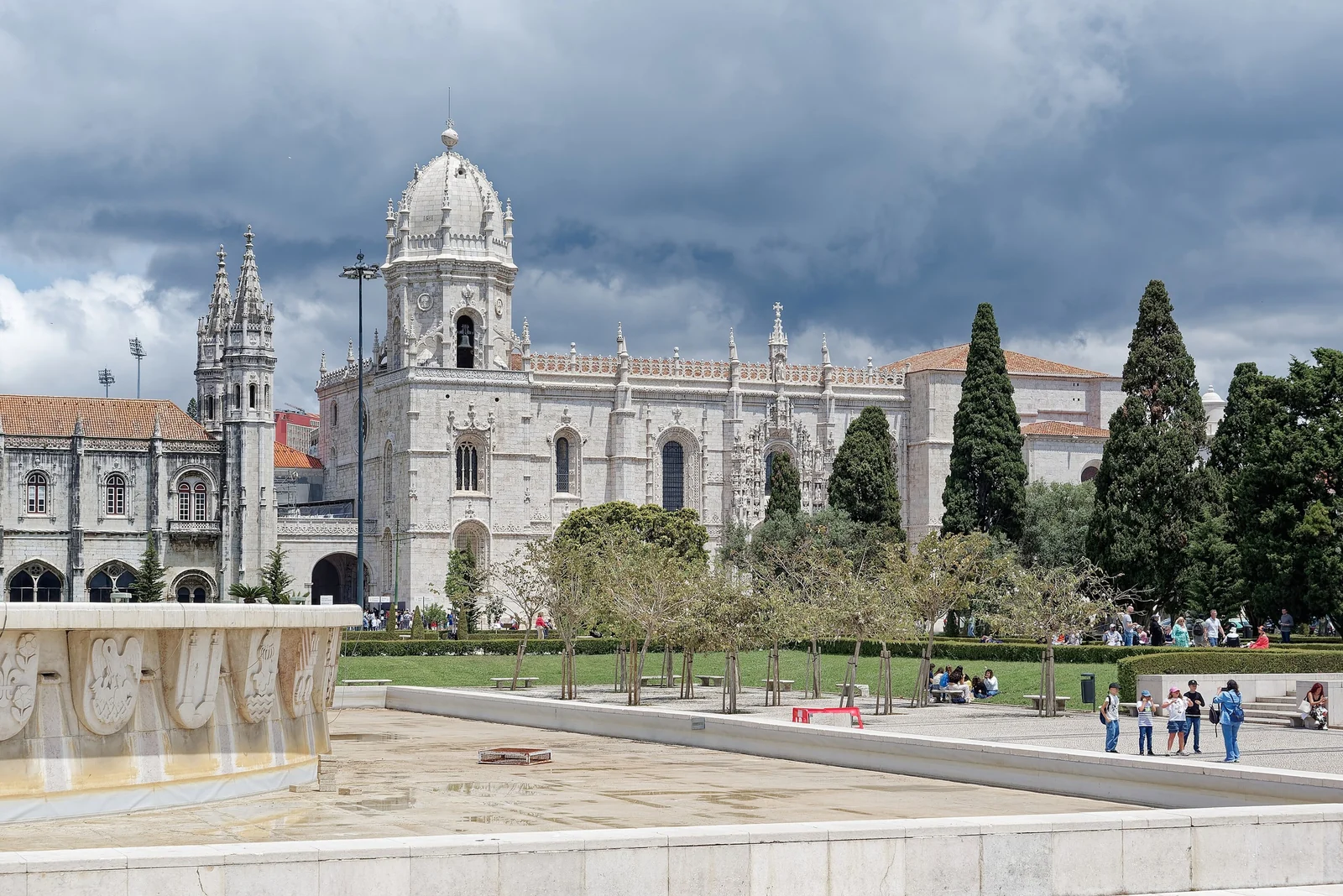
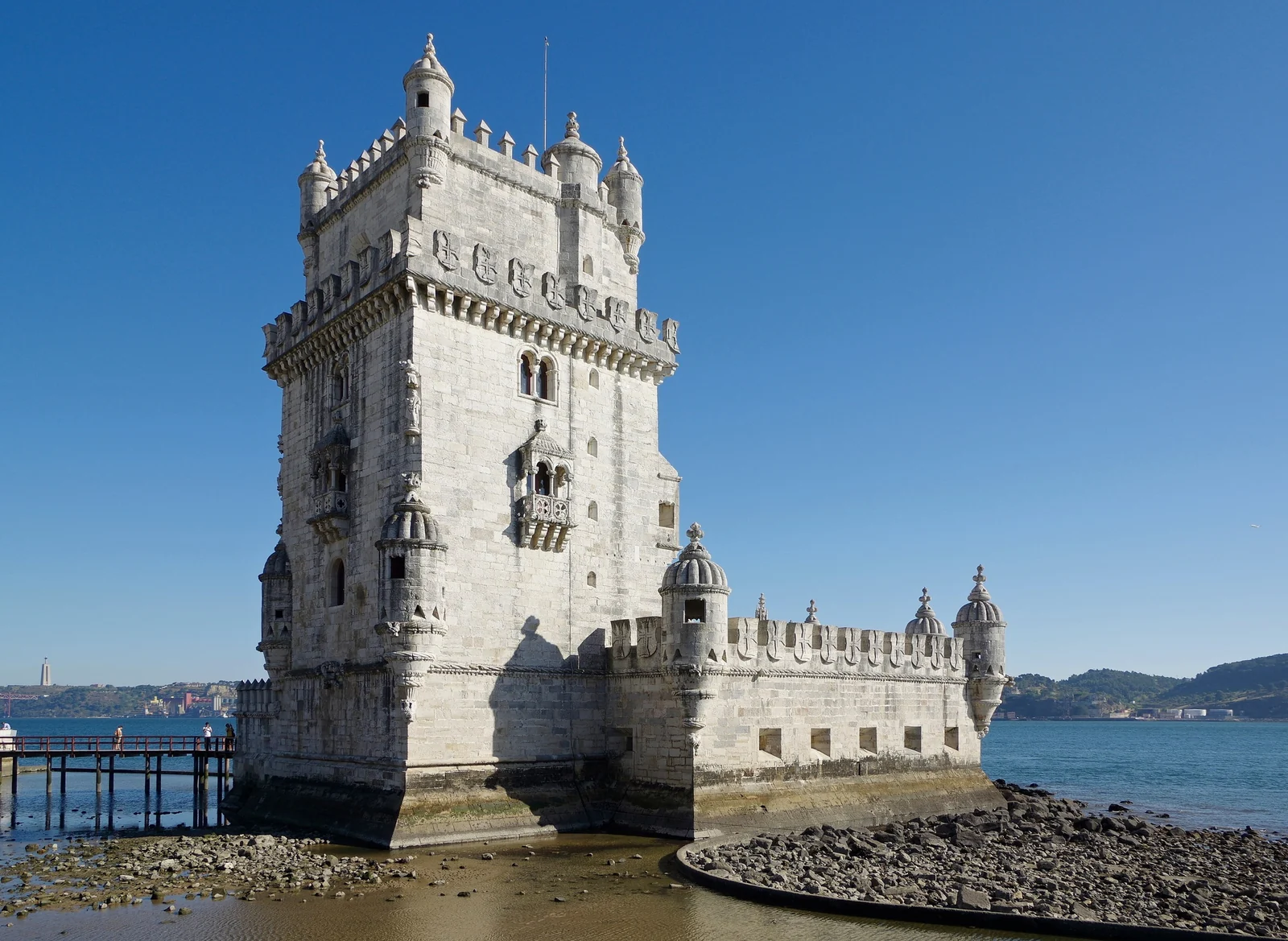
Along the waterfront you will also find the Monument to the Discoveries and the MAAT, a museum of art, architecture and technology. Save room for a pastel de Belém at the bakery that has been making these custard tarts since 1837; the line moves faster than it looks.
What to Eat and Drink in Lisbon
- Pastel de nata: the flaky custard tart, best warm with cinnamon.
- Bacalhau: salted cod, served in countless ways, such as bacalhau à brás with egg and potatoes.
- Grilled sardines: a summer classic, especially during the June festivities.
- Bifana: a simple, garlicky pork sandwich sold at snack bars.
- Seafood: clams, prawns and crab at traditional marisqueiras.
- Ginjinha: a sour cherry liqueur served in tiny bars around Rossio.
For an evening out, hear fado, Portugal’s soulful urban song, in a small tavern in Alfama or Mouraria. Fado was added to UNESCO’s list of the Intangible Cultural Heritage of Humanity in 2011, and hearing it live is one of the most memorable things to do in Lisbon.
Where to Stay in Lisbon
| Area | Best for | Keep in mind |
|---|---|---|
| Baixa and Chiado | First-time visitors, central location, easy transport | Busy and touristy |
| Alfama | Atmosphere, views, fado | Steep streets and stairs; cars can’t reach every door |
| Príncipe Real | Quiet streets, gardens, boutiques | Uphill walk back from the center |
| Avenida da Liberdade | Upscale hotels, metro access | Less old-town character |
| Belém | Monuments and a calmer riverside base | A tram or train ride from the center |
For a historic luxury option with gardens and river views, read our review of the Pestana Palace Lisboa.
Getting to and Around Lisbon
Lisbon’s Humberto Delgado Airport is close to the city and connected to the center by the metro’s red line, as well as by bus and taxi. Within the city, the metro, trams, buses and ferries are run by public operators, and a rechargeable transport card saves time compared with buying single tickets on board.
Walking is the best way to explore, but Lisbon’s hills are steep and its polished stone sidewalks can be slippery, so wear shoes with good grip. After a fatal accident on the Glória funicular in September 2025, Lisbon’s historic lifts and funiculars, including the Santa Justa Lift, were taken out of service for safety reviews, and as of September 2026 most remain closed. Check the Carris website for which trams, lifts and funiculars are currently running.
Day Trips and Beaches Near Lisbon
- Sintra: a UNESCO-listed landscape of forested hills, palaces and romantic gardens, including the colorful Pena Palace and the Moorish Castle. Trains leave from Rossio station; go early to beat the crowds.
- Cascais and Estoril: seaside towns with beaches and a coastal promenade, reached by train along the river and coast from Cais do Sodré.
- Costa da Caparica: long Atlantic beaches south of the Tagus, popular with locals and surfers.
- Cabo da Roca: dramatic cliffs at the westernmost point of mainland Europe, easy to combine with Sintra or Cascais.
Best Time to Visit Lisbon
| Season | What to expect |
|---|---|
| Spring (March to May) | Mild, sunny days and flowering jacarandas from late spring; one of the best times to visit |
| Summer (June to August) | Hot, dry and busy; June brings the city’s popular saints festivities with street parties and grilled sardines |
| Autumn (September to October) | Warm weather, a warmer sea and fewer crowds than summer |
| Winter (November to February) | Mild but rainier, with the lowest prices and quietest sights |
For events, opening times and the Lisboa Card, which combines public transport with museum entry, see Visit Lisboa, the city’s official tourism site. If you are comparing European city breaks, our guides to Italy and Provence are good places to continue. Spain’s Basque Country is another good pairing: our Bilbao travel guide covers the Guggenheim, the old town and the pintxo bars.
Lisbon FAQ
How many days do you need in Lisbon?
Three days is enough to see Alfama, the Baixa and Chiado, Belém and a few museums and viewpoints. Add one or two more days for day trips to Sintra and Cascais, which are both easy to reach by train.
What is the best time to visit Lisbon?
Spring and early autumn are ideal, with warm, sunny weather and fewer crowds than in summer. June is lively thanks to the popular saints festivities, while July and August can be hot and busy. Winter is mild and quiet but rainier.
Is Lisbon a walkable city?
Yes, the center is compact, but Lisbon is built on steep hills and its traditional stone pavements can be slippery. Wear comfortable shoes with good grip and use trams, the metro or buses to save your legs on the steepest climbs.
Is Tram 28 worth it?
Tram 28 is a scenic way to see several historic neighborhoods, but it gets very crowded from late morning onward. Ride early in the day, board at a terminus for a seat, and keep an eye on your belongings, as pickpockets target busy trams.
What food is Lisbon famous for?
Lisbon is best known for pastel de nata custard tarts, salted cod dishes, grilled sardines in summer, bifana pork sandwiches and fresh seafood. Ginjinha, a sour cherry liqueur, is a local favorite, and fado dinners in Alfama combine food with music.
Is Sintra worth a day trip from Lisbon?
Yes. Sintra’s palaces, gardens and forested hills are a UNESCO World Heritage cultural landscape and one of the highlights of any Lisbon trip. Trains run from Rossio station in central Lisbon. Arrive early and book palace tickets in advance in busy months.