Beyond Sintra and Cascais, the best day trips from Lisbon are Évora for Roman ruins and a UNESCO old town, Óbidos for a walled medieval village, and the Arrábida coast for beaches, cliffs and fishing towns. Mafra and Cabo Espichel fill out the list for a palace day or a wild Atlantic headland. Each one is a different kind of day, and each has a very different transport story.
This guide shows how to reach each place from the capital by train, bus or car, what to do once you arrive, how much time to give it and who it suits. It also covers how to pair two stops in one day and what to skip when the weather turns. If you have not settled your base yet, read our Lisbon travel guide first, and see Sintra or Cascais if you have not done those two yet.
Which Lisbon Day Trip Is Right for You?
Pick Évora if you like history and good food and do not mind a long day. Pick Óbidos if you want a compact, easy walk and have only half a day. Pick Arrábida, Sesimbra and Setúbal if you want sea, cliffs and seafood, and ideally a car. Mafra suits rainy days, and Cabo Espichel suits people who like empty landscapes more than sights.

Évora: Roman Temple, Chapel of Bones and a UNESCO Old Town
Évora is the Alentejo's main city, and its historic center has been on the UNESCO World Heritage List since 1986. The old town is a walled maze of whitewashed houses, churches and small squares, and almost everything you will want to see sits within a ten-minute walk of the central square. Check the UNESCO listing for Évora for the official description.
What to See in Évora
The headline sight is the Roman temple, a first-century structure whose granite and marble columns still stand. It is usually called the Temple of Diana, but there is no archaeological evidence it was dedicated to her, so treat the name as tradition. You can see it for free from the outside, and it looks best in late light.
The second stop is the Chapel of Bones (Capela dos Ossos), attached to the church of São Francisco. Its walls are lined with human bones, and the inscription at the entrance, roughly translated, says the bones here are waiting for yours. It is small, a little grim and memorable.
Getting to Évora from Lisbon
- Bus: long-distance coaches, including Rede Expressos, run from Lisbon to Évora many times a day. Journey times quoted by booking sites vary, but expect roughly an hour and a half. The bus is usually the simpler and cheaper option.
- Train: Intercidades trains run from Lisbon to Évora and take about the same time, but they are less frequent, so plan your day around the departure times on the Comboios de Portugal site.
- Car: a motorway drive of around an hour and a half, with paid parking outside the walls. A car helps only if you want to add the megalithic sites or wineries around the city.
Time needed: a full day. With the travel, you get about five or six hours in the city, enough for the temple, the chapel, the cathedral and a proper lunch. Best for: history lovers, food lovers and anyone who has already done the big Lisbon sights.
Óbidos: A Walled Medieval Town in Half a Day
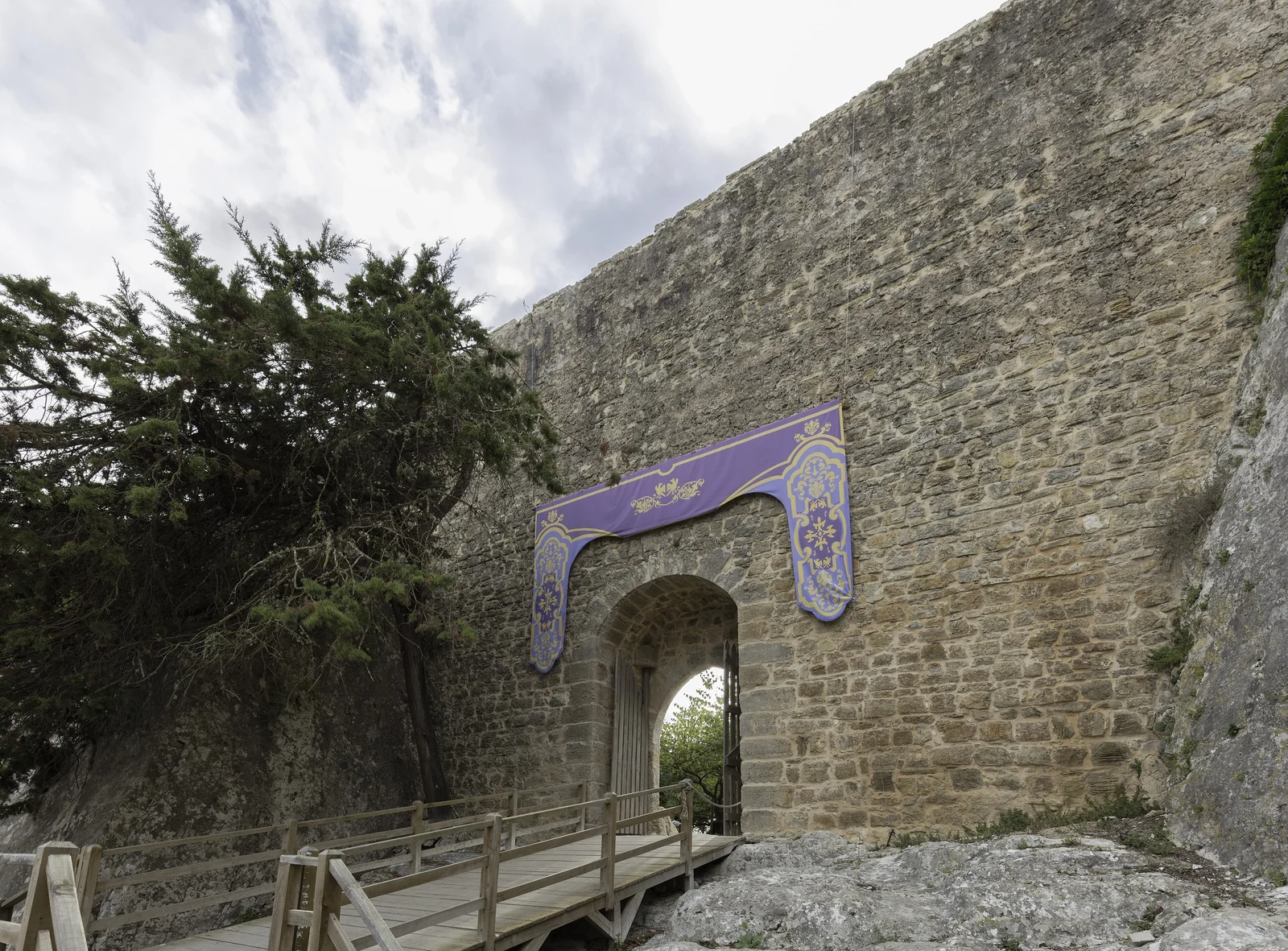
Óbidos sits on a hilltop inside a ring of medieval walls, and you can walk along the top of them for a view over rooftops and the countryside. King Dinis I remodeled the castle and walls, and the castle is now a hotel. The main street, Rua Direita, runs from the gate to the castle and is lined with small shops, some of them selling the cherry liqueur the town is known for.
What to Do in Óbidos
Walk the walls first, ideally early, because the wall-top path is narrow and exposed in places, so it is not ideal with small children or a fear of heights. Then wander the lanes, step into a church or two, and look into the town's bookshops, since Óbidos is a UNESCO City of Literature. That is the whole day, and that is the charm of it.
Getting to Óbidos from Lisbon
- Bus: Rodoviária do Oeste coaches run from Lisbon's Campo Grande terminal, which has a metro station, and the journey is about an hour. The stop is a short walk from the old town, and there are fewer services on weekends.
- Train: Óbidos has its own station on the Linha do Oeste, but the official tourism site gives about two and a half hours for the trip, and the station is about a kilometer from the center. Skip the train.
- Car: take the A8 north and leave at the Óbidos exit. There are paid car parks just outside the walls, as the Óbidos tourism office explains.
Time needed: three to four hours in town. Best for: families, couples and anyone who wants an easy, low-effort day. Pair it with a coast stop and you have a full itinerary (more on that below).
Arrábida, Sesimbra and Setúbal: Beaches, Cliffs and Seafood
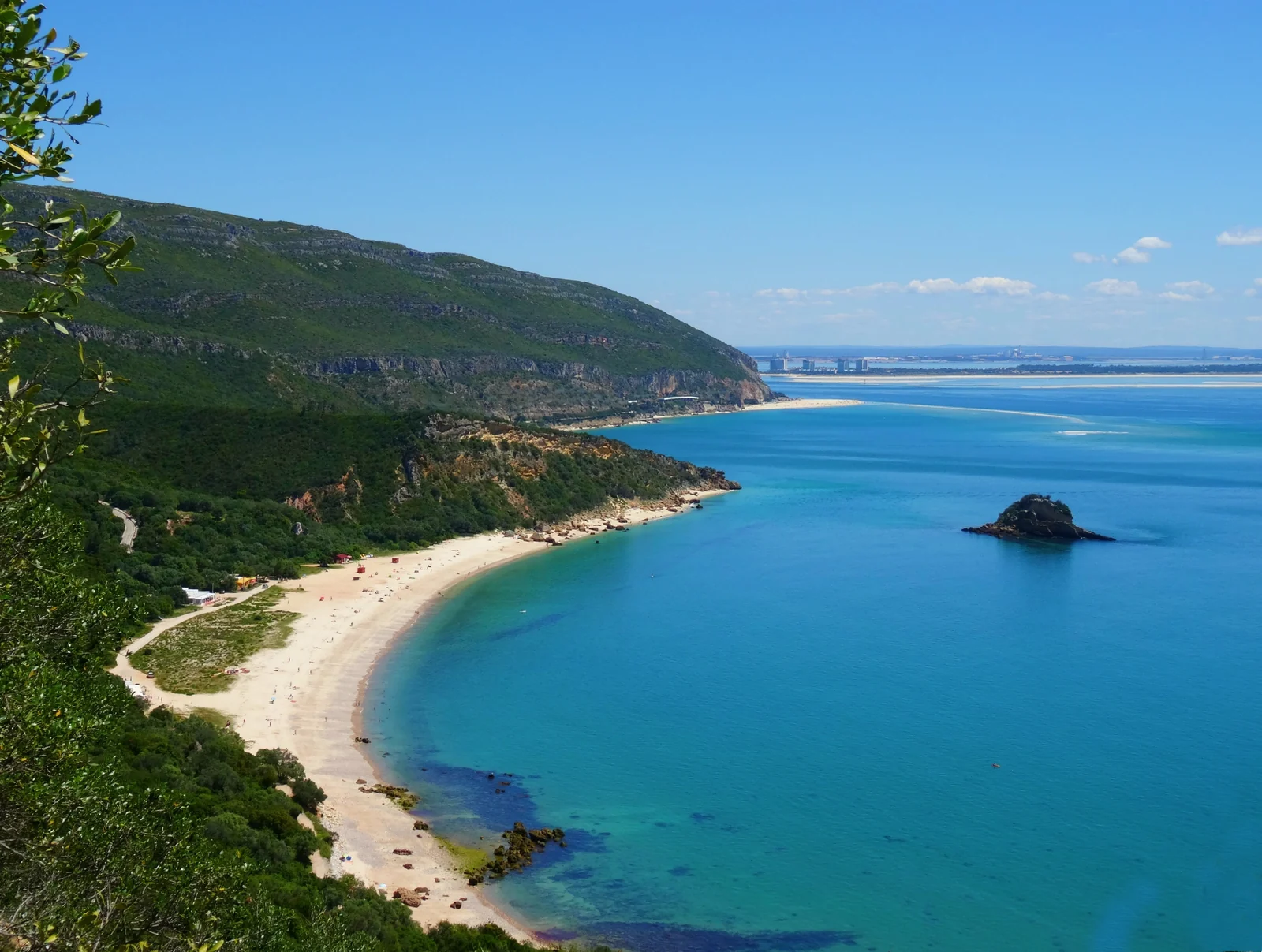
South of the Tagus, the Arrábida range runs along the coast between Sesimbra and Setúbal. Pale limestone cliffs, green hillsides and small bays make this the most scenic of these day trips, and the water at beaches such as Portinho da Arrábida is often a clear green-blue. It is protected as a natural park.
What to Do on the Arrábida Coast
The classic day is a drive along the coastal road with beach stops, lunch on grilled fish in Sesimbra or Setúbal and a late swim. Sesimbra is a fishing town with a long beach and a hilltop castle. Setúbal is a working port with a market, a historic center and the ferry across the Sado estuary to the Tróia peninsula.
Setúbal is also the departure point for boat trips into the Sado estuary, home to a resident group of bottlenose dolphins, according to the Lisbon tourism board. Tour operators run dolphin-watching cruises from Setúbal and Tróia, but sightings are never guaranteed, so treat them as a bonus rather than the plan. In peak summer, road access to the park's beaches can be restricted at weekends, so check the current rules before you set off.
Getting to Arrábida from Lisbon
- Train to Setúbal: regular trains from Lisbon take about an hour, which makes Setúbal the easy public-transport option, with the ferry to Tróia and the dolphin cruises nearby.
- Bus to Sesimbra or Setúbal: services run from Lisbon, but the beaches and viewpoints in between are poorly served, so expect to rely on taxis or a tour.
- Car: around 50 minutes to Setúbal on the A2, longer to the beaches. A car is by far the best way to see Arrábida itself.
Time needed: a full day by car, or half a day for Setúbal alone. Best for: beach lovers, seafood fans and drivers. In July and August the roads and parking fill up, so go early.
Mafra: A Giant Baroque Palace and Library
Mafra National Palace is a monumental baroque palace, convent and basilica complex begun in 1717 under King João V. Its library holds tens of thousands of old books, and the sheer scale of the building is the point. It is a good wet-weather choice, because most of the visit is indoors.

Buses run from Lisbon, mostly from the Campo Grande terminal, and there is no direct train. Reports of the journey time range from roughly 40 minutes to over an hour, and operators have changed before, so check the current route and timetable before you leave. The palace is a short walk from the bus stop. Opening days and the parts of the complex that are open vary, so check the official palace site before you go.
Time needed: half a day. Best for: rainy days, architecture fans and travelers who have already seen a few palaces and want to compare.
Cabo Espichel: Cliffs, a Sanctuary and Dinosaur Footprints
Cabo Espichel is the southwestern tip of the Setúbal Peninsula, with Atlantic cliffs more than 130 meters high. A sanctuary with origins in the 15th century and a long row of pilgrim lodgings stand on an otherwise empty plateau, and a lighthouse built in 1790 sits a little farther south. Nearby cliffs hold fossil dinosaur trackways, which are protected natural monuments.
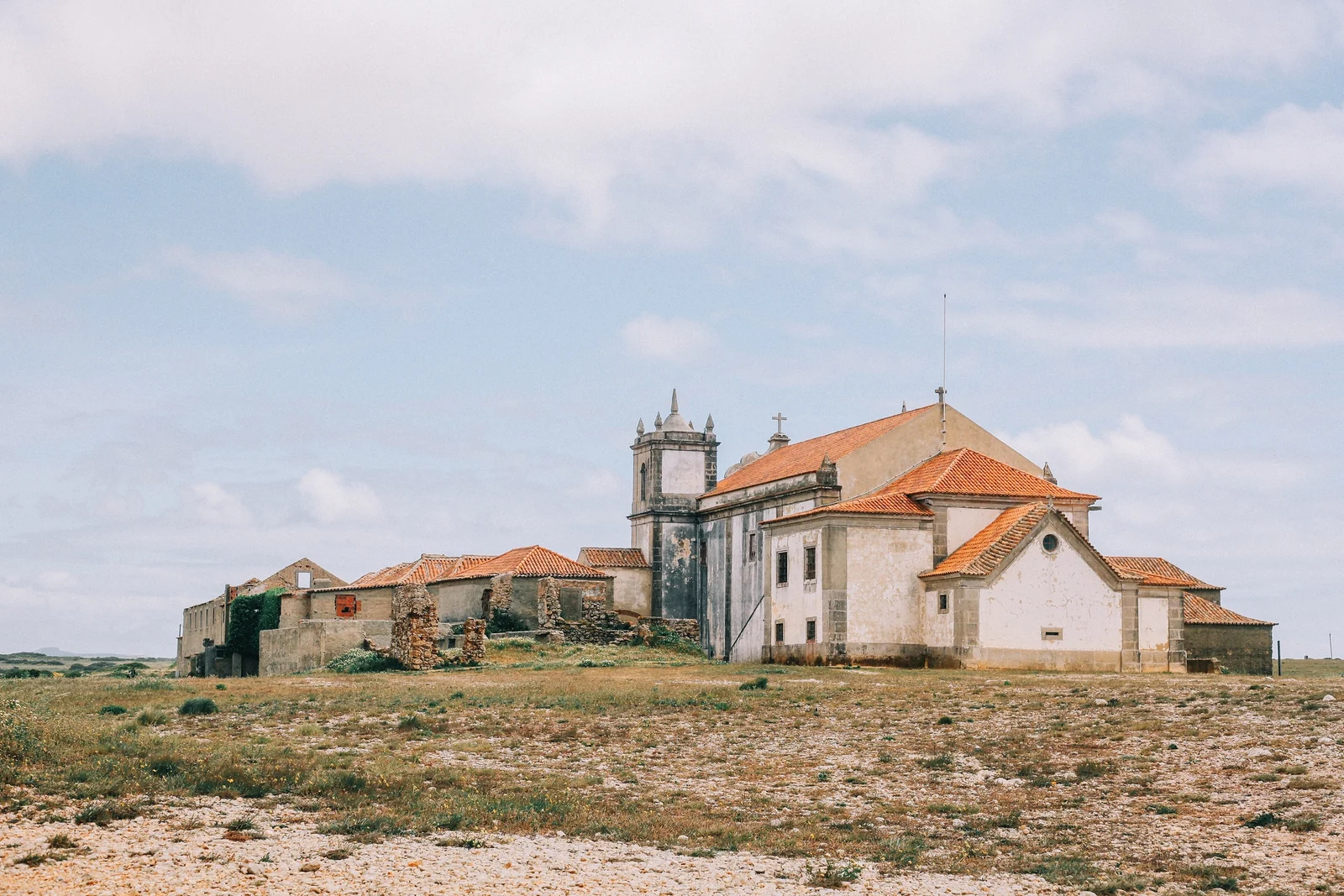
This is a car trip. There is no practical way to do it by train, and public buses to the cape are limited, so check current options. It pairs naturally with Sesimbra and the Arrábida coast. Best for: drivers, photographers and anyone who prefers wind and open sky to museum queues. Bring a windbreaker, because there is no shelter.
Nazaré and Tomar: Better With a Night
Both are possible from Lisbon, but both are farther away than the places above, and I would not squeeze either into a day with another stop. Plan an overnight and check current train and bus options.
Lisbon Day Trips Compared
| Trip | Best way from Lisbon | Typical time | Best for |
|---|---|---|---|
| Évora | Bus or Intercidades train | Full day, about 1.5 hours each way | History, food, UNESCO old town |
| Óbidos | Bus from Campo Grande | Half day, about 1 hour each way | Easy walls, families, couples |
| Arrábida, Sesimbra, Setúbal | Car; train to Setúbal | Full day by car | Beaches, scenery, seafood |
| Mafra | Bus from Campo Grande | Half day | Rainy days, architecture |
| Cabo Espichel | Car | Half day, with Sesimbra | Cliffs, empty landscapes |
| Nazaré or Tomar | Check current options | Better with a night | Longer trips |
How to Combine Two Stops in One Day
Geography decides which pairs work. Anything north of Lisbon or anything south of the Tagus can be paired, but not both in one day.
- Óbidos and Mafra: the only realistic public-transport pair, since both are served by Campo Grande, but connections between them are not straightforward, so this works best by car or on a guided tour.
- Setúbal and Arrábida: train to Setúbal for the market and old center, then a taxi or tour into the park. Without a car, this is the way to see the coast.
- Sesimbra and Cabo Espichel: with a car, start at the cape for the empty morning light and finish with fish lunch in Sesimbra.
- Arrábida beaches and Setúbal dolphin cruise: a good by-car day, as long as you book the boat for a time you can actually reach.
Do not pair Évora with anything. It is far enough that adding a second stop turns a good day into a rushed one.
Practical Tips and What to Skip in Winter
A few habits make all of these trips easier. Buy tickets and check timetables the evening before, go early, and carry a layer even in summer, as coastal wind and shade can be cold. Bus and train timetables change, and fares change too, so check the operator's site rather than trusting an old guide. Our guide to where to stay in Lisbon helps you choose a base near the right station.
In winter, keep Évora and Óbidos, because both work well in cool, dry weather and are quieter. Skip beach-focused plans on the Arrábida coast, the Tróia ferry and dolphin cruises on days with rough seas or rain, and think twice about Cabo Espichel in a storm, when the cliff-top wind is serious. Mafra is the best rainy-day fallback. In summer, the reverse applies: Évora can be very hot, so do your walking in the morning and keep lunch long.
If you are heading north afterward, our Porto travel guide covers the next big stop, and the full set of Portugal travel guides has more ideas.
Lisbon Day Trips FAQ
What is the best day trip from Lisbon besides Sintra?
For most first-time visitors it is Évora, thanks to its Roman temple, Chapel of Bones and UNESCO-listed old town. If you want something shorter and easier, choose Óbidos. If you prefer beaches and scenery and have a car, choose the Arrábida coast.
Can you visit Évora from Lisbon without a car?
Yes. Long-distance buses and Intercidades trains both run from Lisbon to Évora, and the trip takes roughly an hour and a half. The old town is walkable, so you do not need a car once you arrive. Check current timetables with the operators.
How do you get to Óbidos from Lisbon?
The bus is the best option. Rodoviária do Oeste coaches leave from Campo Grande and take about an hour, stopping near the old town. The train exists but is much slower, and the station is about a kilometer from the center.
Is Arrábida worth visiting without a car?
It is harder. You can take a train to Setúbal and see the town, the market and the Sado estuary, but the best beaches and viewpoints are poorly served by public transport. A rental car, taxi or guided tour makes the coast far easier.
Can you see dolphins near Lisbon?
The Sado estuary, reached from Setúbal or Tróia, has a resident group of bottlenose dolphins, and boat tours go out to look for them. Sightings are never guaranteed, so treat the cruise as a bonus and check current operators.
Can you combine two day trips in one day?
Yes, if they are close together. Sesimbra and Cabo Espichel work well by car, as do Setúbal and Arrábida. Óbidos and Mafra can be paired too. Évora is better kept as a day on its own because of the travel time.
What are the best day trips from Lisbon in winter?
Évora and Óbidos are good choices in cool, dry weather, and Mafra is a reliable indoor option when it rains. Beach plans, boat trips and exposed headlands like Cabo Espichel are weather dependent, so keep them flexible.