



Planning a trip to Europe now means understanding three terms that travelers keep mixing up: the Schengen 90/180 day rule, the Entry/Exit System (EES) and ETIAS. The first has been around for years. The other two are newer digital systems at the border, and they change what happens when you land, though not how long you may stay.
This guide explains in plain terms what each one does, who it applies to, what it costs and how to avoid the common mistakes. It is written for visitors from countries that do not need a visa for short trips, such as the United States, Canada and Australia. Rules and launch timing can change, so use it to understand the system and confirm the details on the official sites listed at the end before you book. When you are ready to choose where to go, start with our Europe destination guides.
The Schengen 90/180 Day Rule
The Schengen Area is a group of European countries that have removed routine border checks between each other. It covers most EU members plus Iceland, Liechtenstein, Norway and Switzerland. A few EU members, Ireland among them, stay outside it, and countries such as the United Kingdom are not part of it either. For travelers, the practical result is that you cross one external border on arrival and then move between member countries without a passport check at most land borders.
Visitors who do not need a visa can stay up to 90 days in any 180-day period across the whole Schengen Area, not 90 days per country. The 180 days are a rolling window: on any given day, you look back over the previous 180 days and count how many you spent inside the area. Days in Ireland or the UK do not count, which is why a long trip is sometimes split between Schengen and non-Schengen countries.
A simple example: three weeks in Italy, ten days in the UK and then two weeks in Spain count as 35 Schengen days in total, because the UK days sit outside the count. A long road trip or a stay of several months is where you need to track the days carefully.
What Is the Entry/Exit System (EES)?
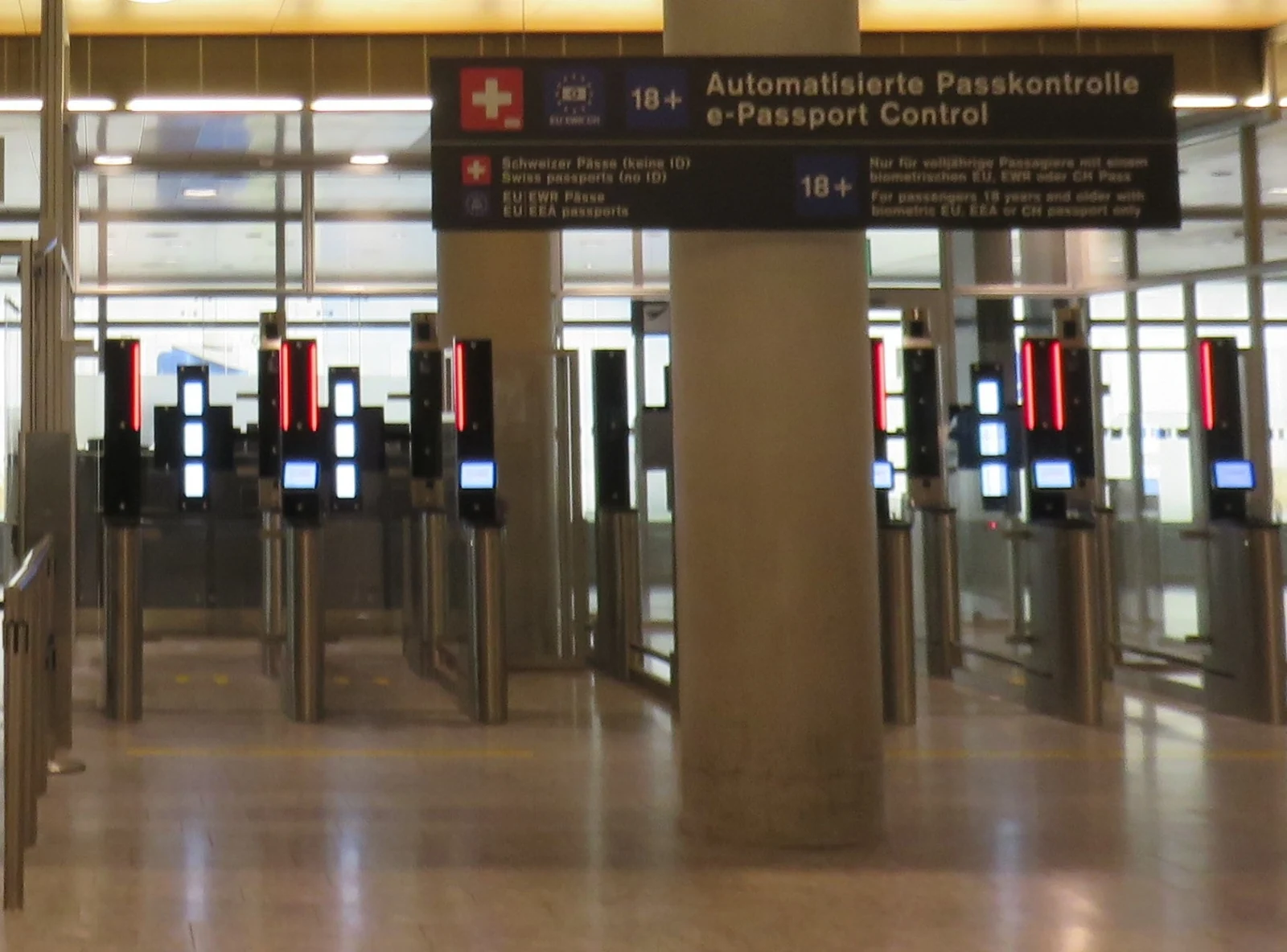
The Entry/Exit System is an automated border database for travelers from outside the EU who come for a short stay. It replaces the manual stamping of passports with a digital record of when you entered and left. At the border, the system registers your passport details, a facial image and, for most travelers, fingerprints.
Registration happens once, at your first crossing into the area. On later trips the system recognizes you and the check is quicker, although your entries and exits are still recorded. EES also calculates automatically how many days you have used, which takes the 90/180 count out of your hands and puts it in the border officer's.
- Who it covers: non-EU visitors on short stays, including those who need no visa.
- What it collects: passport data, a facial image and fingerprints, plus the date and place of each entry and exit.
- Cost: nothing. The registration is free and you do not apply for it in advance. Anyone selling an "EES application" online is not offering something you need.
- Who it does not cover: EU citizens and, in general, holders of long-stay visas or residence permits.
The system is being introduced in stages at external borders, so the experience can differ between airports and land crossings. Expect extra time at first entry, especially at busy airports in summer. A short connection after a long-haul arrival in Europe is where this tends to hurt.
What Is ETIAS?
ETIAS stands for European Travel Information and Authorisation System. It is an online travel authorization for visitors who do not need a visa, and it is meant to be completed before you travel. It is a similar idea to the ESTA that Europeans fill in for the United States, aimed at screening travelers ahead of arrival.
- Who needs it: visa-exempt travelers from roughly 60 countries, a group that includes the United States, Canada and Australia. EU citizens do not need it.
- How it works: you apply online with your passport details and answer a short set of questions.
- Cost: the fee is €20 per application, with some age-based exemptions that you should confirm on the official site.
- Validity: up to three years, or until the passport it is linked to expires, whichever comes first. It allows multiple short trips.
- Not a guarantee: an approved authorization does not guarantee entry. Border officers still check that you meet the usual conditions.
ETIAS is planned to start after EES is established, and its launch date has been pushed back before. Until it is officially in operation, you cannot apply for it, and any site offering to approve it now is not the official channel. Use only the European Union's own ETIAS site once it opens, and read the European Commission page on the Entry/Exit System for the current rollout.
EES vs ETIAS: The Difference at a Glance
| EES | ETIAS | |
|---|---|---|
| What it is | Border registration of entries and exits | Online authorization before travel |
| When it happens | At the border, on your first entry | Before you travel, online |
| What it collects | Passport data, face image, fingerprints | Passport data and short questionnaire |
| Cost | Free | €20 per application |
| Validity | Registration stays on file for later trips | Up to three years or until the passport expires |
| Applies to | Non-EU short-stay visitors | Visa-exempt visitors who must hold an authorization |
The two systems work together but do different jobs. EES records your movements, and ETIAS decides in advance whether you may make them.
What to Prepare Before You Travel
- Passport: it should have been issued within the last ten years and be valid for at least three months after the day you plan to leave the Schengen Area. Many travelers check validity for the trip dates but miss this extra margin.
- Onward ticket and funds: border officers can ask for proof of a return or onward ticket, accommodation and enough money for your stay. Keep bookings handy on your phone.
- Day count: write down your entry and exit dates if you are doing a long or multi-country trip, and compare them with the 90/180 limit.
- Insurance: travel and medical insurance is not required for entry in most cases, but it is sensible for a long trip.
- Time: allow extra time at the first airport you reach in Europe, and avoid very tight onward connections on separate tickets.

How the Rules Affect Popular Trips
For most holidays the rules are simple: a one- or two-week trip fits far inside the 90-day limit, and the new systems mainly add a short step at the border. The planning questions appear on longer itineraries.
- City breaks: a week in Paris, Rome or Lisbon uses a small fraction of your days. See our Paris travel guide, Rome travel guide and Lisbon guide for what to do once you are through the border.
- Multi-country routes: a trip from Barcelona to Italy or from Venice to Tuscany keeps the count running across borders. Our Barcelona travel guide, Venice travel guide and Tuscany road trip itinerary fit comfortably within a month.
- Slow travel: staying two or three months in one region leaves little room for side trips. Count all your days, including short visits to other Schengen countries.
- Ireland and the UK: time spent there does not count toward the Schengen limit, but they have their own entry rules to check.
Common Mistakes to Avoid
- Paying a third-party site: EES is free and ETIAS is an official EU authorization. Look for the official European Union website address before you pay anything.
- Counting days per country: the 90 days apply to the whole Schengen Area together.
- Assuming ETIAS means automatic entry: it is a pre-screening step, not a promise.
- Ignoring passport validity: the three-month margin after departure is a frequent reason for trouble at check-in.
- Relying on old advice: the systems are being phased in, so rely on official pages rather than forum posts or older articles.
Europe Entry Rules FAQ
What is the Schengen 90/180 day rule?
Visitors who do not need a visa can stay up to 90 days in any 180-day period across the whole Schengen Area combined. The 180 days form a rolling window, so on any day you count back over the previous 180 days.
What is the Entry/Exit System (EES)?
EES is an automated border system that records the entries and exits of non-EU short-stay visitors, replacing manual passport stamps. It registers your passport details, a facial image and fingerprints, and it is free.
Do I need to apply for EES in advance?
No. You register at the border on your first entry, so there is nothing to apply for or pay for beforehand. Websites offering paid EES applications are not necessary.
What is ETIAS and how much does it cost?
ETIAS is an online travel authorization for visa-exempt visitors to the Schengen Area. The fee is €20 per application, and the authorization is valid for up to three years or until the linked passport expires.
Does ETIAS guarantee that I can enter Europe?
No. An approved ETIAS authorization lets you travel, but border officers still check that you meet the entry conditions when you arrive.
Do days in the UK or Ireland count toward the 90 days?
No. Only days spent inside the Schengen Area count, and Ireland and the UK are outside it. They do have their own entry requirements.
Where can I check the current rules?
Use the European Union's official pages for the Entry/Exit System and ETIAS, because launch timing and details can change. The sources listed below link to them.