Paris is easy to visit and hard to do well. The big sights are famous for good reason: the Louvre, Notre-Dame, the Seine embankments, Montmartre's hilltop basilica and the Musée d'Orsay's railway-station galleries. But the city is at its best when you leave room between them for a long lunch, a bridge crossing and a wrong turn in the Marais.
Most first-timers should plan four to five days in Paris: three for the city's core, one for a palace or garden outside it, and a spare half day for whatever you fall for. This Paris travel guide covers the main sights, how the metro works, which neighborhoods suit which traveler, what to eat, and how to choose between Versailles, Giverny and Fontainebleau. For a deeper look at one landmark, see our guide to the Eiffel Tower.
The Louvre and the Right Bank
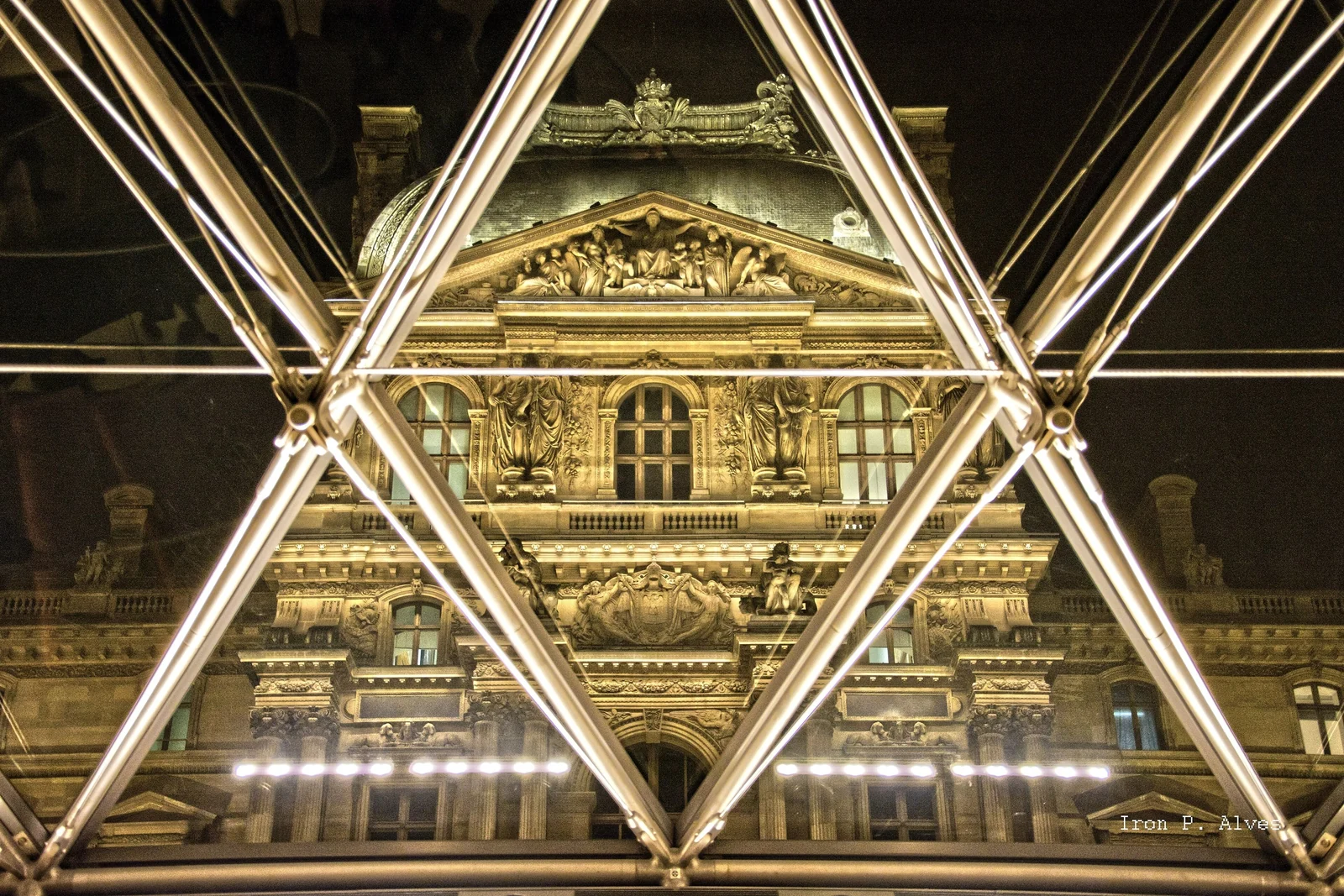
The Louvre began as a fortress under Philip II in the late 12th century, grew into a royal palace and opened as a public museum in 1793. It is the largest art museum most people will ever enter, and trying to see everything is the classic mistake. Pick two or three wings, or a single theme, and let the rest go.
Planning a Louvre visit
Book a timed entry slot on the official Louvre website before you go; during busy periods reservations are required. The museum is normally closed one day a week (traditionally Tuesday) and keeps late hours on some evenings, so confirm the current calendar. The Mona Lisa draws the biggest crowds, so start in the Greek and Egyptian collections and come back to her late in the day.
Pair the museum with the Tuileries Garden next door. Its green chairs are meant to be dragged to wherever the sun is, and it makes a good reset before you walk on to the Palais-Royal gardens and the covered passages nearby.
Notre-Dame, Île de la Cité and the Seine
Notre-Dame was begun in 1163 and is one of the defining Gothic cathedrals of Europe. After the fire of April 2019 it was restored and reopened to visitors in December 2024. Entry to the cathedral is free, and a free timed reservation is available through the official Notre-Dame website. Ignore any site that charges for standard entry.
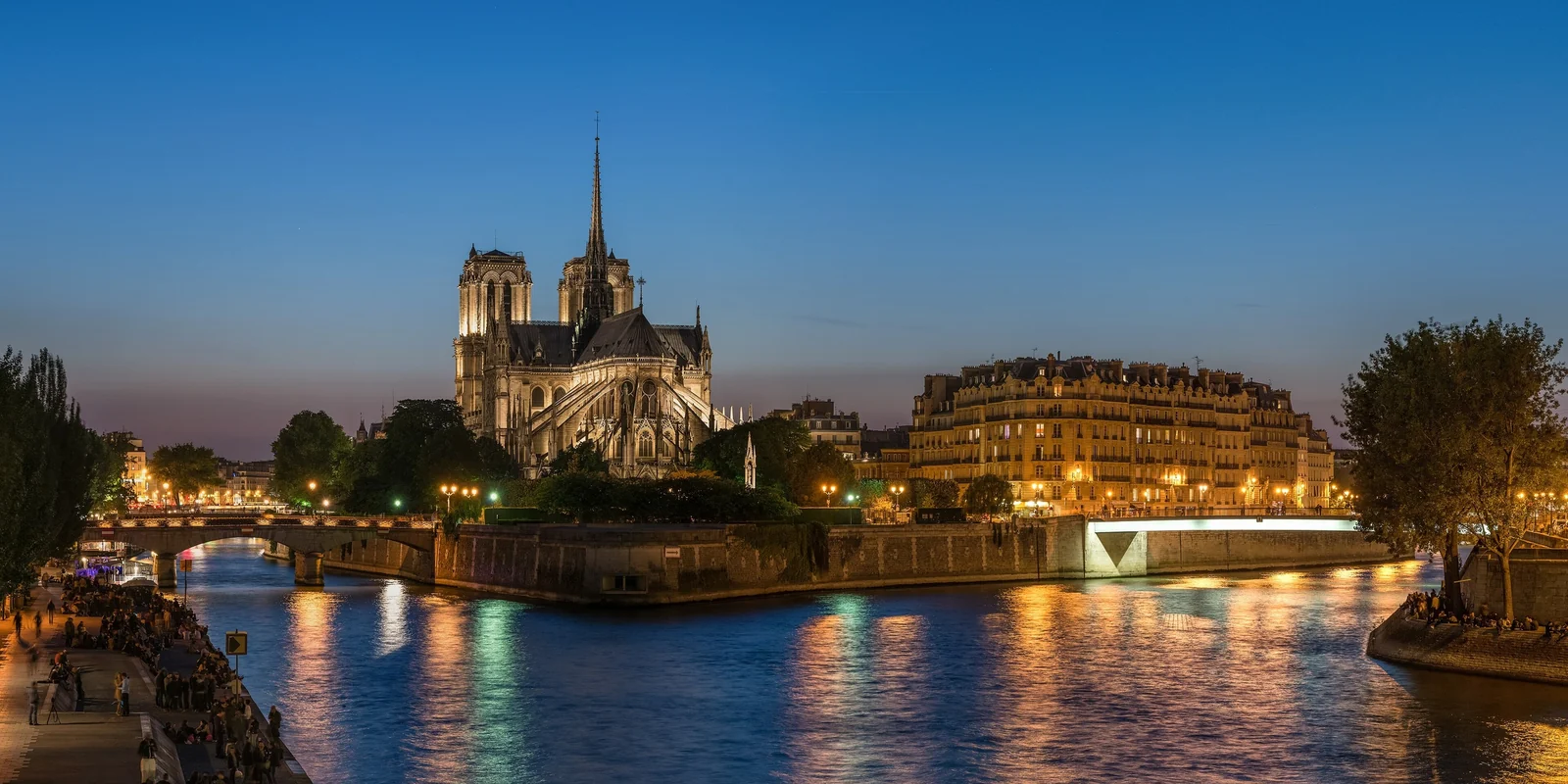
A few steps away, Sainte-Chapelle is the better answer if you only have time for one church interior. Built in the 13th century for Louis IX, its upper chapel is walled with tall stained-glass windows that glow best on a bright day. Visit early or late to avoid the longest lines.
Walking the Seine
The banks of the Seine through central Paris are a UNESCO World Heritage Site, and walking them is the cheapest sightseeing in the city. Start on the Île Saint-Louis, cross to the Left Bank by the booksellers' green stalls, and follow the quays west to the Pont des Arts and the Pont Neuf. The lower quays are car-free and good for a picnic. A river cruise is useful on a first visit if you want the skyline in one go; choose a boat at golden hour.
Montmartre and Sacré-Cœur
Montmartre is a hill in the 18th arrondissement that once sat outside the city limits and drew painters, cabaret performers and cheap wine. The white-domed Sacré-Cœur, begun in 1875 and consecrated in 1919, crowns the summit and gives one of the broadest views over Paris. Entry to the basilica is free, though the dome has a separate fee.
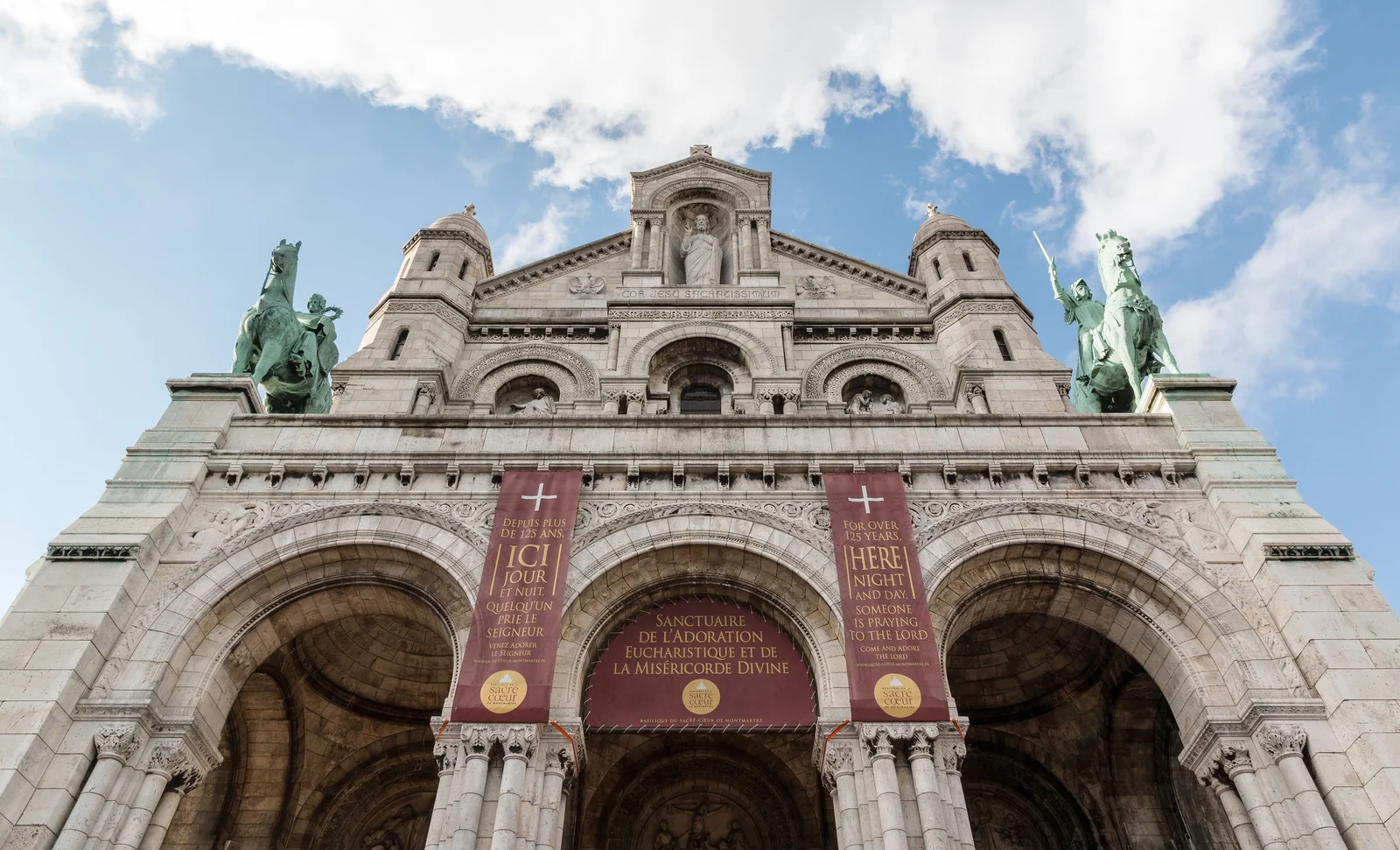
Climb the side streets rather than the main steps, and pass through the Place du Tertre only for a look; it is crowded with portrait painters. The quieter lanes around Rue des Saules and Rue de l'Abreuvoir feel more like a village. Go at sunrise or in the evening for the best light and the thinnest crowds. Pickpockets work the steps and the metro exits, so keep bags zipped.
Le Marais and the Latin Quarter
Le Marais
The Marais escaped most of the 19th-century rebuilding, so its lanes still follow the medieval grid. Start at the Place des Vosges, laid out in the early 17th century, then drift through the Jewish quarter around Rue des Rosiers, small galleries and the Picasso and Carnavalet museums. Many shops here open on Sundays, which is rare in Paris.
The Latin Quarter
Across the river, the Latin Quarter has been a student district since the Sorbonne took shape in the 13th century. Walk the Rue Mouffetard market street, visit the Panthéon and the Luxembourg Gardens, and browse the shelves at Shakespeare and Company. It is touristy around the Rue de la Huchette, so eat a few blocks away.
Musée d'Orsay and the Left Bank
The Musée d'Orsay occupies a Beaux-Arts railway station built for the 1900 Exposition Universelle and converted into a museum that opened in 1986. Its collection covers roughly 1848 to 1914, which means the Impressionists, Van Gogh, Cézanne and Degas under a glass roof. For many visitors it is the more enjoyable museum: smaller, brighter and easier to finish in two or three hours.
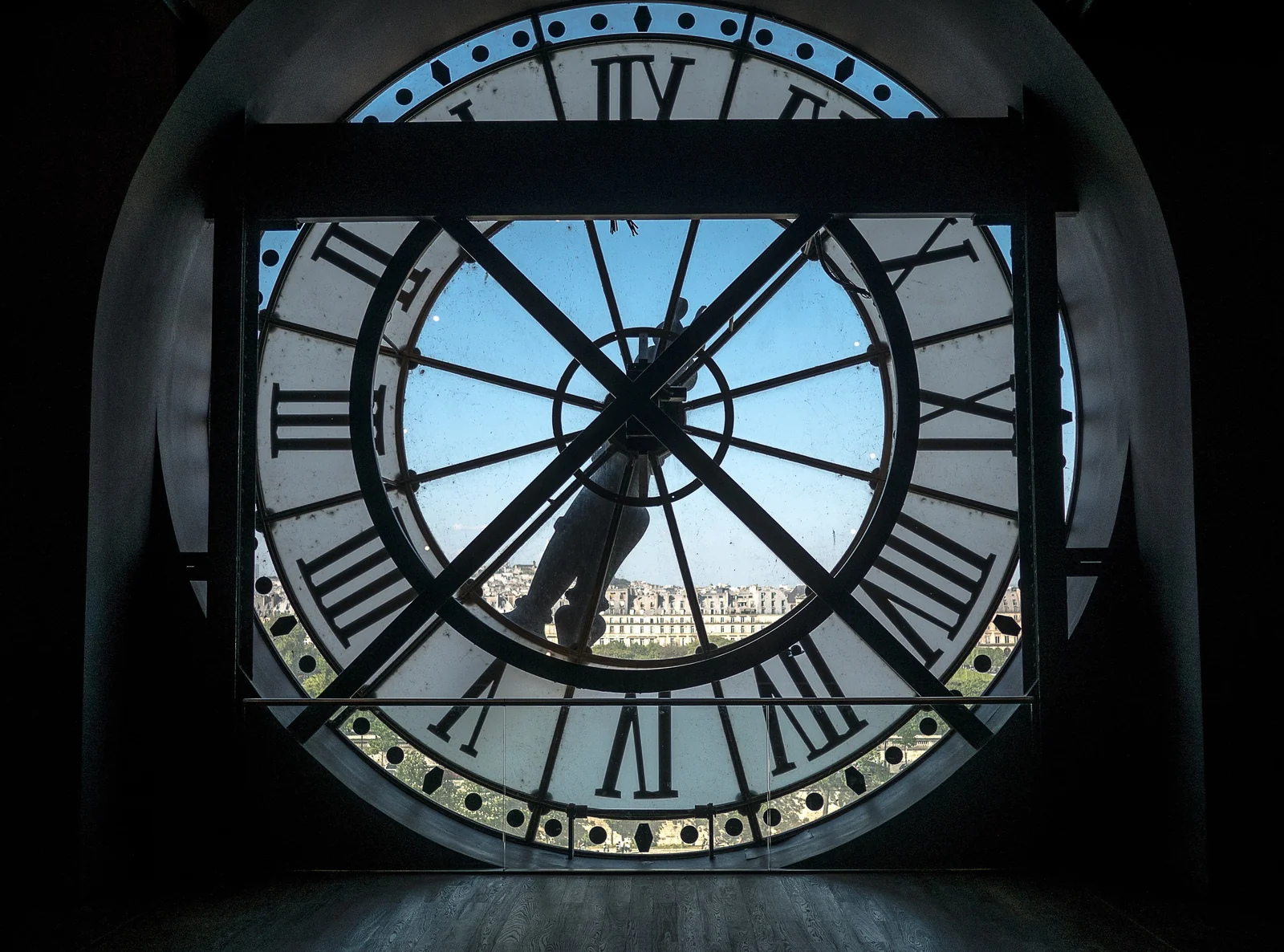
The museum is usually closed on Mondays. Check the official Musée d'Orsay site for hours, evening openings and ticket options. Afterward, walk through Saint-Germain-des-Prés and the Jardin du Luxembourg.
Getting Around: The Paris Metro
The Paris metro opened in 1900, has 16 numbered lines and is the fastest way to move around the city. Stations are close together, so most central trips take 10 to 20 minutes. RER trains cross the city and reach the airports and outer destinations. Check the official Île-de-France Mobilités site for current fares, passes and the cards visitors can use, because they change.
- Walk more than you expect. Many of the best stretches, such as the Seine, the Marais and Montmartre, connect on foot.
- Use the metro for distance. Montmartre to the Latin Quarter, or the Louvre to the Eiffel Tower area, is faster underground.
- Watch your pockets. Crowded lines near major sights are where most theft happens.
- Allow time for the airport. RER B links Charles de Gaulle with the center; Orly has its own metro and tram connections.
Where to Stay in Paris by Neighborhood
Paris is split into 20 arrondissements that spiral outward from the Louvre. Choose by mood rather than by number.
| Area | Best for | Trade-off |
|---|---|---|
| Le Marais (3rd/4th) | First-timers who want to walk everywhere | Busy, small rooms |
| Latin Quarter / Saint-Germain (5th/6th) | Classic Paris, bookshops and cafés | Touristy pockets |
| Montmartre (18th) | Village feel, sunrise views | Steep hills, crowds at the top |
| Near the Louvre (1st) | Museums and gardens on foot | Quiet at night, higher prices |
| Canal Saint-Martin (10th) | Local bars and independent shops | Fewer big sights nearby |
If budget matters, look slightly outside the center along a metro line rather than in a cheap, remote district. A short ride from a central station beats a long walk from a far-flung one.
What to Eat in Paris
Paris rewards simple orders done well. Start the day with a croissant and coffee from a bakery with a line of locals. Lunch is the best-value meal: many bistros offer a fixed-price formule, usually a starter and a main or a main and dessert. Classic dishes to try include steak frites, onion soup, duck confit and a good croque monsieur.
- Bakeries (boulangeries): baguette, pain au chocolat and a short espresso for breakfast.
- Markets: Marché d'Aligre and the Rue Mouffetard street market for cheese, fruit and picnic supplies.
- Cafés: sitting costs more than standing at the counter; both are normal.
- Dinner: kitchens often open around 7 p.m., so a reservation is wise on weekends.
Skip restaurants with photo menus and staff on the sidewalk calling people in. Walk two streets away from any major monument and prices and quality both improve.
One more habit pays off in Paris: build each day around a single anchor, then leave the rest loose. Book the museum slot or the basilica climb, and let lunch, a park bench and a long walk fill the gaps. Cramming three major sights into one day mostly gives you three queues and a sore back.
Day Trips: Versailles, Giverny and Fontainebleau
All three trips are doable by train in a day. Choose one for a first visit; two is ambitious. If you want more of France afterward, our guide to castles in France has further ideas.
| Day trip | How to get there | Best for |
|---|---|---|
| Versailles | RER C to Versailles-Château Rive Gauche, under an hour | The Hall of Mirrors, gardens, royal history |
| Giverny | Train from Saint-Lazare to Vernon, then a shuttle or bike | Monet's house and water-lily garden |
| Fontainebleau | Train from Gare de Lyon to Fontainebleau-Avon, then a bus | A quieter palace and forest walks |
Versailles
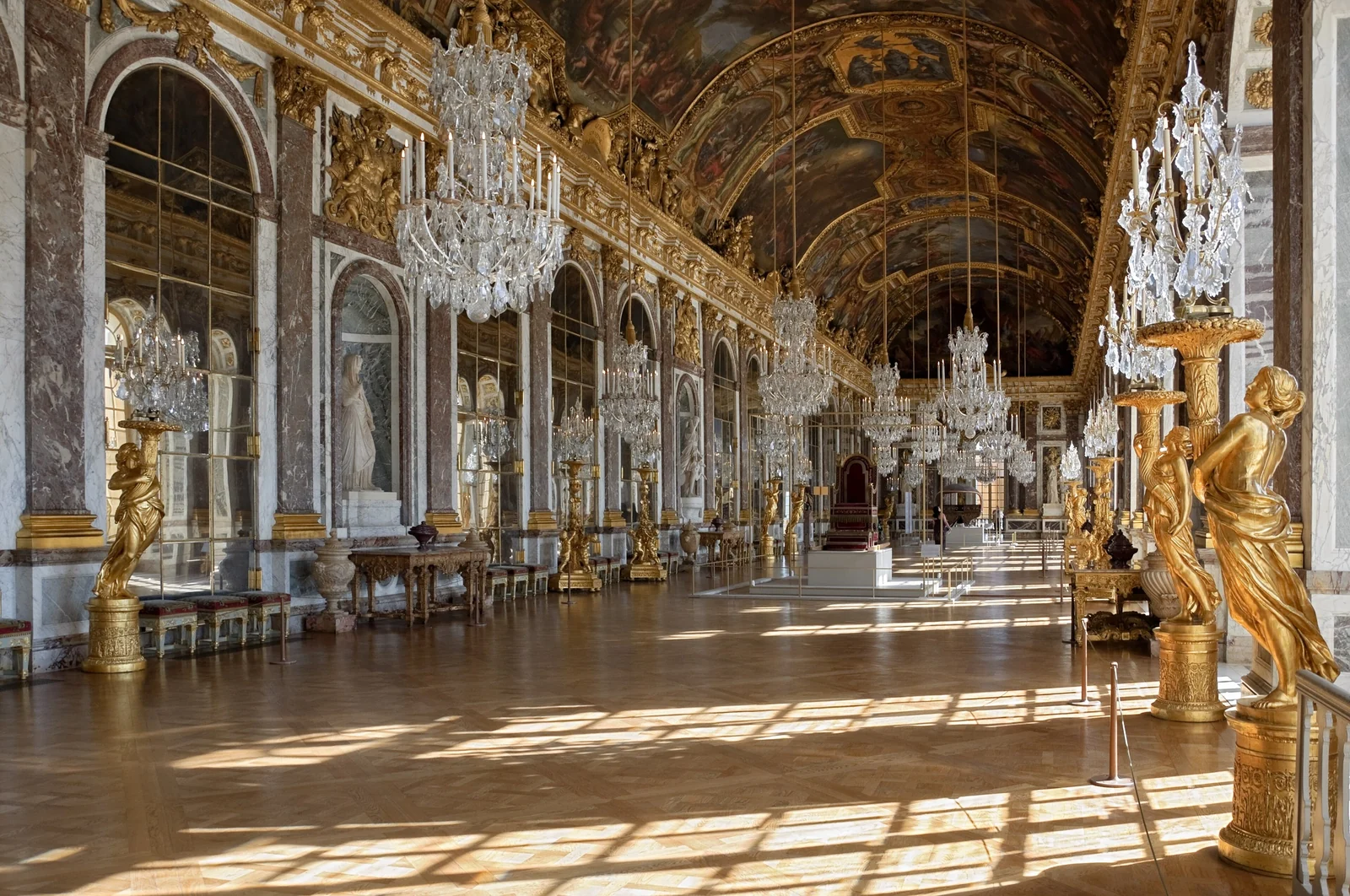
Louis XIV moved the royal court to Versailles in 1682, and the palace became the model for royal display across Europe. The Hall of Mirrors is the showpiece, but the gardens are the real reason to stay all day. Buy tickets in advance on the official Versailles site and arrive early.
Giverny
Claude Monet lived in Giverny from 1883 until his death in 1926, and the garden he designed here inspired his water-lily paintings. The house and gardens are open seasonally, roughly from spring to autumn, so confirm dates before you go. Late spring is the usual time for the garden at its fullest.
Fontainebleau
The Château de Fontainebleau, a UNESCO site since 1981, was lived in by French rulers for centuries and is more varied and less crowded than Versailles. Combine it with a walk in the forest, which has good paths from the town. It suits people who dislike queues.
Best Time to Visit and How Many Days You Need
Spring and early autumn give the best mix of mild weather and manageable crowds. July and August are hot and busy, and some neighborhood restaurants close for a few weeks in summer. Winter is gray but good for museums, and the cafés are warm.
| Trip length | What fits |
|---|---|
| 2 days | Louvre or Orsay, Notre-Dame and the Seine, Montmartre at sunset |
| 3 days | Add the Marais and the Latin Quarter, plus a second museum |
| 4 to 5 days | Add one day trip (Versailles, Giverny or Fontainebleau) and a slow neighborhood day |
For a longer European loop, compare Paris with London or head south to Lyon for a very different kind of French city.
Paris Travel FAQ
How many days do you need in Paris?
Three days cover the Louvre, Notre-Dame, the Seine, Montmartre and the Marais at an easy pace. Four or five days let you add a museum like the Musée d'Orsay and one day trip to Versailles, Giverny or Fontainebleau.
Do you need to book the Louvre in advance?
Yes, book a timed slot on the official site. In peak periods, reservations are required. The museum is normally closed one day a week, so check the current calendar before choosing your day.
Is Notre-Dame open to visitors?
Yes. The cathedral reopened in December 2024 after the 2019 fire. Entry is free, and you can reserve a free timed slot through the official Notre-Dame website. Avoid third-party sites that sell standard entry.
What is the best way to get around Paris?
Walk in the central neighborhoods and use the metro for longer hops. The system has 16 lines, with RER trains reaching the airports and day-trip towns. Check the official transit site for current passes and fares.
Which day trip from Paris is best?
Versailles is best for history and gardens, Giverny for Monet's garden in season, and Fontainebleau for fewer crowds. Most first-timers choose Versailles. Do only one in a short trip.
Which neighborhood is best for a first stay in Paris?
The Marais and the Latin Quarter are the most popular choices: central, walkable and well connected by metro. Montmartre is better if you want a village feel and do not mind hills.
When is the best time to visit Paris?
Spring and early autumn are the most comfortable, with mild days and fewer crowds than midsummer. Winter is quieter and suits museum-focused trips, while July and August are hot and busy.