The best day trips from Barcelona are Montserrat for the jagged mountain and the monastery, Girona for a medieval old town above a colorful river, Sitges for an easy beach day, Tarragona for Roman ruins by the sea, and Figueres for the Dalí museum. All five work without a rental car, because Catalonia's rail network radiates out of Barcelona.
This guide shows how to choose between them, how to get to each by train, bus or car in general terms, and which pairs fit into a single day. Barcelona itself is covered in our Barcelona travel guide, so here we focus on leaving town.
How to Choose a Day Trip From Barcelona
Start with what you want from the day. Mountains and a sacred site point to Montserrat. A walkable old town points to Girona. Sand and a seafront lunch point to Sitges. Ancient history points to Tarragona. If you only have one free day and it is your first visit to Catalonia, Montserrat or Girona is the safer bet, since both feel very different from Barcelona.
Train, Bus or Car: Getting Out of Barcelona
The backbone is Rodalies de Catalunya, the regional rail service. Its lines leave from Barcelona Sants and, for many of them, also stop at Plaça Catalunya and Passeig de Gràcia, which saves you a trip across town. The line numbers and timetables are on the Rodalies de Catalunya website, and you should check them there rather than trust a blog.
Two other operators matter. FGC, the Catalan government railways, runs from Plaça Espanya and is the usual start for Montserrat. Renfe operates the faster long-distance and high-speed services, including the quick trains to Girona, Figueres and Tarragona, and its site shows fares and times for those.
- Train: the best default. No traffic, no parking, and the stations in the target towns are close to the sights.
- Bus: the answer for the Costa Brava, where the rails stay inland. Buses leave from the main coach stations, and services vary by season.
- Car: useful for the wine villages and for chaining small coastal towns. Barcelona traffic and old-town parking are the cost, and tolls may apply on some motorways.
- Organized tours: handy if you want Montserrat and a cava cellar in one go without arranging connections.
Day Trips From Barcelona at a Glance
| Trip | Transport | Time each way | Best for | Watch out |
|---|---|---|---|---|
| Montserrat | FGC train plus rack railway or cable car | About 1 hour to 1.5 hours | Mountain scenery, the monastery, hiking | Book the rack railway ahead; weather changes fast at altitude |
| Girona | High-speed or regional train | From about 40 minutes (fast) to over an hour (regional) | Old town, Jewish Quarter, river houses | Fast and regional trains have different fares; check which you board |
| Sitges | Rodalies train | Around 35 to 45 minutes | Beaches, seafront walks, relaxed lunch | Crowded on summer weekends; last train back matters |
| Tarragona | Regional or faster train | Roughly an hour, depending on the service | Roman ruins, UNESCO sites, sea views | Some trains stop at a station outside the center |
| Figueres | High-speed or regional train | From under an hour (fast) to well over an hour (regional) | Dalí Theatre-Museum | Book tickets ahead; no photos of the art |
| Tossa de Mar / Cadaqués | Bus, sometimes with a train or car | Often 1.5 hours or more | Coves, walled old town, coastal paths | Slow transfers; better with a car or an overnight |
| Penedès wine country | Rodalies train to Sant Sadurní d'Anoia | Roughly 45 minutes to an hour | Cava cellars and vineyards | Book cellar visits ahead; do not drive after tastings |
Montserrat Day Trip From Barcelona
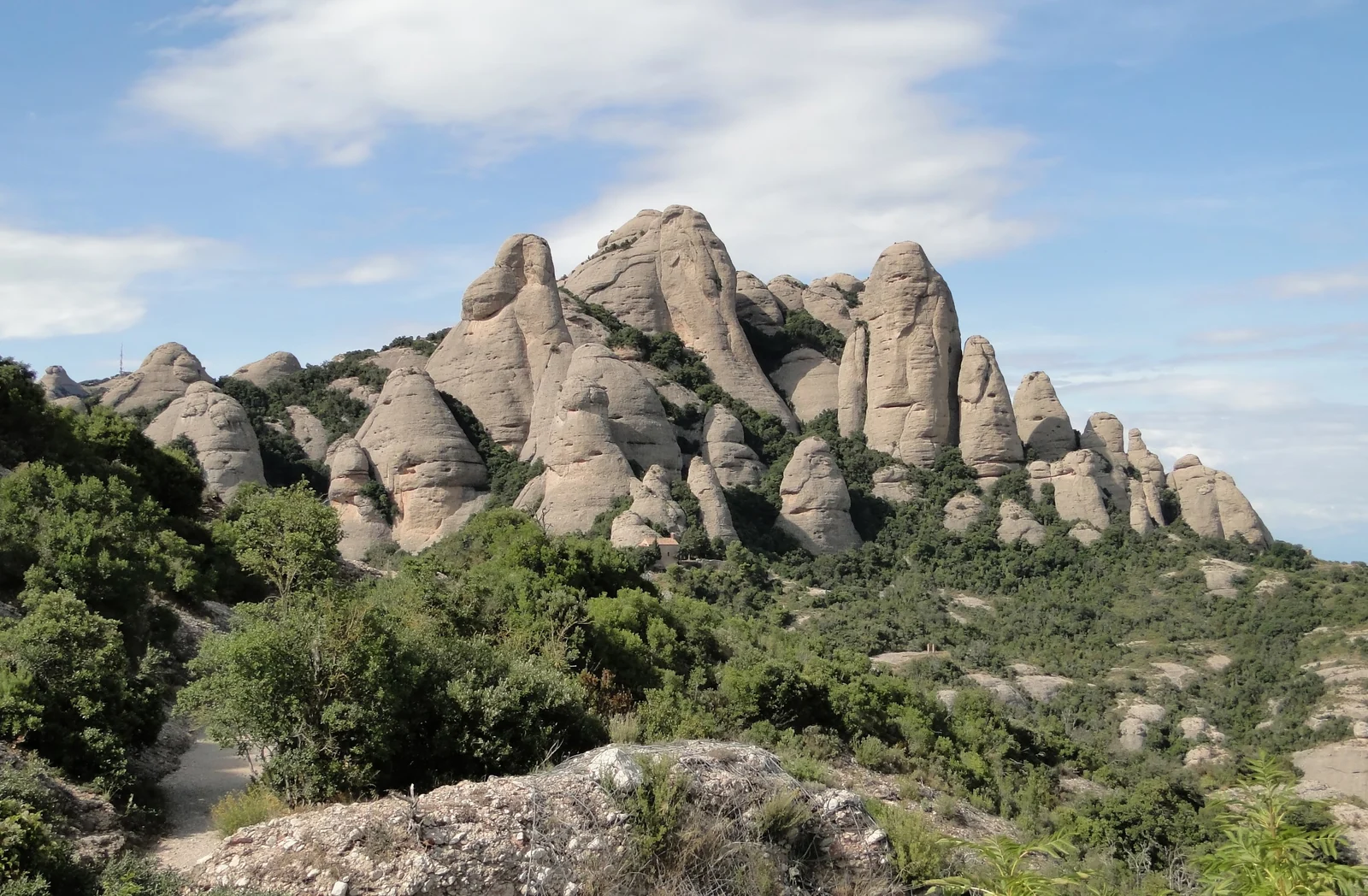
Montserrat is the classic. The name means "serrated mountain", which is exactly what you see from the train: a wall of rounded rock needles standing alone above the plain, with the highest point, Sant Jeroni, at about 1,236 meters. A Benedictine monastery clings to the slope, and the place has been a pilgrimage site for centuries.
Getting to Montserrat
The standard route is an FGC train from Plaça Espanya, with a change to either the cremallera (rack railway) from Monistrol de Montserrat or the Aeri cable car from its own station. Both finish at the monastery level and both are run for visitors, so they can be busy. Book ahead through the official Montserrat visitor site when you can, and check which option is operating, because services are sometimes suspended for weather or maintenance.
What to see and do
The basilica houses the Black Madonna, known locally as La Moreneta, the patron of Catalonia. The statue sits above the altar, and visitors usually queue to approach it, so go early or accept a wait. The boys' choir, the Escolania, is among the oldest in Europe and sings at set times on certain days, so check the schedule if you want to hear it.
Then get out of the crowd. Funiculars climb higher from the monastery area, and marked paths lead to viewpoints and to the hermitages scattered across the rock. Even a one-hour walk gives you quiet and a very different view of the plain. Bring real shoes, water and a layer, because it is often cooler and windier up top than in Barcelona.
Girona Day Trip From Barcelona
Girona is the best answer if you want a city to walk. The trip is short on a fast train, roughly forty minutes or a little more from Barcelona Sants, and the regional trains take longer for a lower fare. It is a compact place, so a full day is plenty and an overnight is a bonus.
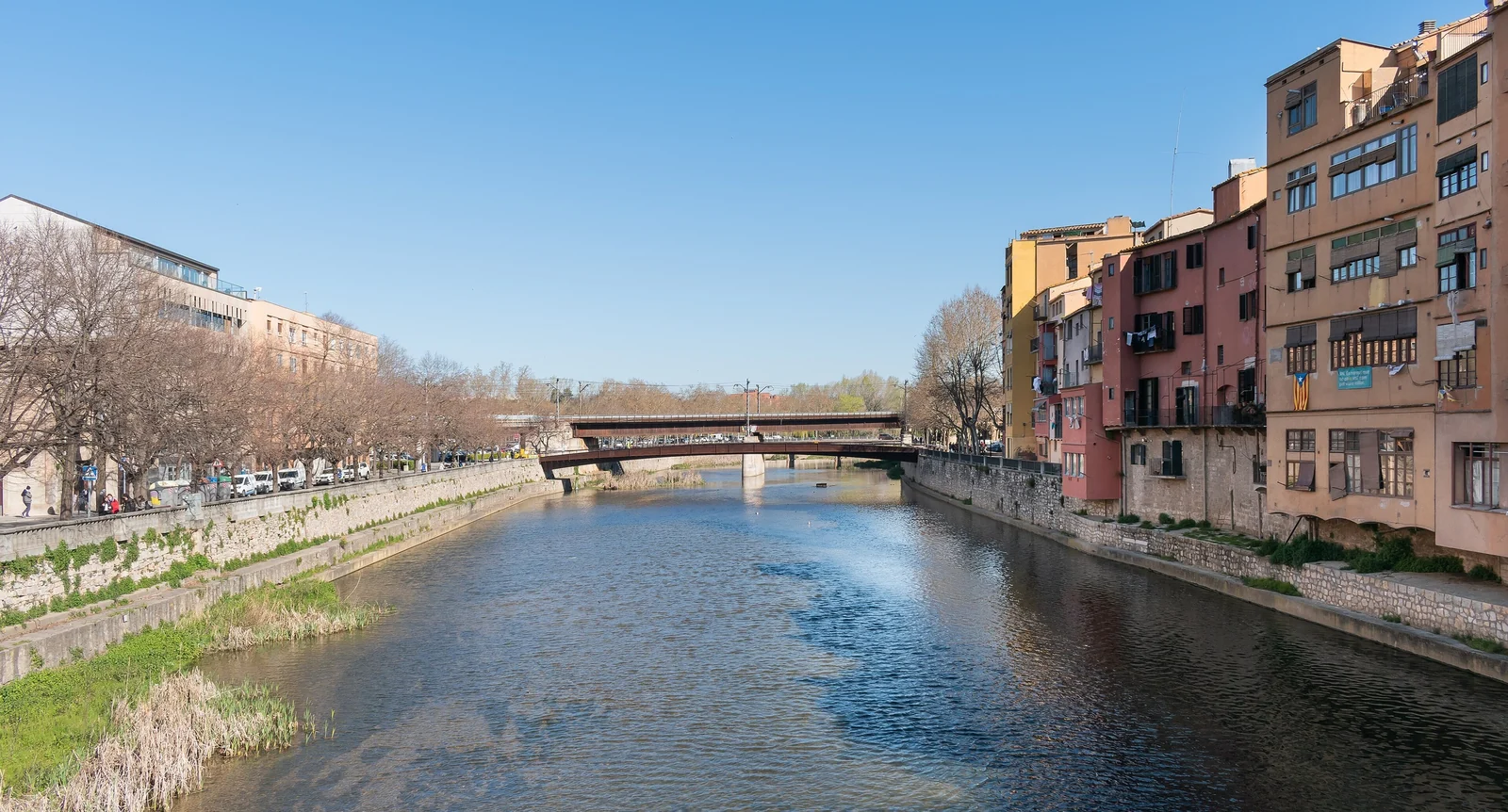
Begin on the bridges over the Onyar, where the ochre, red and yellow houses line the water. Then cross to the Old Town (the Barri Vell) and climb toward the cathedral, whose wide stairway and single huge nave dominate the skyline. Walking the top of the old city walls gives you views over the rooftops for little effort.
The Jewish Quarter, known as El Call, is a tight tangle of stone lanes and one of the best preserved medieval Jewish neighborhoods in Europe. Wander it slowly, and visit its small museum if the history interests you. Between the cathedral, the walls and the lanes, you can see the highlights on foot in a few hours and still have time for a long lunch.
Sitges: The Easy Beach Day
Sitges is a seaside town southwest of Barcelona, reached in under an hour on the Rodalies R2 Sud line from Sants or Plaça Catalunya. It is the lowest-effort trip on the list, and that is the point. You get a long promenade, a skyline of white houses and a church on a headland, and a string of town beaches that suit a lazy day.
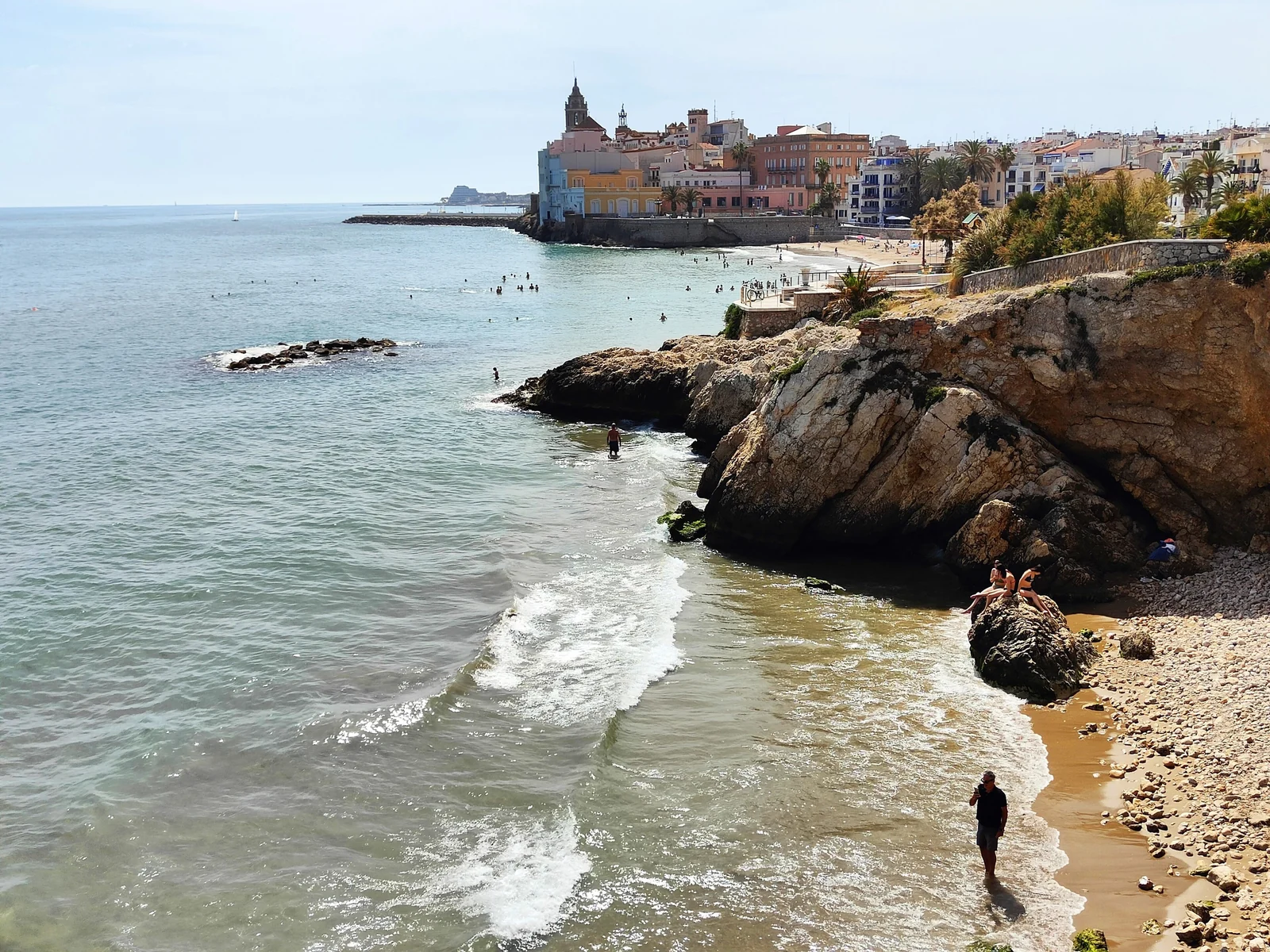
Walk from the station down to the old center, take in the church and the seafront, then pick a beach. The sea is swimmable in the warmer months, and out of season the town is quiet and pleasant for a walk and a long meal. Sitges is also known for its lively cultural calendar and its film festival, so expect crowds when something is on.
Tarragona: Roman Ruins by the Sea
Tarragona was Tarraco, one of the most important Roman cities in the Iberian Peninsula, and the remains are still scattered through the modern town. The Archaeological Ensemble of Tarraco was inscribed by UNESCO in 2000, and it includes the amphitheater, the circus, the walls and the forum area.
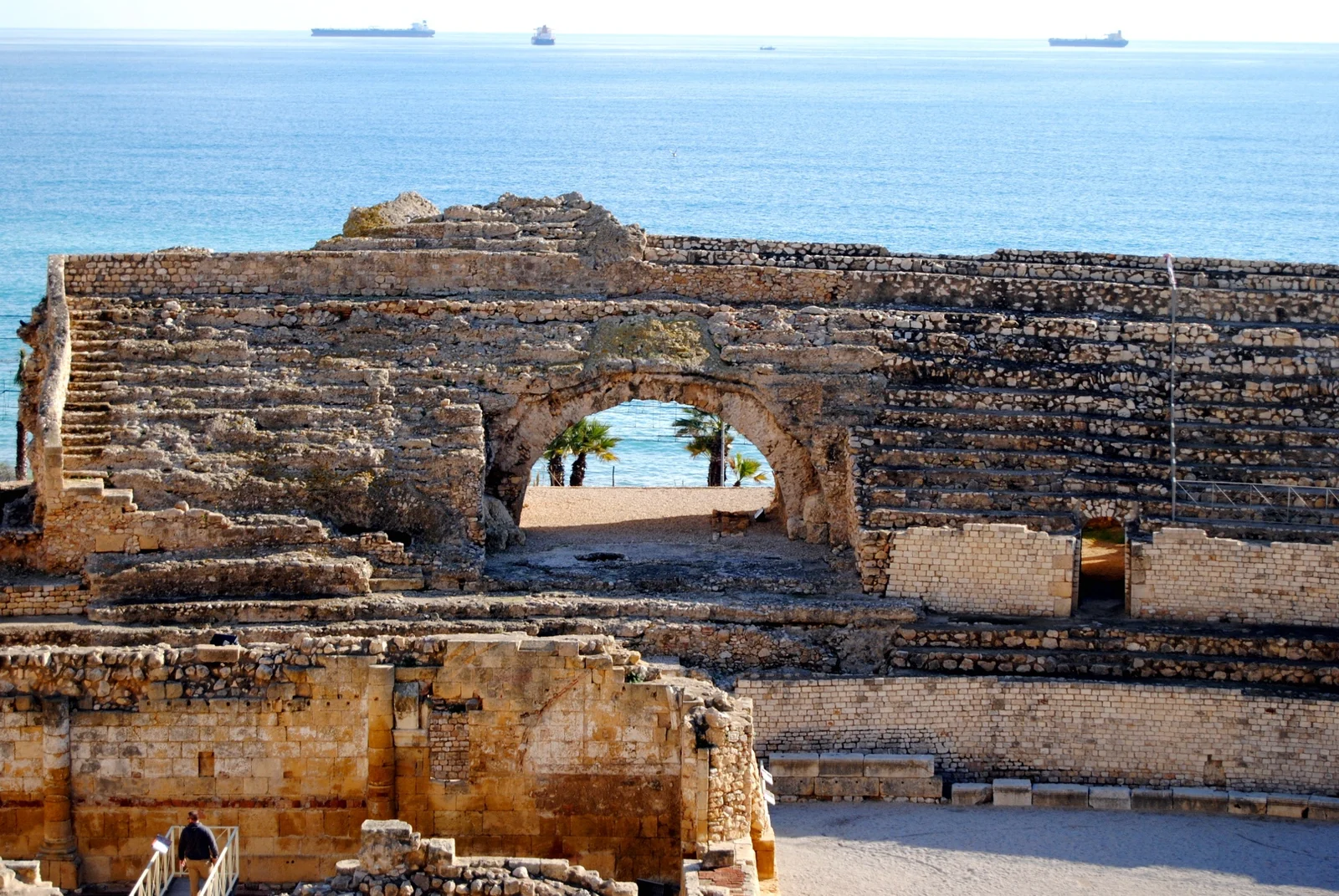
The amphitheater is the star, set right beside the Mediterranean, and it is the single best photo of the trip. From there, walk up into the old town, where the cathedral and the narrow lanes feel a world away from the beach below. Check which ruins are open and when, since opening days differ from site to site and some close on certain weekdays.
Figueres and the Dalí Theatre-Museum
Figueres is a small town north of Girona, and nearly everyone goes for one reason: the Dalí Theatre-Museum. Salvador Dalí designed it himself in a former municipal theater, it opened in 1974, and he is buried in its crypt. It is odd, theatrical and entirely on brand, so it works even if you are not an art person.
Two cautions. Book your ticket ahead through the museum's official channels, as the visit is popular and slots can sell out. And respect the rules on photography: Dalí's works are still under copyright, and museum policy on cameras and phones can change, so follow the signs and the staff rather than snapping artworks. The building itself is the best thing to simply look at.
Costa Brava and Penedès: Two Optional Extras
Tossa de Mar and Cadaqués
The Costa Brava is the rocky, cove-studded coast north of Barcelona. Tossa de Mar has a walled medieval old town (the Vila Vella) above the sea, and Cadaqués is a whitewashed fishing town in the far northeast, tied to Dalí. Both are reached mostly by bus, and neither is quick. Tossa is workable as a long day trip, while Cadaqués is better as an overnight or with a car.
Penedès and cava
Sant Sadurní d'Anoia is the center of Spain's sparkling wine called cava, and it has a train station on a Rodalies line from Barcelona. Cellar visits and tastings are the plan, and most need booking. A tour with a driver makes the most sense if you want more than one cellar, because nobody wants to drive after tasting.
Combining Day Trips and Picking by Interest
- Girona and Figueres: the best pair on the same rail line, if you start early and book the museum for a set time.
- Sitges and Tarragona: both are on the coast, so you can use the train to hop between them, but it makes for a rushed day. Choose one unless you are happy to sprint.
- Montserrat on its own: the transfers eat time, so give it a full morning and early afternoon.
- Cava with Sitges: possible by train in a loose, slow day, with cellar visits booked ahead.
A simple rule of thumb. For nature and hiking, pick Montserrat. For history and old streets, pick Girona or Tarragona. For beaches, pick Sitges. For art, pick Figueres. If you have two spare days, do Montserrat on one and Girona with Figueres on the other. If you have three, add Sitges or Tarragona.
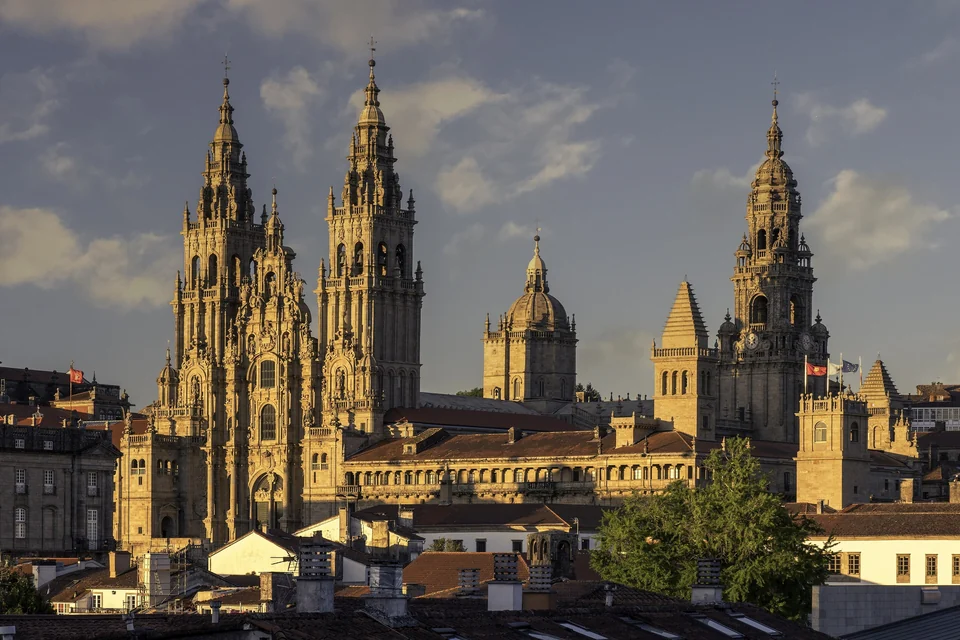
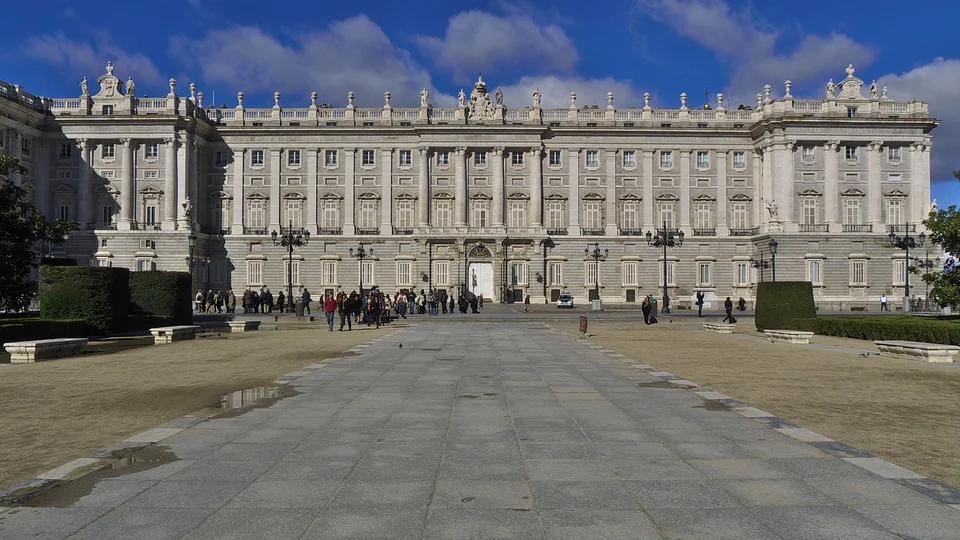
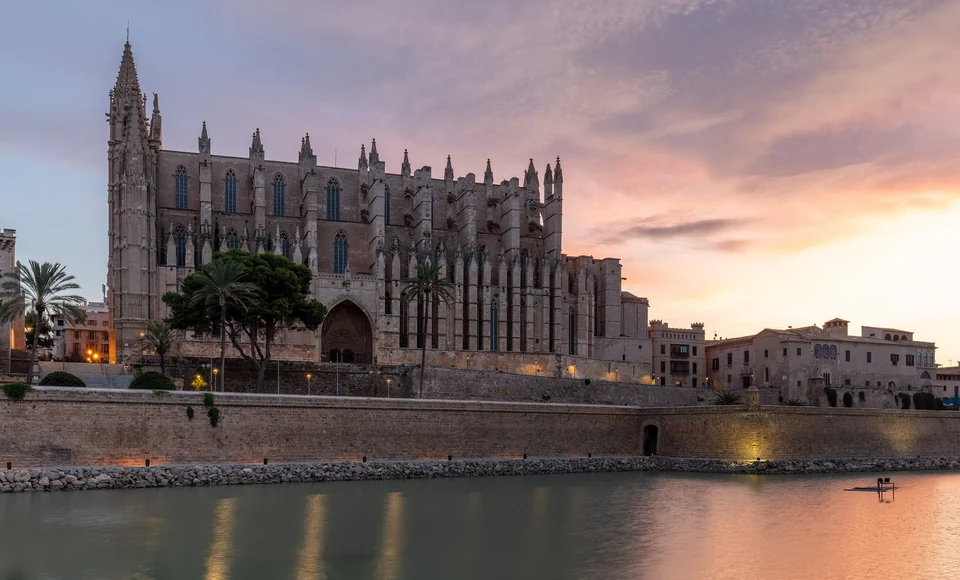
Heading on to the capital afterward? Our guide to Barcelona to Madrid by train, flight, bus or car compares the options, and the Madrid travel guide picks up from there. If you also want a Mediterranean city with a similar beach-and-old-town mix, see our Valencia travel guide.
Practical Tips for Day Trips From Barcelona
- Book the busy things ahead. The Montserrat rack railway and cable car, the Dalí museum and cellar visits all benefit from a reservation, especially in high season.
- Look at multi-trip tickets. Barcelona has multi-journey and tourist ticket options for public transport, such as the T-Casual card and tourist passes sold through the Hola Barcelona service. Some cover only certain zones or operators, so check that your destination is included before you buy.
- Check weekday closures. Many museums and monuments in Catalonia close on one weekday, often Monday. Look at opening days on the official sites before you plan.
- Know your last train. Services thin out in the evening, so note the final departure back before dinner.
- Go early. The first trains beat both the heat and the tour groups, especially at Montserrat and Sitges.
Day Trips From Barcelona FAQ
What is the best day trip from Barcelona?
Montserrat is the best for scenery and a sacred site, Girona is the best for an old town to walk, and Sitges is the easiest for a beach day. If you can only choose one, pick Montserrat or Girona, since both feel very different from the city.
Can you do day trips from Barcelona without a car?
Yes. Montserrat, Girona, Sitges, Tarragona, Figueres and the cava town of Sant Sadurní d'Anoia are all reachable by train, and the Costa Brava is served by buses. A car helps mainly for wine villages and small coastal towns.
How long does it take to get to Girona from Barcelona?
On a fast train it takes roughly forty minutes or a little more. Regional trains take longer and usually cost less. Confirm the exact time and fare for your service on the Renfe or Rodalies website before you travel.
Do I need to book Montserrat in advance?
It is a good idea. The rack railway and cable car can be busy, and services are sometimes affected by weather or maintenance. Check the official Montserrat visitor site for current options and book the transport that suits your plan.
Can I see Montserrat and Girona in one day?
Not comfortably. They sit in opposite directions from Barcelona, and Montserrat needs a transfer by rack railway or cable car. Choose one per day. If you want to combine two places, Girona with Figueres is the realistic pair.
Can I take photos in the Dalí Theatre-Museum?
Rules can change, so follow the current policy and the staff instructions at the museum. Dalí's works are still protected by copyright, which is why photography of the art is often restricted. Check the official museum site before your visit.
Is Sitges worth visiting outside summer?
Yes. Out of season the beaches are quiet, the promenade is good for walking and restaurants are easier to book. You will not swim in comfort, but the town is relaxed and pleasant for a long lunch and a stroll.