


To visit the Eiffel Tower, book a timed ticket on the official site, toureiffel.paris, as early as your dates allow, choose a level (second floor or summit) and a way up (lift or stairs), and arrive at your slot with only a small bag. That is the whole system. The details, and the mistakes people make with them, are what this guide is about.
The tower stands about 330 meters tall on the Champ de Mars in Paris and has three public levels. Most visitors go to the second floor or the summit, and the best view depends less on height than on timing and weather. If you want the story of how it was built and why Parisians once argued over it, read our Eiffel Tower history article. This page is purely practical.
Eiffel Tower Tickets: Which Level and Which Way Up
The tower has a first floor, a second floor and a summit, plus the open ground around its four legs. Everyone who wants to go up makes two choices: how high, and how they get there. The ticket types follow from that.
- Second floor by lift. The easiest option and the best value for most people. From here you look across Paris at roof height, and the framing through the ironwork is closer and more graphic than from the top.
- Summit by lift. The full trip. You ride to the second floor, change lifts and continue to the top, where the view is wider but flatter and the platform is partly enclosed.
- Stairs to the second floor. A climb of roughly 670 steps. It costs less, you pass the first floor on foot, and it feels like an achievement. It is also steep, narrow and hot in summer.
- Stairs plus the summit lift. Climb to the second floor, then take the lift the rest of the way, when the official site offers that combination.
Which should you pick? If it is your first visit and the forecast is clear, go to the summit. If extreme height leaves you cold, or if summit slots have sold out, the second floor is not a consolation prize. Plenty of visitors who have done both say it is the more interesting of the two, because you can still pick out streets and bridges.
Stair tickets have been sold under different rules over the years, so confirm on the official site what is currently on offer rather than relying on any blog, this one included, for the exact format.
Booking Online and When Tickets Sell Out
Buy on toureiffel.paris, the tower's official site. Tickets are timed, which means you enter during the slot you booked. Sales open well ahead, and the most popular slots go first: summit tickets, weekends, school holidays and anything near sunset. In peak season they can disappear weeks before your trip, so book as soon as your dates are fixed.
If the summit is sold out, check the second floor, which often has space when the top does not. If you are flexible, look at weekday mornings. Tickets at the ticket offices at the foot of the tower exist, but the queues for them are the longest of all and you can be turned away. Treat them as a last resort.
Read the change and cancellation terms before paying. A timed slot is not a flexible ticket, and a missed slot is usually a lost one. Keep the confirmation on your phone, with the battery charged, because the code on it is what gets you through the gates.
Security Checks, Bags and What to Expect on the Day
Everyone goes through a security check before entering the tower area: bag screening and a scan of your person, much like at an airport. It adds time even with a ticket, so arrive 15 to 20 minutes before your slot rather than at the exact minute.
- Bring a small bag. Large rucksacks and suitcases are not accepted, and you should not count on luggage storage nearby.
- Leave sharp objects, glass bottles and tripods at your hotel. The official site lists what is not allowed.
- Dress for wind. It is always cooler on top than in the park below, and parts of the second floor are open to the air.
- Expect full lifts. They run all day, but the wait for the summit lift at the second floor can be long in peak hours.
Operations change in storms, strong wind or ice, and the summit can close while the lower levels stay open. If your slot is affected, the official site explains your options. Do not assume every level is open every hour of every day; check the hours for your date before planning the day around it.
Best Time to Visit: Season, Day and Hour
The honest answer is early. The first slots of the day are quieter at the lifts and cooler in summer, and the city looks clearer before haze builds. Late evening slots are a good second choice, but they are also the most popular, so they sell out first.
| When | What it is like | Verdict |
|---|---|---|
| Early morning | Fewer crowds, softer light, shorter security line | Best overall |
| Midday | Crowded, harsh light, longest lift waits | Avoid if possible |
| Late afternoon to sunset | Warm light over the city, but the most booked slots | Beautiful, book far ahead |
| Weekdays | Noticeably calmer than weekends | Better |
| Spring and autumn | Mild weather, fewer visitors than midsummer | Best seasons |
| Midsummer | Hot, busy, school holiday crowds | Go early or late |
| Winter | Coldest on top, usually shorter queues, clear days possible | Good for a quieter visit |
Weather matters more than the calendar. A clear day beats a cloudy peak-season date every time, and on a foggy day the summit shows you the inside of a cloud. If your dates are flexible and the forecast is poor, move your slot rather than paying to stand in mist.
How to Get to the Eiffel Tower: Metro, RER and on Foot
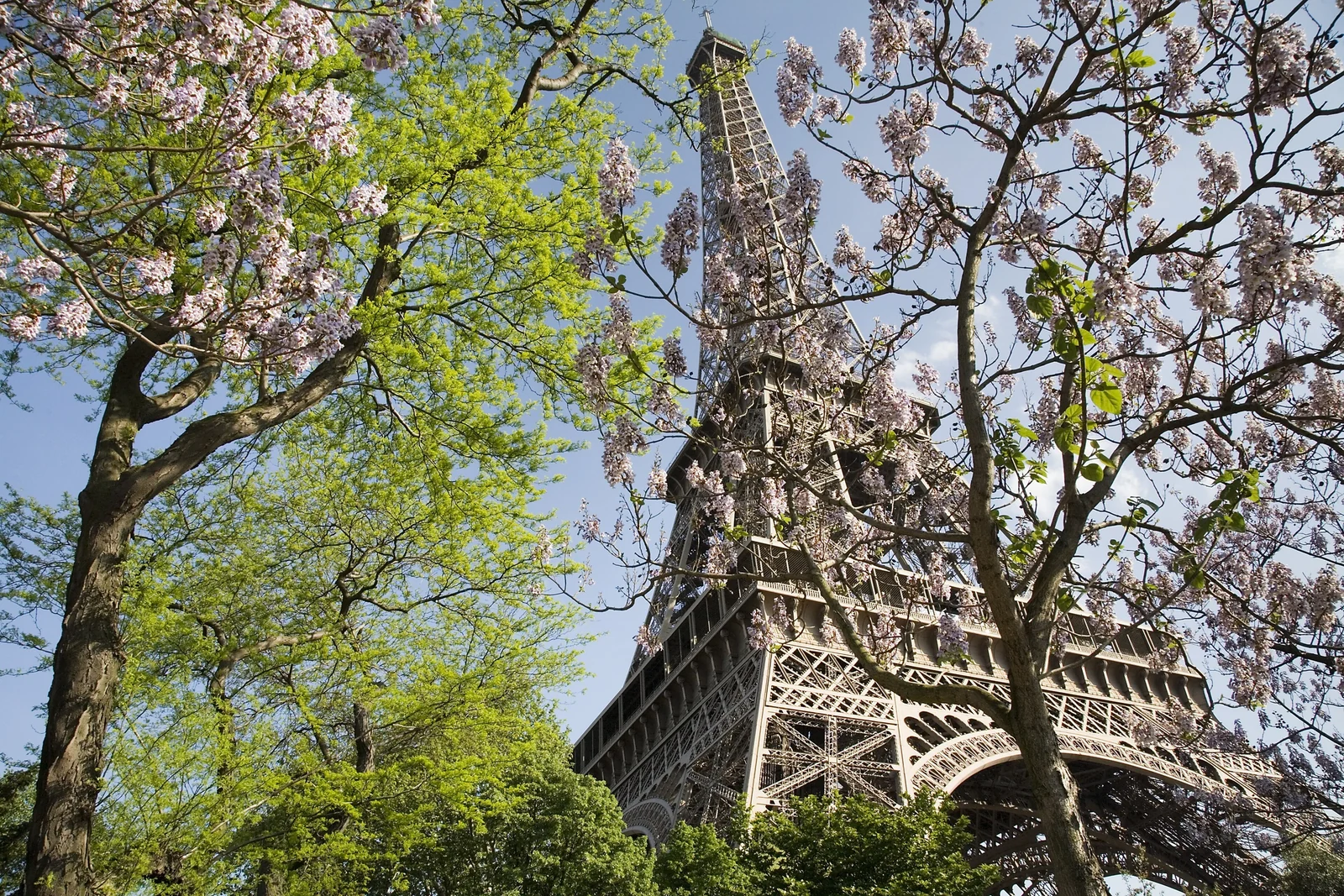
The tower sits on the Champ de Mars in the 7th arrondissement. Several stations are within a short walk, and the one you choose changes your first view.
- Bir-Hakeim (Metro line 6). About a ten-minute walk toward the tower. Line 6 runs above ground here, which makes for a good first look.
- Champ de Mars–Tour Eiffel (RER C). The closest rail station, a short walk to the base of the tower.
- Trocadéro (Metro lines 6 and 9). Arrive on the hill opposite the tower, then cross the Pont d'Iéna on foot for the grand approach.
- École Militaire (Metro line 8) and La Motte-Picquet–Grenelle, for a longer walk through the 7th arrondissement.
My preference is Trocadéro. You get the postcard view, then walk across the river and arrive at the tower facing it, which beats popping out of a station already underneath it. Check the transit operator's site or app for current service, because lines are sometimes closed on weekends for works.
If you are still deciding where to sleep, our guide to where to stay in Paris explains which neighborhoods make good bases and which have easy metro links to the tower.
The Best Viewpoints of the Eiffel Tower
You can see the tower for free from many places, and some views are better than anything the queue will give you. These are the ones worth your time.
Trocadéro
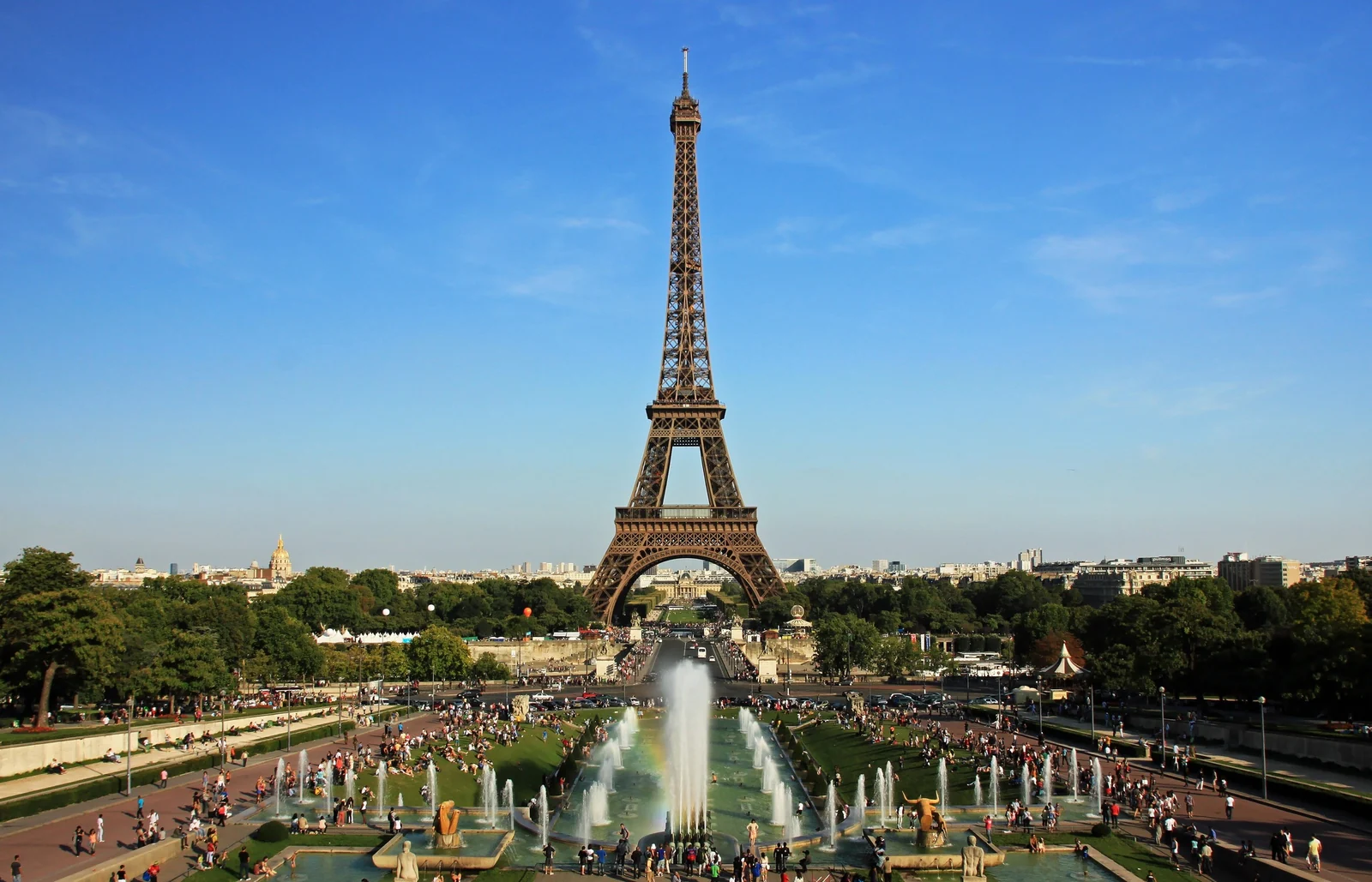
The terrace in front of the Palais de Chaillot gives the standard frame, with the fountains below and the Champ de Mars beyond. It is crowded all day, so go early. It is the best spot to fit the whole tower into one photo.
Champ de Mars
Walk toward the base along the long park, or sit on the lawn. You see the tower rising straight out of the gardens, and you can watch the lift cars slide along the legs. It is also where picnic crowds gather on warm evenings.
Pont de Bir-Hakeim
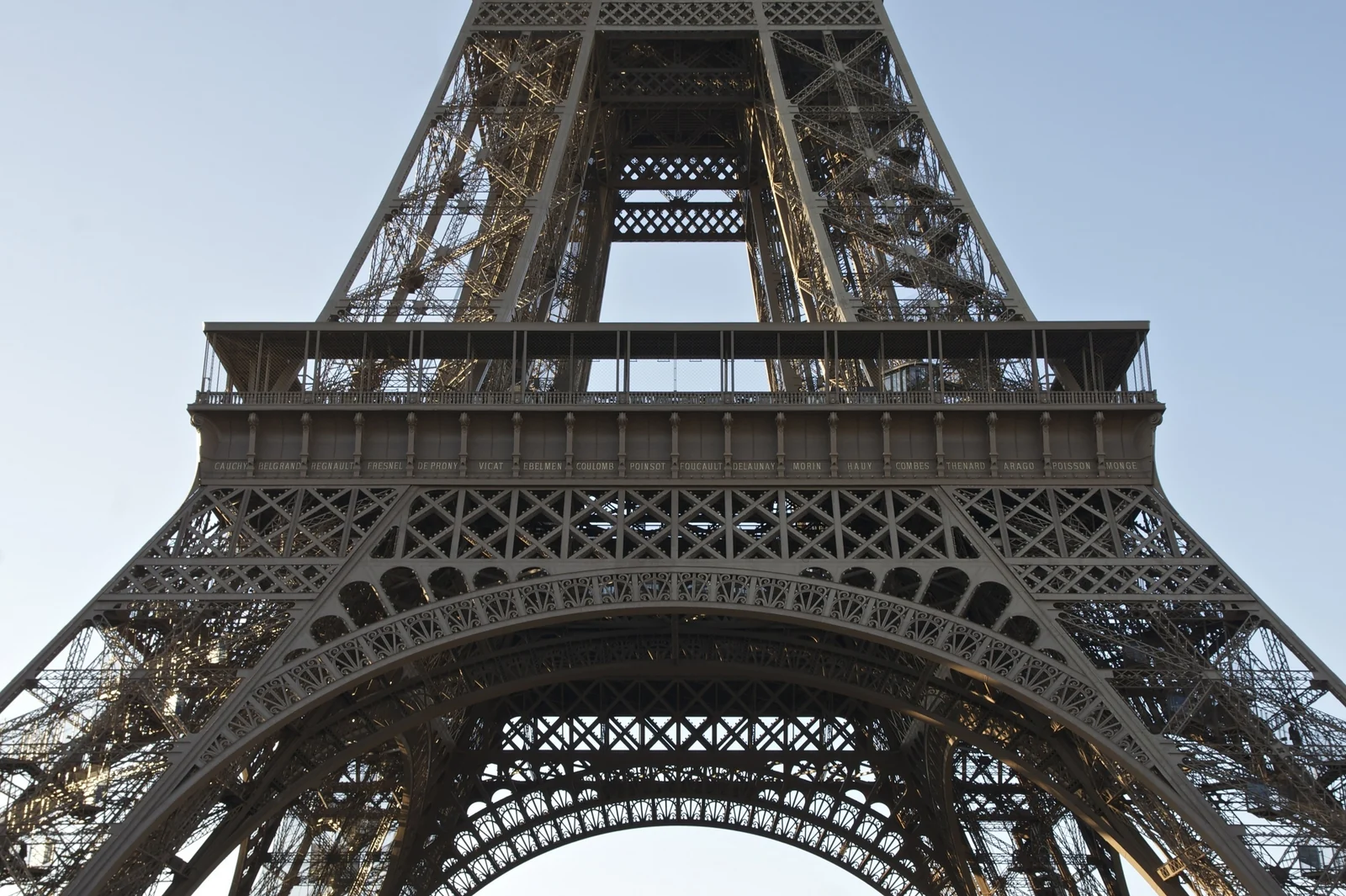
The double-deck bridge, with a metro viaduct on top and a roadway below, frames the tower with ironwork of its own. It is a favorite of photographers and film crews, and it tends to be quieter than Trocadéro.
Tour Montparnasse
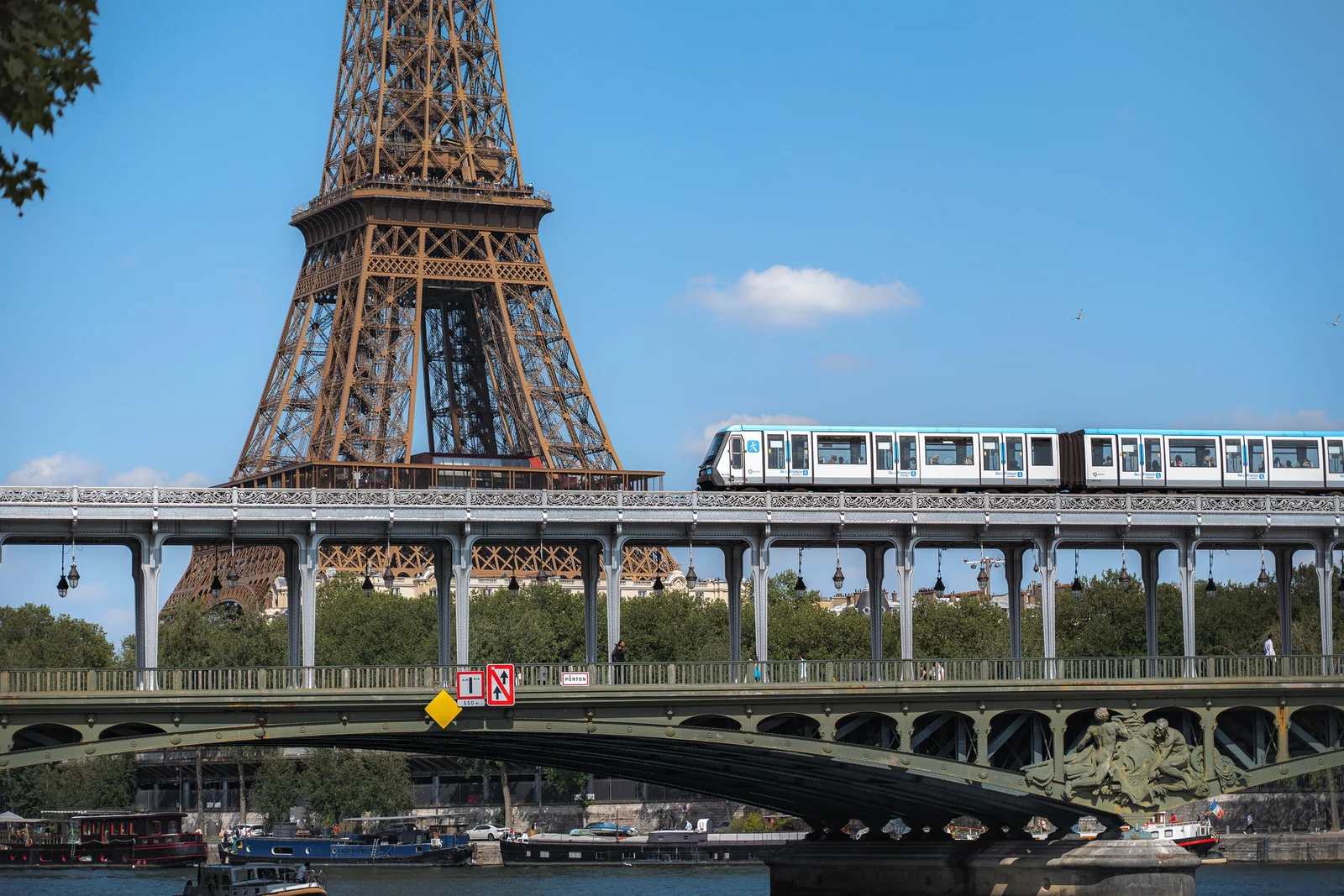
The Montparnasse tower has an indoor observation deck and an open rooftop terrace. The case for it is simple: you cannot see the Eiffel Tower from the Eiffel Tower. If you want the tower in your view of Paris, this is the place. Check the Montparnasse site for current hours and tickets.
Alternatives If Tickets Are Sold Out
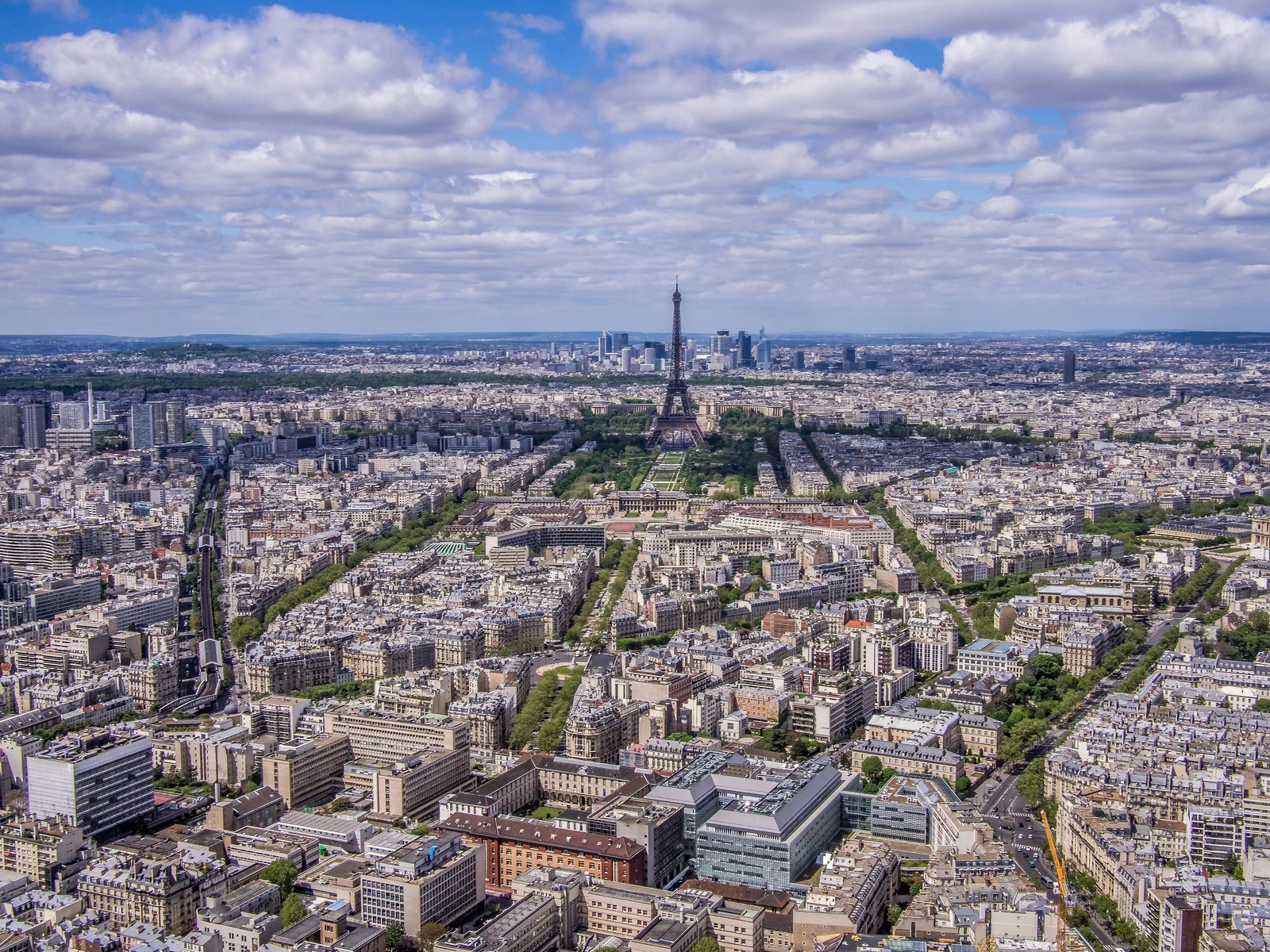
Do not cancel a Paris trip because the summit is full. There are several good ways to see the city from above.
- Go to the second floor instead, which is often available when the top is not.
- Visit Tour Montparnasse, as above, for the best skyline view that includes the tower.
- Climb the Arc de Triomphe, whose rooftop terrace looks down the Champs-Élysées toward the tower.
- Walk up to Sacré-Cœur in Montmartre for a free, wide view over Paris from the steps. Our Paris travel guide covers Montmartre in detail.
- Take a Seine river cruise, when the tower slides past above you from the water.
Eating and Drinking at the Tower
There are food options on the tower itself, including a casual brasserie, snack bars and a fine-dining restaurant on an upper level. Tables with a view generally need to be booked ahead, and meals tend to cost more than the same food on the ground. Look up current menus and booking terms on the official site rather than assuming anything.
A cheaper and equally enjoyable plan is to buy bread, cheese and fruit from a bakery or market in the 7th arrondissement and eat on the grass of the Champ de Mars. Skip the hawkers who sell drinks around the base at inflated prices.
What to Do Near the Eiffel Tower
- Seine walks and cruises. Boats leave from near the Pont d'Iéna and run along the river past the major sights.
- Musée du quai Branly. A museum of art and cultures from outside Europe, a short walk along the river, with a leafy garden.
- Les Invalides. Napoleon's tomb and a military museum, a 20-minute walk across the Esplanade.
- Palais de Chaillot and the Trocadéro gardens. Free to wander, with museums inside the palace.
- Rue Cler. A pedestrian market street in the 7th, good for picnic supplies.
If you have more than a few days and want to leave the city, look at the Mont-Saint-Michel and Normandy day trip or our overview of castles in France for chateau ideas.
Accessibility at the Eiffel Tower
Lifts serve the first floor, the second floor and the summit, and the site is generally set up for wheelchair users and visitors with reduced mobility, though access is not identical at every level. The stairs are not an option for people who cannot climb. Entry arrangements and reduced rates change, so read the accessibility page on the official site and contact them before you travel if you need specific help.
Scams and Unofficial Sellers
Around the tower you will meet people who want to sell you something you do not need. Most of it is annoying rather than dangerous, but it helps to know the pattern.
- Resellers and tour sites that look official but add large fees. If the address is not toureiffel.paris, check twice before paying.
- Street sellers offering skip-the-line tickets. Entry is by timed slot and a checked code, so a printout from a stranger is not what you want.
- Clipboard petitions, a common distraction for pickpockets. Say no, keep walking and keep your bag closed.
- Souvenir and bracelet sellers at Trocadéro. A firm no is enough.
Pickpockets work the crowds and the metro. Wear your bag in front, and do not leave your phone on a café table.
Eiffel Tower FAQ
Do I need to book Eiffel Tower tickets in advance?
Yes, book ahead. Tickets are timed, and the summit and the most popular slots sell out well before peak-season dates. Use the official site, toureiffel.paris. Tickets at the foot of the tower exist, but queues are long and availability is not guaranteed.
Is the second floor or the summit better?
For most visitors the second floor is the better value, with closer and more detailed views of landmarks. The summit gives a wider panorama and a sense of height, and is best on clear days. If you can only do one, pick based on the weather and the price.
Is it worth climbing the stairs?
It is a fair workout of roughly 670 steps to the second floor, and it costs less than the lift. Reasonably fit visitors can do it, but it is not for anyone with heart, knee or balance problems. Check which stair tickets are currently available on the official site.
How long does a visit to the Eiffel Tower take?
Allow two to three hours for a visit to the second floor or summit, counting the security check, the lift waits and time on the platforms. Add more if you plan to eat there or climb the stairs. A walk around the base and the park adds another hour.
What is the best time of day to go?
Early morning on a weekday is the quietest and gives clear light. Late afternoon and evening slots are lovely but sell out first. Midday is the busiest. Whatever you choose, check the forecast, because poor visibility spoils the summit view.
Which metro station is closest to the Eiffel Tower?
The closest rail station is Champ de Mars–Tour Eiffel (RER C). The Metro stations Bir-Hakeim (line 6) and Trocadéro (lines 6 and 9) are both a short walk away and give better first views of the tower.