Venice is a city of about 120 islands in a lagoon on Italy's northeast coast, with no cars, a Grand Canal for a main street and a skyline of domes and bell towers that has barely changed in centuries. It is crowded, expensive and still worth the trouble. The trick is knowing where the crowds go and where they do not.
Most visitors fix on St Mark's Square, the Grand Canal and the Rialto Bridge. This Venice travel guide covers those, then pushes into quieter Dorsoduro and Cannaregio, the lagoon islands of Murano, Burano and Torcello, what to eat at a bacaro, how the day-tripper access fee works and which day trips make sense. Two full days is a fair minimum; three lets the city slow down. For the bigger picture, see our Italy travel guides.
St Mark's Square and the Doge's Palace
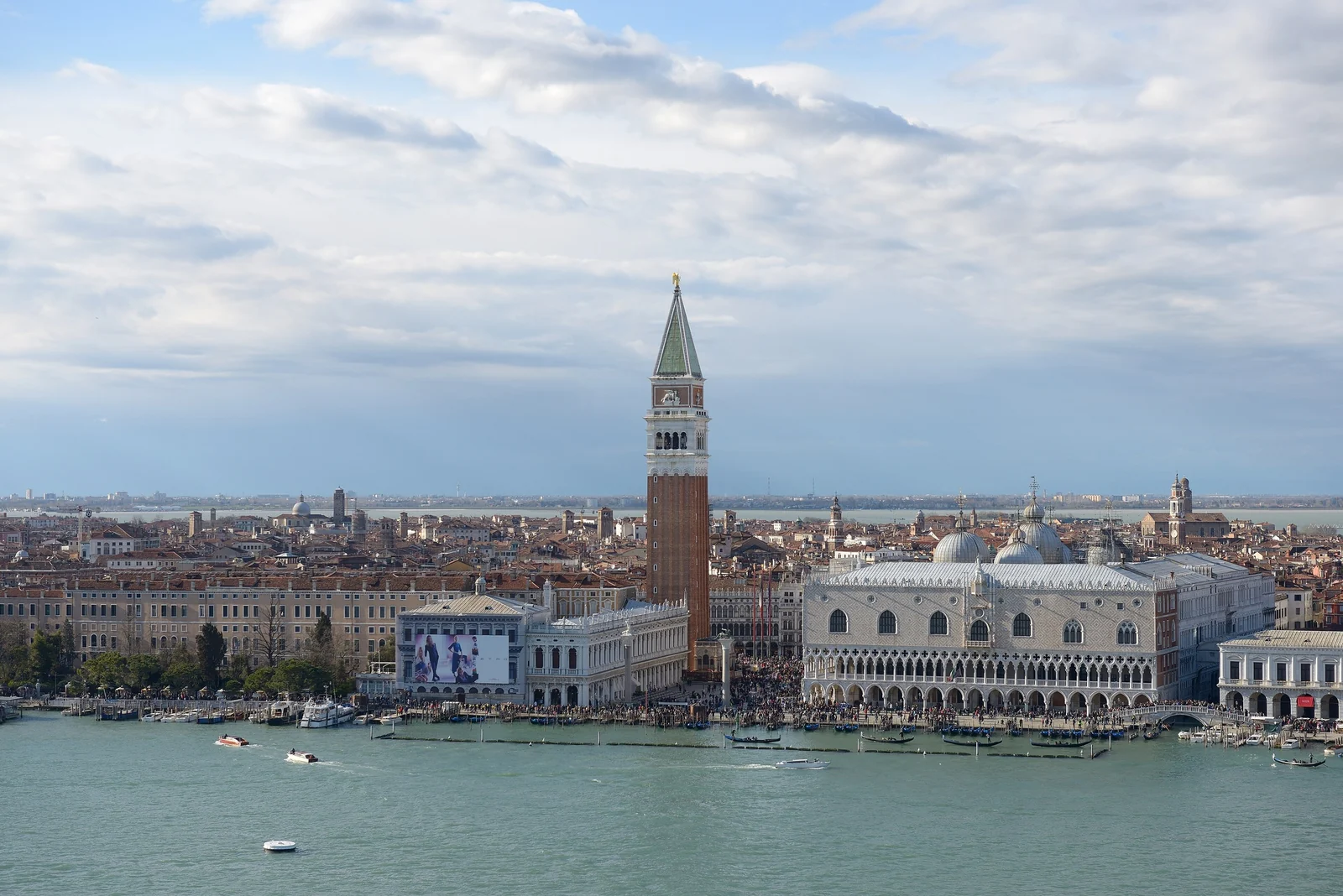
Piazza San Marco is the one place in Venice that feels staged for an audience, and it earns the attention. The basilica, begun in the 11th century, is a Byzantine-flavored jumble of domes, marble and gilded mosaics. Next to it stand the Gothic Doge's Palace, once the seat of Venetian government, and the Campanile, which collapsed in 1902 and was rebuilt as a replica by 1912.
What to see on the square
- St Mark's Basilica: queues build fast, so go early and dress to cover shoulders and knees. Separate tickets cover extras such as the Pala d'Oro altarpiece and the upper loggia.
- Doge's Palace: the council halls, the prisons and the covered Bridge of Sighs, which linked the interrogation rooms to the cells. Book a timed ticket online.
- Campanile: a lift runs to the top for a view over roofs, lagoon and, on a clear day, the distant Alps.
Tickets, opening hours and combined passes change, so check the official museum and basilica sites before you go. Aim to be on the square before the day-trip crowds arrive, or come back after dark, when the arcades and the cafe orchestras take over.
The Grand Canal by Vaporetto
The Grand Canal curves for roughly 3.8 kilometers through the city, lined by more than a hundred palaces from the Gothic to the Baroque. The cheapest way to see it is on public transport. Vaporetto line 1 stops everywhere and takes its time; line 2 is faster with fewer stops. Grab an outdoor seat at the front or back if you can, and ride the full length once, ideally in late afternoon.
A gondola is the romantic alternative, with official rates set for a standard ride, and it is worth doing once if it appeals. A cheaper trick is the traghetto, a bare gondola ferry that crosses the canal at several points for a very small fare. Locals stand for the crossing.
Rialto Bridge and market
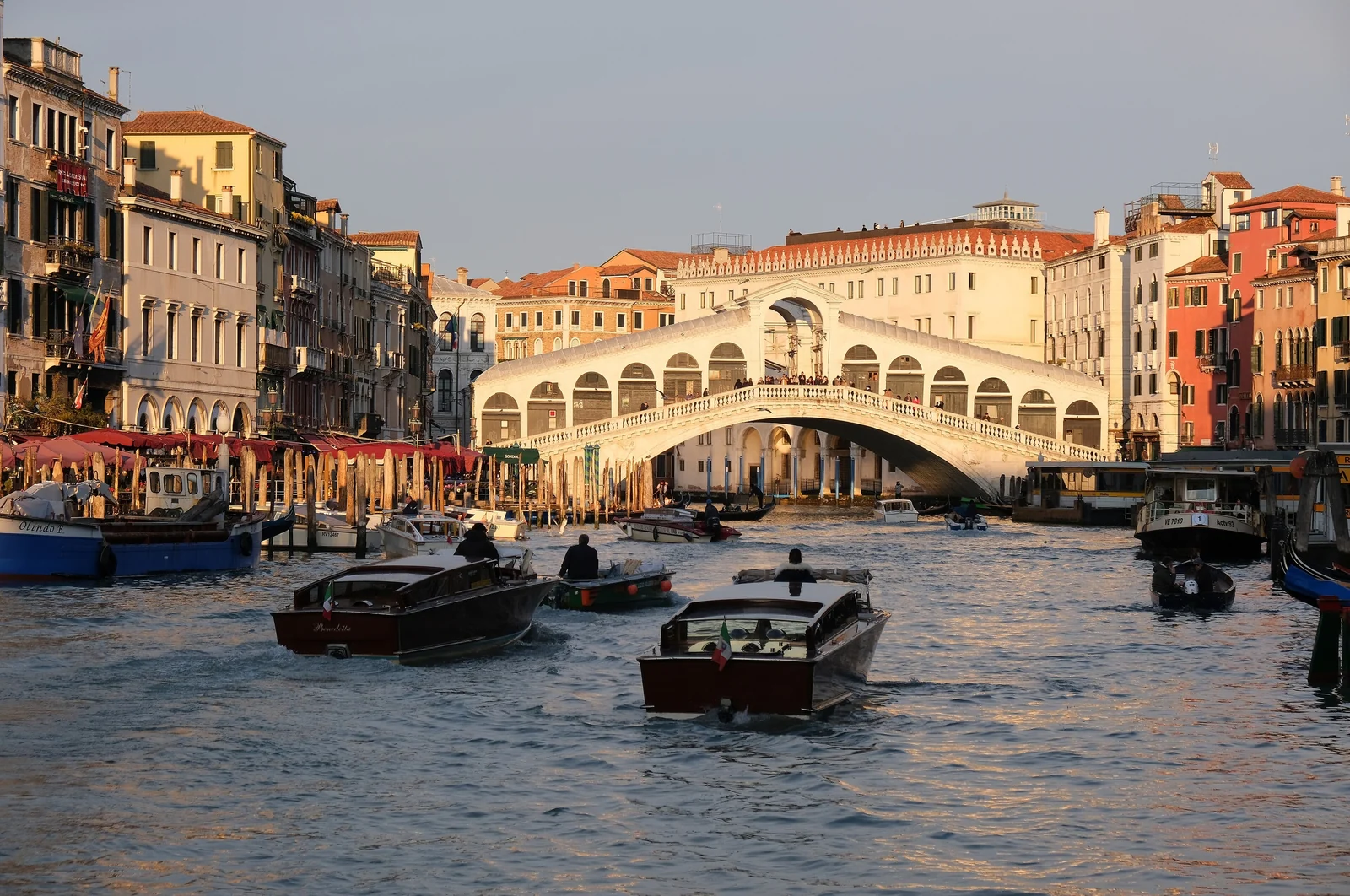
The stone Rialto Bridge was completed in 1591 and for centuries was the only fixed crossing of the Grand Canal. It is packed with shops and photographers; the better view is from the vaporetto or the quay beside it. Just over the bridge on the San Polo side sit the Rialto fish and produce markets, best on a weekday morning, with bars around them that serve a proper lunch to the people who work there.
Dorsoduro: Art, Salute and the Zattere
Dorsoduro, the southern district, is where Venice feels most like a neighborhood. It holds the Gallerie dell'Accademia, with the greatest collection of Venetian painting, and the Peggy Guggenheim Collection, a modern art museum in an unfinished palace on the Grand Canal. Both are worth a block of time if art matters to you, and neither needs a whole day.
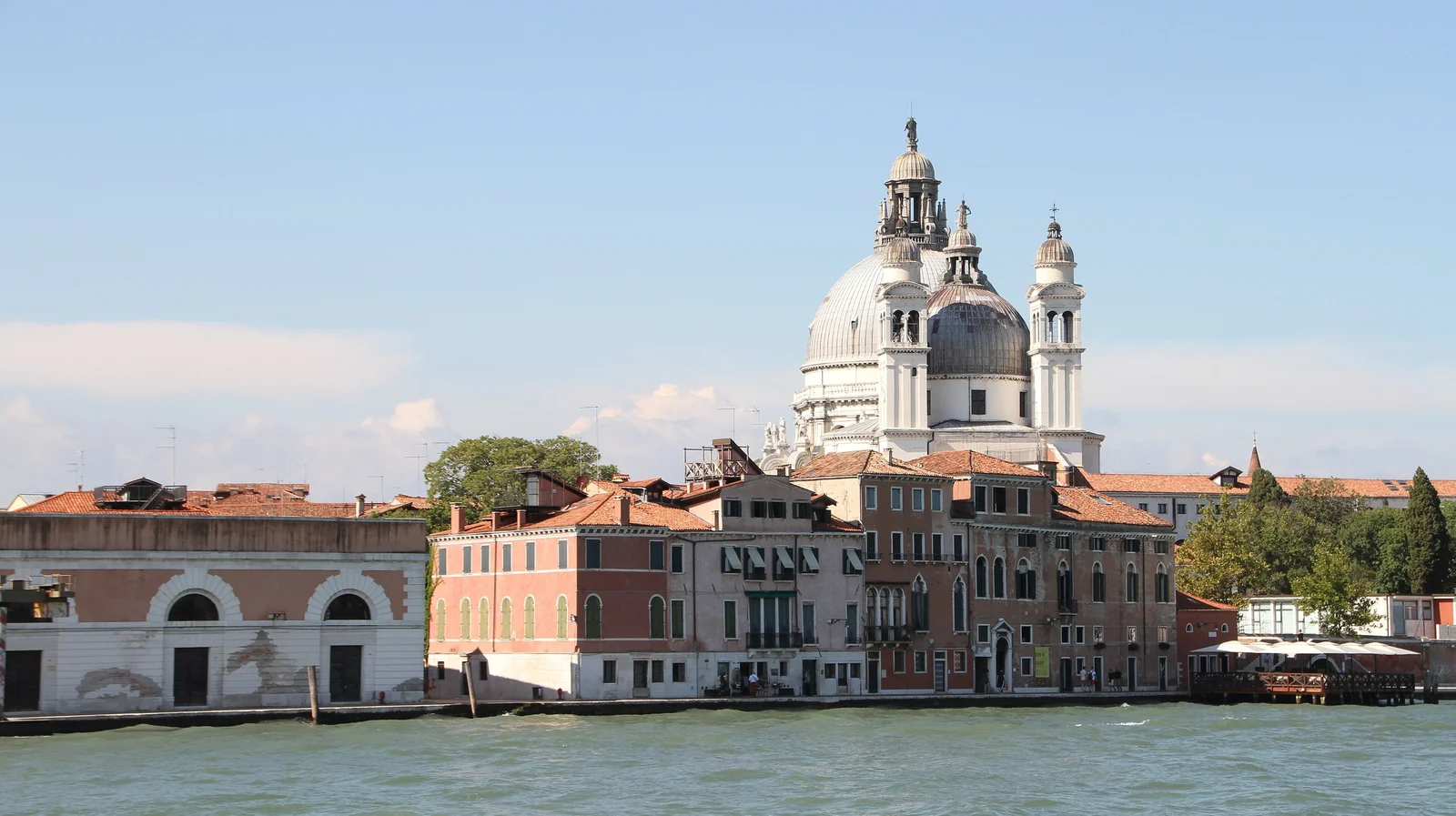
The church of Santa Maria della Salute, with its white dome at the mouth of the Grand Canal, was built after the plague of 1630 as a thank-offering. Stroll the Zattere, a long, sunny waterfront promenade with views over to Giudecca, and stop for gelato. The nearby squares of Campo Santa Margherita and San Barnaba are lively with students and cafes.
Cannaregio and the Jewish Ghetto
Cannaregio is the district nearest the train station, and the quieter streets away from the main route are where daily life is most visible. Washing hangs over side canals, bacari stay busy with locals, and the Fondamenta della Misericordia is a good evening stretch for a drink beside the water.
The Jewish Ghetto, established in 1516, gave the world the word ghetto. Its tall tenements reflect a crowded community forced to build upward. Synagogues still operate inside the old buildings, and the Jewish Museum offers guided visits through the Ghetto's history. It is a thoughtful stop, and tends to be calm compared with the San Marco side.
Murano, Burano and Torcello
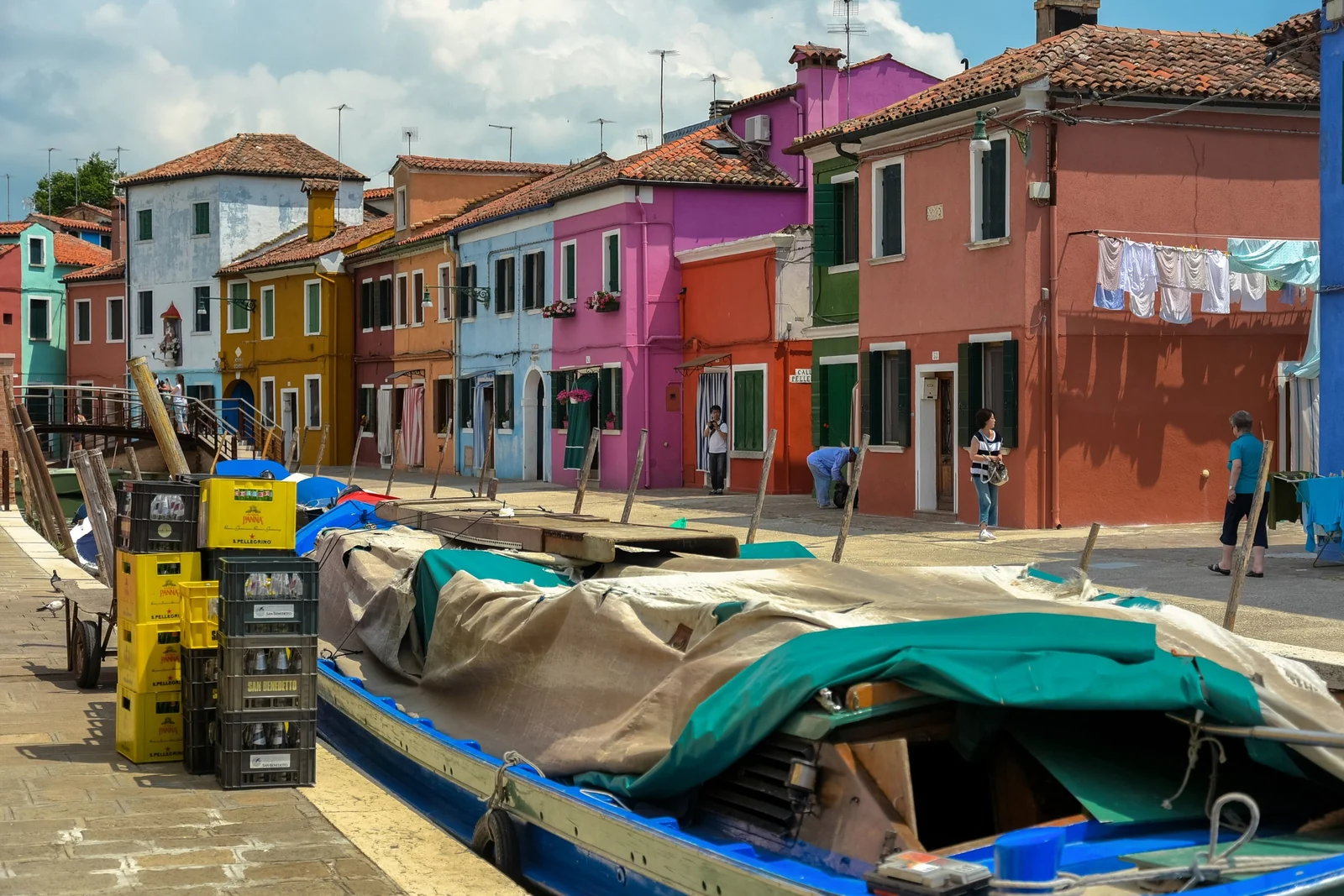
The lagoon islands make an easy half-day or full day by water bus. Glassmaking was moved to Murano in 1291, partly to reduce fire risk in the city, and the island has been Venice's glass center ever since. Burano is known for lace and houses painted in saturated colors. Torcello, the quietest of the three, was settled before Venice itself rose to power.
Murano
Watch a glassmaker at work in a furnace demonstration, and visit the Glass Museum if you want context. Be cautious with shops: cheap pieces labeled as Murano glass may be made elsewhere, so look for official trademark labels and buy from workshops you have seen operating.
Burano
The pleasure here is simply wandering the canals with no plan. The Lace Museum explains the island's needlework history. Take the main street early, because the tour groups arrive around midday, and the side lanes are quieter in any case.
Torcello
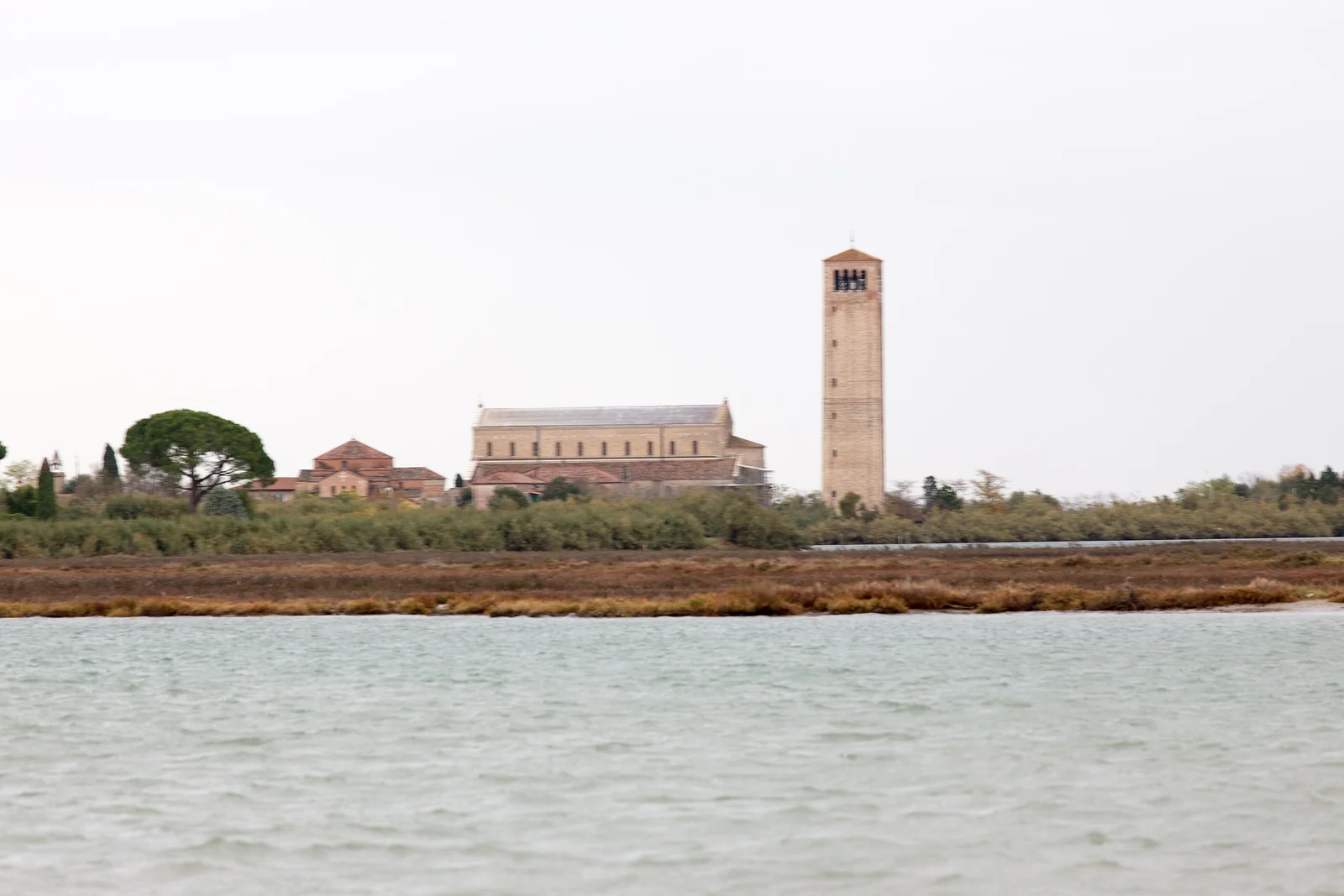
Torcello has a handful of houses, a footbridge and the Cathedral of Santa Maria Assunta, founded in 639 and rebuilt in the 11th century. Inside, Byzantine mosaics include a vast Last Judgment on the west wall. It is the best place in the lagoon to feel the city's earliest layer.
Boats to all three leave from the Fondamente Nove stop on the northern edge of Cannaregio. Check the current timetable and ticket options on the ACTV transport site, and plan the order of the islands around the schedule rather than improvising.
What and Where to Eat: Cicchetti and Bacari
The best Venetian eating is done standing at the bar. A bacaro is a small, old-school wine bar, and cicchetti are the snacks on the counter: small bites on bread, fried olives, meatballs, creamy salt cod (baccalà mantecato) and sardines in sweet-and-sour saor. Order a small glass of wine, called an ombra, and graze from bar to bar.
- Choose busy bars off the main routes. Menus in five languages near St Mark's usually mean tourist prices.
- Eat early or late. Many kitchens close between lunch and dinner.
- Try the cod, the sardines and the seafood risotto. The lagoon is the point.
- Check the coperto. Sit-down places add a cover charge; standing at the bar is generally cheaper.
Day-Tripper Access Fee and Acqua Alta
Venice charges many day visitors an access fee on selected days. It applies to those who come for the day, not to overnight guests, who still need to register and pay the usual city accommodation tax. Amounts depend on how far ahead you book, and exemptions exist for residents, young children and a few other groups. The calendar and rules change, so confirm everything on the official Venice access fee site before you plan a day trip.
Acqua alta, or high water, happens when tides and weather push the lagoon over the low parts of the city. It is most common between autumn and winter and usually lasts a few hours. Since the MOSE flood barriers began operating, the worst tides have been held back. When water does rise, raised walkways go up in St Mark's Square, and cheap rubber boots are sold in many shops. Tide forecasts are published by the city's tide center, so check before you go.
Best Time to Visit and Getting Around
- April to June: pleasant weather and long queues, so book key sights ahead.
- July and August: hot, humid and crowded, with fewer locals in the center.
- September and early October: warm water, softer light and thinner crowds, though high tides can start.
- November to March: cold, misty and quiet. Pack for damp, with acqua alta possible.
Venice is walkable and confusing in equal measure. Download an offline map, follow the yellow signs to the Rialto, San Marco, Ferrovia (the station) and Piazzale Roma, and accept that you will get lost. Water buses connect the airport to the city, and trains arrive at Santa Lucia station on the Grand Canal. Suitcases and bridges are a bad mix, so pack light.
Where to Stay in Venice
- Cannaregio: the best balance of price, local life and walking access to the station and Rialto.
- Dorsoduro: pleasant, artistic and quiet at night, with the Zattere on your doorstep.
- San Polo and Santa Croce: central and good for markets, but busy near the Rialto.
- Castello: tourist crowds near the Arsenale and the Biennale gardens, and quiet streets farther east.
- Mestre or the mainland: cheaper, with train links into the city in minutes, though you lose the evening and early-morning Venice.
Staying overnight means you see the city before the day-trippers arrive and after they leave, which is when it is at its best.
Day Trips from Venice: Verona and Padua
| Destination | How to get there | Approx. travel time | Best for |
|---|---|---|---|
| Padua | Train from Venezia Santa Lucia | About 30 to 45 minutes | Giotto's frescoes in the Scrovegni Chapel, the university city |
| Verona | Train from Venezia Santa Lucia | About 1 hour 10 minutes to 2 hours, depending on the train | Roman arena, Juliet's house, Piazza delle Erbe |
| Murano, Burano, Torcello | Water bus from Fondamente Nove | 30 to 60 minutes each way | Glass, lace, early mosaics |
Padua is the easier day trip, with a lively market around Piazza delle Erbe and the Scrovegni Chapel, where Giotto painted a famous fresco cycle; entry is by timed booking, so reserve ahead. Verona has a Roman arena that hosts open-air opera in summer and a graceful old center. Both are simple by regional or fast train.
Planning a longer trip? Compare Rome or Florence, read our Rome travel guide, or head to the mountains with the Dolomites guide. The south is covered in our Amalfi Coast guide.
Venice Travel FAQ
How many days do you need in Venice?
Two full days cover St Mark's, the Grand Canal, Dorsoduro and Cannaregio. A third day lets you reach Murano, Burano and Torcello without rushing. Add a fourth if you want Padua or Verona as a day trip.
Do you have to pay to enter Venice?
Day visitors are charged an access fee on selected days, with amounts that depend on how early you book. Overnight guests are exempt from the fee but should register. Check the official access fee site for the current calendar and exemptions.
How do you get around Venice?
Mostly on foot, with the vaporetto, or water bus, for longer stretches and the lagoon islands. Line 1 follows the Grand Canal slowly, and line 2 is faster. Traghetto ferries cross the canal cheaply where there is no bridge nearby.
Is Venice worth visiting if it is so crowded?
Yes, with a plan. Visit the main sights early or late, stay overnight if you can, and spend time in Dorsoduro, Cannaregio and the lagoon islands, where the crowds thin out within a few streets of the main routes.
What is acqua alta and should you worry about it?
Acqua alta is high water that floods the lowest parts of Venice, mainly in autumn and winter, and usually for a few hours. Raised walkways are set up in busy areas. It is an inconvenience rather than a danger, so pack waterproof shoes.
What are cicchetti?
Cicchetti are small Venetian bar snacks, often served on bread or skewers, such as salt cod, meatballs, sardines and fried olives. You eat them standing at a bacaro with a small glass of wine called an ombra.
Is it better to visit Murano, Burano or Torcello?
Burano is the most photogenic, Murano is best for glass, and Torcello is the quietest, with its Byzantine mosaics. If you can only manage one, choose Burano, or combine Burano and Torcello in a single trip.