Japan in winter is two trips in one. On the Sea of Japan side and in Hokkaido, snow piles up to roofline height and the draw is powder skiing, steaming outdoor baths and villages that look like woodcuts. In Tokyo, Kyoto and most of the Pacific coast, winter means cold, dry, bright days with clear air, thin crowds at the big sights and a long season of lights.
Which trip you get depends entirely on where you point yourself. This guide to Japan in winter covers December through February: the snow regions, the cities, onsen, festivals, the New Year shutdown, what to pack and how snow can disrupt your plans. If you are still choosing a base, our guide to places to go in Japan gives the wider picture.
Is Winter a Good Time to Visit Japan?
Yes, with one condition: choose the winter you want. Skiers and snow lovers get the best of the year. City travelers get clear skies and fewer queues at places that are packed in spring and autumn. Cherry blossoms and fall color are not on offer, and some mountain roads and attractions close for the season.
The trade-off is cold and short days. In the cities, sunset comes early, so a sensible day starts early too. In the snow country, a delayed train or a closed road is a normal part of the season, not a crisis, as long as you leave slack in the plan.
Japan in Winter by Region
Winter here is not one climate. The cold air that crosses the Sea of Japan picks up moisture and dumps it on the western side of the main island and on Hokkaido, while the Pacific side stays far drier. That single fact explains most of the map.
| Region | What winter feels like | Best for | Plan around |
|---|---|---|---|
| Hokkaido | Cold, deep snow, long season | Powder skiing, snow festivals, seafood | Flight and road delays in storms |
| Nagano and the Alps | Cold and snowy, sunny between storms | Ski resorts, snow monkeys, onsen towns | Mountain roads, limited buses |
| Shirakawa-go and Hokuriku | Very heavy snow on the Sea of Japan side | Snow-covered farmhouses, evening light-ups | Advance reservations, slow transport |
| Tohoku | Cold and snowy, quiet | Onsen villages, frosted trees, ryokan stays | Rural buses, early closing |
| Tokyo | Cold, dry, mostly sunny | Clear views, illuminations, museums | Early sunsets, the New Year closures |
| Kyoto and Osaka | Cold, gray days, rare snow | Temples without crowds, winter food | Damp chill indoors in old buildings |
Treat the descriptions as general. Snowfall varies from one winter to the next, and a lean year in one region can be a heavy one in the next.
Hokkaido: Powder, Ice and Seafood
Hokkaido is the obvious pick for snow. Its dry, light powder is the reason ski resorts such as Niseko have a following well beyond Japan, and the island is cold enough that the snow stays through February. Sapporo makes a good base because it is a real city with a subway, restaurants and easy access to nearby slopes. Our Hokkaido travel guide covers the island by area.
The best-known winter event is the Sapporo Snow Festival, held for about a week in early February, with large snow and ice sculptures lining Odori Park. Smaller sites carry the festival into the evening with illuminated ice work. Dates shift each year, so check the official tourism listing before booking a flight. Rooms in Sapporo fill early in festival week.
Hokkaido also rewards the traveler who is not skiing. Winter is the season for crab, ramen and hot pots, and a canal town like Otaru is easy to reach from Sapporo on a day trip. Allow extra time for any transfer, because heavy storms can slow trains and delay flights.
Nagano and the Alps: Ski Towns and Snow Monkeys
The mountains of Nagano prefecture are the other great winter playground, with ski areas that hosted Olympic events in 1998. They are close enough to Tokyo that a skier can leave the capital in the morning and be on a lift in the afternoon, which is why the area suits short trips.
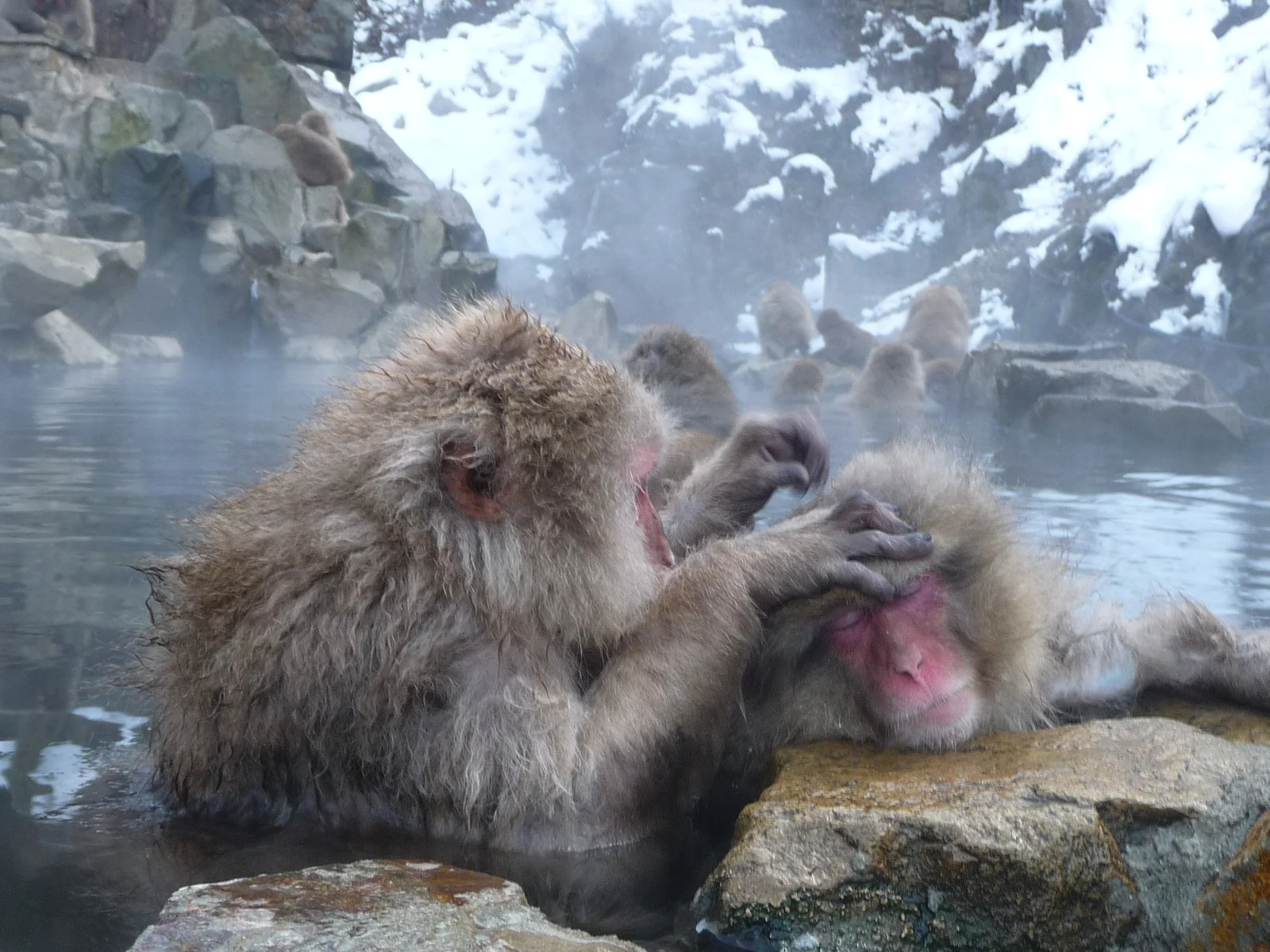
The signature non-ski sight is Jigokudani Monkey Park, near Yamanouchi, where wild Japanese macaques soak in a hot spring against a snowy backdrop. You reach the park on a walk through the forest, so bring proper boots, since the path can be icy. The monkeys are wild, so keep your distance and follow the park rules.
Shirakawa-go and the Snow Country
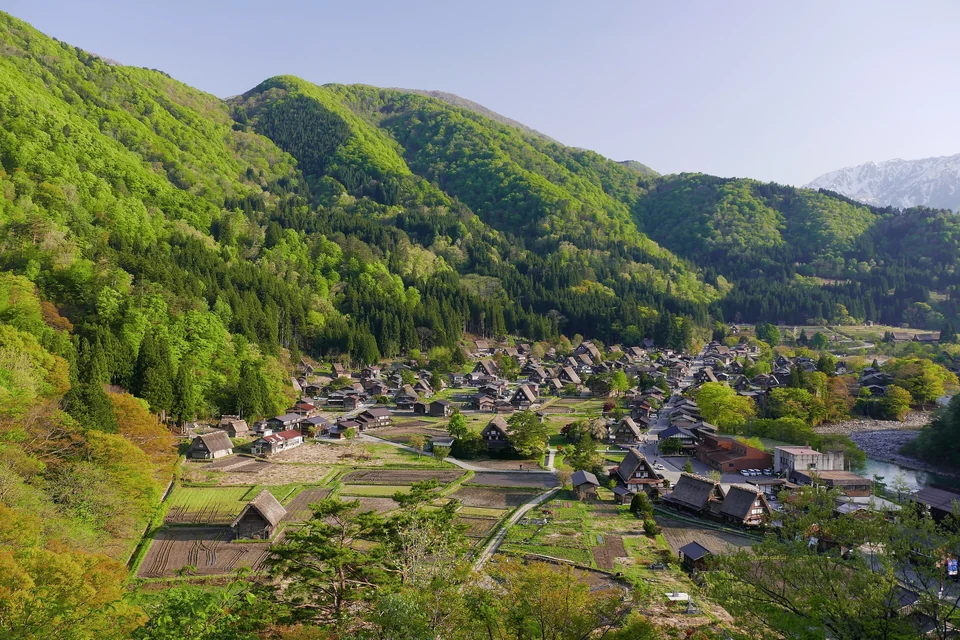
The thatched farmhouses of Shirakawa-go, a UNESCO World Heritage site since 1995, are at their most photogenic under deep snow. The steep roofs, built in the gassho style, were designed to shed heavy snowfall, and in winter the village looks exactly like the pictures you have seen.
On selected winter evenings the village is lit up, and entry for the illumination generally requires a reservation made in advance through the local tourist association. Dates are usually announced in the autumn and tend to fill quickly. Check the official Shirakawa-go site for the current schedule, and read our Shirakawa-go day trip guide for how to get there from Takayama or Kanazawa.
Winter changes the logistics. Buses may run on a reduced timetable, roads can close briefly in heavy snow, and the walk around the village is on packed snow and ice. Waterproof boots with grip are not optional, and an early start gives you quiet streets before the tour buses arrive.
Tohoku: Onsen Villages and Frosted Trees
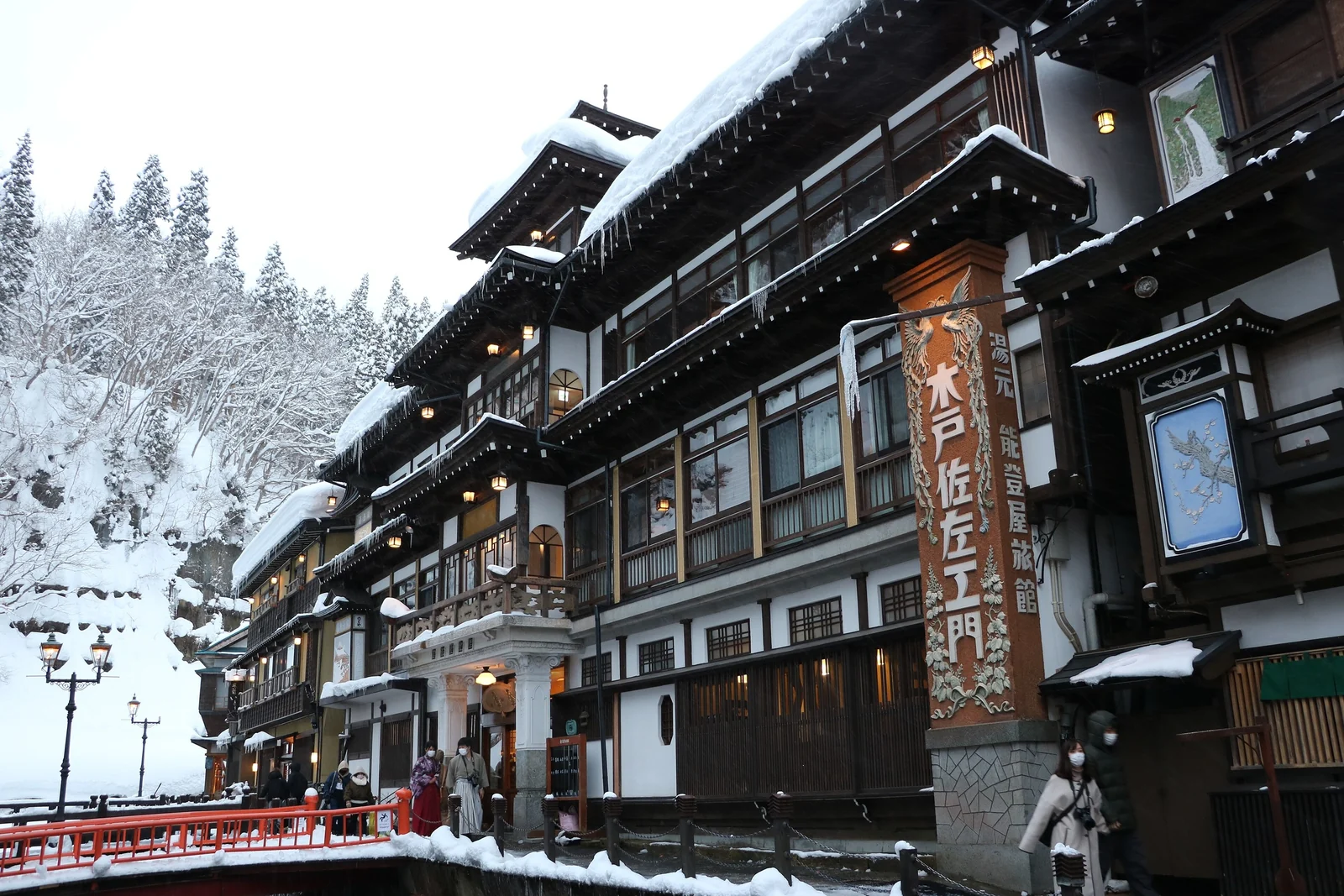
Tohoku, the northern part of the main island, is quieter than Hokkaido or Nagano and a favorite for travelers who want snow without a ski-resort crowd. The classic picture is Ginzan Onsen in Yamagata Prefecture, a hot-spring village of wooden inns along a river, which looks its best in a snowfall. It is small, so most visitors come for a night or an afternoon.
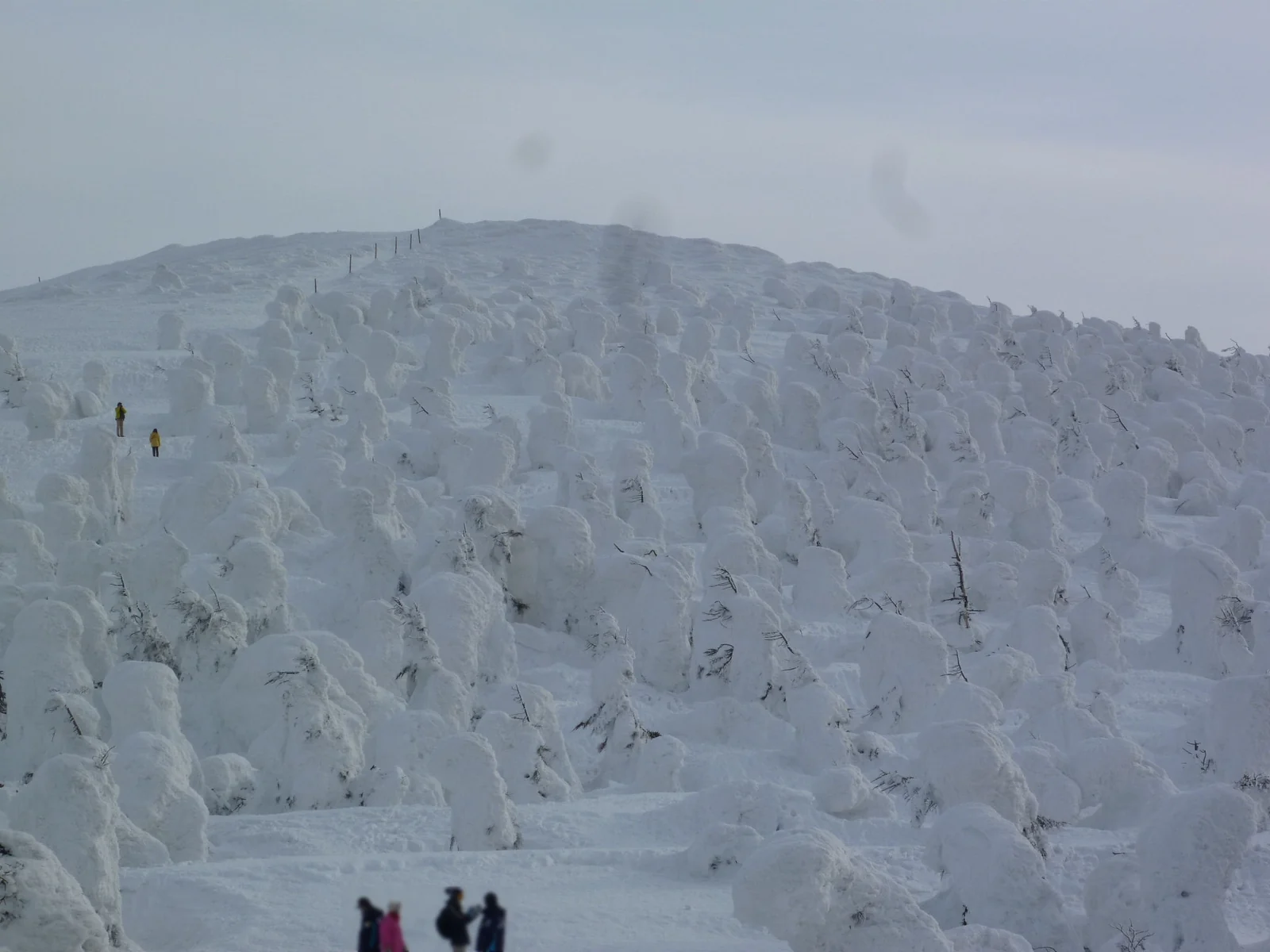
Further south in the same prefecture, the trees on Mount Zao freeze into rounded shapes known as snow monsters (juhyo). They form in the cold months and are best viewed from the ropeway or on skis. Conditions on the summit can be harsh, so go on a clear day and wear more than you think you need.
Tokyo and Kyoto in Cold, Clear Weather
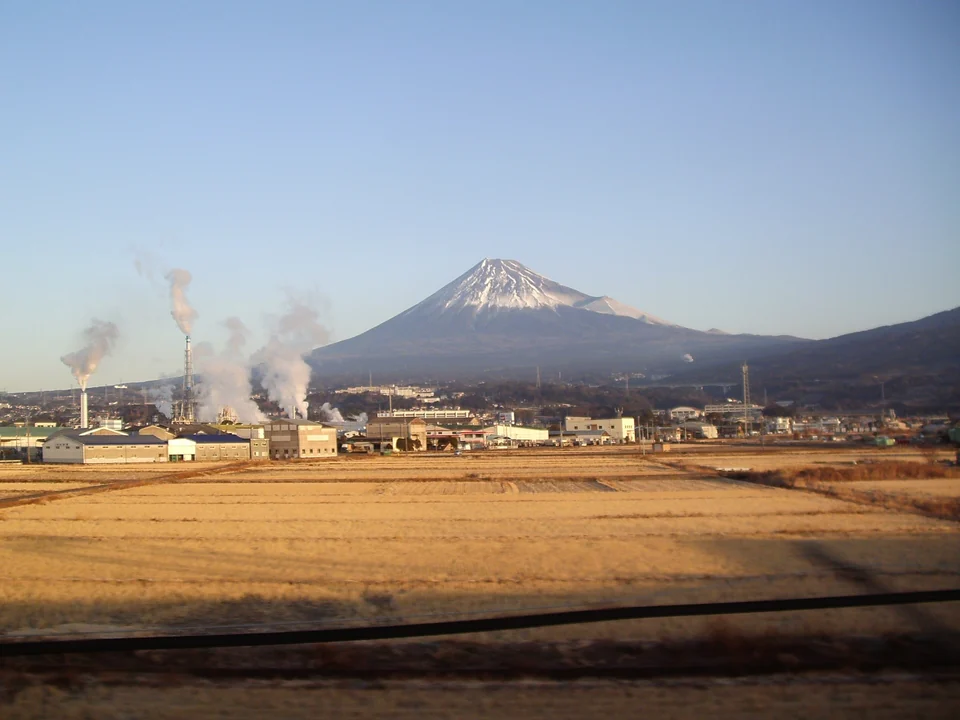
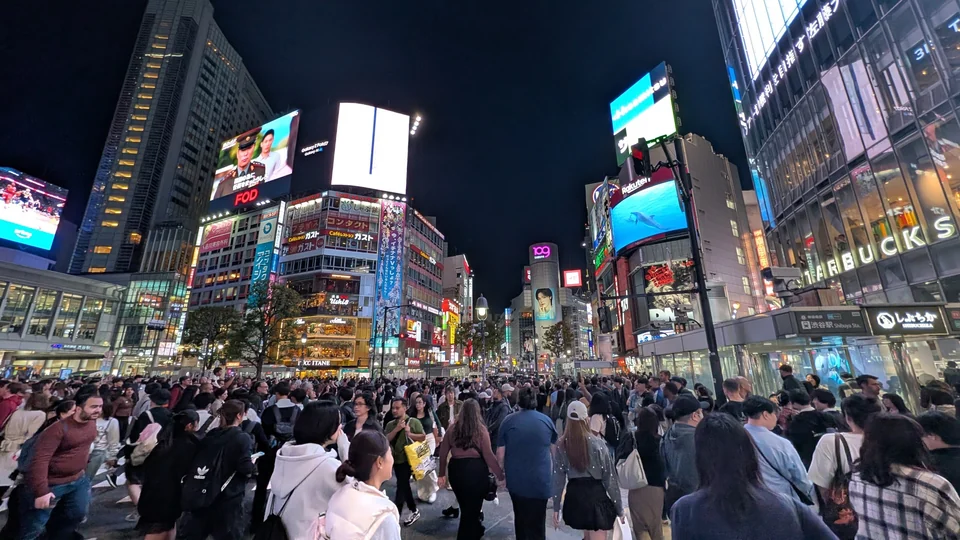
Winter is an underrated season in the big cities. The air in Tokyo is generally dry and sunny, which makes for good visibility and, on a clear day, a better chance of seeing Mount Fuji from a high viewpoint. Museums, department stores and food halls are warm refuges, and the long evenings suit the city's lights and izakaya. Our Tokyo travel guide has the sights and neighborhoods.
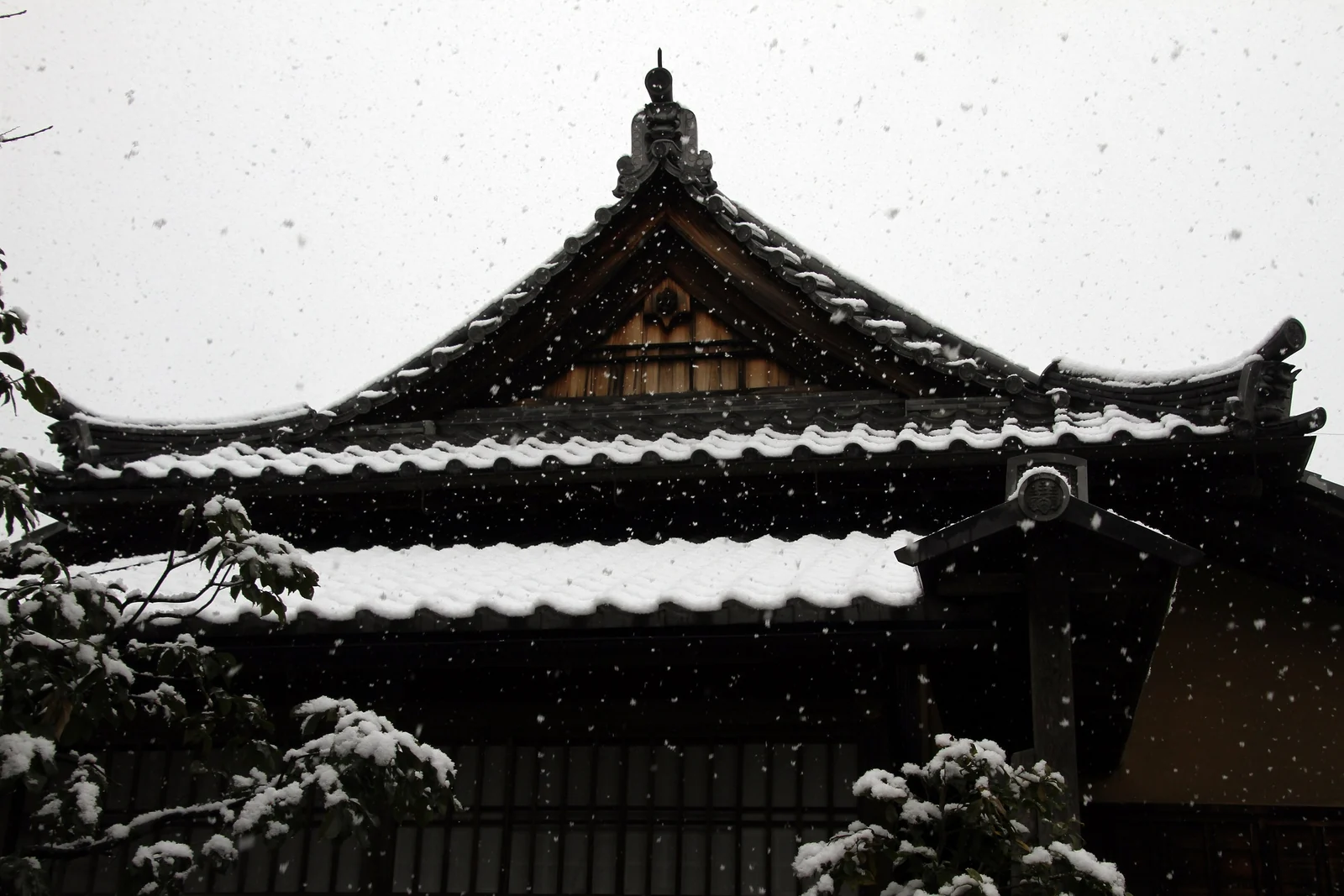
Kyoto is colder and grayer, and snow is occasional rather than reliable. When it does fall on the temples, the effect is striking, but do not plan around it. What winter gives you instead is room: gardens, lanes and temples that feel crowded in spring and autumn are calmer now. Old wooden buildings are often poorly heated, so dress in layers even indoors. See our Kyoto guide for what to prioritize.
Onsen: Winter's Best Reason to Get Wet
Soaking in an outdoor hot spring while snow falls is the experience most people picture when they think of winter in Japan. Onsen towns are scattered across the country, from big resort areas to tiny villages, and a night in a ryokan with a private or shared bath is a good way to spend a cold evening.
- Wash first. Shower thoroughly at the washing stations before entering the bath. The bath is for soaking only.
- Leave the towel out of the water. Many bathers set the small towel on their head or at the side.
- Check the rules on tattoos. Policies differ by facility, and some places offer private baths or ask visitors to cover small tattoos. Ask before you book.
- Mind the temperature change. Step slowly from a hot bath into cold air, and drink water, since the heat can be tiring.
Illuminations, Festivals and the New Year
Winter in Japan is a season of lights. Cities and theme parks put up large illuminations from late autumn into the new year, and the displays are one of the easiest ways to enjoy a cold evening. Kobe's Luminarie, held in December, began in 1995 in memory of the Great Hanshin earthquake of that year. Hokkaido, Tohoku and the snow country hold their own events through January and February.
The biggest cultural moment is the New Year. Many businesses close from around the end of December through the first days of January, and the exact dates differ by operator. Shops, restaurants and some museums may be shut, while convenience stores and chain restaurants usually stay open. Shrines and temples are the opposite: they fill with people making the first visit of the year, known as hatsumode. Plan meals and sightseeing around the closures, and book transport early, since trains are crowded around the holiday.
What to Pack and How to Dress
Think in layers, not in one heavy coat. Indoor spaces, trains and shops are well heated, so you will take things on and off all day.
- Base layer: thermal tops and leggings, which matter more than a bulky jacket.
- Insulation: a fleece or light down jacket you can pack down.
- Outer shell: a waterproof, windproof coat, especially for Hokkaido and the snow country.
- Footwear: waterproof boots with real tread. Sneakers fail on packed snow and ice.
- Extras: gloves, a hat, a scarf, warm socks and lip balm, since the air is dry.
- For the city: shoes that are easy to take off, since many restaurants, ryokan and temples ask you to remove them.
Snow, Transport and Travel Disruption
Japan's transport system is dependable, and winter is when it gets tested. Shinkansen lines through snowy regions can slow or stop in heavy snowfall, flights to and from Hokkaido are sometimes delayed or canceled, and rural buses and mountain roads may change schedules. The Tokyo to Kyoto corridor is on the Pacific side and is generally less affected, though a heavy storm can slow it too.
Build in a buffer. Do not schedule a tight connection on the day of an international flight if your route crosses snow country, and keep a night of slack at the end of a trip that includes Hokkaido or the mountains. Check operator websites on the morning you travel, and consider travel insurance that covers delays. Local people tend to take disruptions calmly, and staff at stations are good at telling you your options.
Japan in Winter FAQ
What is the best month for snow in Japan?
January and February are the most reliable months for deep snow, especially in Hokkaido, the Japan Alps and the Sea of Japan side. December can be snowy in the far north but patchier further south. Conditions change each season, so check local reports before booking.
Is Tokyo cold in winter?
It is cold but usually dry and sunny. Expect chilly mornings and evenings, with daytime weather that suits a coat and layers rather than heavy snow gear. Snow in central Tokyo is occasional and tends not to last long when it falls.
Can you see Mount Fuji in winter?
Winter is among the best times to see it. The air is drier and clearer than in summer, so views from Tokyo and the surrounding area are more likely. Clouds can still hide it, so keep the plan flexible and give yourself more than one chance.
Is Japan closed over New Year?
Not entirely, but many businesses close for several days around January 1, and operators set their own dates. Shrines and temples stay open and busy, and convenience stores and chain restaurants usually keep going. Plan meals and book transport ahead.
What should I wear in Japan in winter?
Wear layers: a thermal base, a fleece or light down jacket and a waterproof outer shell. Add waterproof boots with good grip, gloves, a hat and a scarf. Heated indoor spaces mean you will be removing layers as often as adding them.
Is winter a good time to visit Kyoto?
Yes, if you want quieter temples and gardens. It is colder and often gray, and snow is only occasional. Dress warmly, since older buildings can be chilly, and use the short daylight hours by starting early at the main sights.
Do I need a reservation for the Shirakawa-go winter light-up?
Generally yes. Entry to the evening illumination is typically limited and arranged in advance through the local tourist association. Dates are announced ahead of the season and can fill quickly, so check the official site early and plan your transport around the evening.